When you are packing your bags for a brand-new international adventure, one of the most practical, daily survival questions you will inevitably ask is: “Can I drink the tap water there?”
In many parts of the world, relying on tap water is a guaranteed shortcut to an ruined holiday spent entirely inside your hotel bathroom. You find yourself budgeting for endless plastic bottles from the local convenience store just to brush your teeth.
If you are currently asking this question about your upcoming trip to Japan, I have fantastic news for you.
The short answer is: Yes, absolutely. The tap water in Japan is 100% safe, clean, and strictly regulated to the highest global standards.
In fact, Japan is one of the very few countries on Earth where you can turn on any standard tap—whether in a luxury Tokyo hotel or a remote train station—and safely drink right from it. Here is our honest, real-world guide to navigating hydration in Japan, along with a few expert travel hacks to save your budget and the planet.
The Science: Why Japan’s Water is World-Class
Japan’s Ministry of Health, Labour and Welfare enforces incredibly rigorous safety standards for tap water. The country’s testing criteria are actually stricter than the World Health Organization (WHO) guidelines.
The water undergoes rigorous filtration to remove all harmful bacteria, parasites, and heavy metals. Whether you are showering, rinsing an apple, or filling up a glass at midnight in your Airbnb, you have absolutely zero reasons to worry about getting sick.
A Quick Note on Taste (Soft Water vs. Chlorine)
- It’s Soft Water: The vast majority of water in Japan is “soft water” (namisui), meaning it has a lower mineral content compared to the hard water found across Europe or parts of North America. It feels incredibly light and gentle, which is why Japanese green tea and dashi broths taste so incredibly vibrant.
- The Smell of Safety: Because Japan takes purification very seriously, you might occasionally notice a very faint smell or taste of chlorine, especially in the heart of major cities like Tokyo during hot summer months. It is completely harmless—it just means the water is exceptionally clean—but if you have a sensitive palate, letting the water sit in a fridge for an hour or using a simple filter will make it taste perfectly crisp.
The Local Reality: What the Japanese Actually Do
Now, here is a bit of behind-the-scenes reality. Just because the tap water is 100% safe, it doesn’t mean every local in Japan is drinking it straight from the tap.
In fact, if you visit a typical Japanese home, you will notice that almost everyone uses some form of water purifier (jousuiki) attached to their kitchen sink to strip away that faint chlorine taste. And just like many families around the world, Mai’s family home always buys big bottles of mineral water for their daily drinking needs.
So, as a traveller, what does this mean for you? If you are staying at a hotel or an Airbnb, do not hesitate for a second to use the tap water to brush your teeth, wash your face, or boil water for your morning coffee. But if you are highly sensitive to the taste of tap water, doing what the locals do—buying a large, inexpensive 2-litre bottle of mineral water from the local convenience store or supermarket to keep in your hotel fridge—is a perfectly normal and budget-friendly option!
Free Water is Everywhere (If You Know Where to Look)
One of the best perks of Japan’s incredible hospitality culture (Omotenashi) is that you rarely have to pay to stay hydrated while dining out.
The second you sit down at almost any restaurant in Japan—from a tiny local ramen shop to a family diner—the staff will instantly bring you a glass of ice-cold water (often called O-hi-ya) or a jug of cold green tea. And yes, this is completely free and automatically refilled. You never have to awkwardly ask your waiter if the house water is safe to drink.
Our Slow Travel Eco-Hack: Bring a Reusable Bottle
If you walk down any Japanese street, you will notice an iconic feature of the landscape: Vending machines (Jidonhanbaiki) are absolutely everywhere. They are incredibly convenient and sell delicious cold teas, coffees, and waters for around 100 to 150 yen.
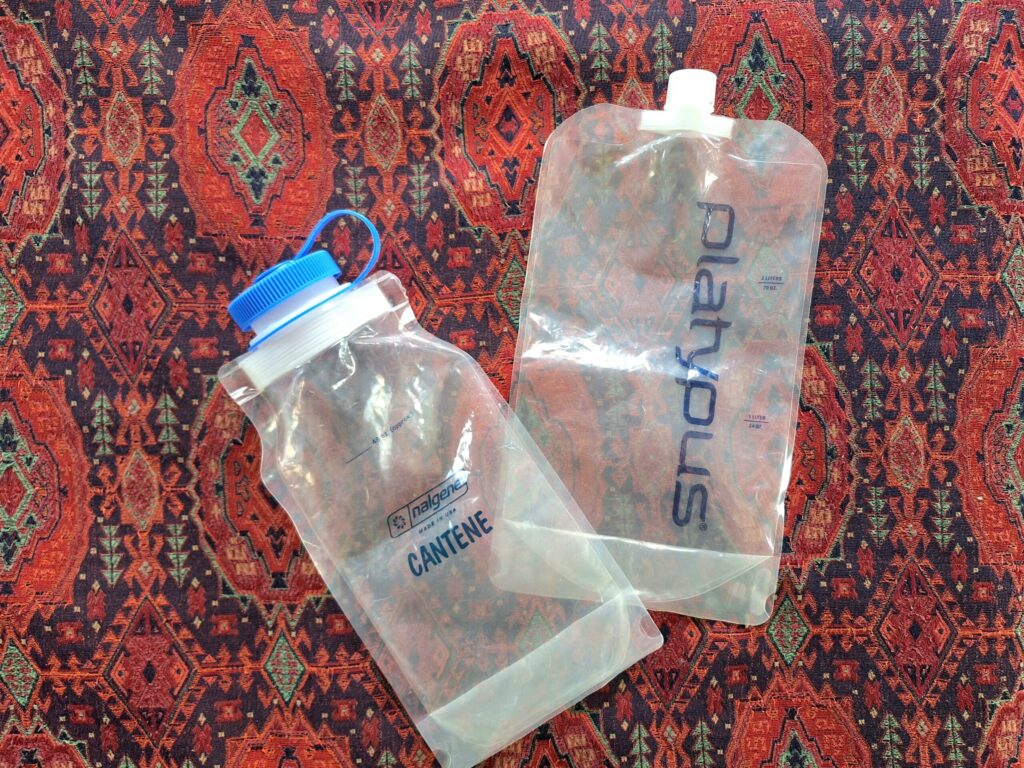
However, as passionate advocates for “Slow Travel” and minimizing our environmental footprint on the road, Mai and I always pack our own reusable travel bottles whenever we visit Japan.
Constantly buying single-use plastic bottles from vending machines not only adds up financially over a multi-week trip, but it also creates unnecessary waste. Instead, we highly recommend bringing a reliable bottle from home.
If you are wondering which type of bottle actually survives the rigors of long-term travel without leaking inside your daypack, you can read all about my personal gear testing and past packing disasters in our dedicated review: Nalgene vs. Platypus: Lessons from My Travel Mishaps and the Ultimate Winner.
Once you have your trusted bottle ready, you can easily adopt these two local hacks to refill it completely free on the go in Japan:
- Download the “mymizu” App before you leave: This is a brilliant, free smartphone app designed by a local Japanese non-profit, and it is available for download on international App Stores worldwide. It maps out thousands of free water refill stations across Japan—including public park drinking fountains, eco-friendly cafes, and public buildings. Our Tip: Download it at home before your flight so it’s ready to use the moment you land!
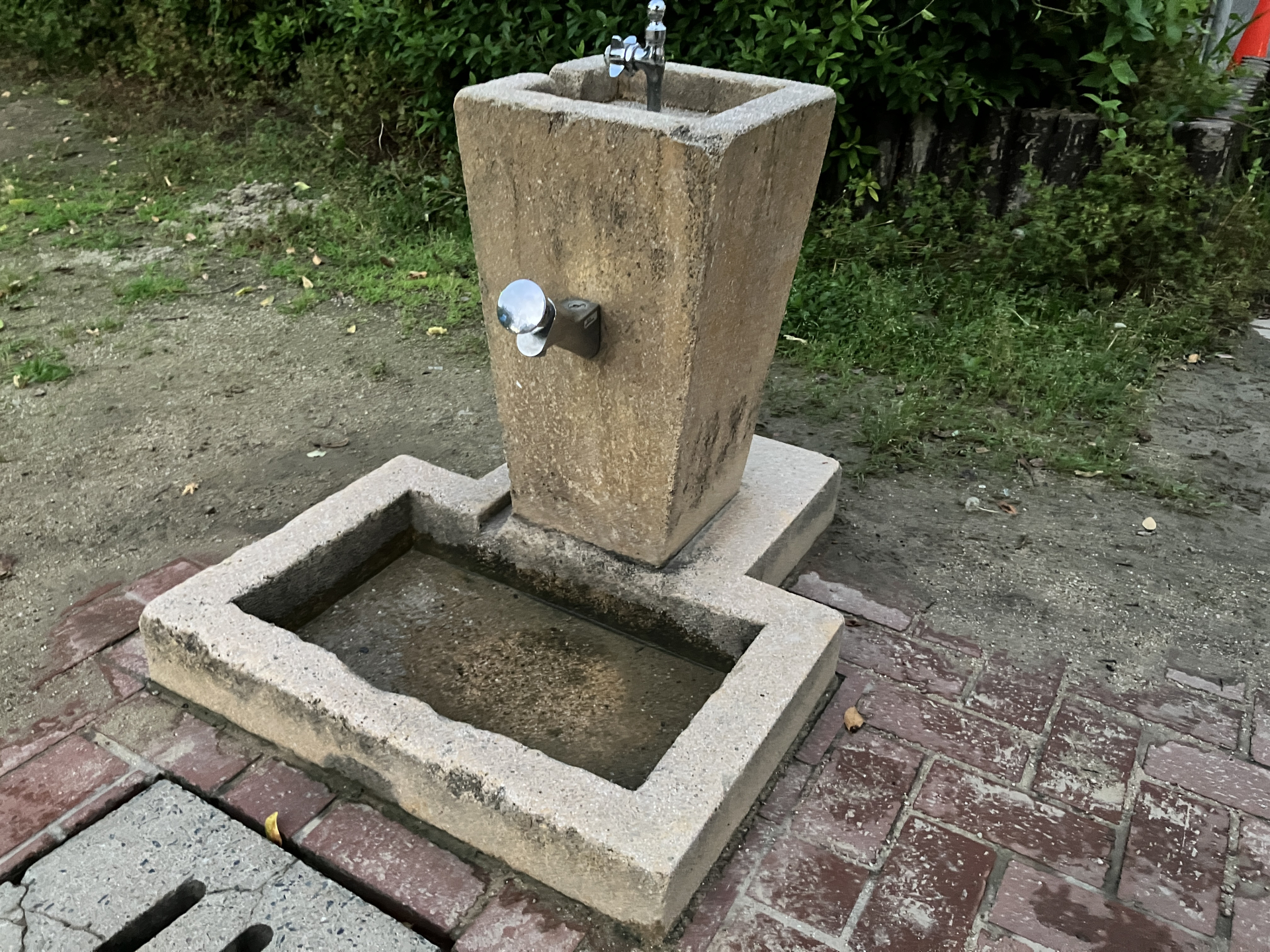
- Public Parks and Stations: Traditional Japanese public parks and many major bullet train stations still feature pristine, dedicated drinking fountains (Suidou). They are clean, safe, and completely free to use.
Water is safe to drink, but how about general safety? Is Japan actually as safe as everyone says? Read more about it here:
➡ Is Japan Safe for Solo Travelers and Families? (An Honest Guide)
Conclusion: Pack Your Bottle and Travel with Peace of Mind
Navigating a new country can be full of logistical puzzles, but staying hydrated in Japan is wonderfully stress-free. You don’t need to waste time hunting down imported bottled water or worrying about contaminated ice cubes in your drinks.
Turn on the tap, enjoy the complimentary restaurant water, and focus your energy on exploring the beautiful streets, historic temples, and incredible food scenes instead!
Head back to our master checklist to tackle your next big travel question:
➡ First Trip to Japan? 12 Questions that We are Frequently Asked
Comment