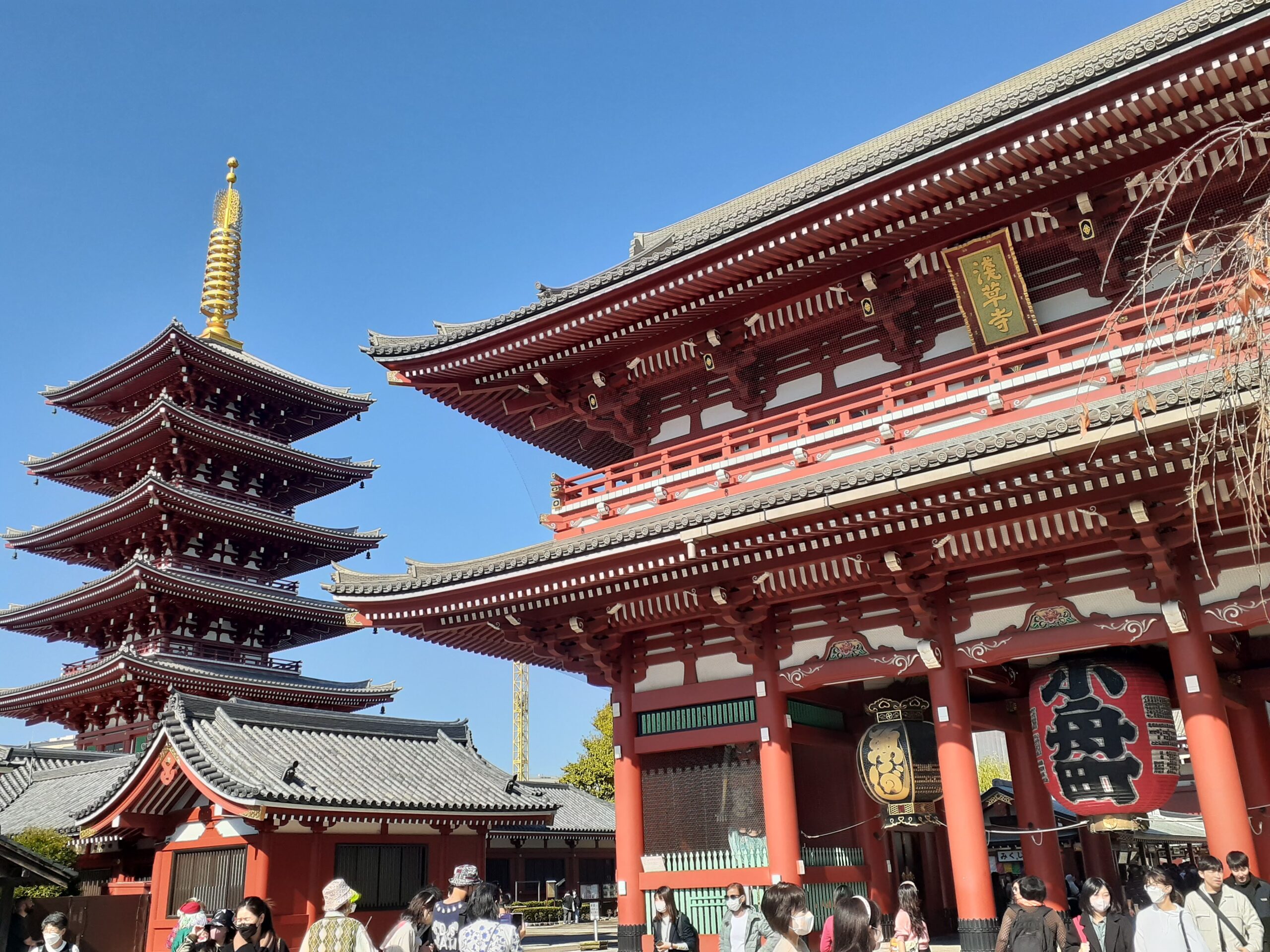
Whenever my Japanese wife and I catch up with our friends back in the UK or here in Canada, the conversation almost always steers towards one particular topic: travelling to Japan. With Japan being such a bucket-list destination, everyone seems to be planning their first proper trip there at the moment.
As a British-Japanese couple living in Canada, we often find ourselves acting as the unofficial travel consultants for our international social circle. Our friends love asking us those practical, real-world questions that standard guidebooks tend to gloss over—combining my perspective as someone who tackles the country as a foreign visitor, with my wife’s insider knowledge.
To help you organise your own adventure, we have compiled the 12 questions that we are frequently asked by our British and Canadian friends, complete with our honest insights. Think of this page as your ultimate Japan travel hub—underneath each brief answer, you will find a link to a comprehensive guide diving deeper into that specific topic.
- Isn’t Japan incredibly expensive?
- Is travelling in Japan ‘Easy’?
- When is the best time to visit?
- How long do we need for the trip?
- Where should we go for our first trip?
- Can I use my credit card?
- Is English widely spoken?
- What is the tipping culture?
- Can you actually drink the tap water?
- Is there free Wi-Fi everywhere, or should I get a SIM?
- Can I find vegetarian/vegan food easily?
- Is Japan safe for solo travellers or families?
Isn’t Japan incredibly expensive?
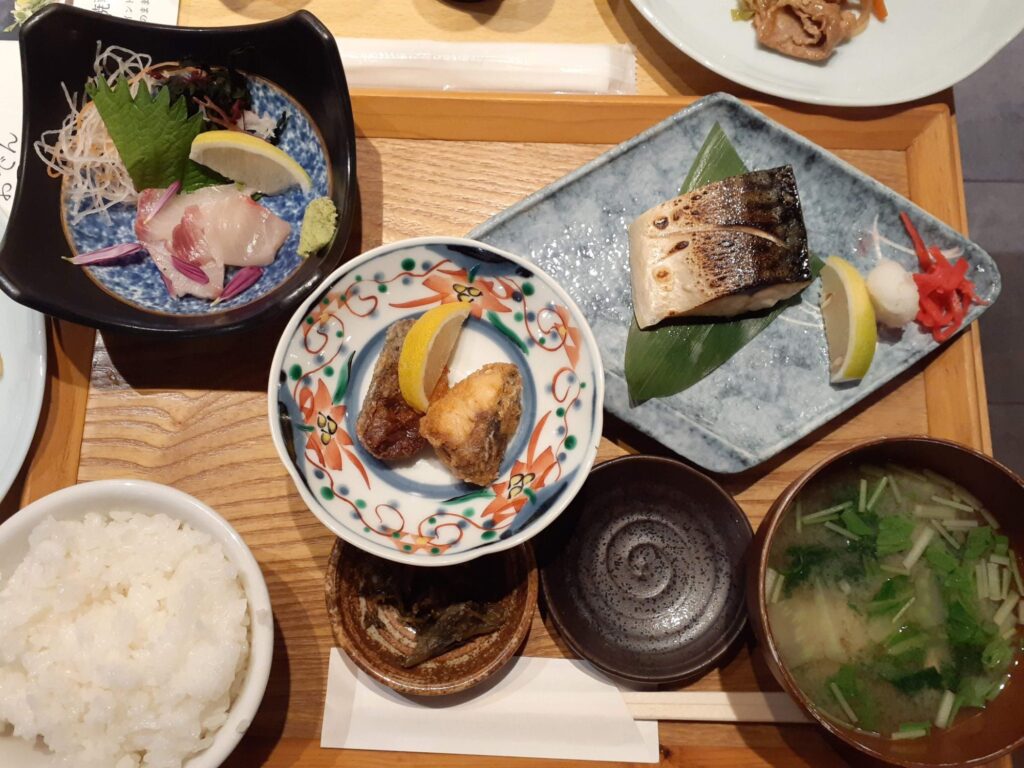
This is, without a doubt, the number one question we get asked. The short answer is: not anymore. While Japan carried a reputation for being prohibitively expensive in the 1980s and 90s, the reality today is entirely different.
Due to recent exchange rates, your Pounds, Dollars, or Euros go incredibly far. In fact, compared to major cities like London, New York, or Toronto, eating out and staying in hotels in Japan offers phenomenal value for money. You can get a world-class bowl of ramen or a delicious lunch set for a fraction of what you would pay at home. It is entirely possible to enjoy a brilliant trip here without breaking the bank.
Read our detailed budget guide:
➡ Is Japan Really Expensive? A Real Cost Breakdown from a British Traveller
Is travelling in Japan ‘Easy’?
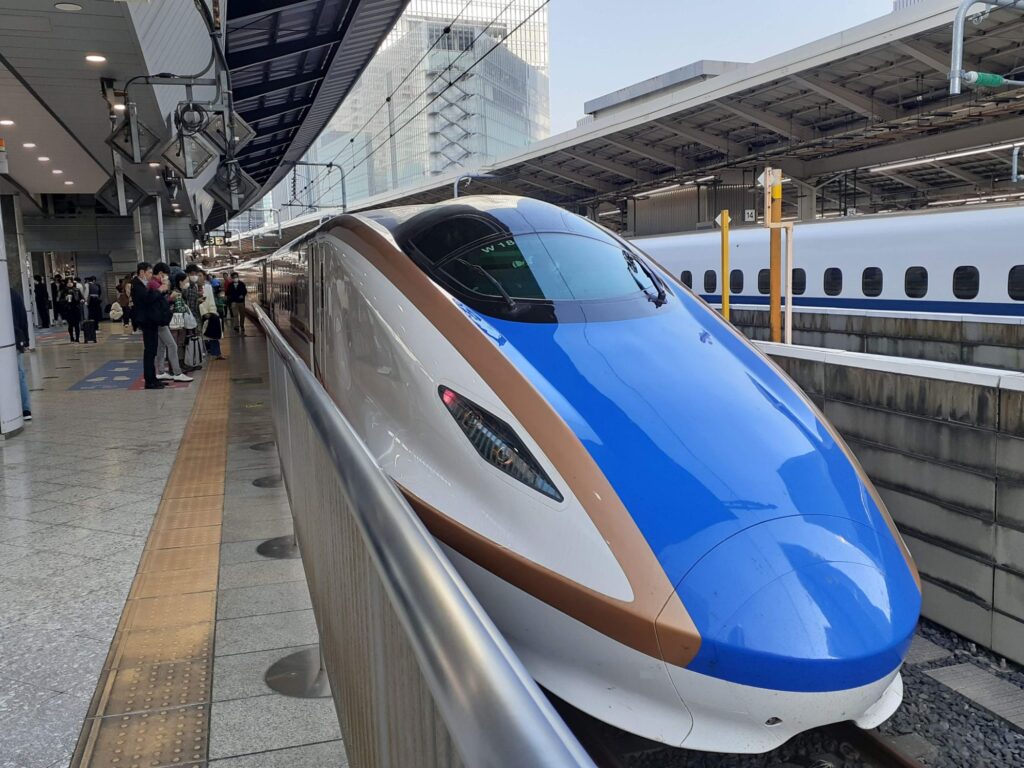
Yes, absolutely. It might feel like you are stepping onto a different planet at first because the culture, language, and signs are so distinct. However, Japan is arguably one of the easiest and most stress-free countries to navigate in the world.
The public transport network is legendary for a reason—trains are spotlessly clean, perfectly punctual, and remarkably easy to use once you get the hang of them. Combined with the exceptional level of safety and the legendary hospitality of the local people, even a novice traveller will find the whole experience incredibly smooth.
Read my beginner’s guide:
➡ First Time in Japan: Everything You Need to Know Before Visiting
When is the best time to visit?
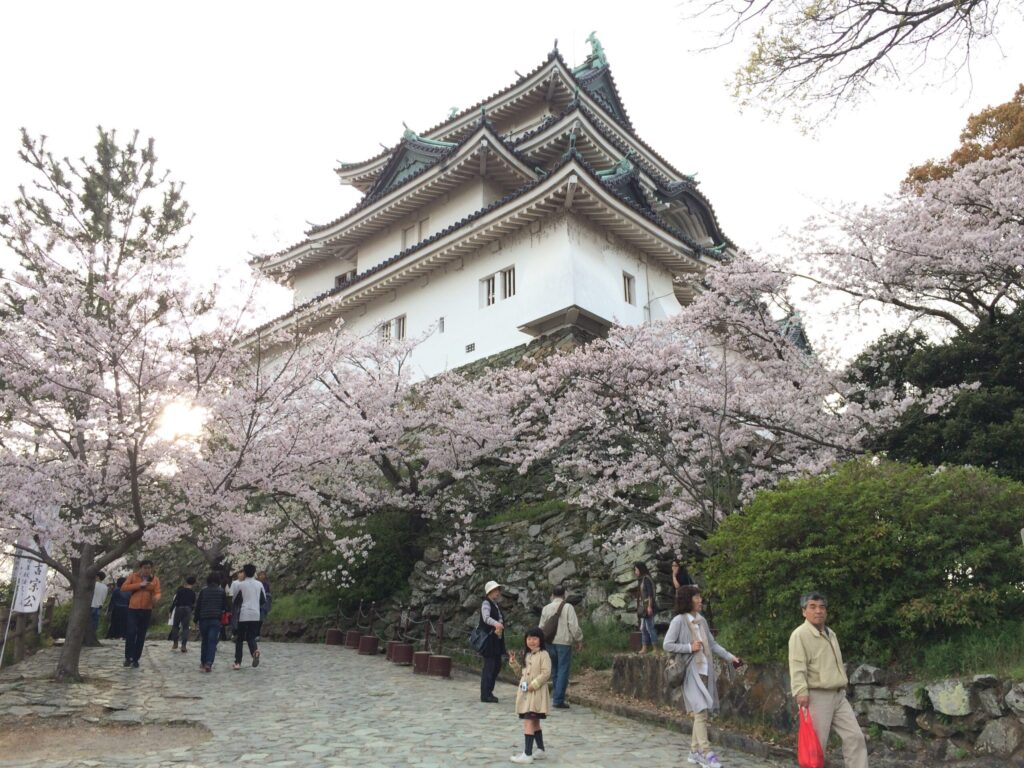
Spring (late March to April) for the cherry blossoms and autumn (November) for the vibrant fiery foliage are the undisputed favourites. They are breathtakingly beautiful, but they are also the busiest and most expensive windows of the year.
If you prefer to avoid the massive crowds and save a bit of money, the shoulder seasons are fantastic. Early summer (May) offers gorgeous green scenery and warm weather, while winter (December to February) is brilliant if you love crisp blue skies, fewer tourists, and world-class skiing or hot springs.
See our seasonal breakdown:
➡ When is the Best Time to Visit Japan? The Ultimate Budget, Crowd, and Season Guide
How long do we need for the trip?
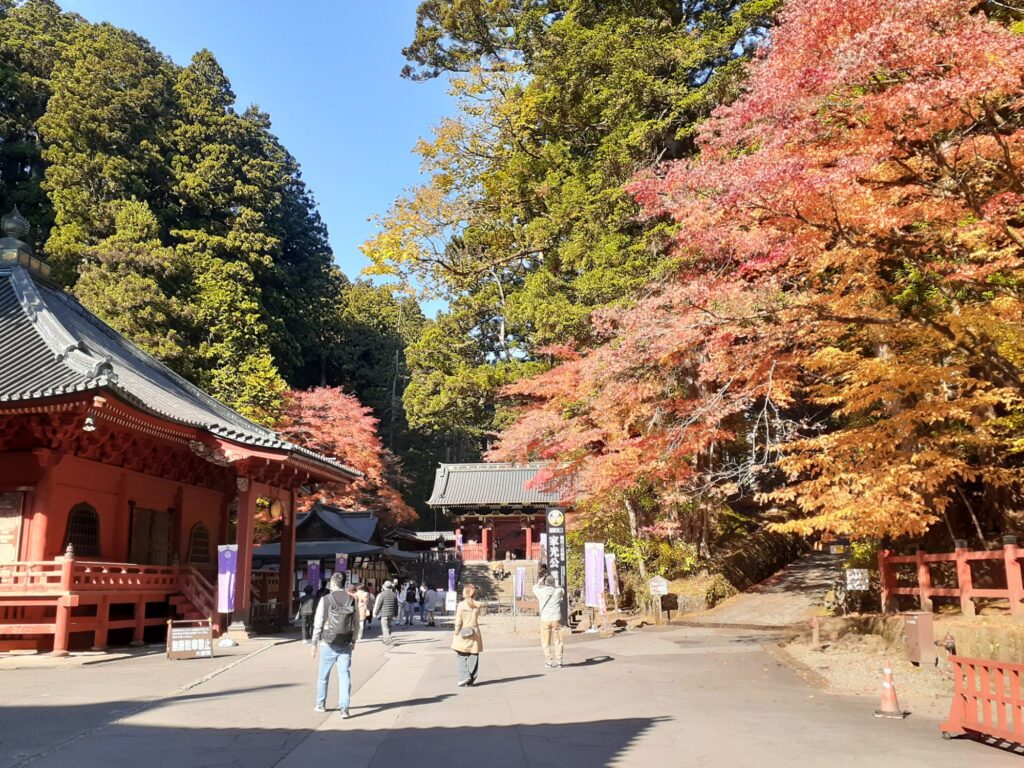
If you are visiting from Australia, the lack of time difference means you can hit the ground running. However, if you are flying in from Europe or North America, you must factor in the brutal jet lag. The time difference is almost completely flipped, meaning your first two to three days will likely be spent in a bit of a fog.
Because of the travel days and the initial recovery time, we highly recommend a minimum of two weeks (14 days) for your first trip. This gives you enough time to explore the main highlights at a relaxed, slow-travel pace without feeling completely exhausted. If you want to explore beyond the main cities, three weeks is ideal.
Explore my itinerary options:
➡ How Long do I Need for a Trip to Japan? (An Honest Budget of Your Time)
Where should we go for our first trip?
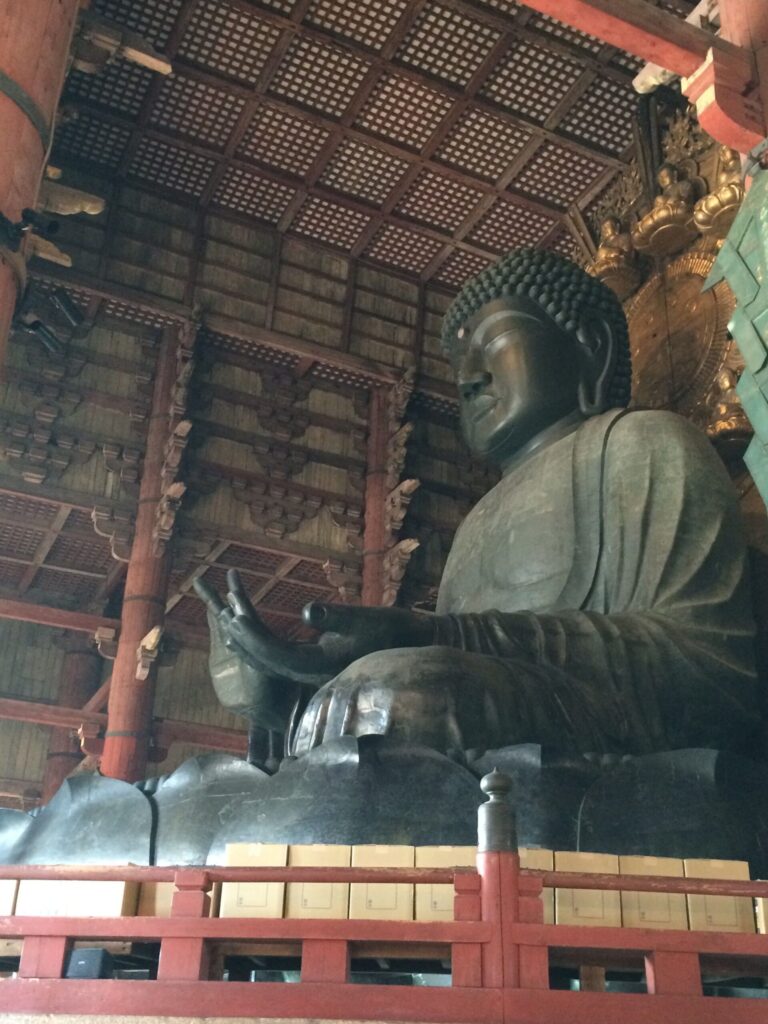
For your very first adventure, it makes sense to stick to the classic ‘Golden Route’. This typically covers the neon-lit streets of Tokyo, the historic temples of Kyoto, and the incredible food scene in Osaka. It gives you a perfect contrast between ultra-modern urban life and ancient traditions.
However, if you want to experience the true soul of the country away from the tourist hotspots, we always urge our friends to spend at least a few days in regional Japan. Wandering through historic walking routes, countryside villages, or coastal towns will give you a completely different perspective on Japanese life.
Discover our favourite routes:
➡ How to Choose Flights to Japan: The Ultimate Airport and Planning Guide for First-Time Visitors
➡ 10-Day Japan Itinerary: The Ultimate Golden Route Planning Guide for First-Time Visitors
➡ 2-Week Japan Itinerary: 3 Best Routes Based on Your Flights
➡ 3-Week Japan Itinerary: 4 Immersive Themed Routes for 21 Days in Japan
Can I use my credit card?
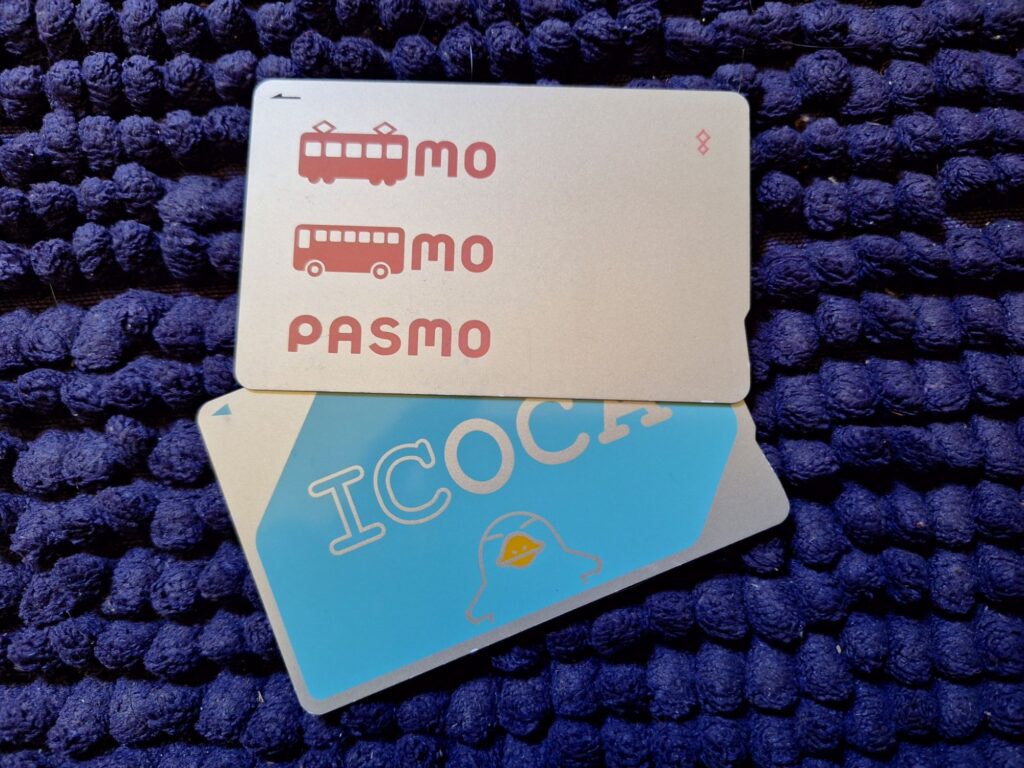
The digital payment landscape in Japan has improved massively over the last few years. In major cities, shopping centres, hotels, and convenience stores, major international credit cards like Visa and Mastercard are accepted almost everywhere.
That being said, Japan has not completely abandoned its love for cash. If you venture into the countryside, visit small family-run restaurants (like local ramen shops with ticket machines), pay for local buses, or buy charms at shrines, you will still need physical yen. We always recommend keeping a small amount of cash in your wallet just in case.
Read our money and payment guide:
➡ Can I Use My Credit Card in Japan? A Guide to Cash, Cards, and IC Cards
➡ How Much Cash Do I Need in Japan? (A Practical Guide)
Is English widely spoken?
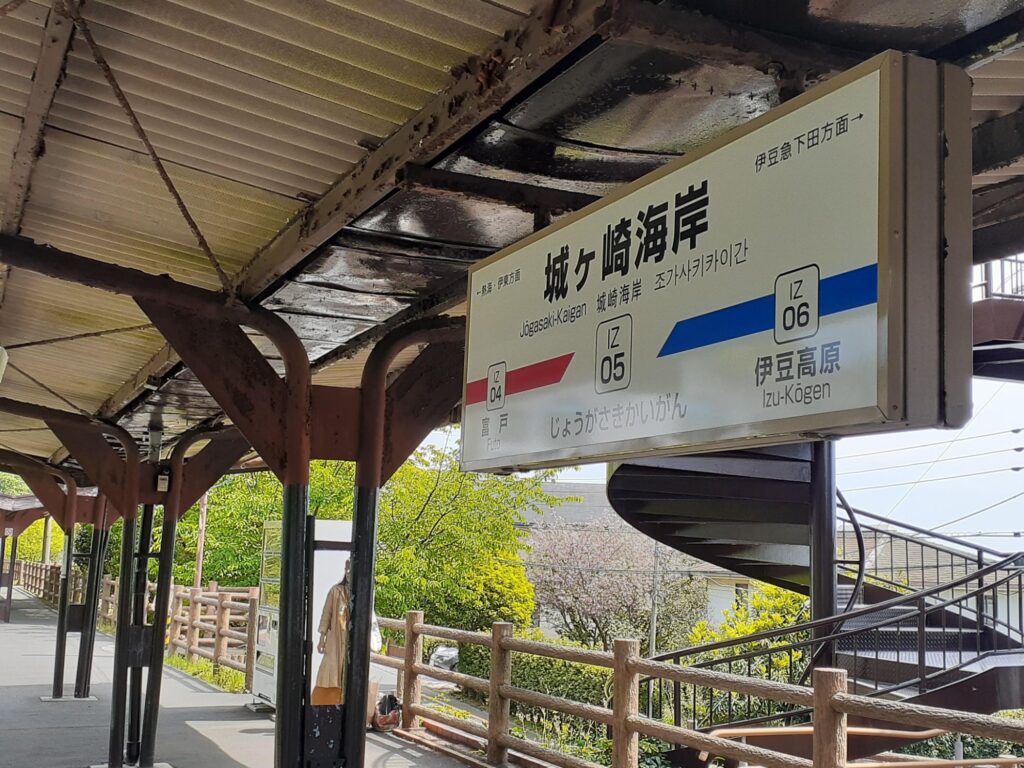
In major tourist hubs, train stations, and hotels, English is widely used. Most signs, menus, and ticket machines have excellent English translations, so you will rarely find yourself stranded.
However, general English proficiency among the public can be quite limited, especially once you step off the beaten track. The good news is that local people are incredibly patient and helpful. Armed with a smartphone translation app, a few basic Japanese phrases like “Sumimasen” (Excuse me), and a friendly smile, you will be absolutely fine.
Get my translation and language tips:
➡ Is English Spoken in Japan? How to Survive Without Japanese
What is the tipping culture?
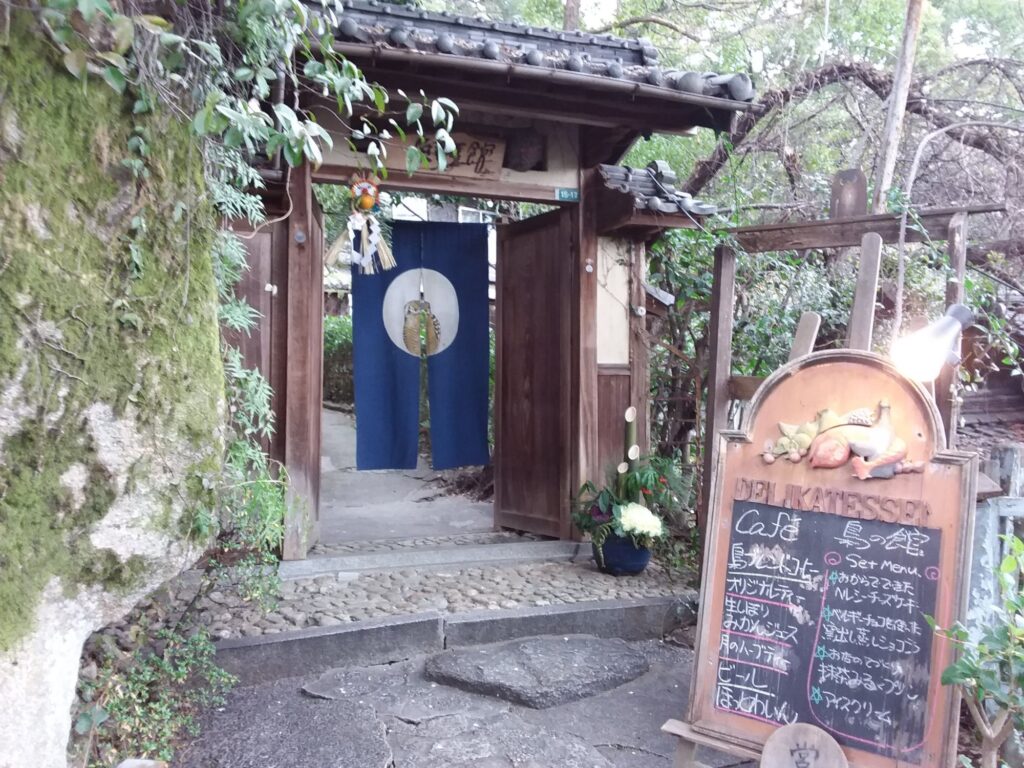
This is one of the best parts about travelling here: tipping is absolutely non-existent in Japan. In fact, if you leave extra cash on the table in a restaurant, the staff will likely chase you down the street to return the money you ‘forgot’.
Good service is viewed as the standard, and the price on the bill is exactly what you are expected to pay. It makes settling the bill incredibly straightforward and refreshingly transparent.
Read more on local etiquette:
➡ Do You Tip in Japan? (The Honest Truth About Tipping Culture)
Can you actually drink the tap water?
Yes, 100%. Japan is one of the few countries in the world with incredibly strict water sanitation standards, meaning the tap water is completely safe and pleasant to drink everywhere.
You do not need to constantly buy single-use plastic bottles from vending machines. We highly recommend bringing a reusable water bottle from home and refilling it at your hotel or public water fountains to keep your journey eco-friendly.
Read our eco-travel tips:
➡ Can You Drink the Tap Water in Japan? (A Practical Guide)
Is there free Wi-Fi everywhere, or should I get a SIM?
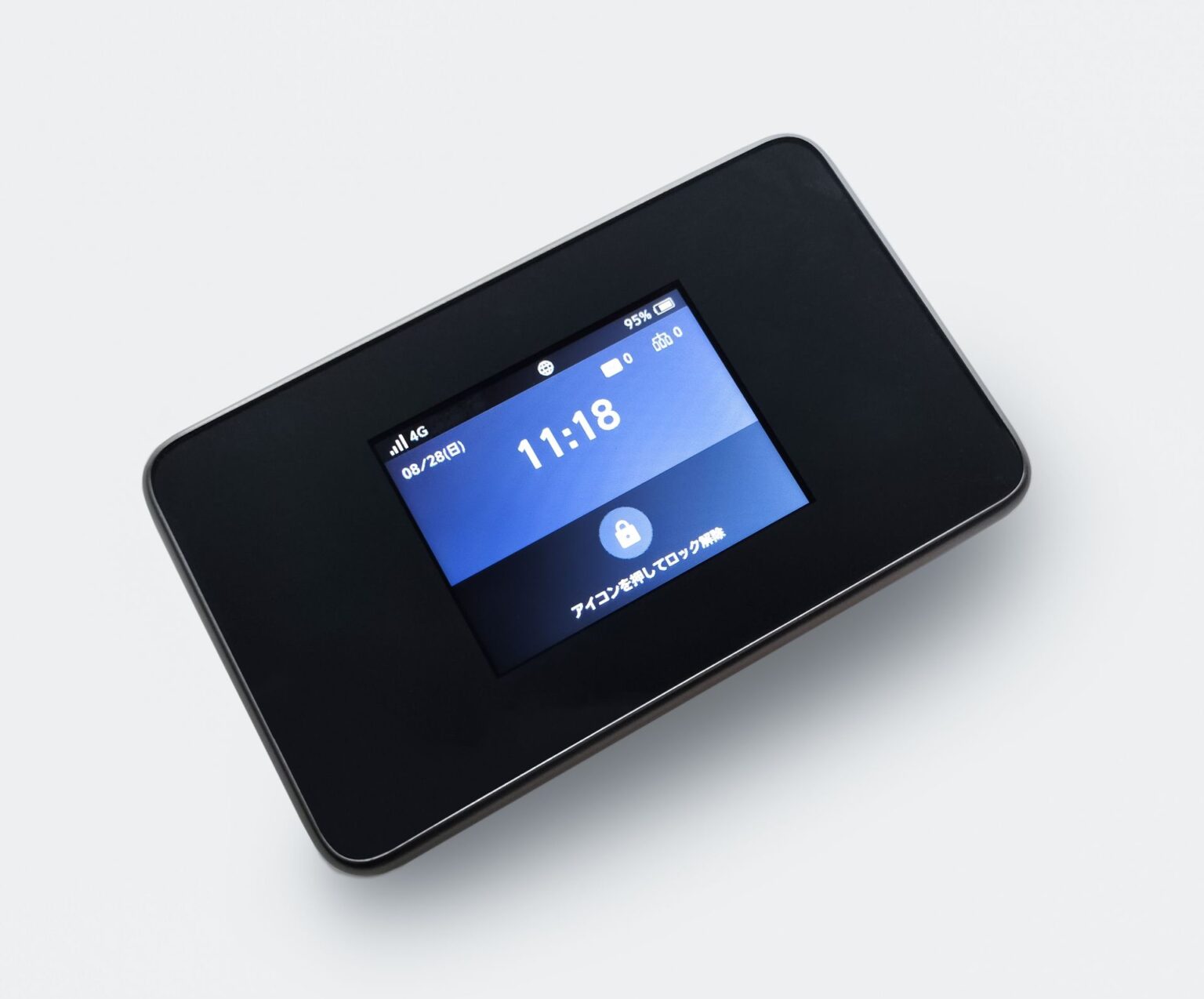
While you can find free Wi-Fi in major airports, train stations, and convenience stores, it can be patchy and unreliable when you are on the move. Having a constant data connection is vital for using Google Maps, checking train schedules, and using translation apps.
We highly recommend sorting out an eSIM before you land, or picking up a pocket Wi-Fi rental at the airport. It is a small expense that makes a massive difference to how easily you can navigate the country.
Compare your connectivity options:
➡ How do I Get Internet Data in Japan? (eSIM vs Pocket Wi-Fi)
Can I find vegetarian/vegan food easily?
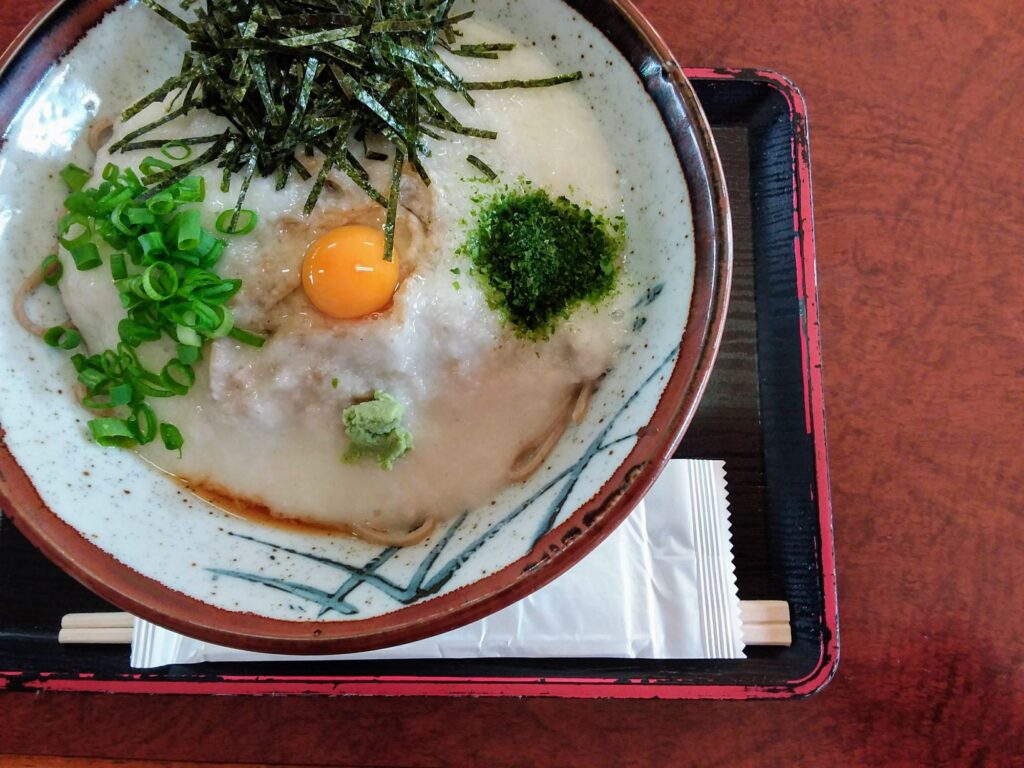
To be perfectly candid, this can be a bit of a challenge if you don’t prepare in advance. Traditional Japanese cuisine relies heavily on dashi (a savoury cooking stock made from fish flakes), which finds its way into everything from soups to soy sauces.
However, things are changing rapidly. Major cities now have a fantastic array of dedicated vegetarian and vegan restaurants. The key is knowing what to look out for and how to communicate your dietary requirements clearly, which we have mapped out in detail in our dedicated food guide.
See our dietary survival guide:
➡ A Guide for Vegetarians, Vegans, and Gluten-Free Travellers
Is Japan safe for solo travellers or families?
Japan is consistently ranked as one of the safest countries on Earth. Whether you are a solo female traveller walking through a city at night, or a parent navigating a bustling train station with young children, the peace of mind you get here is unparalleled.
The streets are incredibly clean, petty crime is exceptionally rare, and society operates on a deep mutual respect for one another. It is the perfect destination for anyone looking for a safe, welcoming, and enriching travel experience.
Read our safety breakdown:
➡ Is Japan Safe for Solo Travelers and Families? (An Honest Guide)
Comment