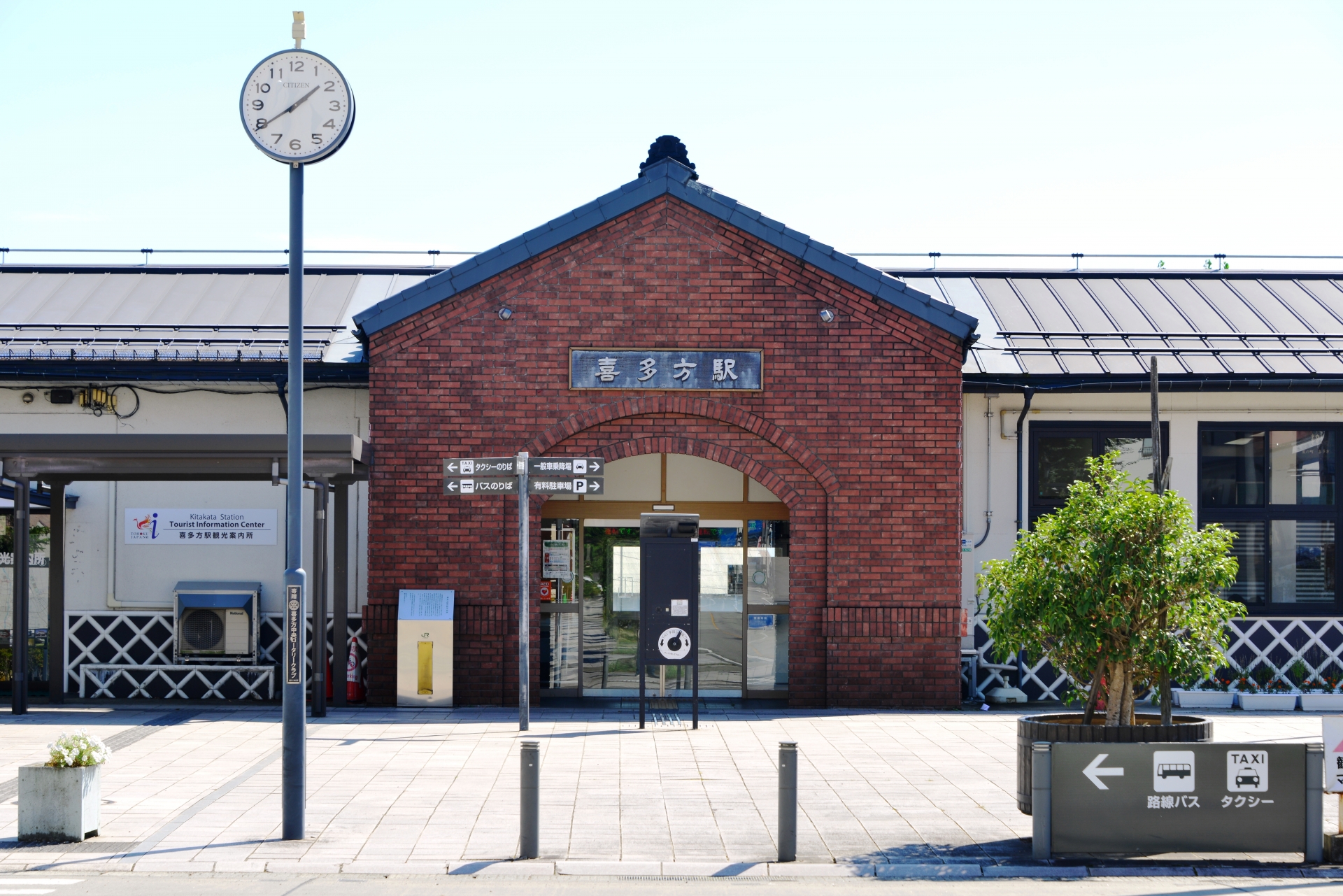
Famous across Japan as a town of traditional storehouses (kura), Fukushima Prefecture’s Kitakata shpuld be an absolute delight. There is something endlessly satisfying about exploring regional Japanese towns entirely by train and on foot.
After staying overnight in Yonezawa, Mai and I plan to take regional local trains onward to Kitakata for a daytime stopover, before continuing our journey via Aizuwakamatsu towards Koriyama. Because its historic sights are wonderfully compact, the area can be easily explored entirely on foot straight from the station.
🇯🇵 この記事を日本語で読む: 喜多方1日観光モデルコース【地図付き】車なし!公共交通機関と徒歩で巡る散策ルート
This article is part of our 13-day Tohoku travel series with my wife. We will be updating it with original photos and first-hand accounts following our actual visit in September.
Kitakata 1 Day Itinerary Map
Below is the map of the sightseeing spots included in this itinerary.
➡ 2-Week Tohoku Itinerary in September: A Slow-Paced Couple’s Backpacking Guide
What Kind of City is Kitakata?
Located in the northern part of the Aizu region, Kitakata flourished as a thriving brewing and commercial hub since the Edo period, leaving behind over 2,000 traditional storehouses scattered across the city. Strolling past these heavy, white-walled earthen buildings feels like stepping back into a nostalgic bygone era.
Renowned also for its legendary local ramen—one of Japan’s top three styles—and exceptional historic sake breweries, Kitakata is a dream destination for slow travellers who love food and architecture.
Kitakata Sightseeing Spots by Public Transport & Walking
Here are the top attractions around Kitakata that you can easily explore on foot.
Fureai-dori Street
A vibrant street featuring nostalgic storefronts and local shops. It offers an immediate taste of local daily life and a pleasant atmosphere for a stroll.
- Admission: Free
- Closed: Open daily
- Highlights: Nostalgic streetscapes and a convenient hub for exploring local ramen spots.
Obara Shuzo
A historic brewery founded in 1717, famous for its unique “Kurashic” sake fermented to classical Mozart music. Visitors can explore the charming brewery and learn about their innovative traditional brewing process.
- Admission: Free brewery viewing (tasting options may incur a small fee)
- Closed: Varies by brewery schedule
- Highlights: Classical music playing inside historic timber brewing halls and wonderful sake tasting.
Former Kai Family Residence (Kai Honke Kura-zashiki)
Built over a period of seven years during the Taisho era, this is Kitakata’s most opulent black-plastered storehouse residence. Visitors can admire the magnificent 51-mat tatami reception hall and get a rare glimpse into the lavish lifestyles of local merchant magnates.
- Admission: Free for general viewing (subject to seasonal changes)
- Closed: Irregular closures
- Highlights: Breathtaking black-plaster architectural craftsmanship and refined historical interiors.
Odatuki Important Preservation District for Groups of Traditional Buildings
This designated preservation district prospered as an Edo-period brewing and commercial hub. It carefully retains rows of heavy white-walled storehouses and traditional merchant storefronts, offering an authentic window into traditional Japanese townscapes.
- Admission: Free
- Closed: Open daily
- Highlights: Stunning rows of historical storehouses and fantastic photo opportunities in an authentic historic setting.
Yamatogawa Shuzoten / Kitakata Fudokan
A celebrated historic brewery dating back over 200 years. Their converted timber storehouse museum, the Kitakata Fudokan, offers fascinating traditional brewing exhibits and exceptional regional sake tastings.
- Admission: Free museum wandering (tasting options may incur a small fee)
- Closed: Varies by individual brewery
- Highlights: Authentic timber brewery heritage and superb local sake tasting.
Kitakata Ramen Shrine
A wonderfully quirky and unique shrine dedicated entirely to Japan’s beloved comfort food—ramen. Featuring a giant ramen-bowl motif atop its torii gate, it makes for a fun and memorable stop on your town walk.
- Admission: Free
- Closed: Open daily
- Highlights: Playful ramen-themed shrine architecture and unique photo spots.
How to Get to Kitakata
Here is how you can travel to Kitakata from Tokyo and other regions:
- By Shinkansen from Tokyo: Take the Tohoku Shinkansen from Tokyo Station to Koriyama Station, then transfer to the Ban’etsu West Line via Aizuwakamatsu to reach Kitakata Station (taking a total of about 3.5 hours).
- By Overnight Highway Bus from Tokyo: Take a direct overnight highway bus from Tokyo to the Aizuwakamatsu or Koriyama area, and connect to local trains from there.
- Our Route (By Local Train from Yonezawa): On our trip, after concluding our stay in Yonezawa, we will catch regional local trains to arrive at Kitakata Station, enjoying scenic rural window views along the way. After a full day of exploring Kitakata, we will board the JR Ban’etsu West Line via Aizuwakamatsu heading onward to our final stop for the day in Koriyama.
[Related Articles]
➡ 2-Week Tohoku Itinerary in September: A Slow-Paced Couple’s Backpacking Guide
➡ Yonezawa 1 Day Itinerary: Best Route for First-Time Visitors Around Yonezawa Station
Why We Chose to Stop in Kitakata
For my wife and me, adding Kitakata as a daytime stopover between Yonezawa and Koriyama came down to two major highlights: strolling through Fureai-dori, the former Kai family residence, and the historic Odatuki preservation district and savouring historic craft sake at local breweries alongside authentic Kitakata ramen.
Travelling by railway allows us to hop off the local train, immerse ourselves in the town’s slow-paced charm, and enjoy local culinary treats entirely at our own leisure.
Conclusion
This guide covered the best Kitakata sightseeing spots accessible by public transport and walking, ranging from Fureai-dori and the former Kai family residence to historic sake breweries, the Odatuki preservation district, and more.
This article is part of our 13-day Tohoku travel series with my wife. We will be updating it with original photos and first-hand accounts following our actual visit in September.
➡ Back to Tohoku Travel Guide

Comment