If you are planning your first trip to Japan, there is a high chance you have already heard whispers about how incredibly safe the country is. You might have read stories of people leaving their expensive laptops unattended on cafe tables while they order a coffee or go to the toilet.
But when you are travelling thousands of miles away from home—especially if you are traveling completely on your own, as a solo female traveller, or with your young family in tow—it is completely normal to wonder: “Is Japan actually as safe as everyone says?”
The short answer is yes, Japan is one of the safest destinations on the planet. However, “safe” does not mean “immune to reality.”
As a British expat married to a Japanese native, living in Canada, I have travelled through Japan in almost every way imaginable. Here is our honest, on-the-ground guide to safety in Japan for solo adventurers and families, along with a few golden rules you should still keep in mind.
For Solo Travelers: Independence Without the Anxiety
If you are travelling alone, Japan is an absolute paradise. In many countries, travelling solo means constantly keeping your guard up, clutching your bag on public transport, and avoiding certain neighbourhoods altogether. In Japan, you can largely breathe a massive sigh of relief.
- Solo Dining & Social Acceptance: Japan’s culture is perfectly set up for doing things alone. From single-person booths at ramen shops (like Ichiran) to capsule hotels and quiet cafes, you will never feel awkward or out of place dining or sightseeing by yourself.
- Low Crime Rates: Violent crime is exceptionally rare in Japan. Pickpocketing and bag-snatching do happen, but they are incredibly uncommon compared to major tourist cities in Europe or the Americas. You can walk through most neighbourhoods late at night without feeling a hint of unease.
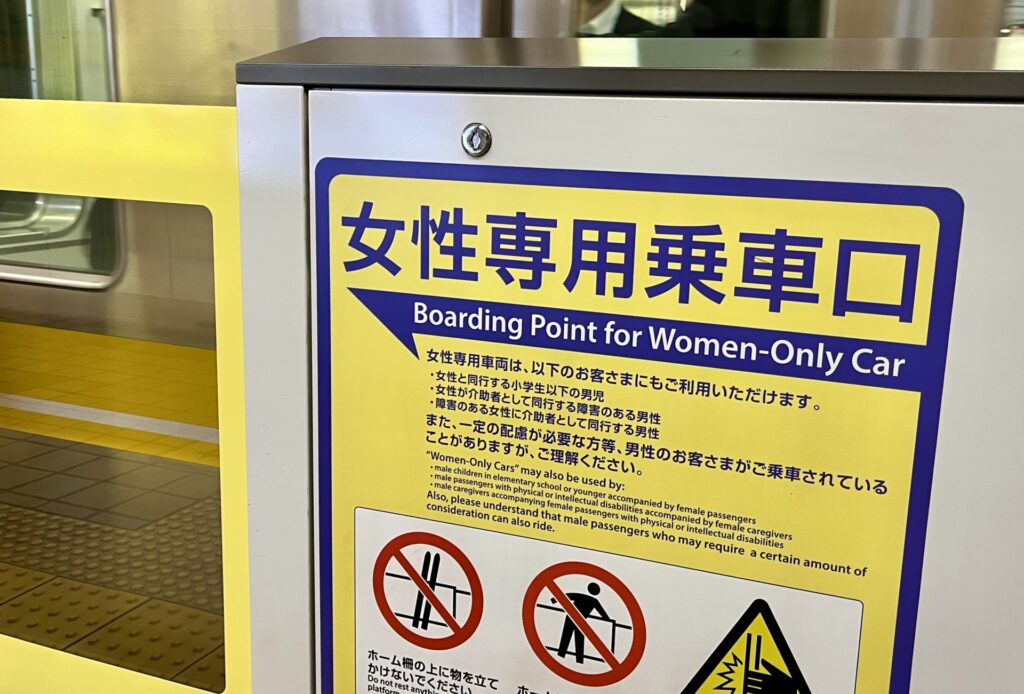
- Solo Female Travel: Japan is consistently ranked as one of the best countries in the world for solo female travellers. To make things even more comfortable, Japan offers female-only floors in many capsule hotels and hostels, as well as women-only carriages on major commuter trains during morning and evening rush hours (clearly marked with pink signs on the platform).
For Families: Stress-Free Adventures with Kids
If you are travelling with children, Japan feels less like a logistical obstacle course and more like a welcoming playground. The country is meticulously designed to support parents.
- Flawless Public Infrastructure: Almost every major train station, department store, and tourist attraction is equipped with incredibly clean, spacious multi-purpose restrooms. You will easily find diaper-changing tables, nursing rooms, and even high-chairs built into the walls of public toilet stalls so you can keep an eye on your toddler.
- Stroller-Friendly, Mostly: Japan’s cities are heavily pedestrianized with smooth sidewalks and excellent elevator access in modern train stations. Tip: During peak rush hours (around 8:00 AM to 9:00 AM and 5:30 PM to 6:30 PM), train stations can get overwhelmingly packed. If you have a stroller, it is best to avoid transit during these tight windows.
- Family-Friendly Dining: Traditional restaurants can sometimes be tiny and cramped, but Japan’s department store dining floors, family restaurants (like Denny’s, Royal Host, or Gusto), and food courts are spacious, welcoming to noisy children, and offer incredibly cute kids’ menus.
Our Personal Perspective: The “Dangerous” Streets vs. The Real Threat
When we head back to Japan to visit Mai’s family, we always get a good chuckle out of what locals consider “dangerous.” Mai’s sister, who lives in Tokyo, will occasionally warn us about certain neighborhoods, saying, “Oh, you have to be really careful around that area, the safety there is quite bad!”
Whenever we actually walk through those supposedly “shady” spots, I can’t help but laugh. Coming from the UK, living in Canada and gaving travelled to more than a 100 countries, my definition of a “bad neighbourhood” involves places you wouldn’t dare enter even in broad daylight. In Tokyo, these “dangerous” streets usually just feature a few slightly loud neon signs, some young people laughing, and maybe a tiny bit of litter. To any western traveller, it still feels like a five-star luxury resort of absolute peace and quiet.
However, if you ask me what the actual, most terrifying danger in Tokyo is?
It’s not crime. It’s the bicycles on the footpaths.
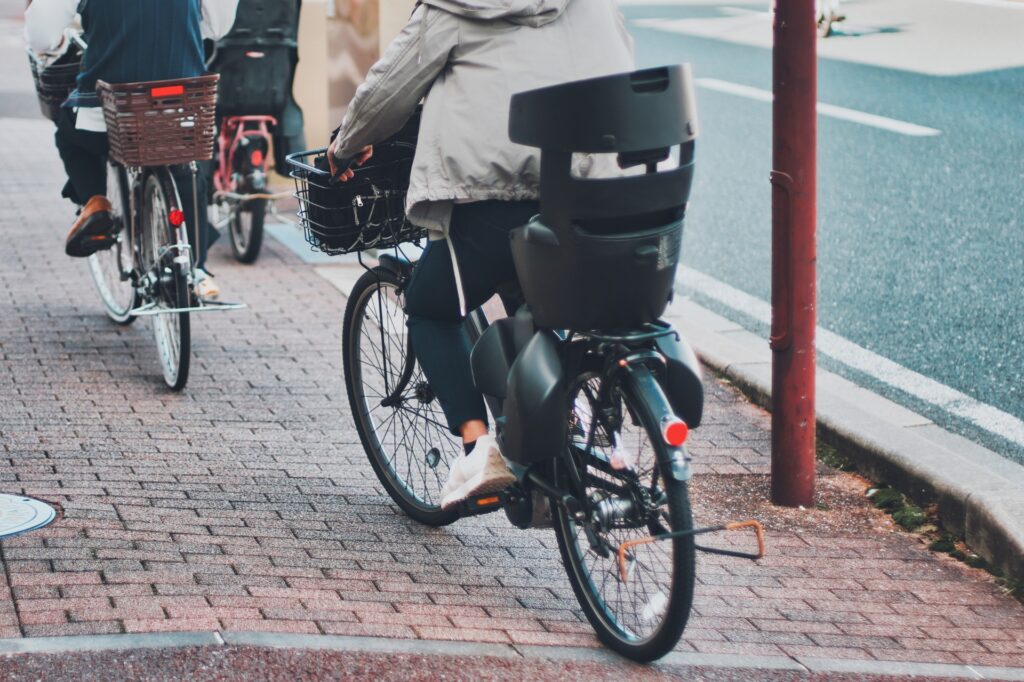
In Japan, because the streets are historically narrow and often lack proper bike lanes, cyclists are legally allowed (or socially expected) to ride right alongside pedestrians on the footpath. And we aren’t talking about slow, casual cruisers.
We are talking about Mamachari (literally “mom’s chariots”)—behemoth, heavy-duty electric bicycles laden with massive child seats on both the front and the back.
These formidable machines, piloted by incredibly determined parents rushing to get their kids to nursery school, will silently slide past you at terrifying speeds, missing your shoulder by mere inches. Because electric bikes are virtually noiseless, you won’t hear them coming until you feel the gust of wind as they blast by.
It is an interesting experience that will make you gasp at least once a day. If you want to survive the footpaths of Tokyo, my golden piece of advice is simple: Walk in a straight line, do not make sudden lateral movements, and always keep your ears peeled for the soft whir of an approaching electric motor!
The Golden Safety Rules: What You Still Need to Know
While Japan is exceptionally safe, travelling with a false sense of absolute invincibility is never a good idea. Here are the real-world safety tips you should keep in the back of your mind:
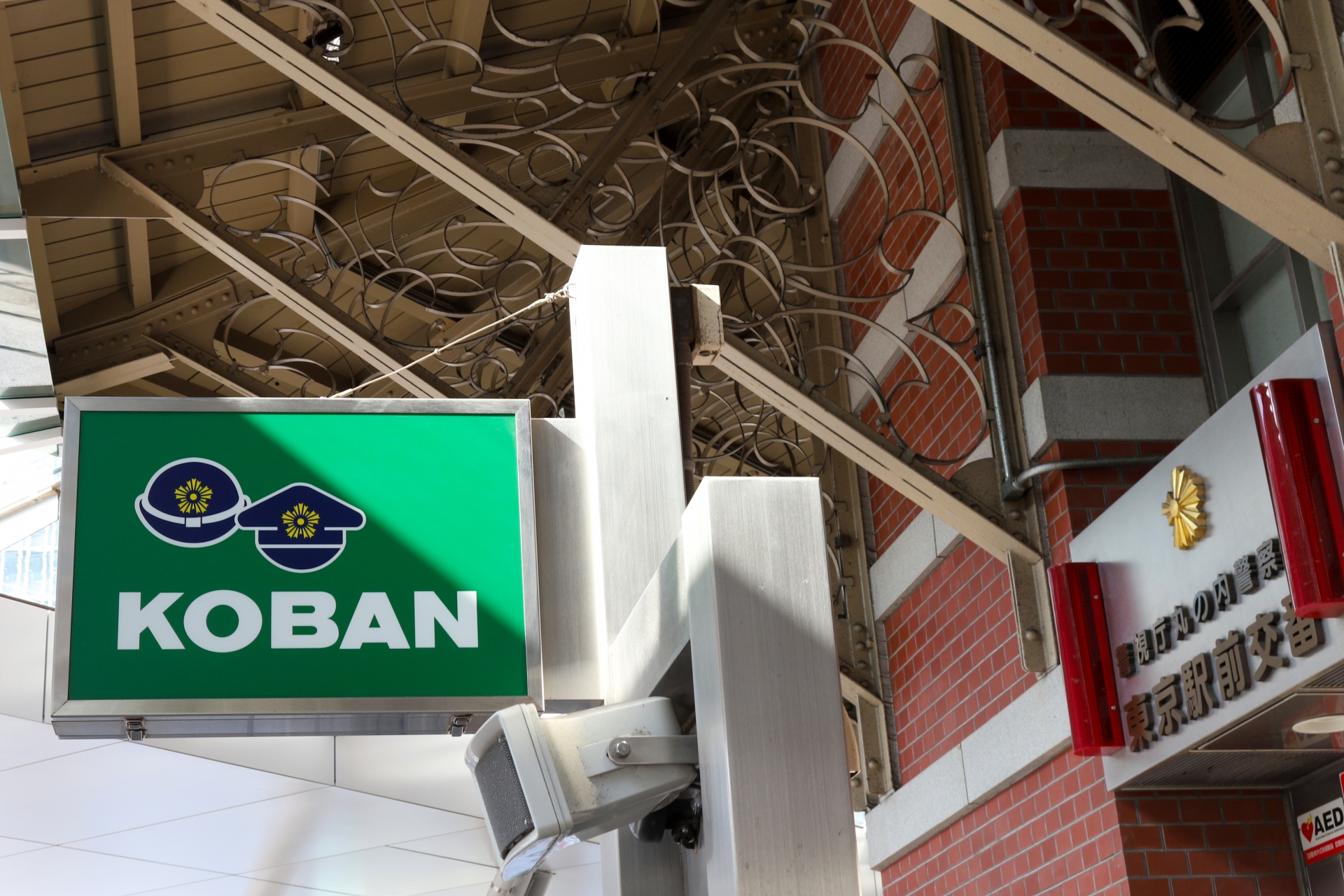
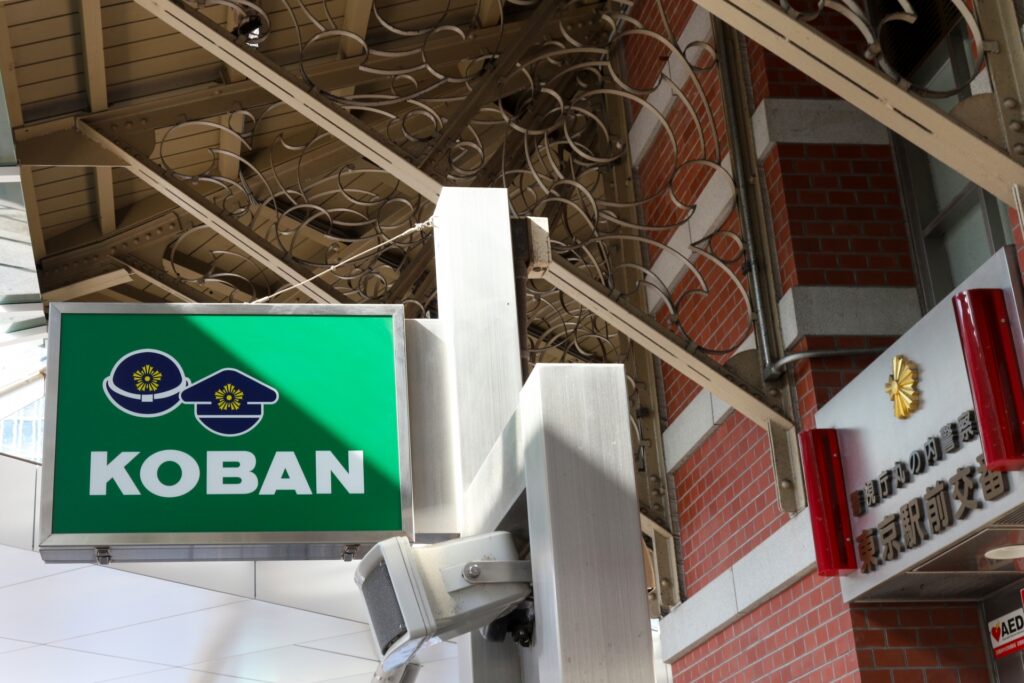
- The “Koban” (Police Box) is Your Friend: If you ever get lost, lose your wallet, or need help, look for a Koban. These are tiny, neighbourhood police stations scattered near almost every train station. The officers are incredibly helpful and are famous for returning lost items—including smartphones and cash-stuffed wallets—to grateful tourists.
- Stay Alert in Nightlife Districts: Areas like Kabukicho in Tokyo (Shinjuku) or Roppongi are famous for their nightlife. While not physically dangerous, these areas have a reputation for “touts” (people trying to lure you into bars with promises of cheap drinks). Rule of thumb: Never follow a tout into a bar, as you may end up with an astronomical, fraudulent bill.
- Natural Disasters: Japan is a country prone to earthquakes and typhoons. Don’t let this scare you; Japan’s buildings are built to withstand heavy tremors, and the country has the most advanced early-warning systems in the world.
- Our Advice: Download the “Safety Tips” app (developed by the Japan Tourism Agency) on your phone before you arrive. It provides real-time disaster alerts and evacuation steps in English.
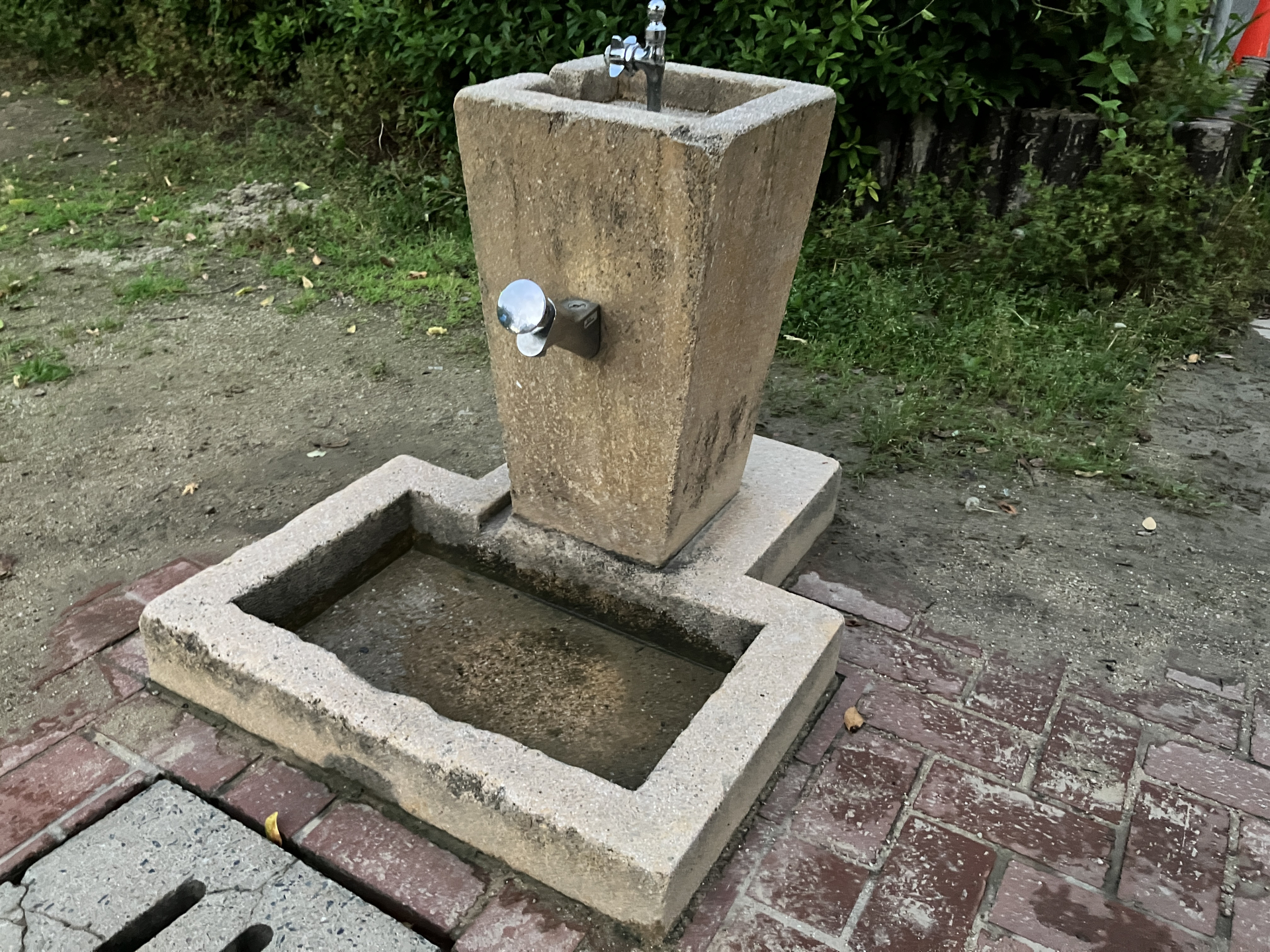
Is tap water in Japan safe to drink? Read more about it here:
➡ Can You Drink the Tap Water in Japan? (A Practical Guide)
Conclusion: Travel with Peace of Mind
At the end of the day, Japan’s safety isn’t just about low crime statistics—it is rooted in a deep social contract of mutual respect and mindfulness (Omoiyari).
Whether you are navigating a bustling Tokyo street late at night as a solo traveler, or watching your kids happily eat street food in a Kyoto park, you will feel a profound sense of peace of mind that is hard to find anywhere else in the world.
Prepare well, stay aware of your surroundings, and get ready to experience a truly stress-free adventure!
Head back to our master checklist to tackle your next big travel question:
➡ First Trip to Japan? 12 Questions that We are Frequently Asked
Comment