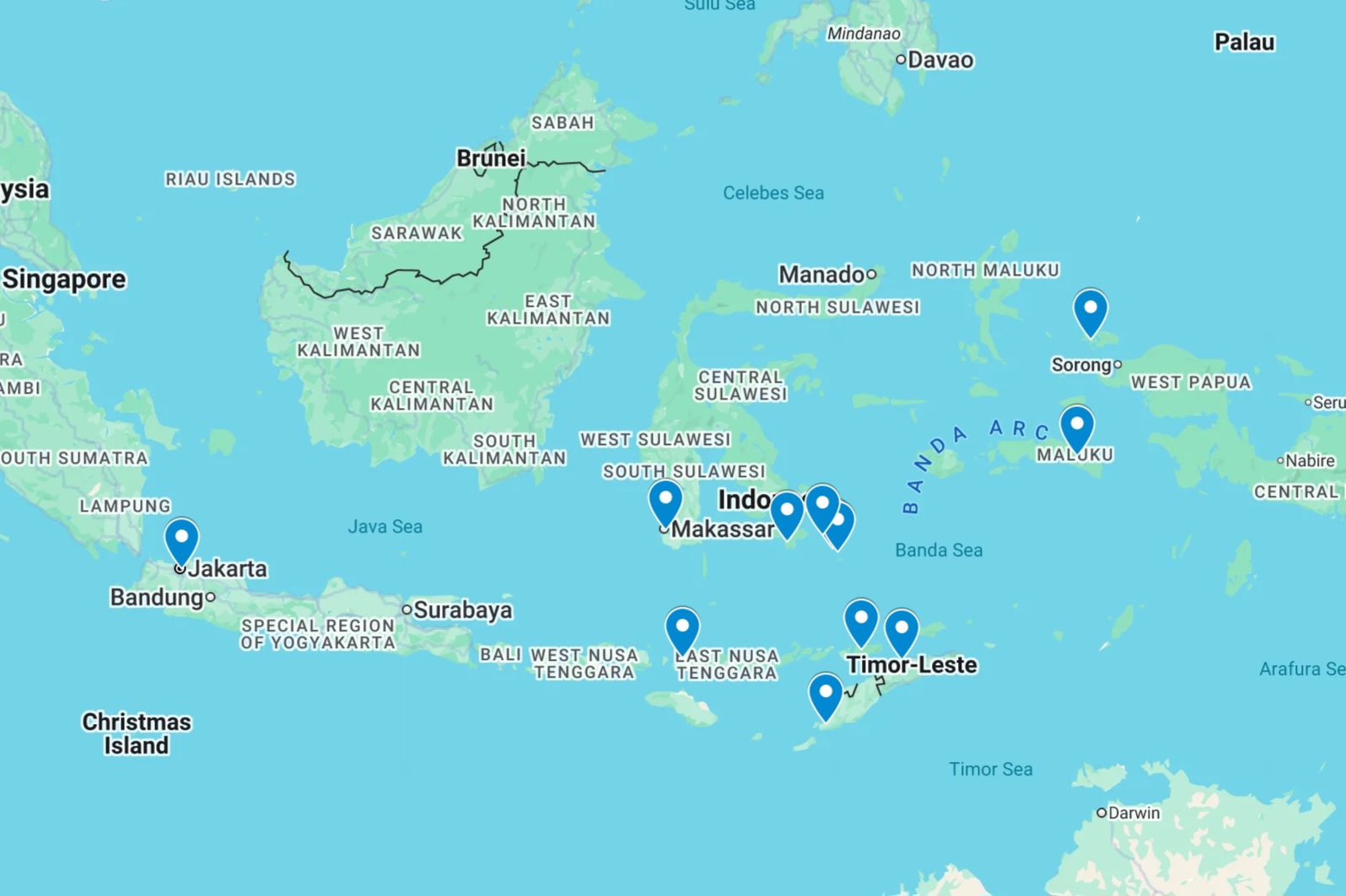
Planning a long-term journey spanning over six months is always a fine balance between structure and spontaneity. As we prepare for our upcoming trip—departing in September 2026 and returning home to Canada at the end of March 2027—our strategy is clear: map out the key destinations, lock in the essential logistics, but leave plenty of space to adapt as we go.
Over the course of six-plus months, our journey takes us from a classic rail-and-backpacking trip in Japan to the remote islands and underwater realms of Indonesia and East Timor, followed by a flexible final chapter. Here is how we are structuring our plan and navigating the unique timing challenges ahead.
🇯🇵 この記事を日本語で読む: 【2026-2027】6ヶ月の長期旅行計画!日本・インドネシア・東ティモール周遊ルートとラマダン対策
Note on Flight Information: All flight schedules, routes, and prices referenced in this post reflect the information available at the time of writing. Rates and timetables may vary depending on travel dates and availability.
- Phase 1: Japan – 13-Day Tohoku Rail Adventure
- Phase 2: Jakarta Arrival & Setting up the Island Route
- Phase 3: The Nusa Tenggara Route – Labuan Bajo or Kupang?
- Phase 4: Visa Logistics & East Timor (10–14 Days)
- Phase 5: Wakatobi & The PELNI Boat Challenge
- Phase 6: The Overlap Challenge – Chinese New Year & Ramadan 2027
- Phase 7: The Final Leg (February to March 2027)
- Final Thoughts: The Art of Long-Term Flexible Planning
Phase 1: Japan – 13-Day Tohoku Rail Adventure
Before diving into Southeast Asia, our journey begins in Japan with a stay of just under three weeks. The highlight of this leg is a 13-day backpacking trip through the Tohoku region in northern Honshu.
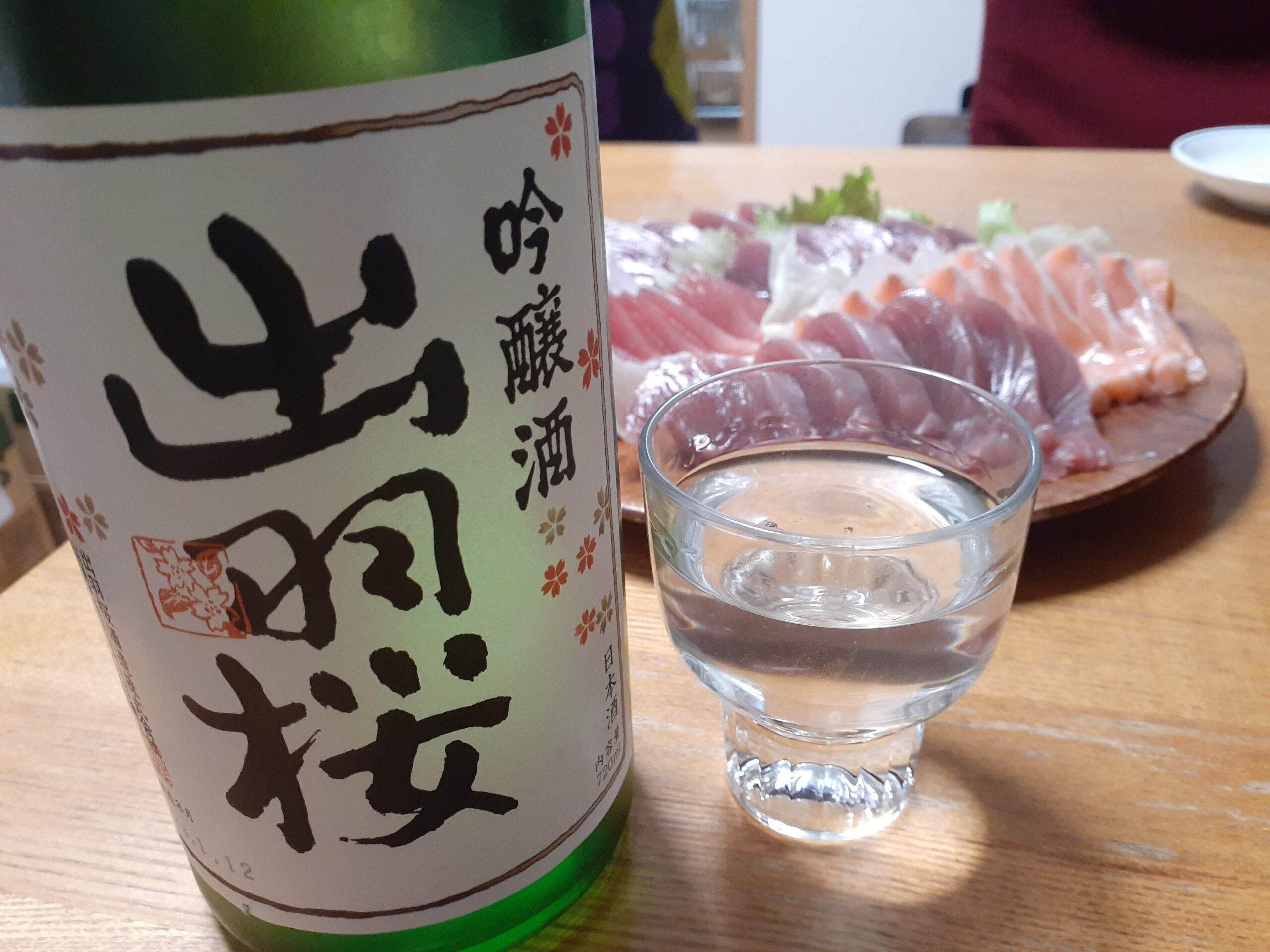
Rather than sticking solely to the standard tourist hubs, we are taking full advantage of Japan’s extensive rail and public transport network to explore regional towns, historic castle sites, local scenery, and regional sake cultures across Fukushima, Miyagi, Iwate, Aomori, Akita, and Yamagata. Traveling entirely car-free via local trains, buses, and on foot allows us to experience the landscape at a grounded, relaxed pace before flying south.
➡ 2-Week Tohoku Itinerary in September: A Slow-Paced Couple’s Backpacking Guide
Phase 2: Jakarta Arrival & Setting up the Island Route
On 20 September 2026, we fly from Tokyo to Jakarta, arriving close to midnight.
One of the great advantages of travelling around Indonesia is that domestic flight pricing is often far less volatile than in Western markets. Because dynamic pricing is less pronounced on domestic routes, we do not need to book every single internal connection months in advance. Our plan is to spend a day or so in Jakarta, picking up local SIM cards (such as Telkomsel at the airport or a local GraPARI store), exchanging cash at the money changer, and finalizing the next leg based on how we feel.
➡ How to Get an Indonesian Arrival Visa (e-VOA) Online from your Smartphone
Phase 3: The Nusa Tenggara Route – Labuan Bajo or Kupang?
Our immediate objective after Jakarta is to reach Alor Island for world-class snorkeling and then cross into East Timor (Timor-Leste). We are weighing two primary options for this transition:
Option A: Direct Night Flight
Jakarta ➔ Kupang (West Timor) ➔ Boat or Flight to Alor ➔ Overland Bus to Dili (East Timor)
A direct flight from Jakarta to Kupang (cheapest option around $175 CAD). It takes roughly three hours, but the schedules are tough—either a 2:00 AM or a 6:45 AM departure. From Kupang, we can take a ferry or short flight to Alor, or take an overland bus across the border to Dili in East Timor.
Option B: Daytime Island Hopper (Preferred)
Jakarta ➔ Labuan Bajo (Komodo) ➔ Kupang ➔ Alor / East Timor
A daytime flight from Jakarta to Labuan Bajo (Komodo National Park) via carriers like AirAsia or Super Air Jet (around $140 CAD, 2 hours). While Labuan Bajo is far more tourist-developed today than when I last visited three decades ago, the access to Komodo’s snorkelling is superb. From there, daily daytime flights connect Labuan Bajo to Kupang for a similar price ($140 CAD), making the overall journey much more comfortable.
Phase 4: Visa Logistics & East Timor (10–14 Days)
In total, we anticipate spending 3 to 4 months in Indonesia (across multiple entries) and around 10 to 14 days in East Timor. Managing visas across overland borders requires precise timing:
- Initial Entry to Indonesia: We will enter on a standard 30-day e-Visa (or a Visa on Arrival).
- East Timor Stay: After securing our e-Permit online, we plan to spend 10 to 14 days exploring East Timor.
- Re-entering Indonesia: Before crossing back overland from East Timor into West Timor, we will apply online for a 2-month Indonesian e-Visa to ensure a smooth border crossing.
Phase 5: Wakatobi & The PELNI Boat Challenge
After returning to Indonesia, our next major goal is the Wakatobi archipelago (specifically Tomia Island) in South East Sulawesi.
Getting to Wakatobi independently can be notoriously tricky. The ideal route is taking a PELNI (national passenger ship) from Flores across to Bau Bau, which takes roughly 12 hours, followed by local boats to Tomia Island.
However, PELNI schedules are published only a month in advance, and ships on this route may run only once every fortnight. If the timing aligns, it is the most seamless way to travel. If not, our backup involves flying via Makassar to Wanci-Wanci, proving once again why flexibility is crucial for island travel.
Phase 6: The Overlap Challenge – Chinese New Year & Ramadan 2027
As our journey stretches toward early 2027, we face a rare and unique logistical hurdle. In February 2027, both Chinese New Year and the start of Ramadan coincide at almost the exact same time (around 6–8 February 2027).
This dual timing creates a distinct set of travel conditions across Southeast Asia:
- Chinese New Year triggers massive domestic travel rushes, transport surges, and holiday closures across Chinese diaspora communities and major transport hubs.
- Ramadan alters daily business hours, transport schedules, and food availability during daylight hours in predominantly Muslim regions across Indonesia.
To navigate this, we are keeping our late-stage itinerary open. Options include heading to regions with Christian-majority populations—such as Raja Ampat or parts of Maluku—where daily travel routines and food access during Ramadan remain largely unaffected, or adjusting our pace as the date approaches.
Phase 7: The Final Leg (February to March 2027)
With our return flight to Canada set for the end of March 2027, the final 6 to 8 weeks of our trip remain deliberately open. Whether we choose to extend our island hopping in eastern Indonesia, explore another regional destination, or simply slow down in a favorite spot, having an unscripted ending to a 6-month journey is the ultimate luxury of long-term travel.
[Related Stories]
➡ The Strategic Budget for a 6-Month Winter Escape: How We Turn “Vacation Costs” into “Living Costs”
➡ Smart Flight Booking Strategy: How We Secured Our 2026 World Adventure (Despite Global Price Hikes)
➡ The “Set Menu” Secret: Why It Was Cheaper to Fly to Indonesia Than Just Japan
Final Thoughts: The Art of Long-Term Flexible Planning
When planning a multi-month journey across diverse regions, trying to lock down every flight, boat, and hotel months ahead often creates unnecessary stress. By securing our entry points, understanding visa boundaries, and identifying key ferry and flight connections, we maintain full control while leaving room for spontaneous detours.
We look forward to sharing detailed guides, transit updates, and snorkelling reports as this 6-month adventure unfolds!
Comment