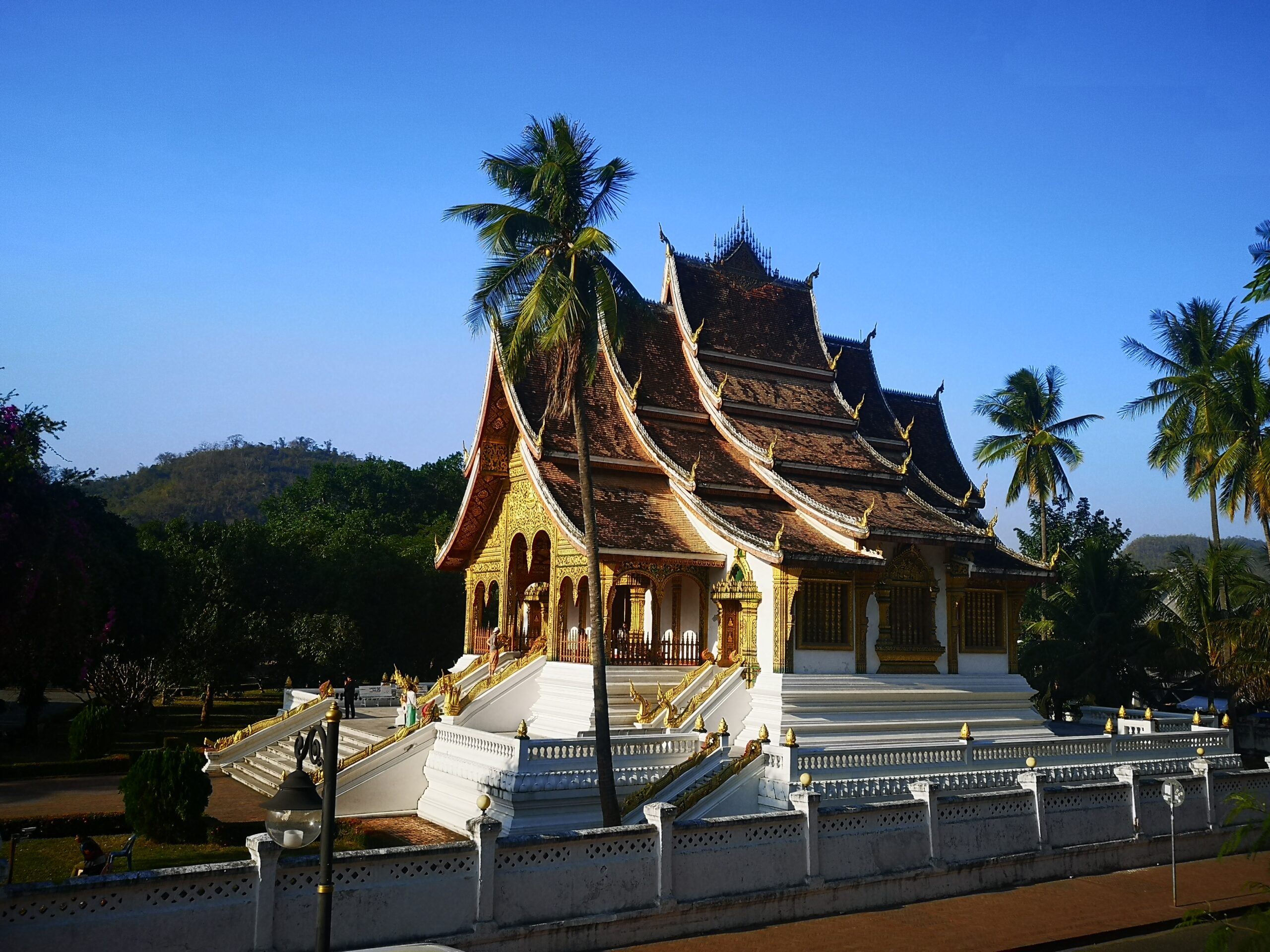
As a designated UNESCO World Heritage site, the ancient capital of Luang Prabang is an open-air museum where you will cross paths with majestic Buddhist temples (Wats) around almost every corner. It is undeniably one of Southeast Asia’s most prominent spiritual power spots. However, with so many temples to choose from, it can be overwhelming for independent travelers to map out an authentic, cost effective itinerary that avoids the heavy commercial tourist crowds.
During our 3 night stay, we spent two and a half days completely wandering on foot and exploring beyond the standard perimeter—venturing across temporary river bridges to the eastern bank and boarding a local ferry to the untouched village of Chompet on the northern bank. This feet-on-the-ground travel guide compiles our exact temple route, including both popular attractions and hidden gems, real entrance costs, and handpicked local breakfast and hotpot discoveries for a perfect slow-travel Laotian adventure.
🇯🇵 この記事を日本語で読む: ルアンパバーン観光・寺院パワースポット巡り完全ガイド!3泊4日徒歩ルート・対岸チョンペ村&ローカル夜市まで徹底解説
Luang Prabang Quick Travel Summary
- Time Spent: 3 Nights / 4 Days (The ideal length to absorb the spiritual atmosphere, explore neighbouring villages, and dive into local food scenes).
- Getting Around: The historical peninsula is entirely walkable. To explore outlying areas, utilize the temporary bamboo bridges (small fee), the Old French Bridge (free for pedestrians), or the local passenger ferry.
- Budgeting: Standard entrance fees for main heritage sites (like Wat Xiengthong and Phosi Hill) are fixed at 20,000 Kip per person.
1. Main Heritage Temples & Power Spots in the Town Center
The historic peninsula centre houses some of the most spiritually significant and artistically jaw dropping temples in Laos.
① Wat Xiengthong (The Absolute Highlight)
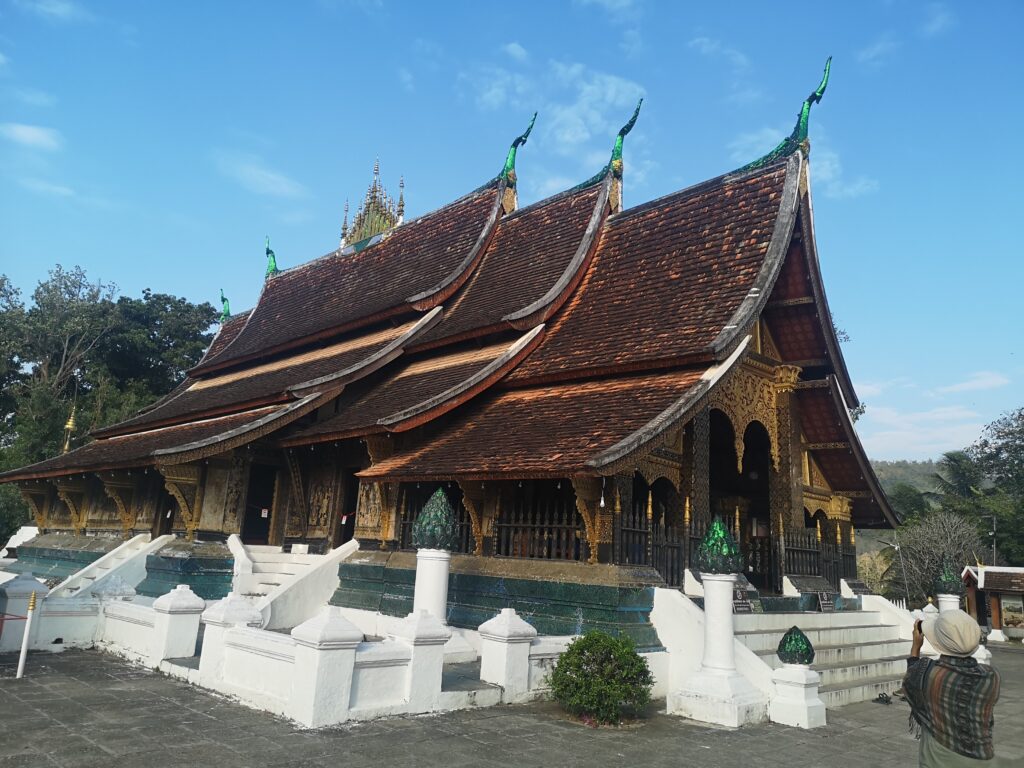
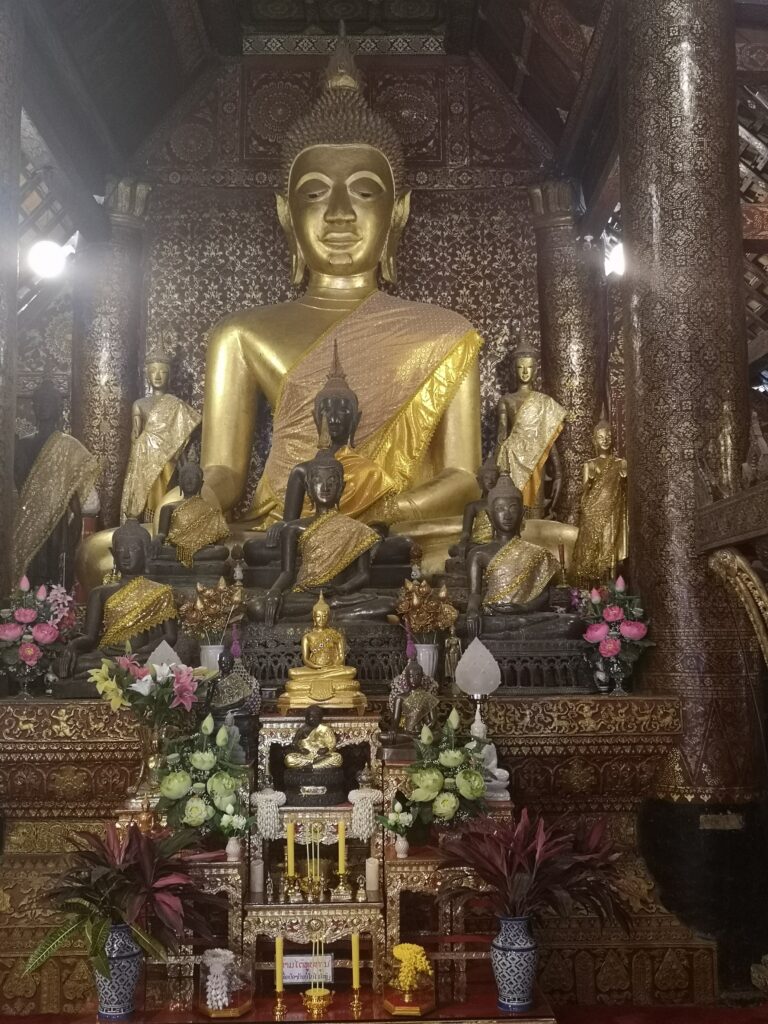
Among the dozens of temples in town, Wat Xiengthong remains the absolute crown jewel of Luang Prabang architecture. Its sweeping, low slung tiered roofs drape elegantly toward the ground, while its exterior walls boast intricate golden stenciling and a magnificent, shimmering mosaic glass layout depicting the “Tree of Life.” It is an unmissable spiritual experience.
- Entrance Fee: 20,000 Kip per person
▼ Watch our video walk-through to see the serene atmosphere and incredible glass mosaics of Wat Xiengthong:
② Phosi Hill (Mount Phousi)
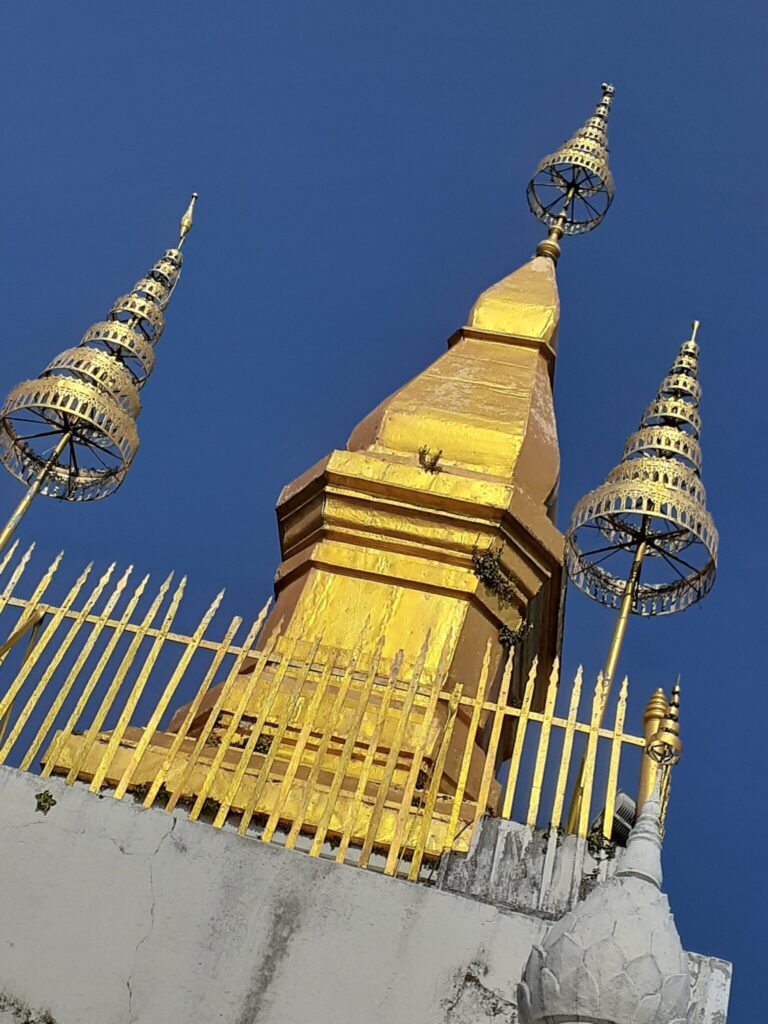
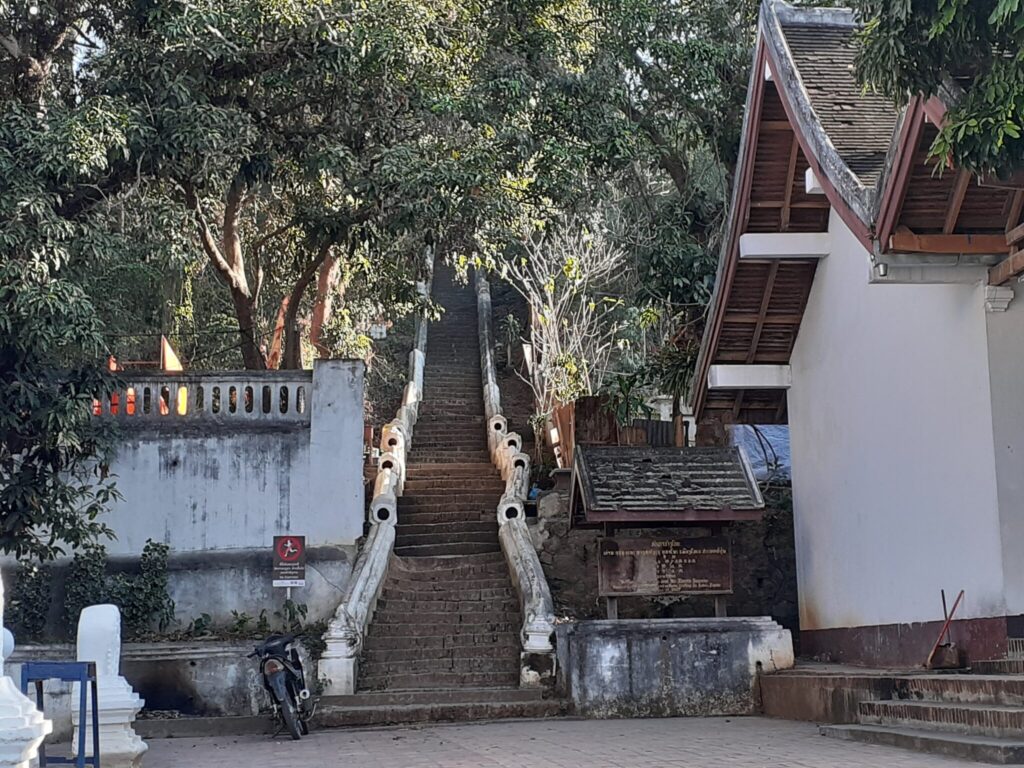
Rising directly out of the centre of town, Phosi Hill offers an unparalleled, bird’s eye view of the entire town and the winding Mekong River. The summit features a sacred golden stupa that lights up beautifully at night. Because it is famous for its spectacular sunset views, the trail can get significantly crowded in the late afternoon.
- Entrance Fee: 20,000 Kip per person
- Access: Can be ascended via stairs tucked inside temple grounds, including Wat Siphoutthabath.
③ Haw Pha Bang
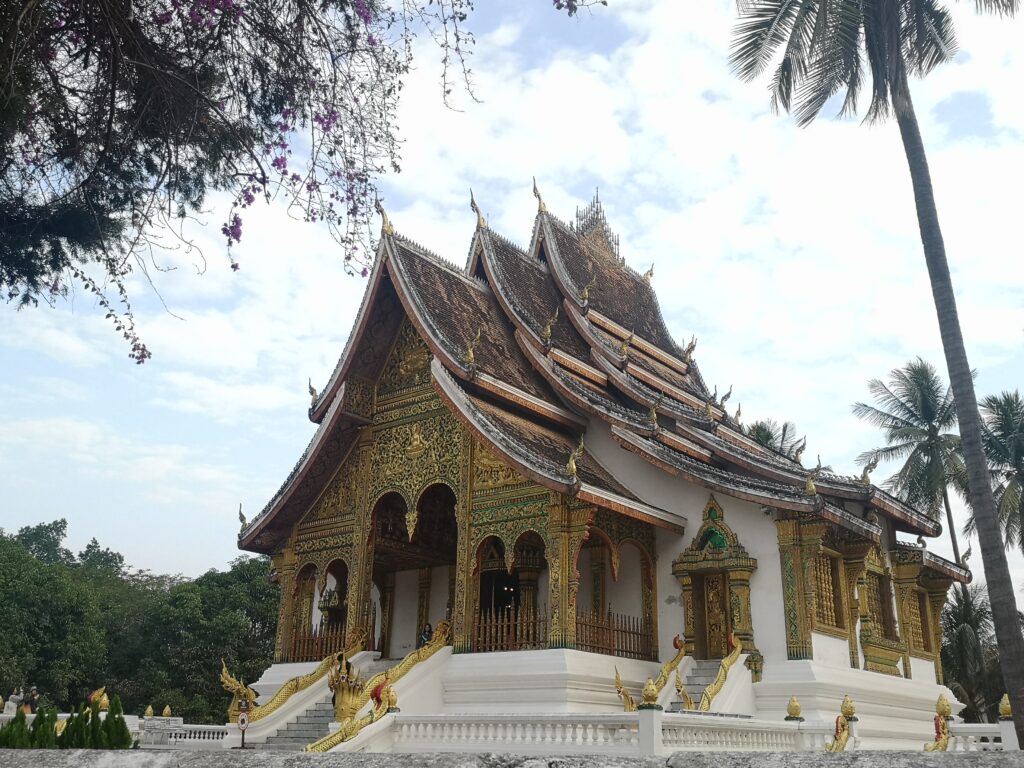
Located immediately inside the grounds of the Royal Palace Museum, Haw Pha Bang is a dazzling, highly ornate pavilion that demands your attention with its shimmering gold-leaf facades. Although completed relatively recently in the 2000s, it represents the pinnacle of traditional Luang Prabang craftsmanship. It was built specifically to house the “Pha Bang,” a highly sacred Buddha image that is considered the nation’s most prized historic treasure and the very namesake of the town itself.
④ Walkable Central Town Temples
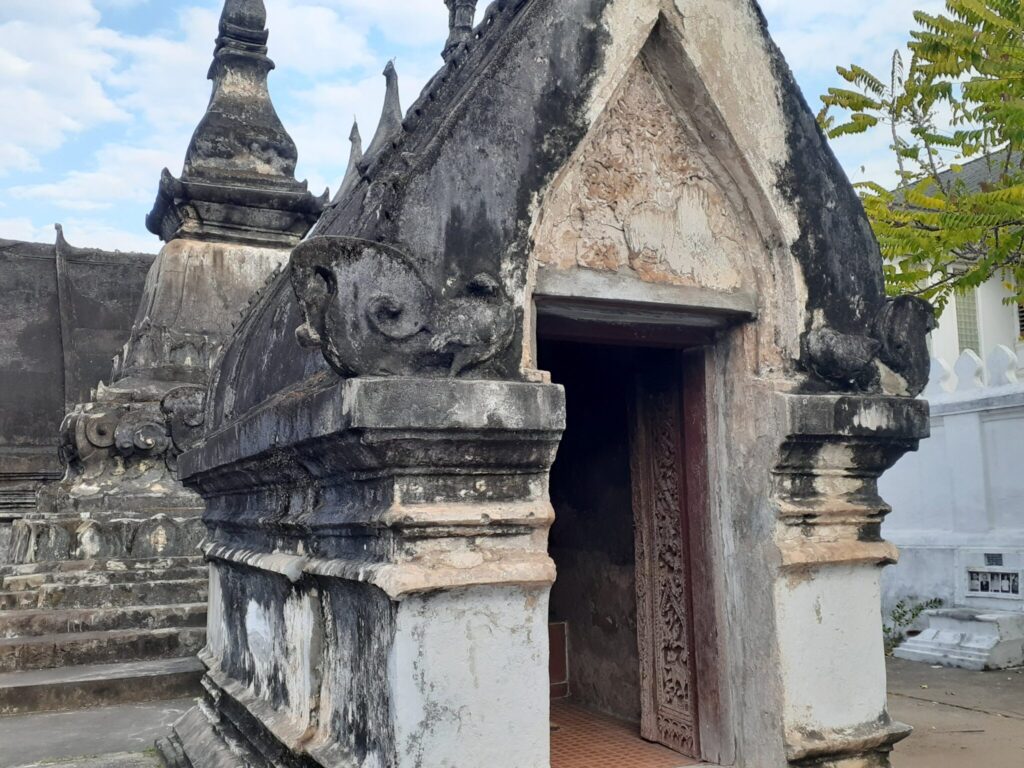
- Wat Mai Monastery: While historically requiring an entrance fee, we were able to enter for free during our visit. It houses a beautiful, historic sanctuary alongside a wonderfully weathered, rustic stupa.
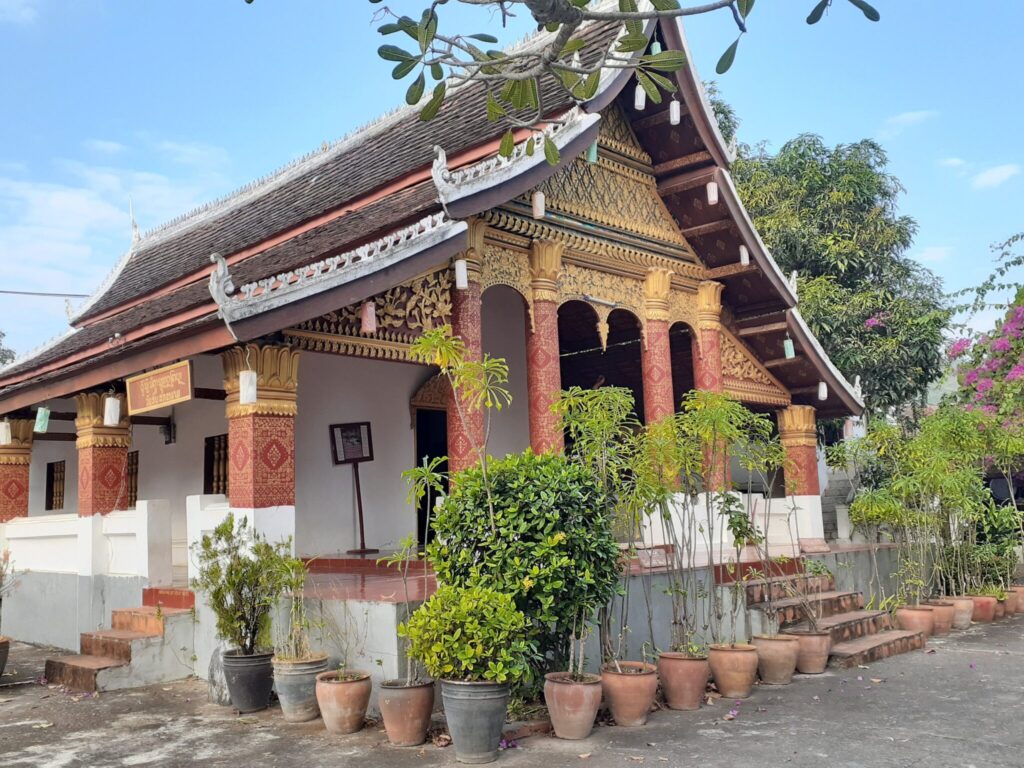
- Wat Sensoukharam: A strikingly peaceful temple featuring deep crimson and gold facades that contrast beautifully against vibrant, blooming pink bougainvillea gardens.
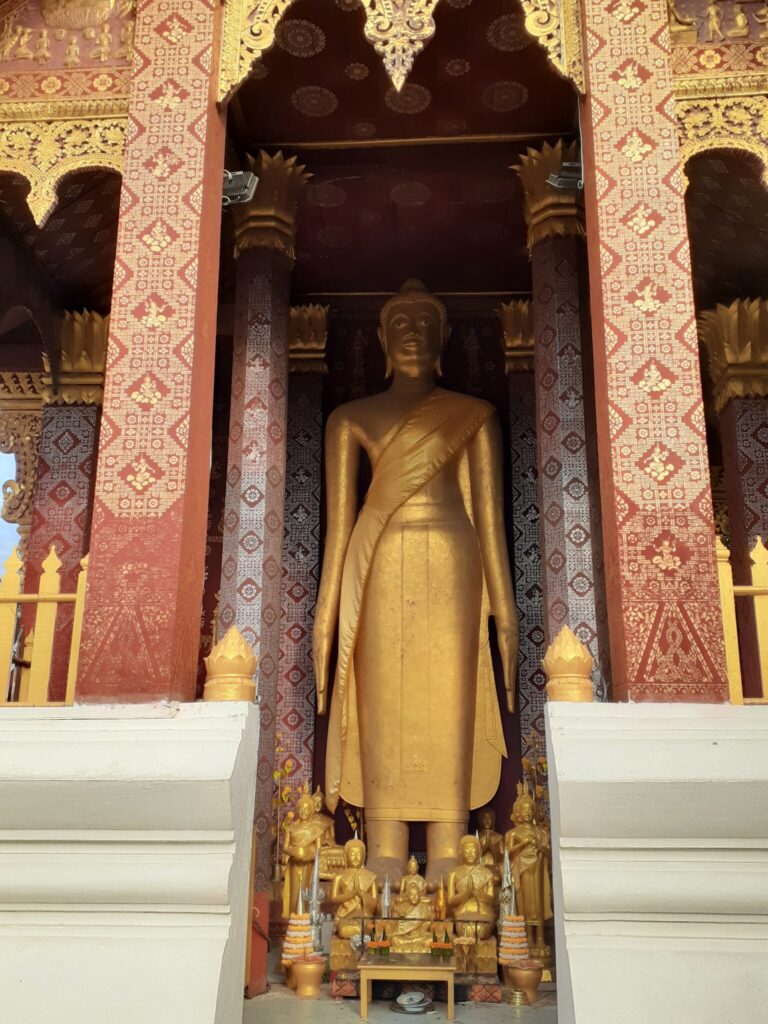
- Wat Sopsickharam: Situated directly adjacent to Wat Sensoukharam. It is a smaller, lesser-visited plot holding a beautiful Buddha image tucked away at the back of its serene courtyard.
- Wat Siphoutthabath: Serving as one of the quieter trailheads to climb Phosi Hill, this temple remains incredibly tranquil and free of tourist crowds.
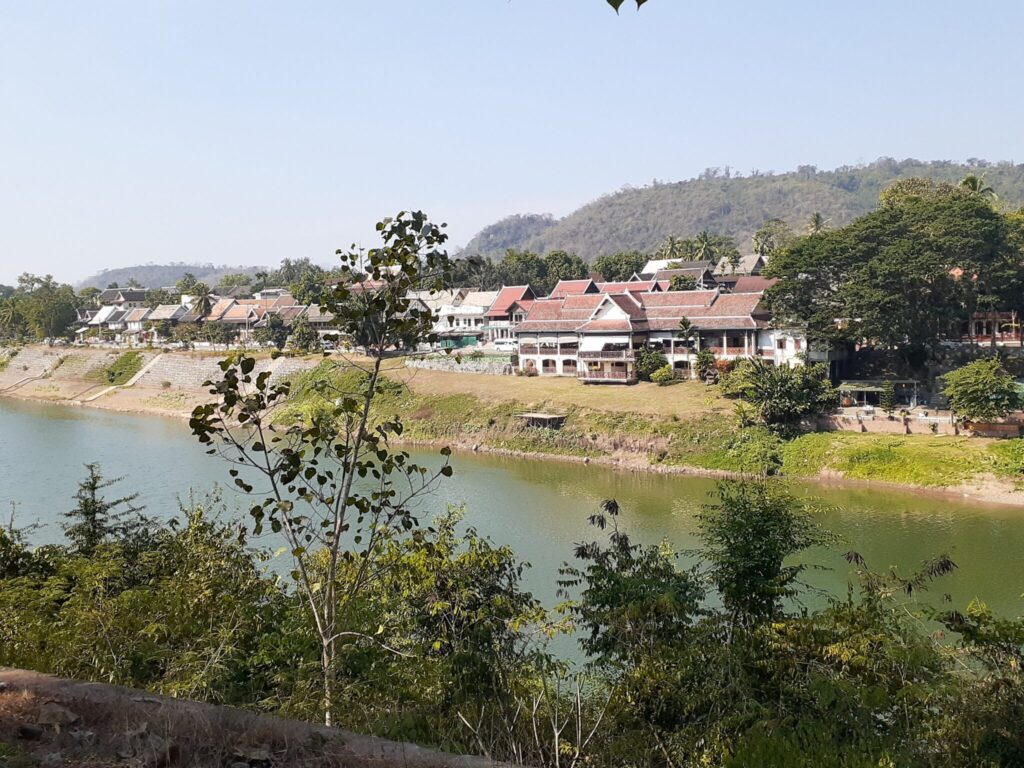
2. Crossing the River: Exploring the Eastern Bank Temples
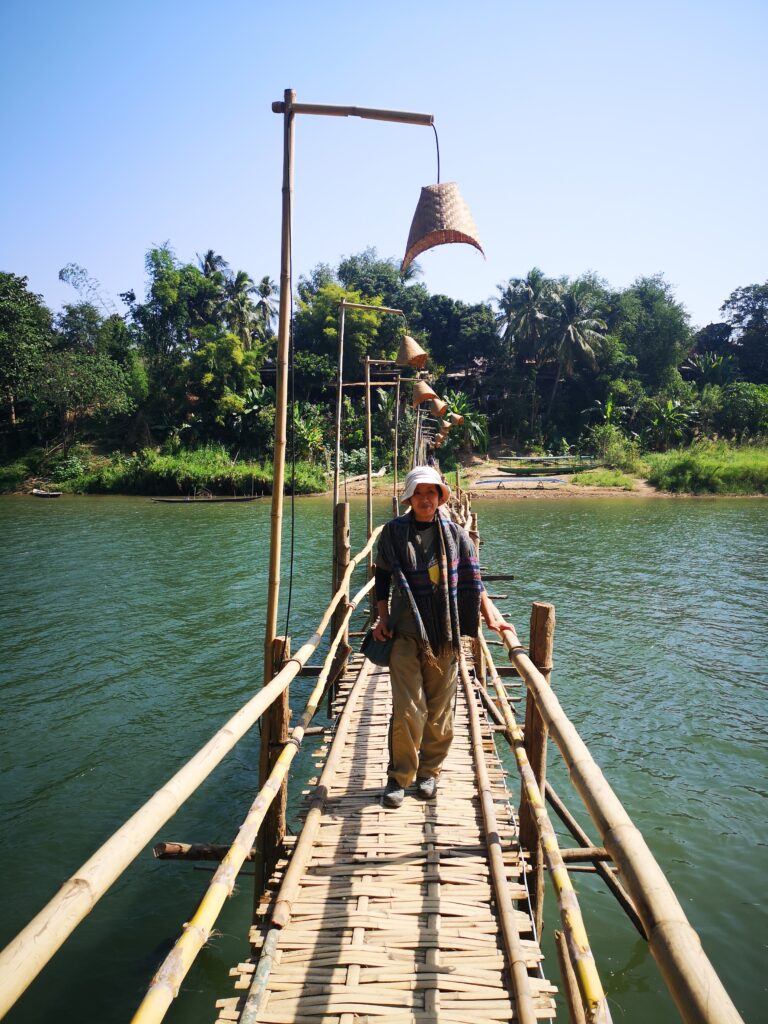
By stepping across the river boundaries, you enter a significantly quieter neighbourhood filled with highly distinct architectural gems.
Crossing the Water: Bamboo Bridges vs. The Old French Bridge
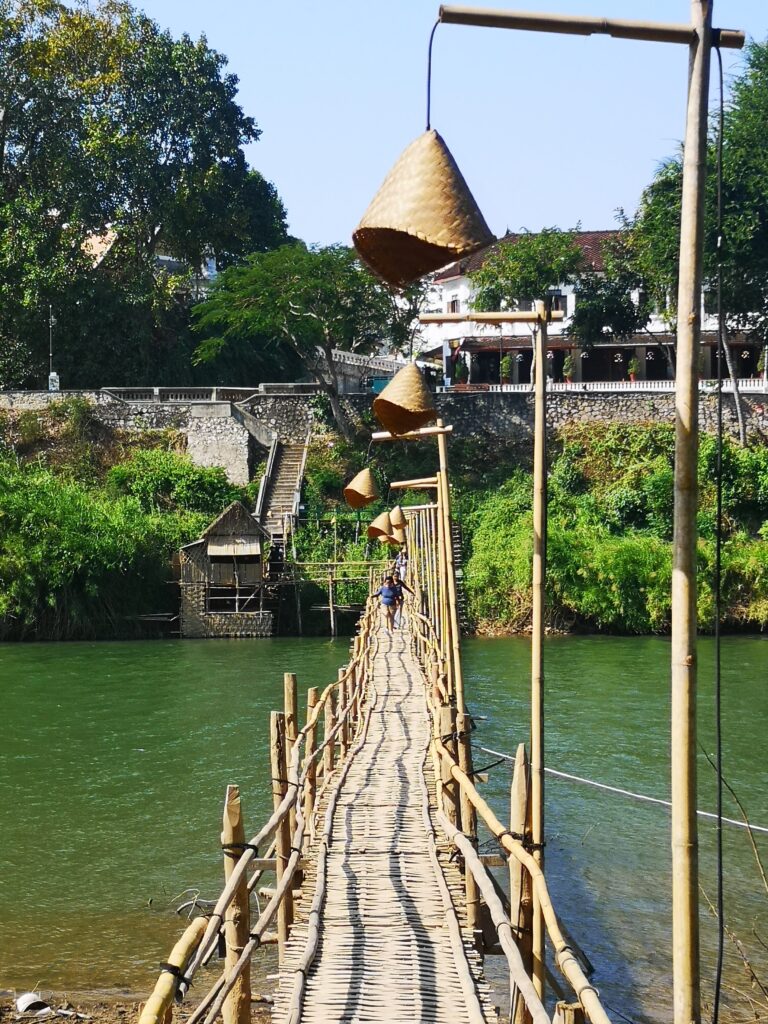
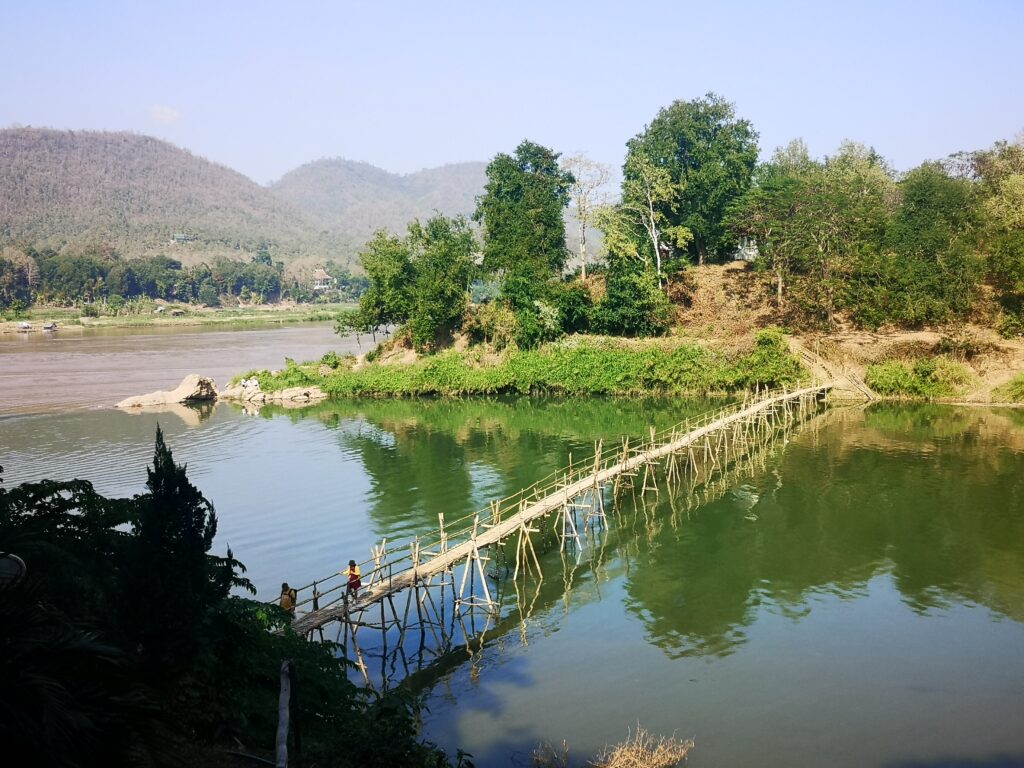
During the dry winter season (such as December), locals construct beautiful, temporary bamboo bridges across the river. Crossing them is a fun experience, and they levy a small fee to support the community’s seasonal construction and ongoing maintenance. If you prefer a free alternative, you can walk or bike across the steel Old French Bridge further down, which charges no toll for pedestrians.
Note: We later crossed this very bridge on foot to reach the terminal for our next destination. Read our step-by-step transit guide here:
➡ How to Get from Luang Prabang to Nong Khiaw: Bus Schedules, Ticket Prices & DIY Travel Guide
① Wat Winsunnarat (The Watermelon Stupa) & Wat Aham
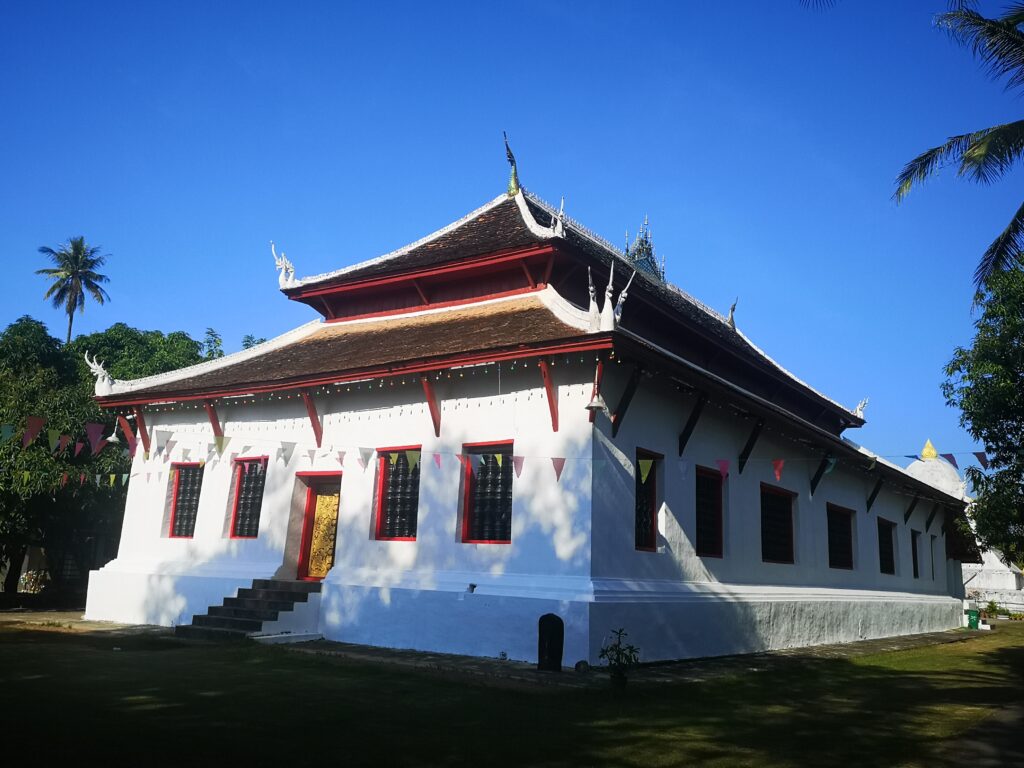
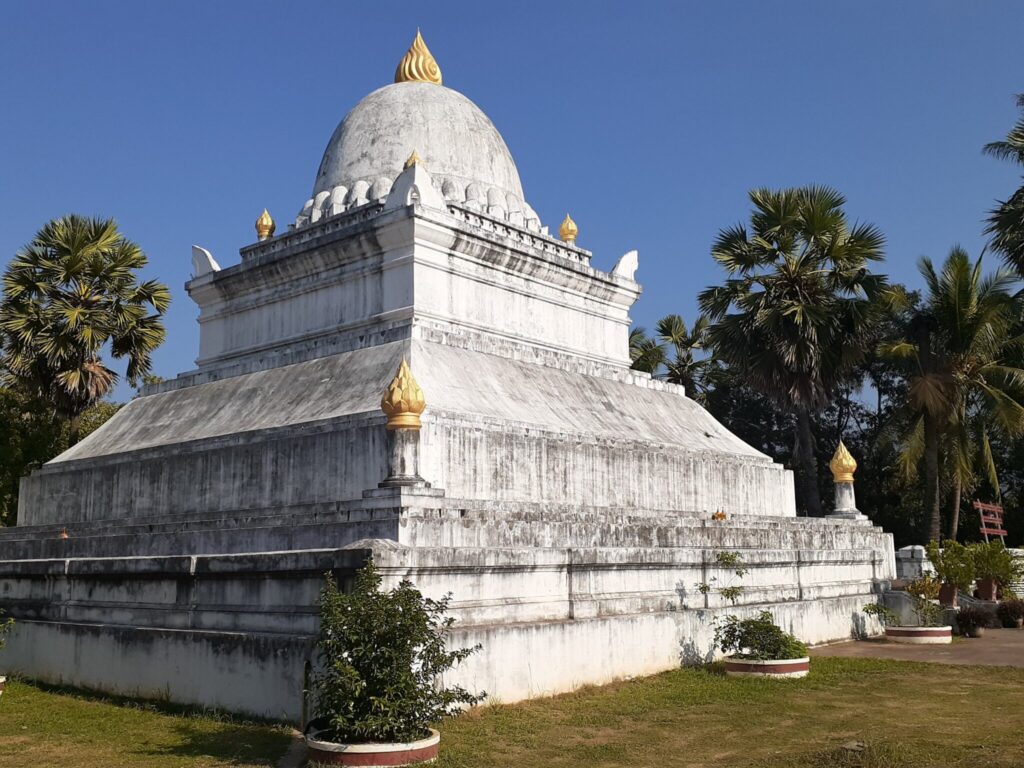
- Wat Winsunnarat (Wat Visoun): Highly famous for its massive, uniquely rounded dome stupa, affectionately nicknamed the “Watermelon Stupa” due to its shape.
- Wat Aham: Positioned immediately adjacent to Wat Visoun, this quiet compound features a compelling contrast between an ancient, weathered stupa and a pristine, whitewashed alternative standing side-by-side.
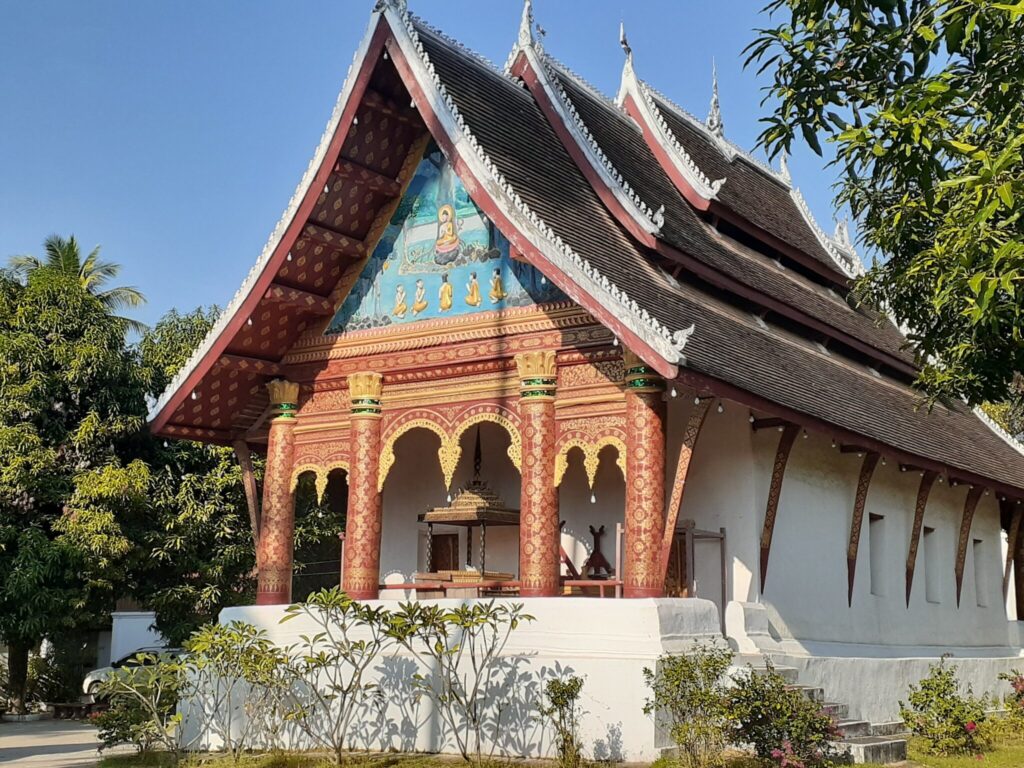
② Wat That Luang & Wat Monarom
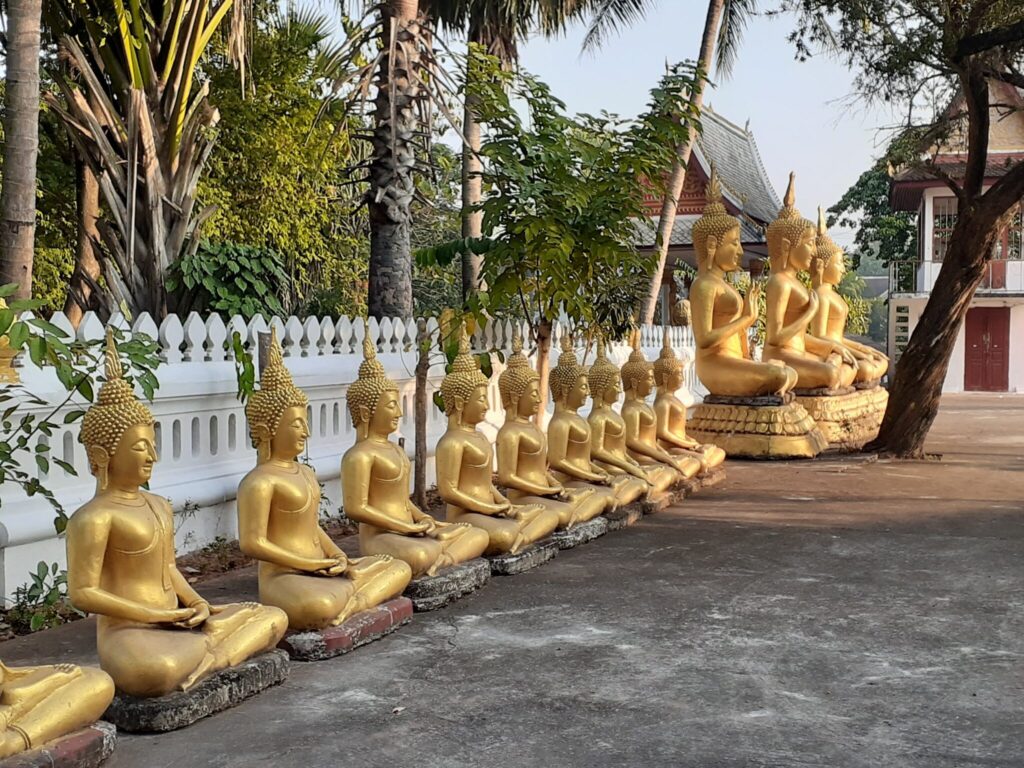
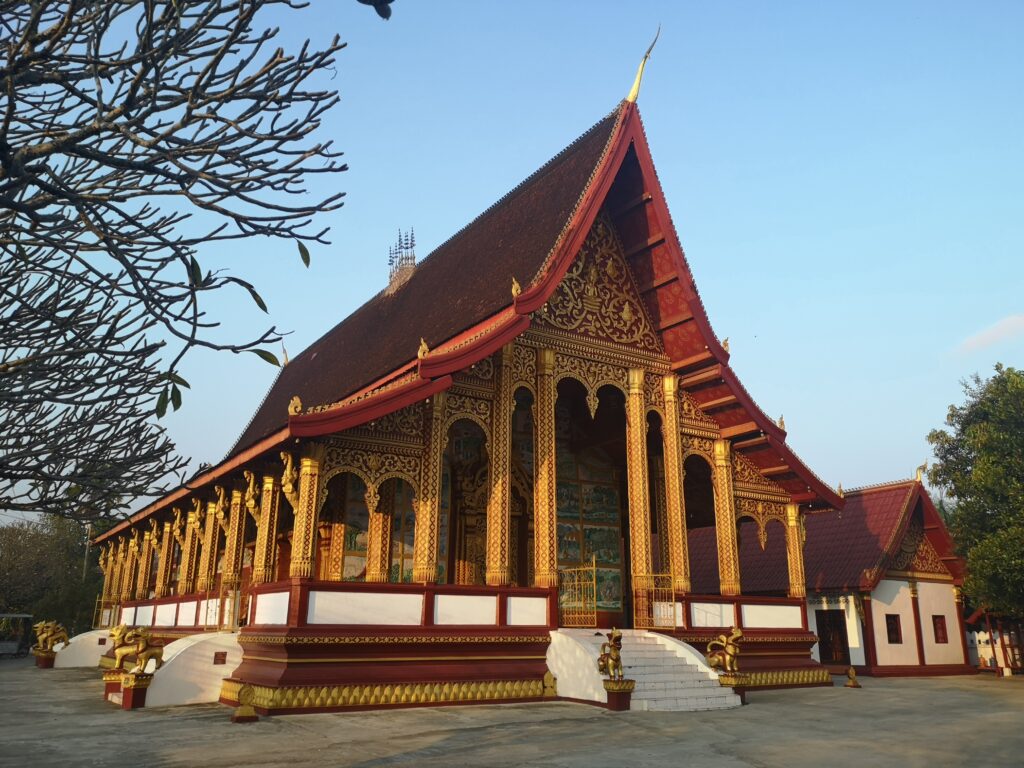
- Wat That Luang: Exceptionally quiet and entirely free from mass tourism, allowing for a deeply respectful look at local worship. It features a brilliant, shining golden Buddha image and a grand stupa.
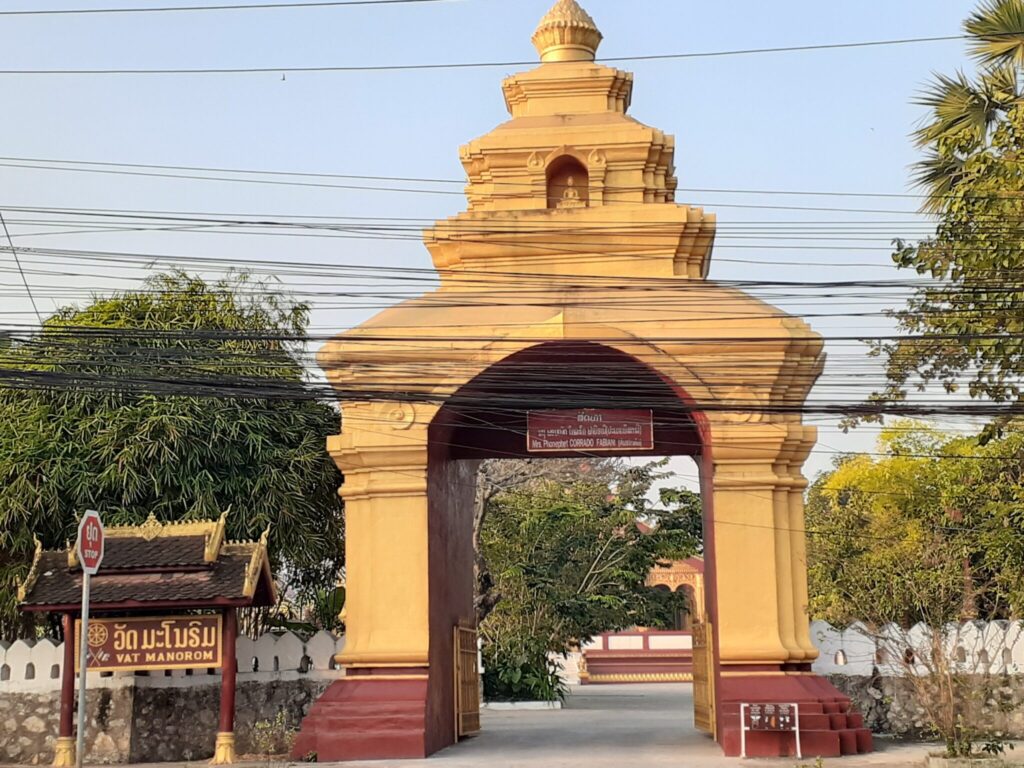
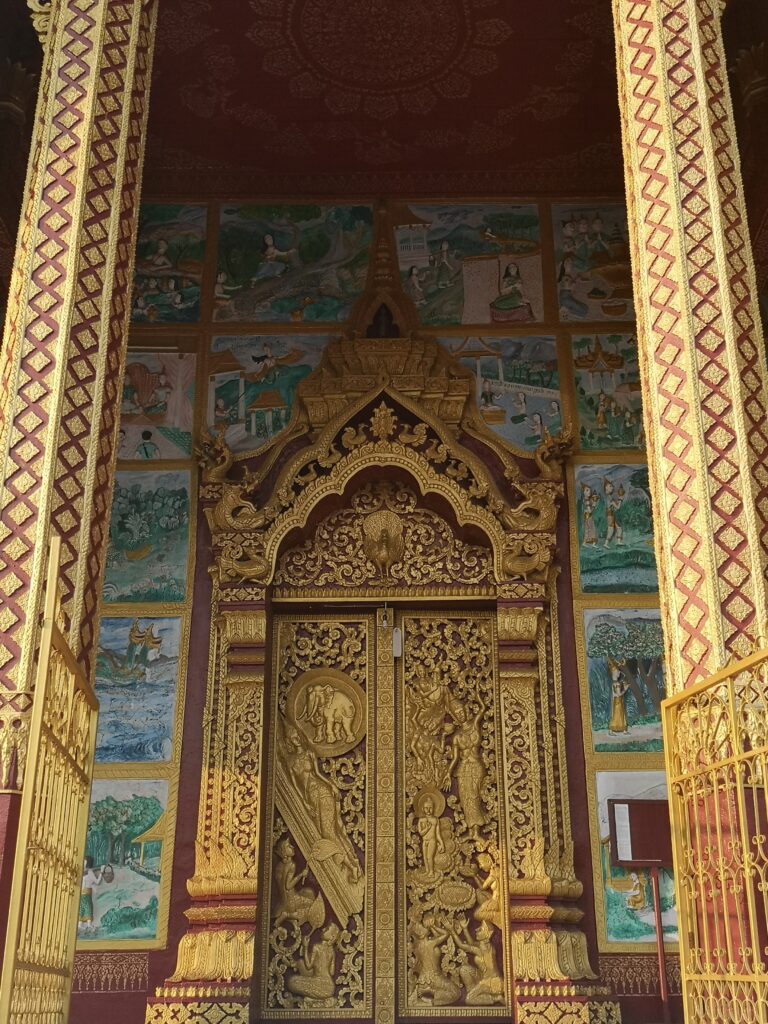
- Wat Monarom: Tucked away near Wat That Luang, this temple greets you with a highly powerful, heavily ornamented golden entrance gate.
③ Outlying Panoramic Viewpoints
- Wat Xiengleck: Located further on the eastern bank near the airport peninsula, this area is highly famous for traditional local weaving villages.
- Wat Phone Sa Ath Phatiya Moungkoun: A very small, humble temple complex perched slightly uphill, granting travelers a phenomenal, unobstructed view over the riverbanks and the opposite side of town.
Useful Information for Your Laos Trip:
Visa Extension Guide: ➡ Laos Visa Extension Guide: Oudomxay vs Luang Namtha Costs, Rules, and 23-Hour Fast-Track Success
Border Crossing Guide:
➡ Hue to Savannakhet Border Guide via Lao Bao Border: Crossing from Vietnam to Laos
➡ Paksan to Bueng Kan Border Crossing (Laos – Thai) Mekong River by Boat
3. Crossing by Ferry to the Northern Bank: Chompet Village
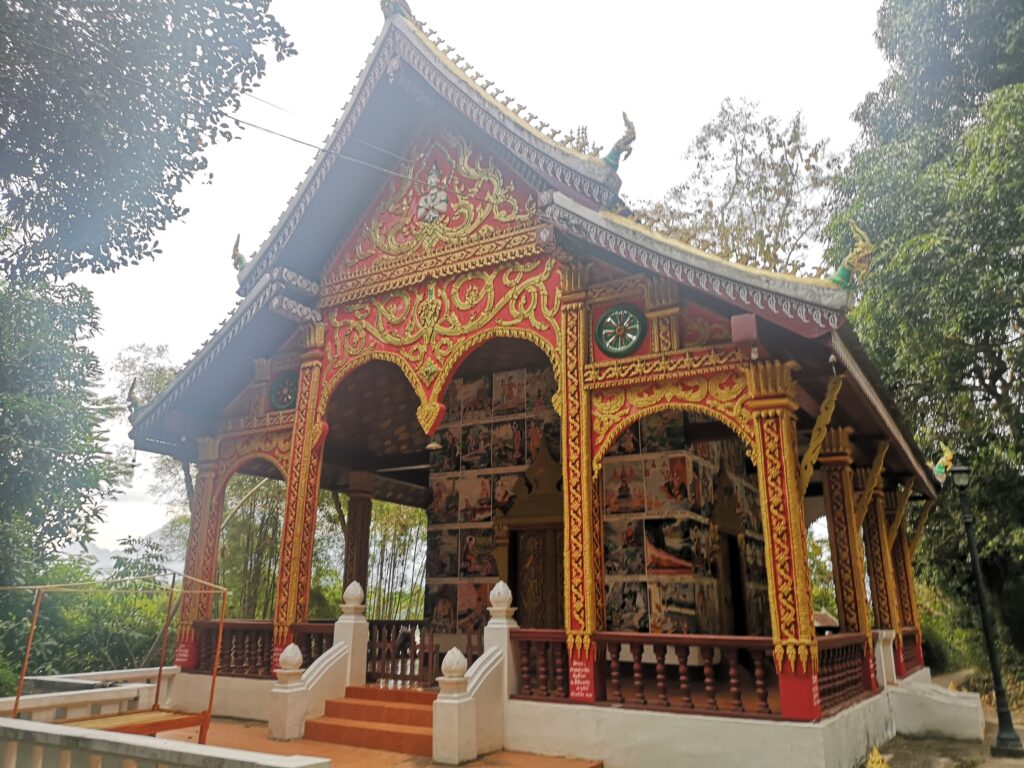
For a true escape into rural Laos, we hopped onto a local passenger ferry from the main peninsula over to the northern bank, exploring an area known as Chompet (Chomphet).
▼ Check out our ferry crossing experience and the peaceful northern riverbanks in our video:
Spending time in Chompet feels like stepping back in time. The village is incredibly quiet, free of heavy vehicle traffic, and practically untouched by commercial tourism. Wandering along the unpaved paths, you can explore hidden cave temples and old hillside ruins that offer incredible, isolated panoramic vantage points looking back across the Mekong River toward the Luang Prabang skyline.
Hidden Cave Temple: Wat Tham Sakkalin (Sakkalin Cave)
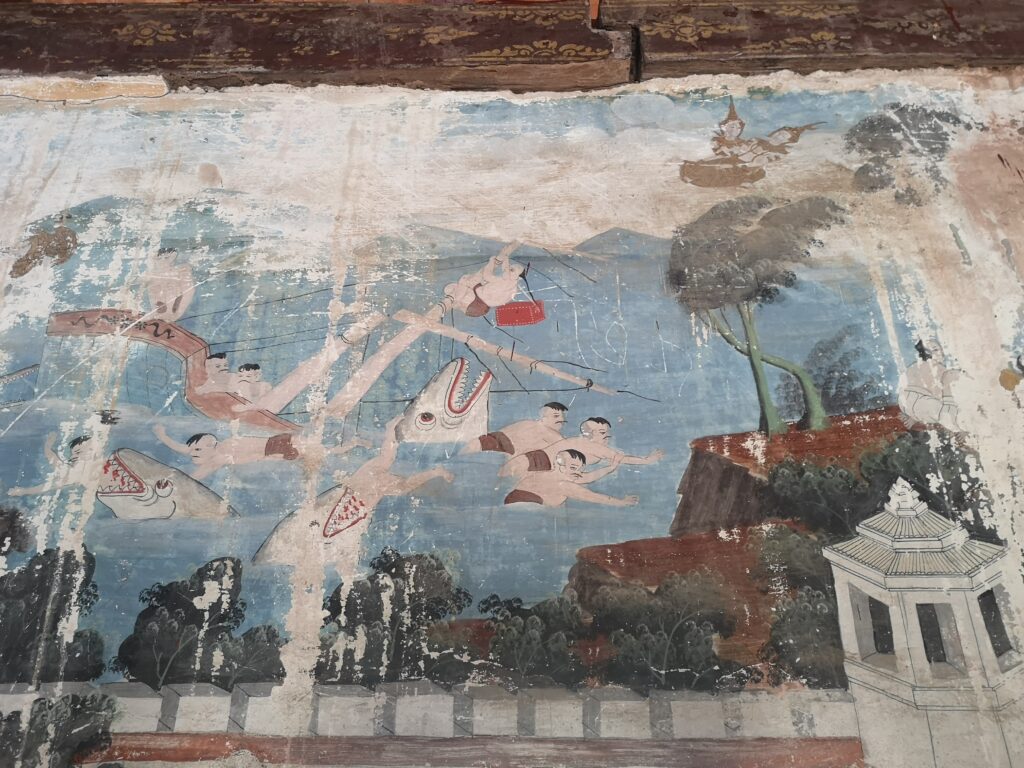
While wandering through the dirt paths of Chompet village, an absolute hidden gem to look out for is Wat Tham Sakkalin. Unlike standard temple complexes, this site features a quiet monastic courtyard that leads directly into a large, natural underground limestone cave.
While most tourists pay for long boat rides to visit the famous Pak Ou Caves further upstream, Wat Tham Sakkalin remains beautifully isolated and entirely free of crowds. Stepping into the cool, dimly lit cavern reveals rows of ancient, dust-covered Buddha statues silently preserved by the local villagers—making for an incredibly mysterious, off-the-beaten-track adventure.
Our Handpicked Must-Visit Spots:
Based on our own journeys, here are the absolute best places in Laos that captured our hearts.
➡ Wat Phou Travel Guide – Day Trip from Pakse: A Complete Motorbike Guide
➡ The Plain of Jars Travel Guide from Phonsavan: A Complete Sightseeing & Motorbike Survival Tips
➡ Nong Khiaw Travel Guide: Hiking Pha Daeng Peak, Local Eats & Slow Travel Tips
➡ Muang Ngoy Travel Guide: Ultimate Travel Guide to Laos’ Hidden Riverside Village
4. Morning Markets to Hotpots: Luang Prabang Local Eats
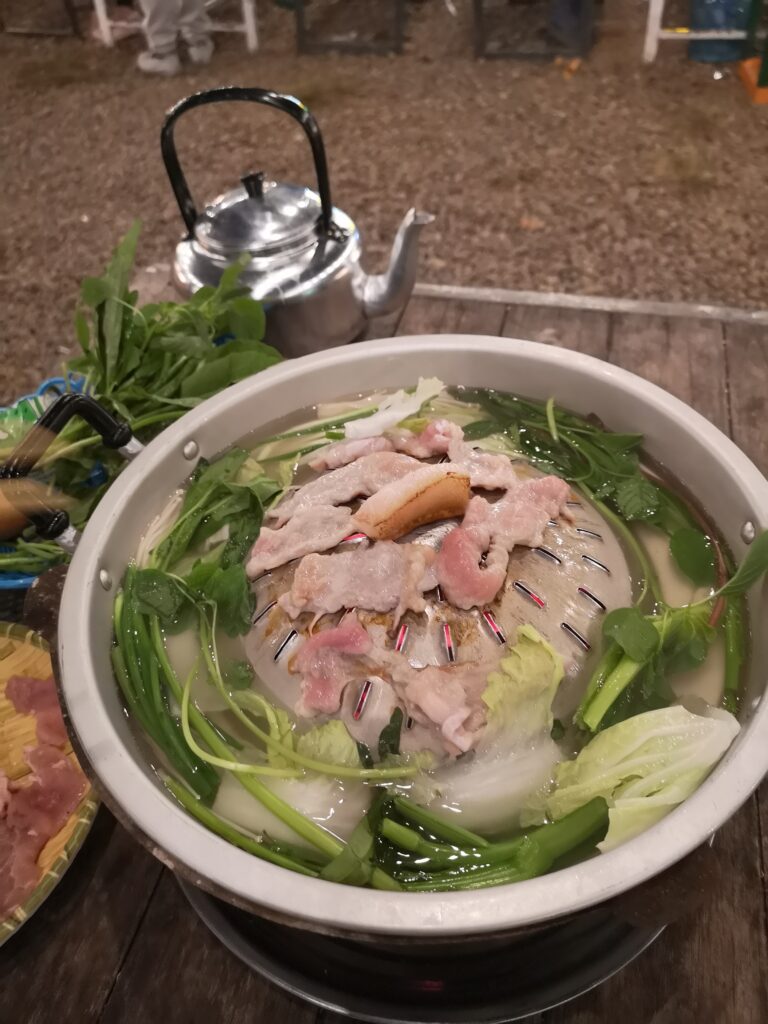
To fuel our miles of temple walking, we dived into the authentic local culinary scene, discovering incredible, cheap market food options away from the pricey French bistros (it’s not Luang Prabang Night Market, see the map above) .
A Healthy Local Breakfast: Congee & Rice Porridge
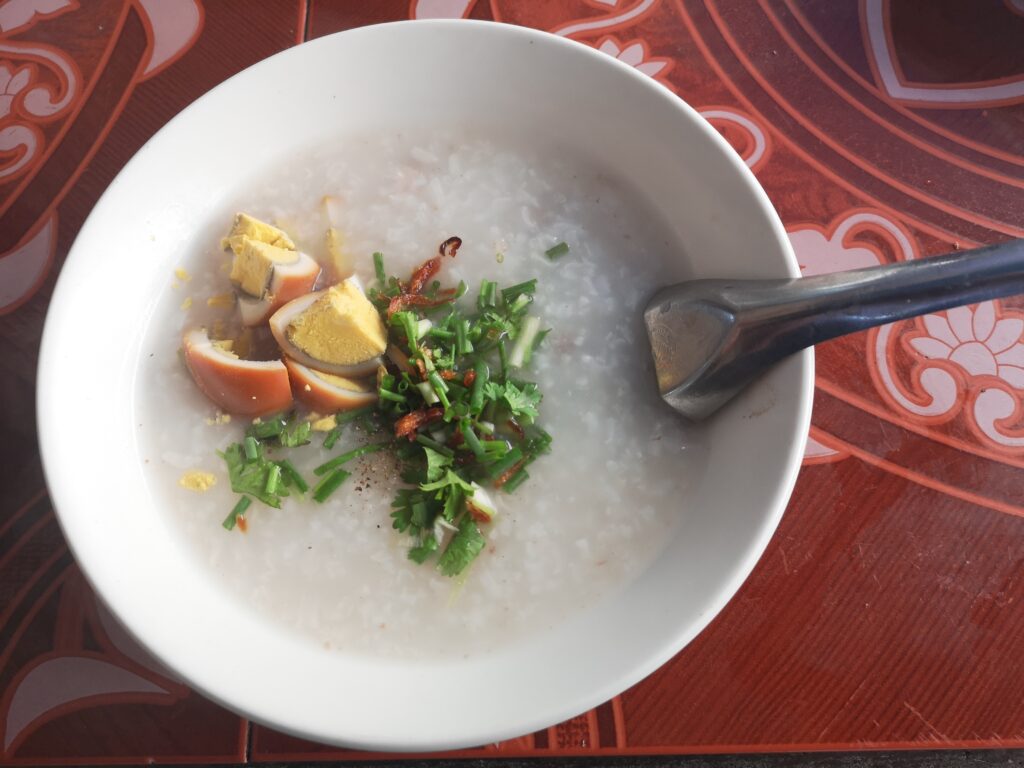
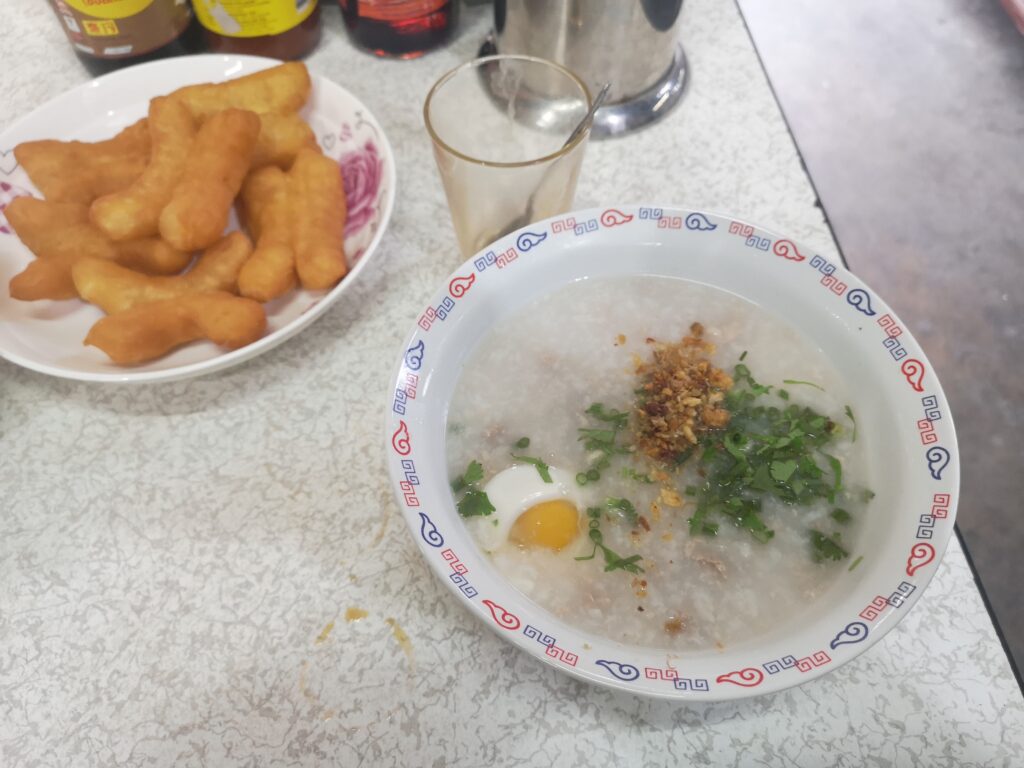
To kickstart your exploration like a local, head toward the morning market stalls for a classic, comforting breakfast spread. We fueled up with steaming bowls of savory congee (rice porridge) paired with fresh, golden-fried doughnuts (Patongko). Dipping the crispy dough into the hot, seasoned porridge is the ultimate hearty comfort meal for a busy day of trekking.
Chilly Evening Comfort: Local Hotpots at the Night Market
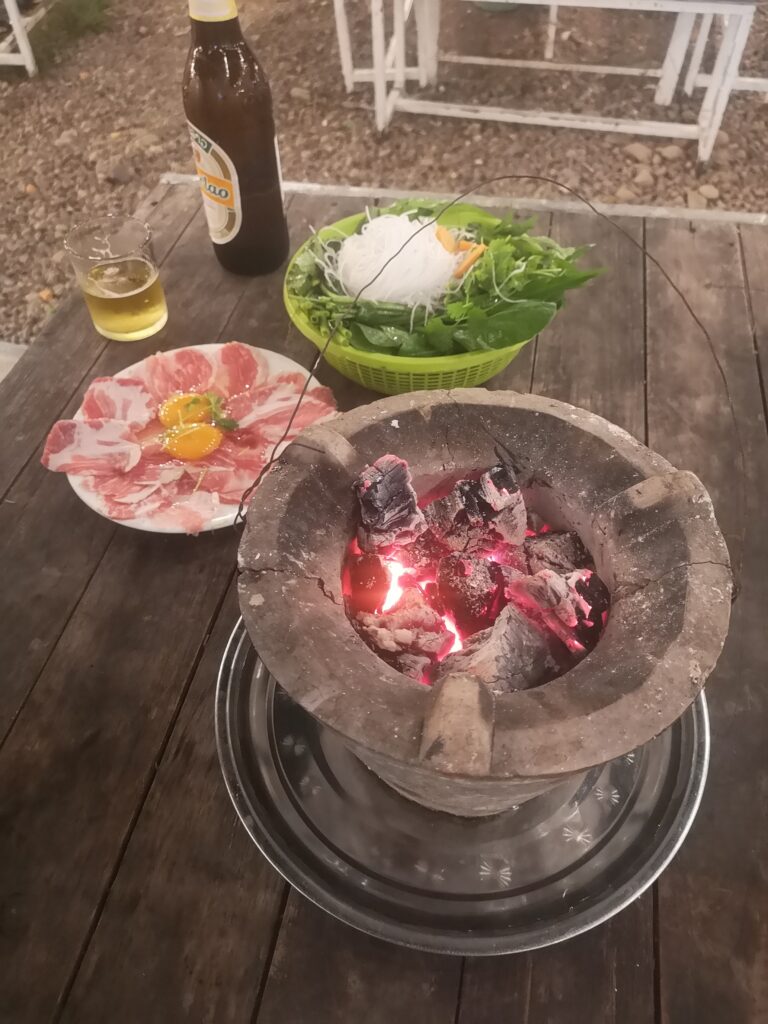
In December, temperatures in Northern Laos drop considerably, resulting in unexpectedly chilly evenings. To warm up, we sought out a small, tucked-away local night market that catered primarily to residents rather than the main tourist trade.
This hidden gem featured rows of open air food stalls serving up traditional Laotian hotpots (Mookata/Soup sets). Sitting by a simmering pot loaded with fresh greens, local herbs, and meats while a cool breeze blows off the river is an absolute highlight of the Luang Prabang night scene.
How we Got to & How we Left Luang Prabang:
➡ Vientiane to Luang Prabang by Train: Timetable, Ticket Booking & Station Tips
➡ From Luang Prabang to Nong Khiaw: Bus Schedules, Ticket Prices & DIY Travel Guide
Comment