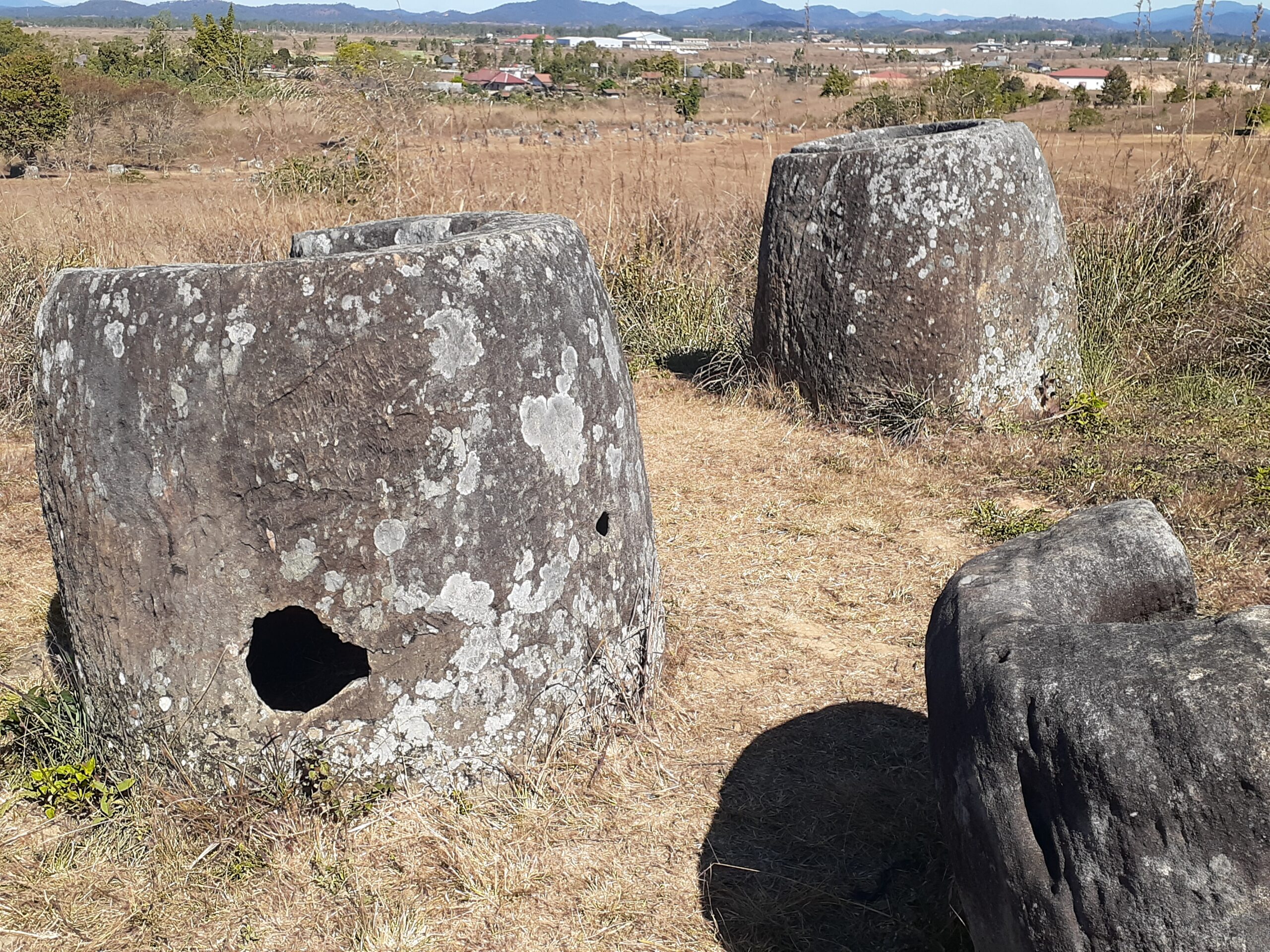
Perched in the chilly, mountainous highlands of northeast Laos sits Phonsavan, the capital of Xiengkhuang Province. Rebuilt in the 1970s following near total wartime destruction, this off-the-beaten-path town serves as the primary gateway to one of Southeast Asia’s most baffling archaeological enigmas: the UNESCO World Heritage-listed Plain of Jars.
Dating as far back as 500 BC, thousands of colossal, carved stone vessels lie scattered across the windswept plains. Who carved them, and why they were left here, remains a mystery that archeologists still debate to this day—though modern consensus leans towards them being used as ancient burial urns. We spent two nights in Phonsavan to explore not just the popular “Site 1,” but also the rural, far-flung “Sites 2 and 3” on two wheels. This independent guide covers our chaotic experience learning to ride a manual motorbike on the fly, a solemn visit to the MAG UXO Visitor Centre, and a brilliant walk in hotel hack that saved us a small fortune.
🇯🇵 この記事を日本語で読む: ポーンサワン観光完全ガイド!世界遺産ジャール平原の巡り方(サイト1・2・3)とレンタルバイクの注意点
Phonsavan Sightseeing Quick Summary
- Plain of Jars Entrance Fees: 30,000 Kip per person for each individual site (Site 1 charges an additional 3,000 Kip for motorbike parking).
- The Transport Reality: Site 1 is reasonably accessible, but Sites 2 and 3 require wheels. Beware that automatic scooters are incredibly scarce in Phonsavan; you will likely be forced to rent a manual gear bike.
- Essential Cultural Stop: Do not miss the MAG UXO Visitor Information Centre in town. It provides an unmissable, sobering look at the devastating, ongoing impact of US cluster bombings in Laos.
- Weather Warning: Due to the altitude, Phonsavan gets surprisingly cold during December and January. Pack a decent jacket and warm up at night with a boiling local hot pot.
- About Phonsavan
- Unlocking the Mysteries of the Plain of Jars (Sites 1, 2, and 3)
- Motorbike Rental in Phonsavan: A Crash Course in Manual Riding
- Getting to the Plain of Jars from Phonsavan
- Facing the Legacy of War: The MAG UXO Visitor Information Centre
- The Xieng Kouang Province Tourist Information Centre
- Accommodation in Phonsavan: The Ultimate Walk In Booking Hack
- Beating the Chills with Local Hot Pot
- Travel Vlog: Exploring the Mysterious Plain of Jars
About Phonsavan
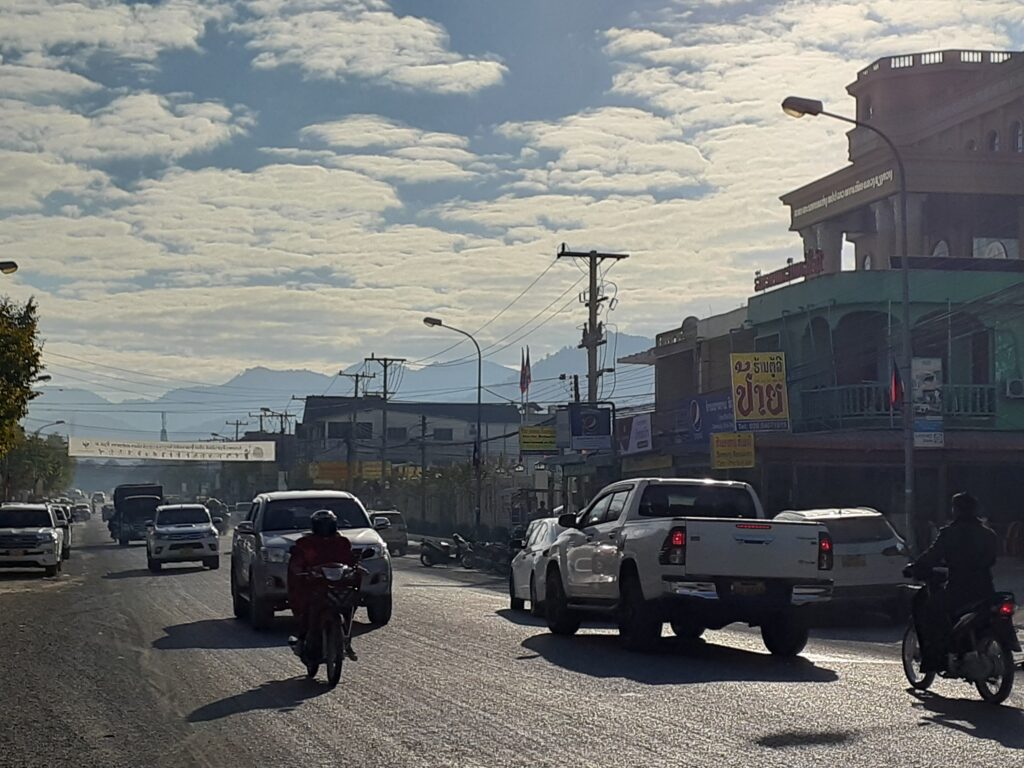
Phonsavan is the capital of Xiengkhuang Province, Laos, and is a relatively new town built in the 1970s. Its main industries are mining and tourism, and it serves as an access point to the World Heritage listed Plain of Jars.
Unlocking the Mysteries of the Plain of Jars (Sites 1, 2, and 3)
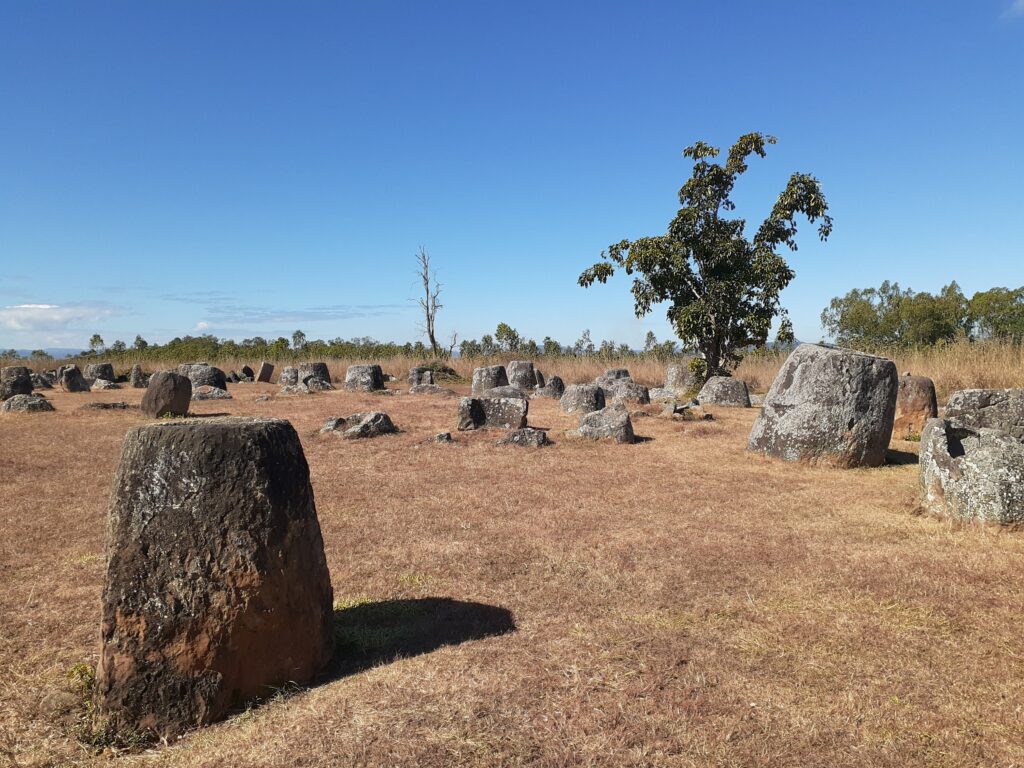
The sheer scale of the Plain of Jars is something you have to stand next to in order to truly comprehend. Walking among stone pots weighing up to several tonnes, you can’t help but wonder about the prehistoric civilization that engineered them. While French researcher Madeleine Colani suggested in the 1930s that they served as funerary urns, the landscape still guards its secrets closely.
During our visit, we decided to tackle the three main archaeological sites:
- Site 1 (Thong Hai Hin): This is the largest and closest site to Phonsavan town. It features a helpful visitor centre and the single largest jar on the plain, rumored to be the victory cup of an ancient mythical king. It’s the most tourist heavy site, but absolutely essential for context.
- Sites 2 and 3: Located further south, these two sites are nestled close to one another. Moving away from the open plains of Site 1, these jars are scattered across shaded forests and local agricultural hillsides. Because they see a fraction of the tourists, exploring Sites 2 and 3 felt infinitely more adventurous and spiritual.
Motorbike Rental in Phonsavan: A Crash Course in Manual Riding
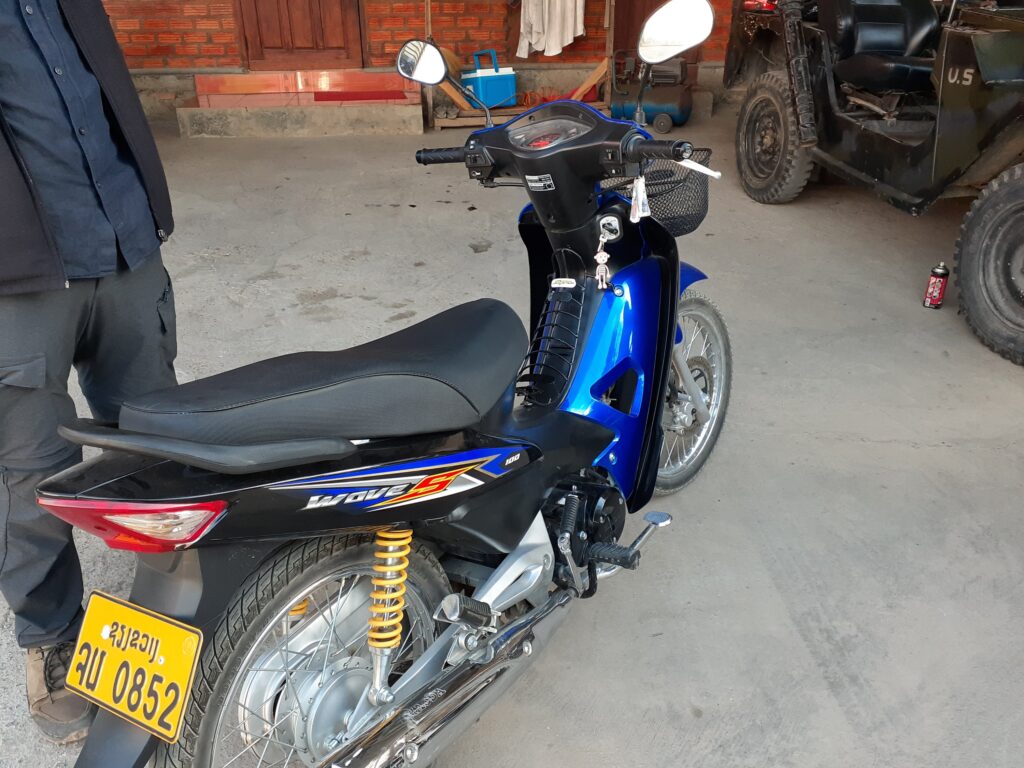
The Plain of Jars Site 1 reachable on foot, but Sites 2 and 3 are too far to walk. Each guesthouse offers tours of the Plain of Jar sites, so you may wish to take advantage of these.
While most guesthouses offer structured minivan tours to the jars, Mai and I wanted the complete freedom to explore the countryside at our own pace. We set out to rent a couple of standard automatic scooters, but we quickly realized that options in town were severely limited.
We eventually tracked down a rental option at Kong Keo Guesthouse, but they had a strict caveat: they only had heavy, traditional manual gear motorbikes available.
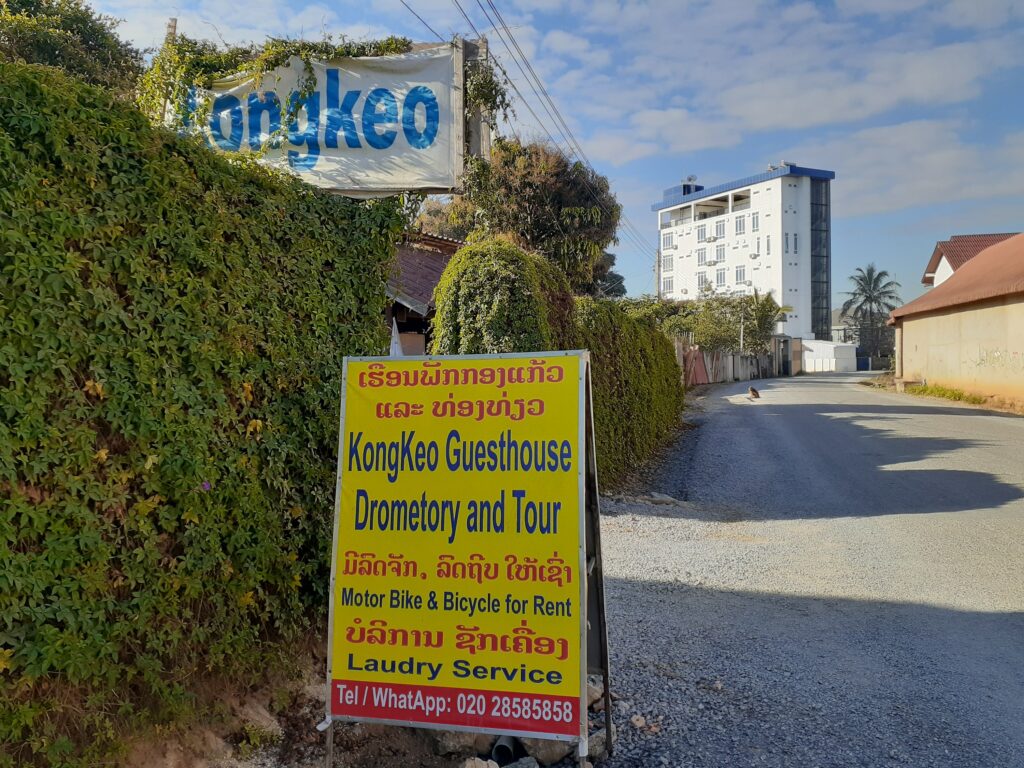
Neither Mai nor I had ever operated a manual motorcycle with a foot clutch before. With no automatic backups in sight, we had no choice but to swallow our pride, accept a frantic, 5 minute crash course from the guesthouse staff in the gravel driveway, and head out onto the open road. It was a slightly nerve wracking start to the day, but navigating the quiet, sweeping rural roads of Laos turned out to be the perfect place to learn.
Getting to the Plain of Jars from Phonsavan
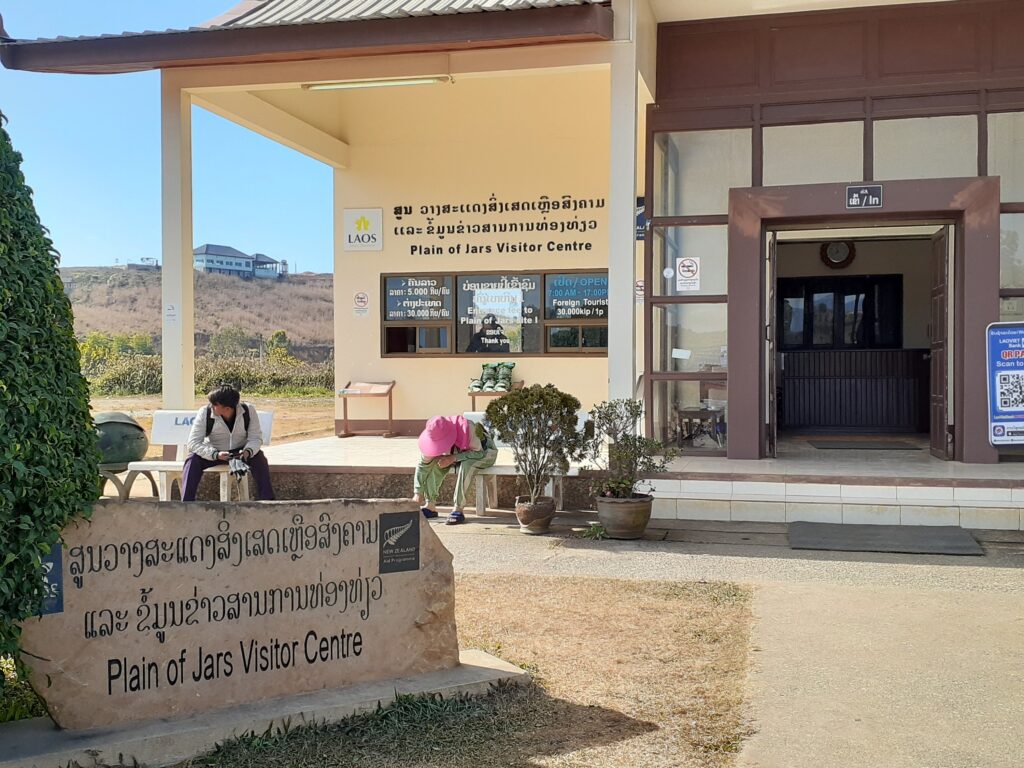
As mentioned earlier, the Plain of Jars has several sites. We visited sites 1, 2 and 3 on this visit. Sites 2 and 3 are located close to each other, so it is recommended to visit them together. The entrance fee for each site was 30,000 kip per person.
We went to the most popular site 1 first. You are charged 3,000 kip for parking. A visitor centre was available so that we could get a better understanding of the Plain of Jars before visiting the site.
Sites 2 and 3 are separated from Site 1; we toured sites 2 and 3 together. See the video for more information.
Facing the Legacy of War: The MAG UXO Visitor Information Centre
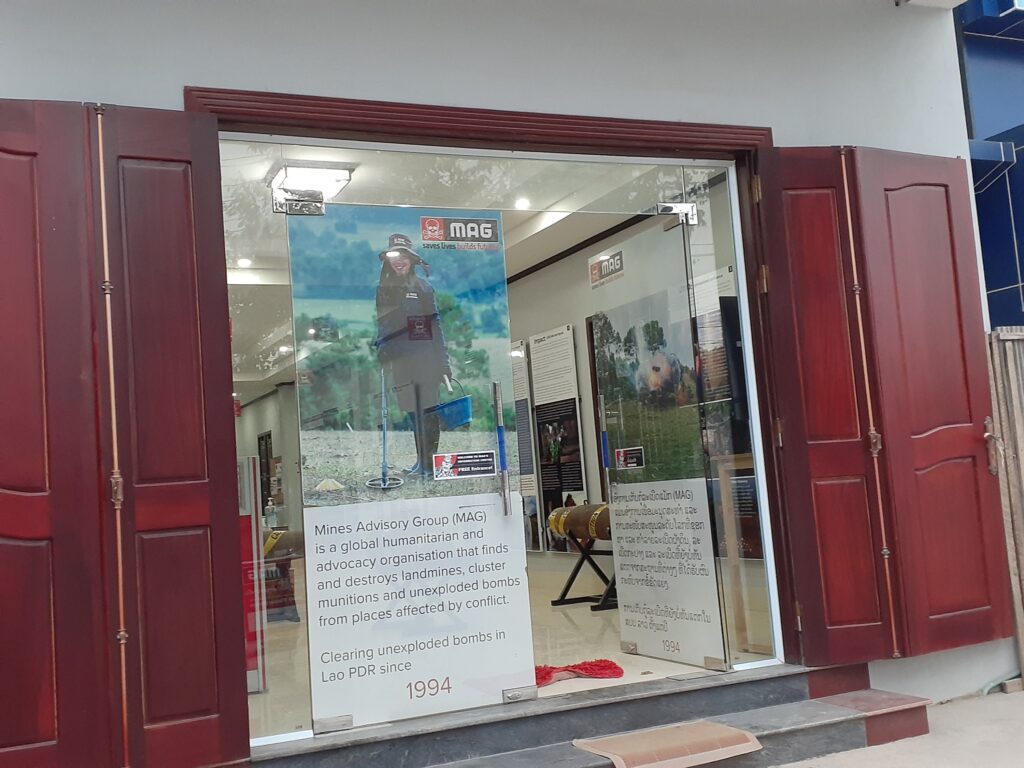
While the ancient stones are fascinating, you cannot understand modern day Phonsavan without acknowledging its tragic 20th Century history. In the centre of town, we visited the MAG (Mines Advisory Group) UXO Visitor Information Centre.
MAG is a phenomenal global organisation tasked with clearing landmines and Unexploded Ordnance (UXO). During the Secret War (1964–1973), Xiengkhuang Province became the most heavily bombed region on earth as the US military dropped millions of cluster submunitions over Laos. Tragically, a massive percentage failed to detonate on impact, leaving a lethal carpet of “bombies” that still kill and maim local farmers and children today.
The exhibition inside the centre is incredibly clear, poignant, and devastating. Seeing the catastrophic, ongoing legacy that the United States left behind in this gentle country is deeply heartbreaking. Frankly, it is a disgraceful chapter of Western military history, and a visit here is absolutely mandatory to understand the resilience of the Lao people.
Our Handpicked Must-Visit Spots:
Based on our own journeys, here are the absolute best places in Laos that captured our hearts.
➡ Luang Prabang Travel Guide: 3-Day Temple Walking Route, Chompet Ferry & Local Night Markets
➡ Wat Phou Travel Guide – Day Trip from Pakse: A Complete Motorbike Guide
➡ Nong Khiaw Travel Guide: Hiking Pha Daeng Peak, Local Eats & Slow Travel Tips
➡ Muang Ngoy Travel Guide: Ultimate Travel Guide to Laos’ Hidden Riverside Village
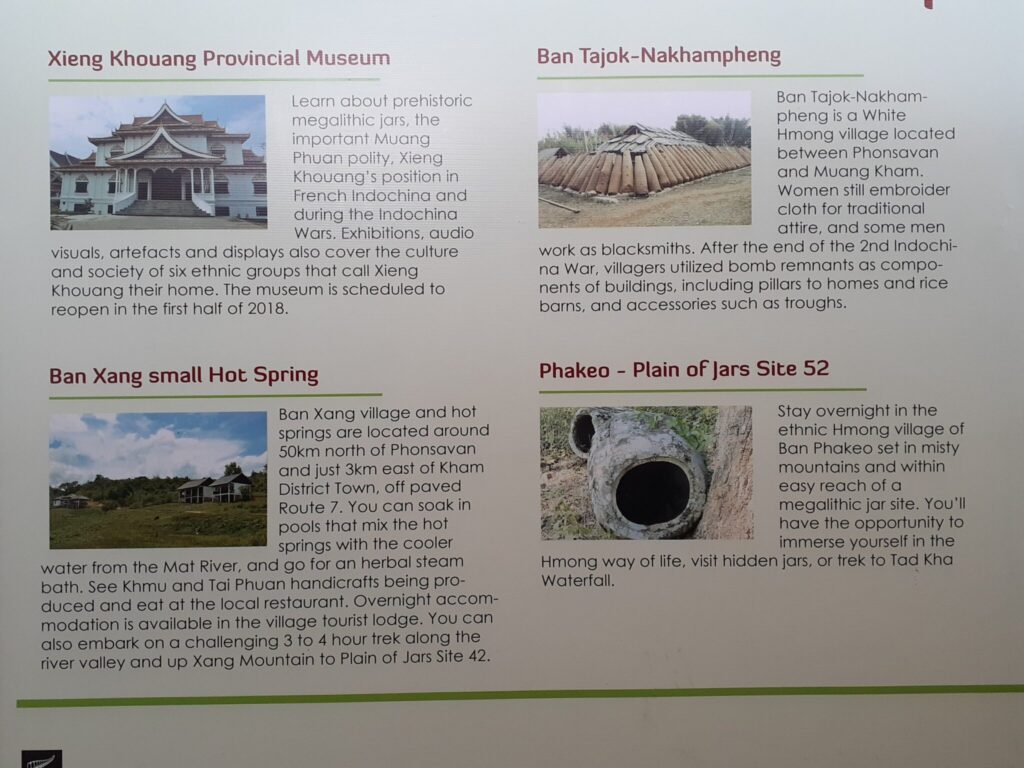
The Xieng Kouang Province Tourist Information Centre
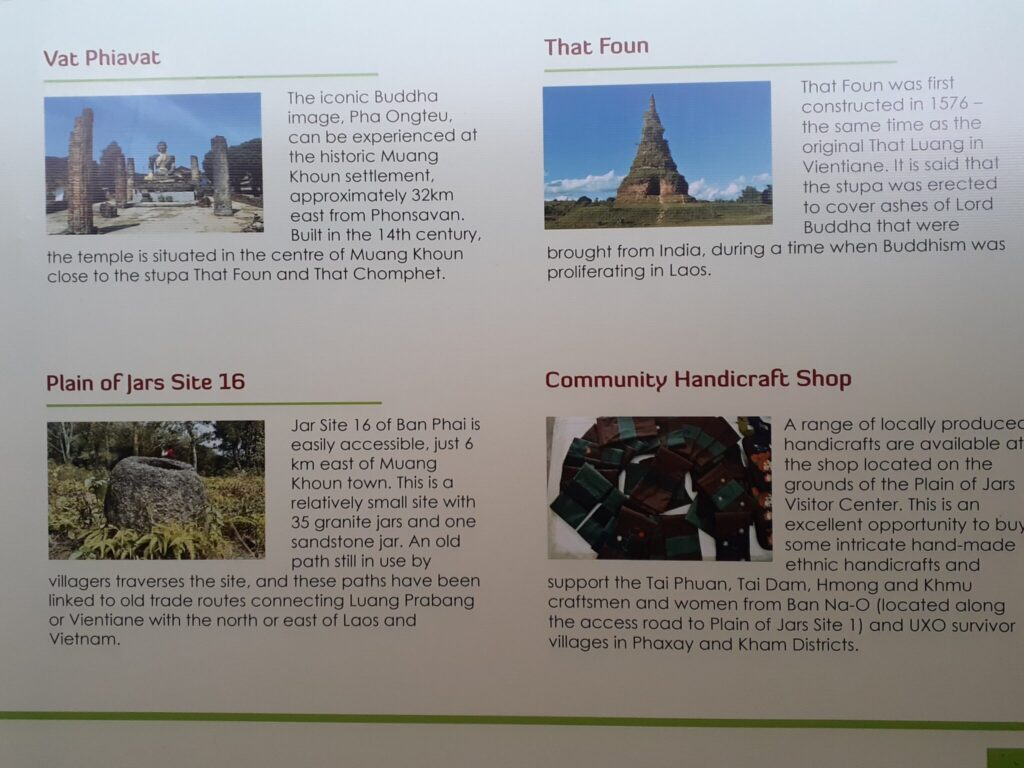
The Xieng Kouang Province tourist information centre has lots of useful information.
We were not able to visit all of the sites which they recommended, but we share the photos about possible visiting spots.
Useful Information for Your Laos Trip:
Visa Extension Guide: ➡ Laos Visa Extension Guide: Oudomxay vs Luang Namtha Costs, Rules, and 23-Hour Fast-Track Success
Border Crossing Guide:
➡ Hue to Savannakhet Border Guide via Lao Bao Border: Crossing from Vietnam to Laos
➡ Paksan to Bueng Kan Border Crossing (Laos – Thai) Mekong River by Boat
Accommodation in Phonsavan: The Ultimate Walk In Booking Hack
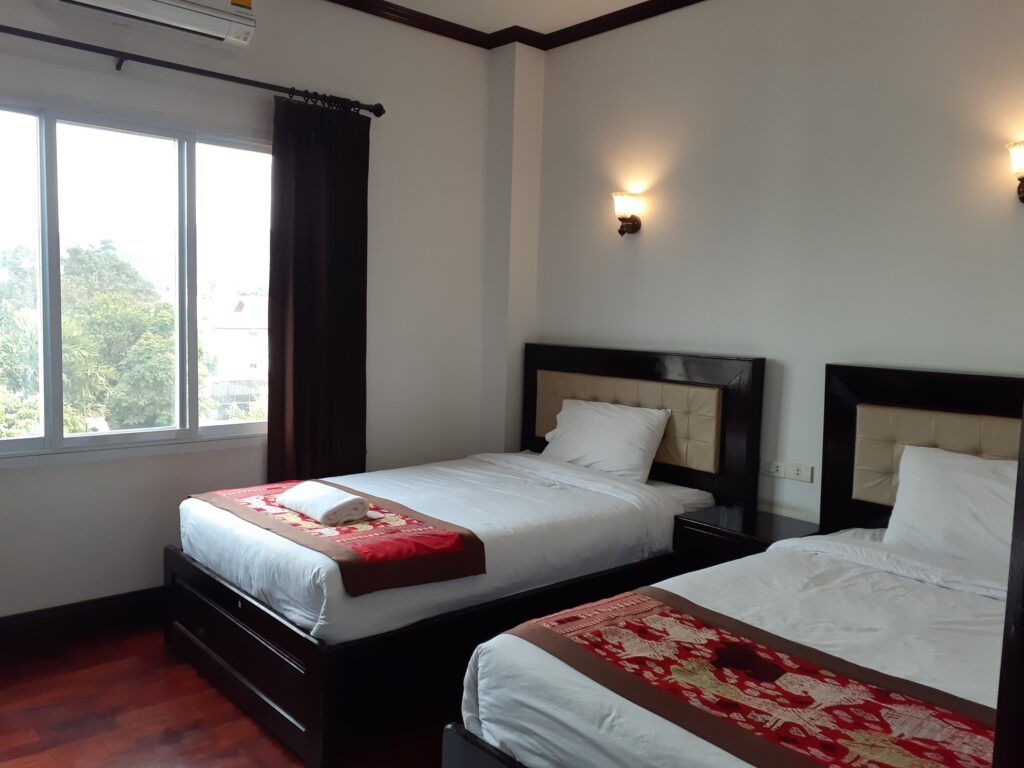
Our stay in Phonsavan also brought one of the best budget victories of our entire overland journey. We ended up moving into the Favanhmai Hotel entirely by accident after popping inside simply to use their lobby restroom.
Out of curiosity, I asked the receptionist for their nightly rate. I was stunned when they quoted me $11 USD per night, including a full breakfast. Just an hour earlier, I had checked the exact same hotel on major booking platforms online where it was listed for over $30 USD per night!
In remote Laotian towns, online booking algorithms often heavily inflate prices or display outdated rates. If you aren’t travelling during a major national festival, checking rooms in person (walk in booking) can save you a massive chunk of your backpacking budget.
Beating the Chills with Local Hot Pot
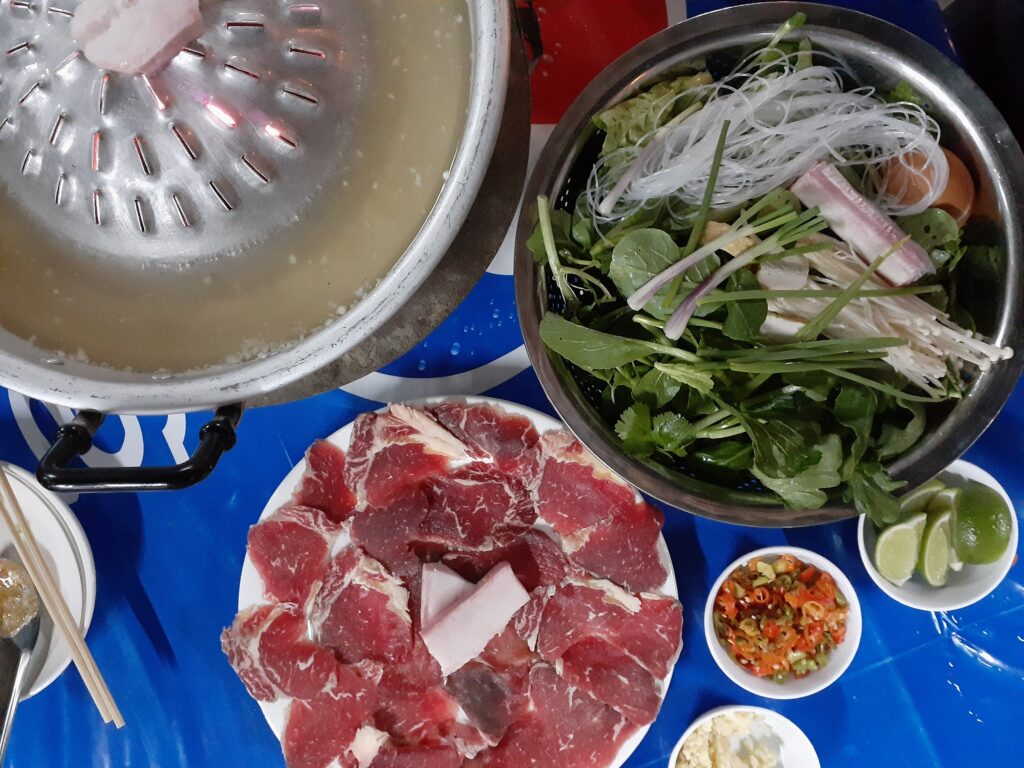
Because Phonsavan sits on an elevated plateau, the winter months (December/January) bring an intense evening chill that takes many travellers by surprise.
To combat the cold, we followed the local crowds to a brilliant spot called New Life Hotpot & Sukiyaki. They serve a fantastic style of Lao hot pot (similar to Thai Mu Kratha), where a dome shaped charcoal grill sits right on your table. You grill meats on the top dome while a rich, steaming broth cooks vegetables and noodles around the rim. It was the ultimate comfort food to warm our bones after a long day of riding manual bikes in the brisk mountain air.
Travel Vlog: Exploring the Mysterious Plain of Jars
Want to see our clumsy manual motorbike driving and the breathtaking landscapes of Sites 1, 2, and 3? We recorded our entire exploration of the stone jars, capturing the sheer scale of this mysterious ancient site. Watch our full travel log below!
Where to Go After Phonsavan: Once you’ve unravelled the mysteries of the ancient stone jars, it’s time to head south toward the Thai border. Read our full review of catching a rare, incredibly comfortable daylight sleeper bus from Phonsavan down to the river town of Paksan here: ➡ Phonsavan to Paksan by Bus: A Daylight Sleeper Journey with Double Beds
Comment