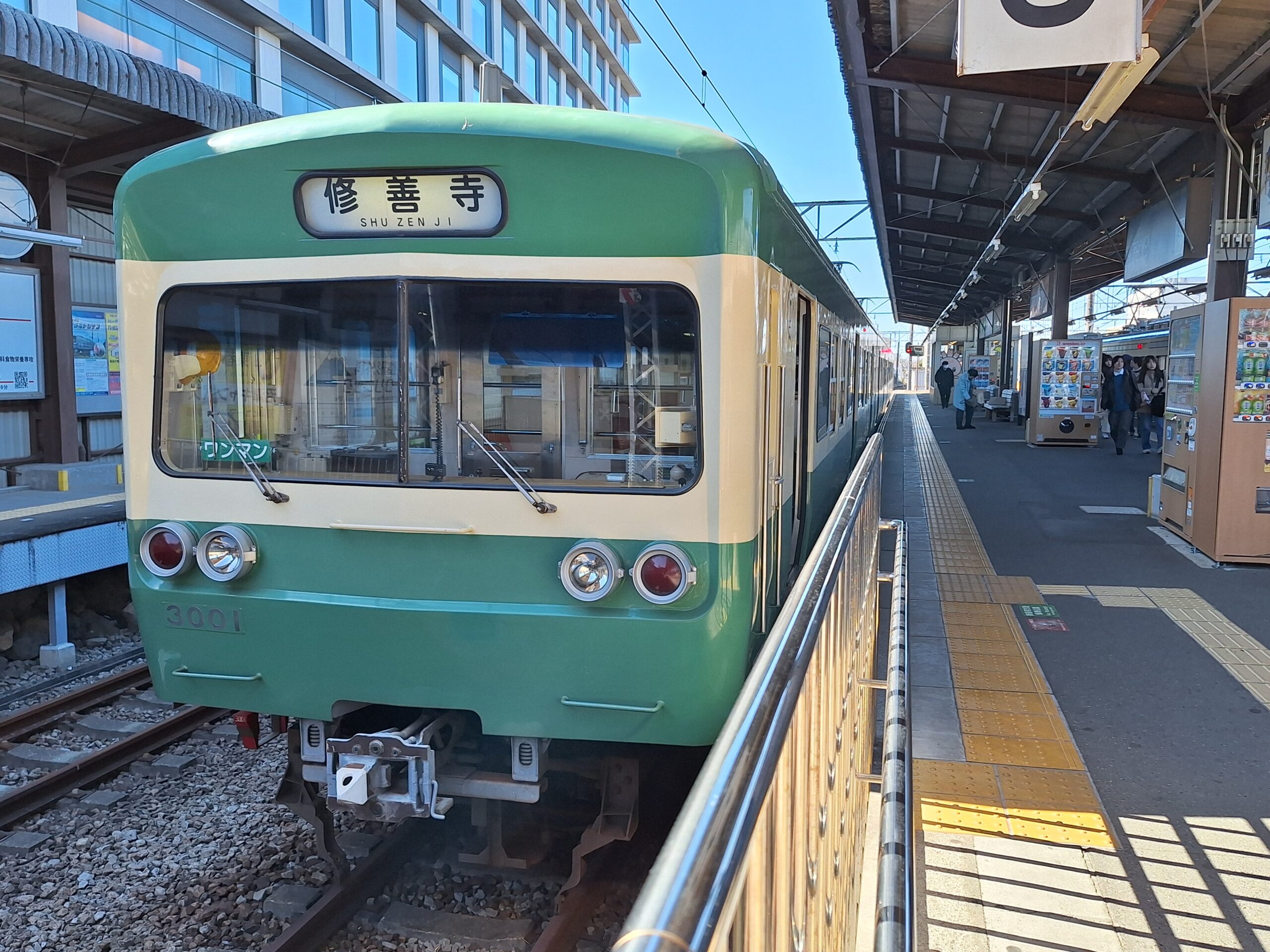
After a thoroughly relaxing, soak-filled getaway at our ryokan in Izu-Nagaoka, we weren’t quite ready for the holiday feeling to end on our journey back to Tokyo.
Fortunately, the return trip offers the perfect opportunity for one final, refreshing stopover. When you take the local Izu Hakone Railway back from Izu-Nagaoka, you will arrive at Mishima Station—the gateway where the local lines connect back to the main Tokaido Line to Tokyo.
Known as the “City of Water,” Mishima is famous for its crystal-clear streams fed directly by the volcanic snowmelt of Mount Fuji. Here is how we spent a wonderful few hours exploring this tranquil town before heading home.
🇯🇵 この記事を日本語で読む: 【三島途中下車】富士山の湧水に癒される街。楽寿園から源兵衛川「水上文学碑の道」を歩いて絶品うなぎを食べる復路ルート
Stepping Into Serenity: Mishima Taisha Shrine
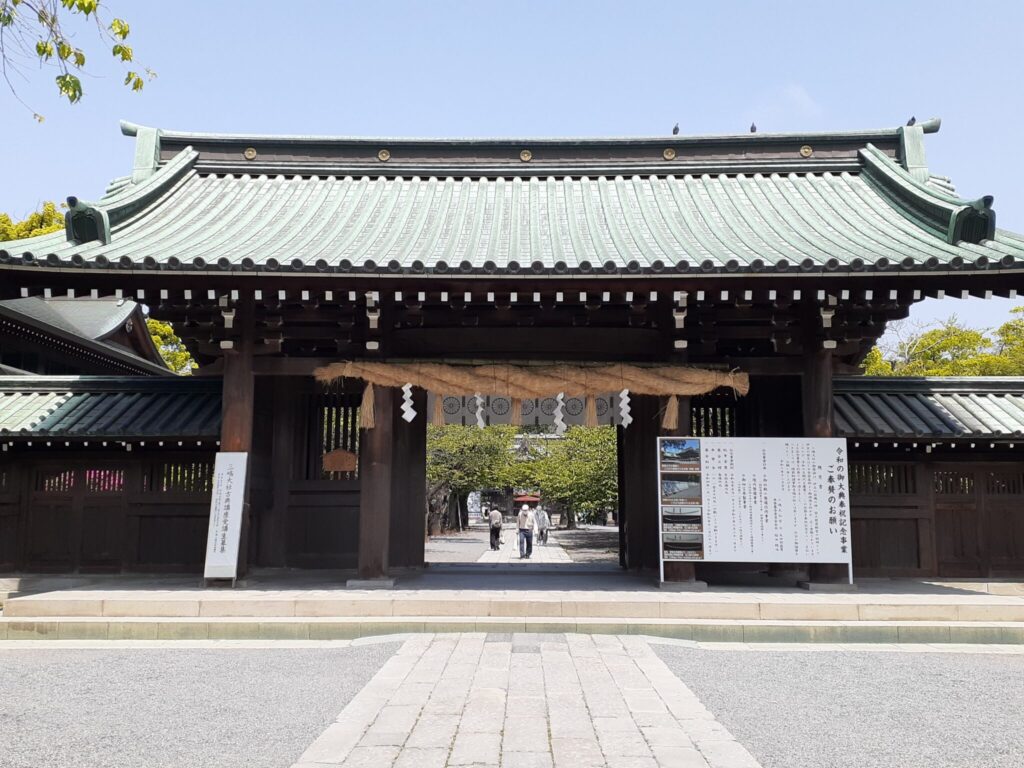
Our first stop was the historic Mishima Taisha (三嶋大社), located about a 15-minute walk from the station.
This deeply spiritual Shinto shrine has a history stretching back over a thousand years and was historically worshipped by samurai warriors before going into battle. The grounds are incredibly peaceful, featuring ancient, towering trees, a beautiful pond filled with koi fish, and magnificent wooden architecture.
If you need a quick break, make sure to stop by the shrine’s tea house to try Fukutaro—a local sweet mugwort rice cake topped with smooth sweet red bean paste shaped like a traditional samurai hat.
Nature Built on Lava: Exploring Rakujuen Garden
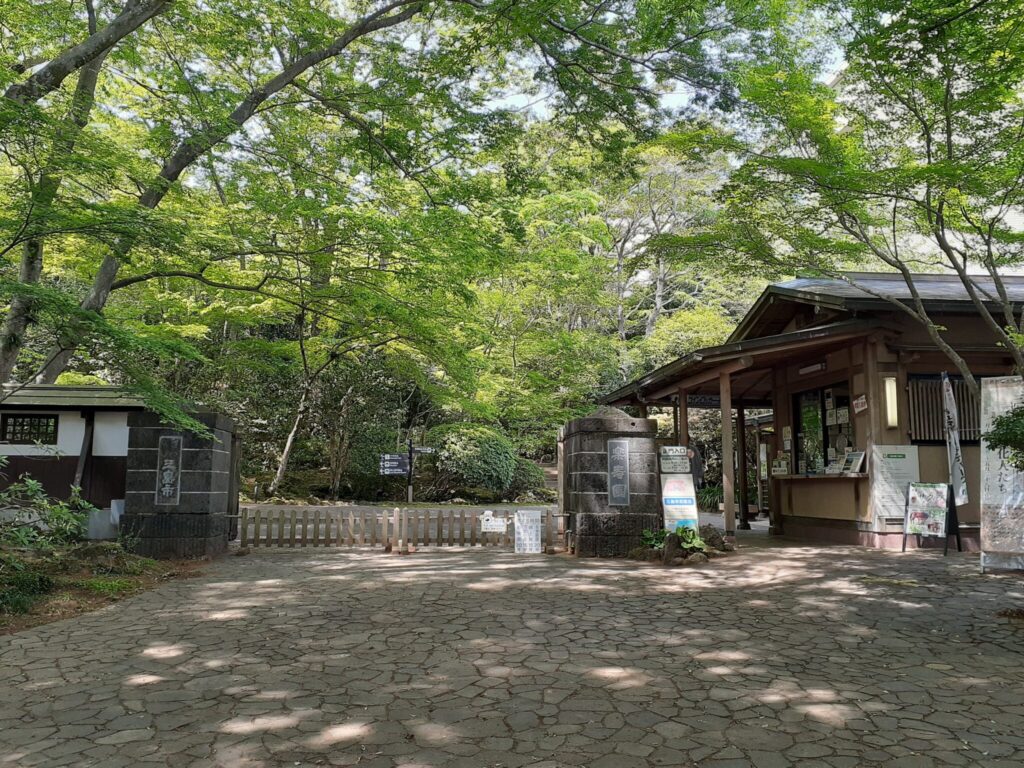
Located quite literally steps away from Mishima Station’s South Exit is Rakujuen Garden (楽寿園). This stunning, spacious municipal park is an absolute must-visit and makes for the perfect start or end to your walking tour.
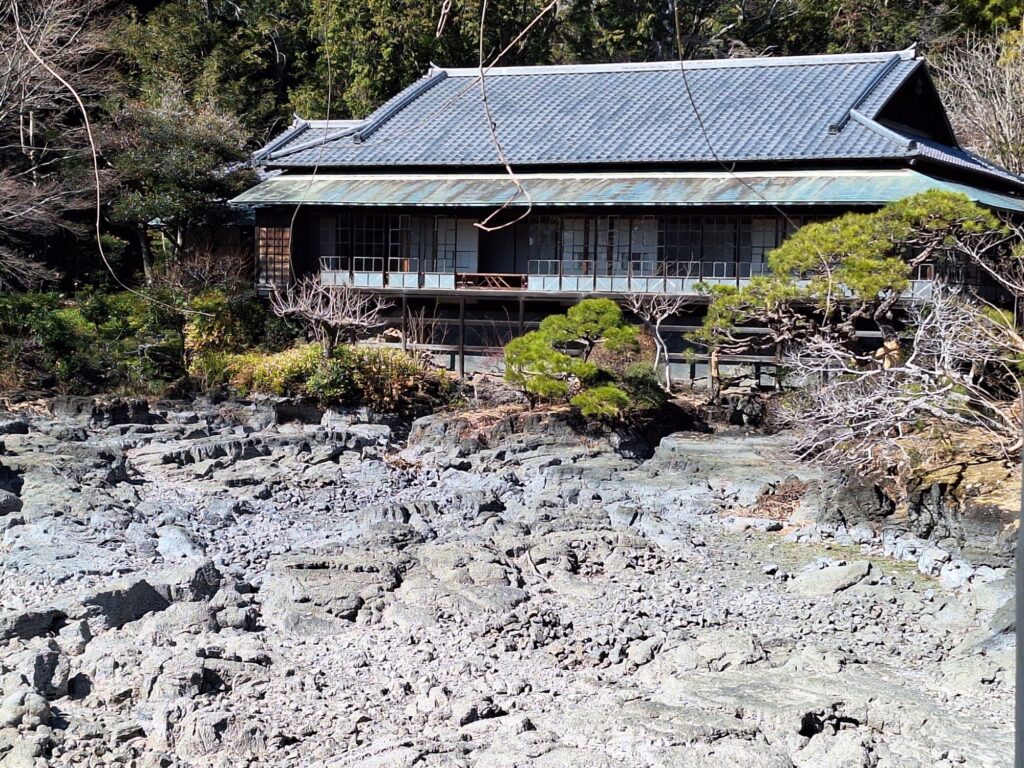
What makes Rakujuen truly fascinating is its geology. The entire forest and its walking paths are built directly on top of ancient lava rock from an eruption of Mount Fuji thousands of years ago. Inside, you can stroll through quiet woodlands, admire the elegant Kohakukan (a historic imperial villa built in 1890), and see the unique natural ponds like Kohakuike, whose water levels naturally rise and fall depending on the underground volcanic spring waters. It’s a wonderful, peaceful oasis right in the middle of the city.
Walking on Pure Water: Shirataki Park, Genbegawa River, and the Literary Street
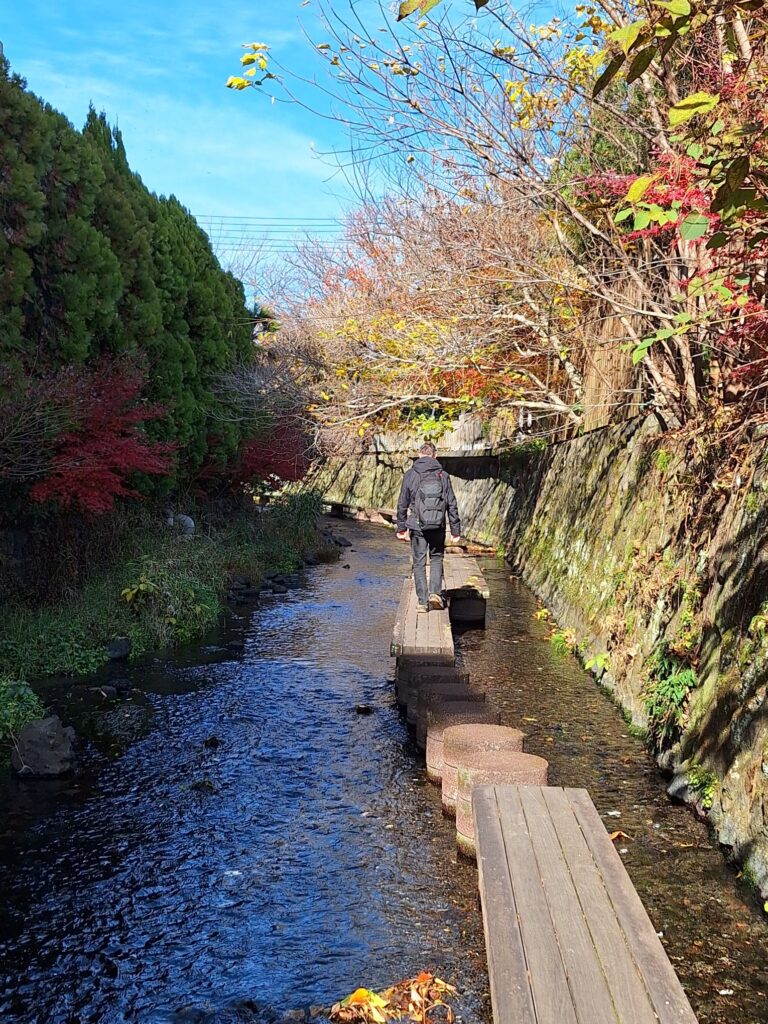
Just a short walk from the south border of Rakujuen Garden lies Shirataki Park (Shirataki-koen). Here, pristine, freezing-cold spring water filtered through Mount Fuji’s volcanic rock gushes directly out of the ground.
Right nearby, you can step down into the Genbegawa River, where a lovely path of stepping stones has been laid out directly in the middle of the shallow river.
As you follow the water, this trail transitions into the Mizukami Literary Street (水上文学碑の道). Along this lovely shaded stretch of the riverbank, you will spot several stone monuments dedicated to famous Japanese writers and poets (such as Yasunari Kawabata and Bokusui Wakayama) who were inspired by Mishima’s crystal-clear waters.
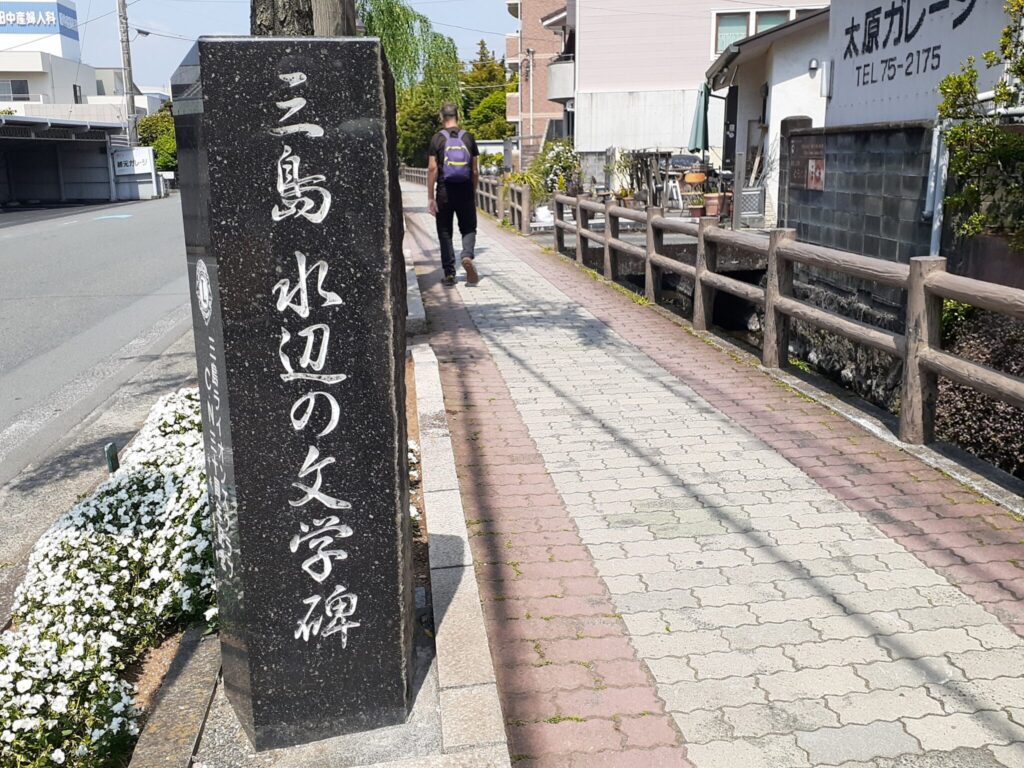
Walking along the stepping stones with the cool breeze coming off the rushing mountain water, while surrounded by beautiful greenery and historic literary monuments, is incredibly refreshing—especially during the warmer months!
From Mishima, we’ve walked to the Old Hakone Highway before. More details, please read this article:
➡ Walking the Old Hakone Highway: Hakone Checkpoint to Yamanaka Castle Ruins (approx. 7 km)
Beyond Unagi: Cozy Curry at a Stylish Local Cafe
Now, if you look up food in Mishima, every travel guide will tell you that you must eat Unagi (grilled freshwater eel). Because of the pristine Mount Fuji spring waters, the eel here is famous nationwide.
However, we have a small confession: Mai is actually not a fan of eel at all!
Instead of forcing ourselves into a traditional unagi restaurant, we decided to hunt for a cozy, modern alternative—and Mishima did not disappoint. We stumbled upon a wonderfully stylish, trendy little cafe tucked away near the canal.
Inside, surrounded by beautiful minimalist decor and a relaxing soundtrack, we treated ourselves to some spectacular, comforting plates of Japanese curry. It was absolutely delicious, much friendlier on our budget than a high-end eel dinner, and the laid-back cafe atmosphere was the perfect place to rest our feet.
It was a great reminder that while Mishima respects its traditional roots, it also has a fantastic, modern cafe scene waiting to be discovered.
Catching the Train Back to Tokyo
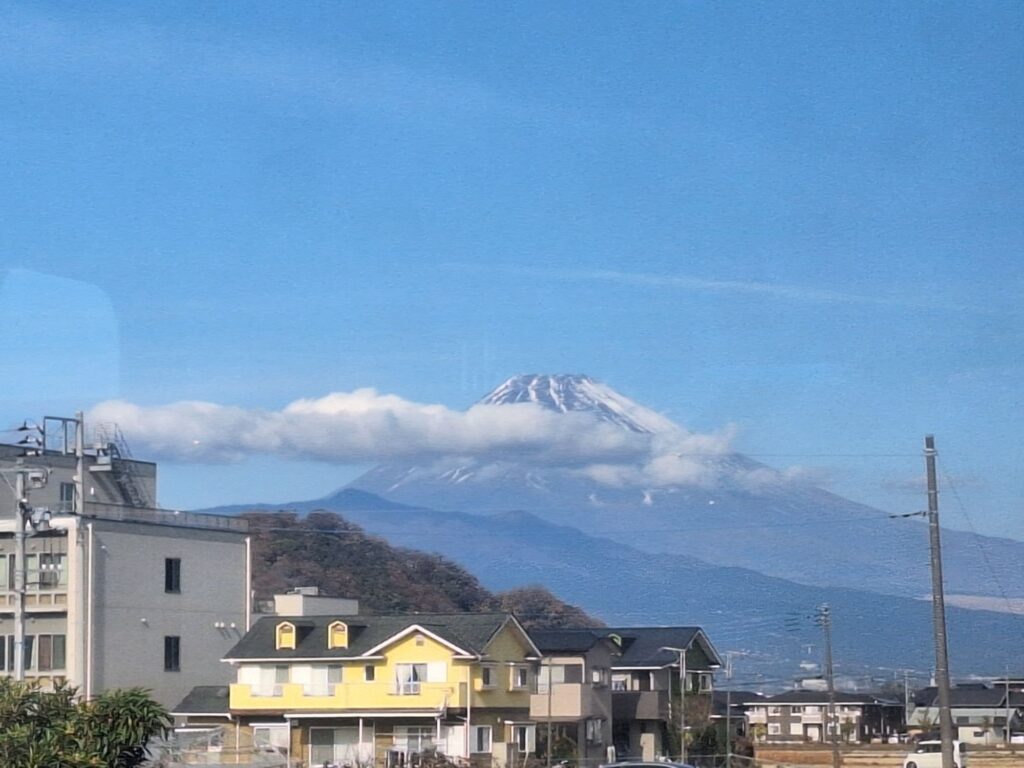
Full of delicious food and fresh air, we walked back to Mishima Station, caught the JR Tokaido Line, and enjoyed a smooth, scenic train ride straight back to Tokyo.
Breaking up your return journey with a stopover in Mishima turns what would be a standard commute into an interesting mini-adventure.
- ➡ Keen to see where we stayed? Check out our full review of the beautiful Onsen Ryokan: First Time Onsen Experience in Japan: Yumeguri no Yado Yoshiharu
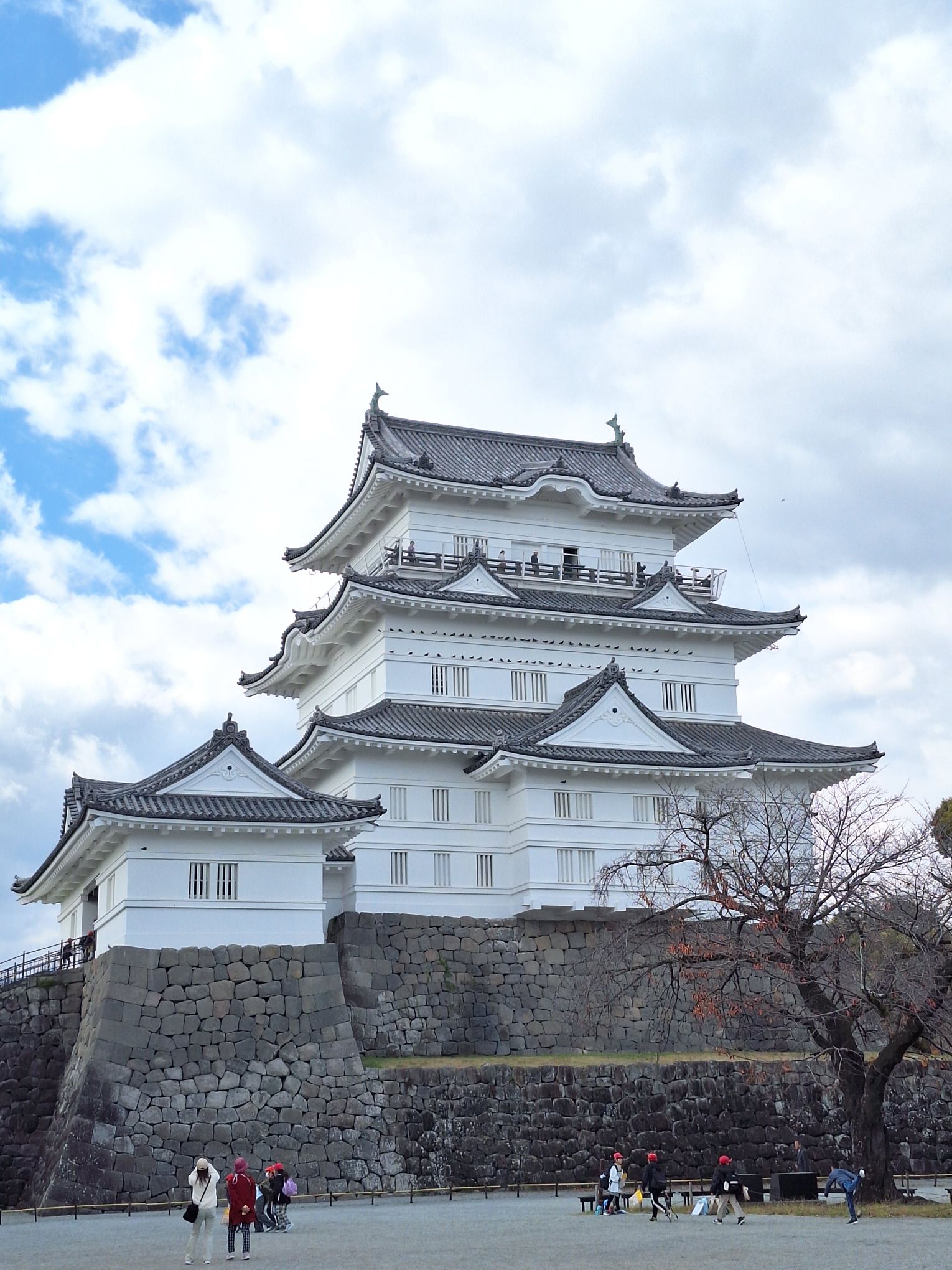
- ➡ Check out how we spent a brilliant afternoon exploring on the way to Izu Nagaoka Onsen: Odawara Castle on our way to the ryokan
Comment