
We spent two very enjoyable days in Nagasaki. It was essential to take the time to visit the Peace Park and Nagasaki Atomic Bomb Museum and reflect on the craziness of humankind. In addition to these important venues there was a wealth of other places to visit. There were practically no tourists in Nagasaki during the time of our visit which was pleasantly surprising.
- Day 1: A deep dive into history at the Peace Park and Atomic Bomb Museum, followed by a stay at a local Love Hotel (this article).
- Day 2: Exploring the historic Glover Garden and soaking in the famous Nagasaki City View.
How to get to Nagasaki from Fukuoka
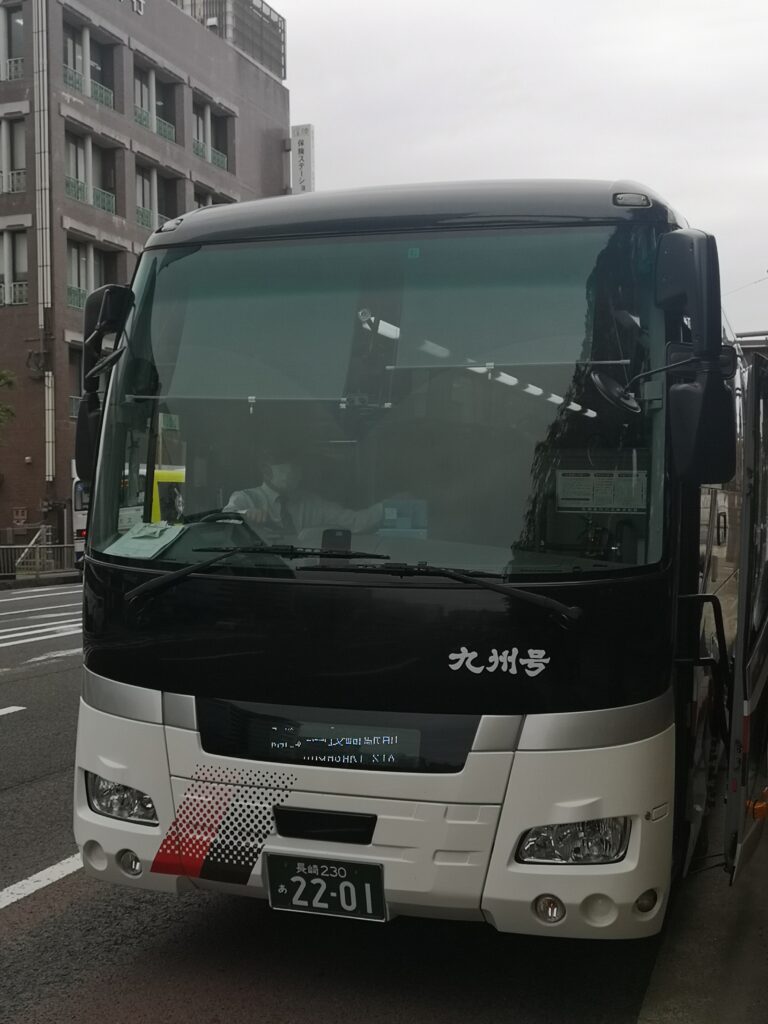
Whilst there is a Shinkansen and other trains to Nagasaki we decided to take the cheapest option which was the bus. It only cost 2,700 yen for the 2,5 hour journey. The bus station is right next to the JR station in Fukuoka.
We got off the bus at the Peace Park because we couldn’t check in until 3pm and our hotel was located closer to the JR station and the final bus stop.
Lunch in a Local Izakaya Style Restaurant
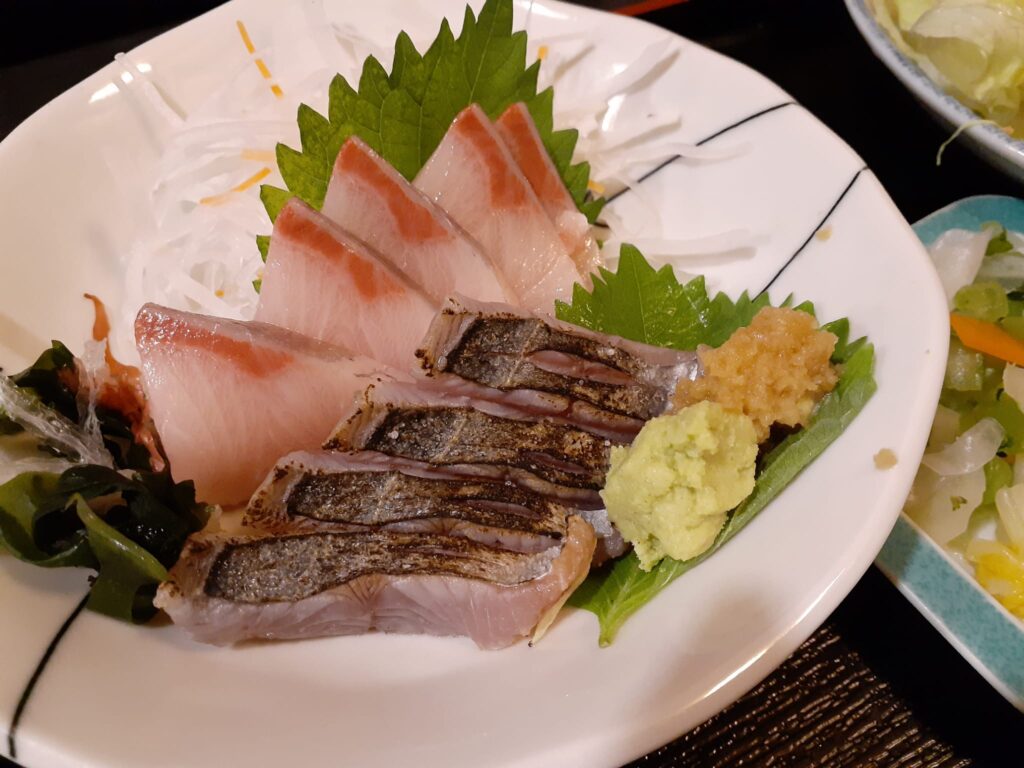
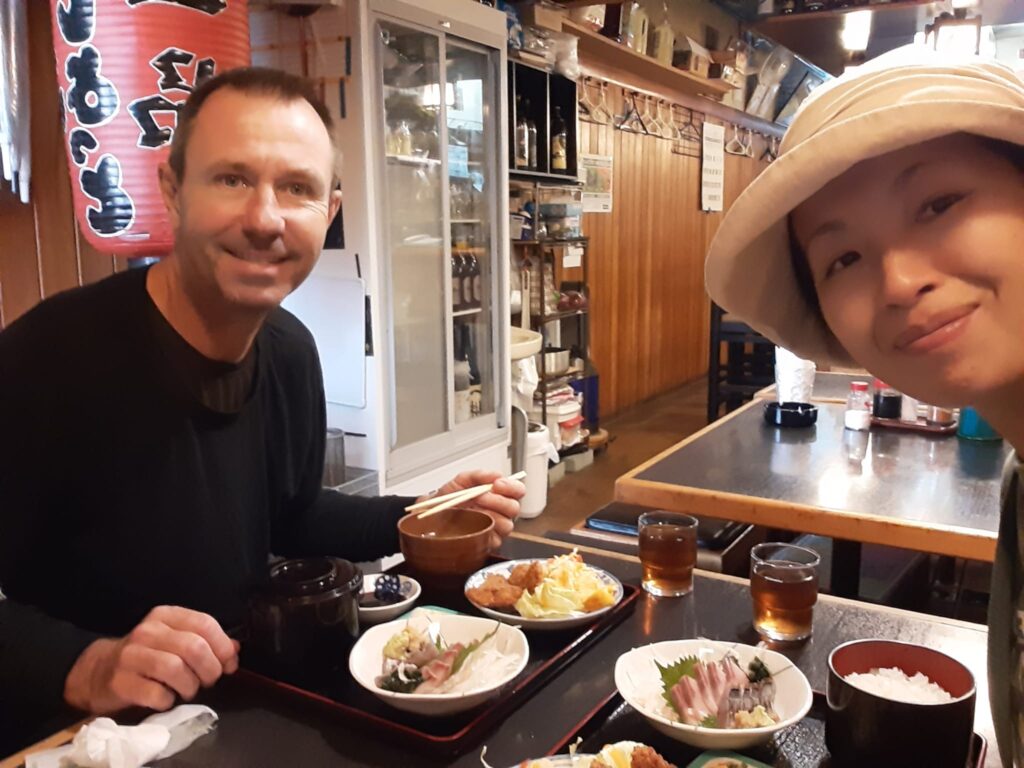
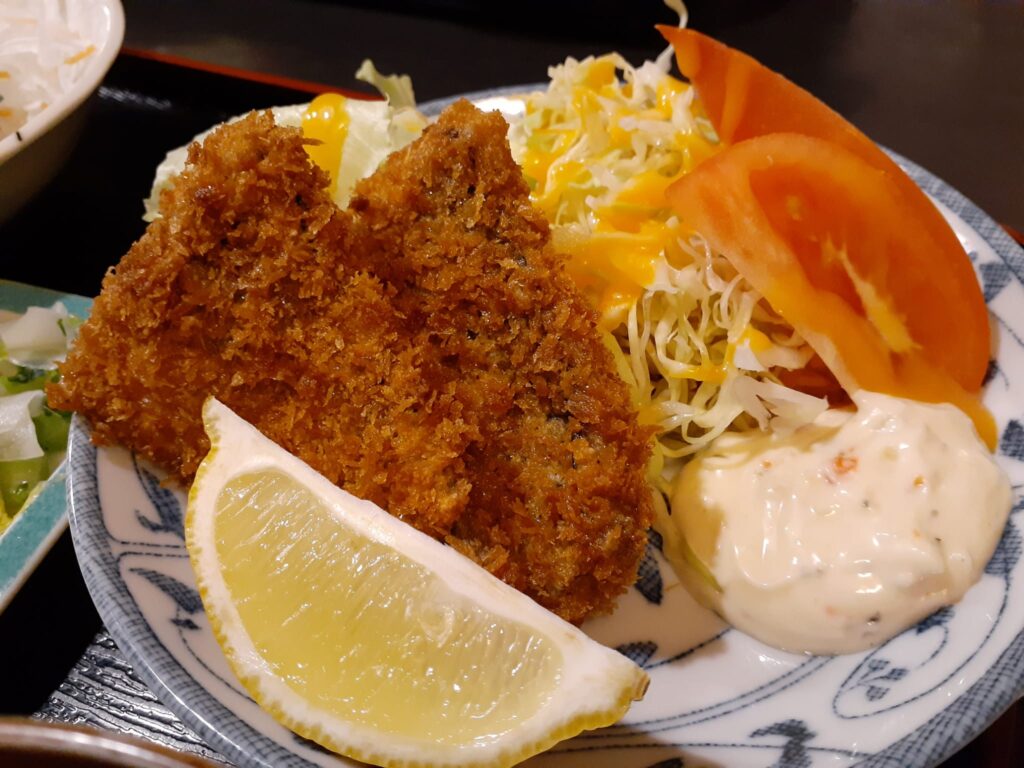
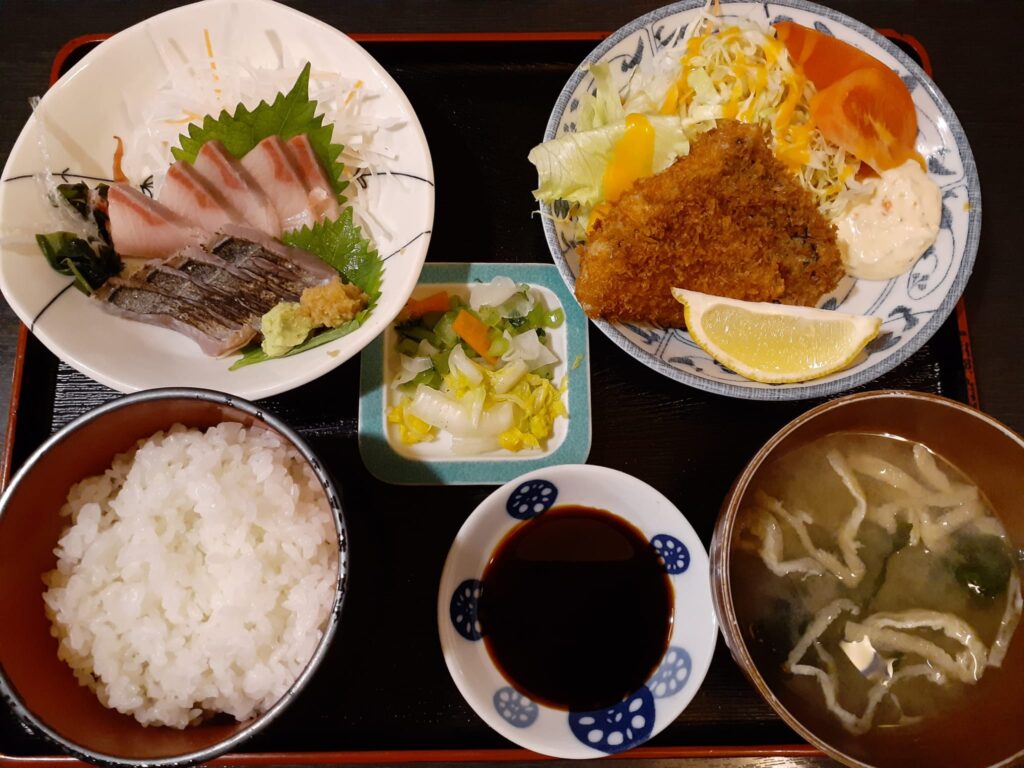
We had a delicious set lunch of sashimi, deep fried fish, salad, miso soup, pickles and rice in a family owned restaurant. A great 750 yen investment.
Nagasaki Peace Park
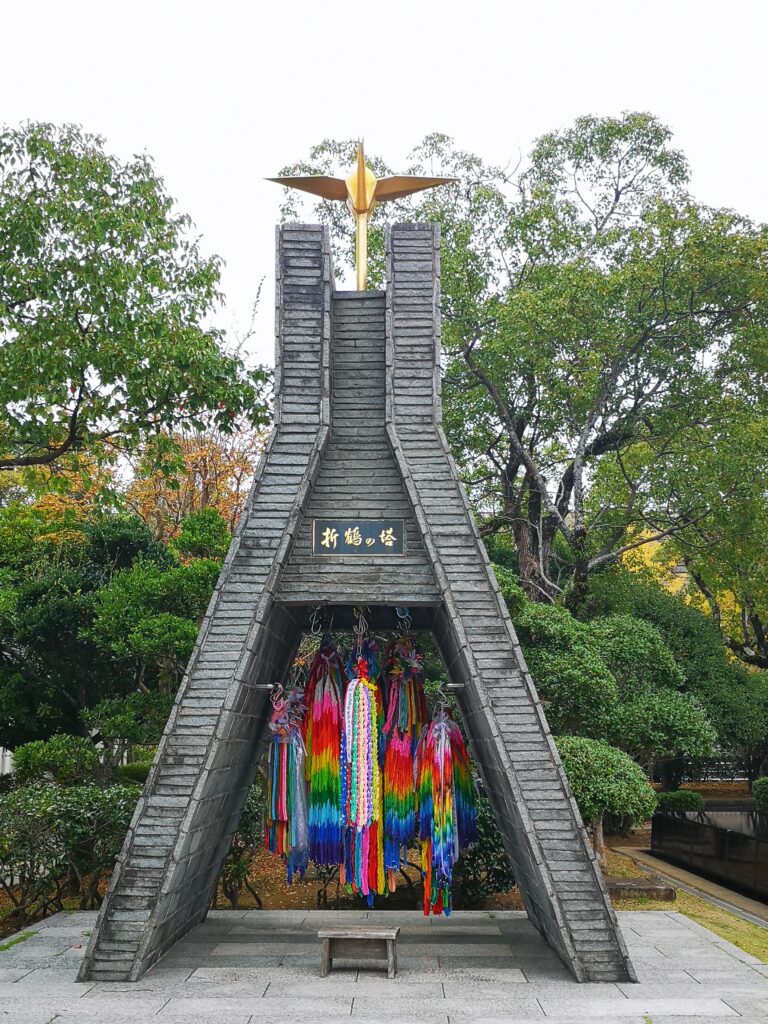
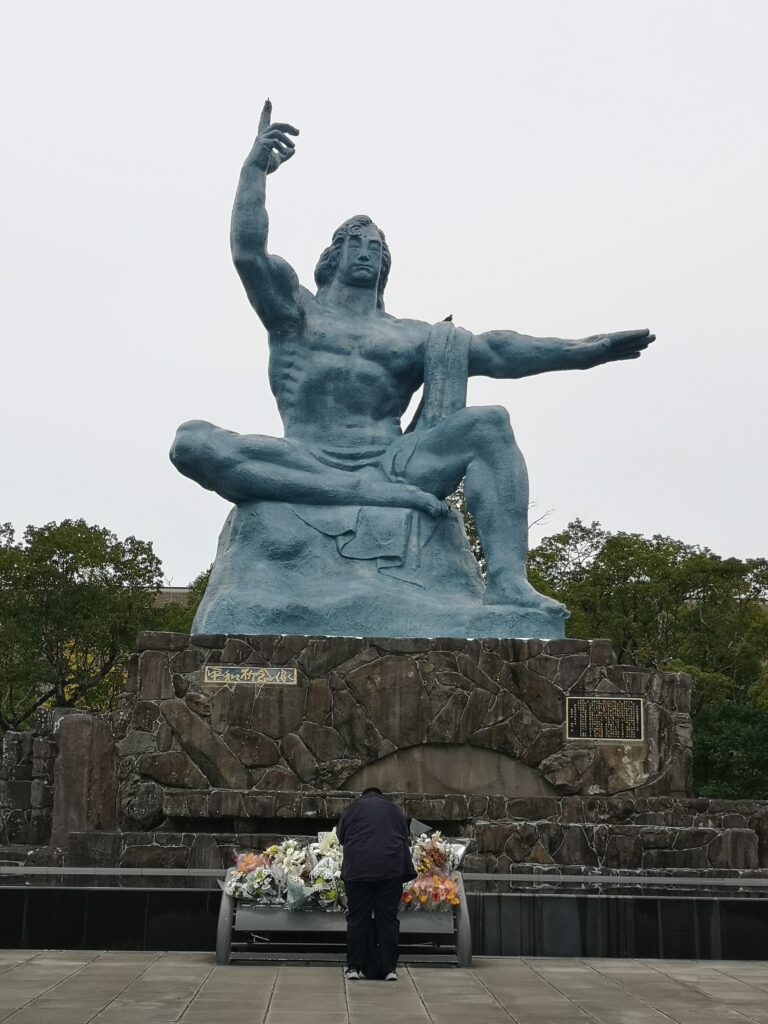
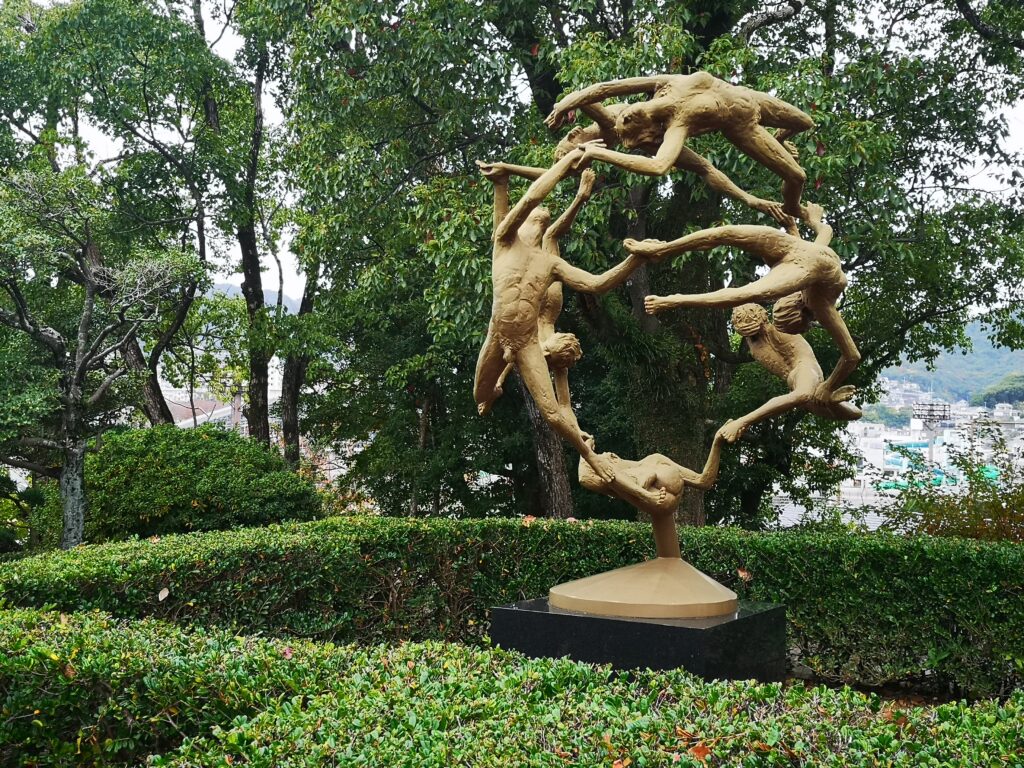
The Peace Park is an important place to visit and has a number of gifted sculptures coming from different countries. Many of the sculptures came from former Soviet Union countries during the Cold War.
There are English explanations for everything. In fact, all sites in Nagasaki had good English explanations.
Nagasaki Atomic Bomb Museum
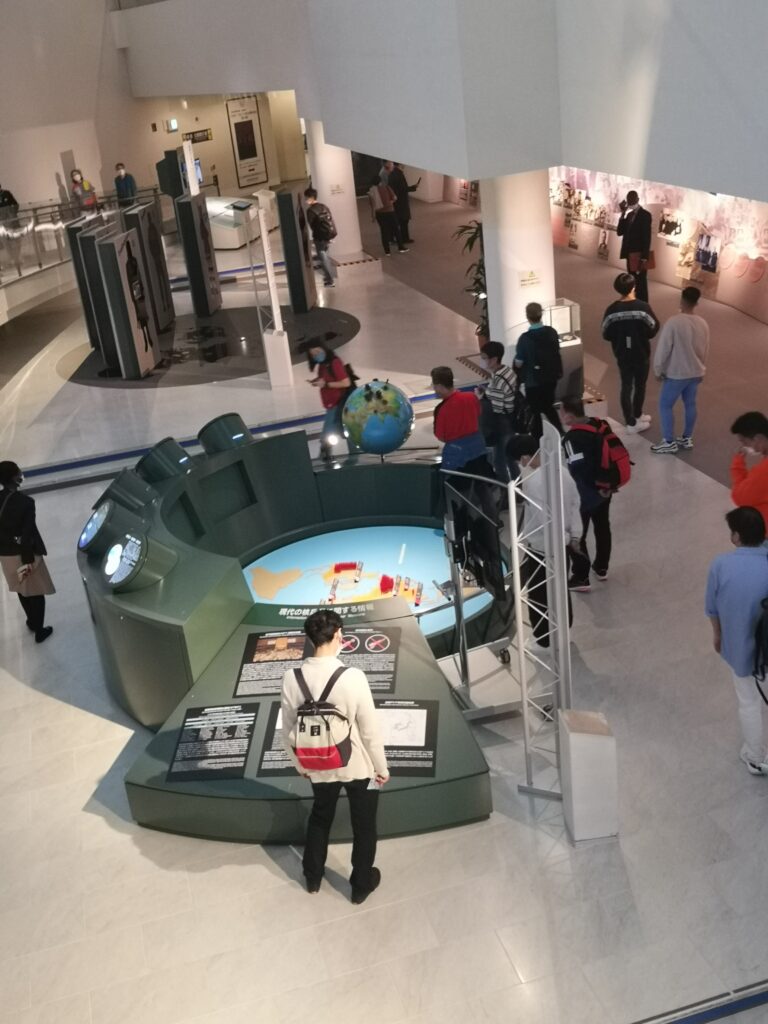
It’s essential to visit this Museum which is located close to the Peace Park. It is a sombre place with photos and artefacts from the time of the bombing, as well as survivor testimonies.
The Frozen Moment: The Wall Clock at 11:02
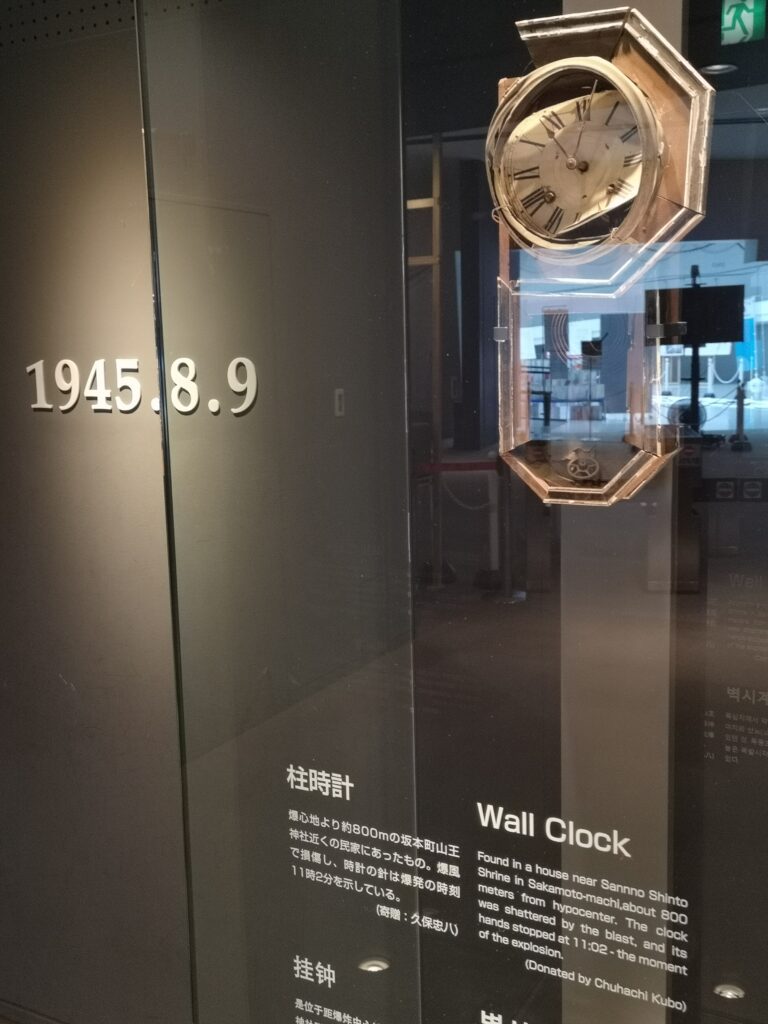
One of the most haunting artifacts in the museum is a simple wooden wall clock. It was found in a house near the hypocenter, its hands permanently frozen at 11:02 AM—the exact moment the atomic bomb exploded over Nagasaki.
For us, this clock was more than just a relic; it is a chilling stop-motion of history. It captures the precise second that daily life was instantly shattered, serving as a silent, powerful witness to the scale of the tragedy. Seeing time stand still like this is a sobering reminder of how a single moment can change the world forever.
The Paper Cranes: A Symbol of Resilience and Peace
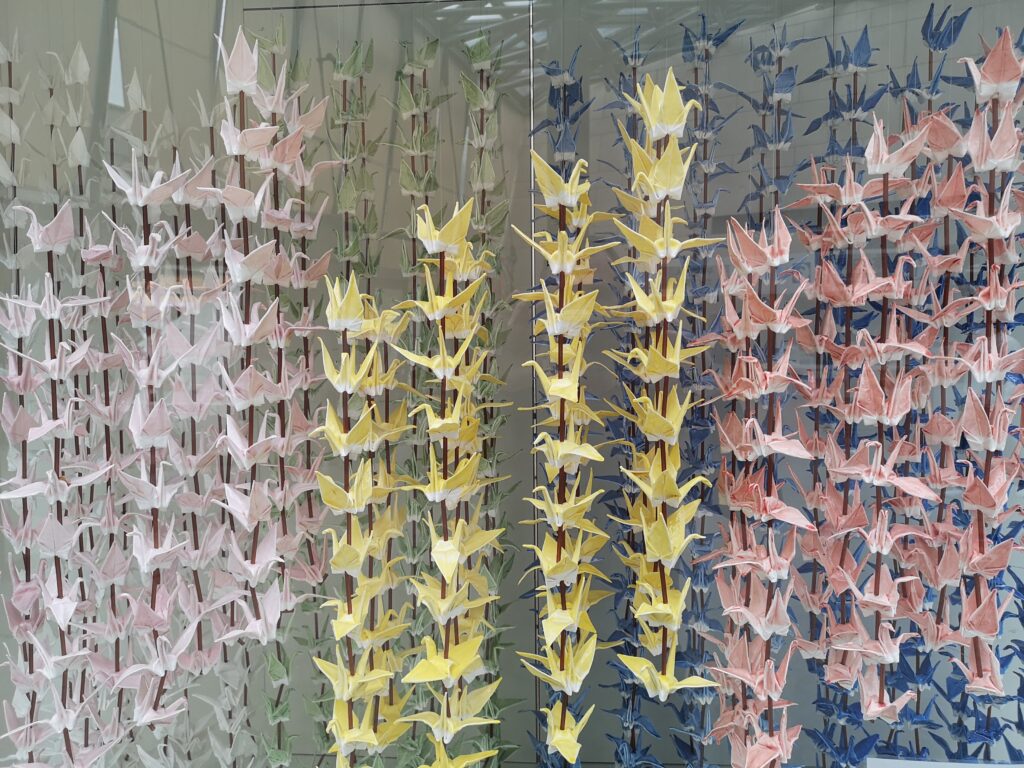
Inside the Nagasaki Atomic Bomb Museum, one of the most moving sights is the endless rows of vibrant, colorful paper cranes (known as orizuru) donated by people from all over the world.
The Meaning Behind the Fold: In Japanese culture, the crane is a sacred bird said to live for a thousand years. Ancient tradition holds that if you fold one thousand paper cranes (Senbazuru), your heart’s desire—often health or long life—will come true. Following the tragedy of the atomic bombings, this tradition evolved into a global symbol of peace and a prayer for a world without nuclear weapons.
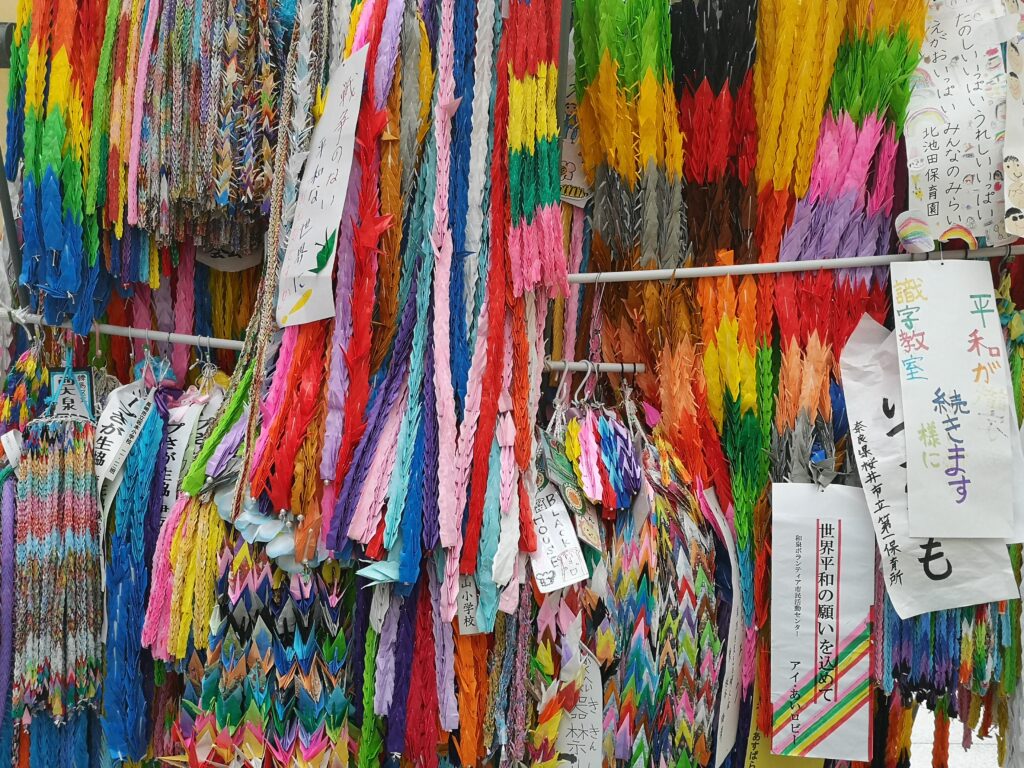
Why it resonated with us: Walking through the museum is a heavy, somber experience as you confront the stark reality of the past. However, seeing these thousands of hand-folded cranes offers a necessary shift in perspective. Each crane represents a deliberate act of hope.
For a traveler, it is a powerful reminder that while history cannot be changed, the collective will for a peaceful future is visible in every tiny, colorful fold. It’s a quiet but defiant response to destruction—one that emphasizes connection and human compassion over conflict.
Getting Around in Nagasaki Town by Tram
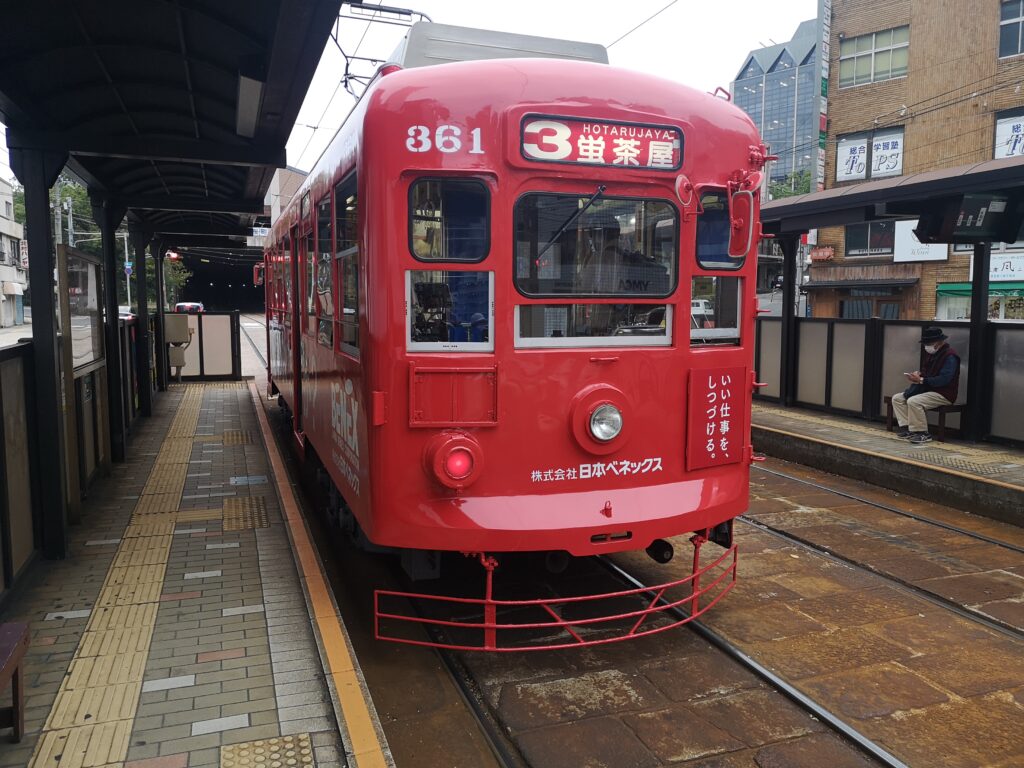
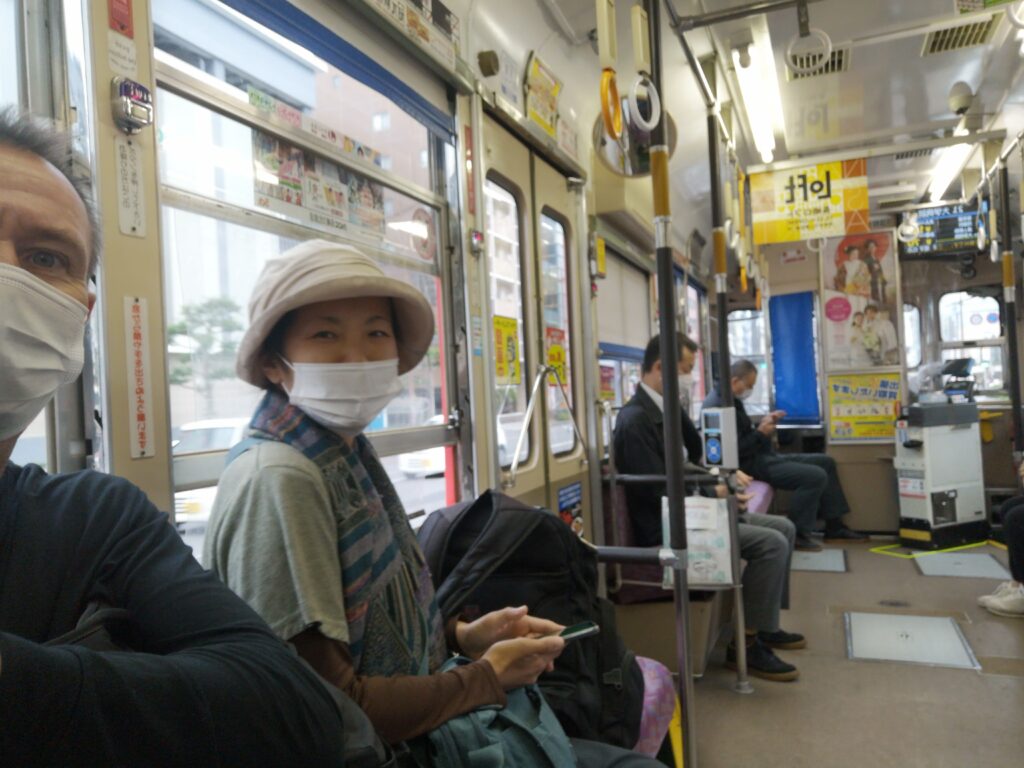
After visiting the Museum we took one of the iconic trams to our hotel which was located 2.6 km as away. Trams only cost 140 yen!
Suwa Shrine: The Guardian of Nagasaki
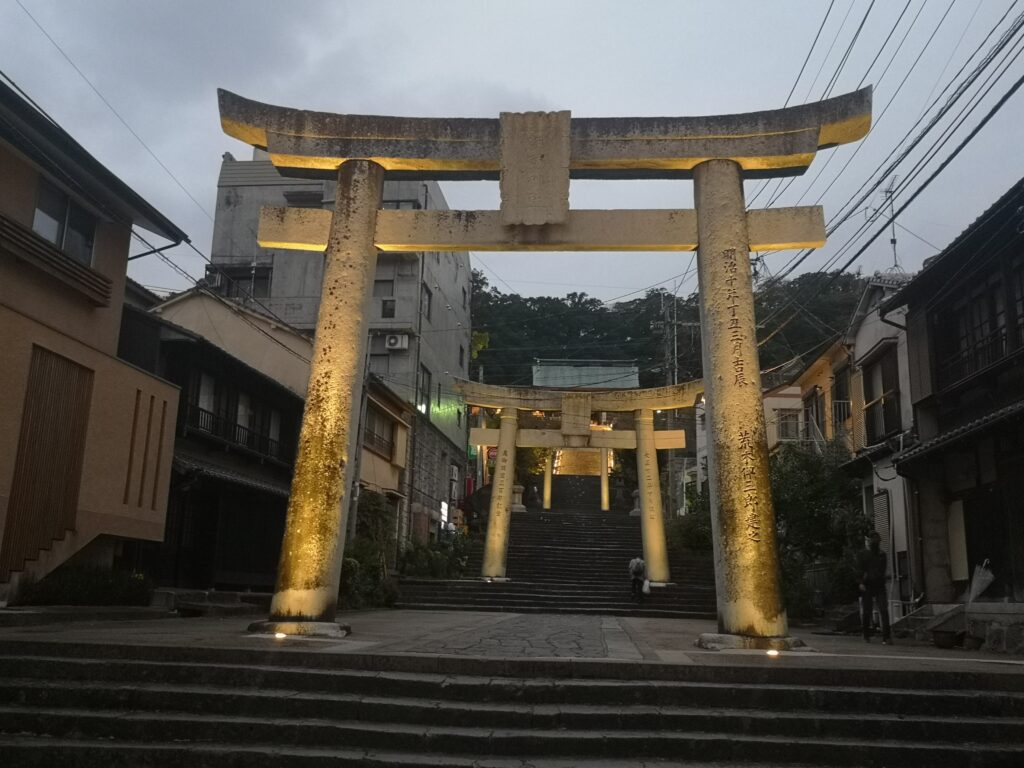
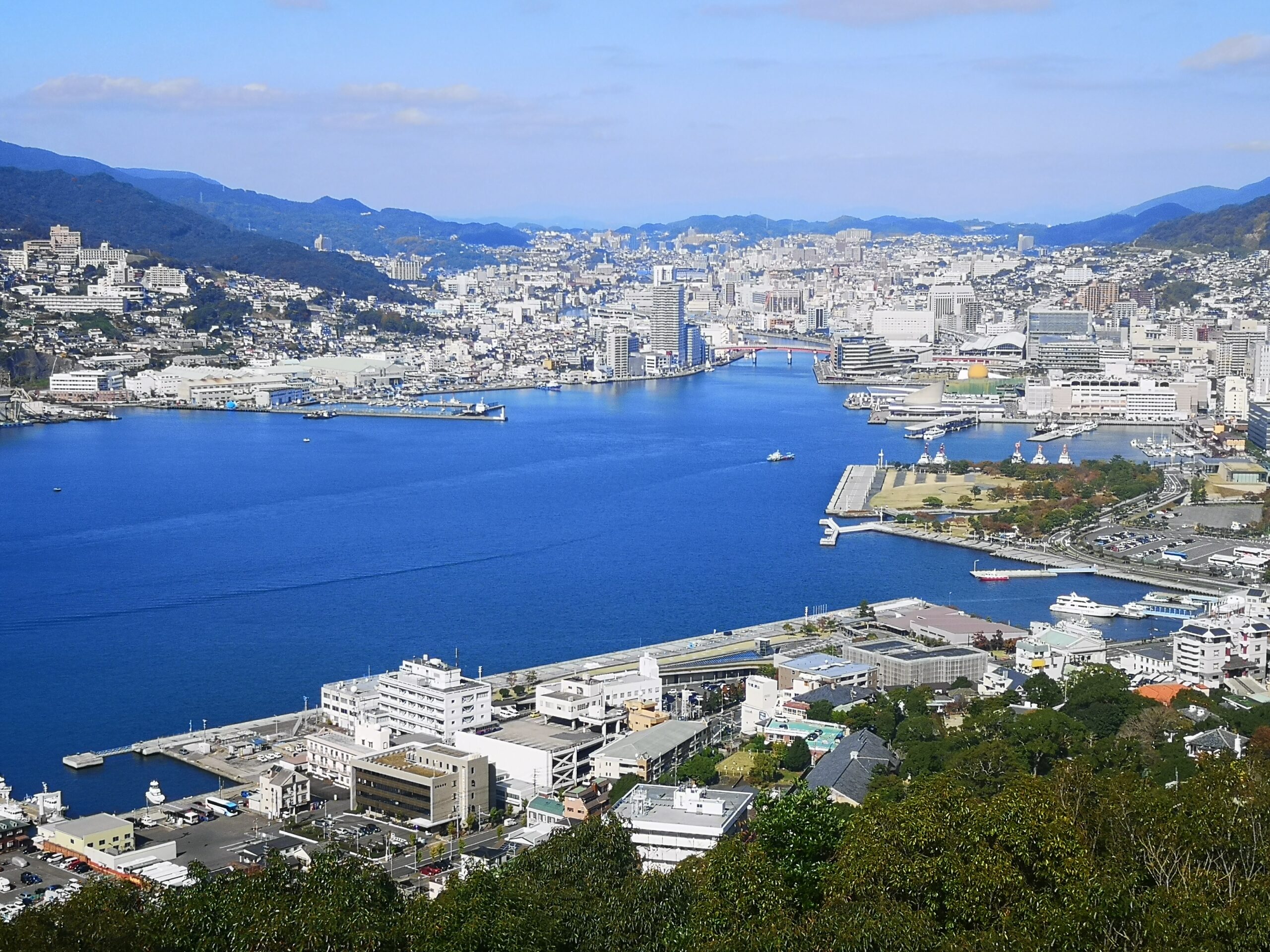
Perched on a hillside overlooking the city, Suwa Shrine (Suwa-jinja) is Nagasaki’s most important Shinto shrine. To reach the main hall, you must climb a series of long stone staircases, but the reward is a breathtaking panoramic view of Nagasaki’s harbor and urban landscape.
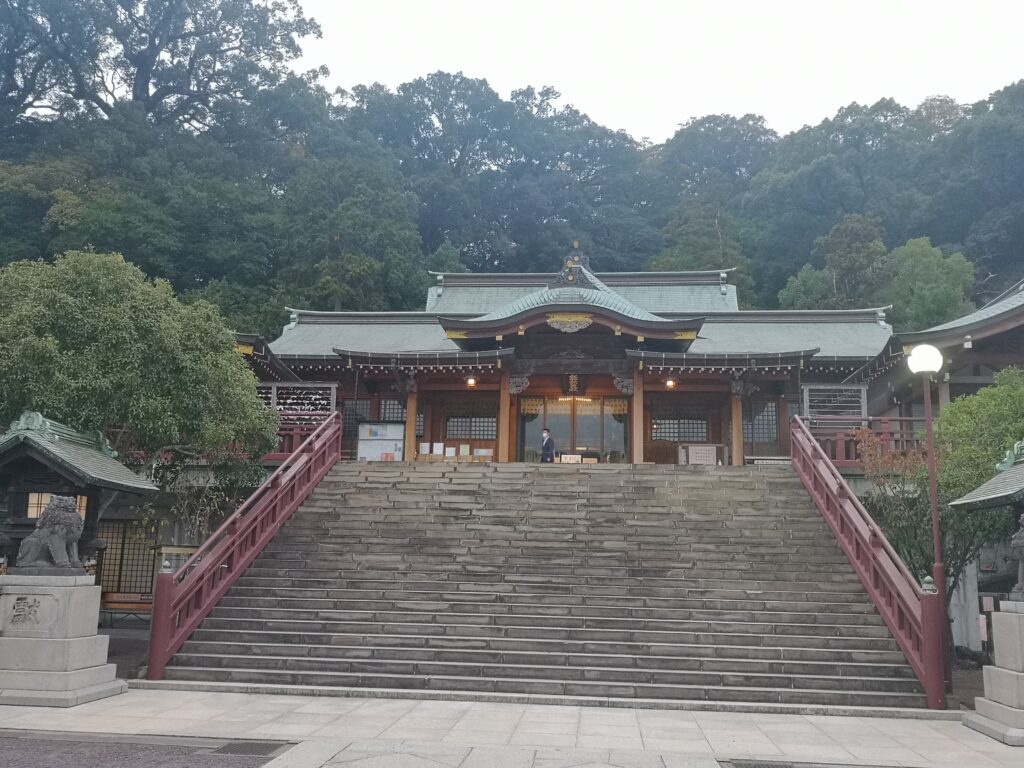
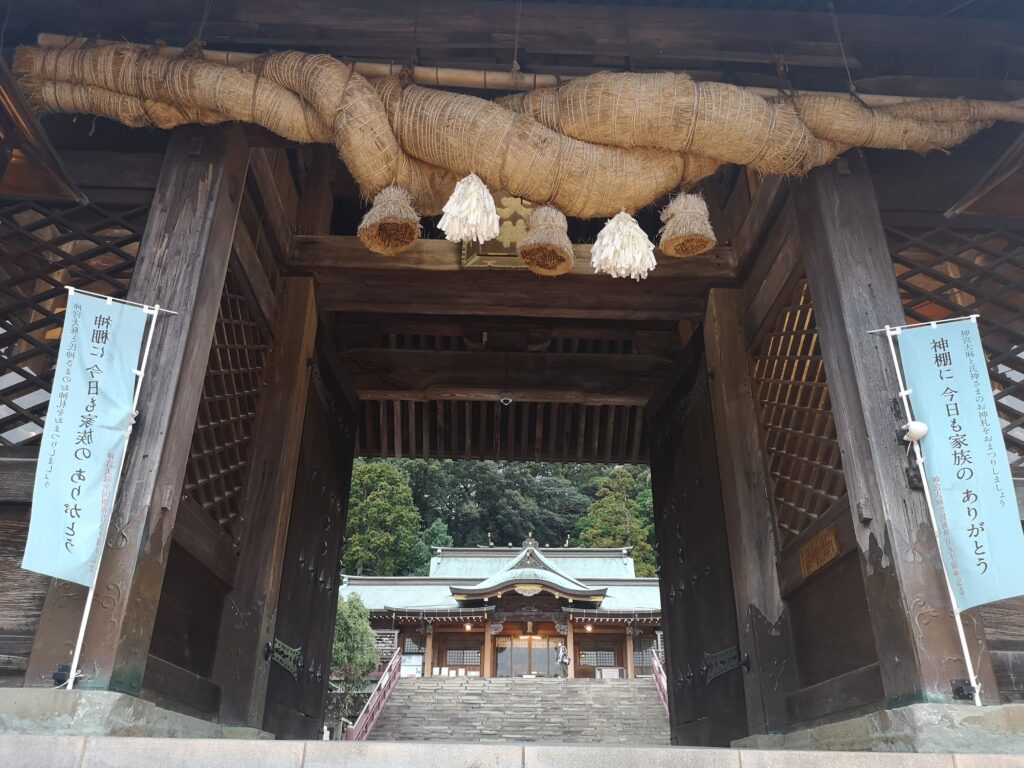
Why it’s special:
- The Stage for Nagasaki Kunchi: This shrine is the heart of the city’s most famous festival, the Nagasaki Kunchi, held every October. The massive stone plaza at the base of the stairs transforms into a stage for vibrant dragon dances and ship-shaped floats.
- Intricate Details: Keep an eye out for the unique Komainu (guardian lion-dogs) scattered around the grounds. Some are designed specifically for good luck, such as the “money-washing” statues or those meant to help you find love.
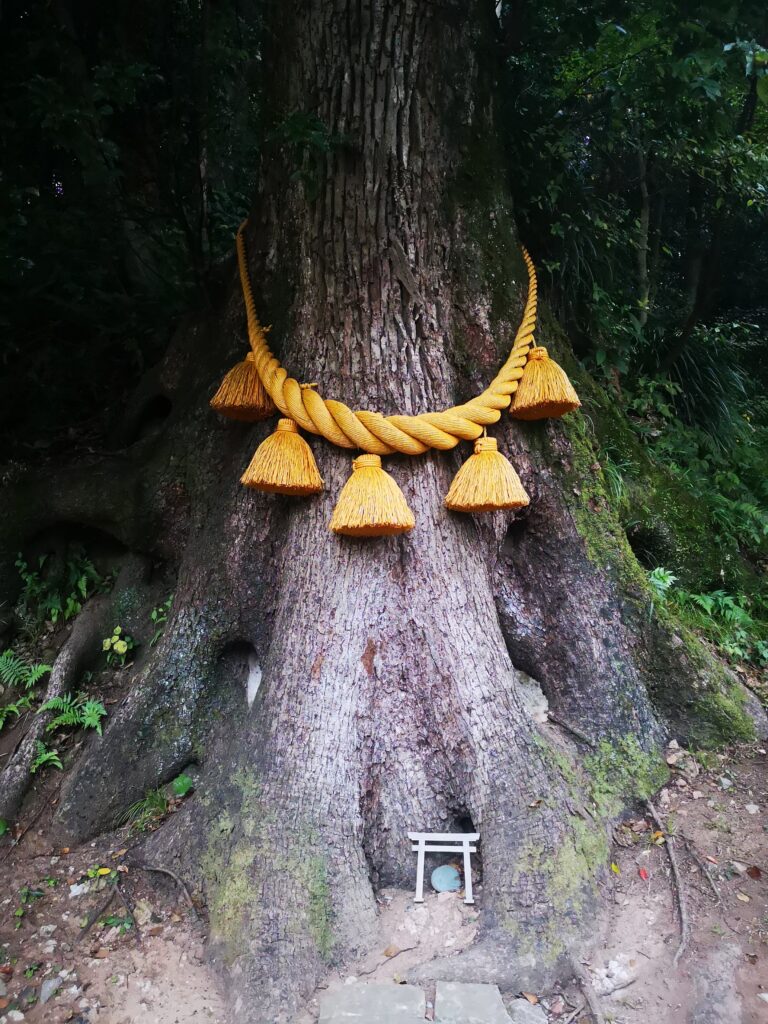
After exploring the heavy history of the first day, walking up the steps to Suwa Shrine felt like a refreshing way to connect with the city’s living culture. It is a place of immense scale and beauty, perfectly capturing the resilient and spirited soul of Nagasaki.
Local Izakaya Dinner
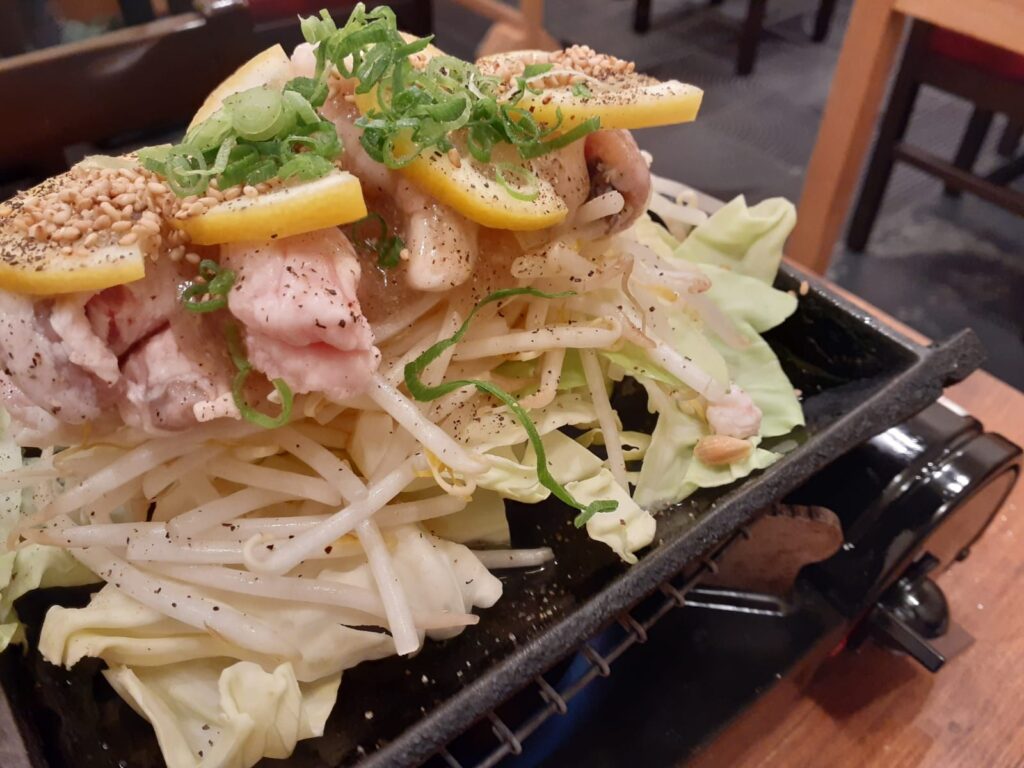
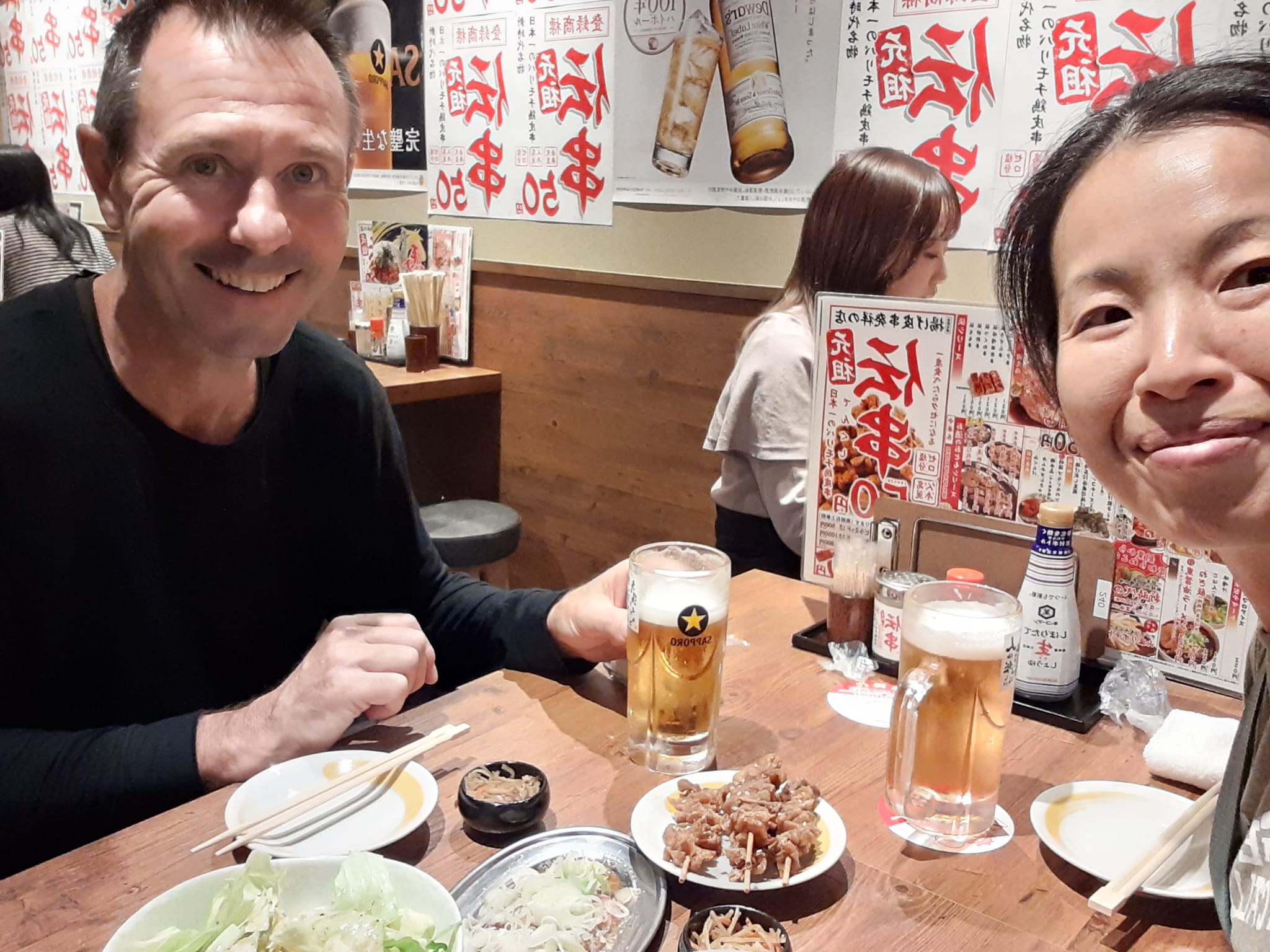
For dinner, we found a local, budget-friendly Izakaya that felt like a true hidden gem. The highlight of the meal was a classic Japanese soul food: Motsu (offal) and cabbage sautéed on a hot iron griddle (Teppan).
While “offal” might sound adventurous to some, in an Izakaya setting, it is transformed into something incredibly savory and tender. The real magic happened right before our eyes—the chef prepared it on a large iron griddle directly at our table.
Watching the fresh cabbage wilt into the rich, garlic-infused juices of the meat was a sensory treat. The sound of the spatula hitting the hot iron and the rising steam created an atmosphere that was both cozy and energetic.
The sweetness of the Nagasaki cabbage perfectly balanced the richness of the motsu. It’s the kind of dish that is best enjoyed with a cold drink and good conversation—simple, unpretentious, and deeply satisfying.
Sitting there, surrounded by the chatter of locals after a long day of walking, we felt a world away from it all. It wasn’t just a meal; it was a front-row seat to the local food culture.
Tapas-Style Bliss
One of my absolute favorite things about eating at a Japanese Izakaya is the tapas-style experience. Instead of committing to one large entrée, you get to order a variety of small plates to share, which is perfect for someone like me who wants to try a bit of everything.
On our table tonight:
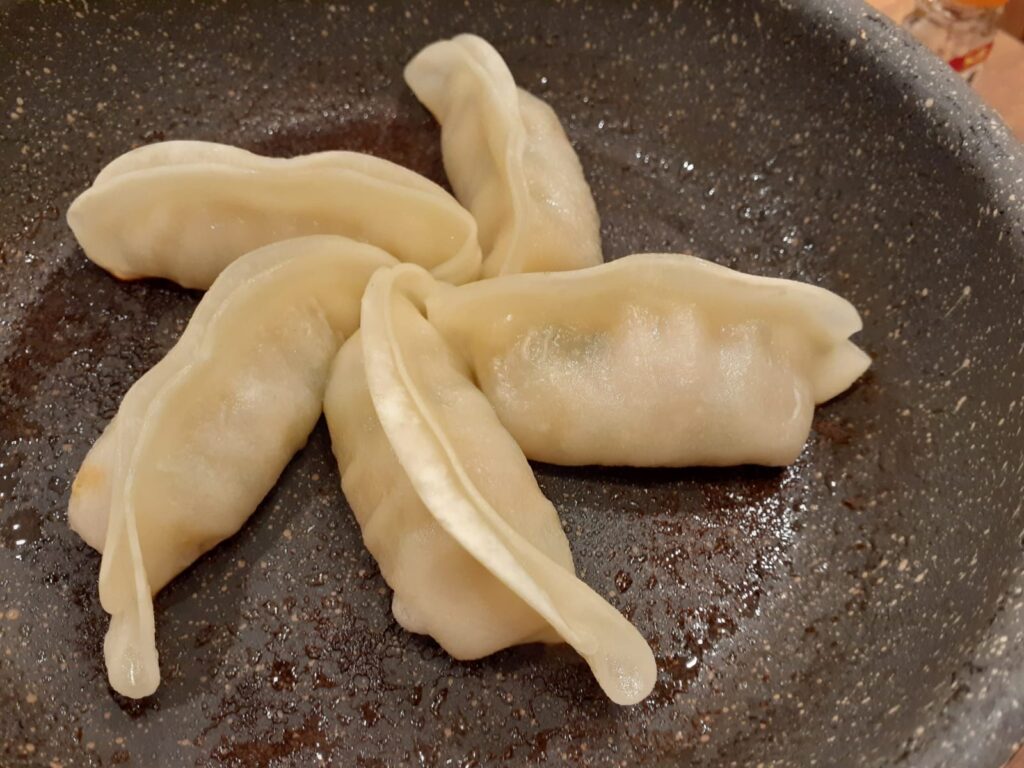
Gyoza: Perfectly seared dumplings with a juicy filling—a staple that never disappoints.
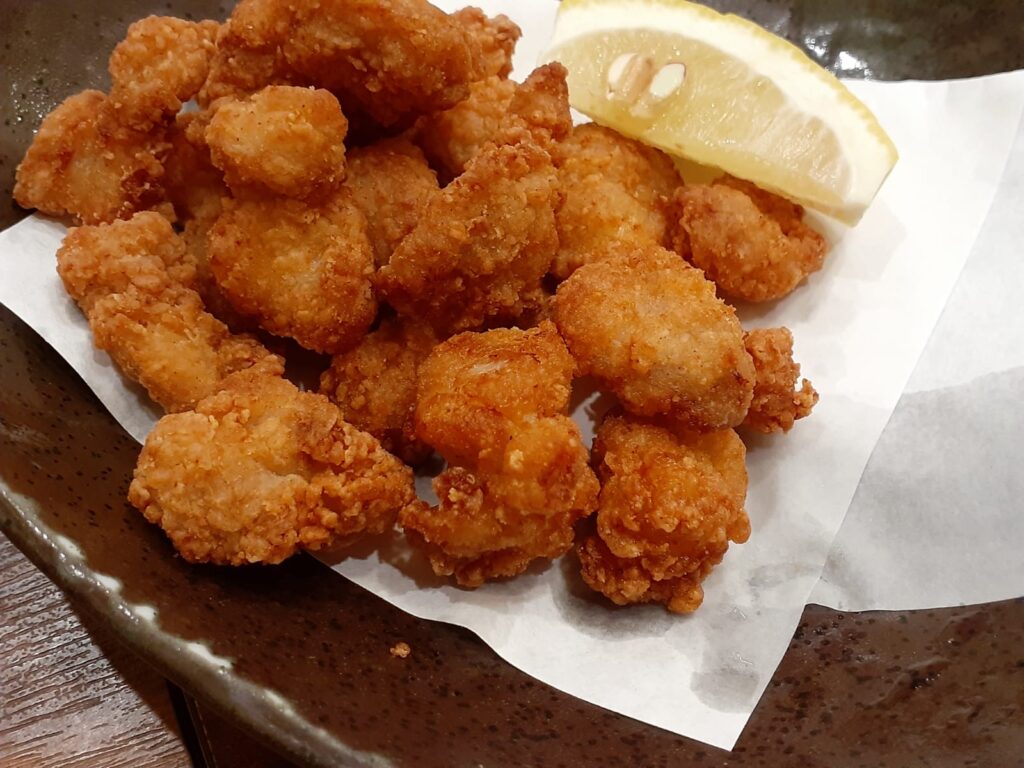
Nankotsu (Crunchy Fried Cartridge): For a bit of texture, we had the Nankotsu—deep-fried chicken cartilage. It’s light, incredibly crunchy, and the perfect salty snack to pair with a cold beer.
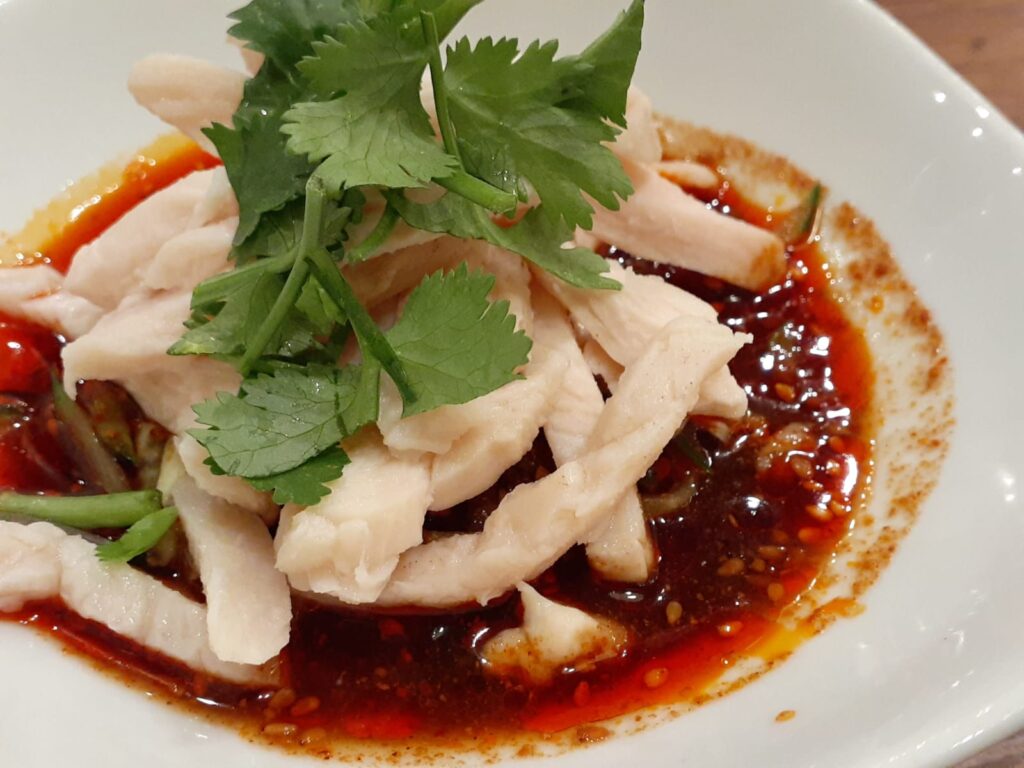
Spicy Chicken Sasami (Tender Breast with a Kick): The chicken sasami with spicy sauce was a highlight—tender, lean breast meat topped with a piquant kick that really woke up our taste buds.
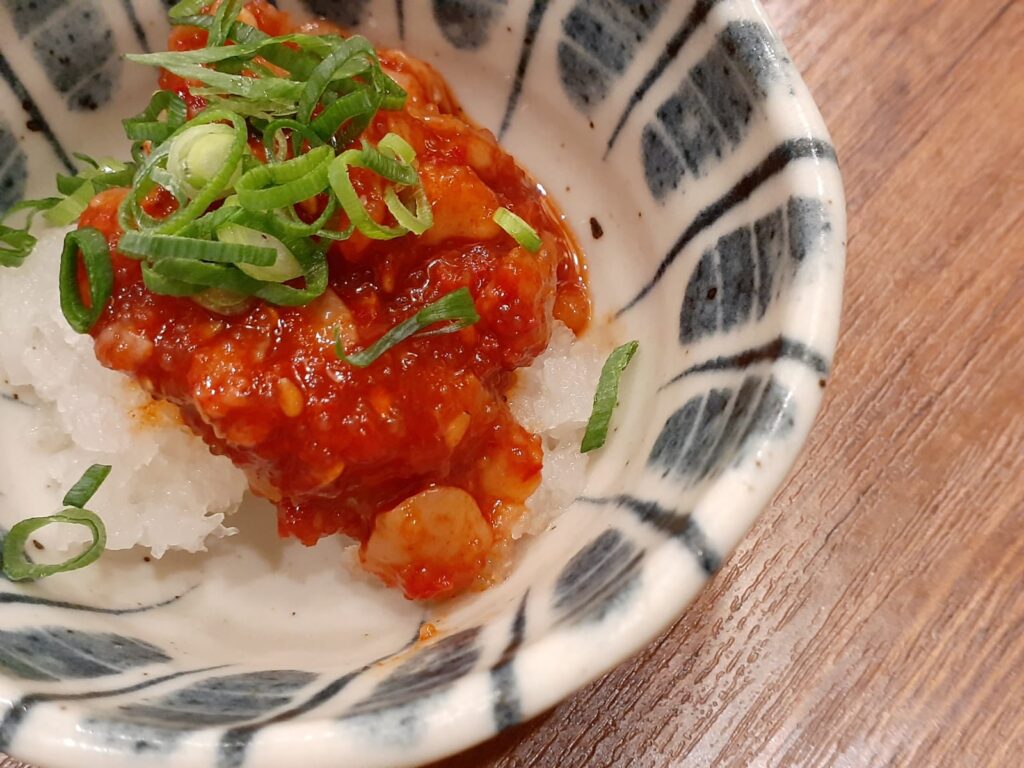
Oroshi Kimchi: A refreshing twist where spicy kimchi is topped with grated daikon radish, cutting through the richness of the other dishes.
There’s something so satisfying about this way of dining. It’s social, adventurous, and keeps the meal interesting from the first bite to the last. Whether it’s the savory crunch of the gyoza or the sharp kick of the kimchi, having a table full of diverse flavors is exactly how a night out should be.
The Grand Finale: Kamameshi and the Art of “Shime”
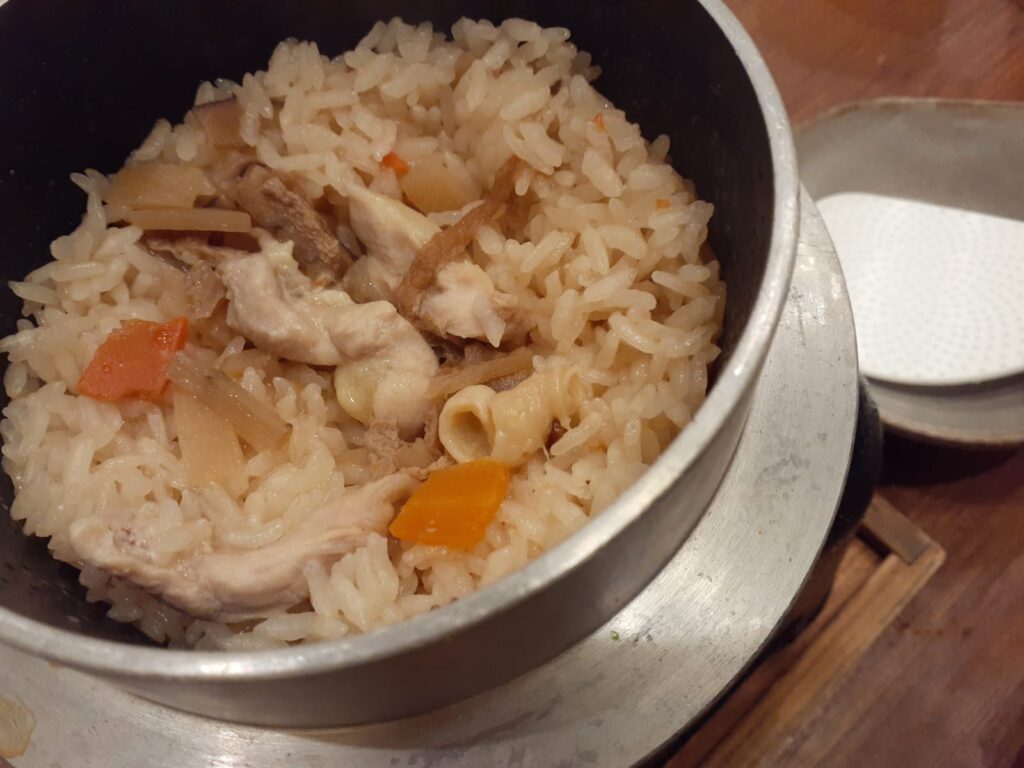
In Japan, a night at an Izakaya follows a specific, rhythmic flow. It begins with small appetizers and drinks, but the true tradition lies in how the meal ends. This is called “Shime”—the final dish, usually a comforting carb, ordered to “close” the evening and satisfy the stomach.
While some choose ramen or ochazuke, our favorite way to wrap up the night is with Kamameshi.
What is Kamameshi? Kamameshi, or “kettle rice,” is a traditional dish where rice is slow-cooked in a small, individual iron or clay pot (kama). It is simmered with a savory dashi stock and topped with seasonal ingredients like chicken, mushrooms, or seafood.
The Highlight: Okage Because the rice is cooked and served in the same pot, the bottom layer becomes beautifully scorched and crispy. This golden crust, known as okage, is packed with concentrated flavor and provides a satisfying crunch that makes Kamameshi stand out from any other rice dish.
Why it’s the perfect “Shime”: There is something incredibly grounding about opening the wooden lid to a cloud of fragrant steam at the end of a lively meal. It’s a slow-cooked, wholesome finale that leaves you feeling warm and completely satisfied—a perfect conclusion to a night of exploration.
Love hotel as Accommodation
The cheapest hotel option for us was a love hotel. An interesting experience and good value for money.
If you don’t speak Japanese it may be a trickier option because you needed to call a number when you arrive in the reception area and they would open the door to your room automatically. There’s no key, but you could lock the door from the inside. If you wanted to leave the room you’d have to call again to get out:)
In order to pay you had to send cash in a tube from your room. A bit like the old ‘mail’ systems that some offices used to have for internal post.
There was tea, coffee and water, as well as a wealth of lotions and potions. A sex toy and condoms were also part of the room package. No love hotel would be complete without a big bath of course.
Nagasaki Travel Guide Part 2:
➡ Visiting Nagasaki Day 2: Glover Garden and the Best City Views
➡ Back to Kyushu Area Guide
➡ Back to Japan Transport & Rail Guide
Comment