Welcome to our comprehensive guide to exploring Koriyama in Fukushima Prefecture without a car!
Whether you are looking for an easy day trip from Tokyo via the Tohoku Shinkansen or planning a multi-day itinerary through the Tohoku region, Koriyama is a fantastic, highly accessible hub. While many travellers pass through on their way to Aizu-Wakamatsu or Ouchi-juku, Koriyama itself offers a delightful blend of historic architecture, tranquil shrines, vibrant parks, and exceptional local cuisine.
As avid walkers, we love nothing more than discovering a town on foot and local buses. Below, we have compiled our favourite spots, local dining tips, and a practical guide for walking around Koriyama.
🇯🇵 この記事を日本語で読む:郡山・駅前&徒歩圏内のおすすめ観光スポット!車なしで巡る歴史・アート・グルメガイド
Editor’s Note (A Quick Update): This article combines our past experiences in Koriyama with our notes for an upcoming trip in September 2026. For spots we are visiting on our next journey, we will update this guide with new photography and fresh insights as soon as we return!
- Top Sightseeing & Walking Spots in Koriyama
- 1. Asaka Kunituko Shrine (安積国造神社)
- 2. Big Ai (Koriyama City Space Park)
- 3. Former Fukushima Prefectural Normal School (Asaka History Museum)
- 4. Kaiseizan Park, Kaiseizan Daijingu & Lucky Park
- 5. Koriyama Kaiseikan (Visiting in September 2026)
- 6. Koriyama City Museum of Art (Visiting in September 2026)
- 7. Oayasuba Kofun (Ancient Burial Mound)
- Local Gourmet: A Spectacular ¥850 Lunch Feast
- Why Base Yourself in Koriyama for 2 Nights Instead of Aizu-Wakamatsu?
- How to Get to Koriyama from Tokyo
- Final Thoughts & Upcoming Updates
Top Sightseeing & Walking Spots in Koriyama
Here is our curated selection of sights in and around Koriyama, all easily reachable on foot or via a short local bus ride from JR Koriyama Station.
1. Asaka Kunituko Shrine (安積国造神社)
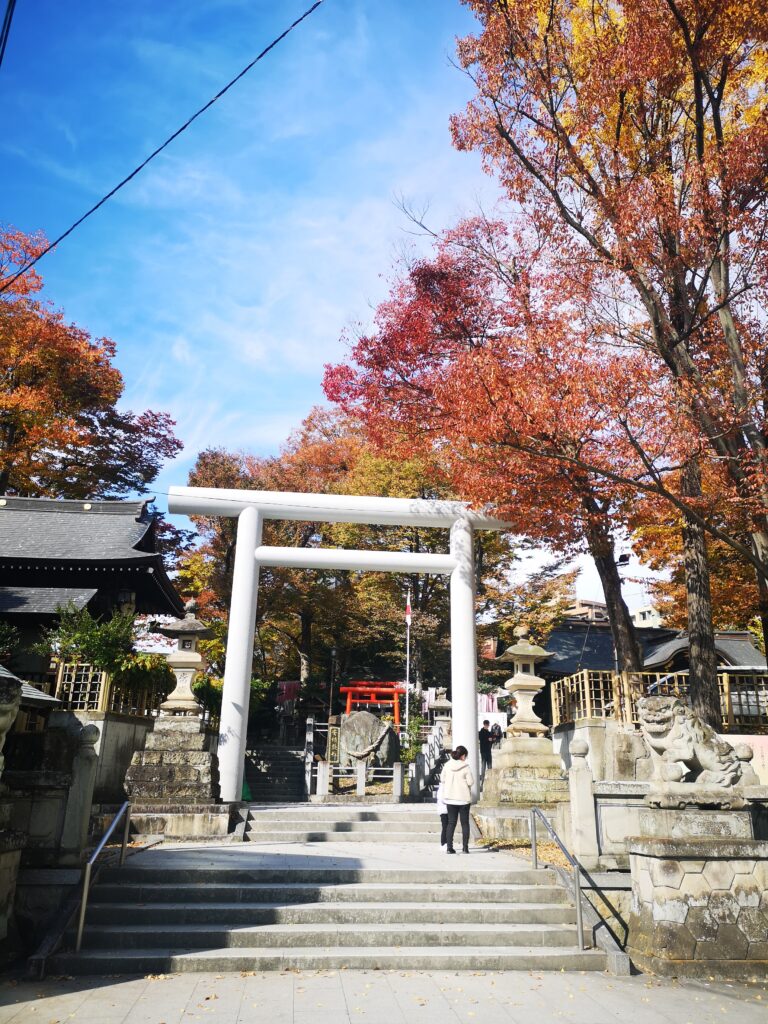
As we set out on our walking tour of Koriyama, we quickly discovered that while the city might not be a mainstream tourist hub, it is absolutely packed with local character. Autumn was in full swing during our visit, and the neighbourhood parks and sacred spaces were glowing with brilliant seasonal colours.
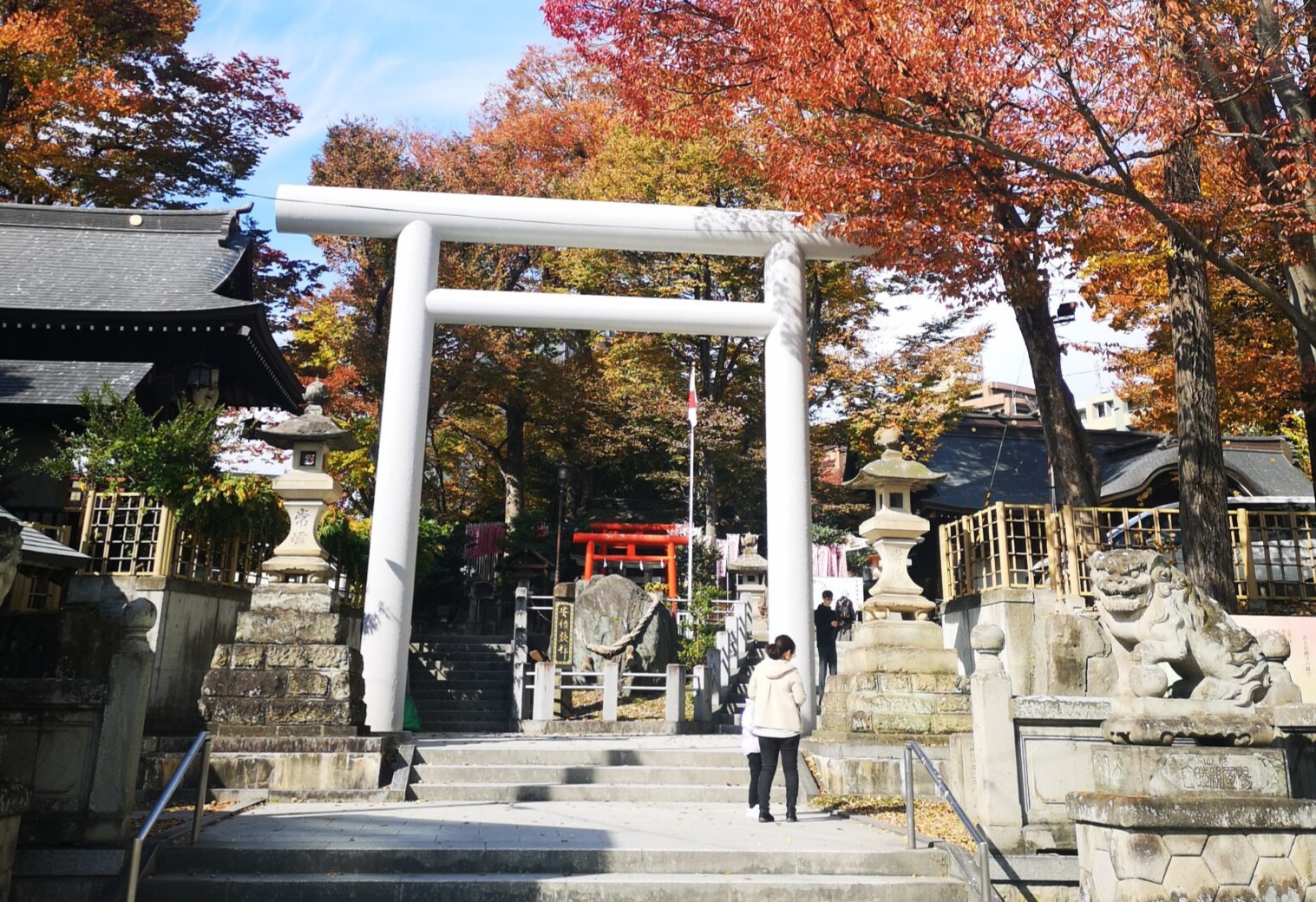
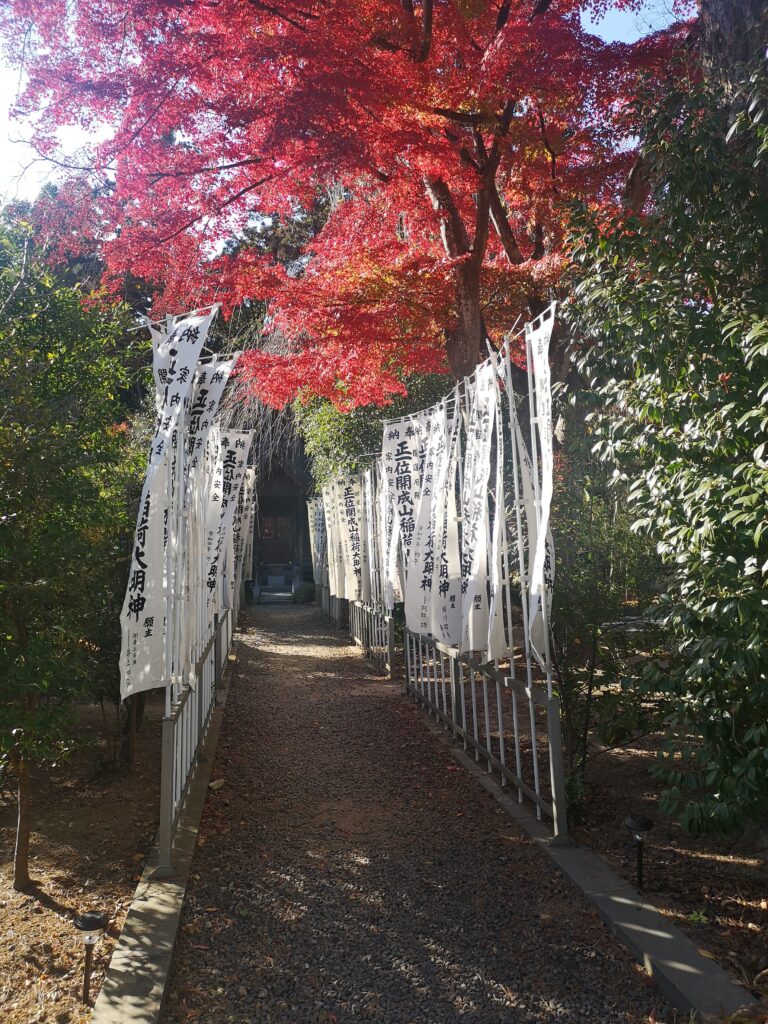
Our first major stop was Asaka Kunituko Shrine, a historic sanctuary right in the heart of the city dating back to the 8th century. Walking through the entrance, we were greeted by a stunning white torii gate framed beautifully by fiery red maple leaves.
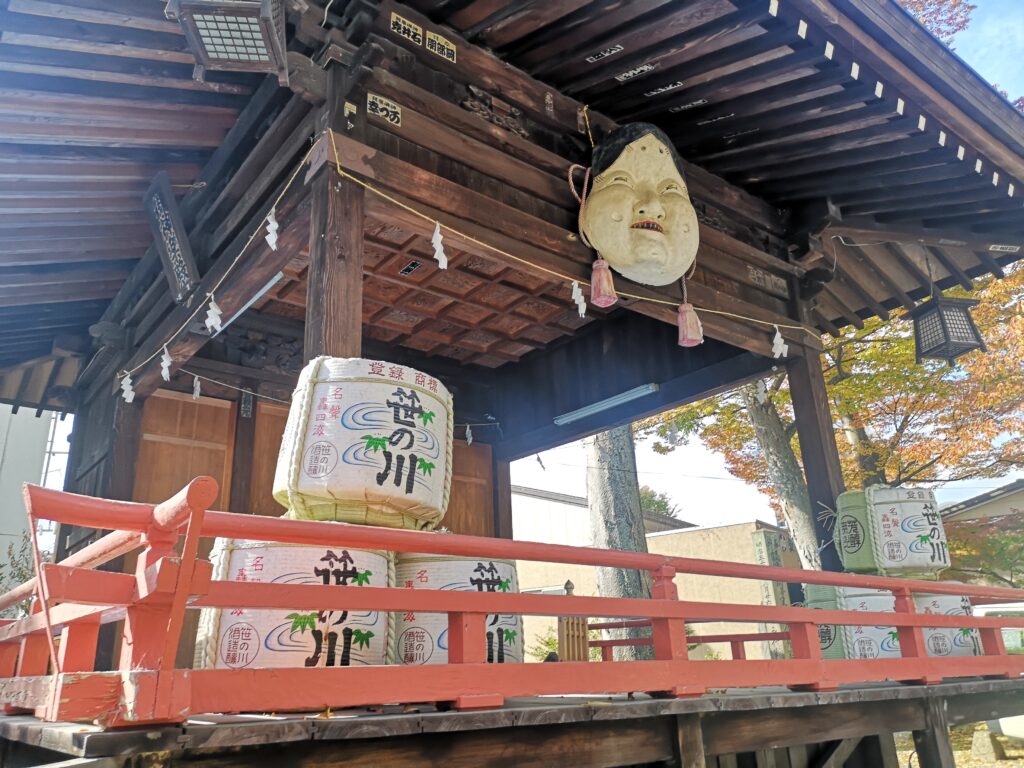
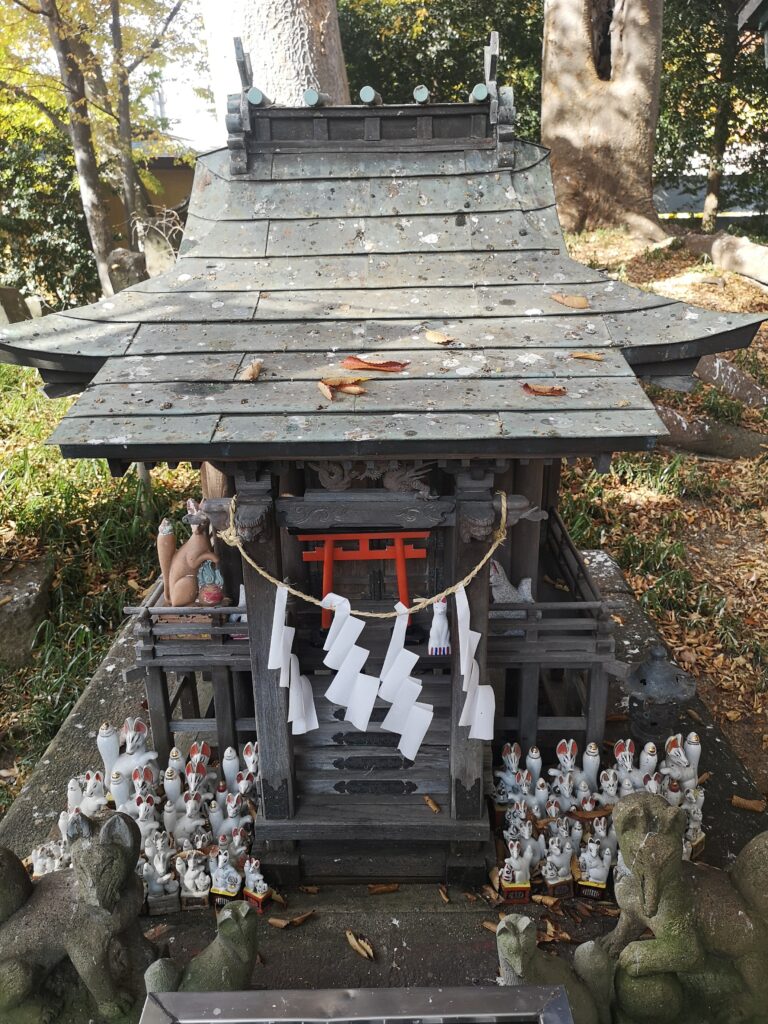
Stepping onto the grounds felt like entering another world. The shrine boasts a beautiful wooden stage decorated with traditional sake barrels from local breweries—including Sasanokawa—and features a large, expressive traditional mask hanging under the eaves. Tucked away in the quiet corners, we also found smaller, atmospheric sub-shrines surrounded by dozens of tiny stone fox (Inari) statues beneath the vibrant canopy.
- Access: 8-minute walk from JR Koriyama Station (West Exit)
- Admission: Free
2. Big Ai (Koriyama City Space Park)
Dominating the city skyline right in front of the station, Big Ai offers stunning panoramic views of Koriyama and the surrounding Adatara mountain range. Head up to the 22nd floor for the free observation deck. The building also houses a world-record-holding planetarium above ground.
- Access: Direct access from JR Koriyama Station (West Exit, Floors 20–24)
- Admission: Observation Deck on Floor 22 is Free / Planetarium requires a ticket (¥400)
3. Former Fukushima Prefectural Normal School (Asaka History Museum)
A magnificent Western-style wooden building constructed in 1885 and designated as a National Important Cultural Property. It is a popular filming location for Japanese period dramas due to its elegant architecture.
- Access: 20-minute walk from JR Koriyama Station
- Note: Currently closed for structural restoration until March 2027. We will be visiting to admire its striking exterior architecture from the outside.
4. Kaiseizan Park, Kaiseizan Daijingu & Lucky Park
Kaiseizan Park is a massive green space that serves as the heart of the town’s history. Adjacent to it sits Kaiseizan Daijingu, often called the “Ise Grand Shrine of Tohoku”.
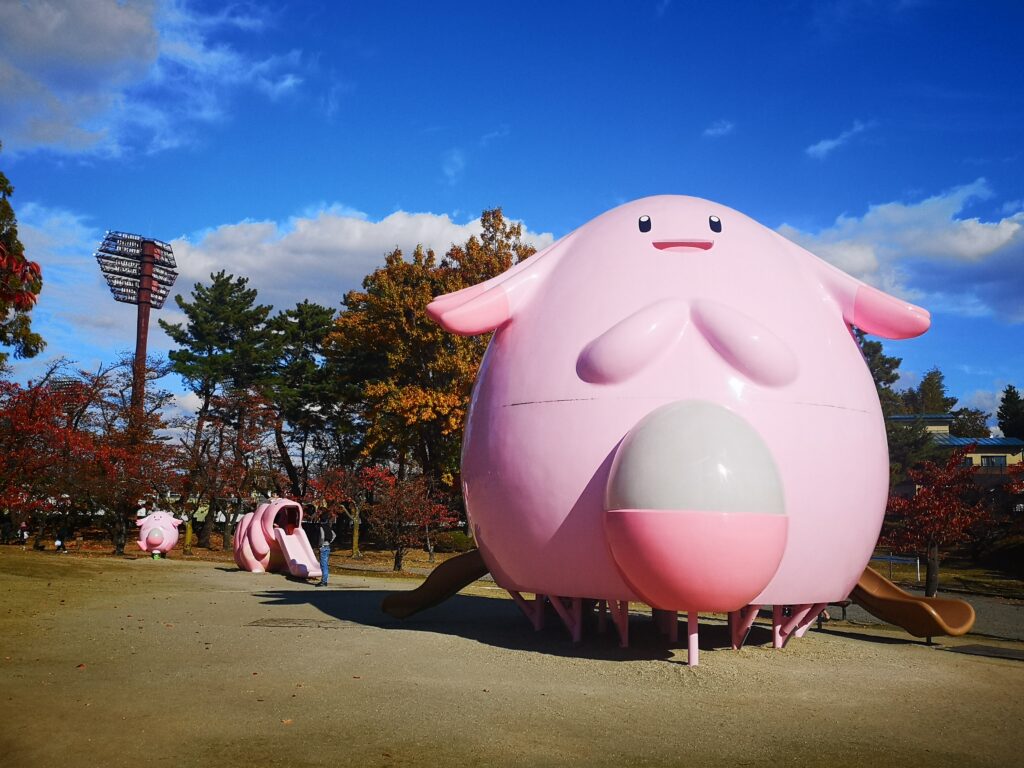
While wandering through the local green spaces here, we stumbled upon something completely unexpected: Lucky Park! Japan has a brilliant initiative where various prefectures partner with Pokémon as tourism ambassadors, and Fukushima’s official ambassador is Chansey (Lucky). The park features a massive, bright pink Chansey playground structure complete with slides and smaller Pokémon characters dotted around. Against the crisp autumn trees and bright blue sky, it was an incredibly fun, surreal, and thoroughly joyful place to take a stroll.
- Access: 25-minute walk from JR Koriyama Station (or a short ride on the local bus to “Kaiseizan”)
- Admission: Free
5. Koriyama Kaiseikan (Visiting in September 2026)
Built in 1875 as the administration office for the Asaka Land Reclamation project, this beautiful pseudo-Western style building is an Important Cultural Property. It houses fascinating historical records detailing how Koriyama transformed into a thriving agricultural and industrial hub.
- Access: 30-minute walk from JR Koriyama Station (5 minutes from Kaiseizan Park)
- Admission: ¥200
6. Koriyama City Museum of Art (Visiting in September 2026)
Set on a picturesque, wooded hill, this serene museum boasts an outstanding collection of British modern art, including works by J.M.W. Turner and William Morris. The manicured grounds and peaceful architecture make it well worth a visit even just for a relaxing walk.
- Access: 10-minute bus ride from Stand No. 5 at Koriyama Station Bus Terminal
- Admission: ¥200 (Permanent Exhibition) / Bus fare approx. ¥300
7. Oayasuba Kofun (Ancient Burial Mound)
Oayasuba Kofun is the largest ancient keyhole-shaped burial mound in the Tohoku region. Though the site itself turned out to be closed due to earthquake safety checks when we first visited, the journey itself was a highlight.
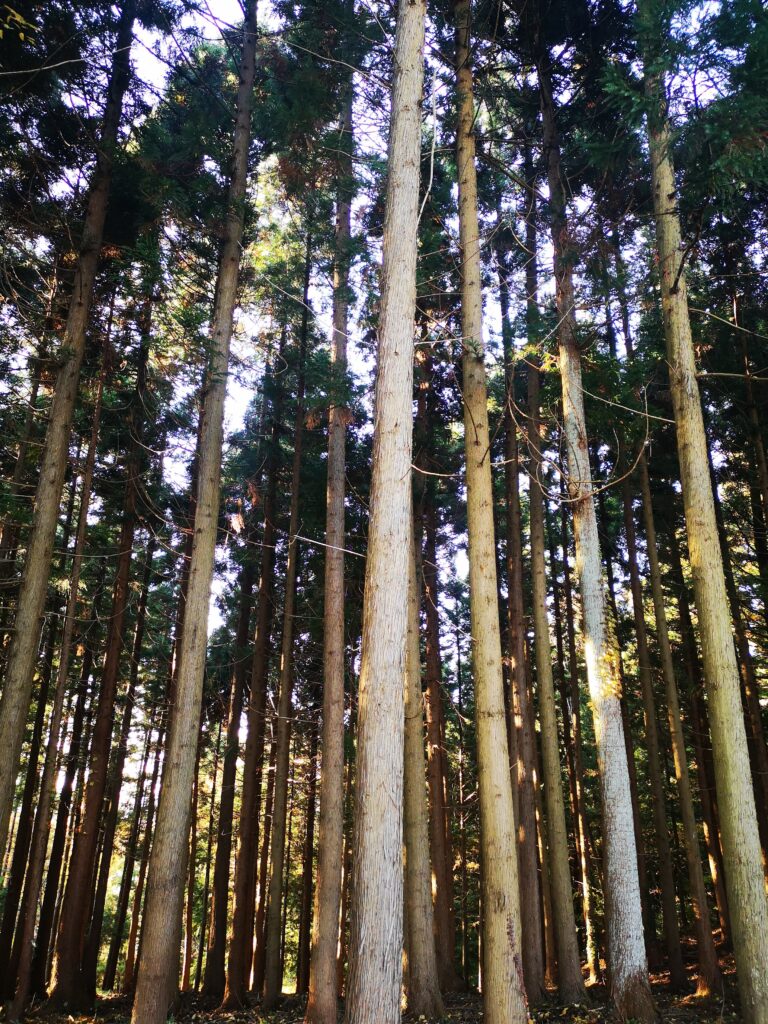
Located around 5–6 km from the station, it makes for a fantastic suburban hike for anyone who enjoys walking through quiet Japanese countryside. Right beside the destination, we found ourselves walking through a stunning, densely packed forest of towering Japanese cedar trees. The crisp afternoon sun filtering through the straight, tall trunks created a wonderfully serene atmosphere—the absolute epitome of a perfect “slow travel” day out in Fukushima. (The site has since reopened, and we look forward to climbing the mound on our next trip!)
- Access: 60 to 75-minute walk from JR Koriyama Station (or reachable via local bus + short walk)
- Admission: Free access to the mound and grounds
Local Gourmet: A Spectacular ¥850 Lunch Feast
All that walking meant we had built up a serious appetite. One of the absolute best perks of travelling through regional Japan is discovering independent local diners serving Teishoku (set lunch menus).
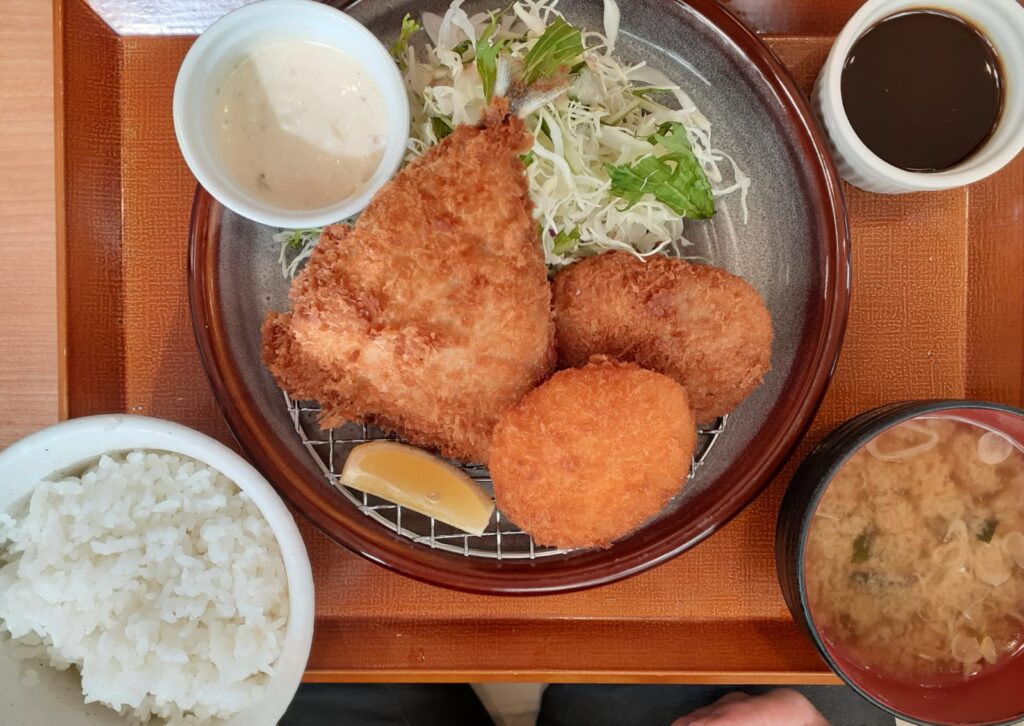
For just ¥850 each, we enjoyed an absolute feast at a small local spot in town. The star of the tray was a massive, perfectly golden, deep-fried horse mackerel (Aji Furai), incredibly crispy on the outside and wonderfully fluffy on the inside. Accompanied by potato croquettes, a mountain of shredded cabbage, a bowl of rice, savoury miso soup, and dipping sauces, it was easily one of the most satisfying and high-value meals of our journey.
- Meal Type: Traditional Japanese lunch set menu (Teishoku)
- Cost: Only ¥850 per person!
- Chris’s Note: Getting a massive, multi-dish feast for under a thousand yen is one of the absolute best perks of travelling in regional Japan.
During our upcoming stay, we also plan to sample local Koriyama specialities, such as Cream Toruto (a delicious local sweet toast) and Koriyama Black Ramen!
Why Base Yourself in Koriyama for 2 Nights Instead of Aizu-Wakamatsu?
As part of our 13-day journey across Tohoku, we chose to stay in Koriyama for two consecutive nights rather than moving directly to Aizu-Wakamatsu. Here is why Koriyama makes an ideal base for regional travel:
- Unbeatable Transport Hub for Day Trips:Koriyama Station is a major junction connecting the Tohoku Shinkansen, the Ban’etsu West Line (for Aizu-Wakamatsu and Mount Bandai), and local express buses (for Ouchi-juku). It allows you to travel light without lugging any bags around.
- Excellent Value for Money:Compared to high-end tourist destinations, hotel accommodation in Koriyama offers fantastic value. Budget and mid-range business hotels near the station are plentiful, modern, and reasonably priced—perfect for longer itineraries.
- Fantastic Dining & Nightlife Options:Being one of Fukushima’s commercial hubs, the area around Koriyama Station is brimming with lively izakayas, ramen shops, and atmospheric pubs. You can enjoy sightseeing in historical towns like Aizu by day, and return to Koriyama in the evening for a wide choice of fantastic local food and regional sake.
How to Get to Koriyama from Tokyo
Reaching Koriyama from Tokyo is straightforward, with flexible routes depending on your travel budget and timing:
- By Tohoku Shinkansen (Fastest):Take the Yamabiko or Nasuno Shinkansen from Tokyo Station or Ueno Station. The journey takes approximately 1 hour 20 minutes and is fully covered by the JR East Pass or Japan Rail Pass.
- By Local Trains (With a Stopover in Shirakawa):If you are taking a slower, budget-friendly journey along the JR Tohoku Main Line, consider breaking up your trip with a stopover at Shirakawa to explore Komine Castle before continuing to Koriyama.
- By Highway Bus (Most Economical):Direct highway buses run regularly from Shinjuku Expressway Bus Terminal (Busta Shinjuku) to Koriyama Station, taking around 3.5 to 4 hours.
Discover more of Northeast Japan:
If you are planning an extended slow-travel journey through Fukushima and the wider region, don’t miss our 13-Day Tohoku Itinerary: Route, Trains & Travel Tips for full details on where to go, stay, and eat.
Final Thoughts & Upcoming Updates
Koriyama might not always top the standard tourist itineraries, but its charm lies precisely in its authentic atmosphere, leafy parks, historic landmarks, and brilliant local food scene.
We will be returning in September 2026 to explore the art museum, historic halls, and local sake scene in even greater depth. Stay tuned for fresh photographs and updated recommendations!
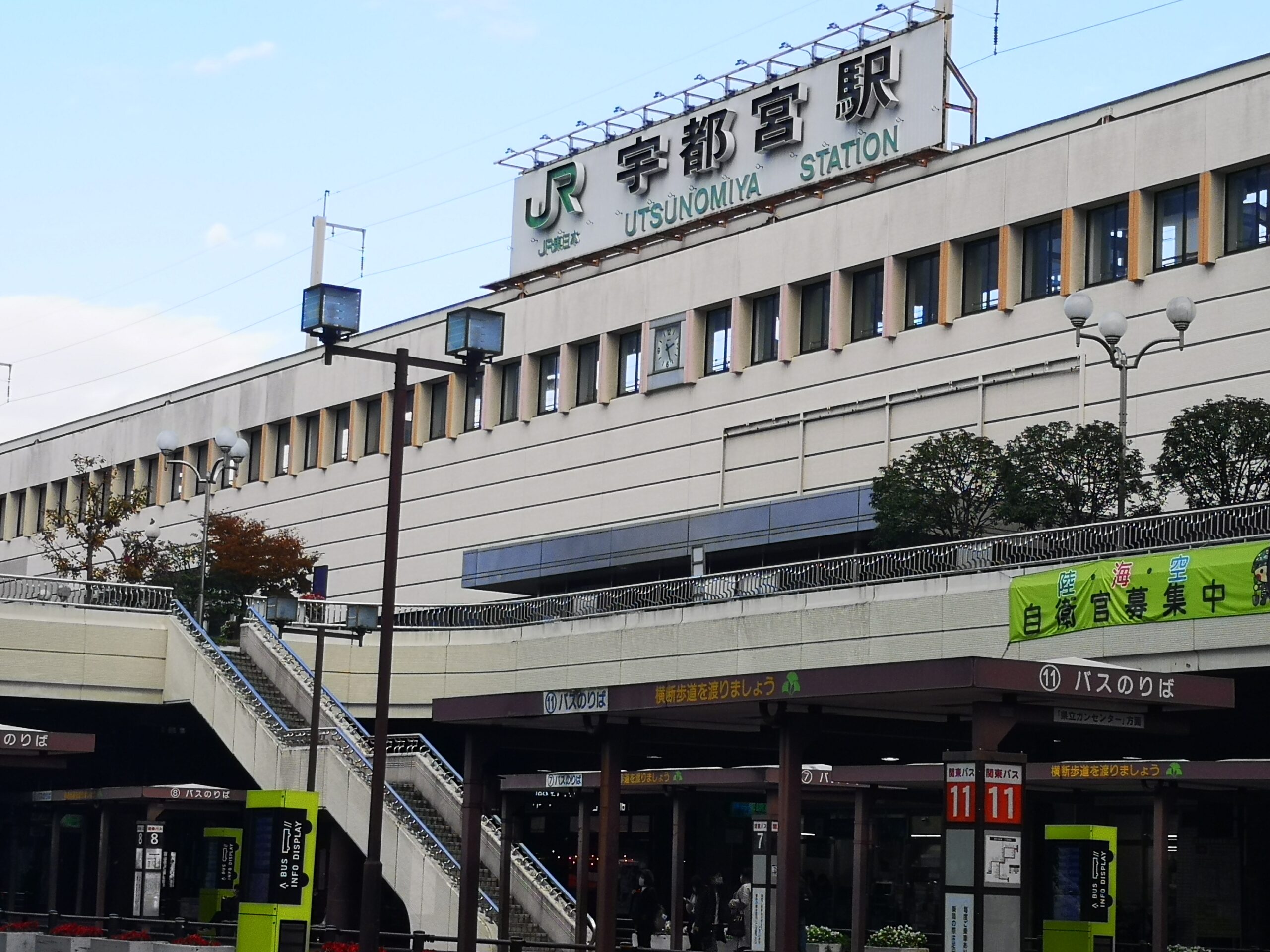
Done exploring the shrines and parks of Koriyama? Follow our onward journey south on the local lines as we head to our next budget base: How to Get from Koriyama to Utsunomiya on Local Trains.
➡ Back to Tohoku Travel Guide
Comment