Because my wife is from Japan, we make it a point to head back every year. And without fail, whenever we are there, we love to pack a single backpack each and head off to explore a new corner of the country.
But here is the funny thing: whenever we chat about our upcoming trips with our friends back home in Canada, the UK, or when we are travelling, the reaction is almost always the same. They lean in, look slightly concerned, and ask: “But isn’t Japan incredibly expensive?”
It is a stubborn myth that just won’t die. For years, Japan has carried a formidable reputation as a wallet clearing destination. Before my first trip, I vividly remember people warning me that a week in Tokyo would cost a fortune.
However, as someone who travels there annually, I am here to tell you a completely different story. With the Japanese Yen at historic lows against the British Pound and US Dollar in 2026, Japan is not just manageable—it is arguably one of the best-value destinations in the developed world. Here is an honest, real-world breakdown of what a trip to Japan actually costs from a British traveller’s perspective.
- Is Japan Really Expensive?
- Japan vs the UK: Price Comparison
- Accommodation Costs
- Food Costs
- Transport Costs
- Attraction Costs
- 7-Day Japan Trip Budget (Golden Route Lite)
- 14-Day Japan Trip Budget (Comprehensive Regional Tour)
- Sample Daily Budgets
- Money-Saving Tips
- Our Personal Travel Style & Budget
- Crucial Tip: The Price You See is the Price You Pay!
- Conclusion
Is Japan Really Expensive?
The short answer is no, not anymore.
While accommodation in major hubs like Tokyo and Kyoto has seen a sharp surge recently due to rising global demand, almost every other aspect of daily travel—especially food and local transport—is incredibly affordable.
If you are coming from London, New York, or Paris, you will likely find that your daily holiday expenses in Japan are significantly lower than back home. The secret lies in understanding where the inflation is hitting (premium hotels) and where the incredible value remains (local dining and convenience).
Here is an honest, real-world breakdown of what a trip to Japan actually costs from a British traveller’s perspective, with all prices broken down in Japanese Yen (¥), British Pounds (£), and US Dollars ($).
Japan vs the UK: Price Comparison
To put things into perspective, let’s look at a quick head-to-head comparison between typical costs in the UK and Japan.
| Item | United Kingdom (London/Avg) | Japan (Tokyo/Avg Equivalent) |
|---|---|---|
| Pint of Beer / Draft Beer | £6.50 – £7.50 ($8.50 – $10.00) | ¥500 – ¥700 (£2.30 – £3.20 / $3.10 – $4.40) |
| Casual Lunch Mains | £12.00 – £18.00 ($16.00 – $24.00) | ¥900 – ¥1,500 (£4.20 – £7.00 / $5.60 – $9.40) |
| Short Subway/Tube Ride | £2.80 – £4.00 ($3.70 – $5.20) | ¥180 – ¥220 (£0.85 – £1.00 / $1.10 – $1.40) |
| Mid-range Coffee (Latte) | £3.80 – £4.50 ($5.00 – $6.00) | ¥400 – ¥550 (£1.85 – £2.50 / $2.50 – $3.40) |
A Quick Note on Geography: Keep in mind that the Japanese prices above are based on Tokyo, which is naturally the most expensive baseline. Whenever my wife and I head out of the capital to explore the deep countryside (the inaka), these costs drop even further. In rural towns or regional areas, you can easily find local lunch sets, accommodation, and fresh produce for a fraction of Tokyo prices—making Japan an even bigger bargain if you venture off the beaten path.
Accommodation Costs
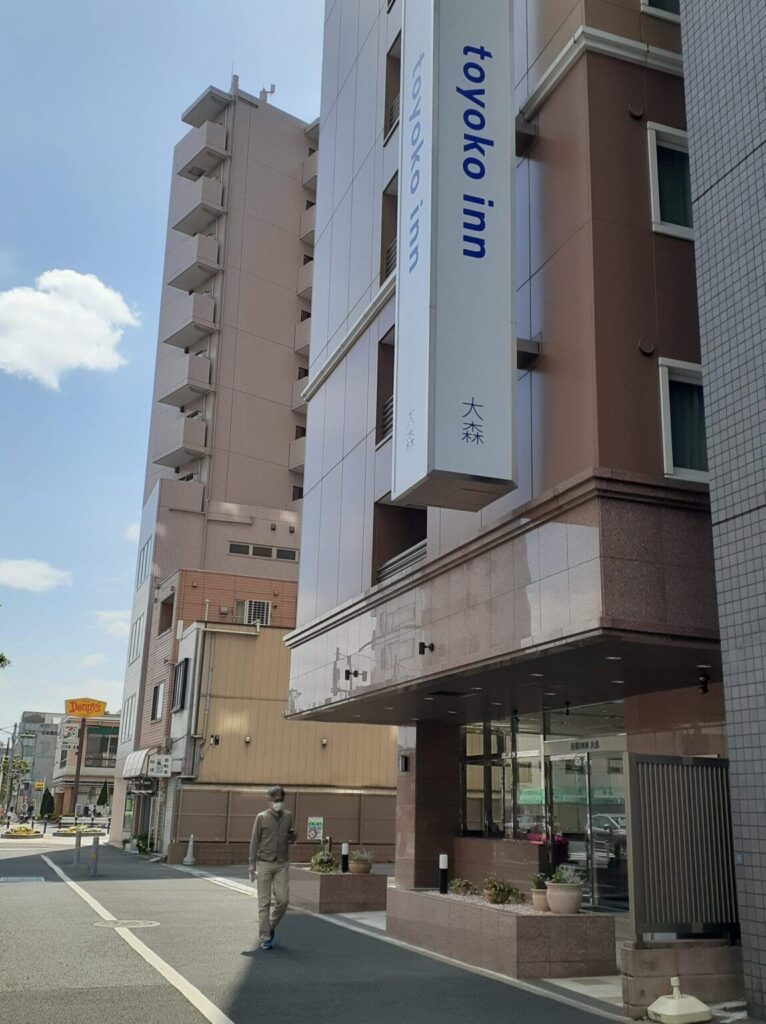
As mentioned, accommodation is the largest variable in your travel budget. Rates in prime areas of Tokyo and Kyoto have risen due to high demand, but they still offer excellent value compared to London or New York.
To keep things straightforward, the rates for standard hotels and ryokans are quoted per room, per night (based on two people sharing), while hostel and capsule rates are quoted per person.
- Hostels & Capsule Hotels: The go-to option for solo adventurers or those looking to maximise savings.
- Cost per night (Per Person): ¥4,000 – ¥7,000 (£19 – £33 / US$25 – US$44)
- Standard Business Hotels (e.g., APA, Toyoko Inn): Exceptionally clean, compact, and highly functional.
- Cost per night (Per Room, Double/Twin): ¥12,000 – ¥18,000 (£56 – £84 / US$75 – US$113)
- Mid-Range Western/Boutique Hotels: Giving you a bit more breathing room and stylish interiors.
- Cost per night (Per Room, Double/Twin): ¥22,000 – ¥35,000 (£103 – £164 / US$137 – US$218)
- Traditional Ryokan (including multi-course Kaiseki dinner and breakfast): A bucket-list cultural experience.
- Cost per night (Per Room, Double/Twin for two people): ¥40,000 – ¥80,000+ (£187 – £374+ / US$250 – US$500+)
➡ Japan’s Business Hotels Our Ultimate Guide: Which Chain is Best for You?
➡ Is Rakuten Travel Really the Cheapest Way to Book Hotels in Japan? (Our Full Review)
➡ How to Save on Nikko Travel: Why We Chose Utsunomiya for Our Hotel Base
We just booked hotels in Japan for coming Tohoku trip! Here are our tips:
➡ How to Book Tohoku Hotels for Half Price: Early Bird Discounts & Regional Coupons via Japanican
Food Costs
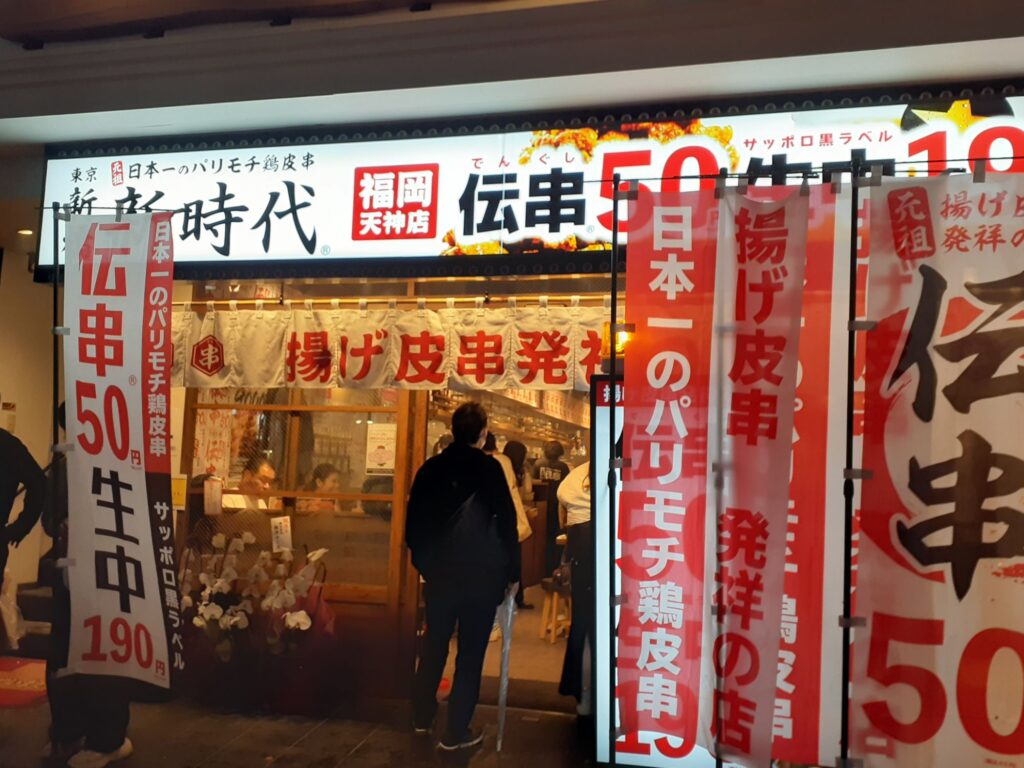
Food in Japan is where your money goes incredibly far. There is no tipping culture, and high-quality meals can be found at every price point.
- The Konbini (Convenience Store) Breakfast: Grabbing an onigiri (rice ball), a bakery item, and a hot canned coffee from 7-Eleven or Lawson.
- Cost: ¥400 – ¥600 (£1.85 – £2.80 / $2.50 – $3.75)
- Casual Lunch (Ramen, Soba, or Gyudon Beef Bowl): Quick, filling, and delicious.
- Cost: ¥800 – ¥1,300 (£3.70 – £6.00 / $5.00 – $8.10)
- Mid-Range Dinner (Izakaya pub style, Conveyor-belt Sushi): Sharing plates and a couple of drinks.
- Cost per person: ¥3,000 – ¥5,500 (£14 – £26 / $19 – £34)
Transport Costs
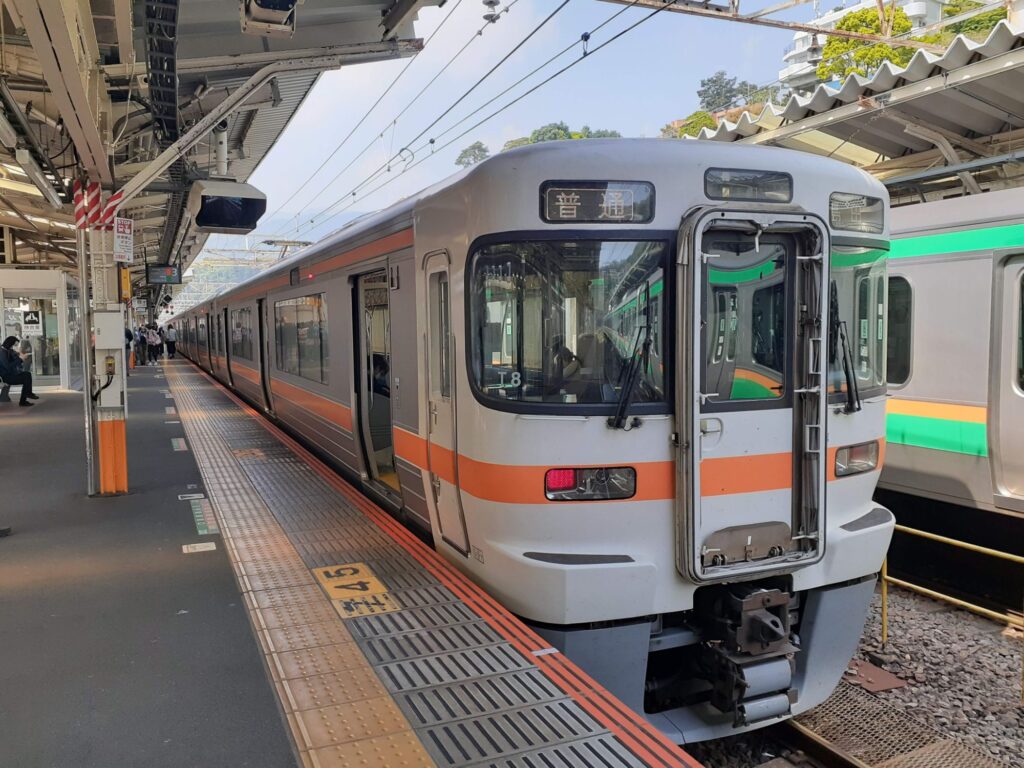
Public transport in Japan is legendary for its punctuality, though intercity travel can add up.
- City Subway/Metro Rides:
- Cost per journey: ¥180 – ¥350 (£0.85 – £1.60 / $1.10 – $2.20)
- Tokyo to Kyoto Shinkansen (Bullet Train, One-Way Reserved Ordinary Seat):
- Cost: ¥14,000 – ¥14,500 (£65 – £68 / $87 – $90)
- Daily IC Card Cap (Estimated local commuting):
- Cost per day: ¥1,000 (£4.65 / $6.25)
Attraction Costs
Many of the best things to do in Japan—wandering through historic shrines, visiting local markets, or exploring forest trails—are completely free.
- Temple and Shrine Admissions: Often free, or a small token fee.
- Cost: Free to ¥500 (£2.30 / $3.10)
- Major Observation Decks (e.g., Shibuya Sky):
- Cost: ¥2,200 – ¥3,000 (£10 – £14 / $14 – $19)
- Theme Parks (e.g., Tokyo Disney or Universal Studios Japan):
- Cost: ¥8,400 – ¥10,000 (£39 – £47 / $52 – $62)
➡ Back to Budget Travel in Japan: Smart Money-Saving Tips & Cost Guide
7-Day Japan Trip Budget (Golden Route Lite)
Based on a 1-week itinerary covering Tokyo and Kyoto. All figures below are calculated per person, assuming you are travelling as a couple and splitting the room cost (excludes international flights).
- Accommodation (Your half of 6 nights in Business Hotels): ¥45,000 (£210 / US$281)
- Food & Drink (Per person): ¥35,000 (£164 / US$218)
- Transport (Local metros + Tokyo-Kyoto Return Shinkansen): ¥35,000 (£164 / US$218)
- Attractions & Sightseeing (Per person): ¥12,000 (£56 / US$75)
- Total Estimated 7-Day Budget: ¥127,000 (£594 / US$792) per person
14-Day Japan Trip Budget (Comprehensive Regional Tour)
Based on a 2-week itinerary covering Tokyo, Hakone, Kyoto, Osaka, and Hiroshima. Calculated per person for two travellers sharing rooms (excludes international flights).
- Accommodation (Your half of 13 nights: 12 nights in Business/Mid-range + 1 special Ryokan night): ¥110,000 (£514 / US$686)
- Food & Drink (Per person): ¥80,000 (£374 / US$500)
- Transport (Intercity bullet trains, regional passes, and local metros): ¥65,000 (£304 / US$405)
- Attractions & Pocket Money (Per person): ¥30,000 (£140 / US$187)
- Total Estimated 14-Day Budget: ¥285,000 (£1,332 / US$1,778) per person
Sample Daily Budgets
Depending on your travel style, here is what you should expect to spend per day (including accommodation costs per person):
The Backpacker / Budget Traveller
Staying in hostels, eating konbini meals, and stick to free attractions.
- Daily Cost: ¥8,000 – ¥11,000 (£37 – £51 / $50 – $69)
The Flashpacker / Mid-Range Traveller
Staying in cosy business hotels, enjoying proper sit-down lunches and Izakaya dinners, and paying for major viewing decks or museums.
- Daily Cost: ¥20,000 – ¥28,000 (£93 – £131 / $125 – $175)
The Luxury Traveller
Staying in high-end boutique properties, fine dining (such as top-tier Wagyu or Michelin-starred sushi), and private experiences.
- Daily Cost: ¥55,000+ (£257+ / $343+)
Money-Saving Tips
To stretch your Pounds or Dollars even further, keep these practical tips in mind during your journey:
- Embrace the Business Hotels: Brands like Richmond Hotels, Dormy Inn, or Toko Inn offer impeccable service, extreme cleanliness, and often free laundry facilities or complimentary evening noodles.
- Utilise the Lunch Sets (Teishoku): High-end restaurants often offer the exact same premium ingredients during lunch for a fraction of the dinner price. Look out for lunchtime set menus.
- Skip the Nationwide JR Pass unless necessary: Following the massive price hikes over the last couple of years, the multi-day nationwide Japan Rail Pass rarely pays off. Instead, buy individual Shinkansen tickets or opt for cheaper regional passes (like the Hakone Free Pass or Kansai Area Pass).
- Look out for ‘Coin Laundries’: Packing light and doing a quick wash halfway through your trip means you avoid hefty hotel laundry fees and saves luggage space for souvenirs.
Our Personal Travel Style & Budget
Because my wife and I travel to Japan every year, we have mastered the art of the “Smart Local” budget. We don’t travel to pamper ourselves in five-star luxury; we travel to experience the real Japan. If you want to know how we personally manage our budget, here is our exact blueprint:
- Accommodation & Breakfast (The Under-¥10,000 Challenge): We always aim for under ¥10,000 (£47 / US$63) per night for the two of us. We achieve this by booking budget business hotels well in advance. Our absolute favourite is Toyoko INN—not only are they exceptionally reliable, but they also include a fantastic, complimentary breakfast buffet with local Japanese dishes, meaning our first meal of the day costs us absolutely nothing.On other nights, we love utilising Love Hotels. Modern Japanese love hotels are incredibly clean, massive compared to standard business hotels, often come with jacuzzi baths, and offer fantastic overnight rates for couples if you check in later in the evening.
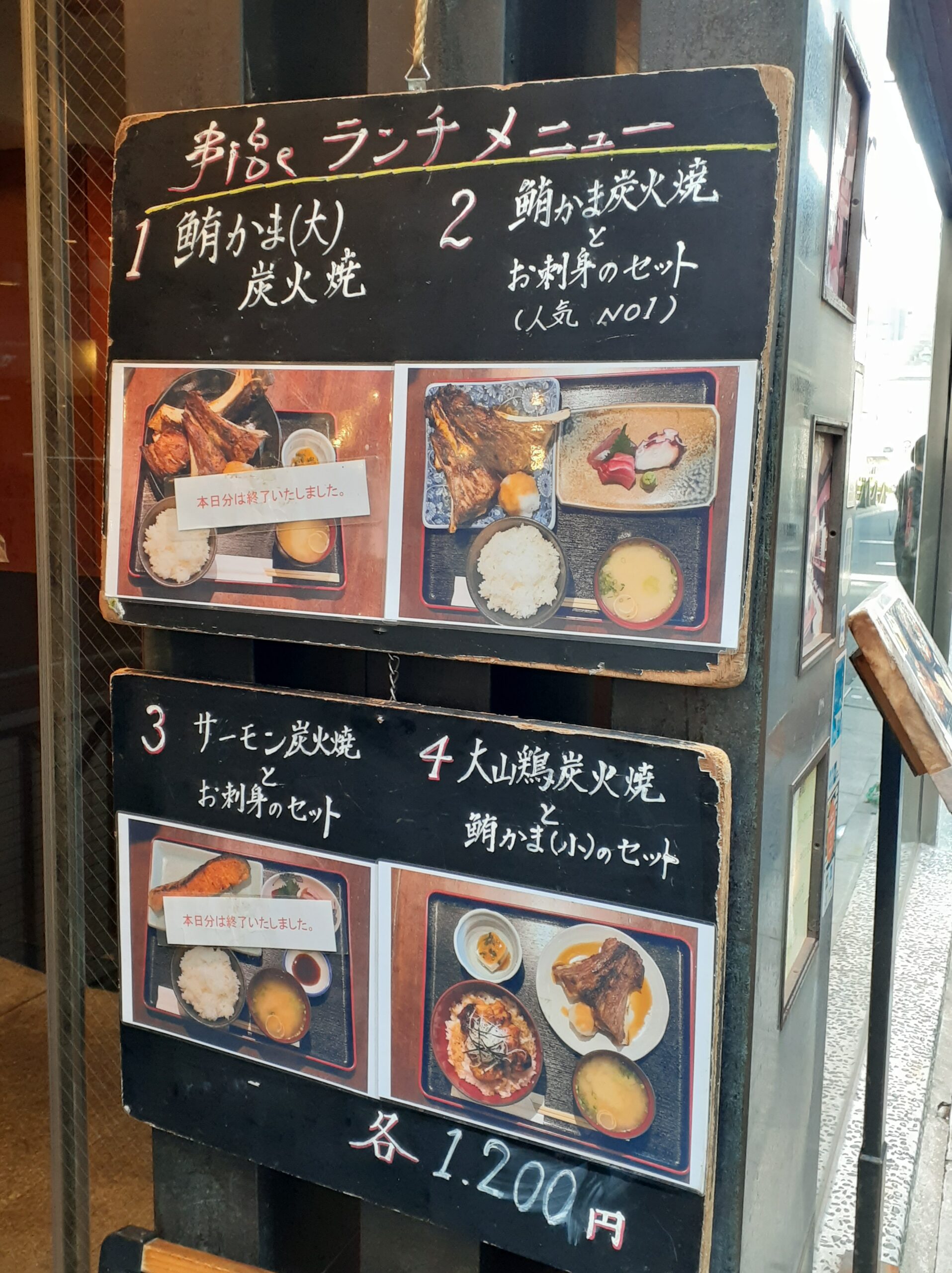
- Food & Drink (Local Vibes): Since breakfast is sorted at the hotel, we save our wallet for later in the day. For lunch, we hunt down office districts on weekdays to grab highly subsidised, generous lunch sets (Teishoku) meant for local salarymen. In the evenings, we love standing bars (Tachinomi) or local, no-frills Izakayas where the drinks are cheap and the atmosphere is authentic.
- Transport (Zero Taxis & Slow Travel): We almost never take taxis. Our feet, local commuter trains, and city buses are our main modes of transport. For long-distance travel, we skip the pricey Shinkansen. Instead, we embrace slow travel by chaining together local commuter trains to watch the scenery go by, or we hop on highway and overnight buses, which are incredibly comfortable in Japan and save us a night’s accommodation fee. For massive distances, we rely on domestic flights booked entirely using our frequent flyer mileage points.
- Attractions (Selective Spending): We rarely pay for overpriced tourist observation decks. Instead, we seek out stunning public footpaths, free temple grounds, and local markets. We only open our wallets for historic sites or experiences we absolutely cannot miss.
Our Realistic Daily Spending:
By cutting out the tourist fluff, taking advantage of free hotel breakfasts, and splitting costs as a couple, our personal daily spending sits at around ¥7,000 – ¥9,500 (£33 – £44 / US$44 – US$59) per person (including our half of the accommodation). It proves that you can experience Japan deeply and comfortably without spending a fortune.
Crucial Tip: The Price You See is the Price You Pay!
Before looking at the numbers below, there is one fantastic cultural perk about travelling in Japan that Western tourists always celebrate: Tax is included, and tipping is non-existent.
Our Golden Rule:
In the UK or North America, a restaurant bill rarely matches the menu price once you add local taxes and a 15–20% tip. In Japan, the price printed on the menu or price tag is exactly what leaves your wallet. There are absolutely no sneaky additional fees or service charges at checkout. If a bowl of ramen says ¥1,000, you hand over a ¥1,000 note and walk out. This makes budgeting for your daily expenses incredibly predictable and stress-free.
➡ Back to Budget Travel in Japan: Smart Money-Saving Tips & Cost Guide
Conclusion
Is Japan expensive? If you are trying to book five-star international luxury hotels during peak cherry blossom season, it certainly can be. But for the average traveller looking to experience incredible culture, world-class food, and seamless transport, Japan currently offers an unbeatable exchange rate and incredible value for money.
With a bit of planning and a willingness to mix high-end experiences with local charm, your trip to the land of the rising sun might just end up being cheaper than a holiday closer to home.
Head back to our master checklist to tackle your next big travel question:
➡ First Trip to Japan? 12 Questions that We are Frequently Asked
Comment