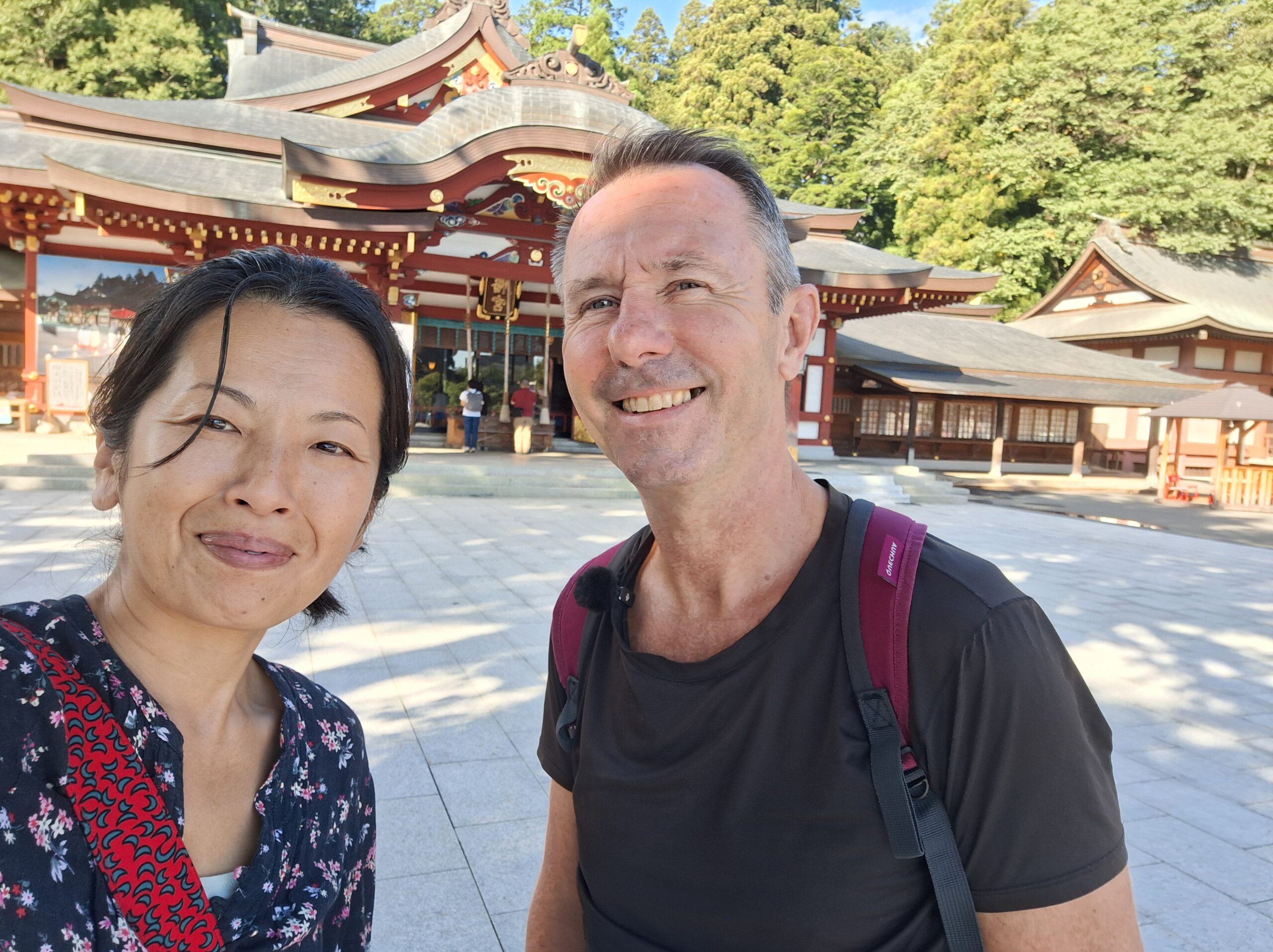
Planning a city-walking itinerary to explore Morioka using only public transport and walking is a fantastic way to experience northern Japan. As the capital of Iwate Prefecture, Morioka packs beautiful historic architecture, incredible local culinary traditions, and a deeply literary atmosphere into a compact, highly walkable urban center.
In this travel blueprint, my wife and I share our planned route for visiting Morioka as part of our 13-day journey across Tohoku. From the remnants of its feudal castle to charming Meiji-era brick buildings and famous regional food cultures, we have put together a practical guide for experiencing the city entirely on foot and via rail.
🇯🇵 この記事を日本語で読む:盛岡1日観光モデルコース【地図付き】
- Morioka 1 Day Itinerary Map
- What is Morioka?
- Top Morioka Attractions and Essential Visitor Information
- Morioka Castle Ruins Park (Iwate Park): Feudal Stone Walls and Green Spaces
- Historic Retro Architecture (Iwate Bank Red Brick Building, Iwate Public Hall, and More)
- Morioka Hachimangu Shrine: A Vibrant Spiritual Center
- Nanshosho: A Meiji-Era Masterpiece and Exquisite Japanese Garden
- Morioka Handicraft Village (※Recommended if Transport is Available)
- How to Get to Morioka
- Our Itinerary: Seamless Transitions and City Exploring
- Why We Chose to Visit Morioka: History, Craft, and Literary Giants
- Conclusion
Morioka 1 Day Itinerary Map
Below is the map of the sightseeing spots included in this itinerary.
➡ 2-Week Tohoku Itinerary in September: A Slow-Paced Couple’s Backpacking Guide
What is Morioka?
Nestled in the central basin of Iwate Prefecture, Morioka is a historically rich castle town that flourished under the rule of the Nanbu domain during the Edo period.
While preserving its feudal heritage and traditional crafts, the city features a charming blend of modern European-style brick architecture dating back to the Meiji and Taisho eras. Flowing right through the heart of the town are the crystal-clear streams of the Kitakami and Nakatsugawa rivers, with the majestic silhouette of Mount Iwate rising in the background. It is also celebrated as a haven for artists, having deeply inspired some of Japan’s most renowned modern literary figures.
Top Morioka Attractions and Essential Visitor Information
Here are the key spots to include when navigating Morioka on foot and via public transport.
Morioka Castle Ruins Park (Iwate Park): Feudal Stone Walls and Green Spaces
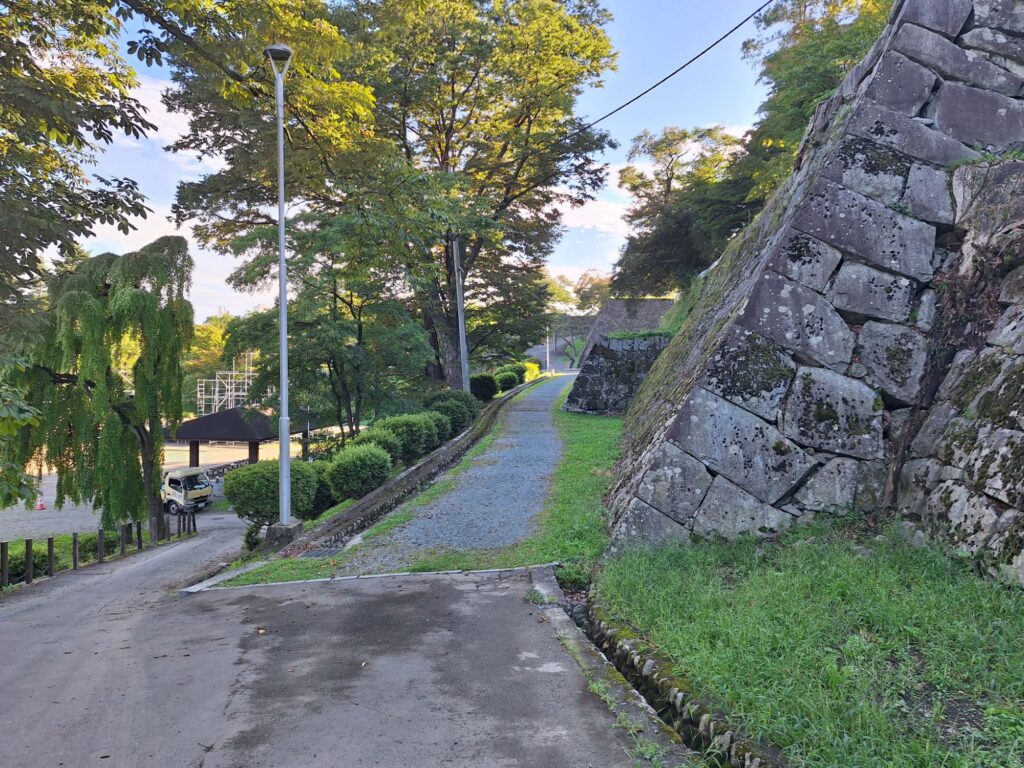
Serving as the primary landmark of Morioka, this park marks the former residence of the Nanbu clan lords and is listed among Japan’s top 100 castles. Layered white-stone ramparts and lush seasonal foliage create a peaceful retreat, with the upper grounds offering panoramic views over the city and the Kitakami River.
- Admission Fee: Free to explore
- Closed: Open 24/7
Historic Retro Architecture (Iwate Bank Red Brick Building, Iwate Public Hall, and More)
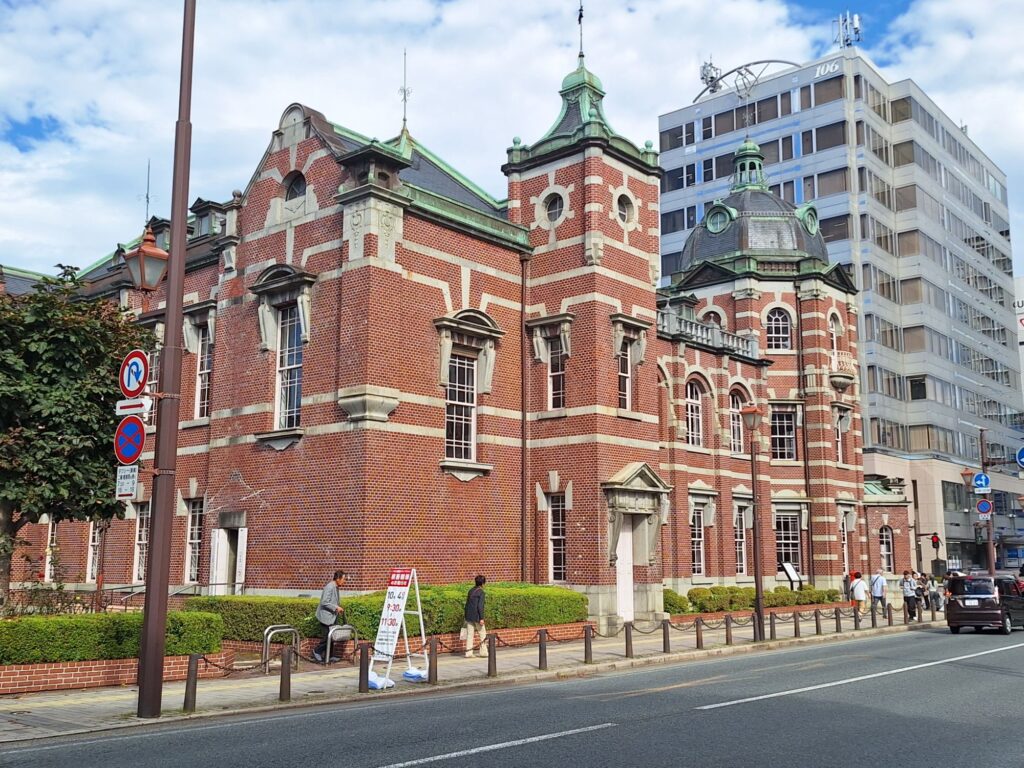
Central Morioka features wonderful examples of historic architecture from the Meiji, Taisho, and early Showa periods. Most notably, the Iwate Bank Red Brick Building (formerly the Morioka Bank main office) was co-designed by famed architect Tatsuno Kingo—who also designed Tokyo Station. Alongside it, you will find the grand, neo-Renaissance-style Iwate Public Hall built in 1927, as well as the Nakamura House, a well-preserved traditional merchant residence dating back to the Edo period. Wandering these streets offers a delightful glimpse into Japan’s modernizing past and architectural evolution.
- Iwate Bank Red Brick Building Admission: Adults 300 JPY / Elementary & Junior High Students 100 JPY (Closed: Tuesdays)
- Iwate Public Hall & Nakamura House: Exterior views and public access vary by facility
Morioka Hachimangu Shrine: A Vibrant Spiritual Center
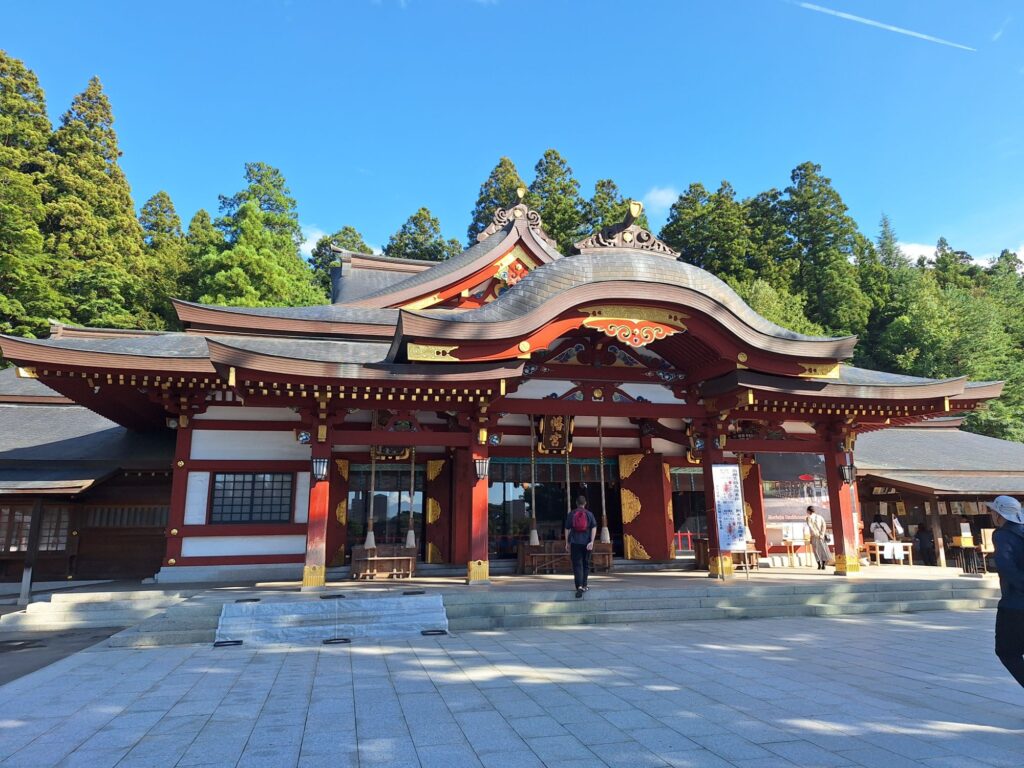
With a history spanning over three centuries, this grand Shinto shrine serves as the main guardian sanctuary for the city. Its striking, brightly coloured main hall and numerous auxiliary shrines offer an immersive look into local festival traditions and spiritual life.
- Admission Fee: Free to enter
- Closed: Open year-round
Nanshosho: A Meiji-Era Masterpiece and Exquisite Japanese Garden
Located within a comfortable walking distance from Morioka Station, Nanshosho is a historic residential villa built in 1885 by a prominent local merchant. Along with its beautifully preserved traditional timber architecture, the estate features a stunning, ‘stroll-style’ Japanese landscape garden. One of the highlights is the mesmerizing reflection of the lush garden greenery or autumn foliage shimmering across the polished wooden floors inside the tatami rooms. It offers a tranquil escape and a wonderful glimpse into Meiji-era elite craftsmanship.
- Admission Fee: Adults 300 JPY / Elementary & Junior High Students 150 JPY
- Closed: Mondays and Tuesdays (subject to seasonal changes)
Morioka Handicraft Village (※Recommended if Transport is Available)
For travellers interested in local craftsmanship, this facility showcases artisans practicing traditional arts, including the forging of Nanbu ironware and handmade Morioka cold noodles. Because it is located a short bus or taxi ride away from the main station, it makes a brilliant half-day excursion for those seeking deeper cultural immersion.
- Admission Fee: Free (hands-on workshops require separate fees)
- Closed: Year-end holidays and select seasonal dates
How to Get to Morioka
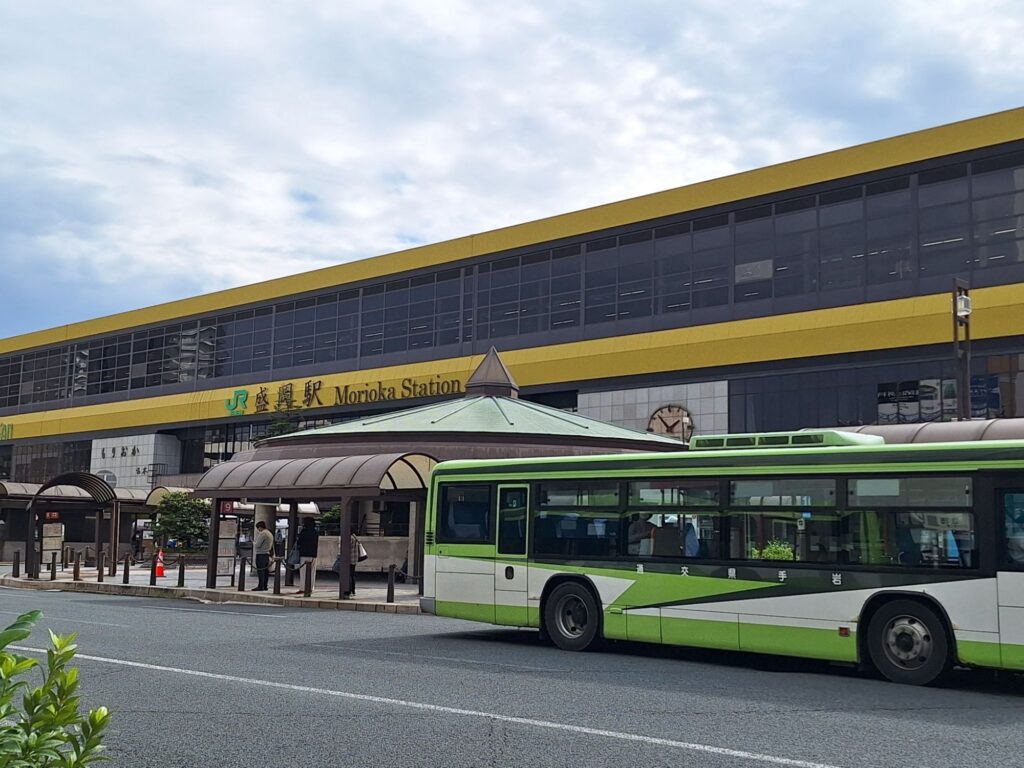
Travellers moving onward from previous stops on their Tohoku itinerary—such as Hiraizumi—can easily access Morioka via regional rail lines or the Shinkansen network:
- From Hiraizumi or Ichinoseki (By Local Train or Shinkansen): Catch a northbound local or rapid service on the JR Tohoku Main Line from Hiraizumi Station. The journey north to Morioka Station takes roughly an hour to an hour and twenty minutes.
- Directly from Tokyo (By Shinkansen): Travellers heading straight north from Tokyo Station can board the Tohoku Shinkansen “Hayabusa” bullet train, arriving directly at Morioka Station in just over 2 hours and 10 minutes.
- By Highway Bus (Overnight or Daytime Services): Long-distance highway buses connect major hubs like Tokyo (Shinjuku or Tokyo Station) directly to Morioka. While the journey takes longer than the Shinkansen, overnight or daytime bus services offer a budget-friendly alternative or a chance to travel while you sleep, depending on your preferred travel style and schedule.
Our Itinerary: Seamless Transitions and City Exploring
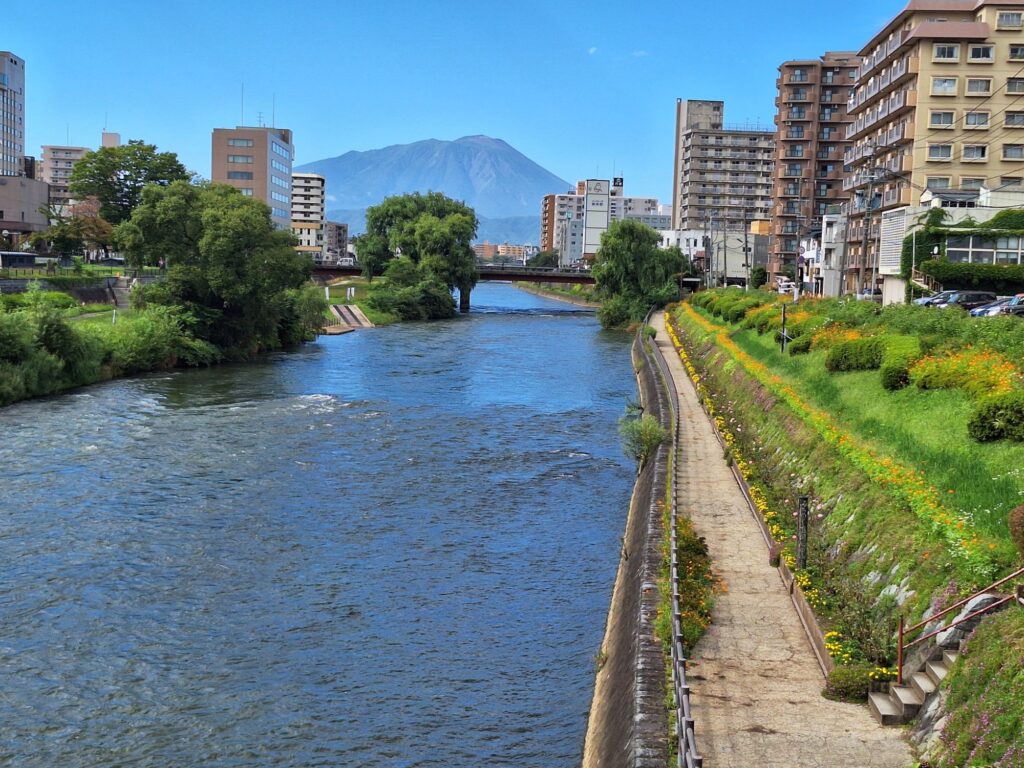
For our Tohoku journey, we planned our transition to Morioka immediately following our afternoon exploration of Hiraizumi, catching a direct regional train northward to settle in for an overnight stay.
Upon arriving at Morioka Station, our first step is checking into our hotel to drop off our bags. Once we are mobile, we set out on foot. Morioka’s core attractions—including the castle ruins, riverside walks, and historic shopping arcades—are remarkably close together, making it an easy place to explore without a car. In the evening, we plan to unwind by sampling the city’s legendary culinary triad: Morioka cold noodles (reimen), bite-sized wanko soba, or savory jajamen.
[Related Articles]
➡ 2-Week Tohoku Itinerary in September: A Slow-Paced Couple’s Backpacking Guide
➡ Hiraizumi 1 Day Itinerary: Visiting Japan’s UNESCO World Heritage Town by Public Transport and Walking
Why We Chose to Visit Morioka: History, Craft, and Literary Giants
Including Morioka in our 13-day Tohoku itinerary was an easy decision, driven by its unique combination of feudal castle charm, vibrant local craftsmanship, and profound literary heritage.
Spotlight: Why is Nanbu Ironware so Famous in Morioka?
To understand Morioka’s cultural identity, one must look at Nanbu ironware (Nanbu tekki), a traditional craft celebrated worldwide for its exceptional durability and rustic beauty. This thriving industry was born directly from the region’s extraordinary natural blessings. Historically, the Kitakami River basin yielded high-quality iron sand, while the surrounding mountain forests provided an endless supply of timber for making charcoal. In short, the iron ore and the fuel required to melt it were found in the exact same region, creating the perfect casting environment. When the local Nanbu lord invited skilled casting masters from Kyoto in the early 17th century, the technique blossomed. While modern manufacturing has evolved beyond local mining, generations of artisans have proudly kept these 400-year-old techniques alive.
Literary Footprints: Kenji Miyazawa and Takuboku Ishikawa
Morioka is also famously revered as a sanctuary of modern Japanese literature, closely linked to two extraordinary figures whose works continue to shape the nation’s cultural imagination:
- Takuboku Ishikawa (1886–1912): A brilliant and melancholic poet who spent his formative teenage years living in boarding houses while attending middle school in Morioka. Walking these same streets ignited his poetic soul, eventually inspiring his deeply moving tanka poetry that captures the eternal heartache of youth and longing for one’s rural homeland.
- Kenji Miyazawa (1896–1933): Though born nearby in Hanamaki, Kenji spent his young adult years studying geology and agriculture at the Morioka Higher Agriculture and Forestry School (now part of Iwate University). The striking landscapes of the Kitakami River and the imposing peak of Mount Iwate served as the vivid, emotional backdrop for his beloved fairy tales and ecological poems, which remain staples of Japanese literature today.
Tying these cultural threads together with an appetite for the city’s famous noodle dishes make Morioka an unmissable destination for our travels.
Conclusion
Exploring Morioka without a car is remarkably straightforward, offering a rewarding blend of walkable history, gorgeous riverside scenery, and rich cultural traditions. Whether you are admiring the craftsmanship of centuries-old ironware, retracing the steps of legendary poets, or simply enjoying the local culinary scene, Morioka makes for an unforgettable stop in northern Japan.
➡ Back to Tohoku Travel Guide
Comment