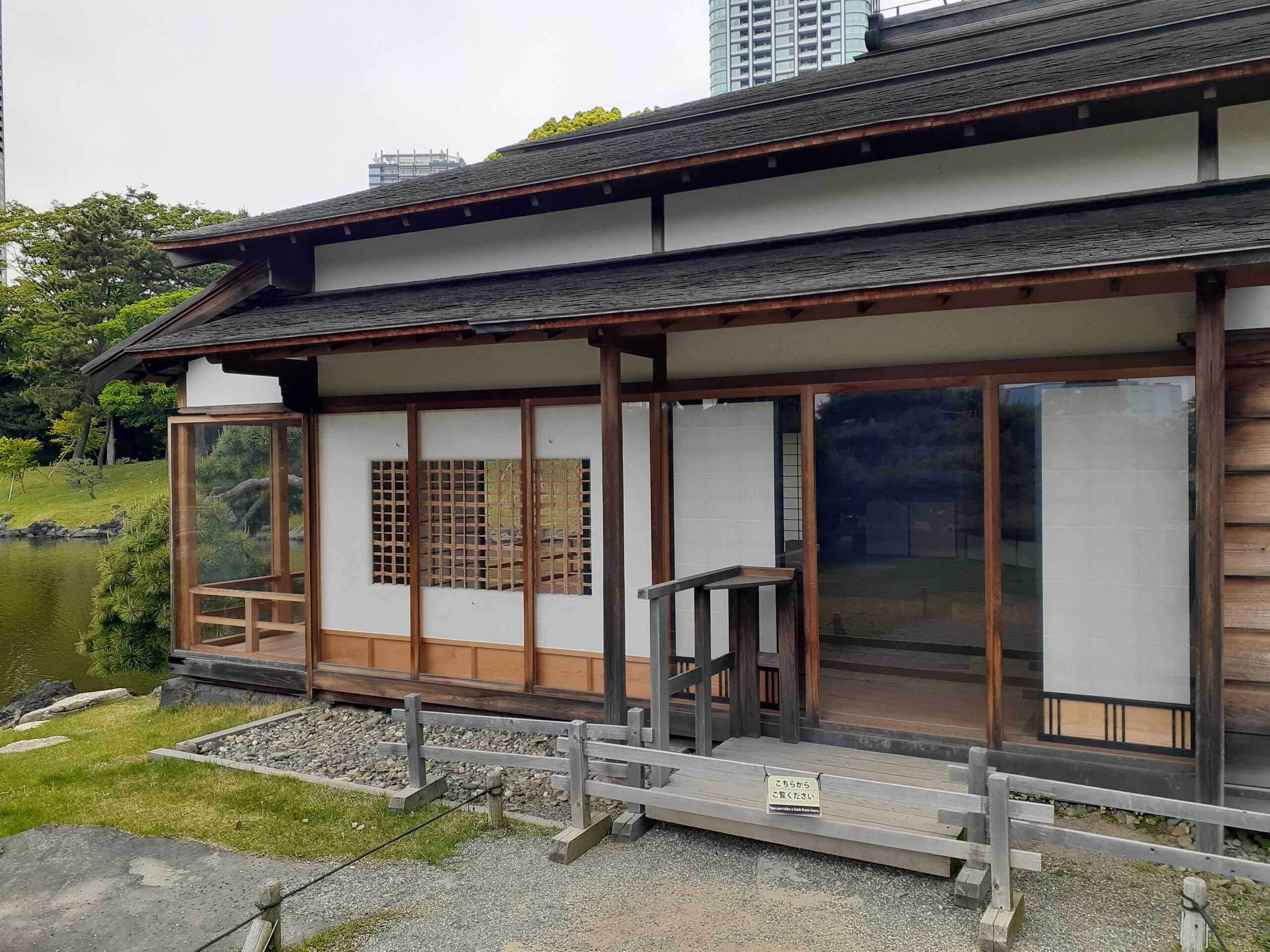
Planning a trip to Japan involves a ton of logistics—booking rail passes, securing eSIMs, and mapping out itineraries from bustling Tokyo to the quiet, forested regions of Tohoku. But there is another, often overlooked side to Japan travel prep: cultural and mental preparation.
As we prepare for our upcoming slow-travel expedition to Japan, Mai shared with me a fascinating word which is deeply embedded in modern Japanese vocabulary: Danshari (断捨離).
While many in the West view it as a trendy Japanese decluttering or minimalist method—often compared to Marie Kondo’s “spark joy”—Danshari goes much deeper. It is a living, breathing Zen philosophy of emotional liberation and letting go.
In this guide, we’ll explore the true meaning of Danshari, its roots in ancient Buddhist concepts like Hōgejaku, and how applying this mindset to your packing and travel expectations will completely transform your journey to Japan.
What is Danshari? The True Meaning Beyond Decluttering
In modern Japan, Danshari isn’t a dusty academic concept; it’s a standard part of everyday life. You will frequently hear locals say they need to “Danshari their smartphone apps” or “Danshari their closets.”
While it looks like standard tidying on the surface, the word itself is derived from three strict characters in Yoga philosophy, each offering a practical roadmap for mindful living:
- Dan (断) — Refuse: Cutting off the influx of unnecessary items into your life (e.g., turning down free promotional novelties or resisting impulse sales).
- Sha (捨) — Discard: Physically releasing the clutter you already possess that no longer serves your present self (e.g., donating clothes unworn for over a year).
- Ri (離) — Detach: Transcending the emotional attachment to material things, freeing yourself from the paralyzing mindset of “what a waste” or “I might use this someday.”
Ultimately, Danshari is about switching from a “material-centric” mindset to a “self-centric” mindset: asking not “Can this object still be used?” but “Is this object empowering my life right now?”
The Ancient Roots: From Danshari to Zen Buddhism and Hōgejaku
Why did a modern word like Danshari integrate so seamlessly into Japanese culture? Because the cultural soil was already enriched by centuries of Zen Buddhism.
To understand the Japanese mindset before you visit, you must understand how they view Attachment. In Buddhist philosophy, emotional and physical clutter are one and the same; holding onto objects we don’t need is a reflection of a heavy, anxious mind.
There are two profound Buddhist concepts that serve as the spiritual backbone of Danshari:
1. Hōgejaku (放下著) — “Throw It Down”
This ancient Zen phrase translates simply to “Let it go” or “Throw it down.” It is a spiritual command to strip away the mental noise, past grudges, and future anxieties. When a Japanese person practices Danshari, they are practicing a secular version of Hōgejaku—recognizing that physical space clears mental space.
2. Shōyoku Chisoku (少欲知足) — “Few Desires, Ample Satisfaction”
This concept teaches that true contentment does not come from accumulating more, but from realizing that what you currently have is already enough. It is the core philosophy behind authentic Japanese minimalism.
Seeing the Philosophy: Ma (余白) in Western vs. Japanese Art
To truly visualize how this philosophy shapes the Japanese worldview, we can look at the stark contrast between traditional Western and Japanese paintings.
- Western Oil Paintings: Historically, artists sought to fill every square inch of the canvas. Spaces are packed with detail, layered textures, and light, finding beauty in completion and abundance.
- Traditional Japanese Art (Nihonga): A masterpiece might feature nothing but a single brush-stroked flower branch resting in a vast sea of empty, unpainted silk, or a misty mountain fading into blank space.
To a Western eye, this might look unfinished. But to the Japanese, this empty space is “Ma” (間 / 余白)—the expressive power of nothingness.
The artist intentionally leaves the canvas blank to invite the viewer’s imagination inside. It creates a feeling of spaciousness, clarity, and comfort. By practicing Danshari, the Japanese create physical Ma in their homes, allowing peace and clarity to flow.
How to Apply Danshari to Your Japan Travel Prep
Understanding Ma and Hōgejaku completely changes how you should prepare for your journey to Japan. Here is how we are integrating this philosophy into our travel logistics:
- Embrace Minimalist Packing: Instead of heavy suitcases packed with “just-in-case” items, opt for a strict carry-on-only strategy. Travelling light frees you from airport logistics and aligns with the local lifestyle.
- Go Digital to Reduce Clutter: Streamline your connectivity by swapping physical SIM cards for a global eSIM, and keep your travel documents organized digitally.
- Practice Mental Hōgejaku: The most important thing to leave behind isn’t physical baggage; it’s rigid expectations. Leave room in your itinerary for spontaneity. By arriving in Japan with “empty hands,” you create the mental Ma required to fully absorb the magic of the local culture, whether walking through a Zen garden in Kyoto or exploring the quiet trails of Tohoku.
Before you pack your bags, ask yourself: What mental or physical clutter can you throw down today to make room for your next great adventure?
※ “Danshari” is a registered trademark of Hideko Yamashita. This article explores the cultural and philosophical background of the concept for educational and travel purposes.
Comment