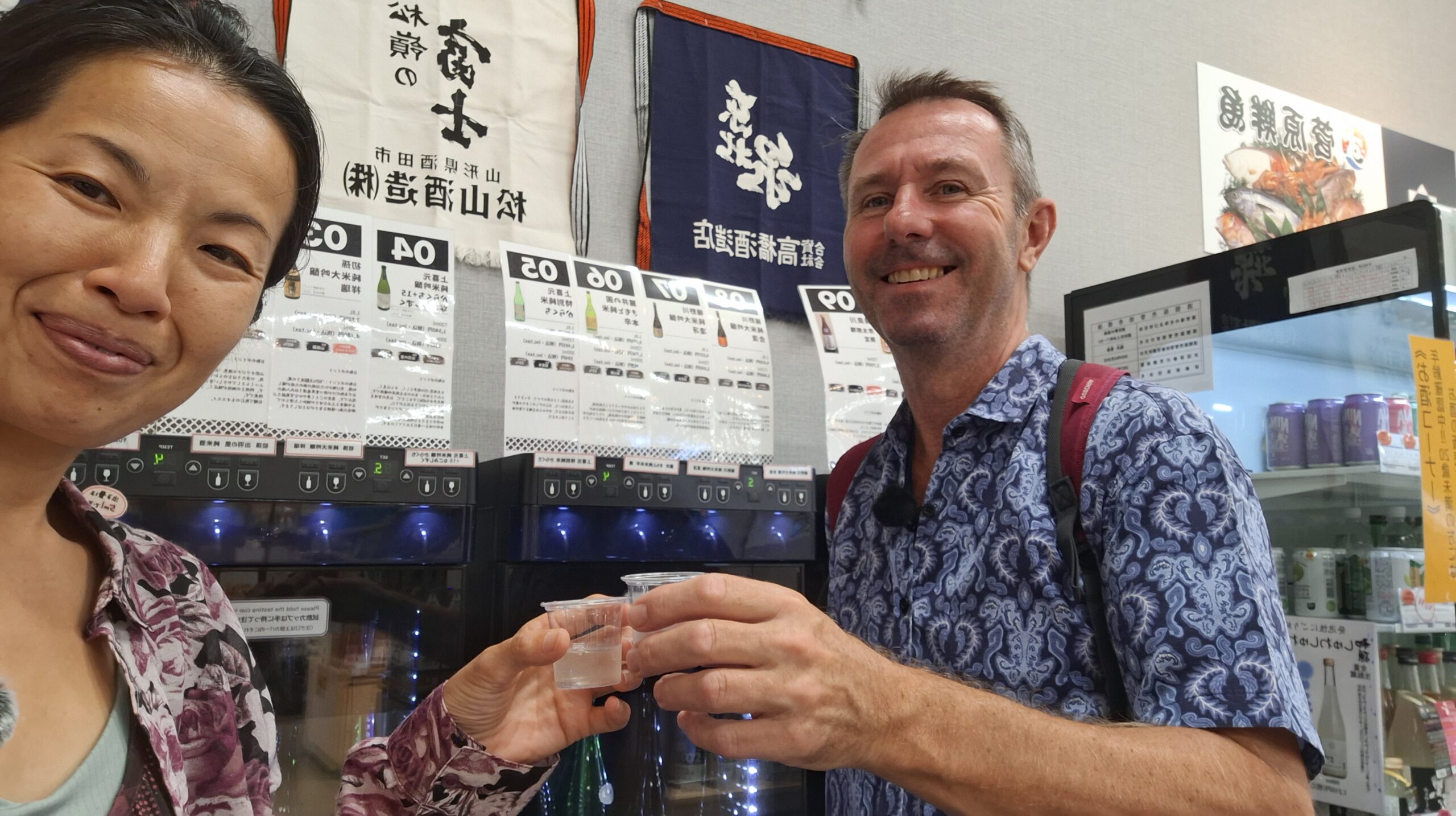
Planning a city-walking itinerary to explore Sakata using only public transport and walking is a brilliant way to experience the rich coastal heritage of Yamagata Prefecture. Facing the Sea of Japan, Sakata flourished historically as a major trading hub for kitabune coastal cargo vessels, leaving behind a unique merchant culture and stunning architecture. By combining express trains, local railways, and walking, you can fully enjoy the town without needing a car.
In this travel blueprint, I share our planned route for visiting Sakata alongside my wife, Mai, as part of our extended 13-day backpacking journey across Tohoku together. From historical rice storehouses lined with zelkova trees and opulent merchant mansions to local sake-tasting spots and delicious regional ramen, we have put together a practical guide for experiencing the port town entirely on foot.
🇯🇵 この記事を日本語で読む: 酒田1日観光モデルコース【地図付き】
- Sakata 1 Day Itinerary Map
- What is Sakata?
- Sakata Station Attractions and Essential Visitor Information
- Sankyo Warehouses: Zelkova-Lined Avenues and Historic Rice Storehouses
- Sakata Yumenokuraku (Tourist Product Hall): Sake Tasting and Shonai Souvenirs
- Honma Family Old Residence: The Estate of Japan’s Leading Landowners
- Soma-ro: Traditional Restaurant Culture and Graceful Maiko Dances
- Hiyoriyama Park: Historic Hill Overlooking the Sea of Japan and Mogami River
- Sakata City Museum of Art: Modern Architecture Framing Mount Chokai
- Sakata Gourmet Highlights (Seafood, Ramen, and Local Sake)
- How to Get to Sakata: From Tokyo, Akita, and Beyond
- Our Itinerary: Seamless Transitions and Port Town Exploring
- Why We Visit Sakata: Merchant Heritage and Coastal Atmosphere
- Conclusion
Sakata 1 Day Itinerary Map
Below is the map of the sightseeing spots included in this itinerary.
➡ 2-Week Tohoku Itinerary in September: A Slow-Paced Couple’s Backpacking Guide
What is Sakata?
Located in the northern Shonai region of Yamagata Prefecture, Sakata sits at the convergence of the Mogami River and the Sea of Japan. During the Edo and Meiji periods, it prospered immensely as a vital hub of water transport and commerce, earning renown as a leading economic center on the Sea of Japan coast.
The deep cultural legacy built by wealthy historical merchants remains proudly intact throughout the town. The central area around the station offers a calm, welcoming atmosphere, allowing visitors to easily step off the train and discover historic warehouses, samurai-style residences, fresh seafood, local sake, and comforting ramen.
Sakata Station Attractions and Essential Visitor Information
Here are the key spots to include when navigating Sakata on foot and via public transport.
Sankyo Warehouses: Zelkova-Lined Avenues and Historic Rice Storehouses
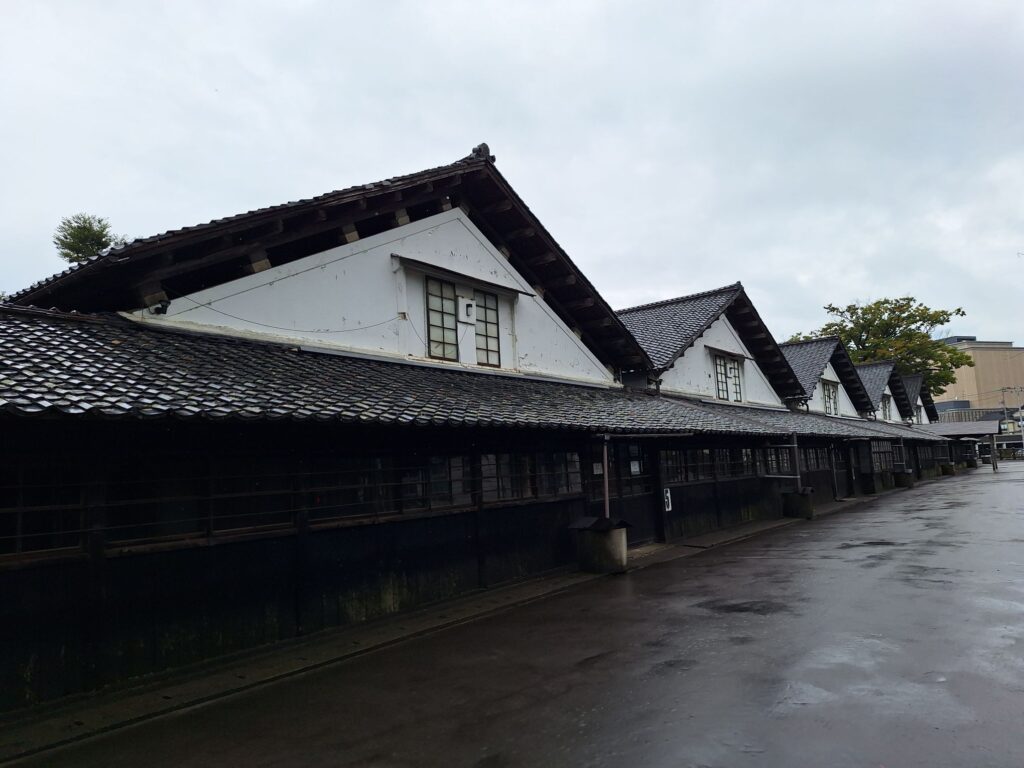
Located about a 15 to 20-minute walk from Sakata Station, these historic agricultural storehouses were built in 1893 and remain in active service today. The white-walled, mud-plaster buildings are shaded by a magnificent canopy of towering zelkova trees, creating one of Sakata’s most iconic and photogenic scenes. The site also features the Shonai Rice History Museum and a tourist product hall, making it a wonderful stop for local souvenirs.
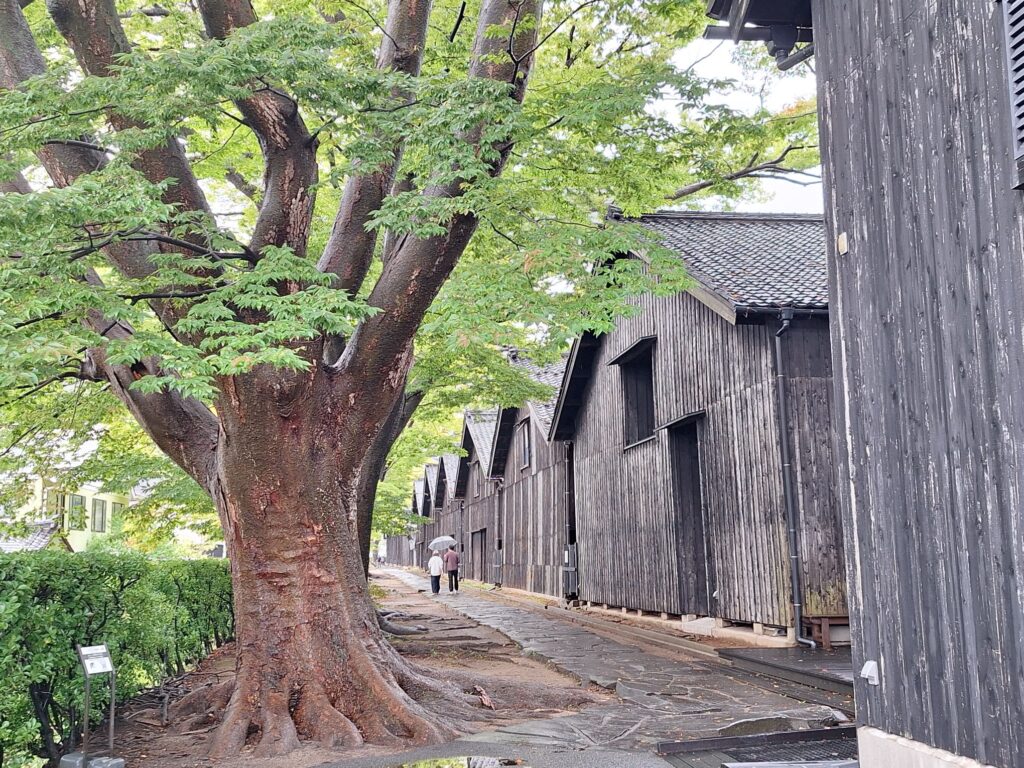
- Admission Fee: Warehouse grounds are free to enter (museum exhibits: adults approx. 300 JPY)
- Closed: Museum is open year-round (individual facility hours may vary)
Sakata Yumenokuraku (Tourist Product Hall): Sake Tasting and Shonai Souvenirs
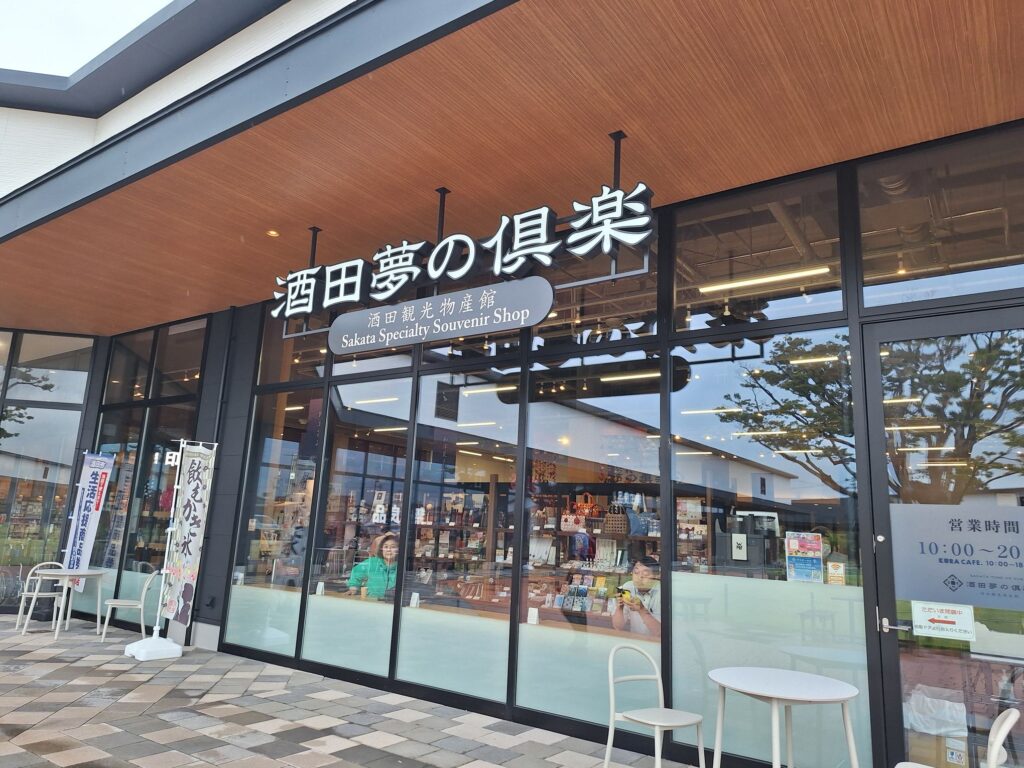
Situated within the Sankaiko warehouse complex (or right next to it), this hub for local culture and tourism showcases a broad selection of Sakata’s finest regional sake brands, such as Hatsumago and Jokigen. Visitors can enjoy casual sake tastings and flights right inside the facility, making it the perfect spot to discover new brews or pick up local mementos.
- Admission Fee: Free entry (tastings and purchases are pay-as-you-go)
- Closed: Year-end holidays (please check local schedules)
Honma Family Old Residence: The Estate of Japan’s Leading Landowners
A 10-minute walk from the Sankaiko warehouses (roughly 25 minutes on foot from Sakata Station). This sprawling compound belonged to the Honma family, who reigned as extraordinarily wealthy merchants during the Edo period. Combining the formal dignity of samurai architecture with refined Kyoto-style sukiya aesthetics, the estate even hosted the Emperor during the Meiji era. It offers a fascinating look at the immense economic scale of Sakata’s coastal trade era.
- Admission Fee: General admission approx. 600 JPY
- Closed: Year-end holidays (please check local schedules)
Soma-ro: Traditional Restaurant Culture and Graceful Maiko Dances
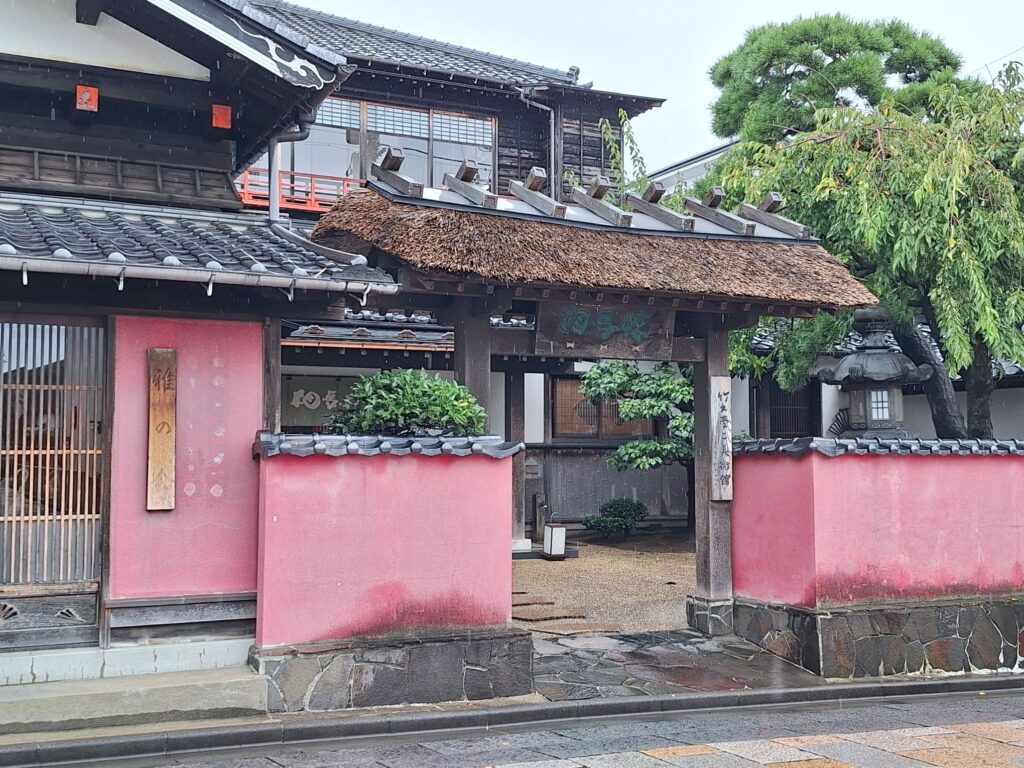
Just a short walk from the Honma family residence, Soma-ro is a beautifully restored historic wooden building that once operated as a premier traditional restaurant (ryotei). Featuring striking vermillion staircases and delicate latticework, the interior provides an opportunity to witness the graceful dances of Sakata’s traditional maiko apprentice entertainers when schedules align.
- Admission Fee: General interior viewing approx. 1,000 JPY
- Closed: Wednesdays (please check local schedules)
Hiyoriyama Park: Historic Hill Overlooking the Sea of Japan and Mogami River
Located a 25 to 30-minute walk from Sakata Station (and within a 10-minute walk from the Honma residence), this historic park spans a coastal bluff overlooking the sea. The grounds feature historic landmarks, including one of Japan’s oldest wooden hexagonal lighthouses, directional stone markers, and miniature merchant shipping models. It serves as a breathtaking viewpoint for watching ships and admiring sunsets over the Sea of Japan.
- Admission Fee: Free to enter (open access)
- Closed: Open 24/7
Sakata City Museum of Art: Modern Architecture Framing Mount Chokai
Situated a little further from the station, this cultural destination is accessible via local bus, taxi, or bicycle hire. Set against the magnificent backdrop of Mount Chokai, the museum houses a high-quality collection focused on photography and print art within a tranquil, contemporary space.
- Admission Fee: Varies by special exhibition
- Closed: Mondays (or the following weekday if a national holiday)
Sakata Gourmet Highlights (Seafood, Ramen, and Local Sake)
- Fresh Seafood: The port area and local eateries offer exceptional sushi and dishes prepared with ultra-fresh catches straight from the Sea of Japan.
- Sakata Ramen: A beloved local specialty defined by a delicate, deeply satisfying broth infused with dried fish and flying fish (chinpi or yakidashi stock), offering a clean yet profoundly rich flavour.
- Local Sake Pairing: Blessed with pristine water and top-tier rice, Sakata’s local pubs and sushi shops invite you to pair exceptional seafood and ramen with outstanding regional brews.
How to Get to Sakata: From Tokyo, Akita, and Beyond
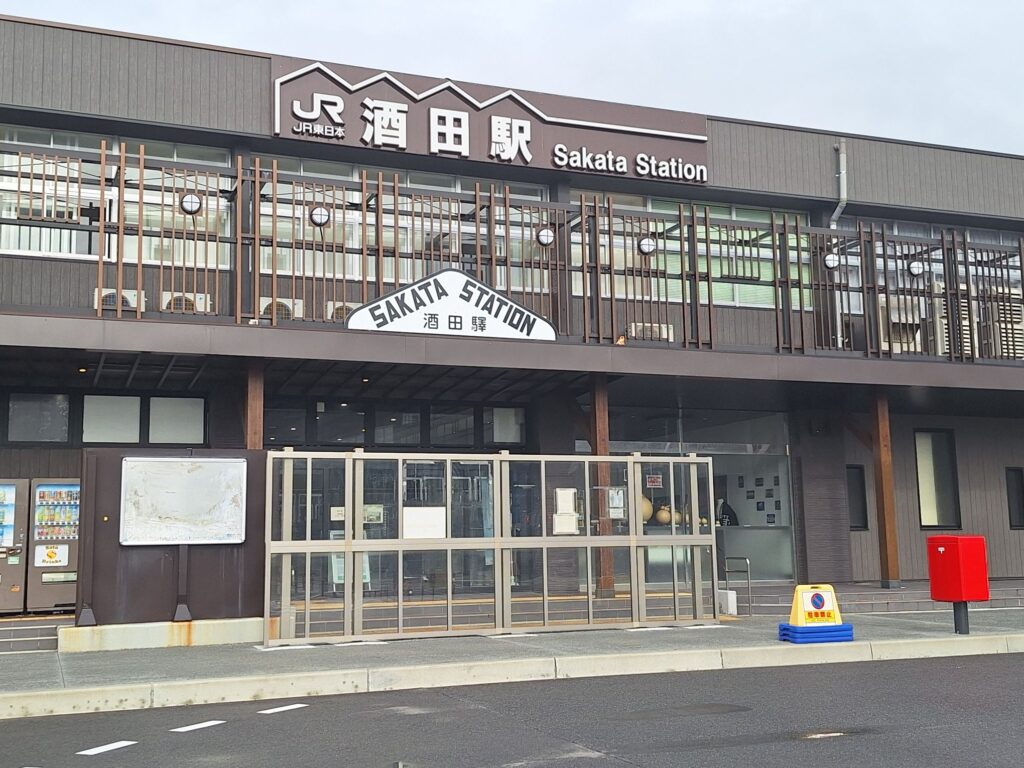
Getting to Sakata is straightforward, with a variety of efficient transport options depending on your departure point and travel style:
1. From Tokyo
- Shinkansen & Limited Express Inaho Route (Highly Recommended):
- Take the Joetsu Shinkansen from Tokyo to Niigata, then transfer to the limited express Inaho train running north along the coast. This smooth journey treats passengers to stunning coastal views of the Sea of Japan and takes roughly 4 to 4.5 hours.
- Direct Overnight Highway Bus (Yuyugo):
- Direct overnight sleeper buses run from Tokyo Station (Marunouchi North Exit) and Busta Shinjuku straight to the Shonai region (Tsuruoka and Sakata). It is a popular choice for independent travellers wanting to maximize their time by arriving bright and early in the morning (journey time: roughly 7 to 8.5 hours overnight).
2. From Akita
- Limited Express Inaho (Fast and Comfortable):
- If you are travelling down from Akita, you can board the JR Inaho limited express directly to Sakata Station without any transfers. The journey takes around 1 hour 20 minutes to 1.5 hours. While departures are limited to a few times a day, catching this service makes for a very swift and comfortable connection.
- Local Trains (Regional Services):
- If your schedule does not align with the limited express, or if you prefer a leisurely journey taking in local rural scenery and coastal views from ordinary regional cars, you can hop between local trains on the Uetsu Main Line (taking roughly 2.5 to 3 hours including transfer waits).
[Related Articles]
➡ 2-Week Tohoku Itinerary in September: A Slow-Paced Couple’s Backpacking Guide
➡ Akita 1 Day Itinerary: Best Route for First-Time Visitors Around Akita Station
Our Itinerary: Seamless Transitions and Port Town Exploring
For our Tohoku journey, I planned our route with my wife, Mai, to travel down from Akita via the limited express Inaho or regional trains, arriving smoothly at Sakata Station for a dedicated day of exploring entirely on foot.
Upon stepping out of Sakata Station, the town’s finest highlights are compactly arranged within easy walking distance. After dropping our luggage off at our accommodation or station lockers, we can spend our morning exploring the zelkova-lined Sankaiko warehouses, enjoying a sake-tasting flight at the local product hall, wandering through the historic Honma family residence and Soma-ro, and taking in coastal views at Hiyoriyama Park, all while sampling local ramen and seafood along the way.
Why We Visit Sakata: Merchant Heritage and Coastal Atmosphere
I included Sakata in our extended Tohoku itinerary because the town offers an authentic glimpse into the prosperous trading history of the Sea of Japan coast—from the historic rice storehouses and opulent merchant estates to the vibrant local port culture and exceptional regional sake. Because the core sights are neatly concentrated within walking distance of the station, it provides a rewarding, car-free exploration experience.
Conclusion
Exploring Sakata without a car is remarkably straightforward, offering a delightful mix of historic storehouses, merchant heritage, sake-tasting experiences, and coastal scenery. Whether you arrive via high-speed rail from Tokyo or hop down the coast from Akita, Sakata makes for an unforgettable and accessible stop in northern Japan.
➡ Back to Tohoku Travel Guide
Comment