Are you looking for an authentic, off-the-beaten-path day trip from Tokyo that offers breathtaking views of Japan’s most sacred peak without the tourist commercialism? Nestled in the eastern part of Shizuoka Prefecture, Fuji City (富士市) is a vibrant coastal community where Mount Fuji beautifully dominates the northern skyline from almost every single street corner. For slow-travel enthusiasts and keen hikers, this city serves as a fantastic playground where you can easily weave through lush green tea plantations, explore ancient Japanese burial mounds, and conquer panoramic hilltops entirely on foot.
In this 1-Day Fuji City Walking Guide, we share our firsthand experience mapping out a scenic station-to-station itinerary through the heart of the city. We take you along as we navigate the lovely rose gardens of Fuji Central Park, discover reconstructed 8th-century pit dwellings in Hiromi Park, and tackle the rewarding, steep incline up to the magnificent viewpoints of Iwamotoyama Park. Along the way, we share our honest tips for finding quiet, traffic-free residential paths, tracing local legends like the Karakasa tree, and utilizing a brilliant geographical hack to explore the historic Jisso-ji Temple without having to climb its notoriously exhausting 600-step staircase!
Stop 1: Fuji Central Park and the Cloud-Covered Roses
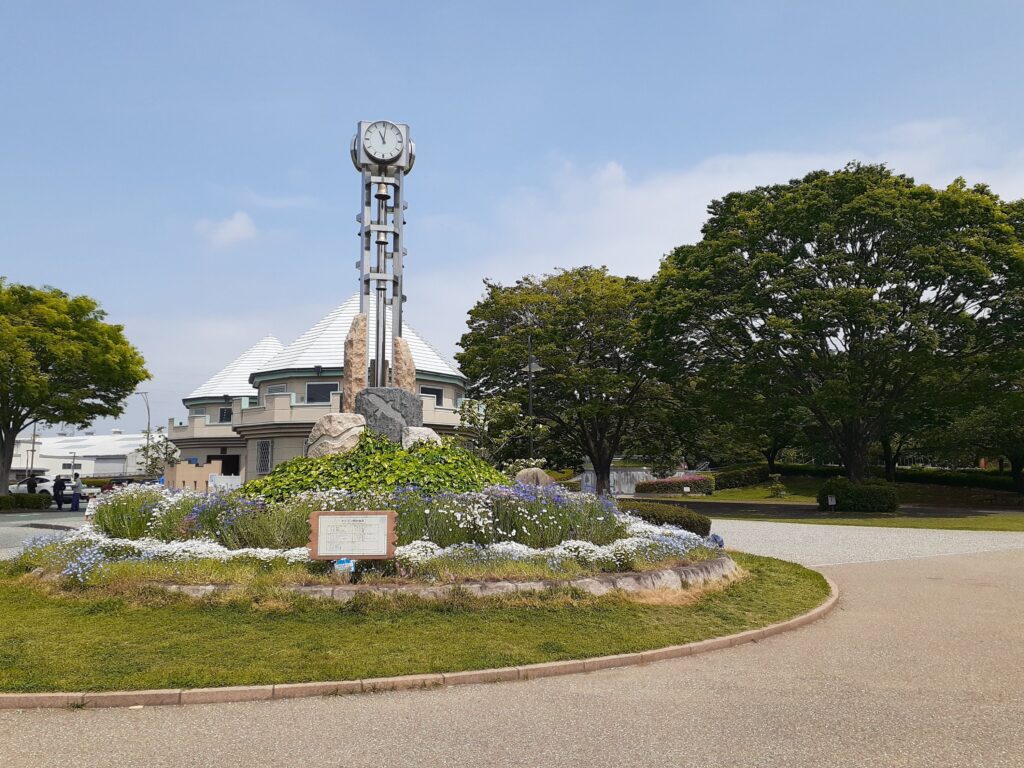
First, we went to Fuji Central Park. The Central Park is divided into two parts across the river.
The triangular part in front of the JR Fuji Station has a clock tower and a rose garden.
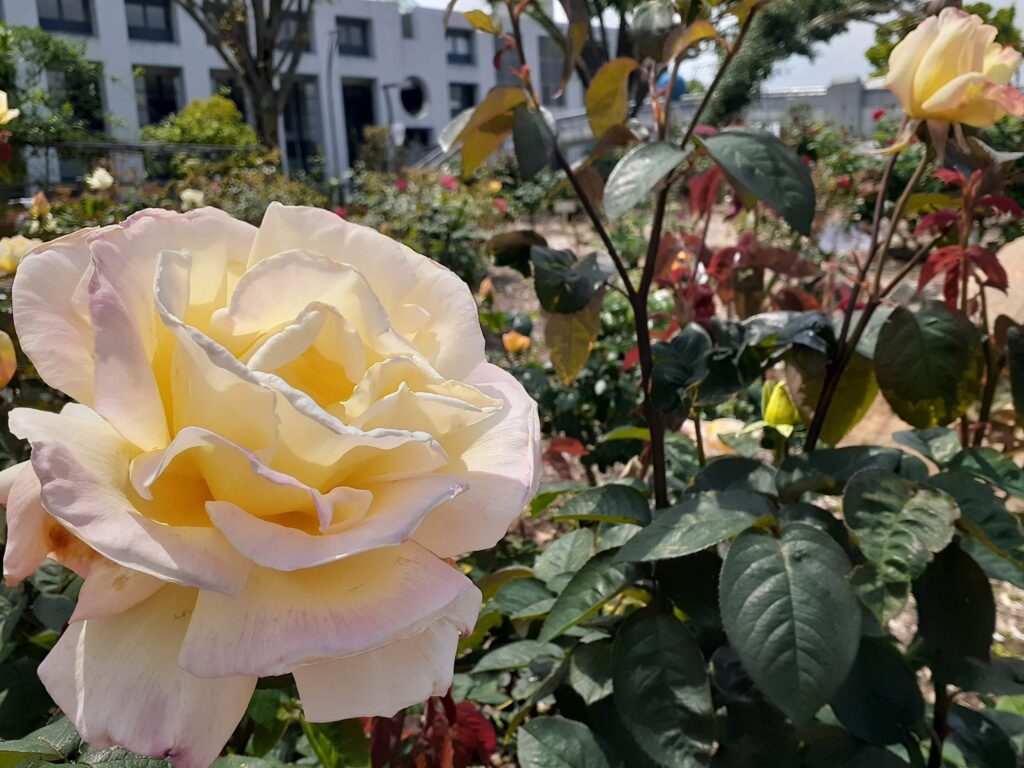
There are many roses planted in the rose garden, and although it was only April, some of the plants had large flowers.
Fuji was supposed to be visible in the background of the rose garden, but it was cloudy at the time and not visible. A pity.
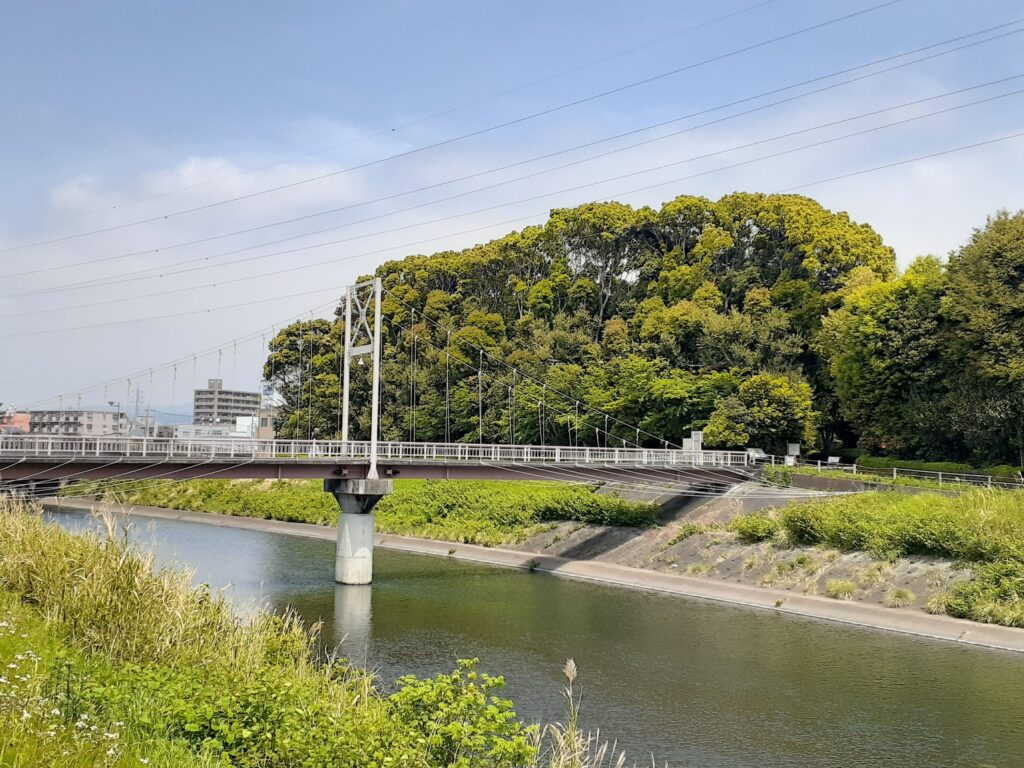
The other side of the river (north-east side) can be reached by crossing a bridge. The north-east side was larger as a site, with an event square and an outdoor stage.
Stop 2: Hiromi Park — A Journey into Ancient Japanese History
After Central Park, the next stop was Hiromi Park.
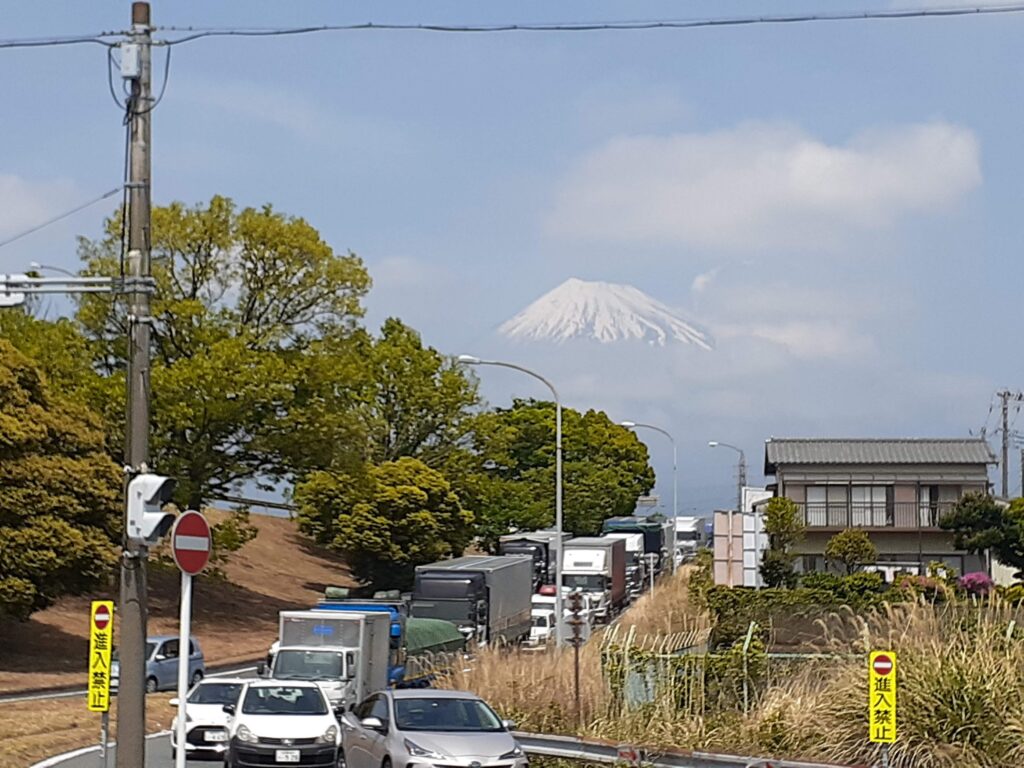
As we walked along, the clouds over Mt Fuji cleared and we could see the summit.
The road to the park was gently uphill. We took the road through a residential area with as little traffic as possible.
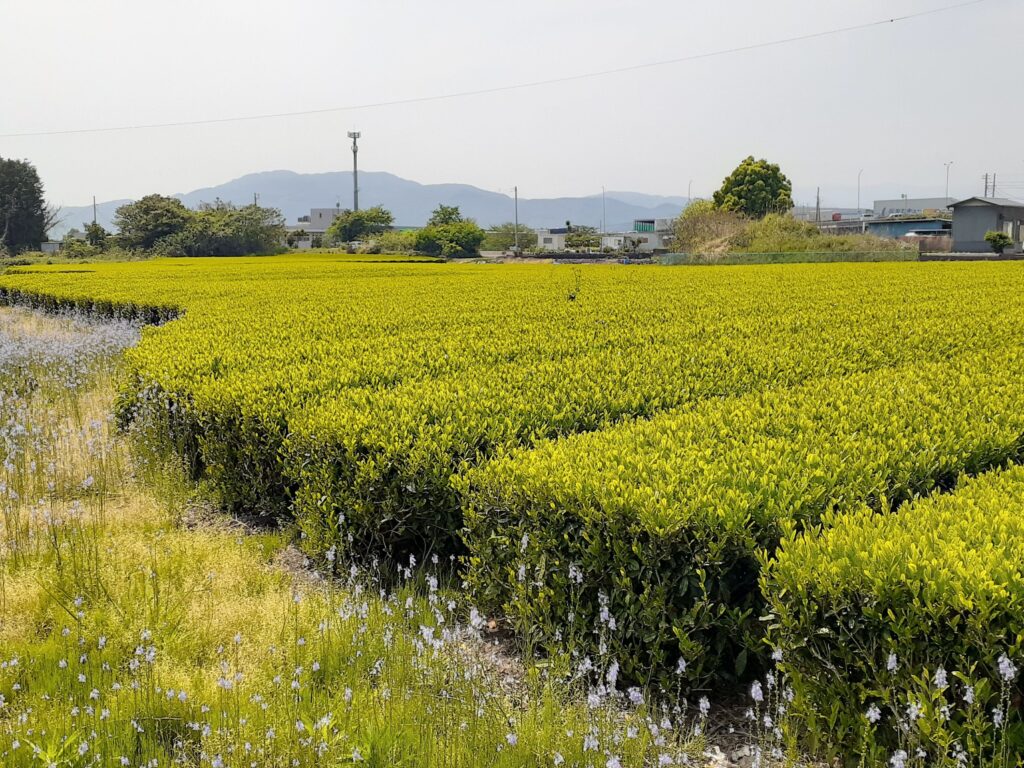
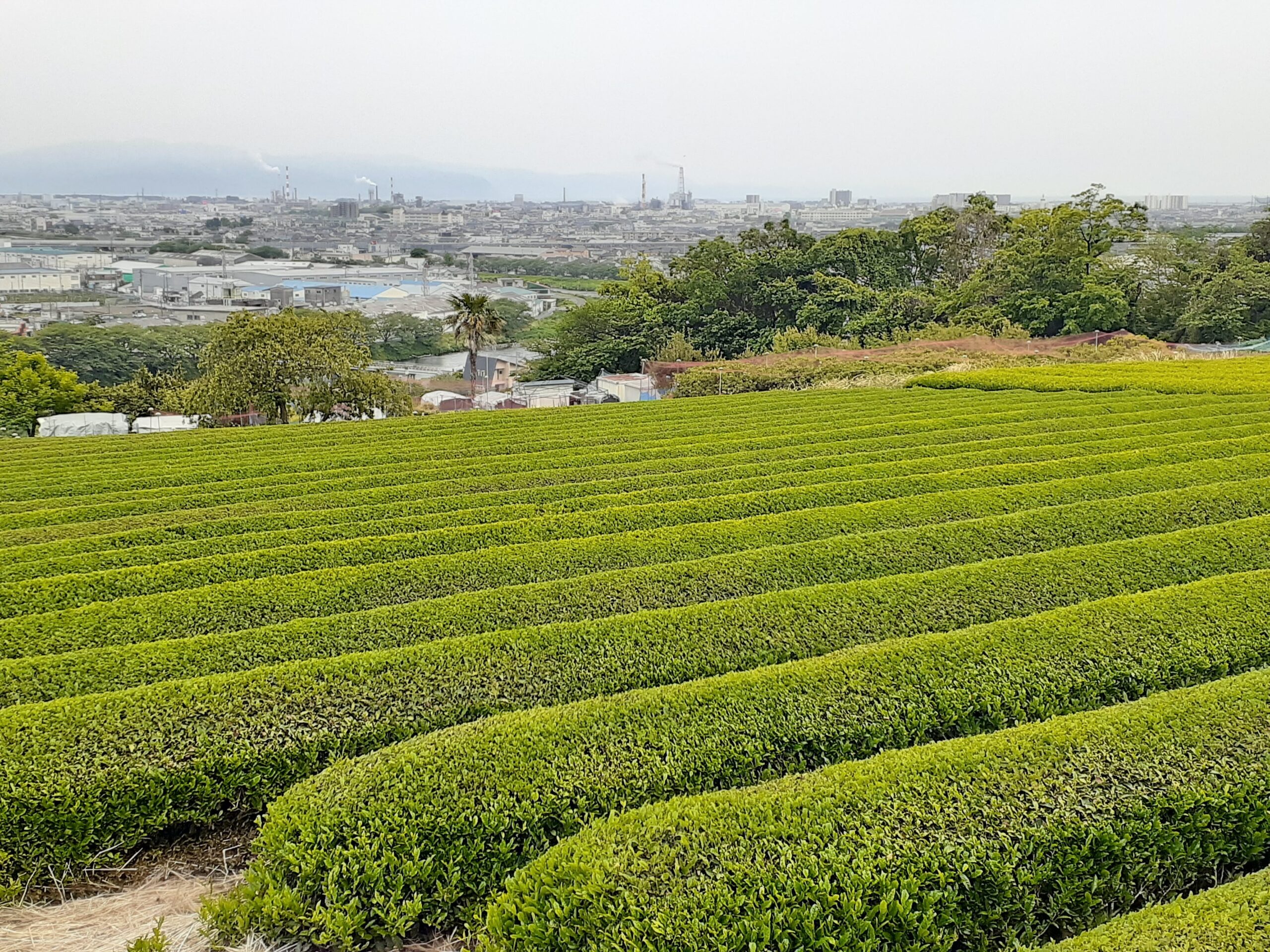
Shizuoka is famous for its tea. We saw several tea fields along the way.
Pit Dwellings, Burial Mounds, and Historic Architecture
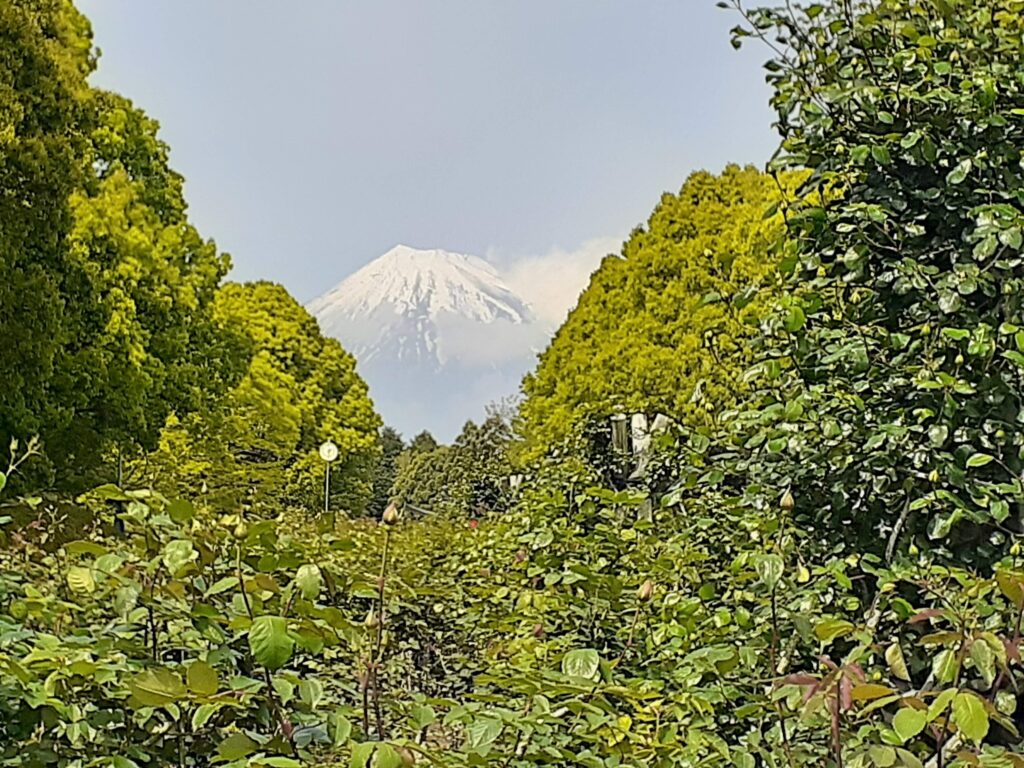
Hiromi Park is not very large, but there are old houses and traditional buildings that are worth seeing. From the rose garden, which is maintained on the slope of the hill, a view of Mt Fuji could be seen.
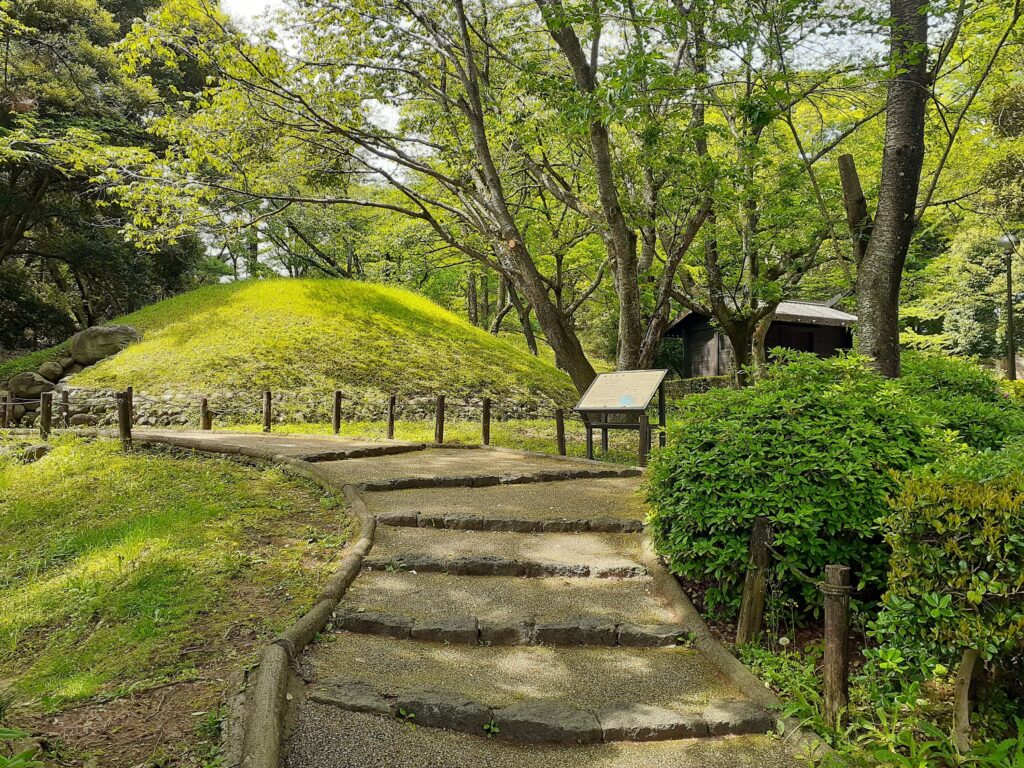
One of the multiple attractions is the burial mounds. The details of whose burial mound it is are not known, but it gives a sense of history.
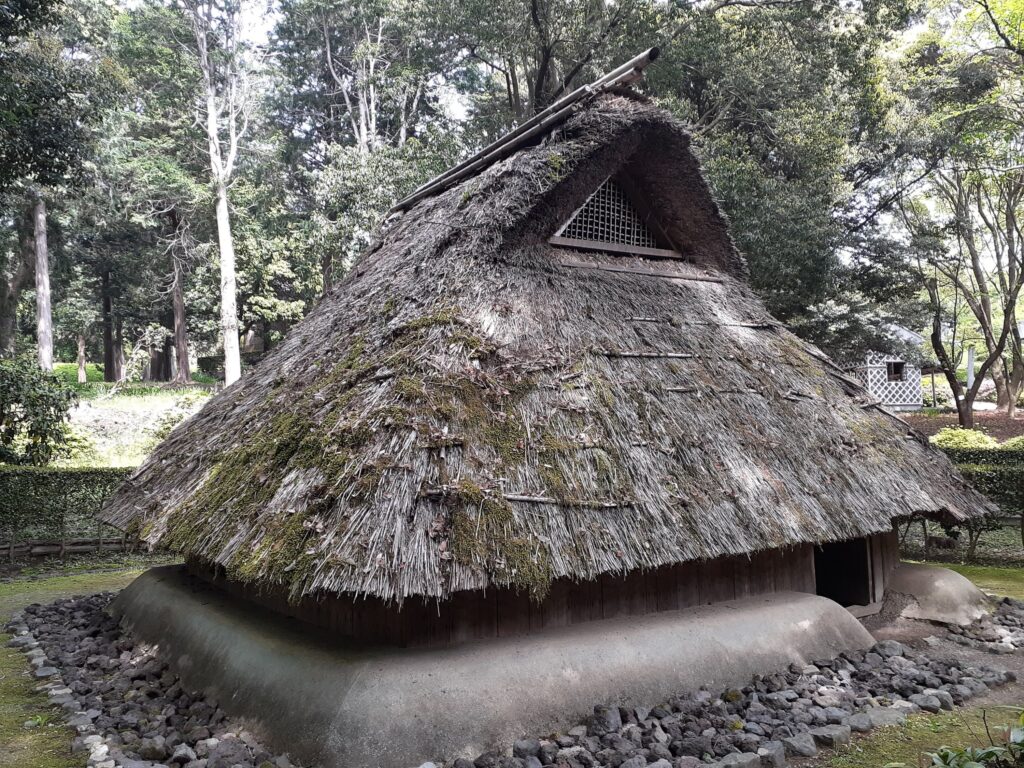
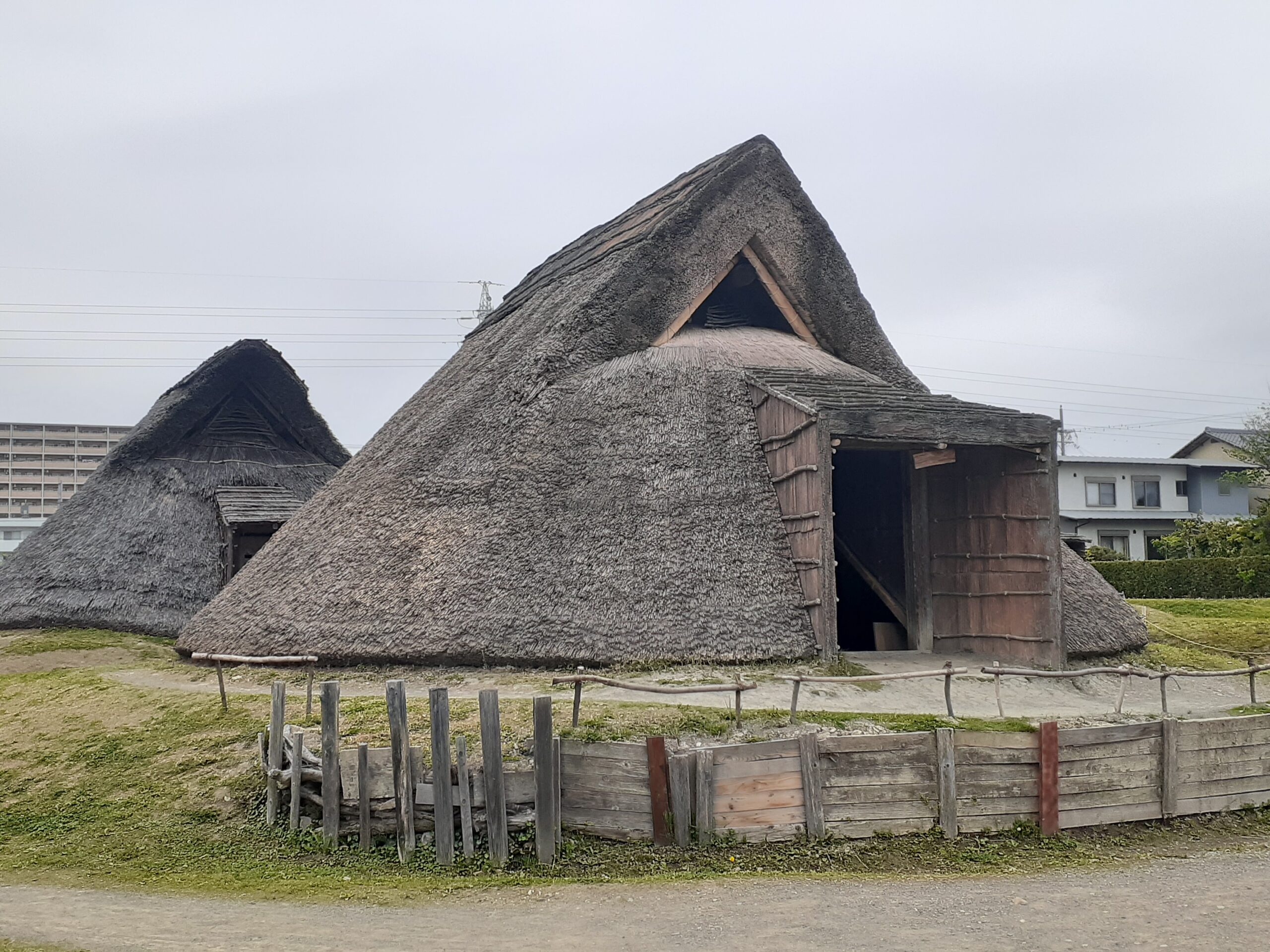
A pit dwelling and a warehouse on stilts from the Nara and early Heian periods (8th-9th century) have been reconstructed here. It was reconstructed based on actual excavations.
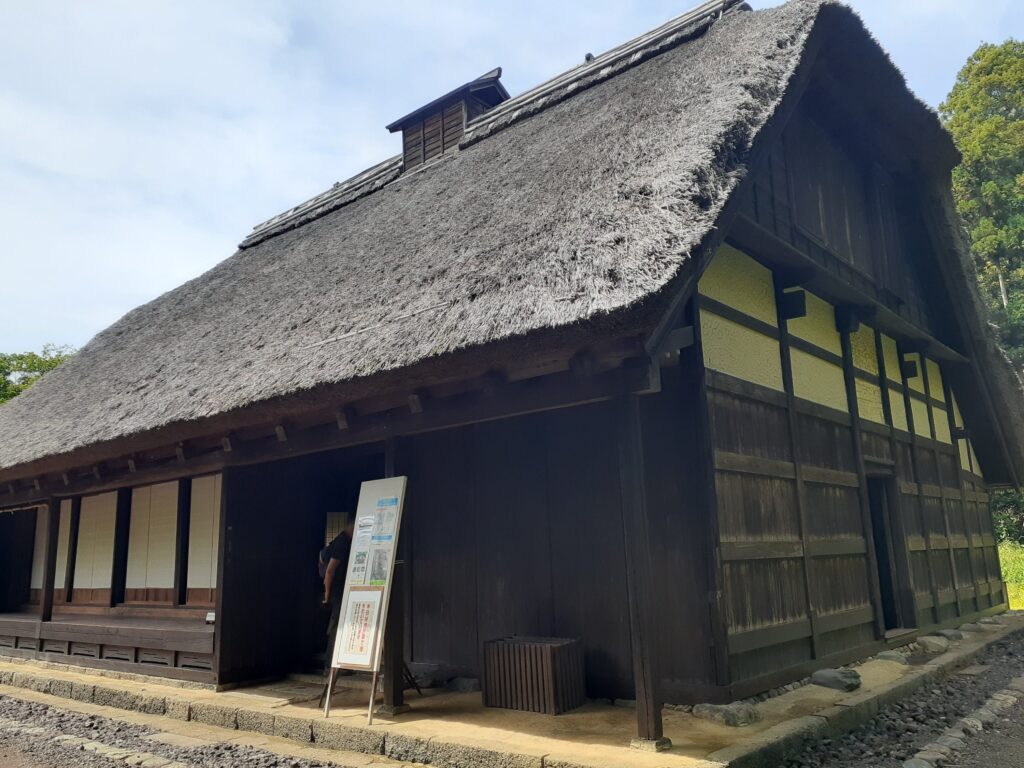
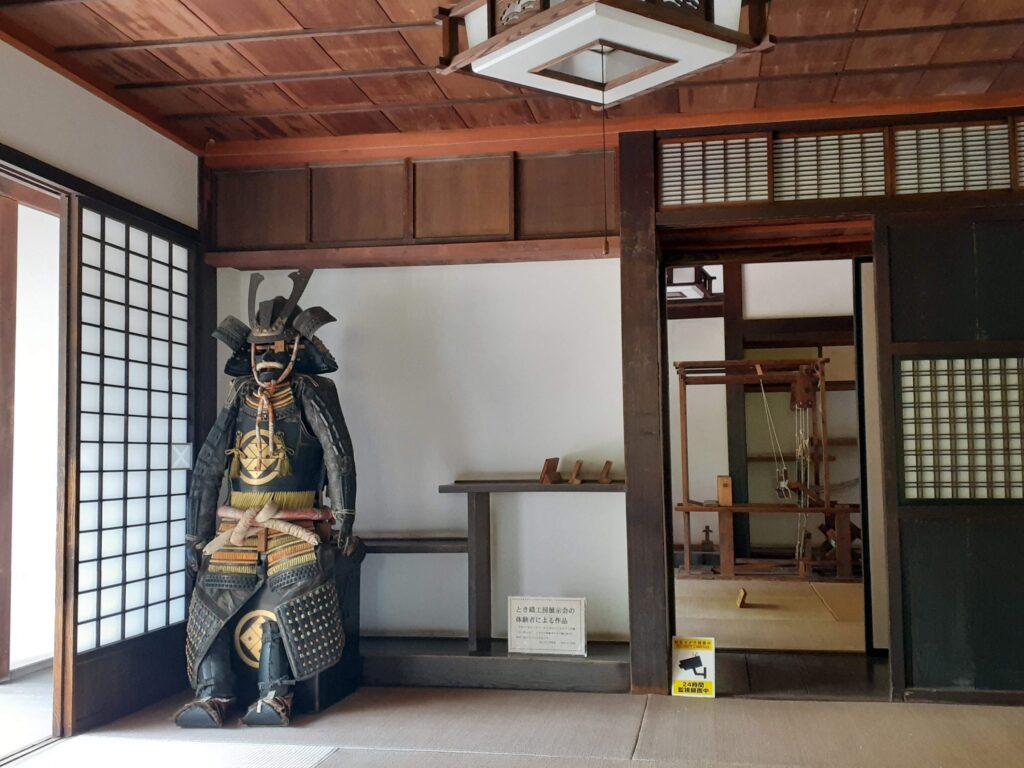
Some buildings date from the 12th and 19th centuries. The different architectural styles of the changing times are vividly displayed.
The Trek to Iwamotoyama Park: Residential Lanes & Steep Climbs
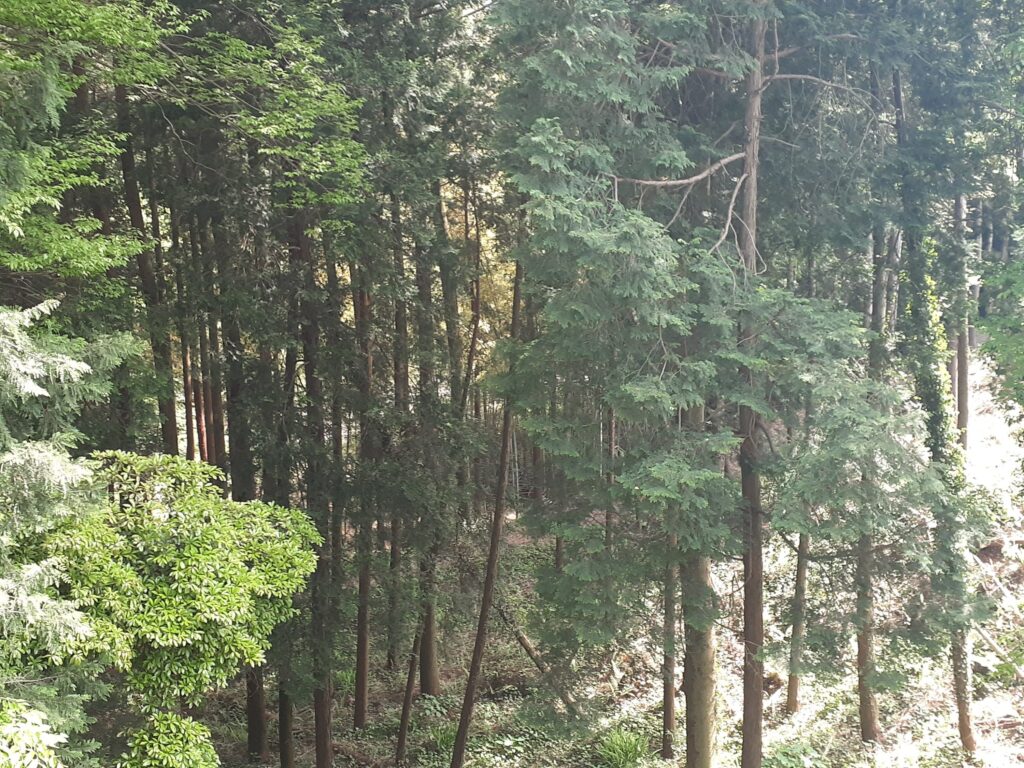
From Hiromi Park, we headed west and walked to Iwamotoyama Park. We chose a small path in a residential area and walked slowly.
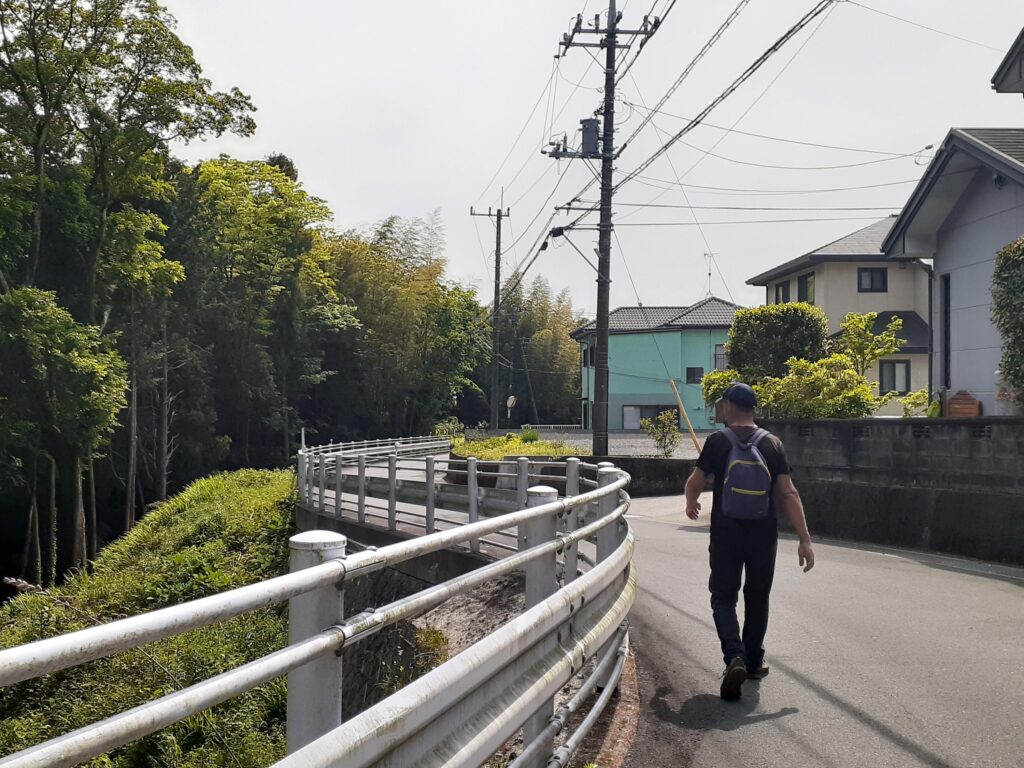
A ‘karakasaki’ tree was found at the end of the path.
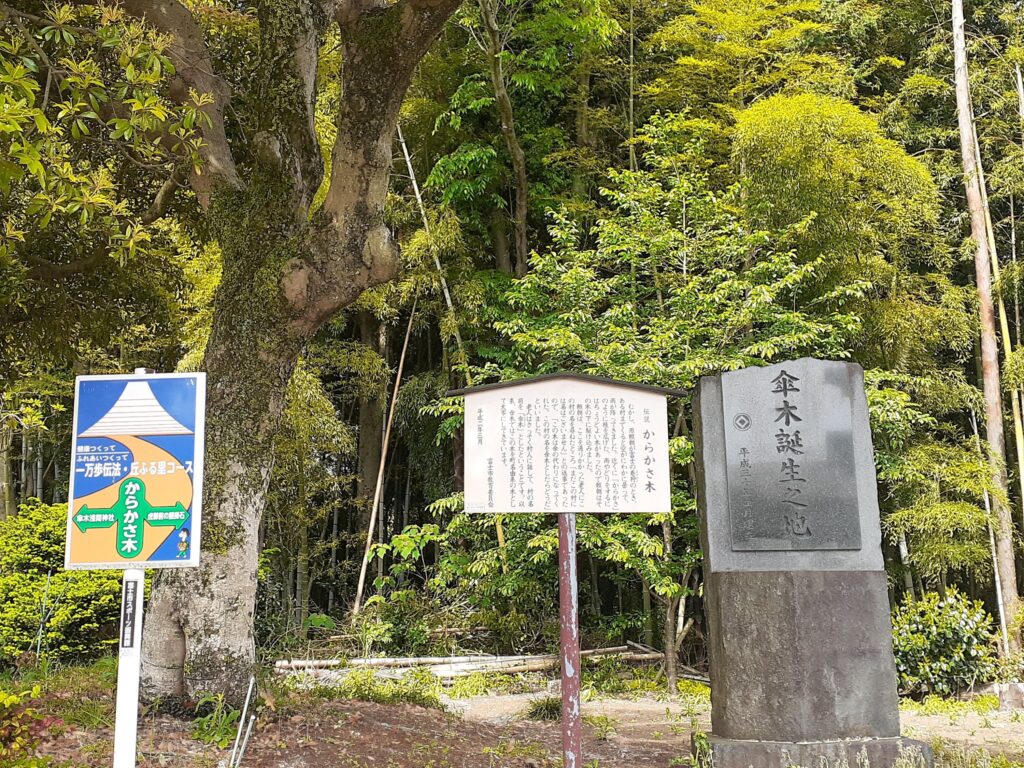
Explains the origin of the name of this settlement.

After descending downhill from Hiromi Park, the path gradually climbs upwards again.
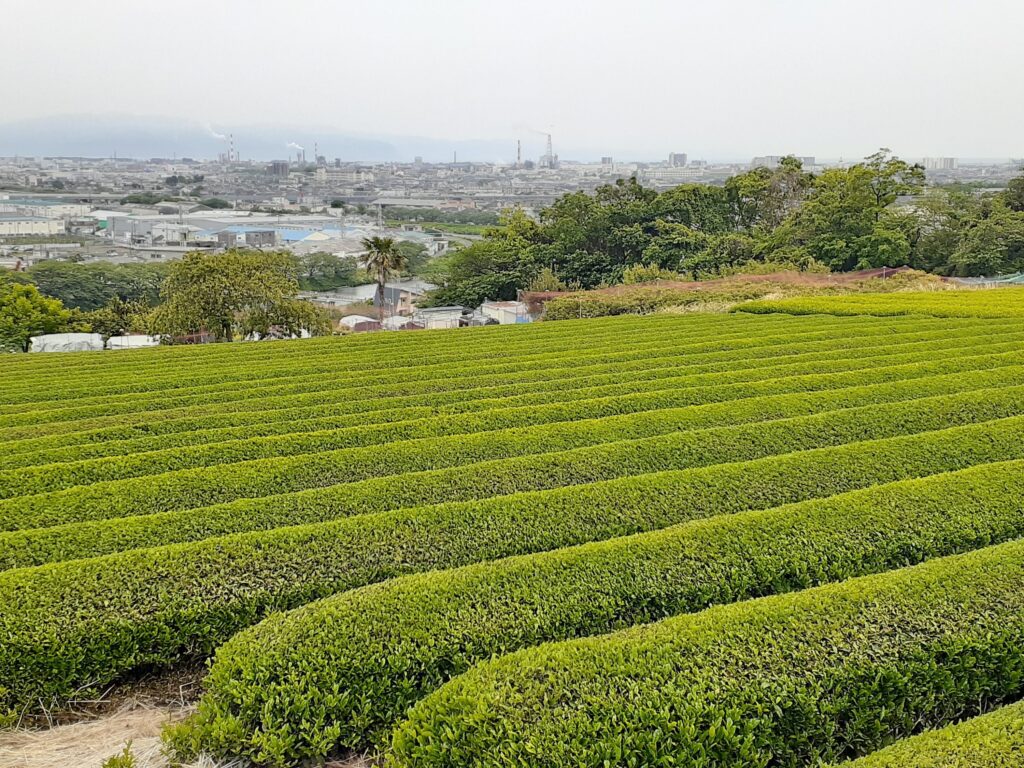
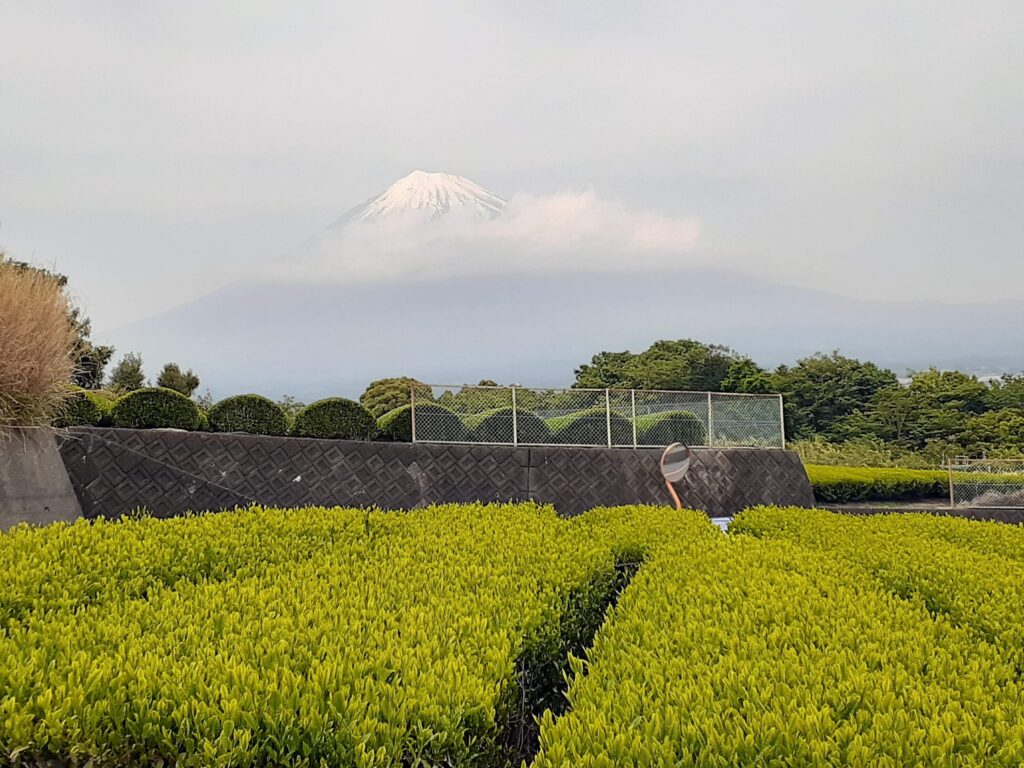
There are narrow footpaths in places, but we choose a quiet path with as little traffic as possible.
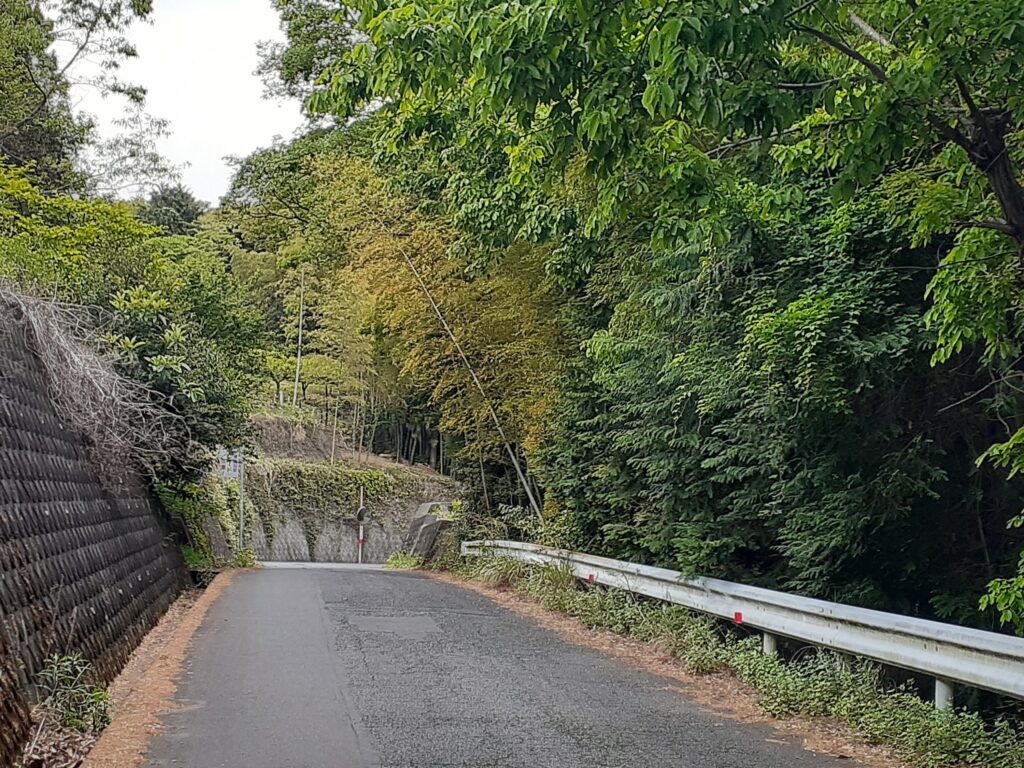
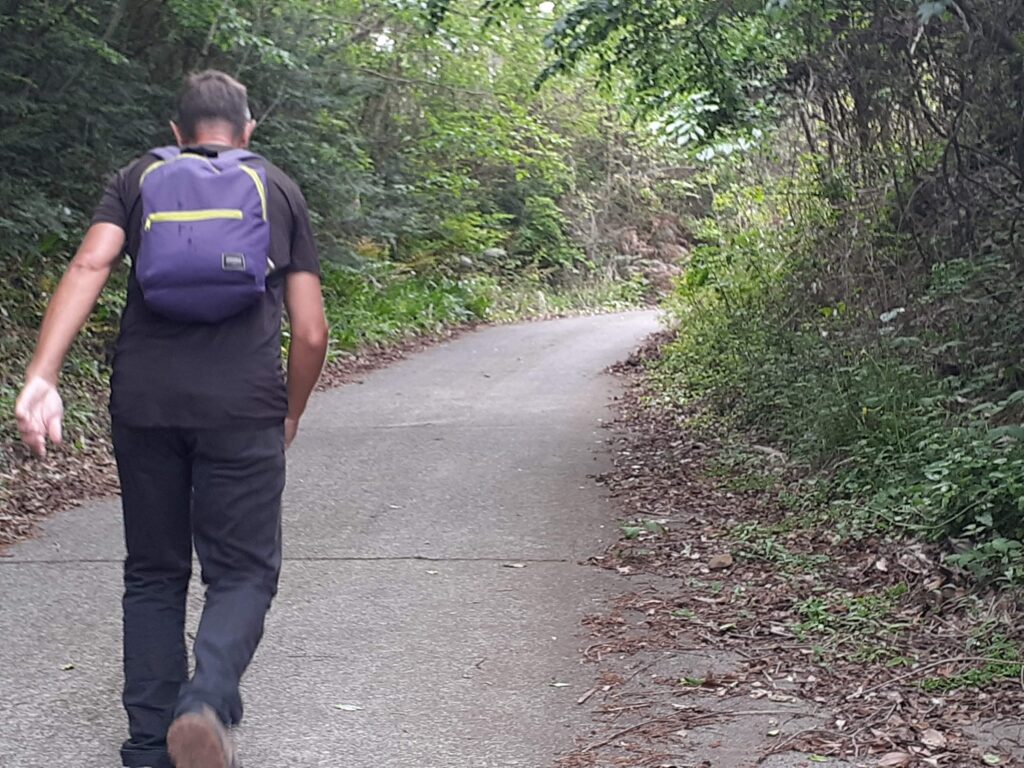
The last part is quite a tough slope.
Conquering the Incline: Panoramic Views from Mt. Iwamoto
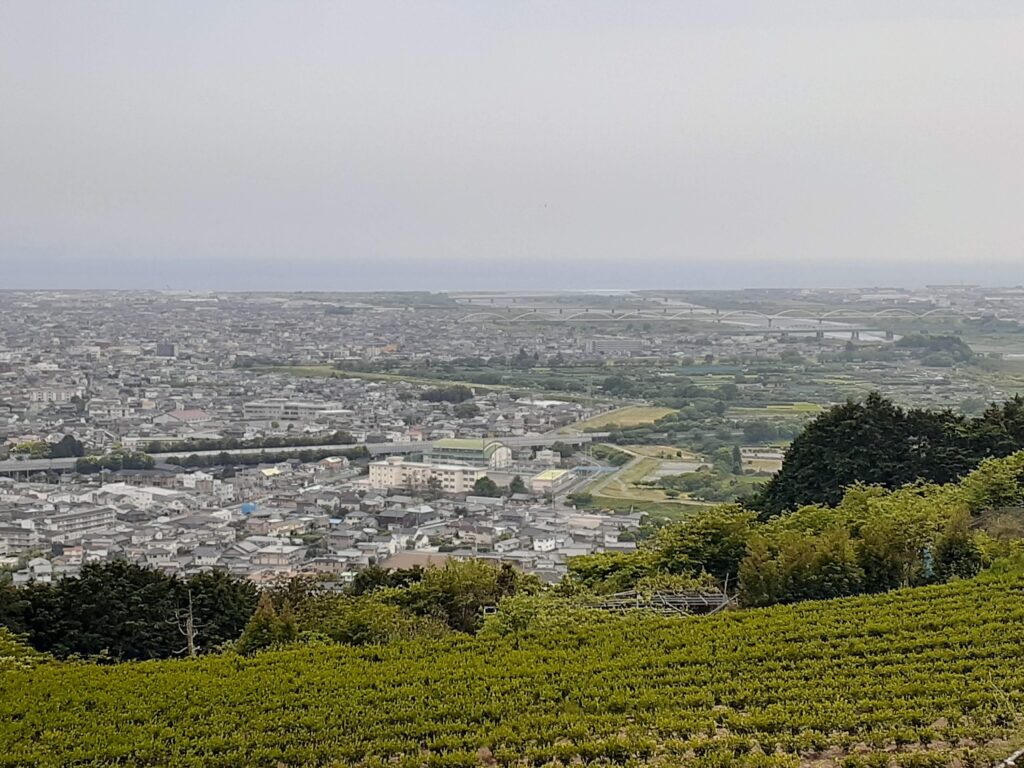
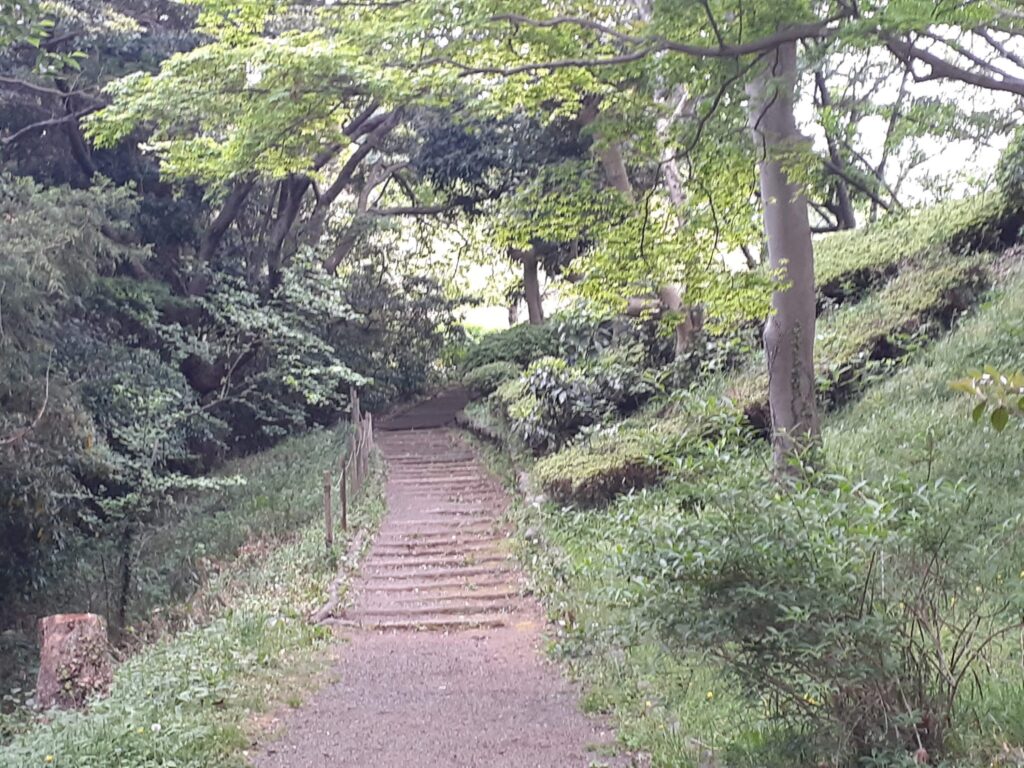
Iwamoto is a spot overlooking the city of Fuji. We entered from the main entrance on the east side of the park. It was quite hilly, but the view from halfway up was spectacular.
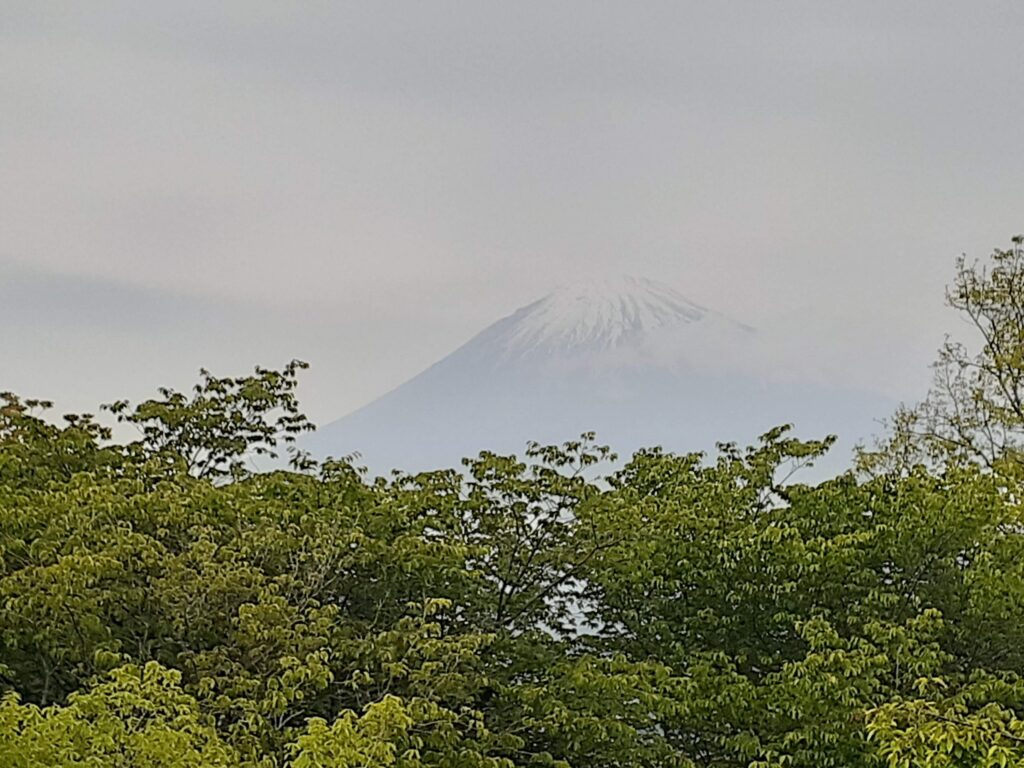
There are several observation points on Mt Iwamoto, but the best view of Mt Fuji was the one we saw along the way.
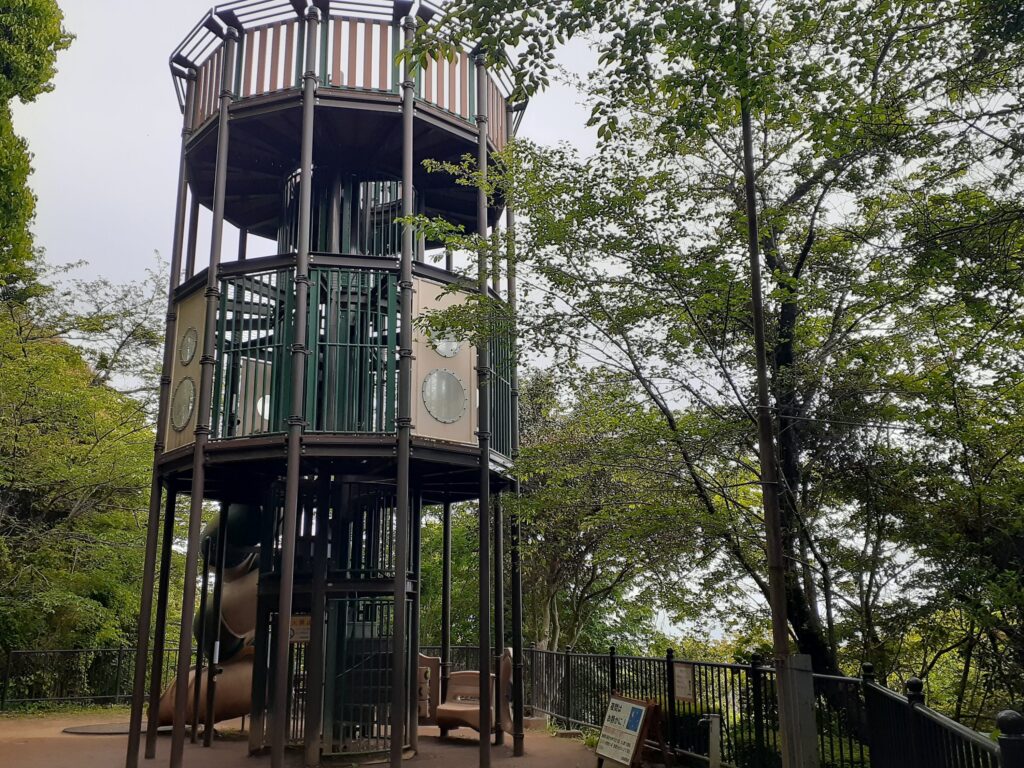
There is a children’s viewing platform with an integrated playground. There is also a separate viewing platform for adults, which we went up to.
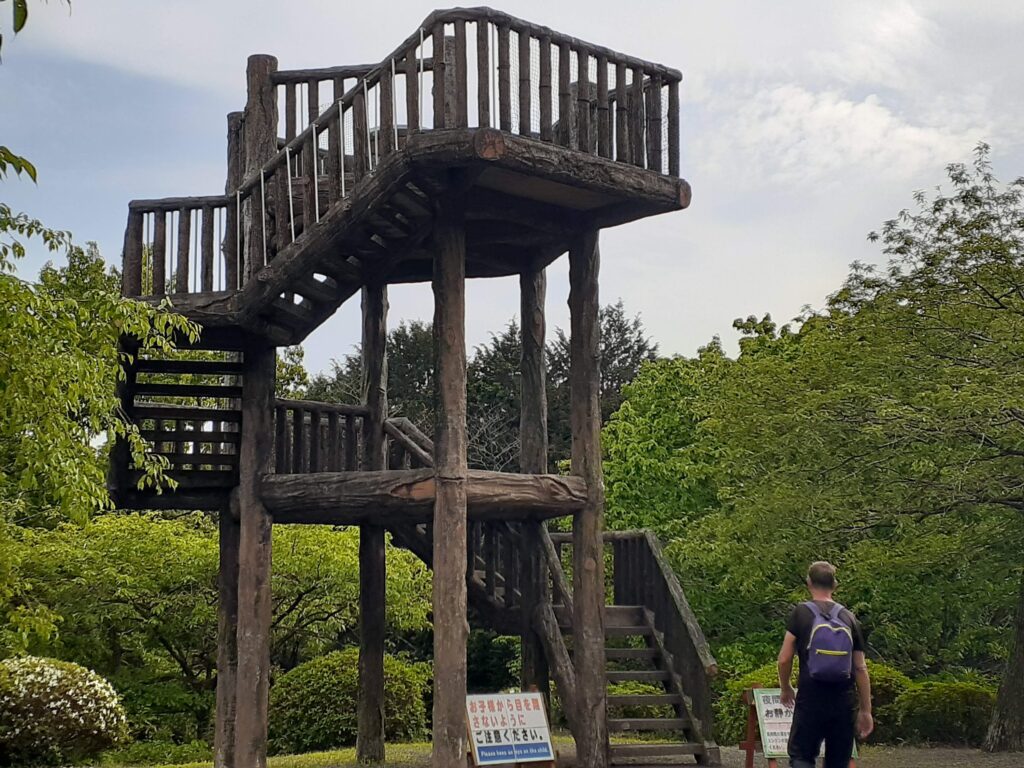
This is the viewpoint for adults, or rather for both adults and children. It is surrounded by trees, so if you climb it you can see Mt Fuji.
Stop 3: Jisso-ji Temple — The 600-Step Staircase Hack
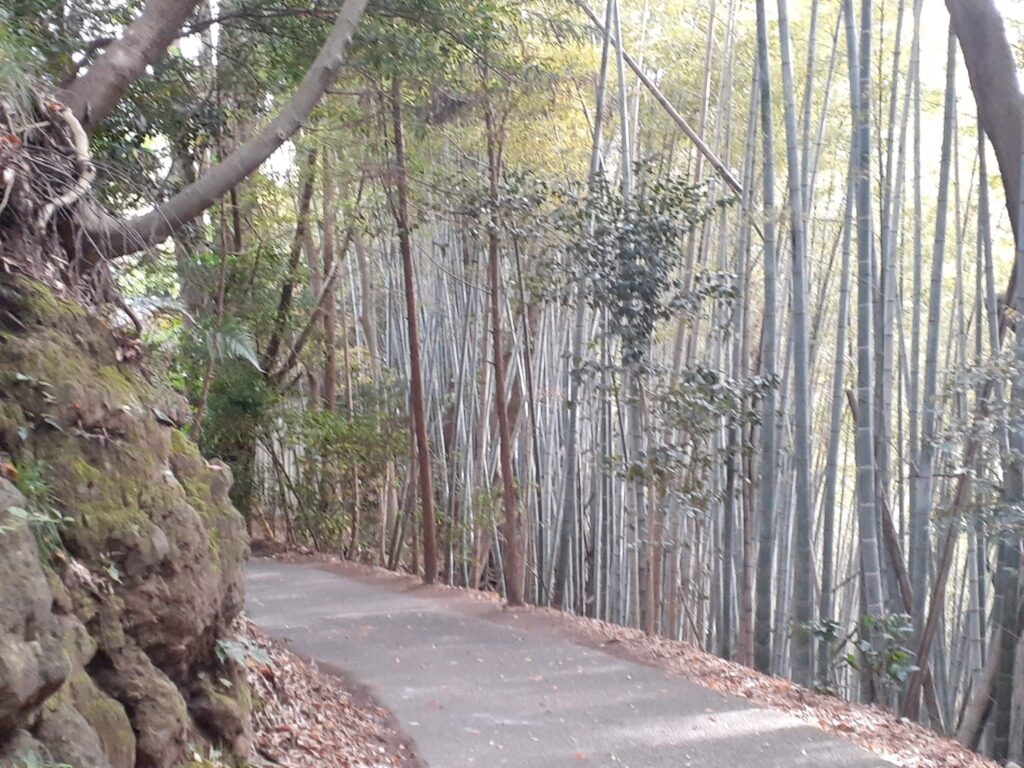
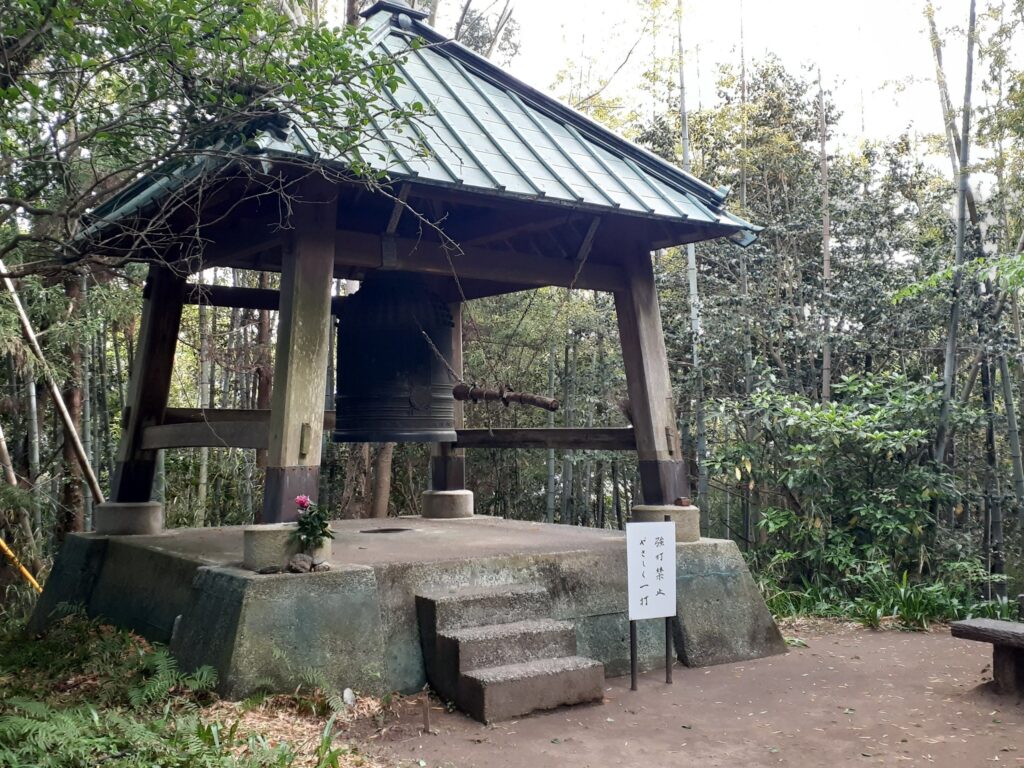

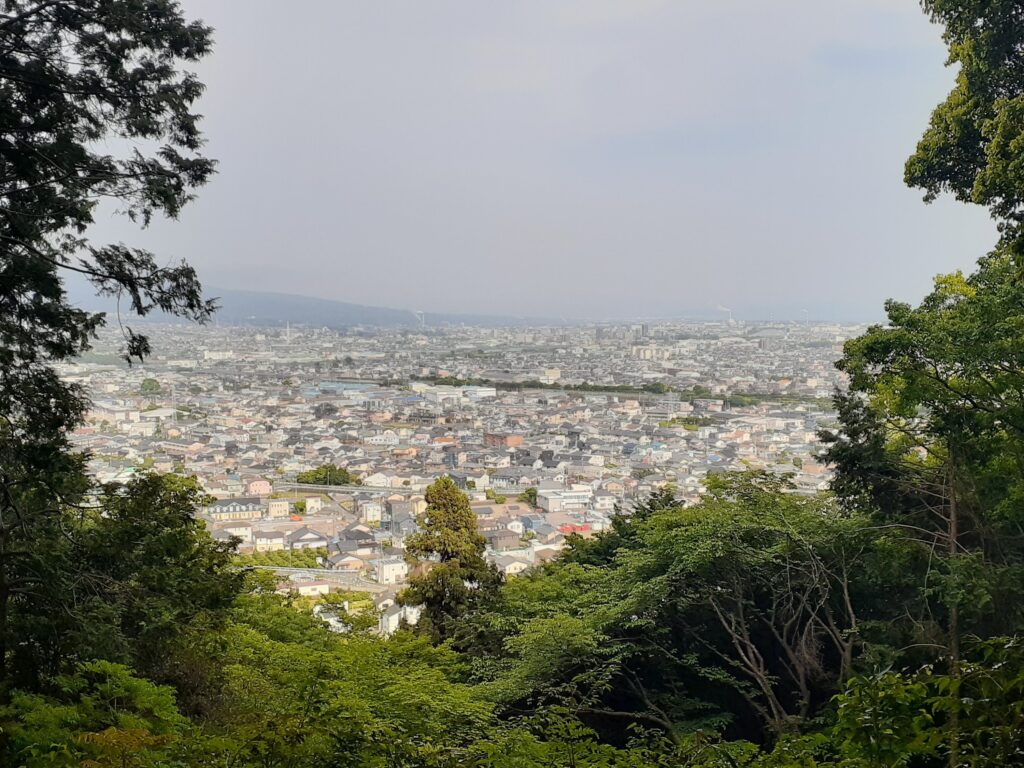
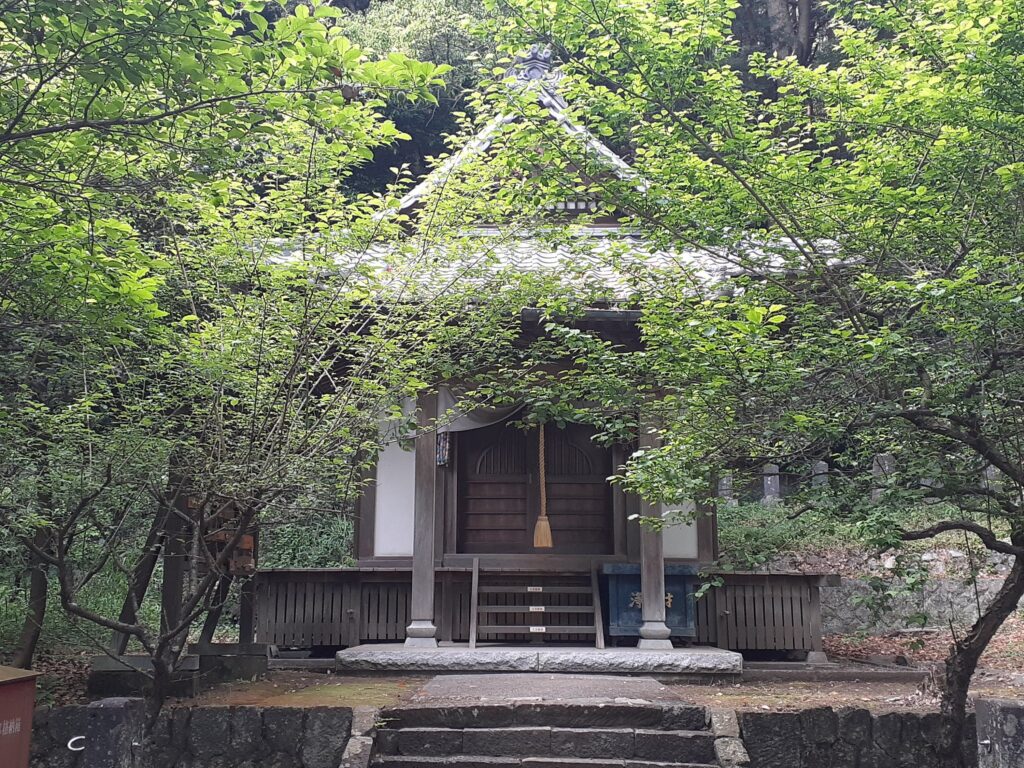
Iwamoto and Jisso-ji are connected, so walk as indicated to reach the main hall of Jisso-ji.
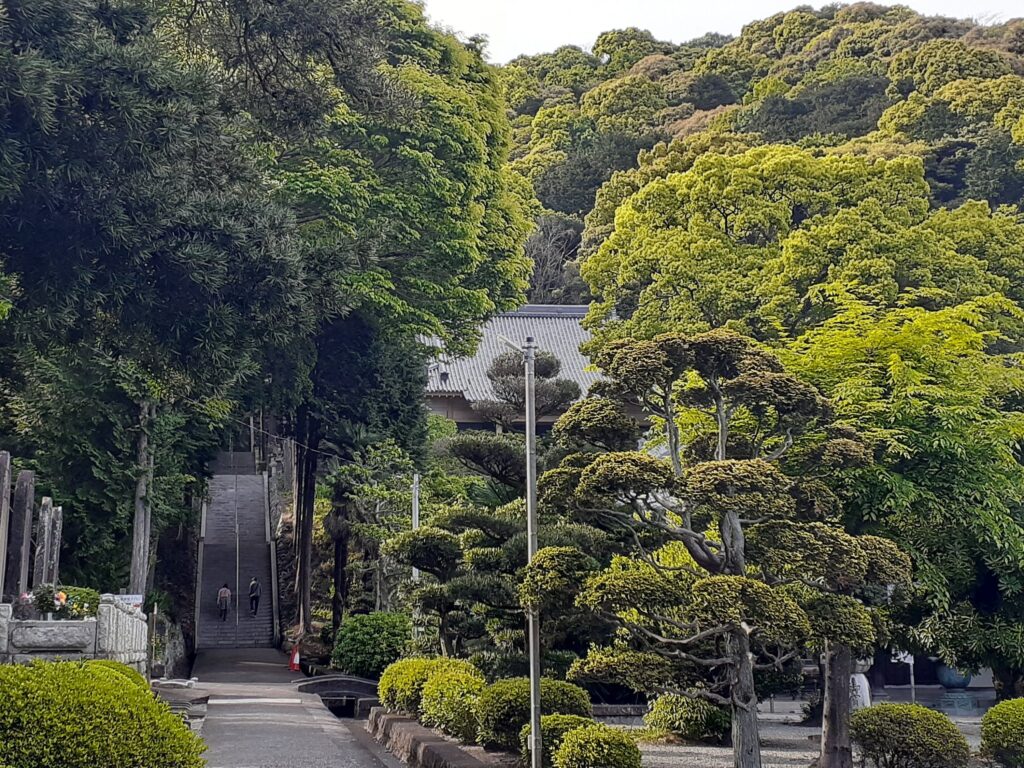
Smart Saver Tip: Down the Stairs, Not Up!
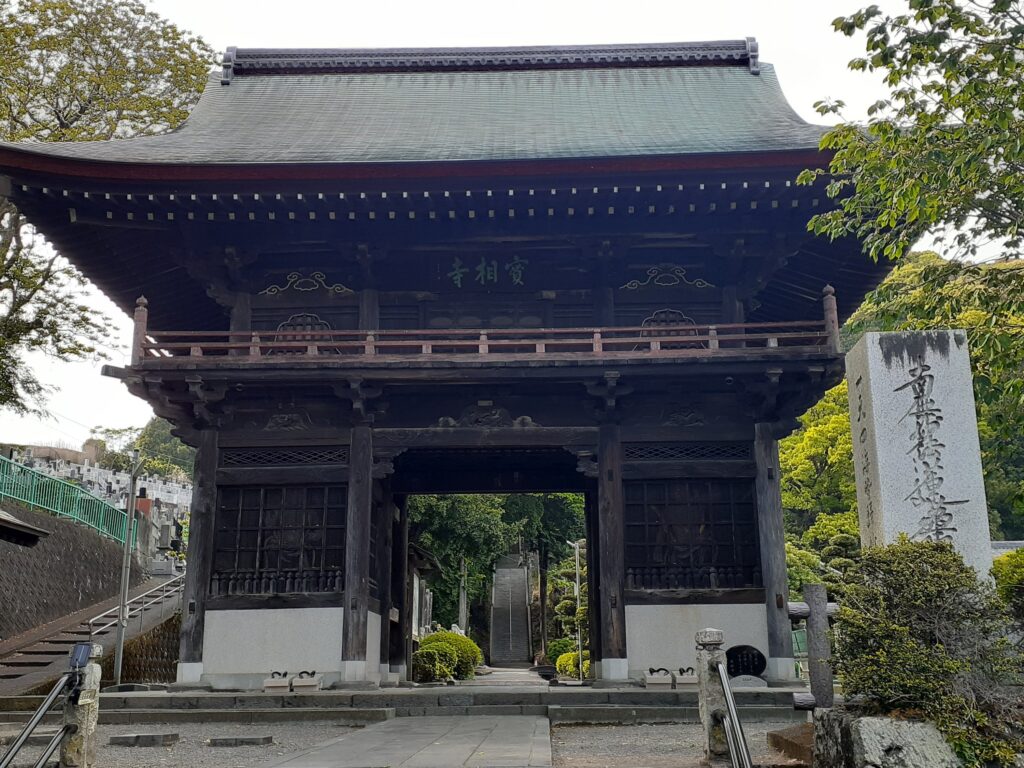
Jisso-dera is located next to Mt. Jisso-ji Temple is said to have 600 steps, but as we walked into the temple grounds from Mount Iwamoto, we did not have to climb any long flights of steps.
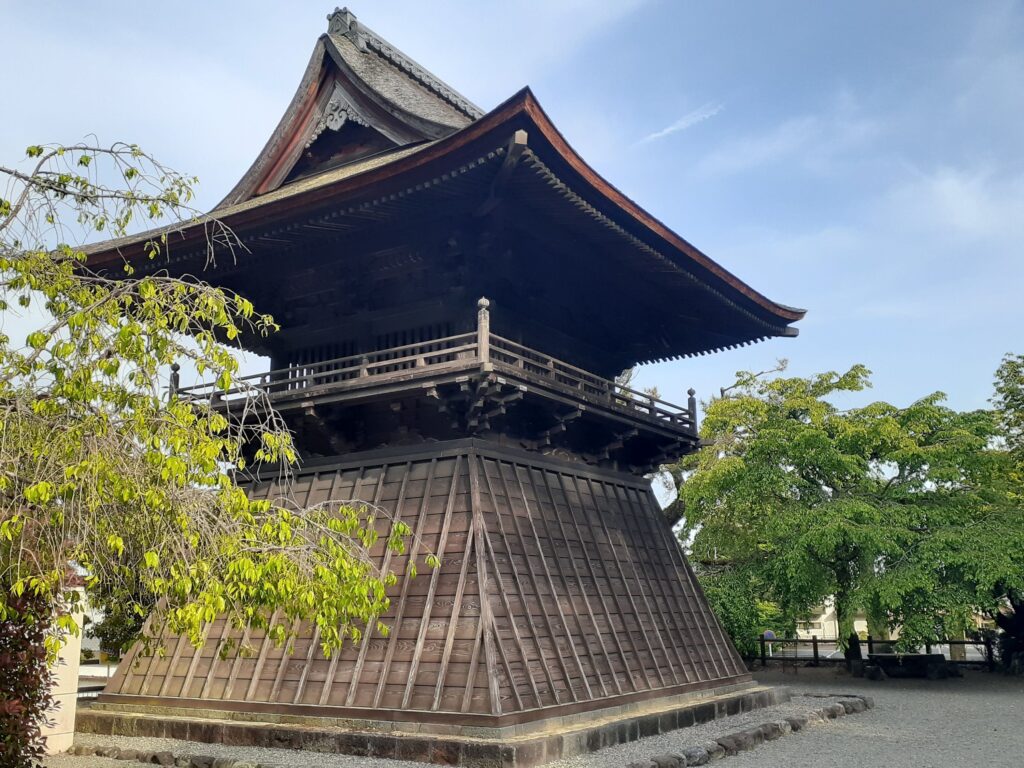
Staircase taken from the gate. We only went down this staircase as well.
This was the end of our sightseeing for the day and walked back east through Fuji City.
➡ Back to Chubu & Izu Peninsula Guide
Comment