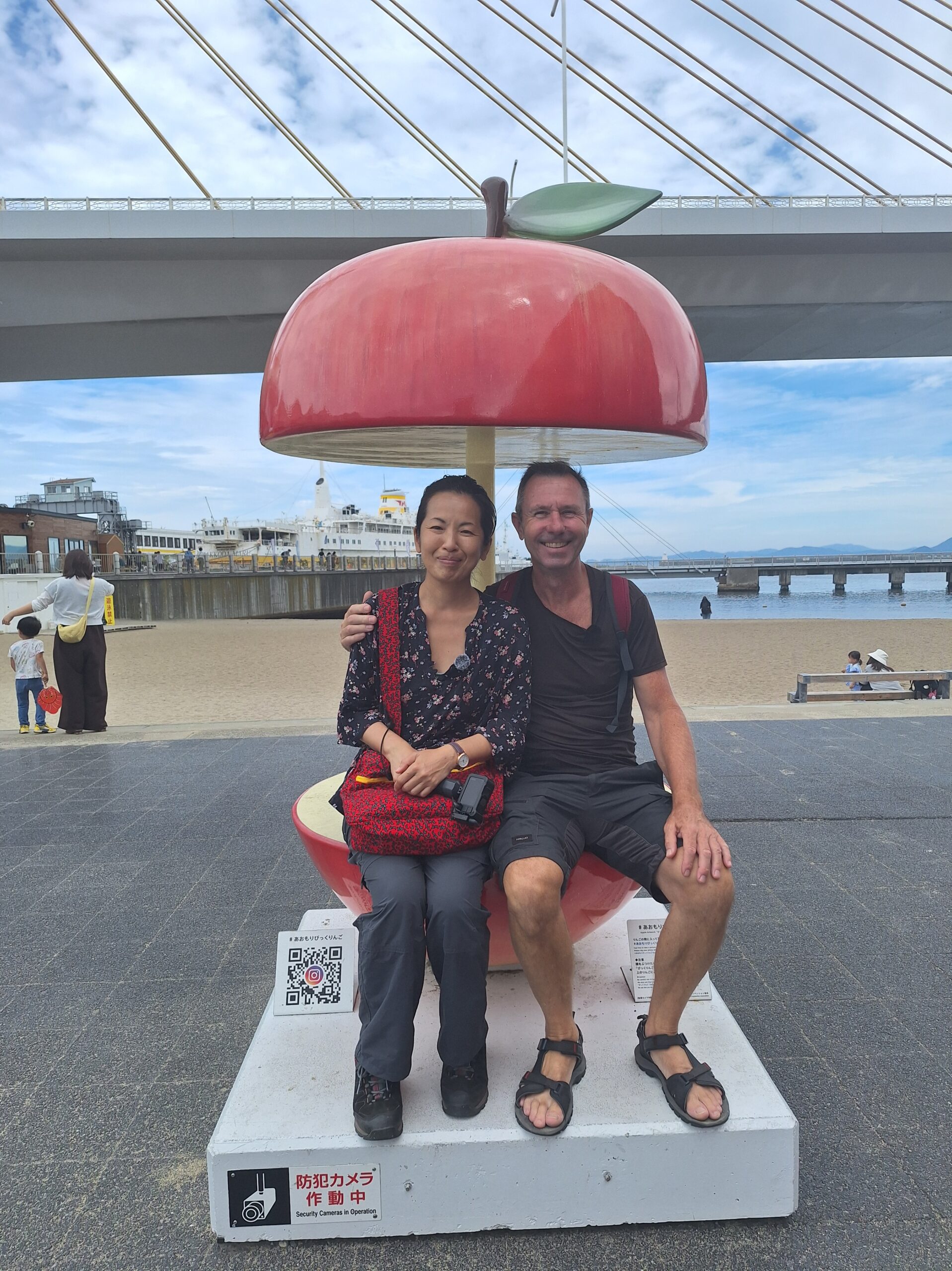
Planning a city-walking itinerary to explore Aomori using only public transport and walking is a brilliant way to experience northern Japan’s vibrant northern gateway. Located on the shores of Mutsu Bay, Aomori serves as the historic maritime heart of the prefecture, boasting a rich culture shaped by the sea, the legendary Nebuta Festival, and ancient Jomon heritage. By combining trains, walking, and convenient local buses, you can fully enjoy the city without needing a car.
In this travel blueprint, my wife Mai and I share our planned route for visiting Aomori as part of our extended 13-day backpacking journey across Tohoku together. From bustling local seafood markets and historic shrines to world-class Jomon archaeological treasures and scenic seaside parks, we have put together a practical guide for experiencing the city entirely on foot and via public transport.
🇯🇵 この記事を日本語で読む: 青森駅周辺1日観光モデルコース【地図付き】
- Aomori Station Area 1 Day Itinerary Map
- What is Aomori?
- Top Aomori Attractions and Essential Visitor Information
- Nebuta House Wa-Rasse: Experiencing Festival Energy Year-Round
- A-FACTORY: Apple Cider Craftery and Stylish Local Market
- Seikan Ferry Memorial Ship Hakkodamaru: Floating Maritime Museum
- Aomori Prefecture Tourism and Products Center (ASPAM): The City’s Triangular Landmark
- Aomori Fish Market (Furukawa Fish Market / Nokkedon): Create Your Own Seafood Bowl
- Aoi-ike Park (Blue Sea Park): A Refreshing Seaside Promenade
- Hirota Shrine: Ward Off Misfortune and Enjoy Apple Temazui
- Utou Shrine: An Ancient Sacred Site
- Sannai-Maruyama Archaeological Site: World Heritage Jomon Village
- How to Get to Aomori
- Our Itinerary: Seamless Transitions and City Exploring
- Why We Chose to Visit Aomori: Maritime Energy and Northern Heritage
- Conclusion
Aomori Station Area 1 Day Itinerary Map
Below is the map of the sightseeing spots included in this itinerary.
➡ 2-Week Tohoku Itinerary in September: A Slow-Paced Couple’s Backpacking Guide
What is Aomori?
As the capital city of Aomori Prefecture, Aomori has long flourished as a vital northern port town, famously serving as the primary connection point for the historic Seikan Ferry linking Honshu to Hokkaido.
While preserving its maritime roots, the city is globally celebrated for the dynamic energy of the annual Aomori Nebuta Festival. The downtown bay area combines modern architectural landmarks with open seaside spaces, while inland pockets preserve sacred traditions and prehistoric roots dating back thousands of years. It is a compact, highly walkable destination where urban convenience meets local culture.
Top Aomori Attractions and Essential Visitor Information
Here are the key spots to include when navigating Aomori on foot and via local public transport.
Nebuta House Wa-Rasse: Experiencing Festival Energy Year-Round
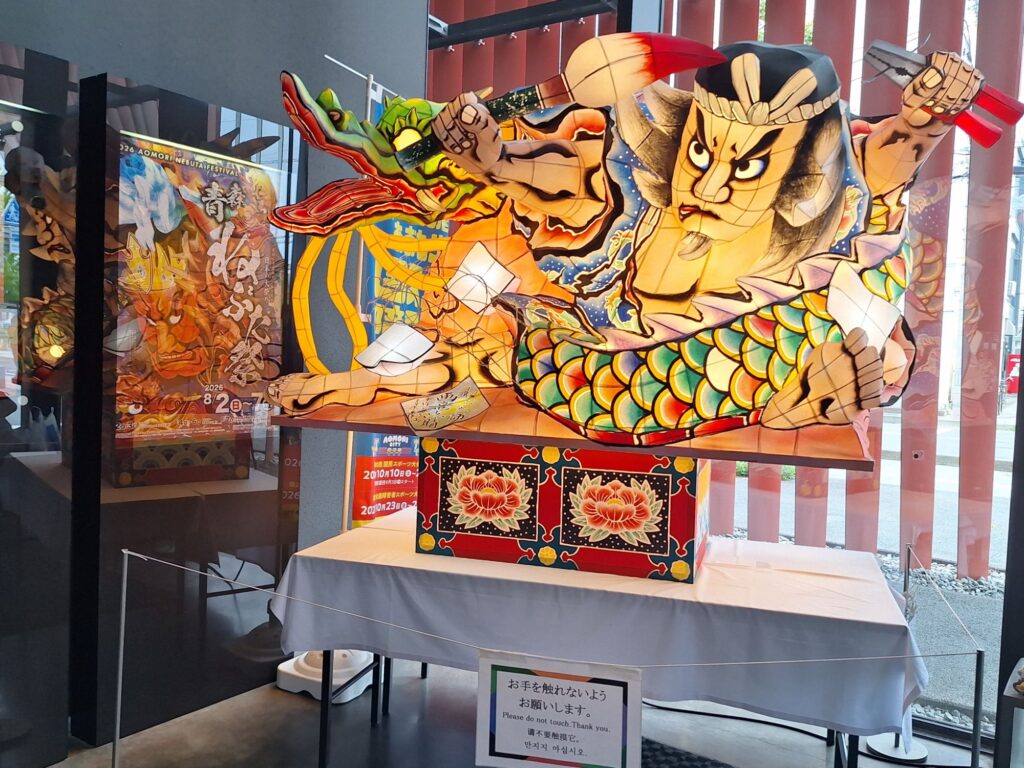
Located just a 1-minute walk from JR Aomori Station, this striking cultural facility lets visitors experience the passion and artistry of the famous Aomori Nebuta Festival anytime of the year. Featuring massive, intricately crafted float lanterns that participated in past festivals, the museum immerses you in the thunderous rhythms of traditional festival music.
- Admission Fee: Adults 650 JPY / High & Junior High Students 270 JPY / Elementary Students 220 JPY
- Closed: Year-end maintenance dates
A-FACTORY: Apple Cider Craftery and Stylish Local Market
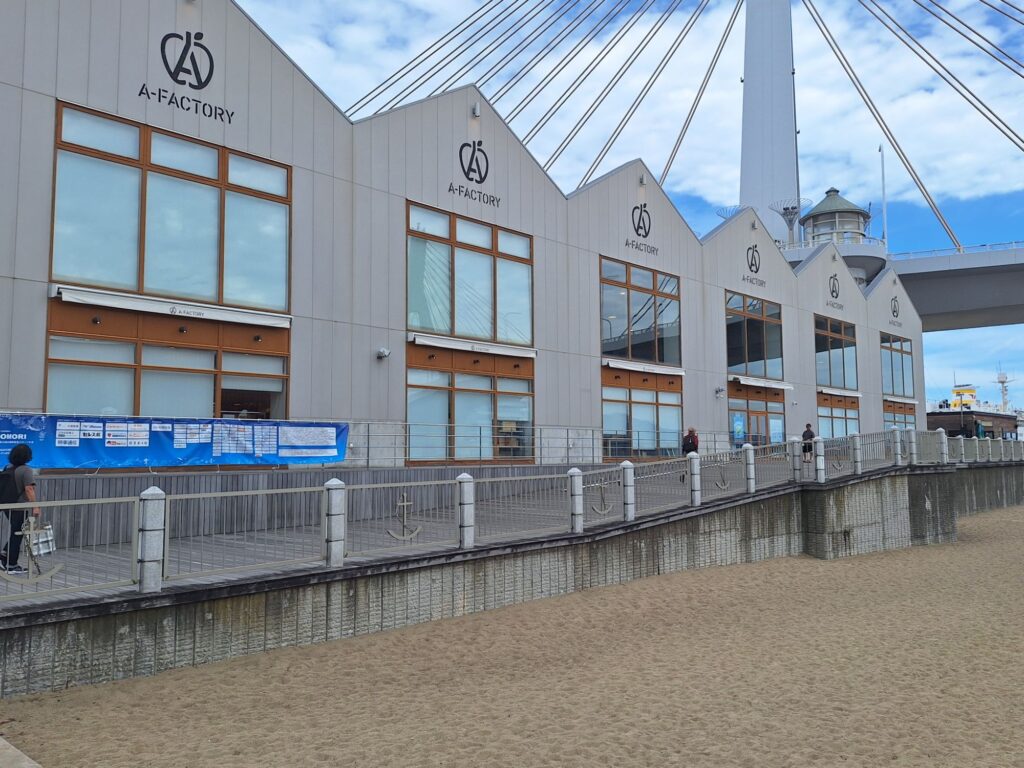
Situated right along the waterfront a 5-minute walk from the station, A-FACTORY is a sleek, triangle-roofed complex housing a local apple cider craft brewery. Visitors can view the brewing tanks through glass windows and browse an exceptional selection of regional gourmet treats, crafts, and souvenirs.
- Admission Fee: Free to enter
- Closed: Open year-round (except facility inspection days)
Seikan Ferry Memorial Ship Hakkodamaru: Floating Maritime Museum
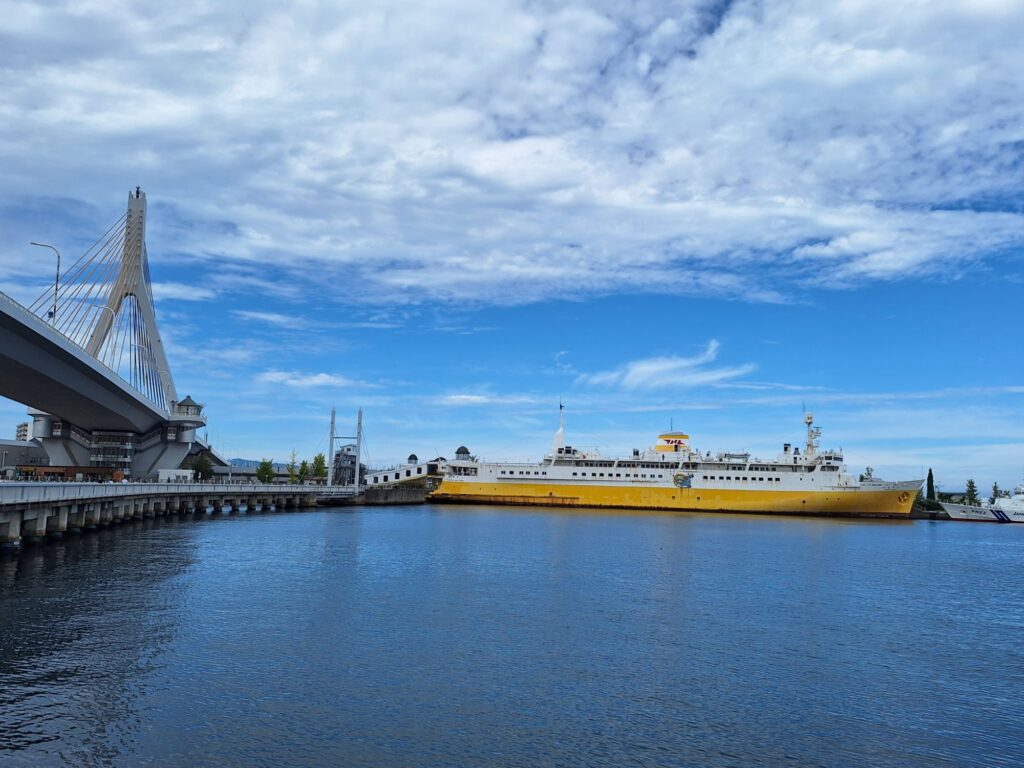
Moored right next to the bay, this historic yellow ferry once connected Aomori to Hokkaido before the undersea tunnel opened. Step aboard to explore the authentic engine rooms, crew quarters, and the vehicle deck, or head up to the funnel observation deck for panoramic views across Aomori Bay.
- Admission Fee: Adults 510 JPY / Youth (Middle/High School) 310 JPY / Elementary Students 150 JPY
- Closed: Open daily May to October (winter seasonal schedules apply November to April)
Aomori Prefecture Tourism and Products Center (ASPAM): The City’s Triangular Landmark
Shaped like a giant letter “A” representing Aomori, this iconic 15-story building serves as a comprehensive hub for regional products, local dining, and panoramic views from its top-floor observation deck overlooking Mutsu Bay and the Shimokita Peninsula.
- Observation Deck Fee: Adults 400 JPY / Elementary & Junior High Students 200 JPY
- Closed: Select year-end dates
Aomori Fish Market (Furukawa Fish Market / Nokkedon): Create Your Own Seafood Bowl
Located a short 5-minute walk from Aomori Station, this bustling local market offers the famous Nokkedon experience. Purchase a ticket booklet, grab a warm bowl of rice, and stroll from stall to stall trading tickets for fresh slices of sashimi, scallops, tuna, and local delicacies to build your ultimate custom seafood bowl.
- Cost: Ticket sets vary (typically around 1,500 to 2,000 JPY for a satisfying meal)
- Closed: Tuesdays (plus select vendor holidays)
Aoi-ike Park (Blue Sea Park): A Refreshing Seaside Promenade
Stretching along the waterfront between the station and the major bay area facilities, this spacious coastal park offers wide-open views of Mutsu Bay and cool sea breezes. It makes for a wonderful, relaxed walking path or a spot to rest on a bench during a day of exploring.
- Admission Fee: Free
- Closed: Open 24/7
Hirota Shrine: Ward Off Misfortune and Enjoy Apple Temazui
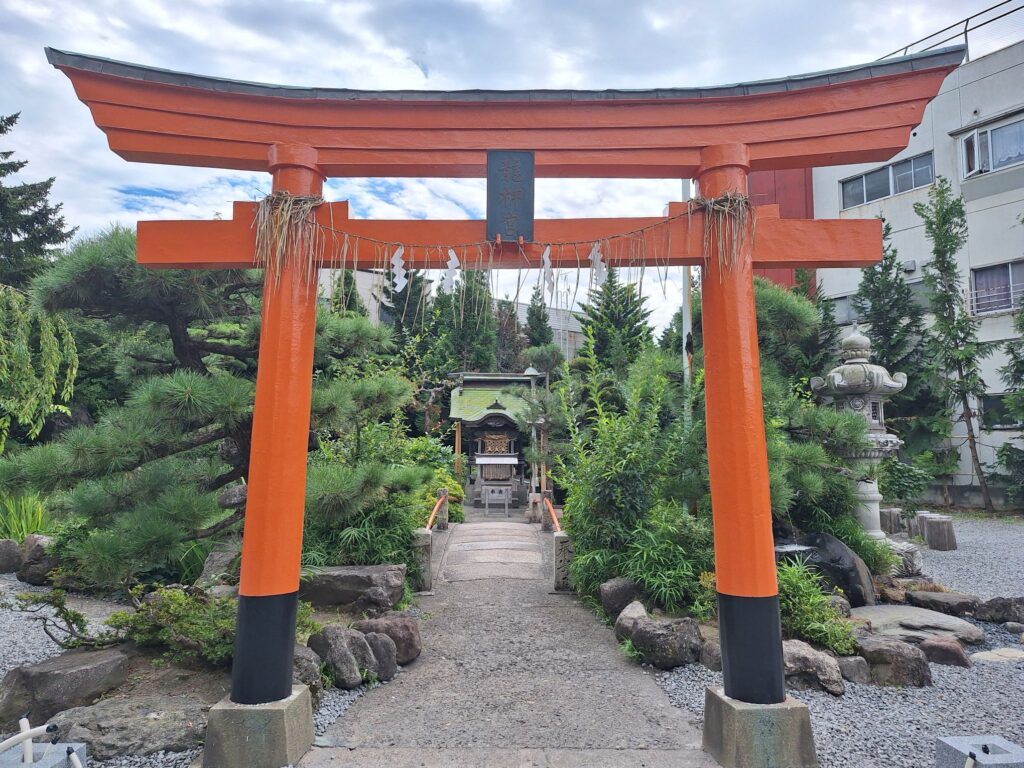
A historic shrine located about a 15-minute walk from the station, famous across Japan as a guardian deity against illness and misfortune. It delights visitors with its seasonal “apple temazui” (water purification basin floating with fresh local apples) and charming apple-themed amulets.
- Admission Fee: Free to explore grounds
- Closed: Open 24/7
Utou Shrine: An Ancient Sacred Site
Situated within a 15-minute walk from the station, this tranquil shrine dates back to the Heian period and is historically tied to the origins of the city’s name. Set amidst quiet ponds and sacred groves, it offers a peaceful spiritual retreat in the heart of the city.
- Admission Fee: Free to explore grounds
- Closed: Open 24/7
Sannai-Maruyama Archaeological Site: World Heritage Jomon Village
Located about a 30 to 40-minute bus ride from Aomori Station via city bus, this is Japan’s largest and best-preserved village ruin from the Jomon period. Explore reconstructed giant pit dwellings, pillar buildings, and a comprehensive museum showcasing thousands of fascinating artifacts. (Note: While many Aomori spots have no entrance fees, this World Heritage site requires a modest admission).
- Admission Fee: Adults 500 JPY / University & College Students 250 JPY / High School age and younger are Free
- Closed: Third Monday of every month, year-end holidays
How to Get to Aomori
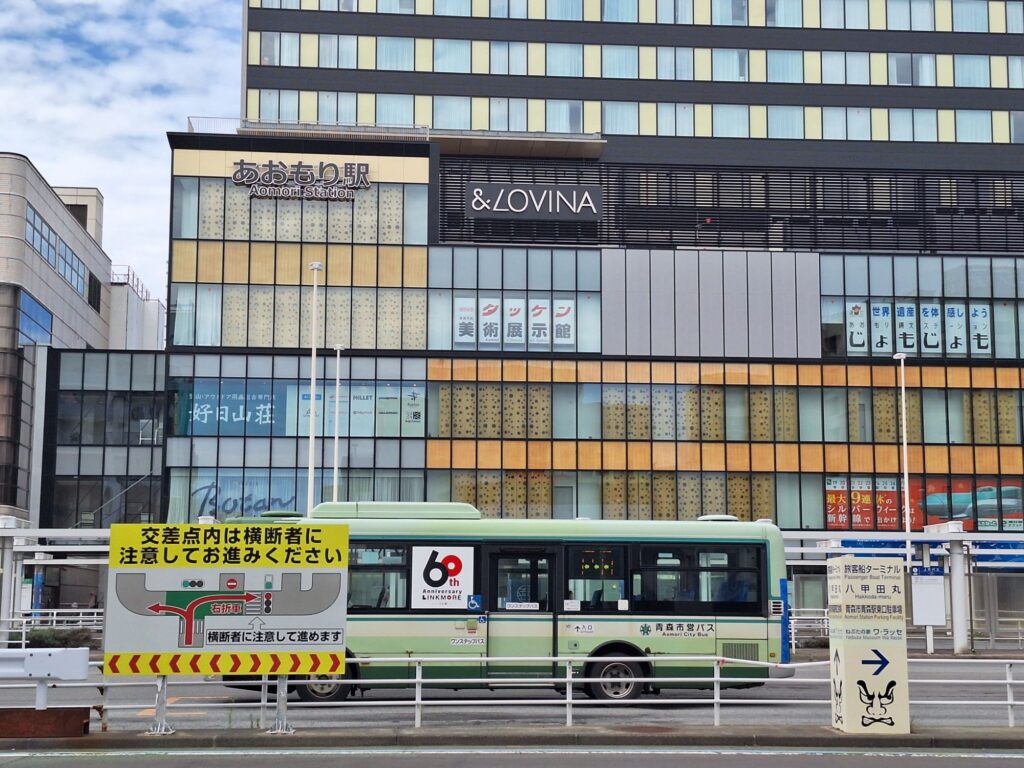
For our Tohoku journey, we planned a convenient day trip to Aomori while keeping our base accommodation in Hirosaki:
- By Train from Hirosaki (Local or Limited Express): Catch a limited express service (such as the “Tsugaru”) or a local train on the JR Ou Main Line from Hirosaki Station, arriving at Aomori Station in roughly 40 to 50 minutes. It provides a swift, comfortable ride that maximises your time for exploring the port city before returning to Hirosaki in the evening.
[Related Articles]
➡ 2-Week Tohoku Itinerary in September: A Slow-Paced Couple’s Backpacking Guide
➡ Hirosaki 1 Day Itinerary: Castle and Taisho-Era Western Architecture on Foot
Our Itinerary: Seamless Transitions and City Exploring
For our Tohoku journey, my wife Mai and I set aside a dedicated day for a day trip from our hotel base in Hirosaki to Aomori.
Upon arriving at Aomori Station, our compact route makes it simple to explore entirely on foot. We can start our morning with a custom seafood breakfast at the Fish Market, wander through the scenic Aoi-ike Park, take in the maritime exhibits at Hakkodamaru and Wa-Rasse, and visit historical shrines like Hirota and Utou. For travellers looking to venture slightly further inland, a convenient city bus ride connects downtown directly to the ancient world of the Sannai-Maruyama Ruins. By late afternoon, we board the train back to Hirosaki for a relaxing evening.
Why We Chose to Visit Aomori: Maritime Energy and Northern Heritage
Including Aomori in our 13-day Tohoku itinerary was an essential choice, driven by its powerful coastal atmosphere and rich cultural identity.
The primary reason is that Aomori offers an unmistakable northern energy—from the vibrant spirit of the Nebuta culture and the nostalgic romance of the Seikan Ferry to culinary adventures like the Nokkedon market. Walking the breezy waterfront, paying respects at historic shrines, and stepping back into Jomon prehistory provides a wonderful counterpoint to castle-town Hirosaki, making Aomori an unmissable stop on our journey.
Conclusion
Exploring Aomori without a car is remarkably straightforward, offering a rewarding blend of walkable bay area attractions, bustling local markets, sacred shrines, and ancient history. Whether you are crafting your own seafood bowl at the fish market, admiring giant festival floats, or strolling along the seaside park, Aomori makes for an unforgettable stop in northern Japan.
➡ Back to Tohoku Travel Guide

Comment