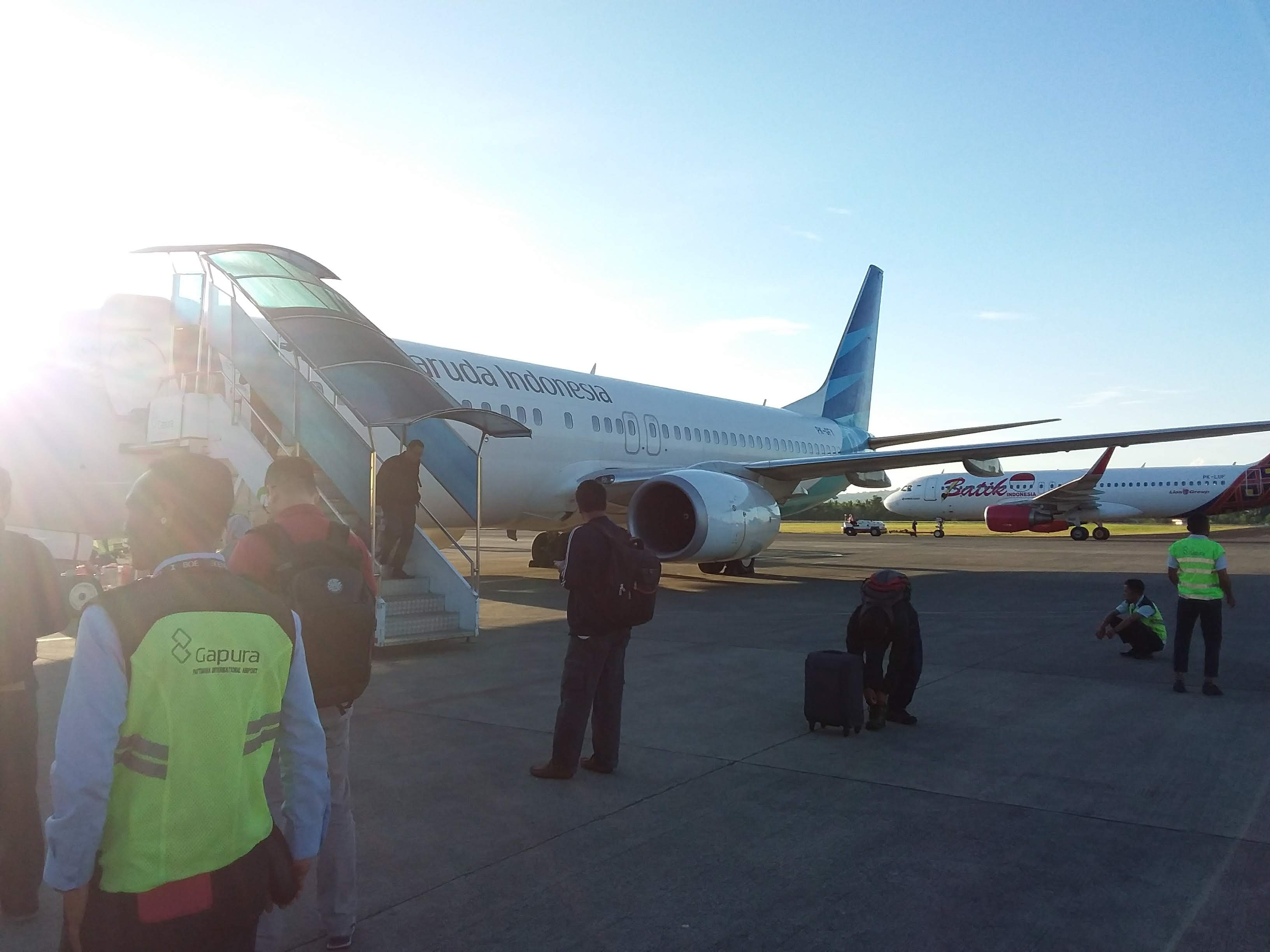
Booking a flight used to be simple: find a good price, click ‘buy’, and start packing. But in 2026, the game has changed. Between fluctuating oil prices due to global conflicts and the unpredictable nature of “dynamic pricing,” securing a long-haul flight for our upcoming world adventure felt more like a high-stakes chess match than a simple transaction.
As we prepare to leave our quiet life in the Quebec forest for a three-week stint in the UK—and eventually, a long-term global journey starting this September—we had to get smart. Mai and I spent weeks crunching numbers, weighing risks, and debating layovers.
In this post, I’ll share the exact strategy we used to lock in our flights without breaking the bank or our spirits. It’s not just about finding the lowest number on the screen; it’s about understanding the “total cost” of travel and leveraging every tool in our kit—from accumulated air miles to the minimalist freedom of carry-on-only travel.
🇯🇵 この記事を日本語で読む: 航空券予約のコツは総コストにあり!最安値の罠とリスク回避 2026年版
The Art of the Hunt: Why Flight Booking is a Strategy Game
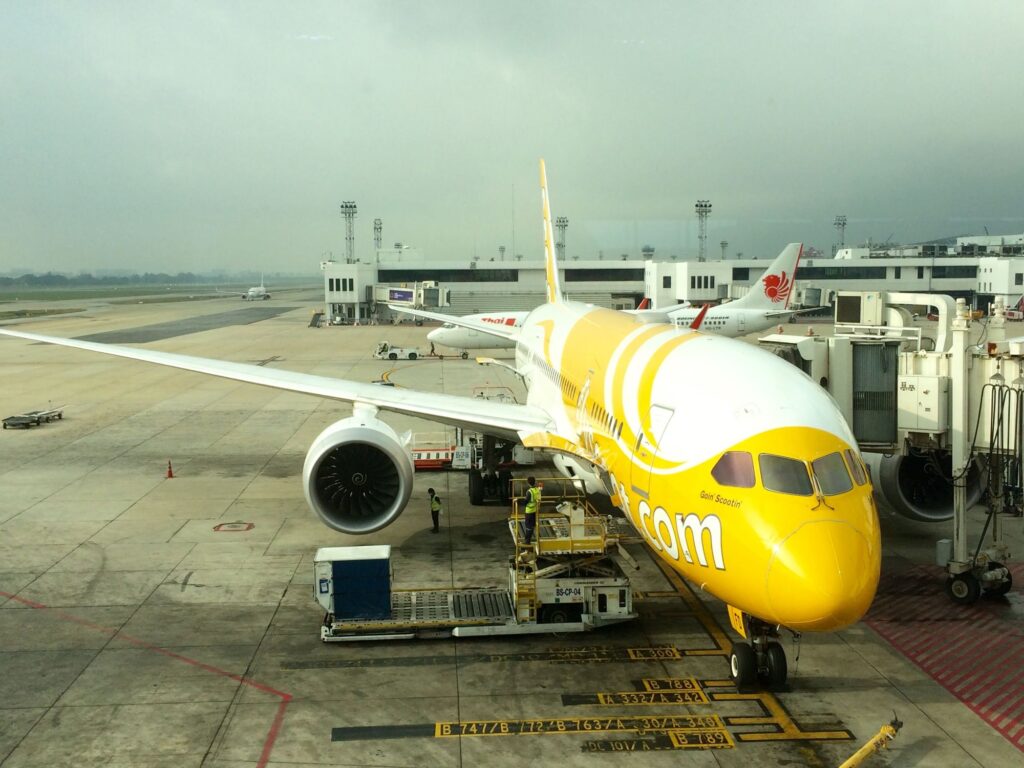
Booking a flight in 2026 is no longer a simple administrative task; it’s a high-stakes strategy game. Gone are the days when you could just log in, pick a date, and find a reasonable fare. With the rise of sophisticated dynamic pricing and the global fluctuation in fuel costs, finding the right ticket requires the mindset of a hunter—patience, timing, and a very sharp eye on the numbers.
Chris’s Budget Manifesto: Why the Hunt Matters
To some, spending time tracking a single flight might seem obsessive. But for us, every dollar saved on a seat is a dollar earned for the experience.
My philosophy is simple: The flight is a means to an end. By being ruthless with our booking strategy, we’ve managed to save enough to significantly upgrade our experiences once we land. In Southeast Asia, where we often find ourselves, those saved dollars go a long way—it’s the difference between a standard meal and a multi-course feast at a hidden gem in Bangkok, or perhaps extending our stay at a boutique villa in Vietnam. For a long-term journey like our upcoming world adventure, these small wins at the start compound into a massive increase in our overall travel quality. It’s not about being “cheap”; it’s about being value-efficient.
Monitoring the Market: Our Regular Routine
We didn’t just stumble upon our September flights; we tracked them with purpose. Rather than a frantic daily check, we established a regular routine of monitoring the market. This allowed us to understand the “baseline” price without the process becoming a full-time job.
In this digital age, prices can be volatile. We used a mix of traditional search engines and price-tracking alerts to map out the trends over several weeks. We weren’t looking for a “miracle” price; we were looking for the optimal window. Regularly checking in allowed us to recognise when a price was “fair” versus “inflated.” This discipline meant we could remain calm when prices spiked and act decisively when they dipped. When you finally hit that ‘Book’ button, knowing you’ve secured the best possible deal in dollars, the satisfaction is immense.
Beyond the Ticket Price: The “Total Cost” Philosophy
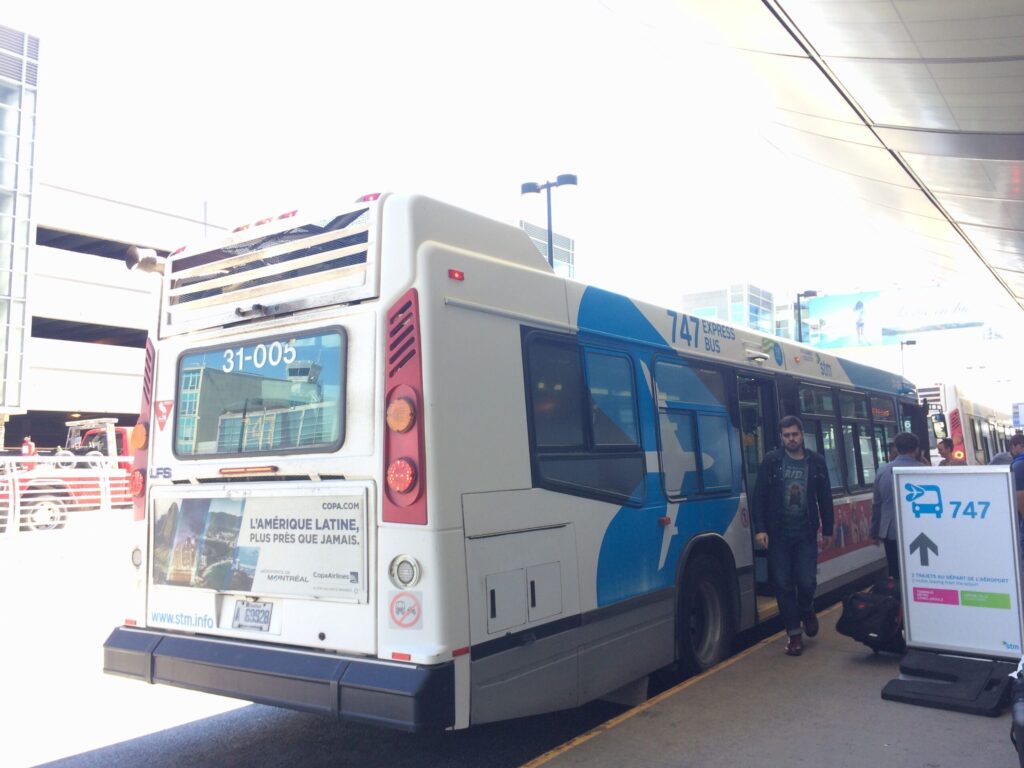
When you see a bargain flight, it’s easy to let your emotions take over and hit the ‘buy’ button instantly. However, we’ve learned that the cheapest ticket on the screen is rarely the cheapest way to travel. To us, “Total Cost” includes every expense from the moment we leave our front door in the Quebec forest until we are tucked into bed at our destination.
The Arrival/Departure Trap
Timing is everything. A flight that arrives at 2:00 AM might save you $100 on the fare, but what about the hidden costs? At that hour, public transport has usually stopped, forcing you into an expensive midnight taxi. Worse yet, you might find yourself paying for an extra night’s hotel just to get a few hours of sleep before your trip officially begins. We always factor in these “after-hours” costs before deciding if a deal is actually a deal.
Logic over Impulse
A $400 flight looks better than a $500 one at first glance. But if the $400 flight involves an overnight layover in an expensive city or requires you to switch airports, that $100 “saving” vanishes instantly. We’ve trained ourselves to look at the full itinerary through a logical lens. Does this flight save us money, or does it just create more opportunities to spend it? We choose the route that offers the best value for our time and our wallet.
Location, Location, Location: Secondary Airports
Budget airlines often fly into secondary airports that are “near” your destination—but “near” can be a very relative term. Whether it’s a two-hour bus ride from a distant terminal or a hefty train fare into the city centre, the commute can be exhausting and costly. We always calculate the time and dollars required to get from the tarmac to our actual accommodation. Sometimes, paying a bit more to land at a primary hub is the smartest financial decision you can make.
Direct vs. Connection: Managing Risks in 2026
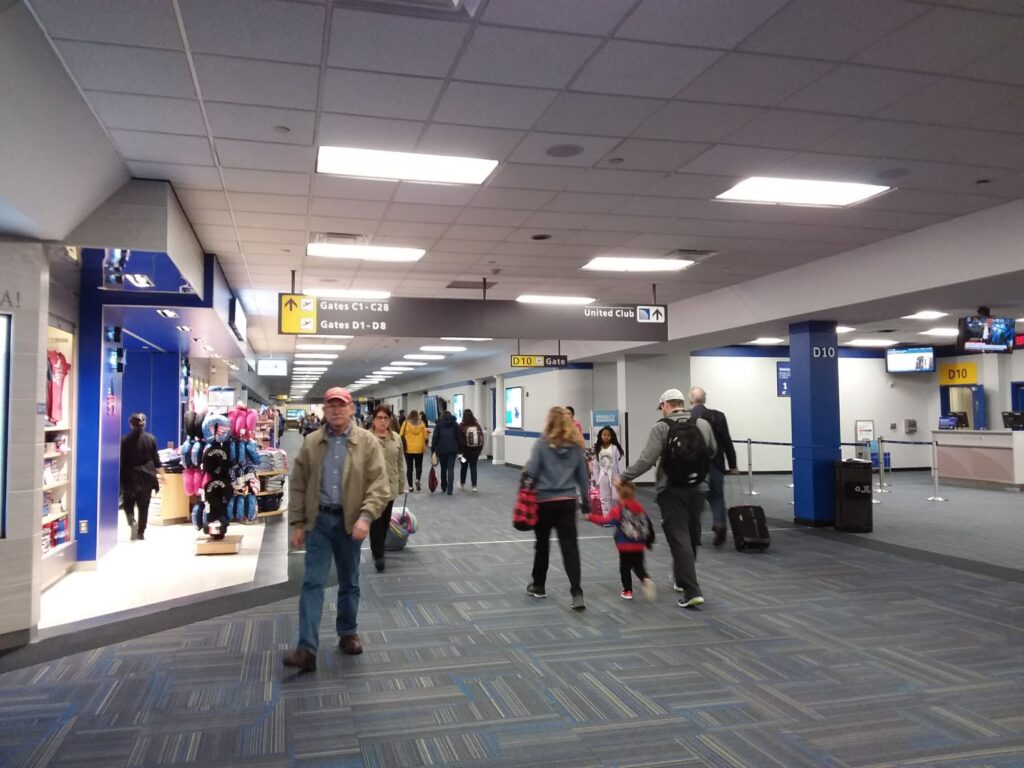
The debate between direct flights and connections has shifted in recent years. In 2026, with global travel being more unpredictable than ever, a layover isn’t just a break in your journey—it’s a calculated risk. For us, the decision comes down to balancing our budget with the need for a “frictionless” experience.
The Domino Effect
In a world of tight schedules, a single delay can have a devastating domino effect. If the first leg of your journey is pushed back by just an hour, you risk missing your connection, leading to a frantic dash through an unfamiliar terminal or, worse, being stranded for 24 hours. We’ve learnt to weigh the $150 saving against the potential cost of a missed connection—both in terms of missed hotel nights and emotional exhaustion.
The Baggage Nightmare: Our Secret Weapon
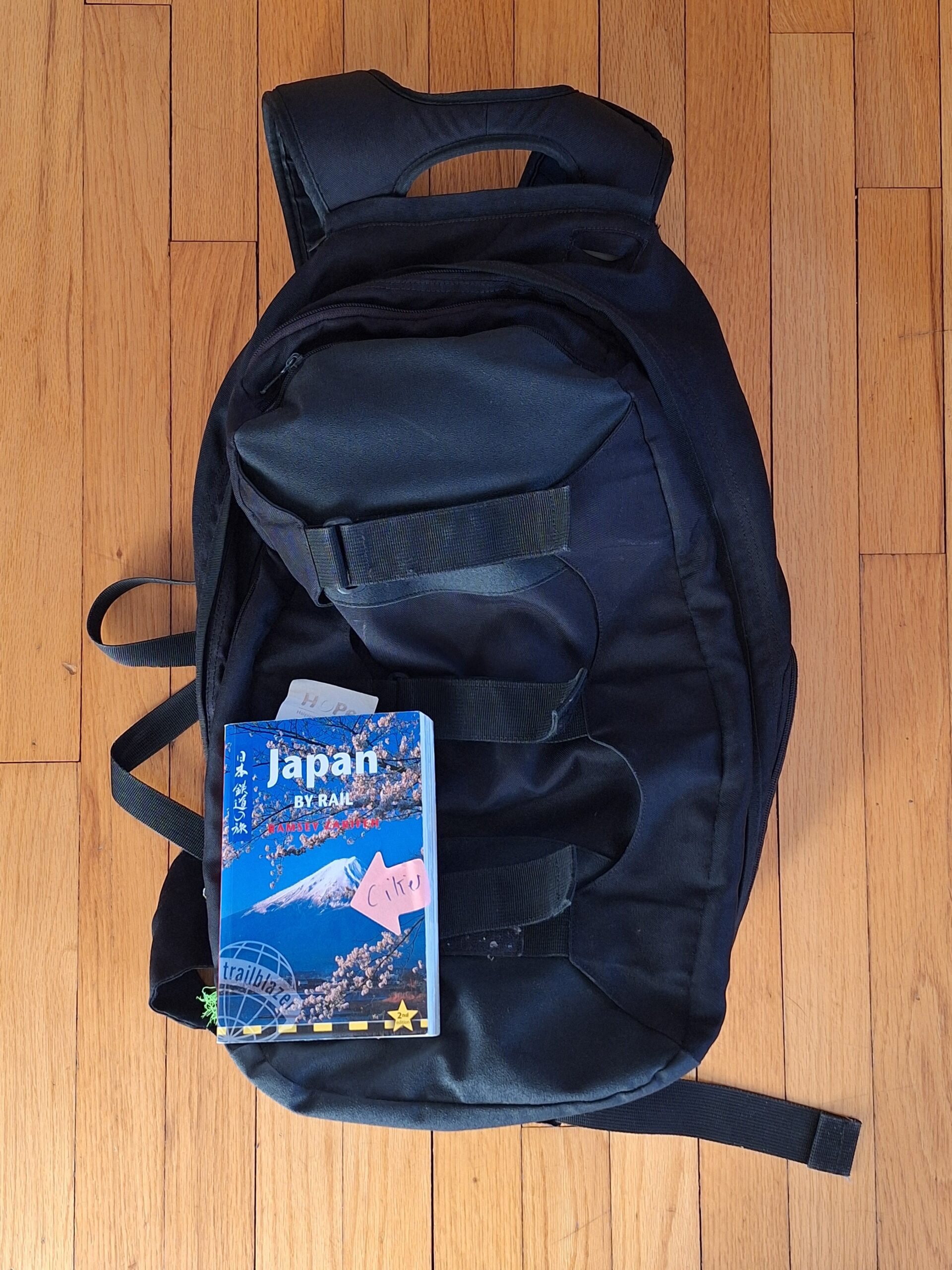
One of the biggest risks of connecting flights is lost luggage. Based on our experience, there is a crucial factor many travellers overlook: while humans can run through a terminal to catch a tight connection, suitcases cannot. We’ve learnt this the hard way. Even if you manage to sprint to the gate and board the second flight just in time, your luggage often remains stuck at the transit hub, unable to keep up with the pace. This is where our Carry-on Only lifestyle becomes our ultimate insurance policy. By travelling with only a cabin bag, we eliminate the risk of our belongings being left behind. If we make the flight, our gear makes the flight. It’s that simple. In 2022-2023 we travelled for one year with only carry-on.
Choosing Your Hub
When opting for a connection, we are very particular about where we transit. Beyond immigration hurdles, we look at the airport’s layout. Some hubs, such as Manila, are notorious for having terminals that are not easily connected. If your arriving flight lands at one terminal and your departure is at another, you might face a long, stressful transfer that involves shuttles or even local traffic. We always check the terminal information before booking to ensure a “minimal friction” experience.
A Note on Layover Locations:
While we have many readers in the US, for this specific trip, we decided to look for connections through third countries (like in Europe or Asia) rather than transiting through the US.
It’s not that we don’t love visiting the States! However, for a high-speed connection with just a carry-on, the extra layer of US immigration and security for transit passengers didn’t quite align with our “minimal friction” travel goal this time. Depending on your passport and energy levels, we generally find that choosing a more transit-friendly hub can save you a lot of logistical stress.
Managing the Fallout: Insurance and Travel Fatigue
Of course, even with the best planning, things can go wrong. We always ensure we have comprehensive travel insurance that covers significant flight delays and cancellations. While insurance can’t give you back your lost time, it does provide a financial safety net for unexpected hotel stays or meals.
However, we always ask ourselves: is the saving worth the fatigue? Saving $200 by taking a 30-hour journey might look good on paper, but if we arrive feeling like zombies, we’ve lost the first two days of our adventure. We’ve realised that preserving our energy is often more valuable than the cash saved. We aim to arrive ready to explore, not needing a holiday from our flight.
Hedging Against Inflation: Milage & Global Realities
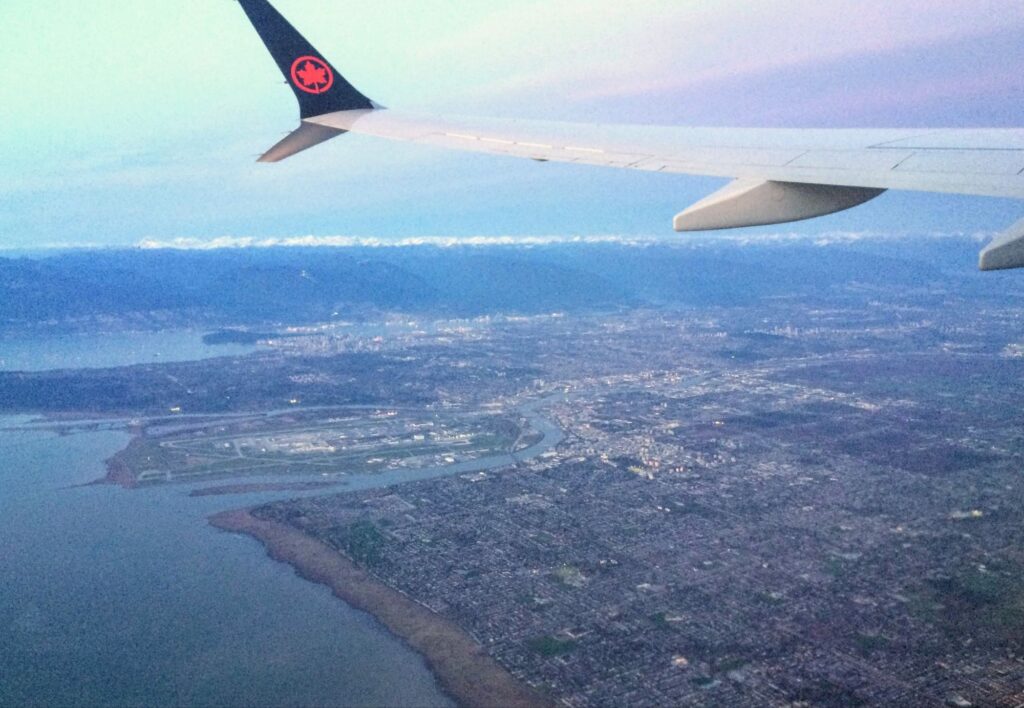
Even with a perfect strategy, we have to acknowledge that we are travelling in a volatile era. In 2026, airfares are influenced by factors far beyond a simple search engine’s control.
The Power of Miles: Beating Dynamic Pricing
When cash prices skyrocket due to “dynamic pricing”—where airlines raise fares instantly based on demand—our accumulated miles become our secret weapon. We’ve found that using miles can often “flatten” the price peaks. When a last-minute flight costs an eye-watering amount of dollars, a fixed-mileage award seat can save the day.
The best part? You don’t need to be a frequent flyer to build up a healthy balance. We make our everyday spending work for us by using specific credit cards for our regular groceries and bills. It’s about having a diverse “travel currency” that allows us to bypass the most aggressive price hikes when we simply have to book.
Staying Realistic: Factors Beyond Our Control
We also have to be realistic about the world in 2026. Global conflicts and resulting surges in oil prices mean that fuel surcharges can fluctuate wildly, often at a moment’s notice. It’s a reminder that while we can’t control the geopolitical landscape or the price of crude oil, we can control how we react to them.
By staying informed and remaining flexible with our dates, we mitigate the impact of these external forces. We’ve learnt to accept certain price fluctuations as part of the “cost of adventure.” The goal isn’t to find a perfect world with zero inflation; it’s to have a strategy robust enough to navigate it.
[Related Stories]
➡ The Strategic Budget for a 6-Month Winter Escape: How We Turn “Vacation Costs” into “Living Costs”
➡ The “Set Menu” Secret: Why It Was Cheaper to Fly to Indonesia Than Just Japan
➡ Flexible Travel Planning: Our 6-Month Itinerary Through Japan, Indonesia, East Timor & Beyond
Final Thoughts: Every Dollar Saved is an Experience Earned
Securing our flights for this September was more than just a logistical win; it was the official start of our next chapter. By applying these strategies, we didn’t just save a few hundred dollars—we reclaimed a portion of our travel budget to reinvest where it truly matters: in the experiences that wait for us at the other end of the runway.
The Win: Strategy Meets Patience
Looking back, our success came down to the balance between my obsession with the “hunt” and our shared commitment to travelling light. Locking in our long-haul flights despite the 2026 price hikes has given us a sense of calm.
Mai and I have proved to ourselves that with a bit of patience and a “Minimal Friction” mindset, the world is still accessible, even when the headlines suggest otherwise. Every dollar we didn’t spend on a seat is now a dollar destined for a vibrant hawker centre in Singapore, a weekend exploring the bustling energy of Saigon, or perhaps extending our stay in a hidden corner of Southeast Asia we’ve yet to discover.
What’s Next?
Now that the routes are set and the budget is secured, the real countdown begins. But as any seasoned traveller knows, booking the flight is only the first step. There is still much to prepare as we transition from our quiet life in the woods to a life on the move.
In our next post, we’ll dive deeper into the next phase of our preparations. Whether it’s refining our gear or finalising our itinerary, we’ll continue to share how we’re making this global adventure a reality.
Stay tuned—the adventure is just getting started.


Comment