Planning a six-month journey is rather like solving a slightly complex puzzle. For our upcoming expedition through Southeast Asia in 2026-2027, the key puzzle factors included peak snorkelling seasons, significant religious holidays, and the ever-shifting logic of airline pricing.
Many travellers assume that the most straightforward route is to book a return ticket to a major hub like Bangkok or Singapore and take it from there. However, as we sat down with an Excel sheet and a map, we discovered that the ‘obvious’ path isn’t always the smartest—nor is it the best value.
In fact, we stumbled upon a ‘pricing paradox‘ where flying further actually cost us less, and we realised that timing our departure from certain countries was the absolute key to a stress-free experience.
In this post, I shall take you behind the scenes of our travel strategy. From the secret of the ‘Set Menu’ flight ticket to the reasons we are planning to avoid being in Indonesia during the 2027 Ramadan, here is how we mapped out our optimal route to Japan, Indonesia, Timor-Leste, and beyond.
🇯🇵 この記事を日本語で読む: 【2026-27年】モントリオール発・東南アジア周遊の航空券を予約!複雑なルートを「安く・賢く」組んだ私たちの思考回路
- The Puzzle of Planning a 6-Month SE Asia Trip
- The “Set Menu” Secret: Why Flying Further Was Cheaper
- Is it Truly Better Value to Fly Further?
- Strategic Entry: Why We Chose Jakarta Over Kuala Lumpur
- Maximum flexibility: Avoiding travelling during Ramadan in Indonesia
- Solving the Puzzle: Comparing Hub Cities
- Reference: The Reality of Airfares (2026 Trends)
- Conclusion: Strategy Makes the Adventure
The Puzzle of Planning a 6-Month SE Asia Trip
Designing a half-year itinerary is a completely different beast compared to booking a fortnight’s holiday. You aren’t simply looking for a flight; you are attempting to align the ‘prime seasons’ of various regions whilst navigating a minefield of local public holidays and complex logistics.
Why 2027 is a ‘Unique Challenge’ for Travellers
As we analysed the 2027 calendar, we realised we were facing a rare cultural collision. In early February 2027, two of the most significant events in Southeast Asia coincide: Lunar New Year (6th February) and the start of Ramadan (expected around the 8th February).
This creates a potential ‘logistical bottleneck‘. In countries such as Indonesia and Malaysia, transport can sell out weeks in advance, prices skyrocket for Chinese New Year, and the daily rhythm of life shifts entirely. For a traveller, being in the wrong place at the wrong time could mean finding yourself stranded with no transport or facing significant price hikes for even the most basic services.
Our Mission: Perfect Snorkelling & Strategic Logistics
For us, the primary goal of this trip is simple: World-class snorkelling. We want to be in the water when visibility is at its peak and the currents are just right—specifically in remote areas like Alor and Timor-Leste.
To achieve our mission, we had to solve three main problems:
- How to be in the water during the optimum season without paying ‘peak holiday’ prices.
- How to navigate the remote border between Indonesia and Timor-Leste.
- How to avoid the logistical slowdowns of Ramadan in predominantly Muslim regions.
This is where the Excel sheet became indispensable. We realised that to make this trip work, we had to build a bespoke route that defied conventional wisdom.
The “Set Menu” Secret: Why Flying Further Was Cheaper
When booking flights, common sense suggests that a longer distance inevitably leads to a higher price. However, as I analysed the data for our 2026 departure, I stumbled upon a ‘pricing paradox’ that turned our travel budget on its head.
The Pricing Paradox: Montreal ⇄ Tokyo vs. The Asia Extension
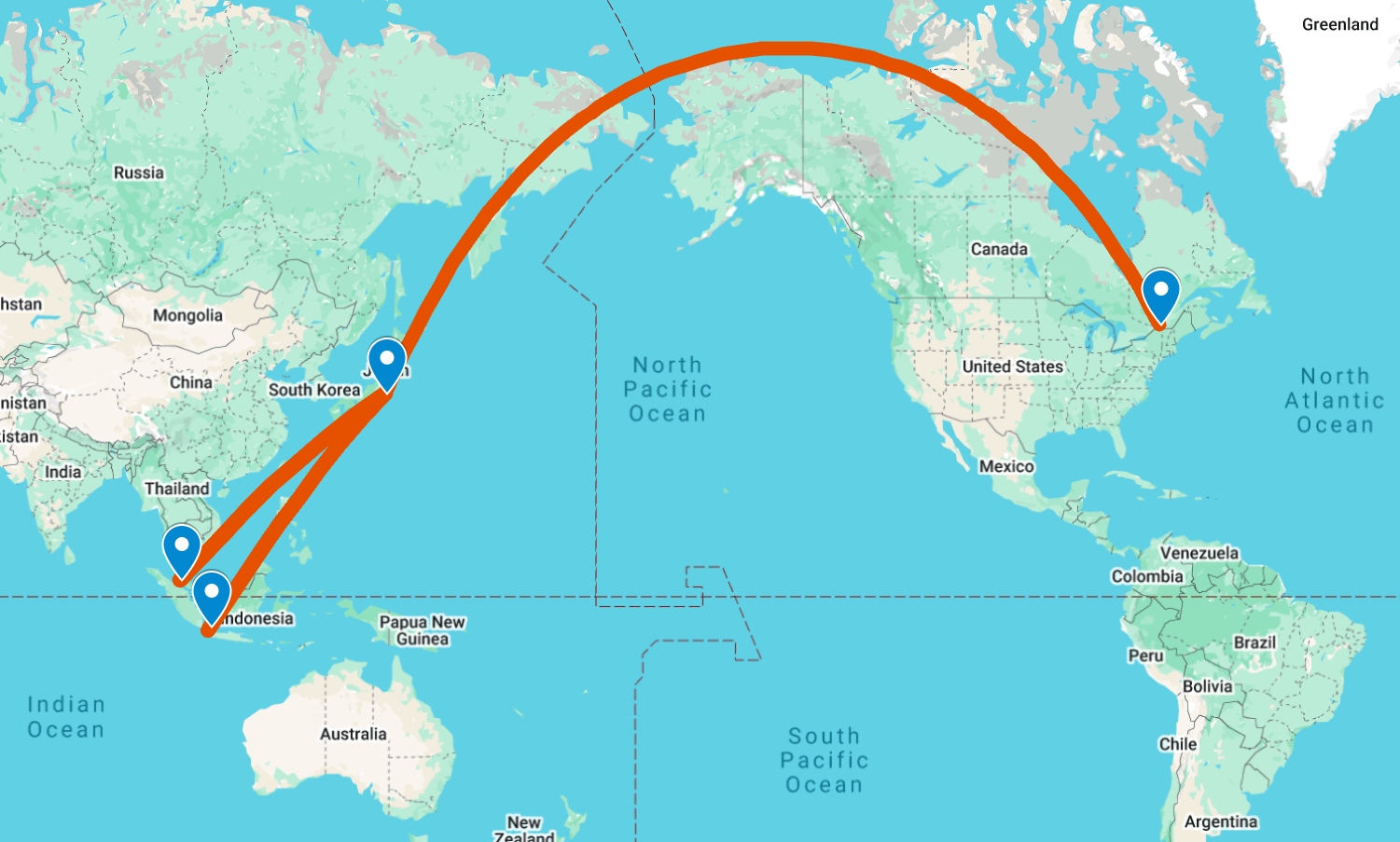
Initially, we looked at a simple return ticket between Montreal and Tokyo. To our surprise, the quotes were significantly higher than we had anticipated. But when I began running simulations for a more extensive route—Montreal to Jakarta (via Tokyo) and returning Kuala Lumpur to Montreal (via Tokyo)—the total price actually dropped.
It felt like a glitch in the matrix: adding thousands of extra miles and two additional countries made the entire ticket better value than simply flying to Japan and back.
Why Airlines Reward You for ‘Going the Extra Mile’
To understand this, one should think of it rather like a ‘Set Menu’ at a restaurant.
- The À La Carte Price: Buying a ticket to a high-demand destination like Tokyo is akin to ordering the most popular steak on the menu. Because everyone wants it, the airline can charge a premium price.
- The Set Menu Discount: Airlines are constantly competing to be the global ‘hub’ for international travel. To win customers away from rivals, they offer aggressive discounts for passengers travelling to ‘beyond points’ such as Indonesia or Malaysia.
By choosing to fly all the way to Jakarta instead of stopping in Tokyo, we were essentially ordering the ‘Full Set Menu’. The airline rewards our loyalty for the extra distance with a lower base fare.
Strategic Stopovers
The finest part of this ‘Set Menu’ strategy? We were able to include a 20-day stopover in Japan on our way to Indonesia. This allowed us to visit family and handle personal business in Tokyo for ‘free’—or rather, for less than the price of a direct ticket to Japan.
By hacking the airline’s preference for long-haul transit passengers, we secured our flights to Southeast Asia and our visit to Japan for a fraction of the standard cost. It was the first major ‘win’ for our Excel-based planning.
Our Strategic Itinerary: Two Stopovers for the Price of One
To demonstrate how this ‘Set Menu’ logic works in practice, here is the actual itinerary we secured. By booking this as a single multi-city journey, we managed to include two significant stopovers in Japan—effectively getting a family visit and a tropical expedition for an unbeatable price.
- Leg 1: Montréal ➔ Tokyo (1st September 2026) Our first stopover. We have 20 days in Japan to visit family, enjoy the food, and finalise our gear before heading into the tropics.
- Leg 2: Tokyo ➔ Jakarta (20th September 2026) The ‘beyond point’ of our ticket. By extending our journey to Indonesia, we triggered the lower base fare that made this entire trip possible.
- Leg 3: Kuala Lumpur ➔ Tokyo (12th March 2027) After six months of adventure, we begin our journey home via Malaysia. Choosing KL as our exit point was a deliberate move to keep the return leg cost-effective.
- Leg 4: Tokyo ➔ Montréal (18th March 2027) Our second stopover. A final 6-day stay in Japan to decompress and see family once more before the long flight back to Canada.
As you can see, we aren’t simply flying from A to B. We are utilising Tokyo as a strategic ‘hub’ for the entire six-month period. This allows us to break up the long-haul travel, enjoy the comforts of Japan twice, and still pay significantly less than the cost of a standard Montréal-Tokyo return ticket.
Is it Truly Better Value to Fly Further?
At first glance, the idea that flying thousands of extra miles to Indonesia would cost less than a shorter flight to Japan seems utterly counter-intuitive. ‘Surely,’ you might think, ‘more fuel and more time must equal a higher fare?’
In the world of aviation logic, however, distance is often secondary to market dynamics. Here is why our ‘longer’ route was actually the more economical choice:
1. The ‘Direct Flight’ Premium
The direct route between Montréal and Tokyo is highly coveted by business travellers and those willing to pay a premium for convenience. Because airlines know they can fill these seats at a high price, they have no incentive to offer discounts. By adding a connection to Jakarta, we moved out of this ‘premium’ bracket and into a more competitive price tier.
2. The Battle for Southeast Asia
The route between North America and Southeast Asia is a fiercely contested battleground. Carriers like ANA, Air Canada, and their trans-Pacific rivals are constantly vying for passengers. To lure travellers away from other hubs like Singapore or Hong Kong, they often slash the prices for ‘beyond points’ like Jakarta. We simply took advantage of this corporate tug-of-war.
3. Strategic Hub Incentives
Airlines and airports in Japan want to solidify Tokyo’s status as the premier gateway to Asia. To encourage this, they offer ‘hub-and-spoke’ pricing models that reward passengers who use Tokyo as a transit point rather than a final destination. By staying in Japan for 20 days on a transit ticket, we effectively ‘hacked’ this incentive.
The Bottom Line
While it sounds like a ‘glitch’, it is a well-established reality of long-haul travel. We didn’t just find a cheaper ticket; we found a way to let the airline’s own competitive strategies pay for our extra month of adventure. As my Excel sheets confirmed: sometimes, the longest way round is the shortest way to a healthy travel budget.
Strategic Entry: Why We Chose Jakarta Over Kuala Lumpur
When looking at a map of Southeast Asia, Kuala Lumpur (KL) often appears to be the most sensible ‘front door’ due to its status as a massive low-cost carrier hub. However, as we pored over the connections to the more remote corners of the archipelago, our strategy pivoted firmly towards Jakarta.
The ‘Dili’ Dilemma: Why KL Didn’t Make the Cut
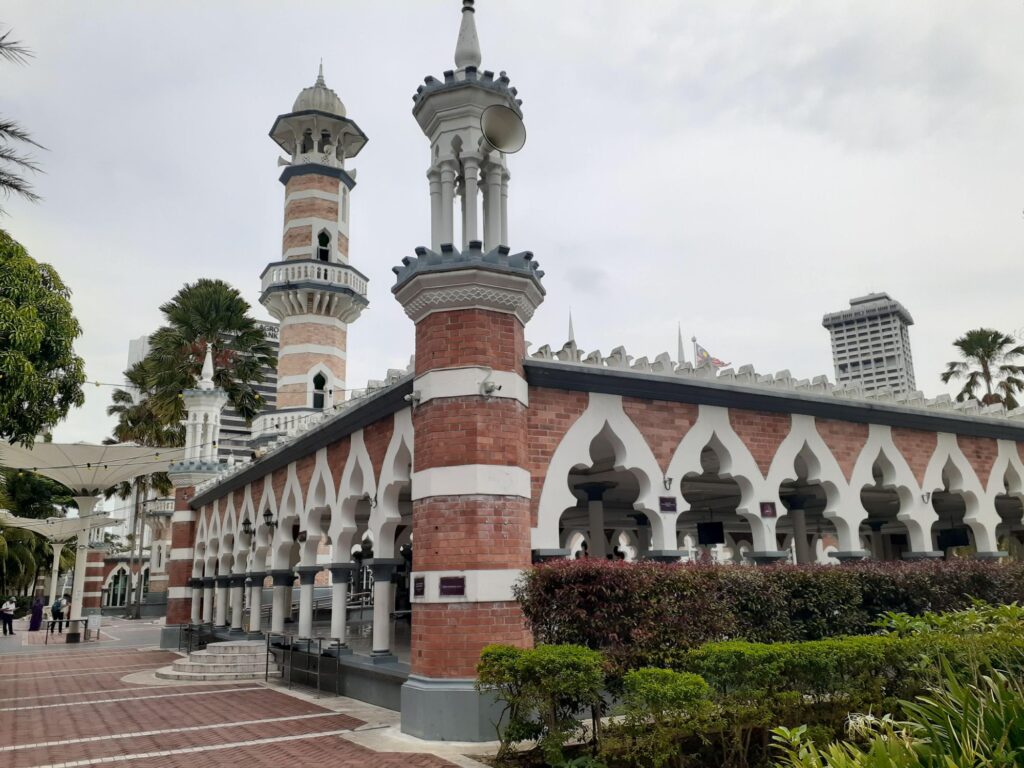
We did, of course, consider starting our journey in Kuala Lumpur. On paper, it’s a brilliant hub, but when we looked into reaching Timor-Leste, we hit a potential roadblock.
Flights from KL to Dili are remarkably sparse; they do not operate on a daily basis, and the schedules are often unpredictable. Relying on such a limited connection for the start of a six-month expedition felt like an unnecessary risk. Jakarta, by contrast, offers a far more robust and frequent domestic network, serving as the superior springboard for reaching the eastern reaches of the Indonesian archipelago.
The Gateway to the East
By landing in Jakarta, we are already ‘inside’ the Indonesian domestic system. This provides us with much greater flexibility when navigating the vast distances towards the east. Starting here means fewer international immigration queues and more streamlined connections as we work our way toward the remote islands that are the very heart of this journey.
The Hidden Route: Kupang and the Land Border
One of the more intriguing segments of our plan involves reaching Timor-Leste from the Indonesian side. Rather than being at the mercy of the limited international flight paths into Dili, we are eyeing a more adventurous path.
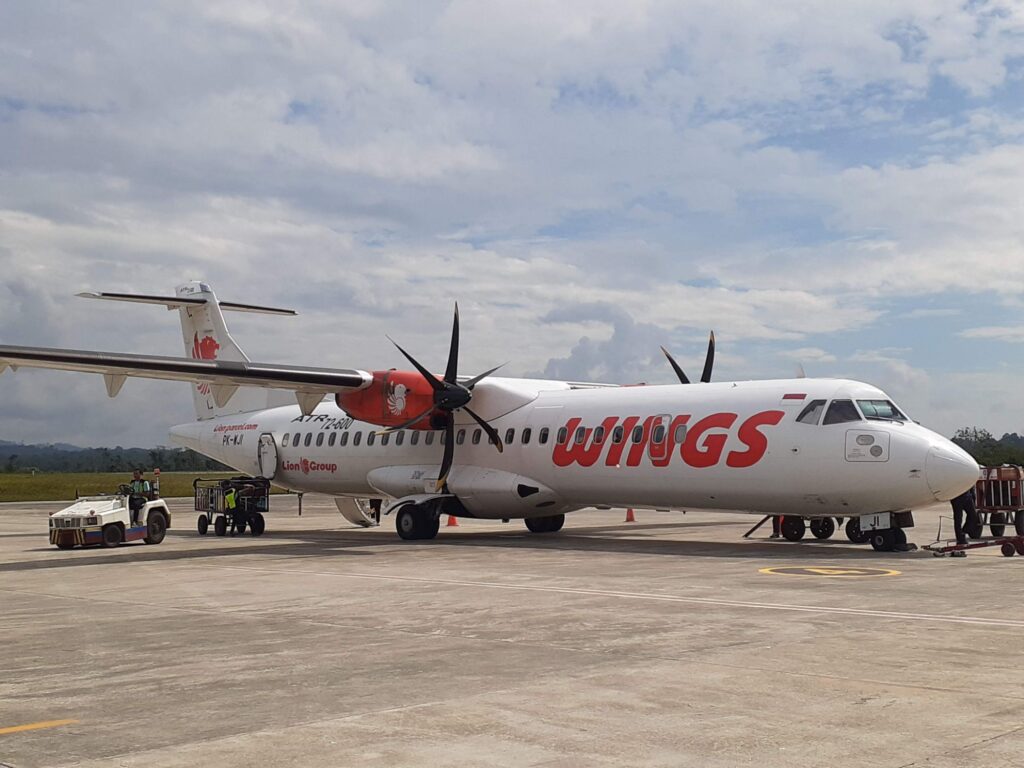
By flying from Jakarta to Kupang, we keep our options open for an overland border crossing into Timor-Leste. This strategy also places us perfectly for the next leg of our adventure: after exploring Timor-Leste, we can easily return to Kupang to catch the short domestic flight to Alor for its world-class snorkelling. We may also take a ferry if the schedule works. The Jakarta – Kupang route offers not only better value but a far more authentic experience of the region’s geography.
Comparative Logistics: Why Jakarta Won the Simulation
To give you an idea of the data we were working with, here is a breakdown of the flight options we analysed. When your goal is Timor-Leste, the ‘obvious’ hubs like KL don’t always offer the best practical solution.
- Kuala Lumpur ➔ Dili: At present, direct flights are remarkably sparse, often limited to just a few services per week and none with LCCs such as Air Asia. There is no guarantee of a daily flight, which makes coordinating a long-term itinerary exceptionally risky.
- Jakarta ➔ Dili: Most flights from the capital—including those by major full-service carriers—require a transit through Denpasar (Bali). Because these are classified as international routes, the fares have a frustrating tendency to skyrocket, making them poor value for money.
- Jakarta ➔ Kupang (KOE): This was our ‘Eureka’ moment. Carriers such as Batik Air and Lion Air operate multiple flights daily. As this is a domestic route, prices remain relatively stable and affordable, even when booking closer to the departure date. It provides the perfect tactical base for our overland crossing into Timor-Leste.
Maximum flexibility: Avoiding travelling during Ramadan in Indonesia
If there is one thing we have learned from our years of nomadic travel, it is that timing is everything. While many travellers focus solely on weather patterns, in Southeast Asia, cultural and religious calendars can have an even greater impact on your daily life. This is why our 2027 itinerary is built around being out of Indonesia before Ramadan begins.
A Lesson Learned the Hard Way
Our caution isn’t based on hearsay; it is born from a rather vivid and slightly exhausting experience we had during a previous trip to Indonesia.
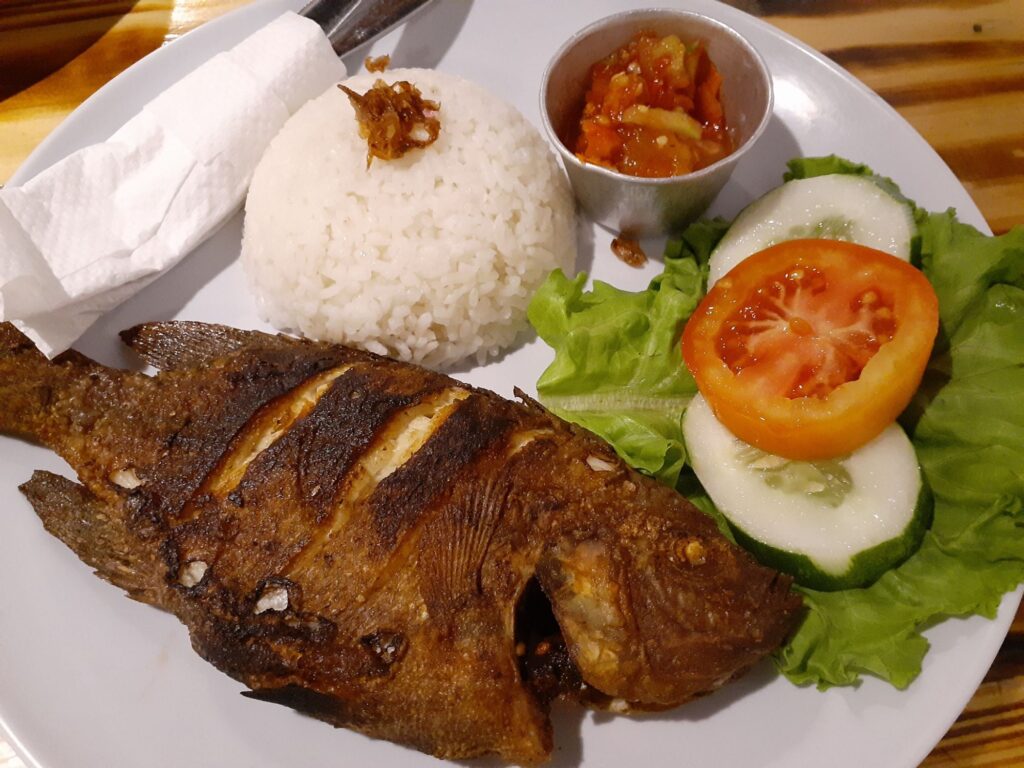
We found ourselves in a predominantly Muslim area during Ramadan without having fully prepared for the logistical shift. By day, the streets were eerily quiet, and finding a place to eat became a bit of a challenge. It’s also important to be respectful to those who are fasting and so meals were taken behind curtained off areas.
When sunset finally arrived, the atmosphere shifted from silence to a frantic, overwhelming energy. Whilst it’s a wonderful feeling to experience that atmosphere, the ‘Iftar’ rush meant every eatery was suddenly packed to the rafters, and the noise of the celebration made sleep more difficult.
The 2027 Logistical ‘Perfect Storm’
In 2027, the challenge is amplified. As I mentioned earlier, Ramadan is expected to begin around the 8th of February, coinciding almost exactly with the Lunar New Year (6th February).
For a traveller in Indonesia, this creates a series of logistical hurdles including :
- Transport Gridlock before and during Eid: Millions of people travel to be with their families (‘Mudik’), meaning domestic flights, trains, and ferries sell out months in advance.
- The Price Hike: With such high demand, the cost of the few remaining seats and hotel rooms skyrockets.
Our Exit Strategy: The Northward Transition
By cross-referencing the 2027 religious calendar with our intended route, we made a strategic decision to conclude the Indonesian and Timor-Leste segments of our journey by early February. Just before Chinese New Year and Ramadan begins to grip Indonesia, we will be making our exit and commencing our journey north.
Our ultimate destination for this phase is Hong Kong, where we have specific business to attend to (after Chinese New Year). It is important to note that we aren’t simply teleporting there; rather, the start of Chinese New Year and Ramadan serves as our ‘departure whistle’ to leave the archipelago.
We will be progressively moving towards international hubs and the efficient infrastructure of East Asia.
In travel, as in life, knowing when to start moving is just as important as knowing where to go. By the time the curtains are being drawn over the restaurant windows in Indonesia, we shall be well on our way towards the next chapter of our expedition.
Solving the Puzzle: Comparing Hub Cities
When you are planning a journey of this scale, your ‘hub’ choice is the foundation upon which everything else is built. In Southeast Asia, we were spoilt for choice: Singapore, Bangkok, Kuala Lumpur, and Jakarta. To the untrained eye, they might all seem like similar tropical gateways, but our Excel spreadsheets told a different story.
The Hub-Hopping Simulation
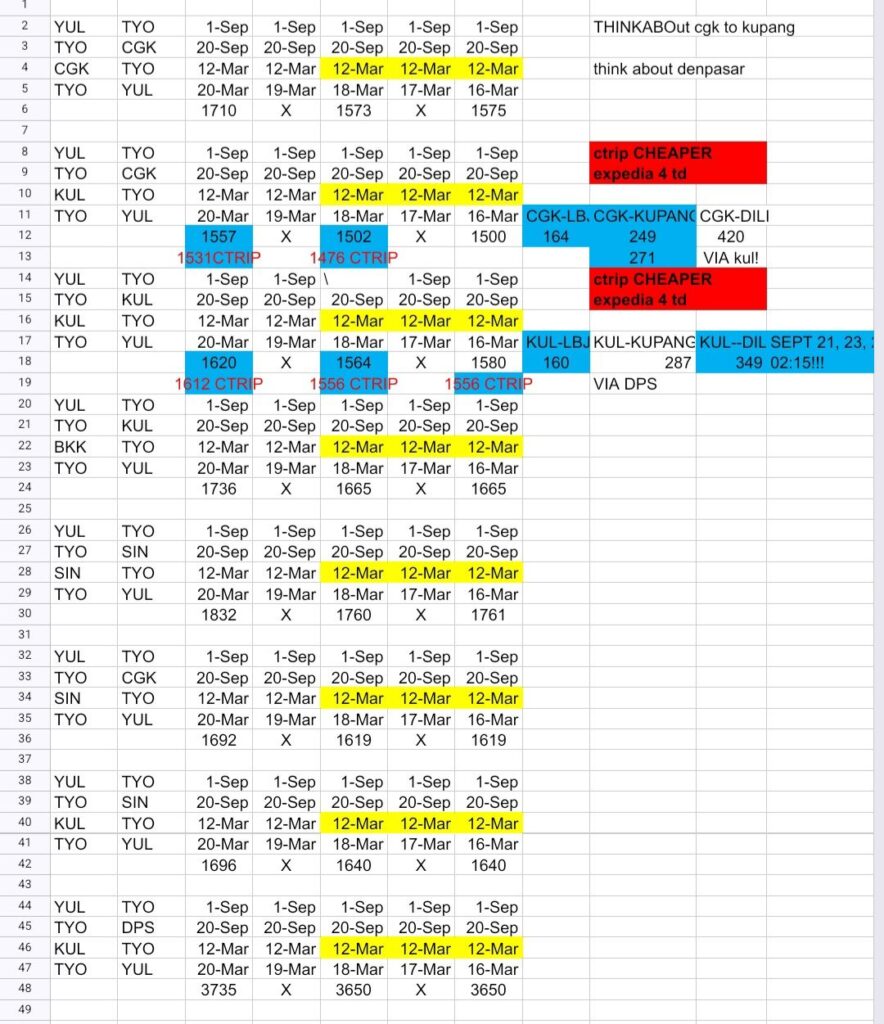
- YUL: Montreal (Montréal-Trudeau International Airport, Canada)
- TYO: Tokyo (Haneda/Narita Airport, Japan)
- CGK: Jakarta (Soekarno-Hatta International Airport, Indonesia)
- KUL: Kuala Lumpur (Kuala Lumpur International Airport, Malaysia)
- SIN: Singapore (Singapore Changi Airport, Singapore)
- BKK: Bangkok (Suvarnabhumi Airport, Thailand)
- LBJ: Labuan Bajo (Komodo International Airport, Indonesia)
- DPS: Denpasar (Ngurah Rai International Airport, Bali, Indonesia)
- DIL: Dili (Presidente Nicolau Lobato International Airport, Timor-Leste)
- KOE: Kupang (El Tari International Airport, West Timor, Indonesia)
I spent a few hours running simulations, comparing not just the long-haul fares from Canada, but the ‘knock-on’ costs of domestic flights within Asia. We treated each city as a variable in a larger equation:
- Singapore & Bangkok: Whilst world-class hubs, the ‘Set Menu’ flight prices from North America were surprisingly high for our specific dates. These cities are victims of their own popularity; everyone wants to fly there, so the airlines have little reason to discount.
- Kuala Lumpur (KL): As the home of AirAsia, KL is unbeatable for short-range regional hops. However, our data showed that it offered better value as an exit point rather than an entry point for this particular journey.
- Jakarta: This was the outlier. Not only did it trigger the lowest base fare for our flight from Canada, but it also offered the most logical domestic connections for the first leg of our mission towards Timor-Leste.
Quantifying the ‘Hidden’ Costs
Our Excel sheets didn’t just track ticket prices; they factored in the logistical weight of each choice. We looked at flight frequencies, the likelihood of delays, and the cost of staying overnight near the airport for early-morning connections.
By comparing these hubs side-by-side in a spreadsheet, the ‘correct’ path became obvious. We weren’t choosing based on which city had the best airport lounge or the most famous street food; we were choosing the city that functioned as the most efficient engine for our six-month itinerary.
Data Over Intuition
Travel intuition often tells you to go where the crowds go. Data, however, encourages you to look for the gaps they’ve missed. By using Excel to strip away the marketing fluff of the major hubs, we managed to find a route that was not only more adventurous but significantly better value. It turned a daunting six-month puzzle into a series of logical, manageable steps.
[Related Stories]
➡ The Strategic Budget for a 6-Month Winter Escape: How We Turn “Vacation Costs” into “Living Costs”
➡ Smart Flight Booking Strategy: How We Secured Our 2026 World Adventure (Despite Global Price Hikes)
➡ Flexible Travel Planning: Our 6-Month Itinerary Through Japan, Indonesia, East Timor & Beyond
Reference: The Reality of Airfares (2026 Trends)
To help you understand the data behind our decisions, here are three key facts we uncovered during our research:
- 1. The Advantage of Open-Jaw and Stopover Tickets: For flights departing from North America, we found that setting Tokyo as a final destination is often more expensive than using it as a ‘transit point’. By extending the journey to a Southeast Asian hub like Jakarta or KL, the base fare is frequently lower—even though you are flying a greater distance.
- 2. Navigating Fuel Surcharges: Throughout 2026, fluctuating oil prices have caused simple return fares to soar. However, by combining promotional fares originating in Southeast Asia with our trans-Pacific legs, we were able to significantly reduce the total cost of the expedition. It is a highly effective strategy for long-term travellers.
- 3. The Price Stability of Malaysia Airlines: Kuala Lumpur (KUL) remains one of the world’s most competitive airports for both low-cost and full-service carriers. We observed that flights from KL to Tokyo are consistently 10% to 20% better value than similar routes departing from Bangkok (BKK) or Singapore (SIN).
Conclusion: Strategy Makes the Adventure
Planning a six-month expedition through Southeast Asia is, without a doubt, a fun and for some a daunting undertaking. It is tempting to simply book the first direct flight you see and “figure it out” upon arrival. However, as our journey to 2026 has shown, a bit of analytical rigour and a well-organised Excel sheet can transform a logistical headache into a seamless, high-value adventure. Having flown the Montreal – Jakarta route with stopovers in Japan on multiple occasions it seems to consistently be a great deal.
By understanding the ‘Set Menu’ logic of international airlines and respecting the cultural rhythms of the regions we visit, we have managed to secure a route that others might miss. We aren’t just saving money; we are buying ourselves peace of mind. We will be snorkelling in the pristine waters of Alor whilst others are stuck in the transport gridlock of a holiday rush, and we will be enjoying the comforts of Japan twice without breaking the bank.
The takeaway is simple: Don’t let your itinerary be a series of accidents. Take the time to compare the hubs, cross-reference the religious calendars, and look for those pricing paradoxes that the average traveller overlooks. When you have a solid strategy as your foundation, you are free to focus on what actually matters—the people you meet, the food you discover, and the incredible world beneath the waves.
Our spreadsheets are now closed, and our tickets are booked. The data has done its job; now, the real adventure begins.


Comment