In our previous guide, [Is English Spoken in Japan? How to Survive Without Japanese], we highlighted how modern apps like Google Maps and Google Lens are absolute lifesavers for navigating trains and reading restaurant menus on the go.
But here is the catch: those indispensable tools require an active, reliable internet connection to work.
If you are wondering whether you can just wing it and rely on free public Wi-Fi networks when you land, or if you need to buy a local SIM card, you are in the right place. Let’s dive into the real-world reality of staying connected in Japan and look at the smartest options available for your budget.
The Honest Truth About Free Public Wi-Fi in Japan
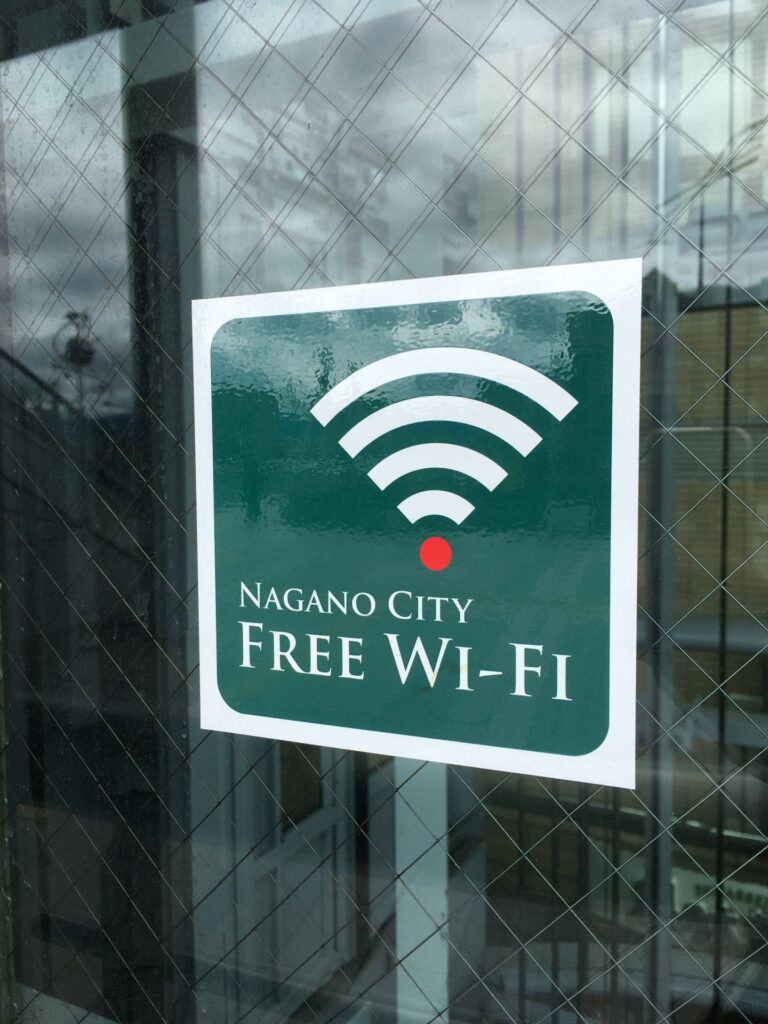
Many first-time visitors assume that a high-tech country like Japan is covered in a blanket of seamless, lightning-fast free public Wi-Fi.
The honest reality? Do not rely on public Wi-Fi for your daily travel needs.
While major cities like Tokyo and Osaka have made massive strides over the last few years, public Wi-Fi in Japan can still be incredibly frustrating for tourists. Here is why:
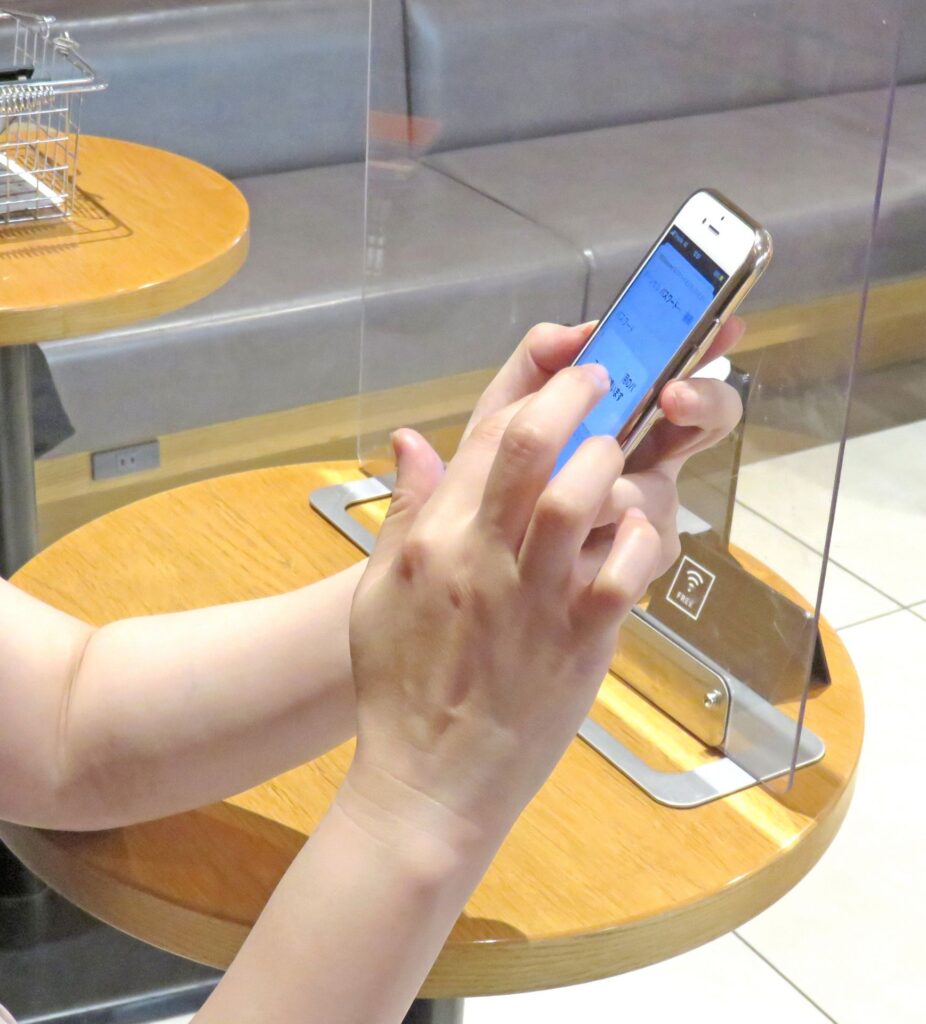
- The Registration Trap: Most “free” networks (even inside major train stations or convenience stores) force you to go through a tedious registration process, requiring you to confirm an email address or log in via social media before you can access the web.
- Spotty and Unreliable Connection: The moment you step off a train platform or walk away from a specific cafe entrance, you will immediately lose your signal. Trying to look up urgent train changes mid-journey on a disconnected map is an absolute nightmare.
- Security Concerns: Open, unencrypted public networks leave your personal data and banking information vulnerable while you are travelling.
Treat public Wi-Fi as a helpful emergency backup, not your primary connection. To have a stress-free trip, you need to bring your own internet data with you.
Option 1: The Modern Champion — The Travel eSIM
If you have a modern, carrier-unlocked smartphone, a digital eSIM is hands-down the most convenient, affordable, and seamless way to get data in Japan.
An eSIM allows you to download a digital cellular profile directly onto your phone via a QR code before you even leave home. The second your plane touches down at Narita or Haneda airport, your phone automatically switches over to a local Japanese network (like Docomo or SoftBank) and you are instantly online.
Why We Love eSIMs:
- Keep Your Original SIM: You don’t have to remove your physical home SIM card. Your phone stays tucked away safely inside your device, meaning you can still receive important two-factor authentication (2FA) texts from your bank back home on your original number.
- Zero Physical Friction: There are no physical counters to line up at after a long, long-haul flight, and no tiny pieces of plastic to accidentally drop or lose.
- Incredibly Cost-Effective: Highly rated international providers like Airalo or Ubigi offer generous data packages for a fraction of the cost of international roaming.
Our Personal Travel Hack: The 365-Day Global eSIM
As travel bloggers who are constantly on the move, we actually use a slightly upgraded version of this strategy. Mai buys a 1-year Global eSIM from Airalo. Because Japan is fully covered under this global plan, we never have to stress about research, buying data, or changing settings whenever we visit Japan.
Even better? My phone simply connects to Mai’s phone via a personal hotspot (tethering). This means with just one single annual eSIM plan, both of our devices stay seamlessly connected to the internet the entire time we are exploring! If you are a frequent traveller, investing in a long-term global plan is an absolute game-changer.
Option 2: The Classic Route — Physical Tourist SIM Cards
If your smartphone is a slightly older model that doesn’t support eSIM technology, a physical tourist SIM card is your go-to alternative.
You can purchase these data-only SIM cards directly at major Japanese airports. As soon as you clear customs, you will see dedicated electronic vending machines and telecom counters (like Bic Camera or Sakura Mobile) selling them.
What to Keep in Mind:
- Bring a SIM Ejector Tool: You will need to physically swap out your home country’s SIM card and swap in the Japanese one. Keep your original card stored in a safe, secure place (like your wallet’s zipped pocket)—losing it means a massive headache when you return home!
- Check Your Phone’s Lock Status: Just like with an eSIM, a physical Japanese SIM card will only work if your smartphone has been fully unlocked by your home network carrier.
Option 3: Best for Groups & Multiple Devices — Pocket Wi-Fi
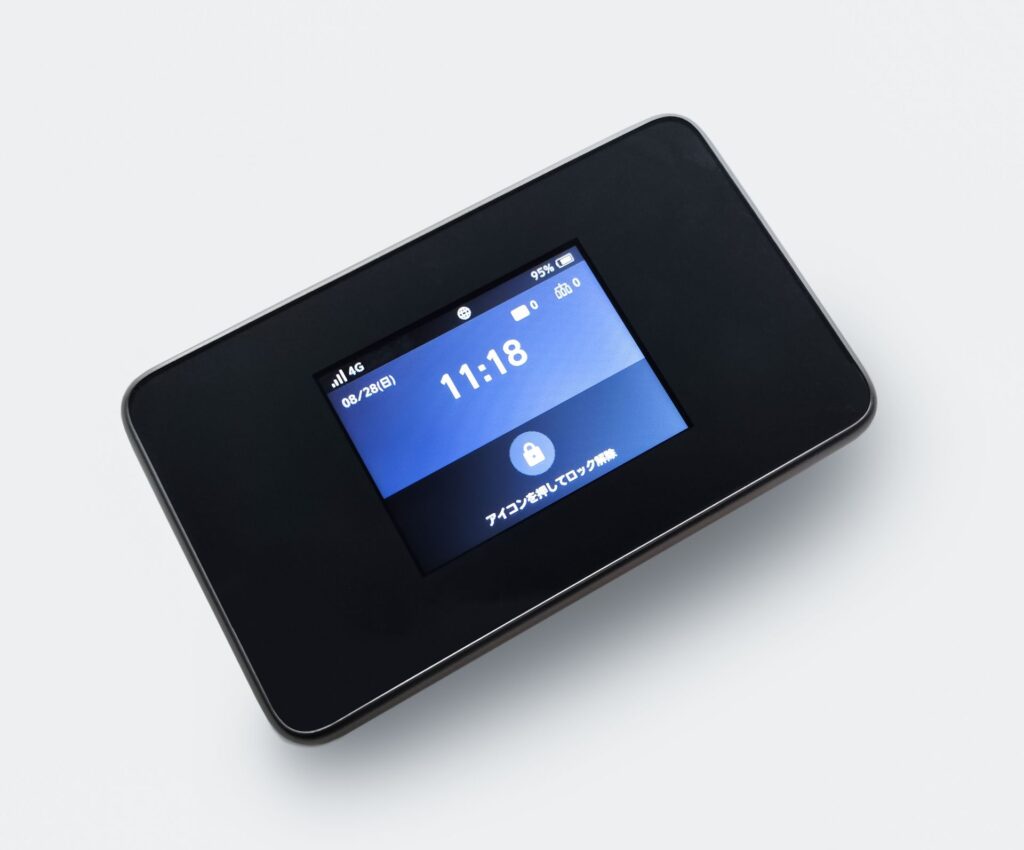
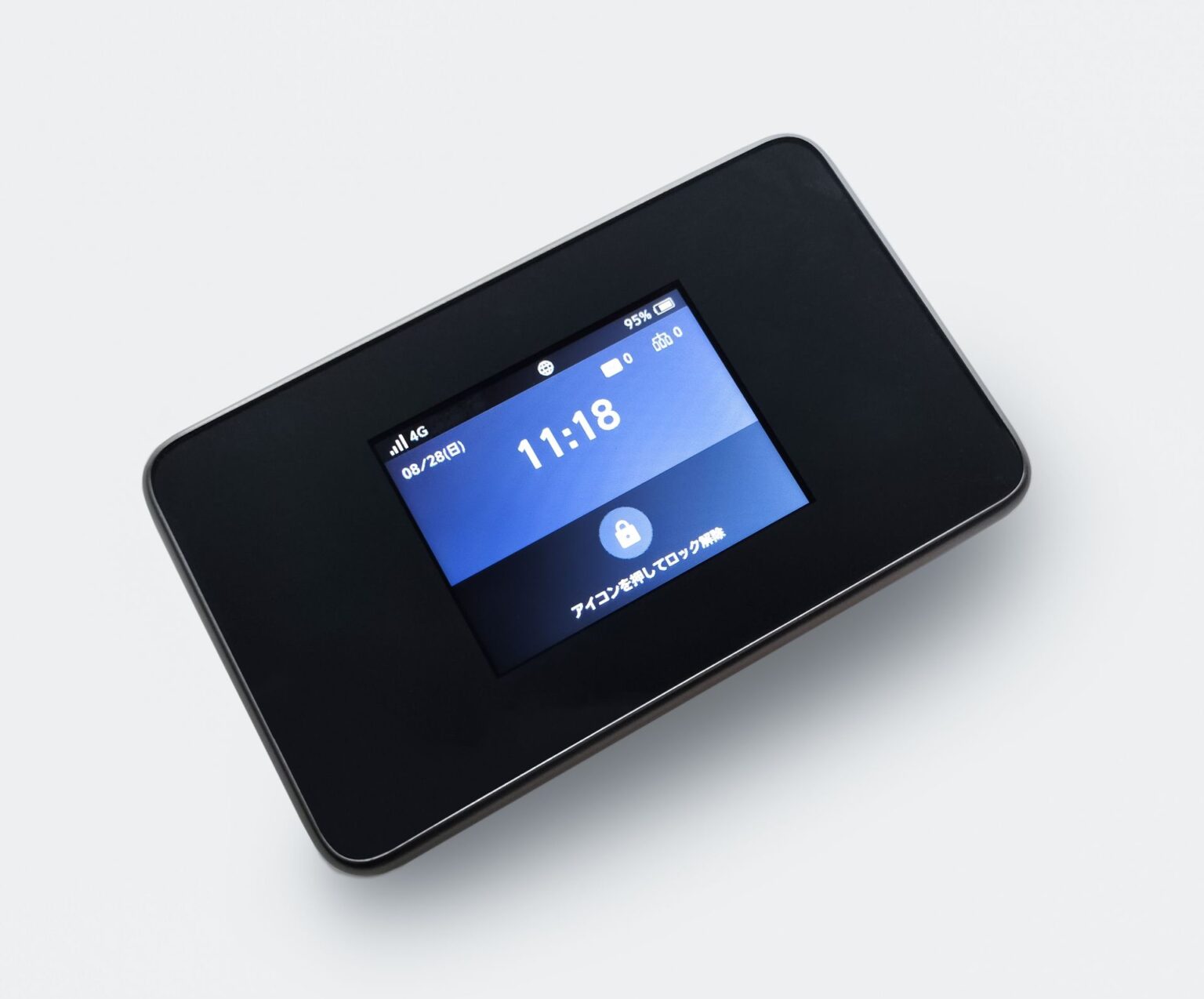
A Pocket Wi-Fi (locally known as a “Pocket Wi-Fi router”) is a small, rechargeable portable device that beams out a private, secure Wi-Fi hotspot wherever you go.
You can reserve one online weeks in advance and easily pick it up at your arrival airport’s post office or service desk, then simply drop it off in a pre-paid return envelope at any airport postbox before you fly home.
When to Choose Pocket Wi-Fi:
- Travelling as a Family or Group: A single pocket Wi-Fi device can simultaneously connect multiple smartphones, tablets, and laptops. If you are travelling with a partner or kids, splitting the rental cost can be incredibly economical.
- Locked Handsets: If your phone is locked to your home carrier contract and cannot physically accept a different SIM card, pocket Wi-Fi is your ultimate saving grace.
Conclusion: Which One is Right for You?
To keep your journey as effortless as possible, choose your data strategy based on your device and group size:
- Choose an eSIM if you travel with a modern, unlocked phone, want instant data the second you land, and prefer the cheapest rates without the physical clutter.
- Choose a Physical SIM if your phone is unlocked but doesn’t support eSIMs.
- Choose a Pocket Wi-Fi if you are travelling with multiple laptops/tablets, sharing data across a family group, or carrying a carrier-locked smartphone.
Get your connectivity sorted out early, and you’ll be fully equipped to navigate Japan’s brilliant train networks, translate beautiful local menus, and share your incredible travel photos with friends back home without missing a single beat!
Got your internet sorted? Head back to our master checklist to tackle your next big travel question:
➡ First Trip to Japan? 12 Questions that We are Frequently Asked
Comment