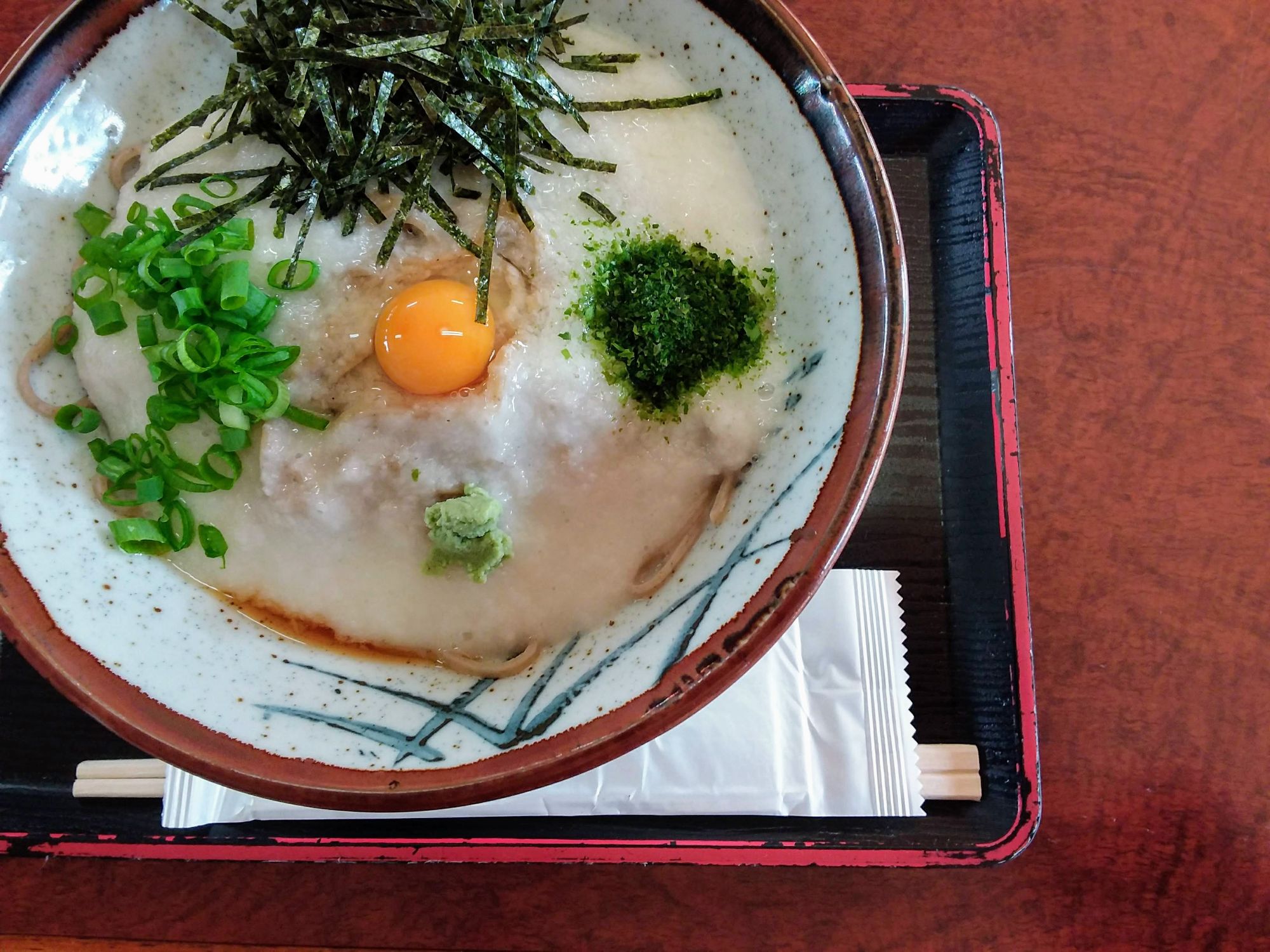
When planning a bucket-list trip to Japan, food is usually at the top of everyone’s highlight list. From steaming bowls of authentic ramen to delicate sushi, Japan is an absolute culinary paradise.
However, if you follow a vegetarian or vegan diet, or if you live with severe food allergies, preparing for Japan can feel a bit daunting. You have probably heard mixed rumors online: some travellers claim it’s a total nightmare, while others say they ate like royalty.
So, what is the honest truth?
The short answer is: Yes, travelling in Japan with dietary restrictions can be surprisingly challenging, but it is entirely manageable—and delicious—if you know how to navigate the local food culture and come prepared.
Here is our honest, real-world guide to understanding dietary restrictions in Japan, along with practical tips, essential apps, and local hacks to keep your belly full and happy.
The Hidden Hurdle: The Power of “Dashi” (Fish Stock)
To understand why Japan can be tricky for vegetarians and vegans, you first have to understand the foundation of Japanese cooking: Dashi (出汁).
Dashi is an essential, savory broth made primarily from kelp (kombu) and dried bonito fish flakes (katsuobushi). It forms the flavor base for almost everything—miso soup, noodle broths, dipping sauces, simmered vegetables, and even omelets (tamagoyaki).
Because dashi is considered a flavour enhancer rather than a “meat dish,” many local restaurant owners will genuinely tell you, “Yes, this dish is vegetarian!” even if it was cooked in a rich fish broth.
Gluten & Soy Sauce (Shoyu)
If you are strictly gluten-free or celiac, Japan presents a similar challenge. Traditional Japanese soy sauce (Shoyu) is made with wheat. Because soy sauce is used to season nearly every savory dish—from teriyaki glaze to sushi rice—finding entirely gluten-free Japanese meals outside of dedicated specialty cafes requires a bit of research.
Food Allergies in Japan: What You Need to Know
If you have food allergies (such as peanuts, dairy, eggs, or shellfish), Japan is actually very advanced when it comes to packaged food labeling, but dining out requires clear communication.
- Convenience Store Labels: Japanese law mandates that 7 major allergens (eggs, milk, wheat, buckwheat, peanuts, shrimp, and crab) must be clearly printed on all packaged foods. Look for the allergen table on the back of pre-packaged meals at 7-Eleven, Lawson, or FamilyMart!
- Nut Allergies: The good news for those with peanut allergies is that traditional Japanese cuisine relies very little on peanut oil or peanut pastes (unlike some Southeast Asian cuisines). However, tree nuts like pine nuts and sesame (goma) are widely used.
- Cross-Contamination: In small, traditional eateries (like a cramped tempura or ramen shop), kitchens are compact, and cross-contamination is common. If you have a severe airborne or anaphylactic allergy, dining at dedicated or modern establishments is strongly advised.
4 Essential Tools for Dining Stress-Free
Navigating menus doesn’t have to be a guessing game. Here are the tools we highly recommend setting up before your flight:
1. HappyCow (Your New Best Friend)
The HappyCow app is an absolute must-have for vegetarian and vegan travelers in Japan. Major cities like Tokyo, Kyoto, Osaka, and Hiroshima now have booming plant-based scenes. HappyCow maps out thousands of vegan-friendly ramen shops, Buddhist temple cuisine (Shojin Ryori) spots, and modern plant-based cafes.
2. Pointing Cards / Translation Cards
Language barriers can lead to accidental misunderstandings. Carrying a physical or digital dietary card written in clear Japanese is the single best way to communicate with restaurant staff.
- Tip: Rather than just writing “I am vegan,” use specific cards that state: “I cannot eat meat, poultry, seafood, or fish broth (dashi).”
3. Google Translate (Camera Feature)
The instant camera translation feature on Google Translate is a lifesaver when browsing supermarket aisles, convenience stores, or reading Japanese-only paper menus. Point your camera at the ingredients list to instantly check for allergens or unwanted meat extracts.
4. Try Shojin Ryori (Traditional Buddhist Cuisine)
For an unforgettable, authentic Japanese dining experience, seek out Shojin Ryori. This is the traditional devotional cuisine of Japanese Zen Buddhist monks. It is completely vegetarian (and almost entirely vegan), utilizing seasonal vegetables, tofu, mountain plants, and seaweed. Eating a Shojin Ryori meal at a temple in Koyasan or Kyoto is a true highlight of any trip.
Convenience Stores Are Your Safety Net
If you ever find yourself in a rural train station or a small town where plant-based or allergen-free options seem nonexistent, step inside a local convenience store (konbini).
They offer quick, reliable, and incredibly affordable staples:
- Salted Onigiri (Rice Balls): Plain salted rice balls (Shio-musubi) or plain plum (Umeboshi) onigiri are generally vegan and gluten-free.
- Edamame & Bananas: Fresh, healthy snacks available 24/7.
- Baked Sweet Potatoes (Yaki-imo): Piping hot, naturally sweet, and 100% plant-based (often found during autumn and winter months).
Can You Cook Your Own Meals? (Self-Catering Options in Japan)
If you have strict dietary restrictions or severe allergies, you might be wondering: “Is it hard to find accommodations with kitchen facilities in Japan?”
While traditional Hotels and Ryokans almost never offer guest kitchens (and usually include full-meal plans or breakfast buffets), the landscape for self-catering in Japan has expanded dramatically in recent years.
If you prefer to cook your own meals using fresh ingredients from local Japanese supermarkets, here are the best accommodation types to look for:
- Apt-Hotels & Residential Hotels (e.g., MIMARU, MONday Apart): This is a booming trend in major cities like Tokyo, Kyoto, and Osaka. Brand names like MIMARU cater specifically to families and long-term travellers, offering spacious rooms equipped with full kitchens, dining tables, large refrigerators, and basic cookware.
- Vacation Rentals (Airbnb & Machiya): Renting a local apartment or a restored traditional Japanese townhouse (Machiya) through platforms like Airbnb is widely popular. Most come fully equipped with stovetops, microwaves, and rice cookers.
- Hostels & Guesthouses: Budget-friendly hostels across Japan almost universally feature modern, clean communal kitchens equipped with shared fridges, utensils, and seasonings—perfect for preparing simple meals and meeting fellow travellers.
- Condominiums in Nature Areas: If you are visiting resort regions (like Hokkaido, Nagano, or Okinawa), condo-style rentals with private kitchens are the standard accommodation choice.
A Fun Local Experience: Supermarket Shopping!
Cooking for yourself in Japan isn’t just a safety net for your diet—it is also a fantastic cultural experience!
Japanese supermarkets (Supa) are a paradise for food lovers. You can pick up pristine local produce, fresh tofu, rice, seasonal fruits, and clear allergen-labeled sauces.
Conclusion: Preparation is the Secret Ingredient
While dining in Japan as a vegetarian, vegan, or allergy sufferer requires more planning than in some Western countries, don’t let it discourage you from visiting.
With a little bit of advance research, the right apps on your phone, and clear communication cards in hand, you can navigate Japan’s incredible food culture safely, comfortably, and deliciously!
Ready to solve your next big travel question? Hop back to our ultimate hub: ➡ First Trip to Japan? 12 Questions that We are Frequently Asked

Comment