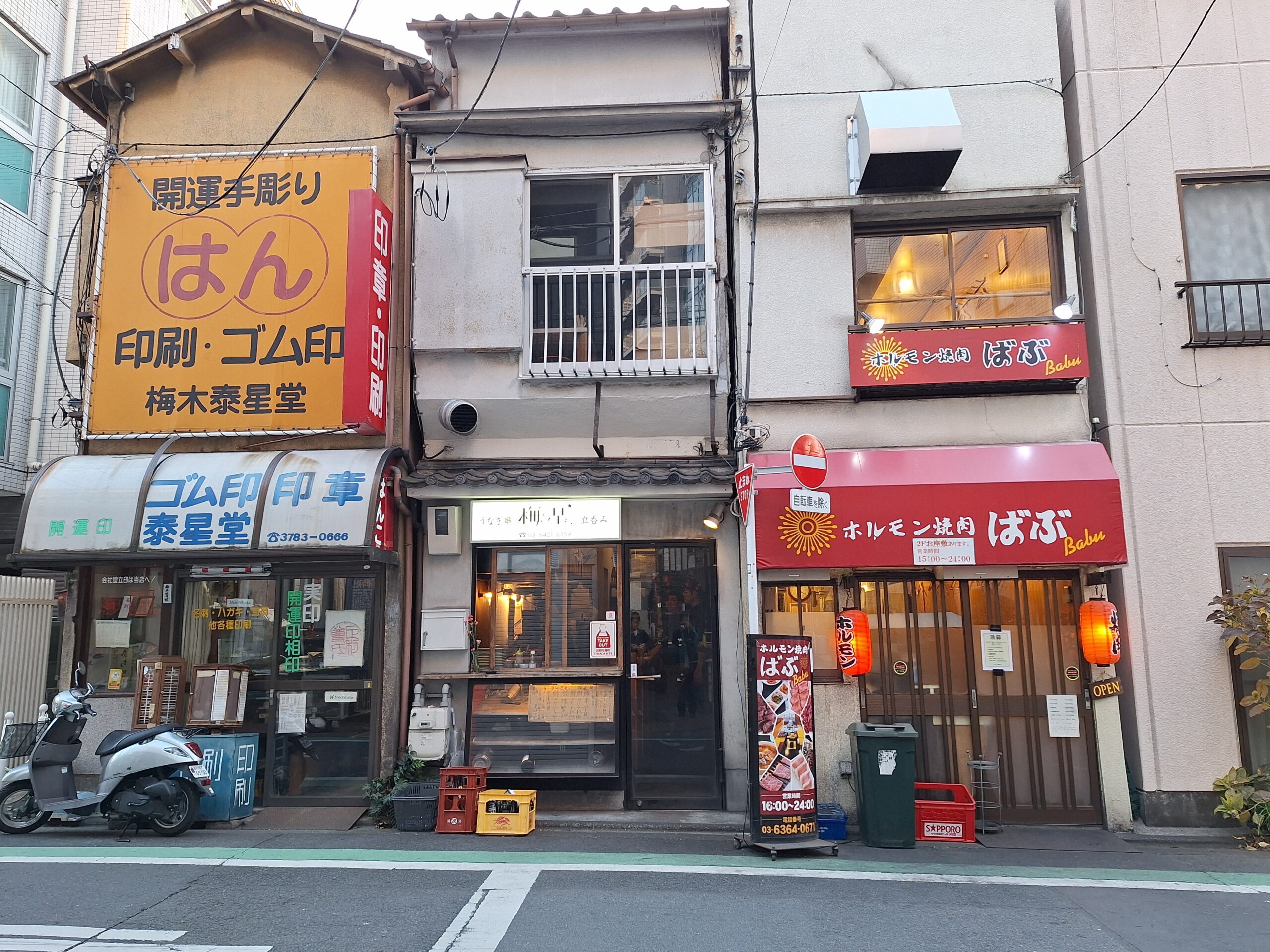
As a British bloke used to delayed national rail and quiet pints of ale at the local pub, my very first trip to Japan back in the 1990s was a beautiful form of sensory overload.
Over the years, travelling alongside my Japanese wife, I’ve watched this incredible country seamlessly blend ancient traditions with cutting-edge tech. Yet, while the move from paper tickets to digital has made travelling easier, certain unique cultural rules remain beautifully set in stone.
If you are planning your very first journey to the Land of the Rising Sun, you don’t have to learn the hard way like I did. From the silent etiquette of train carriages to the near-existential crisis of trying to dispose of a convenience store bento box, here is the ultimate Japan travel guide packed with essential tips and local etiquette you need to know before you touch down!
- 1. Cash is Still King in Japan
- 2. Public Transport Is Punctual and Quiet
- 3. Don’t Underestimate Japan’s Convenience Stores
- 4. Swapping the British Pub for Izakayas and Standing Bars
- 5. The Great Rubbish Bin Mystery
- 6. Vending Machines and the Free Water Blessing
- 7. Navigating Tattoos and Traditional Onsens
- Final Thoughts
1. Cash is Still King in Japan
While major department stores and modern restaurants in Tokyo accept contactless payments and credit cards, Japan remains a surprisingly cash-based society in many traditional areas. If you are visiting historic temples, purchasing street food at a local market, or using older ticket machines, you will absolutely need physical Japanese Yen coins and notes. Always keep a few thousand Yen in your wallet. If you run out, the ATMs inside 7-Eleven stores accept international bank cards and offer excellent exchange rates.
Related article:
➡ Can I Use My Credit Card in Japan? A Guide to Cash, Cards, and IC Cards
➡ How Much Cash Do I Need in Japan? (A Practical Guide)
2. Public Transport Is Punctual and Quiet
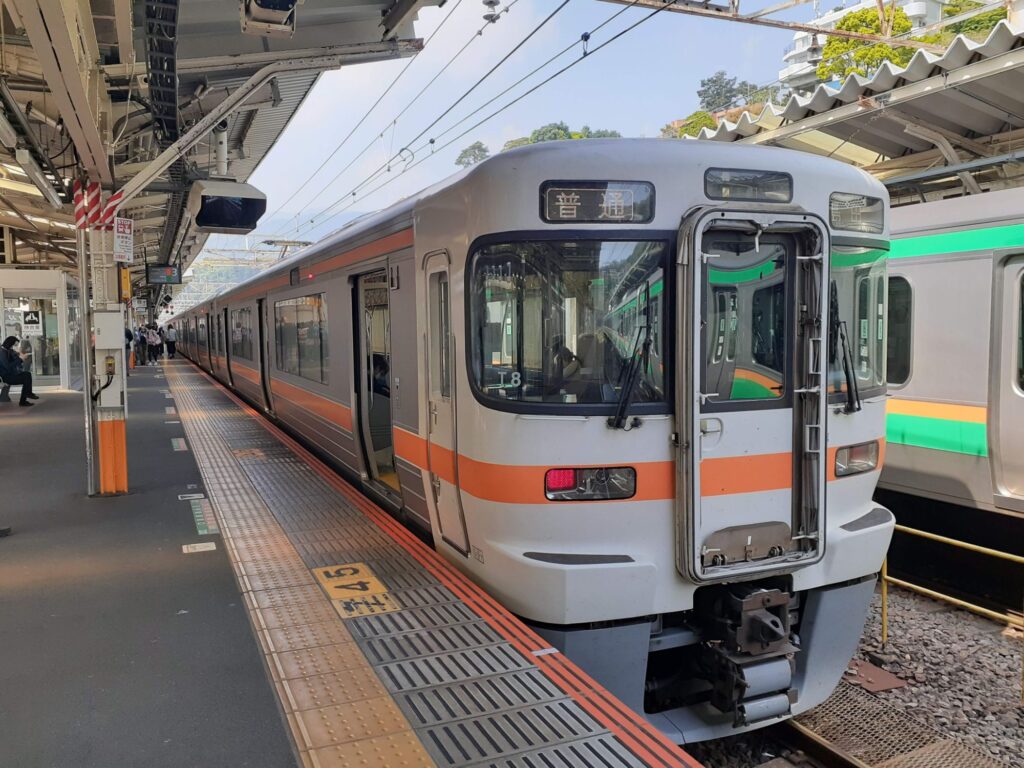
They are incredibly punctual
When travelling to Japan, your entire trip will revolve around their legendary rail network. Coming from the UK, where trains are synonymous with delays and cancellations, the Japanese transit system felt like stepping into a science-fiction film. If a train is scheduled to leave at 10:03, it will leave at exactly 10:03.
It’s not ‘allowed’ to speak on the phone in public transport
Once you are on board public transport in Japan, you will notice something extraordinary: absolute silence. In the UK, it is entirely normal to pass the time on a train by having a chat with a friend or taking a quick work call. In Japan, however, speaking on your mobile phone while on a train or bus is considered an absolute social faux pas. Scrolling through your social media feed, playing silent games, or texting and messaging friends is perfectly acceptable, people just shouldn’t make noise with their phone. It makes for an incredibly peaceful journey, provided you can break the habit of chatting on the move!
Google Maps is your best friend
Google Maps works exceptionally well in Japan. It tells you:
- which platform to use
- which carriage to board
- transfer times
- train fares
Planning journeys becomes much easier than you might expect.
3. Don’t Underestimate Japan’s Convenience Stores
In the UK, a convenience store sandwich is normally a last-resort option. In Japan, ‘Conbini’ stores like 7-Eleven, Lawson, and FamilyMart are culinary sanctuaries. We find ourselves eating breakfast or grabbing quick lunches here regularly. From high-quality onigiri (rice balls wrapped in seaweed) to delicious katsu sandwiches and steaming hot buns, the food is fresh, incredibly cheap, and remarkably delicious. It is the ultimate budget-friendly hack for anyone visiting Japan for the first time.
Additionally, they aren’t just places to buy snacks. You can also:
- buy surprisingly good meals
- withdraw cash
- send parcels
- print documents
- pay bills
- purchase event tickets
For travellers, they become one of the most useful places you’ll visit every day.
4. Swapping the British Pub for Izakayas and Standing Bars
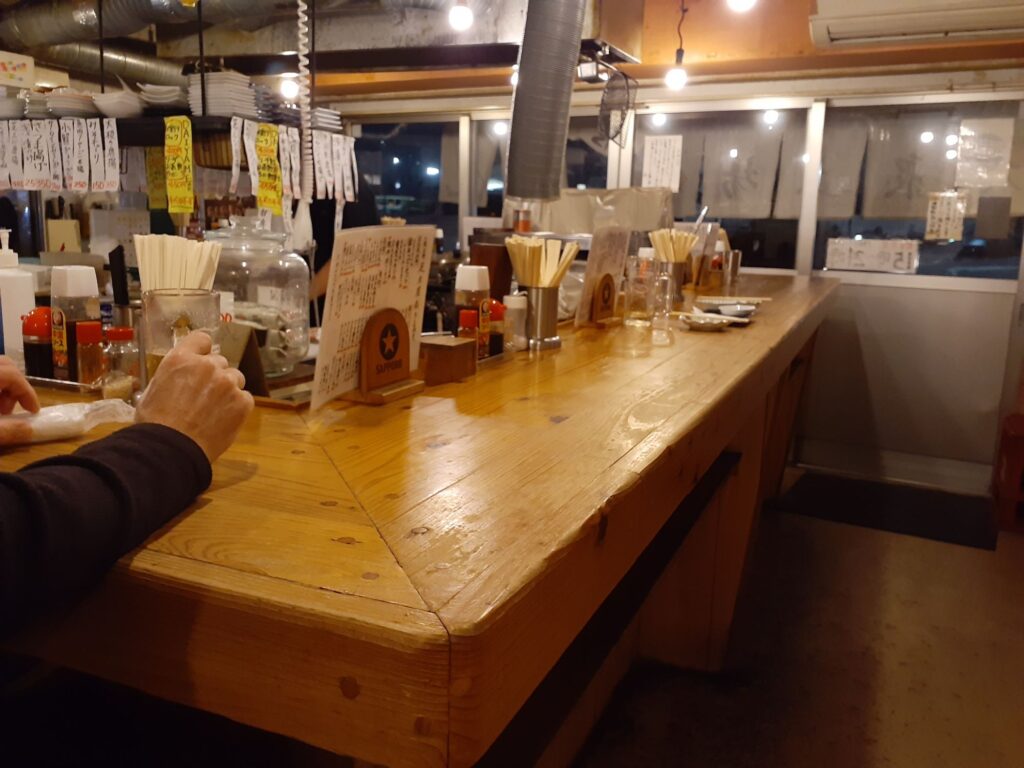
If you love the community vibe of a British pub, you will feel right at home in an Izakaya (Japanese gastropub) or a traditional ‘tachinomi’ (standing bar). However, the ordering etiquette is a bit different. Instead of walking up to a bar counter to buy a round, you sit down and order small, tapas-style plates along with your drinks—usually starting with a beautifully crisp draft beer. Be prepared for the ‘Otoshi’—a small compulsory appetiser brought to your table, which acts as a modest cover charge. It is a fundamental part of the dining culture, so embrace it!
5. The Great Rubbish Bin Mystery
One of the first things you will notice when visiting Japan is that the streets are spotlessly clean, yet public rubbish bins are virtually non-existent. This dates back to 1995, following the tragic Tokyo subway sarin gas attacks, when bins were removed across the capital’s transit network and public spaces for security and anti-terrorism reasons. Ever since, locals have simply carried their rubbish home with them.
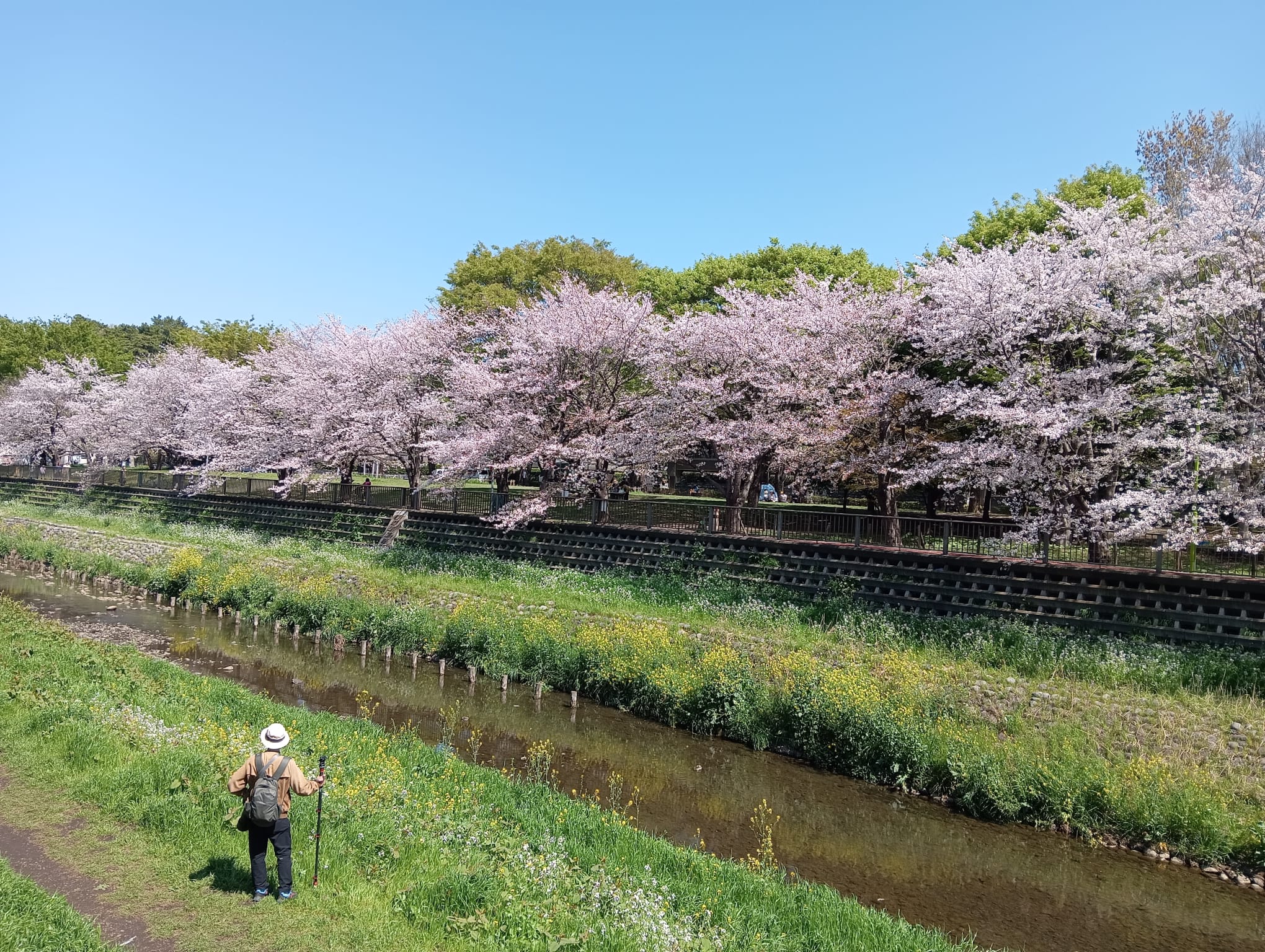
Early in our trip, after grabbing a delicious bento box from a convenience store, we decided to enjoy a lovely lunch in a local park. The food was brilliant, but once finished, I was faced with a bulky, empty plastic bento container and nowhere to put it. After walking around the area for ages, I was genuinely getting almost stressed out by the sheer lack of disposal options.
In near desperation, I walked into a local tourist information centre and asked the lady at the desk, “Excuse me, where can I find a rubbish bin?” She smiled politely, looking incredibly apologetic, and replied, “I am so sorry, but there are no rubbish bins.”
I stood there in disbelief, and in the end, we had no choice but to pack the empty container into our bag and carry the rubbish all the way back to our hotel room. Do yourself a favour and learn from my bewilderment: pack a few small, reusable plastic bags in your daypack to store your wrappers and containers until you return to your accommodation.
6. Vending Machines and the Free Water Blessing
You are never more than thirty seconds away from a vending machine in Japan. They are scattered along rural hiking paths and busy neon streets alike. A brilliant tip for first-timers: look at the coloured borders under the drinks. Blue means the beverage is ice-cold, while red means it is piping hot—perfect for a chilly autumn or winter afternoon.
When dining in proper restaurants, you will also be delighted to find that ice water or hot green tea is served immediately and entirely free of charge, a wonderful contrast to paying for bottled water across Europe.
➡ Can You Drink the Tap Water in Japan? (A Practical Guide)
7. Navigating Tattoos and Traditional Onsens
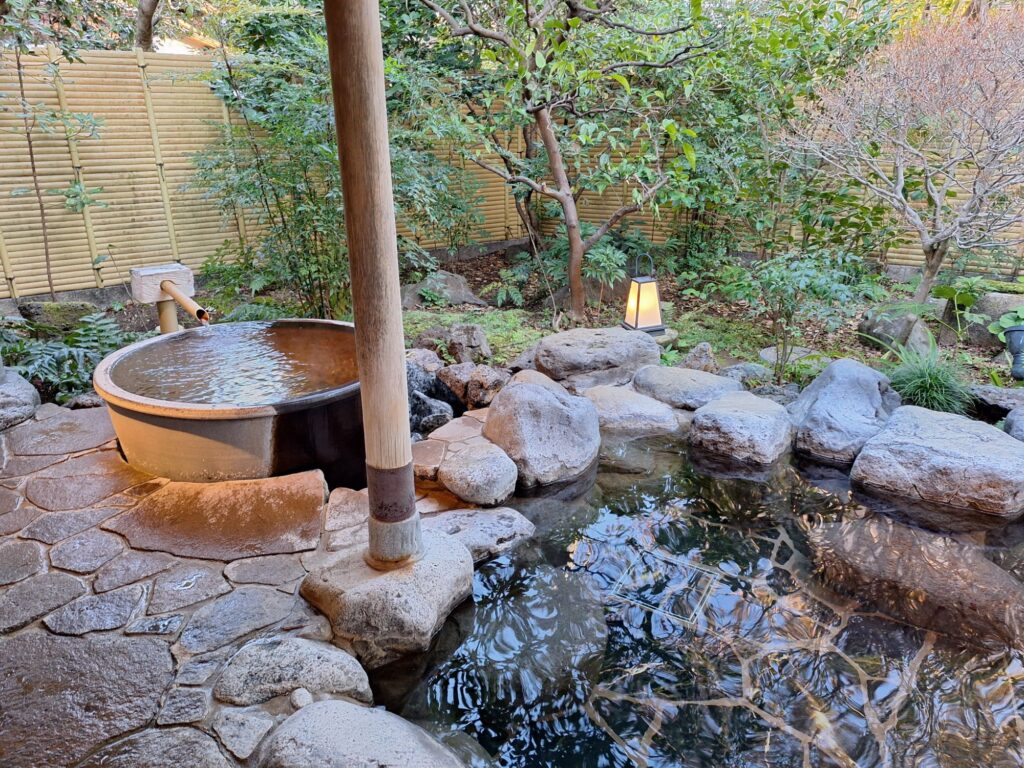
If you have tattoos, you need to do a bit of extra planning before visiting an onsen (traditional Japanese hot spring) or a public bathhouse. Historically, tattoos have been associated with the Yakuza (organized crime), and many traditional establishments still enforce strict bans on inked skin. Don’t despair, though! You can easily purchase waterproof cover-up stickers for smaller tattoos, or specifically search for tattoo-friendly public onsens. Alternatively, you can book a ‘ryokan’ (traditional inn) with a private onsen bath for exclusive use.
Are you interested in Japanese Onsen culture? Read about my first experience:
➡ First Time Onsen Experience in Japan: A Beginner’s Guide and Izu-Nagaoka Ryokan Review
Final Thoughts
My journeys through Japan are always an unforgettable adventure that has helped reshape how I view travel. Yes, the language barrier can look intimidating at first, and the cultural rules might seem strict from the outside. But the reality is that the Japanese people are incredibly welcoming, polite, and always willing to help a lost tourist, even if they don’t speak a word of English.
By keeping these simple Japan travel tips in mind, you will spend less time stressing and more time immersing yourself in this spectacular country. Japan is a beautiful blend of ancient tradition and futuristic innovation—go with an open mind, pack a rubbish bag, and get ready for the trip of a lifetime!
Head back to our master checklist to tackle your next big travel question:
➡ First Trip to Japan? 12 Questions that We are Frequently Asked
Comment