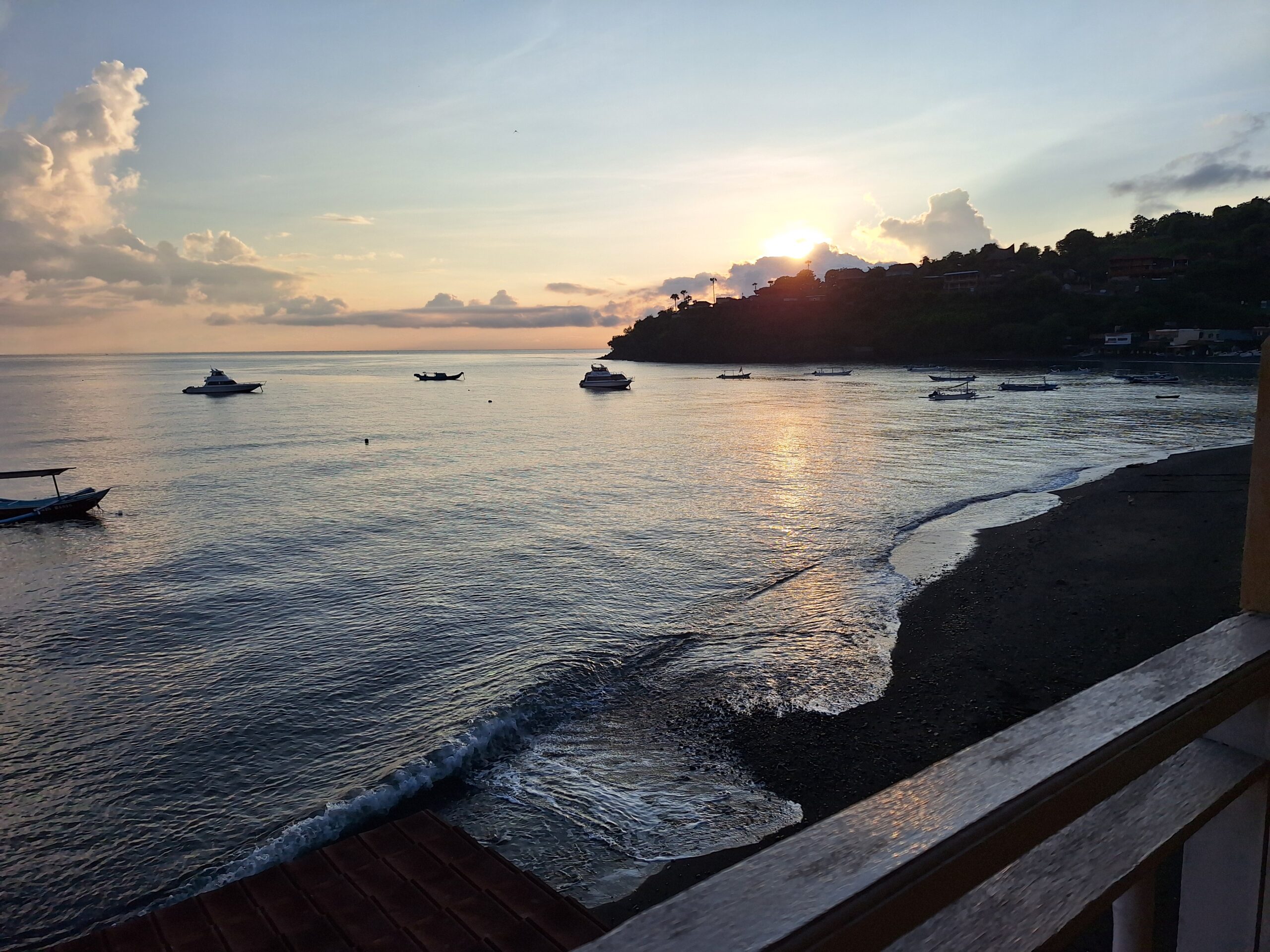
When it comes to snorkeling in Bali, most travelers head south for boat tours. However, if you are looking for world-class coral reefs, vibrant marine life, and historic shipwrecks accessible directly from the shore, Amed and Tulamben in northeast Bali are the ultimate destinations.
But what is it really like to snorkel here during the rainy season (January)? While visibility can drop and offshore boat trips become risky, the beauty of Amed is its sheltered, beach-entry bays that allow you to explore safely on your own terms.
Based on our 10-day stay near Jemeluk Bay, we rented a scooter and mapped out the best independent shore-snorkeling spots in the region. In this complete Amed Snorkeling Guide, we share our honest, firsthand reviews of the USAT Liberty Wreck, the Japanese Shipwreck, the magical Underwater Temple, and hidden sandy bays. Plus, we’ll share crucial insider tips on how to score cheap scooter rentals and avoid the notorious tourist parking traps!
🇯🇵 この記事を日本語で読む: バリ島アメッドのシュノーケリング穴場スポット6選!沈没船・水中宮殿にビーチから泳いで行く方法
- Snorkeling Bali in the Rainy Season: What to Expect
- Jemeluk Beach: Corals, Fish, and the Sunken Underwater Temple
- Amed Beach: Pristine Petal Corals, Turtles, and Reef Sharks
- Japanese Ship Wreck Point: Shallow Shore Snorkeling & Free Parking Tips
- Ibus Beach: A Secluded Pebble Beach Just North of the Wreck
- USAT Liberty Wreck (Tulamben): Snorkeling a Famous US Cargo Ship & Avoiding Parking Traps
- Lipah Beach: A Quiet Sandy Escape with Abundant Marine Life
- How to Rent a Scooter & Plan Your DIY Amed Snorkeling Tour
Snorkeling Bali in the Rainy Season: What to Expect
If you are planning a trip to Bali in January, you are heading right into the peak of the tropical rainy season. For most snorkelers and divers, this naturally raises a big question: Is it actually worth going to the ocean during this time?
It is true that the wet season brings a few challenges for underwater activities. Heavy downpours can wash sediment from the land into the sea, which temporary lowers water visibility. Additionally, the weather can be quite unpredictable, causing rough seas that make traveling to outer islands or taking local boats (jungukung) risky and uncomfortable.
However, this is exactly why snorkeling in Amed and Tulamben is such a brilliant choice during the rainy season.
Unlike other parts of Bali, most of the premier snorkeling spots in this northeastern region are located in sheltered bays and are accessible directly via beach entry. Traveling by beach entry offers several huge advantages in January:
- No Boat Traps: You don’t have to book expensive boat tours only to have them cancelled at the last minute due to unstable weather or choppy waves.
- Ultimate Flexibility: You can easily time your swim. If you wake up and see clear skies, you can jump straight into the water immediately before any afternoon showers roll in.
- Sheltered Bays: Even when the open sea is a bit rough, bays like Jemeluk and Lipah remain relatively calm, keeping the water safe and manageable even for beginners.
While the visibility in January might not always be the crystal-clear 30 meters you see in summer postcards, it is still remarkably good. You can easily spot thriving coral reefs, historic shipwrecks, and an abundance of marine life just a few meters from the shore. As long as you keep your plans flexible and stay close to the beach, Amed remains an absolute paradise for independent snorkelers, even in the heart of the rainy season.
Accommodation Review:
➡ Sunrise Cafe & Bungalows Review: The Ultimate Budget Guesthouse in Amed, Bali (Jemeluk Bay Views)
Jemeluk Beach: Corals, Fish, and the Sunken Underwater Temple
The Sunrise Cafe and Bungalows where we stayed (click here for a detailed review) is situated on the border of Jemeluk Beach and Amed Beach, making it very convenient for access to both beaches.
Jemeluk Beach shapes as a bay and is relatively calm. There is some coral a short way off the beach with plenty of fish. This is a great spot for snorkelling beginners.
A small temple has been sunk a short swim offshore and is full of fish. Stone statues are sunk near the temple too.
Our Snorkelling Reviews in Indonesia:
➡ Raja Ampat Snorkelling Guide: How to DIY Kri Island, Nab Boat Rides, and Review of 15 World-Class Spots
➡ Snorkeling with Whale Sharks in Gorontalo
➡ Snorkelling in the Togean Islands: Honest Reviews
➡ Maratua Island Snorkeling Guide: Best Guesthouses, Tips, and Hidden Spots
➡ Biak Island: Snorkeling and Sightseeing
Amed Beach: Pristine Petal Corals, Turtles, and Reef Sharks
There are nice coral reefs just a few meters swim from Amed Beach, lined with guesthouses and restaurants.
The coral off Kembali Beach Bungalows and BARracuda was particularly spectacular, with large coral formations resembling flowers with petals spreading out. We also saw some turtles a small shark (blacktip reef shark) there.
Japanese Ship Wreck Point: Shallow Shore Snorkeling & Free Parking Tips
This is a spot where you can observe coral growing all over the wreck of a Japanese ship. The shallow waters make snorkelling easy to see them.
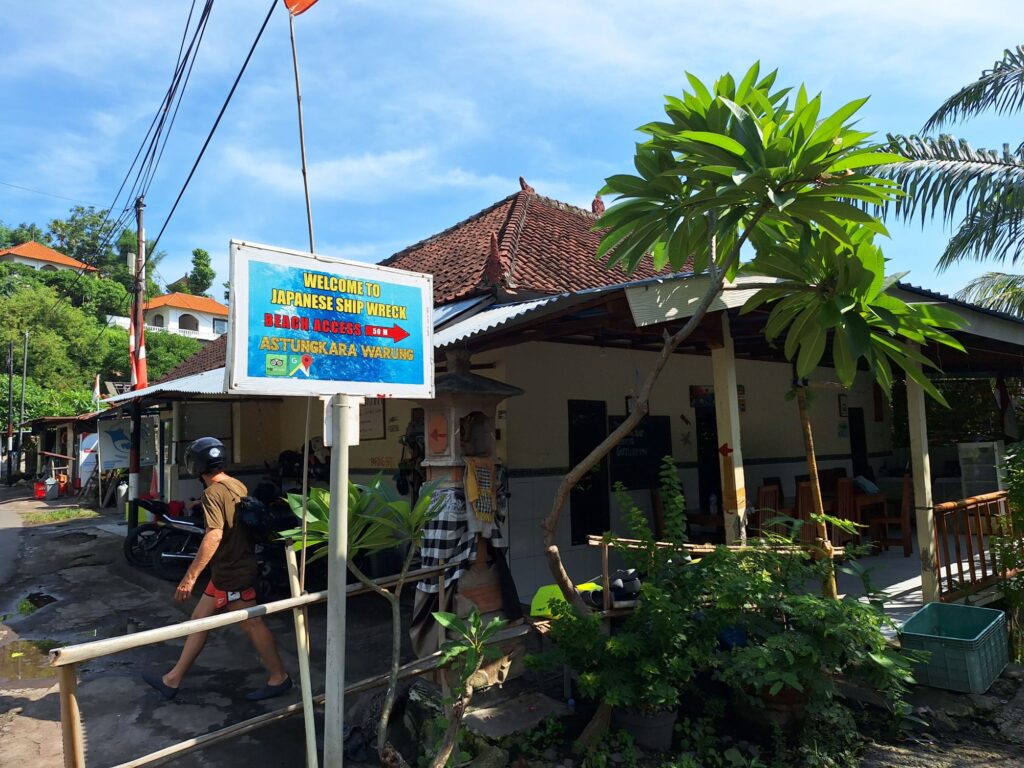
We accessed the beach by parking our motorbike at the sign shown in the image. The beach is a short walk away. We were not charged for parking.
A ship has sunk in the area, which is crowded with boats and snorkellers coming for snorkelling tours.
The wreck is on a shallow sandy slope and visible by snorkelling alone, but you can get a closer look if you go at low tide.
This is a stone beach rather than a sandy beach, but there are coral reefs along the entire beach as well as on the wreck, and you can snorkel along the beach.
You can see different coral reefs on the north and south sides of the wreck.
Ibus Beach: A Secluded Pebble Beach Just North of the Wreck
This is a small stone beach to the north of the Japanese Wreck Spot. It can be reached by swimming from the shipwreck spot.
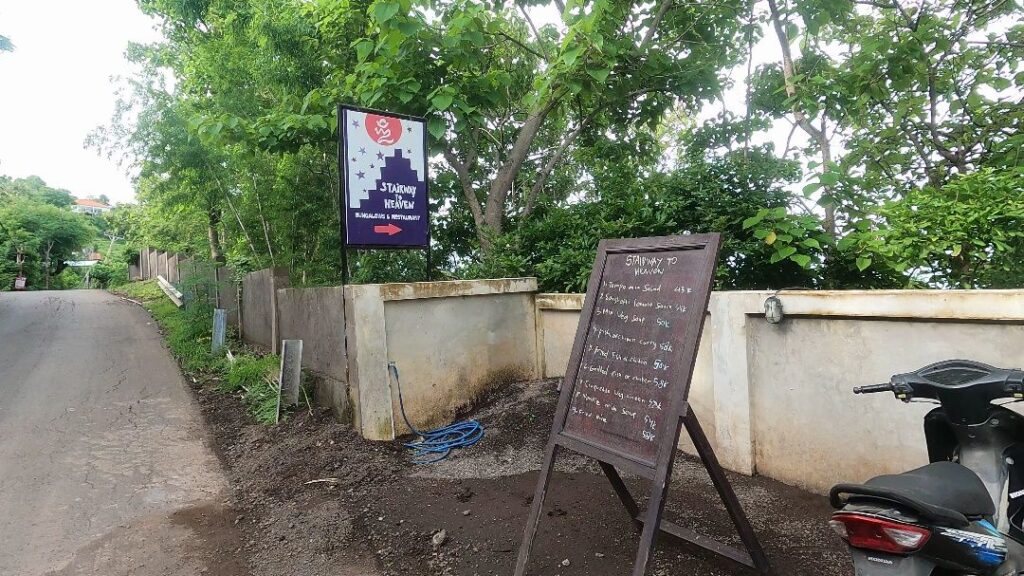
Ibus Beach can also be accessed by descending the steps from Stairway To Heaven Bungalows and Restaurant.
USAT Liberty Wreck (Tulamben): Snorkeling a Famous US Cargo Ship & Avoiding Parking Traps
Dive site where the Liberty, a former US military cargo ship, is sunken. It is busy with many divers, but the wreck can also be seen by snorkelling.
There is an official parking lot at Tulamben beach, but we avoided using it after hearing that it costs Rp 20 000 just to park a scooter.
We were allowed to leave our scooters at a nearby shop (a small supermarket) (to buy drinks on the way back) and entered the beach from Tauch Terminal Resort Tulamben.
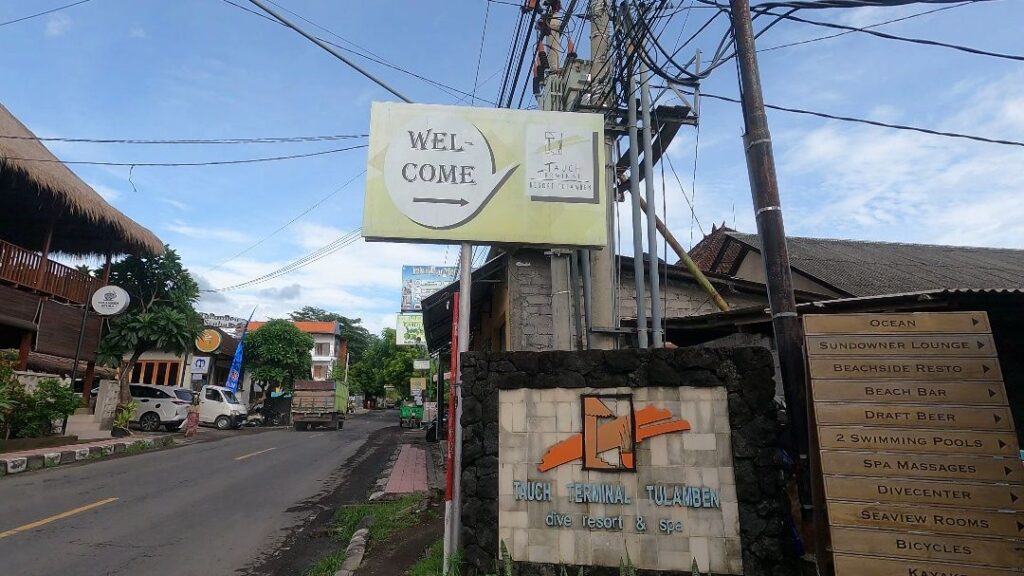
Tulamben beach is a stone beach. We saw divers entering the sea from the beach a little north-west from the bottom of the stairs at Tauch Terminal Resort Tulamben, so we entered from there too.
The dive centre staff told us that the actual shipwreck spot was ‘di bubble’ (where the bubbles are rising). It is easy to spot it as there are always several divers diving there.
The wreck is about 5m deep in shallow water, so it is possible to see part of the wreck by snorkelling alone. However, the deepest part is sunk in 30 metres deep, so you need to dive to see the whole thing.
Around the wreck, there was no coral reefs found, but the wreck itself has coral and other marine life growing on it, and there were plenty of fish.
There is a ‘coral garden’ about 300m southeast of the wreck site (in front of some buildings). That coral garden was just about visible, but the visibility was so poor at that time that we didn’t take any video of it.
Lipah Beach: A Quiet Sandy Escape with Abundant Marine Life
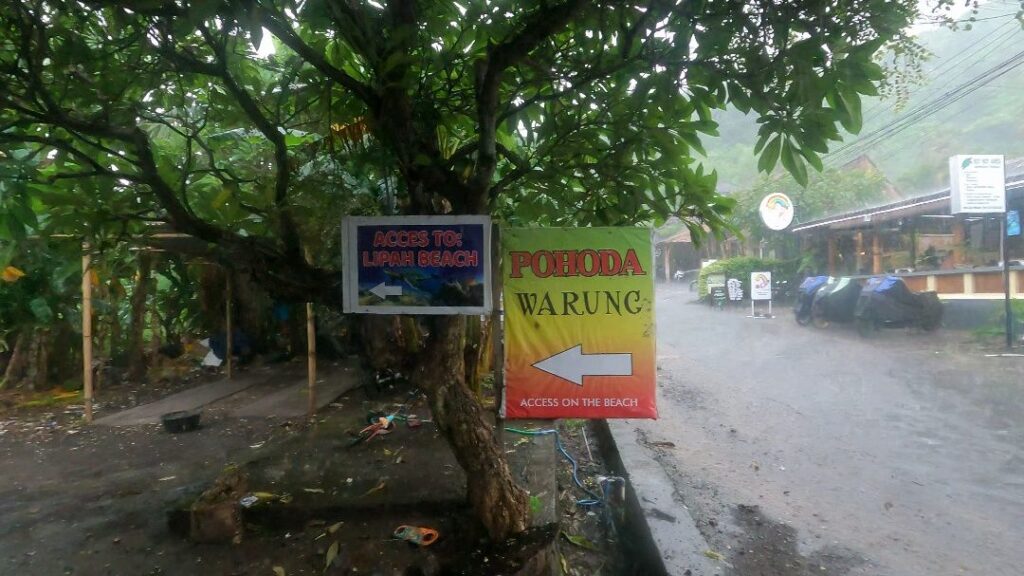
This is a quiet place with a sandy beach. As soon as you enter the sea from the beach, there are coral reefs.
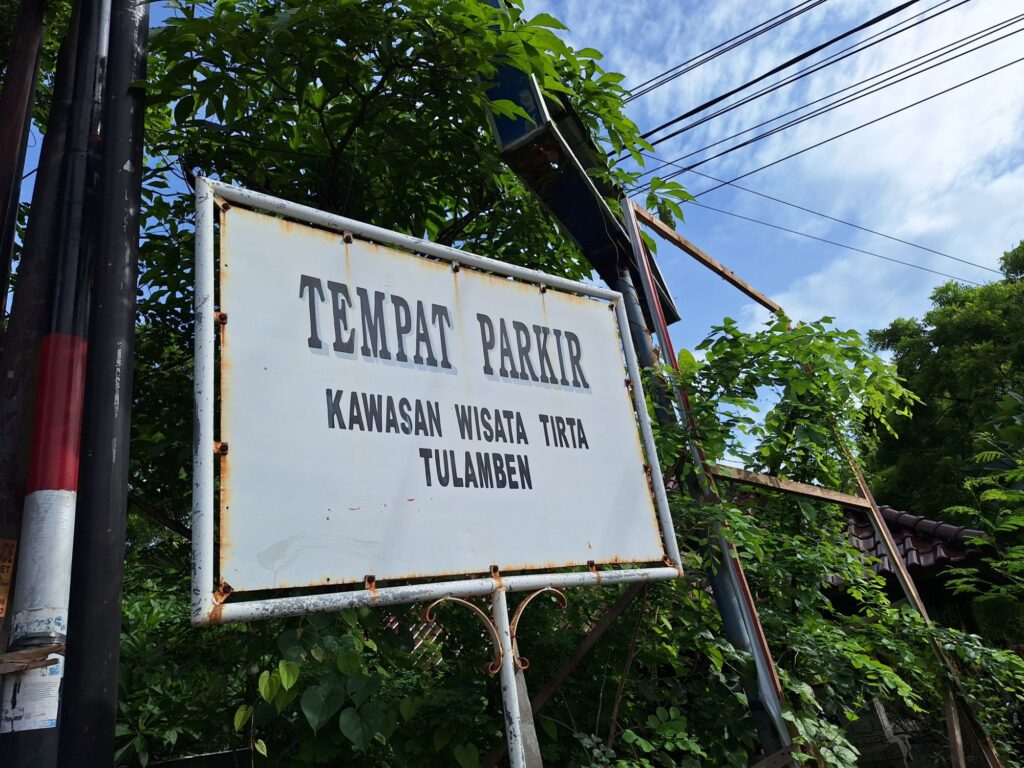
A short walk along a path from the sign in the image above, you will see a lot of fishing boats. We parked the motorbike under a tree in front of it and went snorkeling.
Coral is abundant at the left and right edges of Lipah Beach, where you may also see turtles. Also, there is a good snorkeling spot slightly south-east of the central part. The rest of the beach is a sandy slope where you can enjoy swimming.
The beach is relatively quiet, but there are guesthouses and restaurants along the beach.
Our Snorkelling Reviews in Indonesia:
➡ Raja Ampat Snorkelling Guide: How to DIY Kri Island, Nab Boat Rides, and Review of 15 World-Class Spots
➡ Snorkeling with Whale Sharks in Gorontalo
➡ Snorkelling in the Togean Islands: Honest Reviews
➡ Maratua Island Snorkeling Guide: Best Guesthouses, Tips, and Hidden Spots
➡ Biak Island: Snorkeling and Sightseeing
How to Rent a Scooter & Plan Your DIY Amed Snorkeling Tour
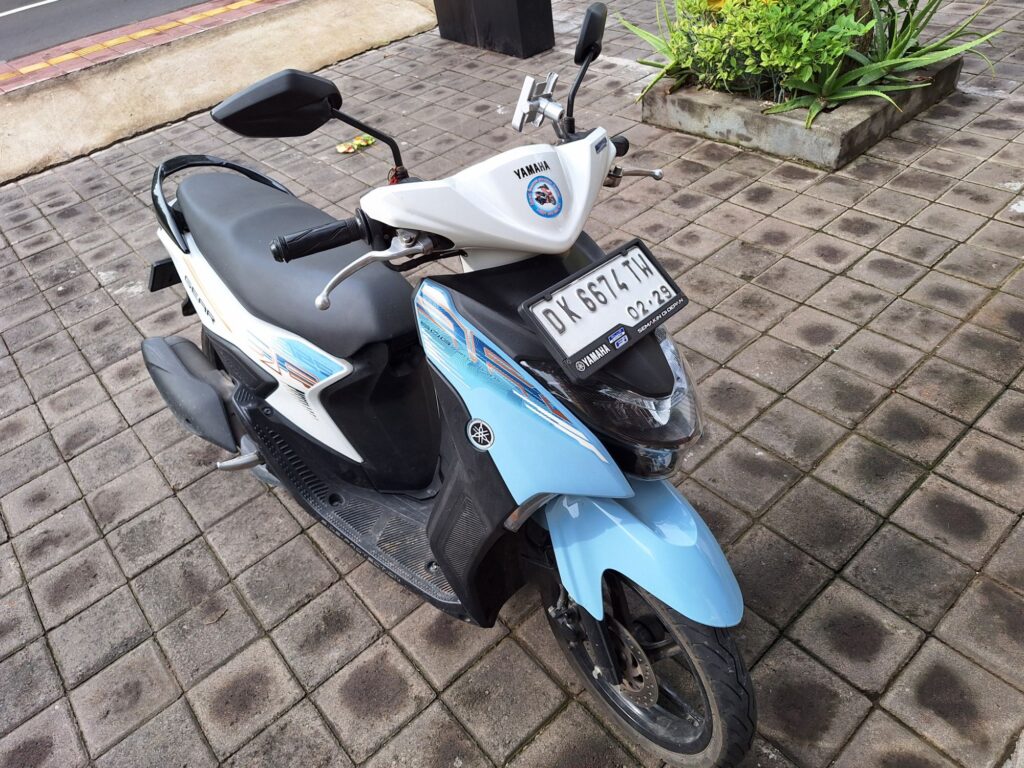
The snorkelling spots shown in this post can be arranged as a tour with a travel agency. However, if you want to keep costs low and still prefer the flexibility, we would recommend going around on your own.
We rented a scooter and went to spots away from the guesthouse. If you use official parking places, you may be charged for parking, but you can easily find free parking spots, and so you only need to pay for renting a scooter and petrol.
There are many motorbike rental shops around Amed Beach, and depending on the type of scooter, you can rent from Rp 100,000 per day; some offer discounts if you use it for more than two days, so try to negotiate. (80,000 per day for two days or more / 500,000 for a week to give an idea).
Hungry after a long day of snorkeling?
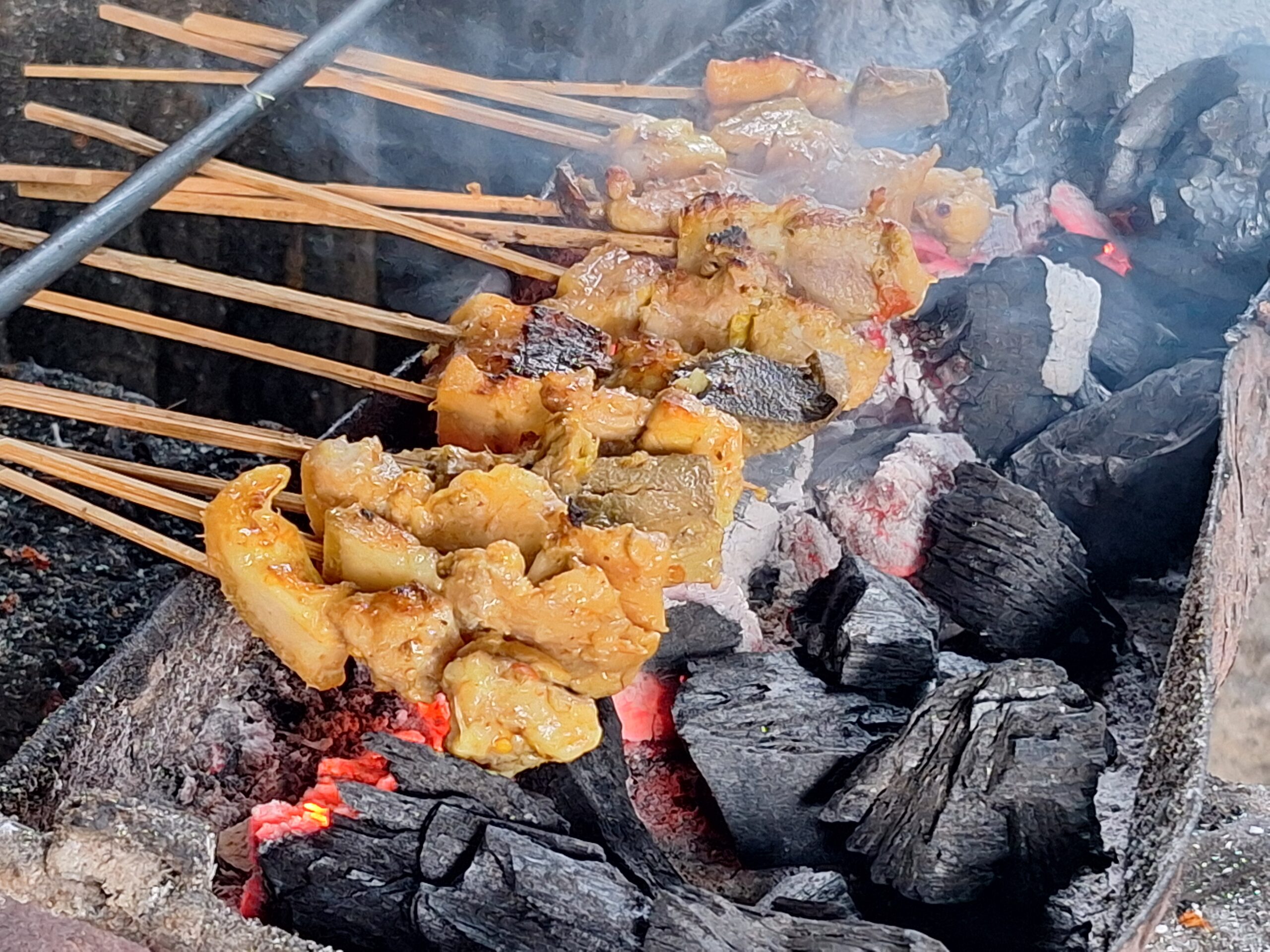
Exploring Amed’s underwater world is the perfect way to build up an appetite. During our 10 days in the area, we hunted down the best budget beachfront cafes, dirt-cheap local pork satay joints, and authentic Balinese Babi Guling.
Check out our complete foodie guide to find out exactly where to eat around Amed Beach:
➡ Where to Eat in Amed, Bali: Best Warungs, Seafood & Local Markets
Comment