As we finalise our itinerary for our upcoming trip to Japan in September, one of the places we are most excited to visit is Aizuwakamatsu. Known for its rich samurai heritage and preserved traditional atmosphere, this historic castle town is a fascinating destination to explore. However, to truly appreciate Aizu, you need to understand the dramatic and tragic history that shaped it during the closing days of the shogunate. In this article, we delve into the turbulent events of the Boshin War, the heartbreaking sacrifice of the Byakkotai (White Tiger Force) youths, and the enduring samurai spirit that defines Aizuwakamatsu today.
🇯🇵 この記事を日本語で読む: 【会津若松旅行の前に知りたい】戊辰戦争と白虎隊の悲劇から学ぶ会津の歴史
- Aizuwakamatsu and the Bakumatsu Turmoil: Why This Town Became a Battlefield
- The Boshin War and Aizuwakamatsu: The Epic Siege of Tsurugasele Castle
- The Tragedy of the Byakkotai: The Young Samurai of Mount Iimori
- The Samurai Spirit of Aizu and Its Legacy Today
- Conclusion: Experiencing the Soul of Aizuwakamatsu
Aizuwakamatsu and the Bakumatsu Turmoil: Why This Town Became a Battlefield
Located in the western part of Fukushima Prefecture, Aizuwakamatsu once flourished as a prosperous castle town ruled by the Aizu clan. Despite its picturesque streets and deep cultural traditions, the city became one of the most tragic stages of the turbulent transition from the feudal era to modern Japan.
When the Meiji Restoration began in 1868, triggering the Boshin War, the Aizu domain found itself caught in a devastating political storm. The local daimyo, Matsudaira Katamori, had loyally served the Tokugawa shogunate as the Kyoto Protector, maintaining public order in the capital. Because of this unwavering loyalty, the advancing imperial new government forces branded the Aizu clan as “enemies of the court.” Abandoned and isolated in the face of massive political upheaval, Aizu was thrust into a desperate, large-scale conflict against overwhelming odds.
The Boshin War and Aizuwakamatsu: The Epic Siege of Tsurugasele Castle
The defining conflict of the Boshin War in this region was the gruelling, month-long siege of Tsurugasele Castle (Wakamatsu Castle), the enduring symbol of Aizuwakamatsu.
Outnumbered and outgunned by modern artillery and superior imperial forces, the people of Aizu—including samurai warriors, women, and the elderly—retreated inside the castle walls to mount a fierce defence. Amidst a relentless barrage of cannon fire, castle residents engaged in desperate measures, such as women using wet futons to extinguish incoming incendiary shells. Although the castle eventually fell, the sheer resilience, bravery, and absolute devotion demonstrated by the defenders remain etched in history as a powerful testament to the Aizu character.
➡ Aizuwakamatsu 1 Day Itinerary: Top 8 Attractions from JR Station & Access from Tokyo
The Tragedy of the Byakkotai: The Young Samurai of Mount Iimori
Perhaps the most poignant and globally recognized story to emerge from Aizu is the heartbreaking tragedy of the Byakkotai (White Tiger Force).
During the conflict, the Aizu domain organized military units based on age. The Byakkotai was a troop composed of young boys aged 16 and 17 who volunteered to fight for their domain. As the military situation deteriorated, a squad of these young cadets retreated to Mount Iimori. From the hillside, seeing heavy black smoke rising near Tsurugasele Castle, they mistakenly believed that the fortress had fallen to the enemy. Out of profound loyalty and a desperate desire to serve their lord in death rather than face dishonour, the youths tragically took their own lives (though, in reality, the castle was still holding out).
This devastating loss of young lives stands as a powerful reminder of the brutality of war and the extreme, pure-hearted loyalty embedded in the local ethos.
The Samurai Spirit of Aizu and Its Legacy Today
Following their defeat in the Boshin War and a harsh period of post-war punishment, the people of Aizu endured immense hardship. Yet, the principles of justice, integrity, and resilience that they carried forward into the modern era became the bedrock of the community’s identity.
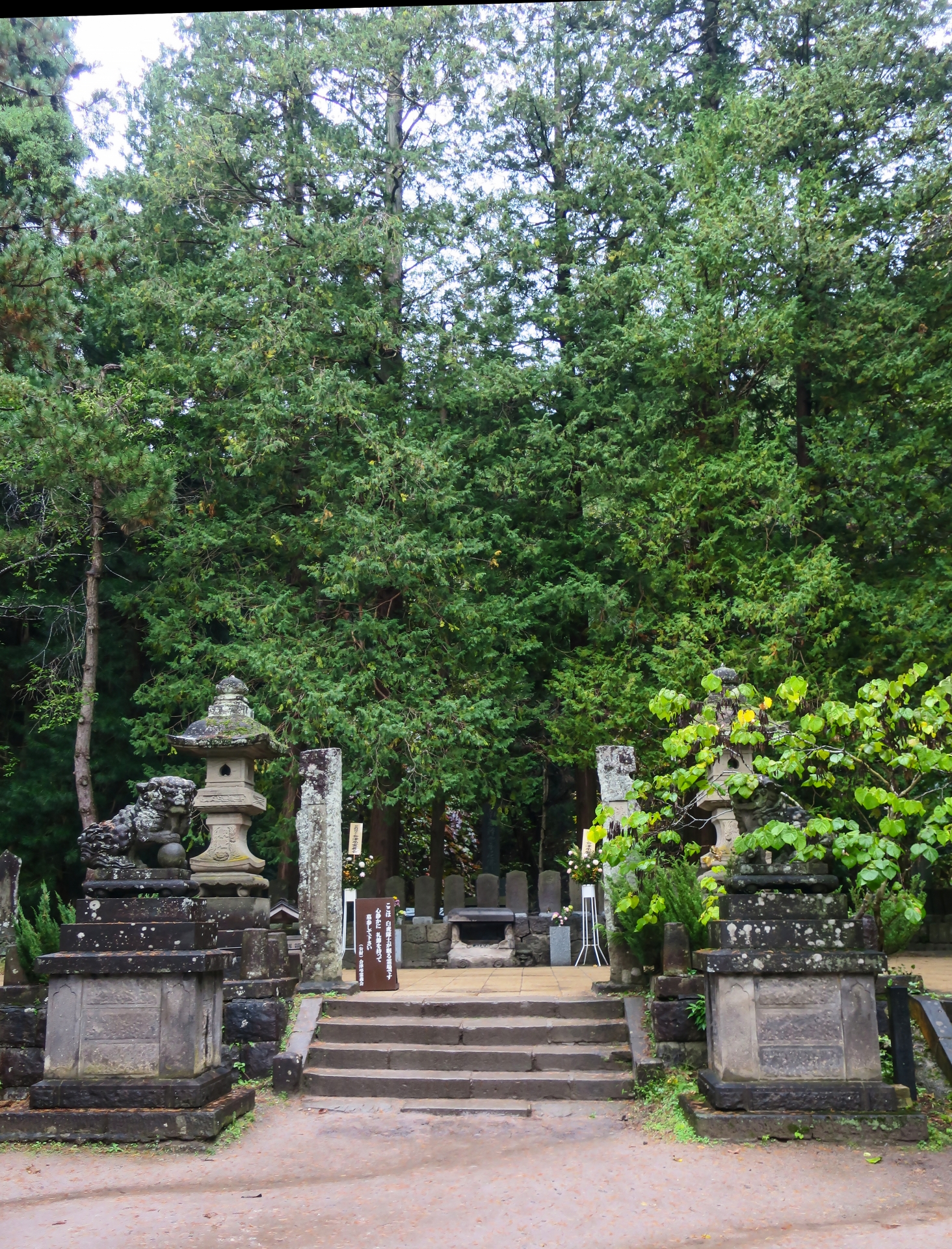
Today, visitors walking through Aizuwakamatsu can step back in time. From the imposing architecture of Tsurugasele Castle and the solemn graves of the Byakkotai on Mount Iimori to historic samurai residences, the physical landscape offers a deeply moving encounter with the past.
➡ Aizuwakamatsu 1 Day Itinerary: Top 8 Attractions from JR Station & Access from Tokyo
Conclusion: Experiencing the Soul of Aizuwakamatsu
Aizuwakamatsu is far more than a standard tourist destination; it is a historic town layered with the pride, sorrow, and unyielding spirit of those who lived through the twilight of Japan’s feudal age.
During our September journey, as we explore local culinary traditions and historic sites, we will be keeping the profound history of the Boshin War and the Byakkotai close to heart. Understanding this poignant background helps transforms a simple sightseeing trip into a more meaningful and unforgettable cultural experience.
➡ Back to Tohoku Travel Guide

Comment