Muang Sing, tucked away in the far north of Laos near the Chinese border, is a fascinating destination where traditional tribal culture meets rapidly changing landscapes. Whilst it feels a world away from the busy tourist trails, exploring this remote outpost is a deeply rewarding experience if you know what to expect.
We spent two nights here in late December 2022. The region had only recently reopened to tourists after prolonged COVID-19 border restrictions, making it an incredibly untouched, authentic destination during our stay. In this comprehensive guide, we share our first-hand experience of exploring Muang Sing on two wheels—from the comical challenges of tracking down a functional rental bicycle to cycling through rural villages and vast sugar cane plantations heavily influenced by cross-border trade. We also dive into the best highlights of the town, including the bustling local market packed with traditional Lao Lao firewater, our favourite local guesthouse, and an incredible evening eating traditional Sindad BBQ.
🇯🇵 この記事を日本語で読む: ムアンシン観光完全ガイド!自転車で巡る少数民族の村、朝市、伝統鍋シンダーとおすすめ宿を徹底解説
Quick Sightseeing Summary & Expenses
- Best Way to Get Around: The valley floor is flat, making a rental bicycle the premier choice. Just be sure to test the brakes and saddles before leaving the compound!
- Core Sights: The early morning local market, the independent Tribal Museum, Wat Luang Chenthik, and the unpaved country roads bordering the sugar cane fields.
- On-the-Ground Costs (Per Person, December 2022):
- Standard Room (Danneau 2 Guest House): 120,000 Kip / night (Excellent Wi-Fi).
- Daily Bicycle Rental: ~40,000 Kip / day.
- Tribal Museum Entrance Fee: 10,000 Kip.
- Large Beerlao (Sunset Spot): 18,000 Kip.
- About Muang Sing: Geography, Scale, and the Mountain Tribes
- Renting Bicycles and Exploring the ever Changing Countryside
- Opium and Heritage: The Muang Sing Tribal Museum
- Firewater and Produce: The Bustling Local Morning Market
- Local Food: Noodle Bowls and the Legendary Sindad BBQ
- Guesthouse Review & A Hidden Sunset Beer Spot
About Muang Sing: Geography, Scale, and the Mountain Tribes

To serve as a reliable log for our future return journeys to the high valleys of northern Laos, let’s document the key features of Muang Sing.
- The Climate: Given its high-altitude valley basin geography, December mornings are remarkably brisk, waking up under a heavy layer of rolling mountain fog before burning off into clear sunshine.
- The Position: Positioned roughly 60 km northwest of Luang Namtha, and a mere 10 km southwest of the official Chinese international border checkpoint.
- The Hub for Hill Tribes: The town serves as a crucial economic valley where numerous ethnic minority communities—including the Akha, Tai Lu, Hmong, and Yao—descend from the highlands to trade. It is a great launching point for responsible independent trekking and cycling loops.
Renting Bicycles and Exploring the ever Changing Countryside
There was no obvious commercial storefront to rent bikes during our stay, but we eventually managed to track down a couple of mountain bikes from the operators at Puio 2 Guest House.
Admittedly, they looked a lot better in photos than they actually rode! The mechanical condition was poor; my bike came fitted with a completely broken, loose saddle which required some highly creative, fine-arse balancing on my part for the entire ride. Because of the mechanical strain, we had to ditch our grand plans for a massive long-distance valley loop and stick to the immediate surrounding tracks.
Travel Vlog: Cycling the Rural Outskirts of Muang Sing
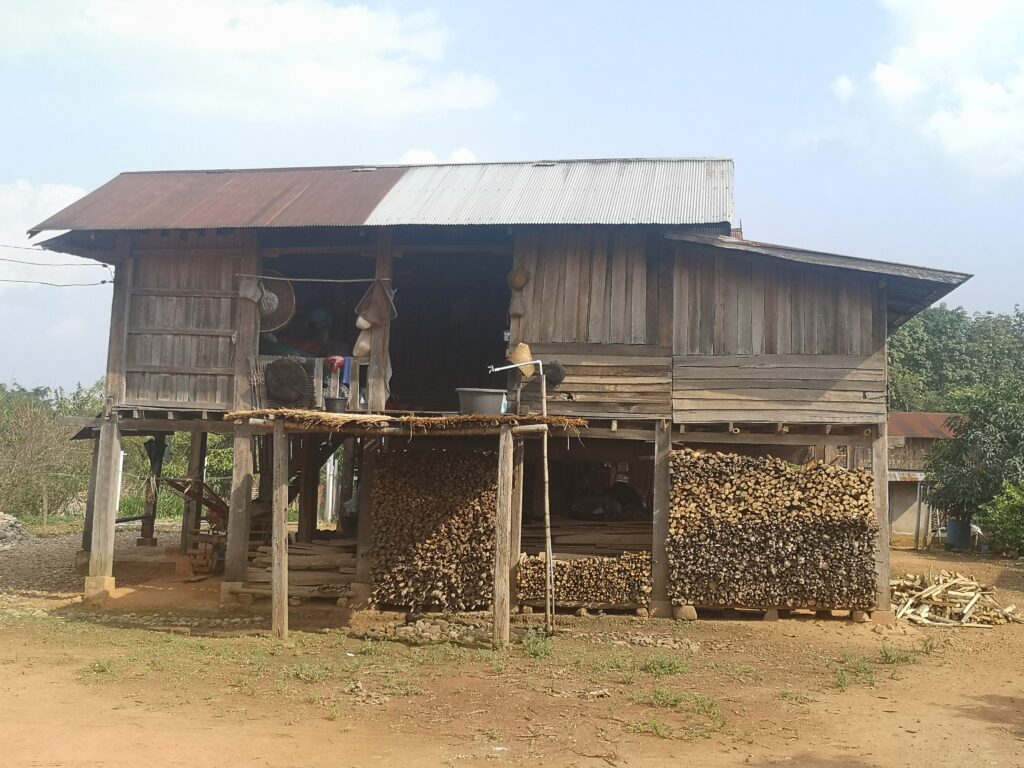
Despite the bumpy ride, we set off along the unpaved country trails to document the local villages. Watch our full travel vlog clip below to see the authentic rural backroads, local wooden homes, and the sprawling farming valleys:
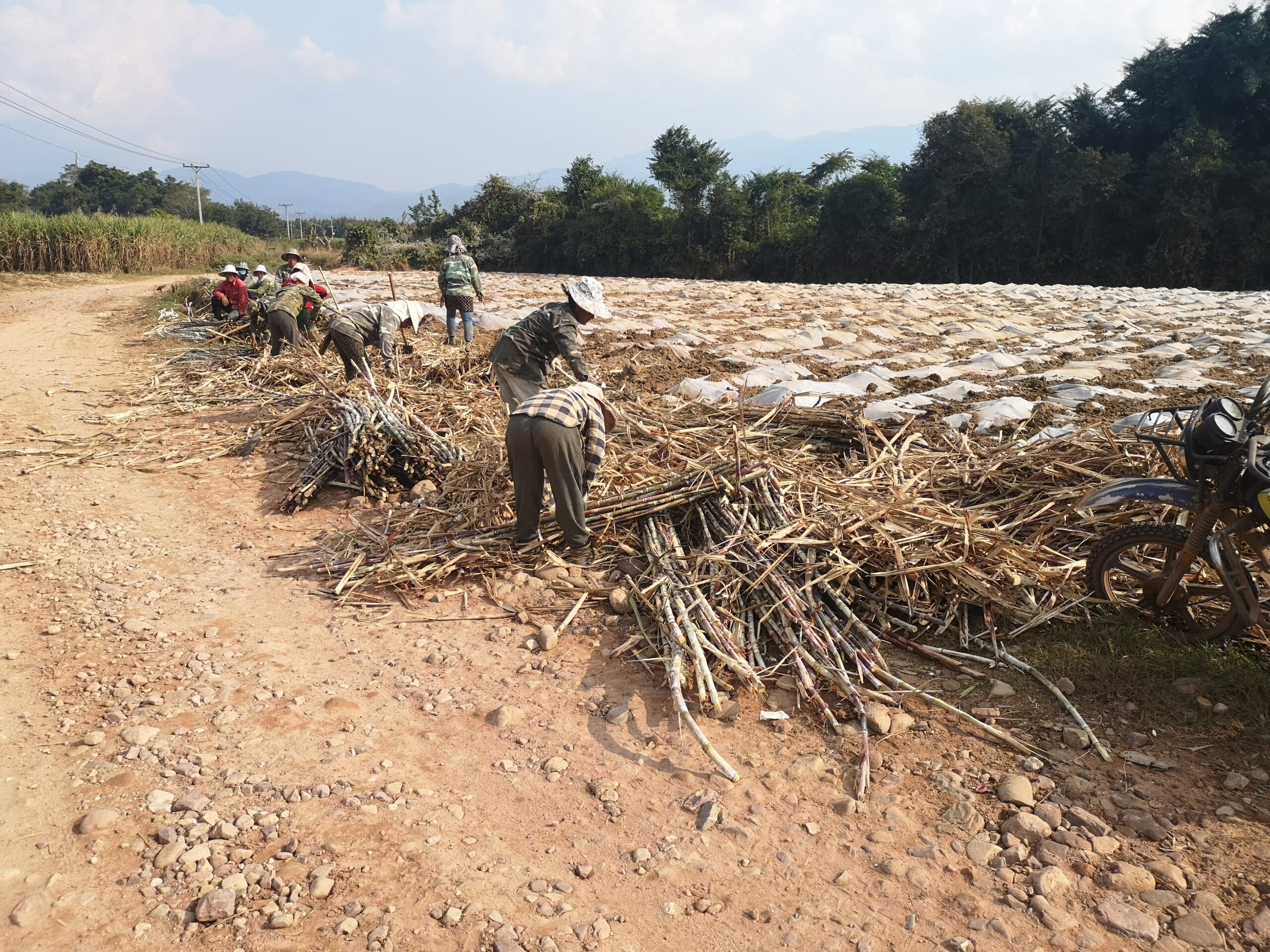
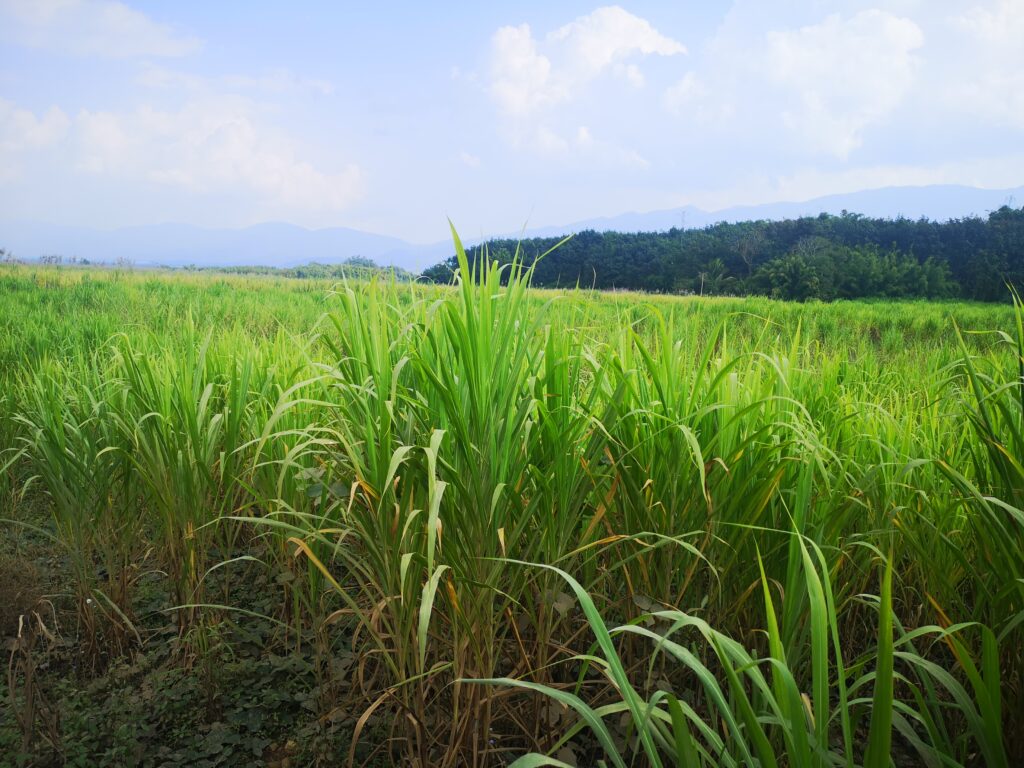
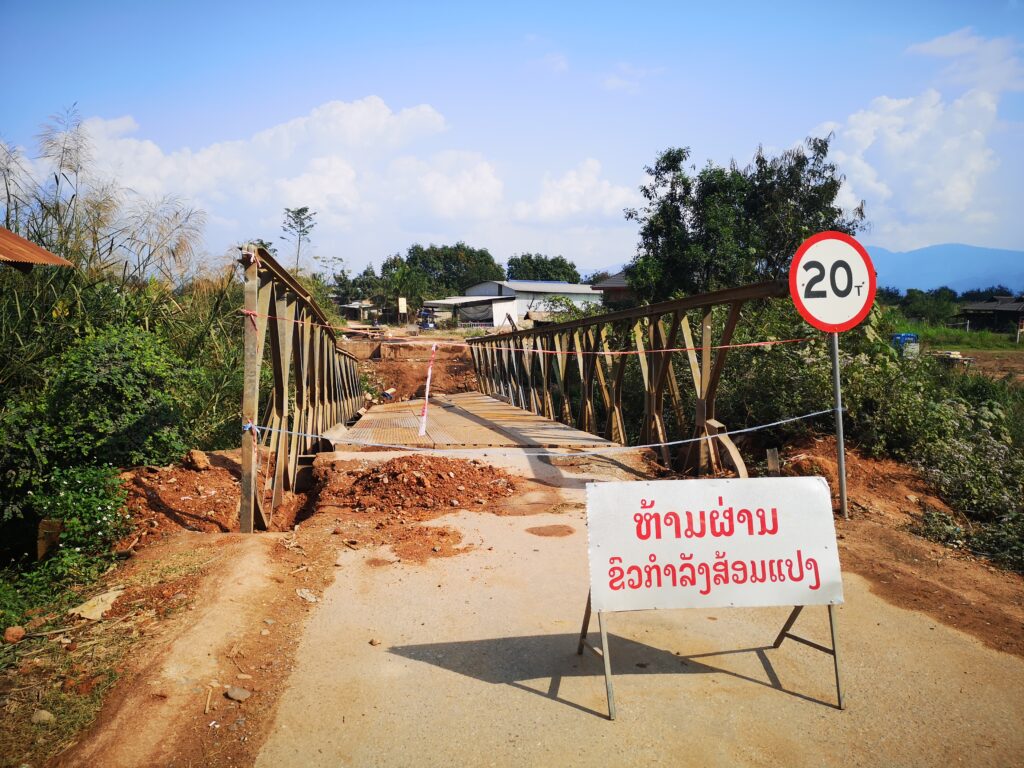
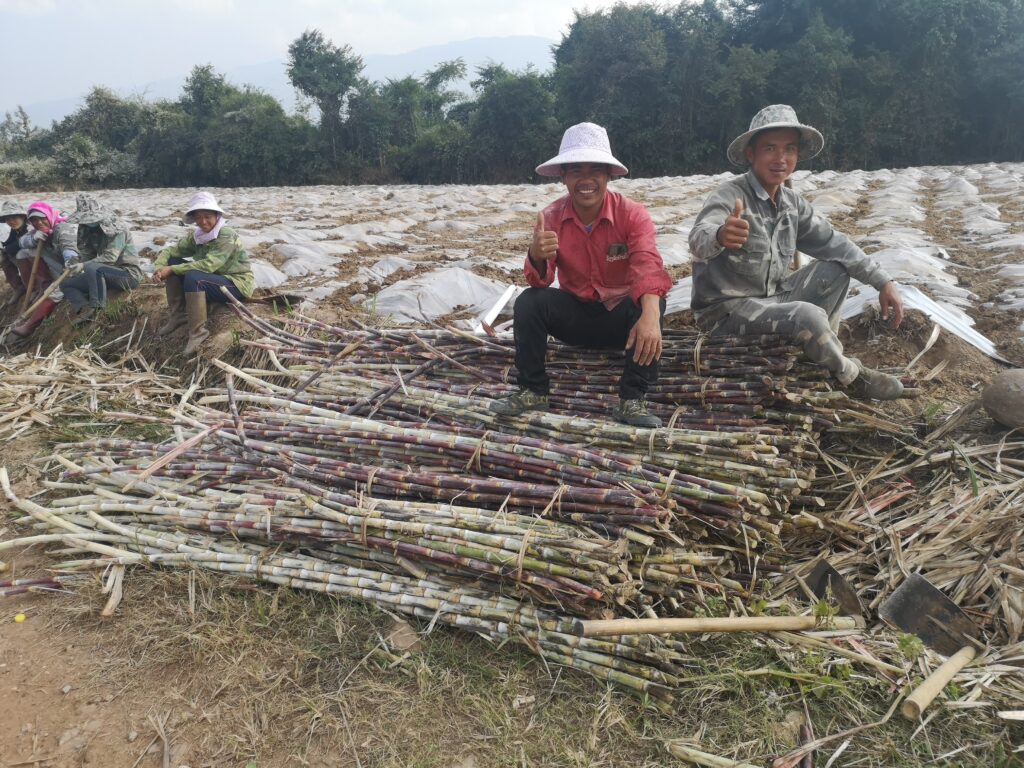
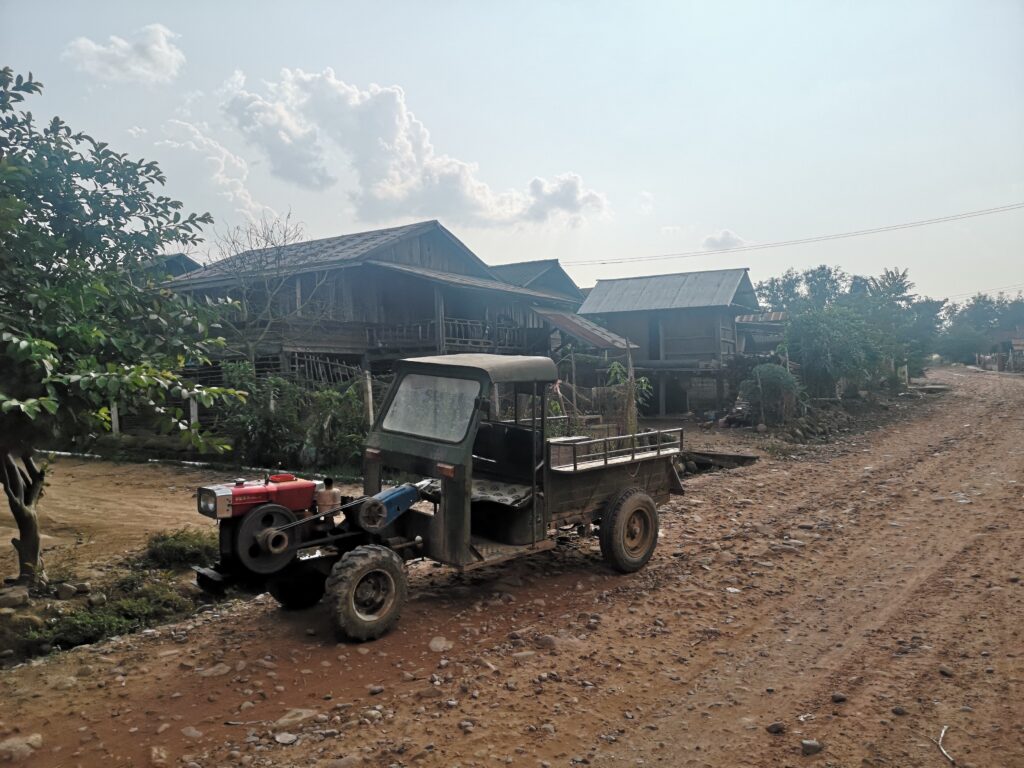
The scenery was spectacular, but what struck us most was the overwhelming economic presence of China. Vast swaths of the surrounding sugar cane plantations are wholly Chinese-owned. Throughout the day, massive commercial freight lorries rumbled heavily through the town centre, laden to the absolute brim with raw cane sugar. The sheer weight of these cross-border shipments has heavily contributed to the potted, broken state of the local bridges and roads—a fascinating look at a remote border town caught in rapid economic transition.
Opium and Heritage: The Muang Sing Tribal Museum
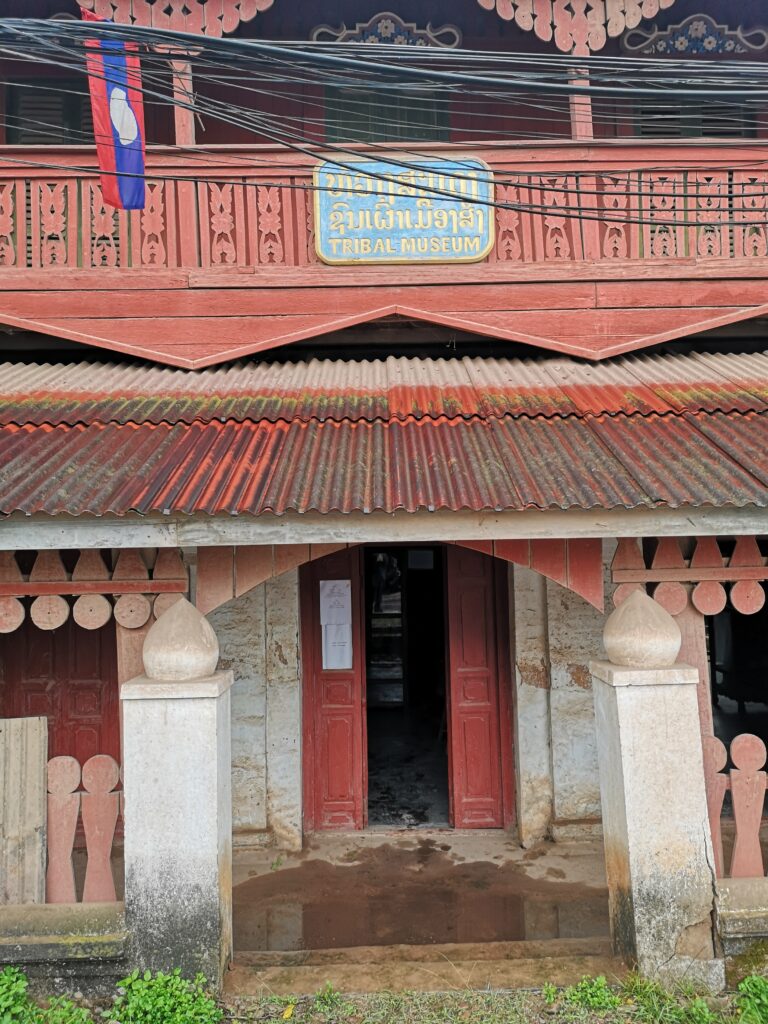
For an essential look into the rich cultural history of the valley, head straight down the main paved artery to the Muang Sing Tribal Museum. Admission is a modest 10,000 Kip per person.
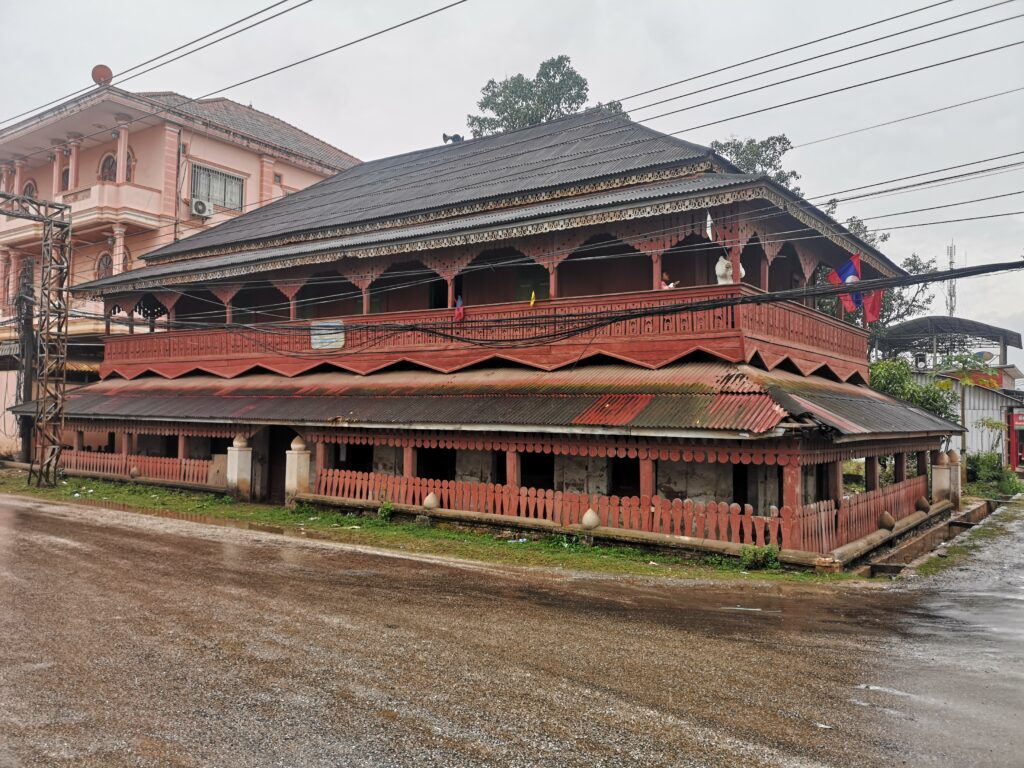
The museum is housed inside a gorgeous, traditional-style wooden building that stands out as an architectural highlight in itself. Inside, you’ll find well-curated displays dedicated to the traditional costumes, intricate silver jewelry, and historical agricultural tools of the local hill tribes. While the indoor lighting can be quite limited—particularly if you happen to visit on a rainy, overcast day—the exhibits are accompanied by brilliant, highly informative English explanations.
My Wild Memory from 26 Years Ago
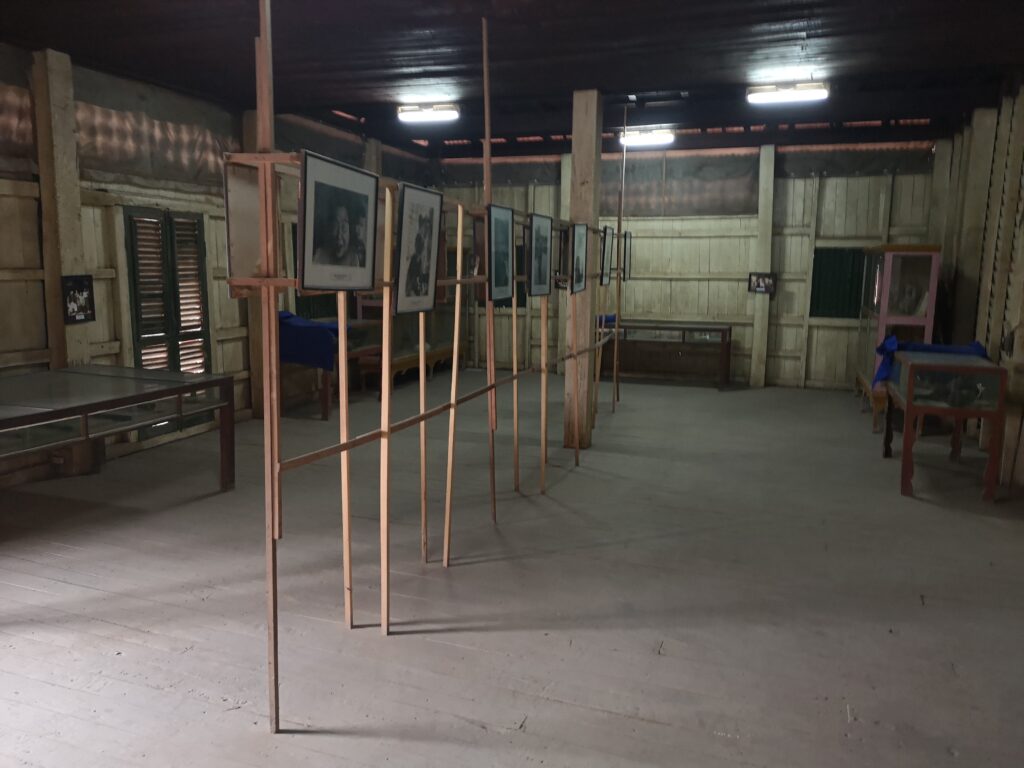
Fascinatingly, this wasn’t my first visit to the museum. I had actually explored the exact same building 26 years prior. Back then, the experience was decidedly more dramatic: the ground floor reception was manned by local women in full, ornate tribal dress, while up on the second floor, a local elder sat entirely undisturbed, casually smoking opium! Today, the museum has understandably modernized into a quiet, conventional heritage site, but the structural beauty and deep history make it a mandatory stop.
Wat Luang Chenthik

Positioned immediately adjacent to the museum grounds is Wat Luang Chenthik, a beautiful, compact Buddhist temple that serves as the spiritual heart for the local townspeople. The monastery is very active with saffron-robed monks cruising through the surrounding dusty streets on bicycles and scooters.
Firewater and Produce: The Bustling Local Morning Market
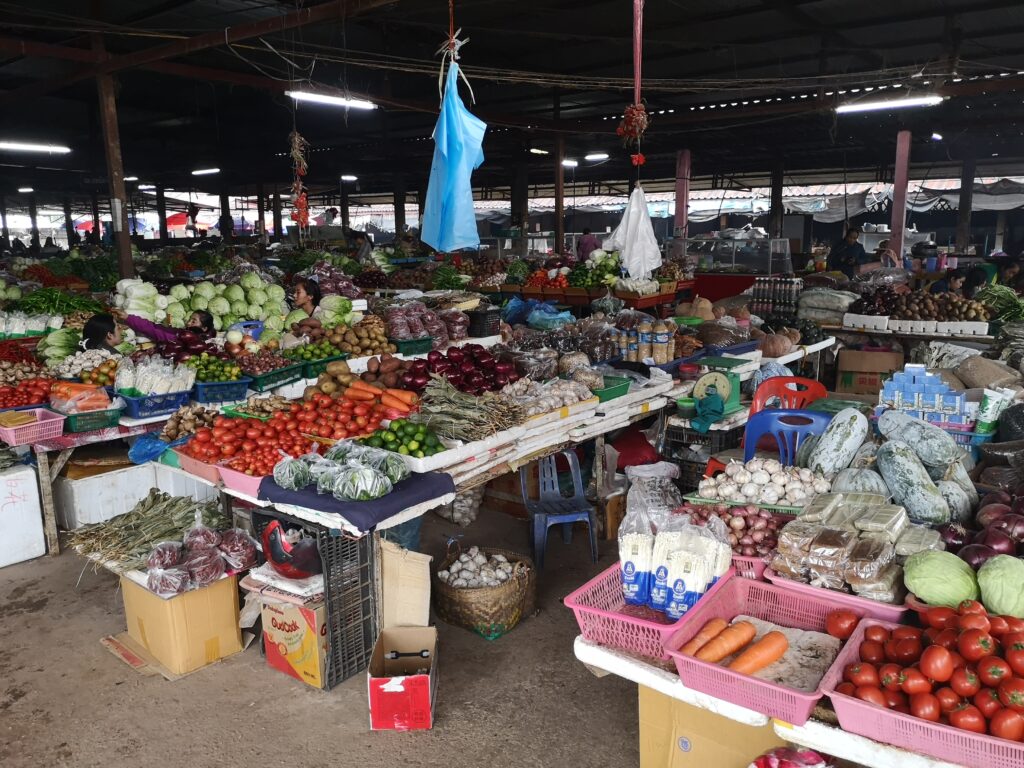
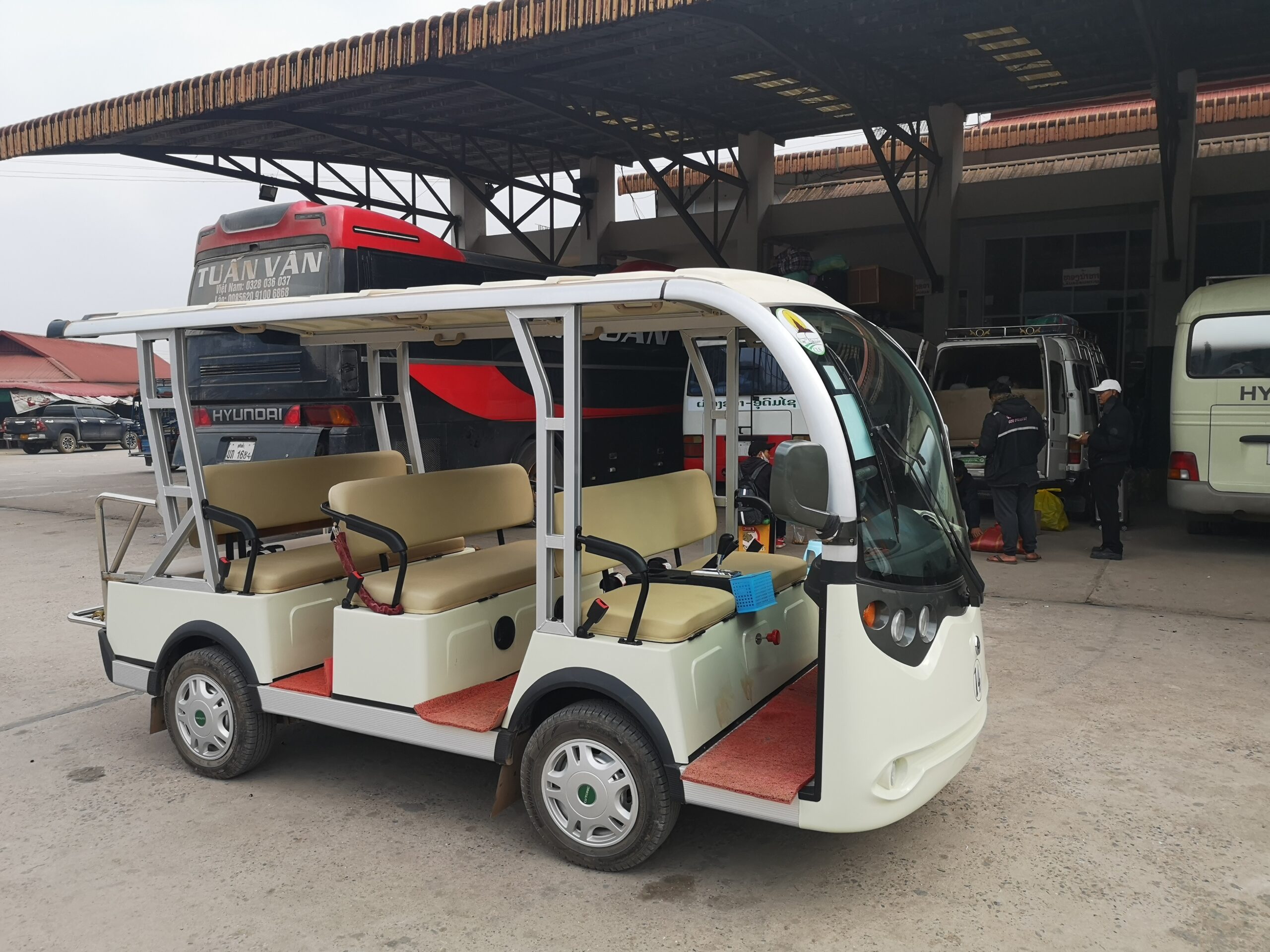
Bordering the northwestern edge of the public bus terminal lies the central Muang Sing Market.
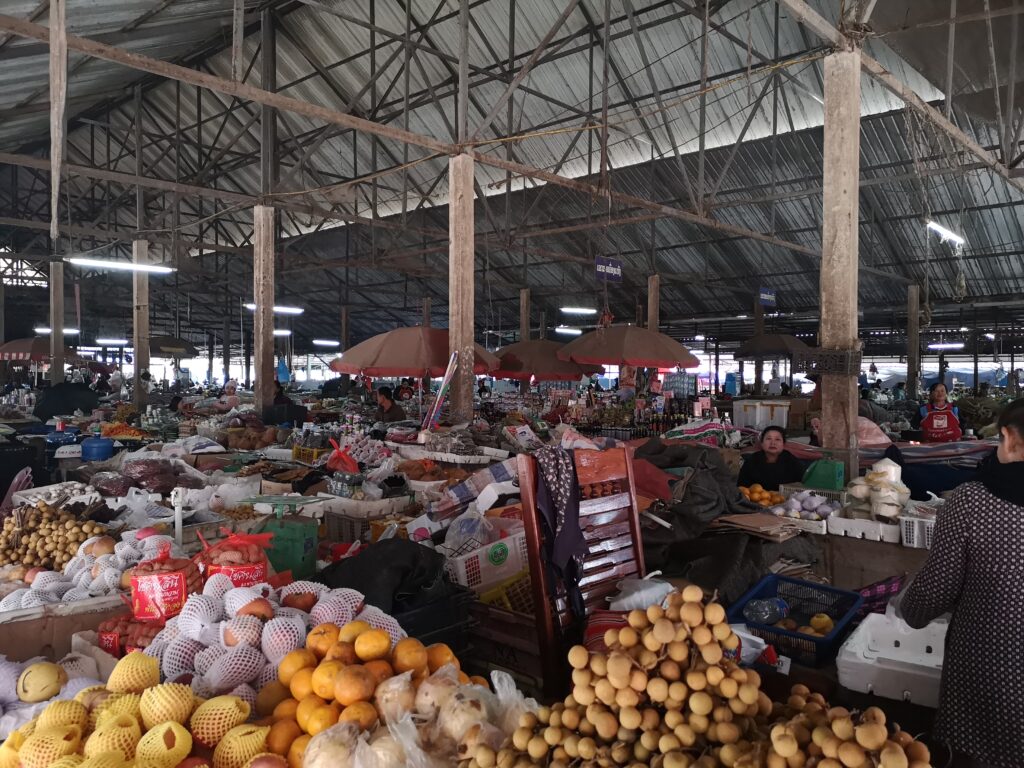
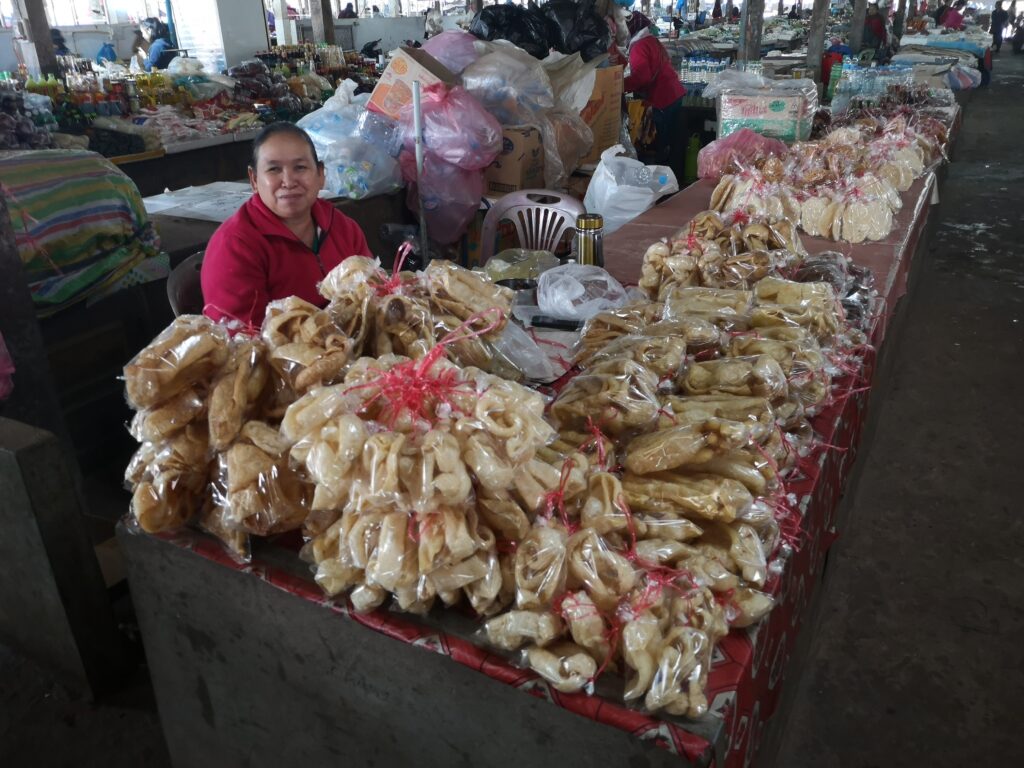
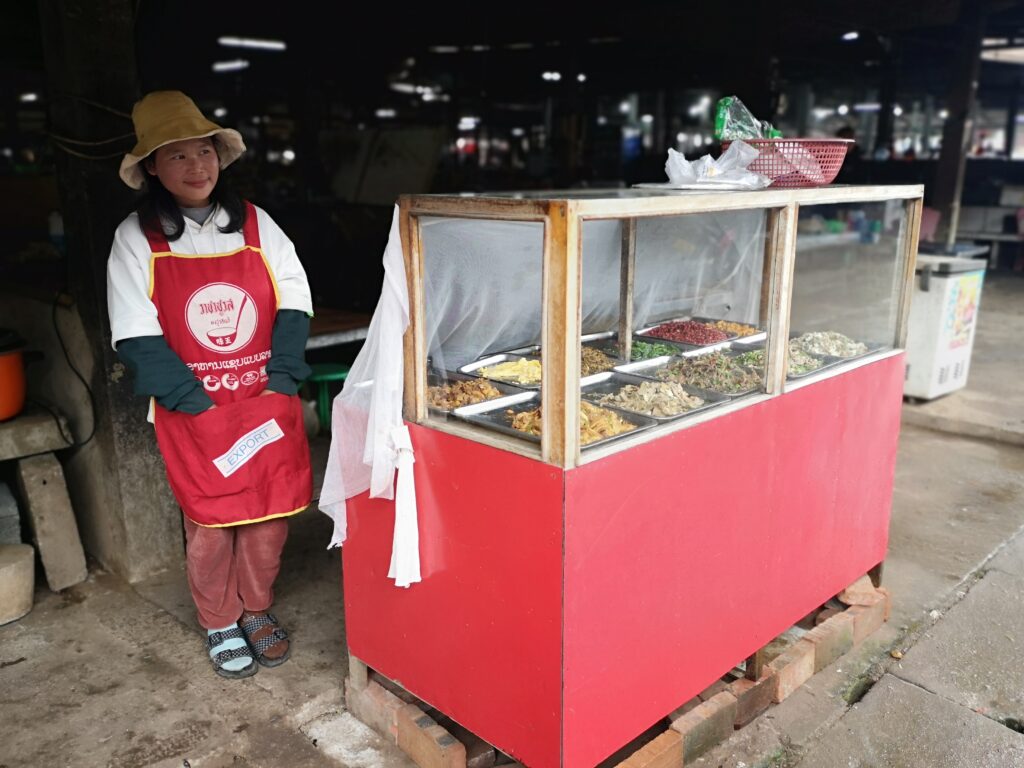
This market serves as an incredible central hub for the mountain communities. If you wander through the labyrinth of stalls, you’ll find everything from fresh mountain greens, exotic fruits, and local river fish to woven textiles. The market traders here were exceptionally friendly, welcoming us with wide smiles.
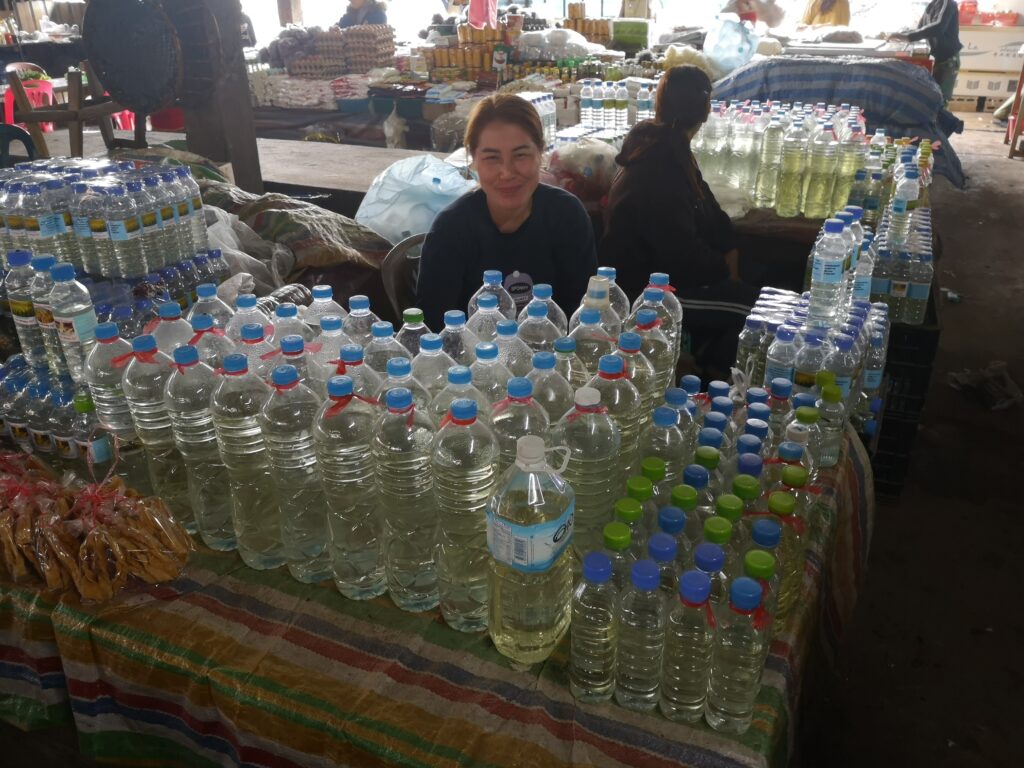
The most eye-catching feature of the market layout is the staggering volume of Lao Lao—the famous local rice firewater—sold from massive clear plastic jugs and bottles at almost every turn. Watching the lively daily trade of this potent local moonshine alongside standard market business offers an incredible, unedited slice of authentic Laotian life.
Useful Information for Your Laos Trip:
Visa Extension Guide: ➡ Laos Visa Extension Guide: Oudomxay vs Luang Namtha Costs, Rules, and 23-Hour Fast-Track Success
Border Crossing Guide:
➡ Hue to Savannakhet Border Guide via Lao Bao Border: Crossing from Vietnam to Laos
➡ Paksan to Bueng Kan Border Crossing (Laos – Thai) Mekong River by Boat
Local Food: Noodle Bowls and the Legendary Sindad BBQ
While the close proximity to Yunnan means Chinese eateries are easy to spot, we found ourselves repeatedly returning to two phenomenal local food spots during our 3-day stay:
The Mystery Main Street Noodle Shop

Located right along the primary paved road (easily spotted by its outdoor soup cauldrons), this busy shop serves an incredible, deeply savoury soup noodle that heavily resembles a spicy Chinese Dan Dan noodle. It became our go-to breakfast fuel before heading out onto the unpaved roads.
The Packed Sindad Hotpot at Baiteuy Restaurant

If you want to eat where the locals gather, head straight to Baiteuy Restaurant. This spot specializes in Sindad (Laotian BBQ), a brilliant hybrid cooking style where a raised metal dome sits over hot coals for grilling meats, surrounded by a moat of simmering broth for boiling fresh greens and glass noodles.
The restaurant was absolutely buzzing every single night. We ordered the pork set, and watching the rich fats drip down into the vegetable broth created one of the most comforting, delicious meals of our entire northern transit.
Our Handpicked Must-Visit Spots:
Based on our own journeys, here are the absolute best places in Laos that captured our hearts.
➡ Luang Prabang Travel Guide: 3-Day Temple Walking Route, Chompet Ferry & Local Night Markets
➡ Wat Phou Travel Guide – Day Trip from Pakse: A Complete Motorbike Guide
➡ The Plain of Jars Travel Guide from Phonsavan: A Complete Sightseeing & Motorbike Survival Tips
➡ Nong Khiaw Travel Guide: Hiking Pha Daeng Peak, Local Eats & Slow Travel Tips
➡ Muang Ngoy Travel Guide: Ultimate Travel Guide to Laos’ Hidden Riverside Village
Guesthouse Review & A Hidden Sunset Beer Spot
Danneau 2 Guest House

We checked into the Danneau 2 Guest House, paying a highly reasonable 120,000 Kip per night for a private room. While we were practically the only travellers staying in the compound, the biggest surprise was the internet: the Wi-Fi connection was blisteringly fast. Having access to reliable high-speed data in such a remote corner of northern Laos was a huge surprise, allowing us to catch up on writing and vlog editing during a cold, rainy afternoon. The rooms were exceptionally clean and well-maintained.
The Nam Bieng Rice Paddy Sunset Spot

Just east of our guesthouse, sitting right along the edge of the wide rice fields, lies a rustic open-air structure signposted on Google Maps simply in Lao script as “ຮ້ານຊີ້ນດາດ” (Sindad Restaurant).
We stopped here in the late afternoon to grab a large bottle of Beerlao for 18,000 Kip. The beer wasn’t pre-chilled, so the staff served it the traditional Lao way—poured directly over a glass packed with solid ice cubes. Sipping ice-cold Beerlao while watching the sun dip behind the dramatic mountain silhouettes and wide green paddies was the ultimate way to wrap up our time in Muang Sing.
Planning Your Route Out of Muang Sing?
Read our raw, dramatic account of hitchhiking our way out of town with Chinese truckers and scoring a local Coaster bus down to the next rail hub here:
➡ Muang Sing to Oudomxay via Luang Namtha: Hitchhiking & Bus Guide in Laos
Comment