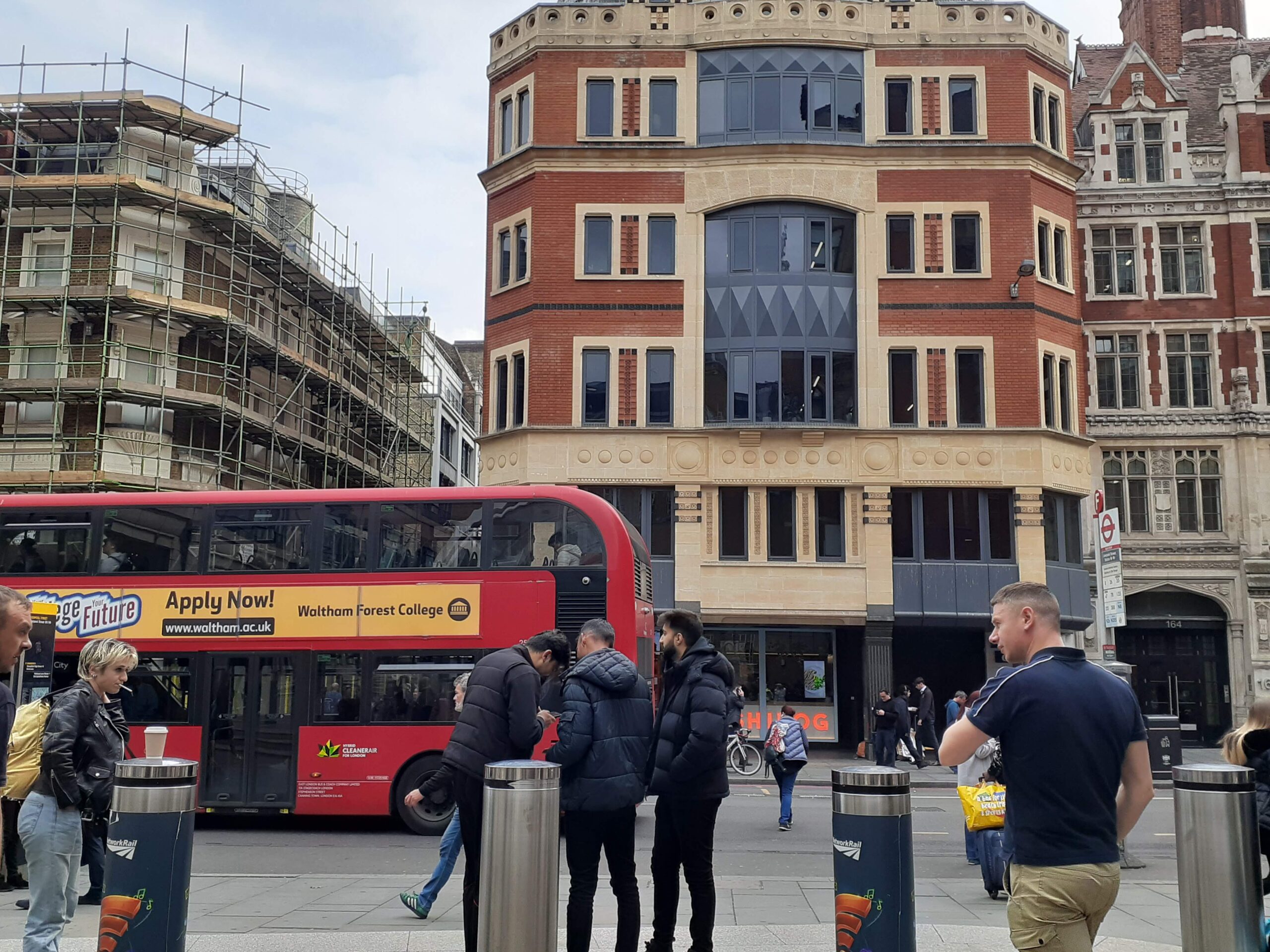
Every year, my wife Mai and I head back to the UK to visit family. While we love this annual trip, we’ve always treated it as a private holiday rather than blog content. This year, however, we are staying for three weeks, and we decided it’s finally time to share the reality of our cross-cultural journeys.
When you visit a country regularly, you tend to overlook the things that might confuse a first-time traveller. While I am simply “going home,” Mai has to navigate a country with its own unique quirks—from the unpredictability of British weather to the completely cashless reality of modern daily life.
But beyond the practical travel tips, returning home as an international couple always brings a bit of cultural comedy. In fact, nothing highlights our differences quite like the hilarious mental barrier of how we address each other’s parents.
Whether you are planning your own trip to the UK or you are part of a cross-cultural relationship yourself, here is our honest guide to what to expect: the essential travel tips, the cultural shocks, and the funny reality of blending two worlds.
🇯🇵 Read the Japanese Version: If you’d like to read this article in Japanese, you can check out Mai’s version of the story here. [日本語で読む: イギリス旅行の不安まとめ|日本人が感じるリアルな心配ポイントと、義実家帰省だからこその悩み]
Introduction: Heading Back to the UK for 3 Weeks

As much as we love our life in Canada, there is always something special about heading back to my homeland. This time, we have a full three weeks ahead of us—the perfect amount of time to slow down, catch up with family, and revisit our favourite places.
Our Annual Routine vs. Fresh Eyes: Why We’re Documenting This Trip
When you visit the same country regularly, you easily fall into a comfortable routine. You stop noticing the little details because everything feels normal to you. But during our planning this year, we realised that what feels like a routine family holiday to me is actually packed with unique insights for anyone else travelling to the UK.
By looking at this trip with “fresh eyes,” we want to capture those subtle cultural differences and practical realities that we usually just take for granted. We’re pulling back the curtain on our usual family visit to turn it into a real, useful guide for our readers.
Preparing My Japanese Wife (and Myself) for the Journey
Going to the UK means two very different things for the two of us. For me, it is simply “going home.” For Mai, however, it means preparing to navigate a foreign country with its own specific quirks and hidden anxieties.
Preparation this year hasn’t just been about packing bags; it’s been a mental balancing act. While I have been reassuring her about how easy modern British life is, Mai has been highlighting the very real worries that any international visitor faces. It turns out, preparing for the journey also meant preparing myself to see my own country from an outsider’s perspective—starting with the practical shocks that usually make foreign visitors a little nervous.
The Survival Guide: Real UK Travel Tips & Cultural Shocks
When preparing for a trip to the UK, standard travel brochures focus on historic castles and beautiful countryside. What they often leave out, however, are the simple realities of modern British life that are useful for any international traveller to know before they arrive.
Here are three practical things we always find ourselves keeping in mind.
Cashless Britain: Do You Actually Need Pounds Anymore?
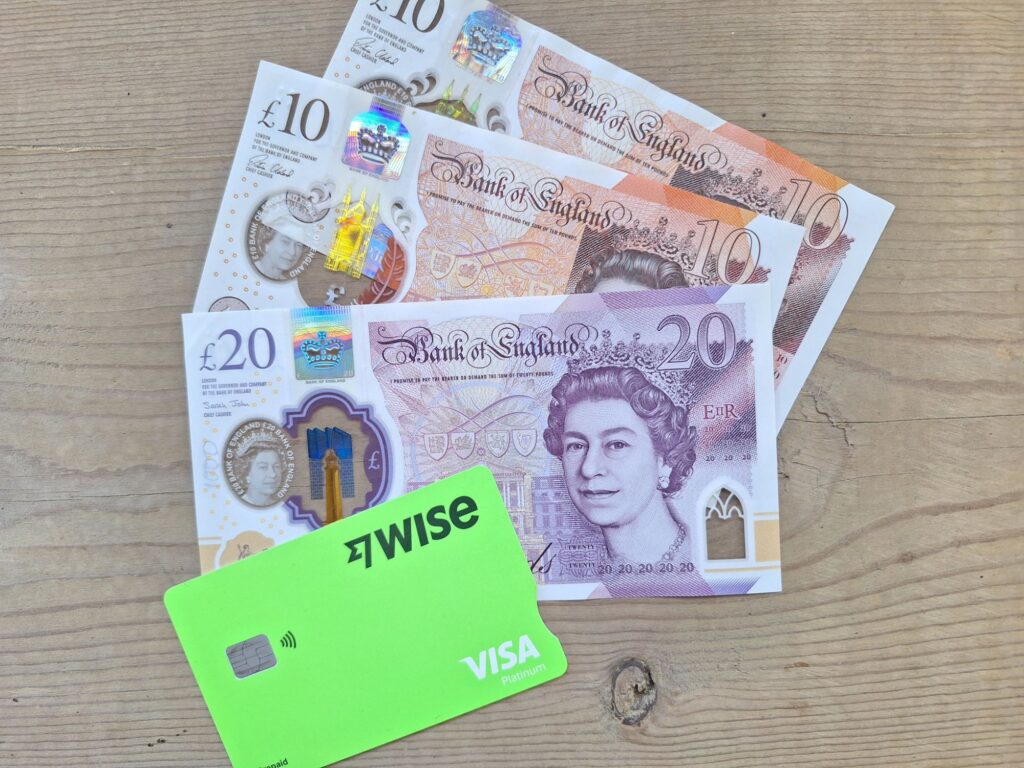
If you are travelling from North America, you are probably used to carrying a bit of emergency cash. In the UK, however, physical money has almost entirely vanished from daily transactions. From central London transport to a quiet pub in a rural village, virtually everything is paid for with a simple tap of a card or a smartphone.
In fact, carrying cash can sometimes be more of a hindrance than a help, as many venues are now strictly “card only.” The only real thing you need to check before you leave is that your bank cards don’t charge foreign transaction fees and that your mobile wallet is set up. You can safely leave the physical wallet of banknotes at home.

“Four Seasons in One Day”: Mastering the Art of British Layering
British weather is famously unpredictable, but May and June can be particularly confusing. You might wake up to brilliant sunshine, experience a sudden chilly downpour by midday, and face a biting wind by the evening. Mai always finds this aspect of the trip a little stressful when trying to pack light.
The golden rule for surviving British weather is layering. Do not just pack one heavy jacket or rely entirely on summer clothes. Instead, opt for lightweight layers—t-shirts, cardigans, and a reliable, packable waterproof jacket. In the UK, being prepared means being able to adapt your outfit three times a day.

Rail Strikes and Delays: Navigating the Great British Train System

We love using the UK rail network to get around, but it requires a healthy dose of patience. Unlike the highly punctual train systems in places like Japan, British trains are frequently subject to delays, sudden platform changes, and organised rail strikes.
If you plan to travel by train, download a reliable app like National Rail or Trainline before your journey. This allows you to check live running times and see if your specific route has been disrupted or cancelled. A good rule of thumb is to always have a backup plan (like a coach service or a flexible schedule) just in case the trains decide not to cooperate.

The First-Name Dilemma: The Mental Barrier of Calling In-Laws by Their Names
While preparing for logistics like train schedules and weather is simple enough, the biggest cultural hurdle we ever faced wasn’t about travel at all. It was about how to address my mother.
The Clash of Cultures: Japanese Respect vs. British Familiarity
In the UK, it is completely standard to call your partner’s parents by their first names once you are welcomed into the family. It signals closeness and warmth. In Japan, however, addressing someone from an older generation—especially your in-laws—by their first name is considered incredibly rude. Respect is shown through titles like “Okaasan” (Mother).
When Mai first met my family, these two cultural rules collided. Mentally, she knew that British families use first names, but her lifelong cultural training created a massive barrier. She simply couldn’t bring herself to say my mother’s name. Instead, she avoided using any name at all, relying on polite phrases like “Excuse me” or “Um…” to get her attention.
“Does Mai Know My Name?” – My Mum’s Sweet Misunderstanding
Because Mai was doing everything she could to avoid the awkwardness of the first-name barrier, it led to a wonderfully polite misunderstanding.
After a while, my mum noticed this hesitation and quietly came to me with a concerned look on her face. “Chris,” she whispered, “does Mai actually know what my name is?
At the time, I didn’t actually explain the whole Japanese concept of respect to my mum; I just reassured her that Mai was just being incredibly polite. But looking back, I suspect my mum felt a little left out or distant, wondering why her new daughter-in-law was keeping such a careful space between them. For my mum, using her name was an invitation to be close, while for Mai, avoiding it was the only way she knew how to show respect.
No Perfect Resolution: Why She Still Polite-Panics to This Day
Even after all these years, Mai still feels a tiny jolt of polite panic every single time she has to call my mother by her first name. That deep-rooted Japanese sense of respect doesn’t just disappear. There is no magical resolution where she became perfectly comfortable with it overnight. She still has to push through that mental barrier every single visit—but she does it anyway, because she knows it’s how we show family affection here.
Karma Strikes Back: My Own Japanese “In-Law” Struggles

It would be easy for me to sit back and watch Mai struggle with British names, but cultural confusion goes both ways. Karma caught up with me the moment I had to address her parents in Japan.
The Linguistic Traps of “Otousan” and “Okaasan”
In English, the words Father and Mother sound completely distinct. In Japanese, however, the formal titles for your in-laws are Otousan (Father) and Okaasan (Mother). To my native English-speaking ears, these two words sound incredibly similar—especially when I am nervous and trying to be perfectly polite.
Whenever I am sitting right in front of Mai’s mother, for example, a sudden wave of linguistic panic hits me. My brain starts overthinking: Is it Otousan or Okaasan? Which one is for her? The fear of making a clumsy mistake freezes me completely. Instead of risking the wrong word, I usually end up just swallowing my words and staying silent. It turns out, I do the exact same thing Mai does in England.
Why I Still Hesitate After All These Years
Just like Mai’s mental barrier with my mum’s first name, my brain still hasn’t entirely overcome this hesitation. Even after years of being together, there is always a split second of anxiety before I speak to her parents, as I desperately double-check the vocabulary in my head.
The truth is, cross-cultural marriages are full of these quiet language barriers. We both want so badly to show respect and warmth to our respective in-laws, but our upbringings occasionally trip us up. It is a comforting reminder that we are both in the same boat, dealing with the exact same hesitation in the name of love.
Conclusion: Embracing the Chaos of a Cross-Cultural Marriage
Travelling home is never just about the flights or the luggage. When you are part of an international couple, every trip back is a mirror that reflects just how beautifully complicated—and incredibly rewarding—blending two worlds can be.
Why the Struggles of Going Home Are Worth It
Between checking train cancellations and pushing through the awkward mental barriers of what to call our parents, our journeys are rarely seamless. Mai still hesitates before saying my mum’s first name, and I still freeze before addressing her family in Japan.
But looking back, these tiny moments of cultural hesitation are exactly what make our trips so meaningful. They show that we care. The quiet panic we both feel isn’t a sign of distance; it’s proof of the deep respect we have for each other’s families and upbringings. Embracing that slight awkwardness, and laughing about it together at the end of the day, is the absolute best part of a cross-cultural marriage.
Next Stop: Reporting Live from a Quiet, Charming British Town
Now that the packing is done and our mindsets are ready, our three-week journey is officially beginning. We are trading our home in the forest in Quebec for the brisk air of the UK, and we cannot wait to see what this trip brings.
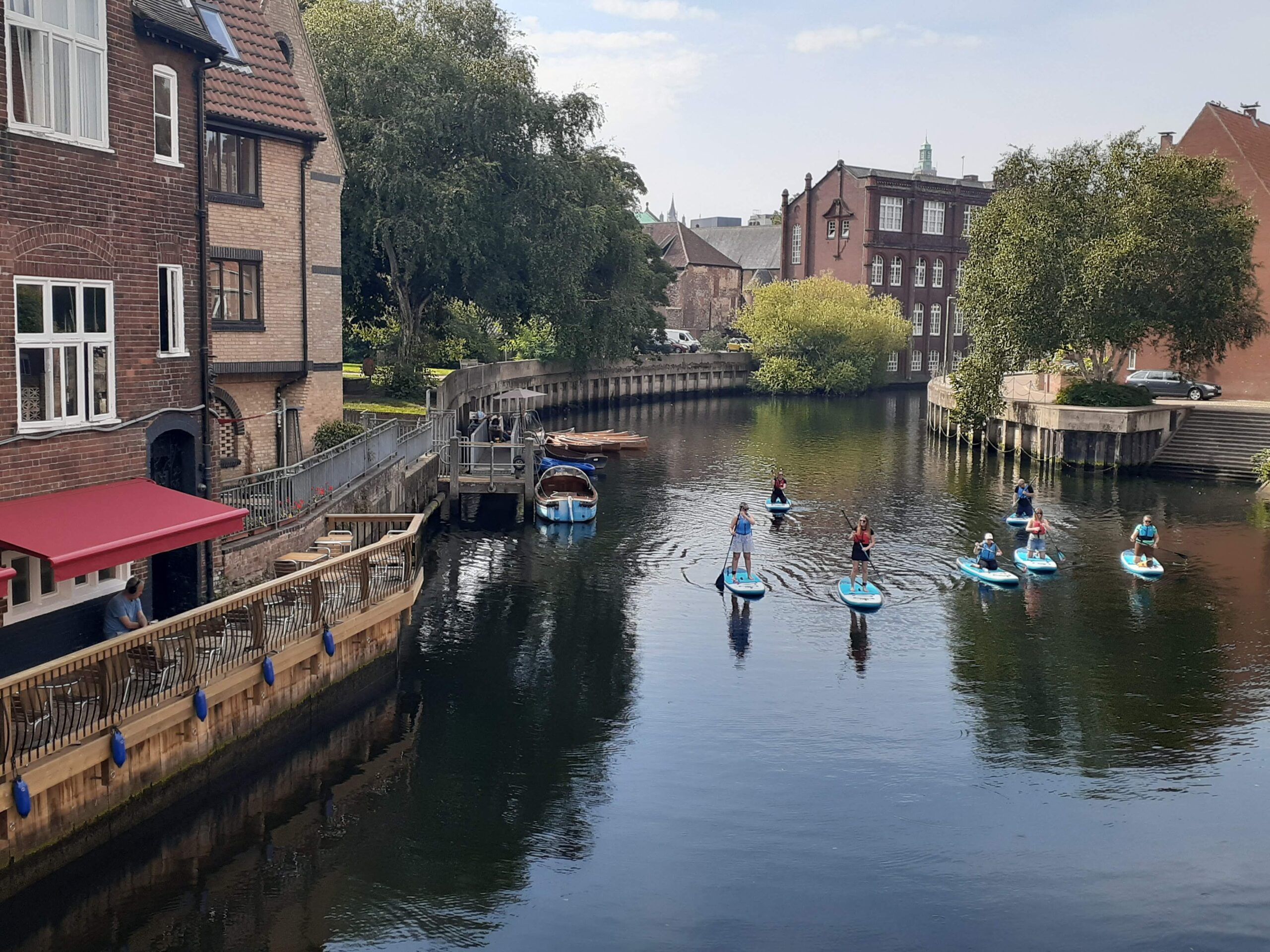
Once we land and settle in, our next stop will be sharing a closer look at a place very dear to us—a quiet, coastal British town that completely avoids the usual tourist crowds, where my mum lives. Stay tuned, because we will be reporting live from the road, sharing more practical tips and honest stories from our three weeks in Britain.
Thank you for travelling with us!
For airport transfers, train booking apps, and navigating local rail networks, check out our
➡ UK Public Transport & Transit Guide
For entry requirements (ETA), internet setups (eSIM), and managing travel money, head over to our
➡ UK Trip Preparation & Essentials Guide
For minimalist travel packing list and tips
➡ UK Travel Paking List and Tips

Comment