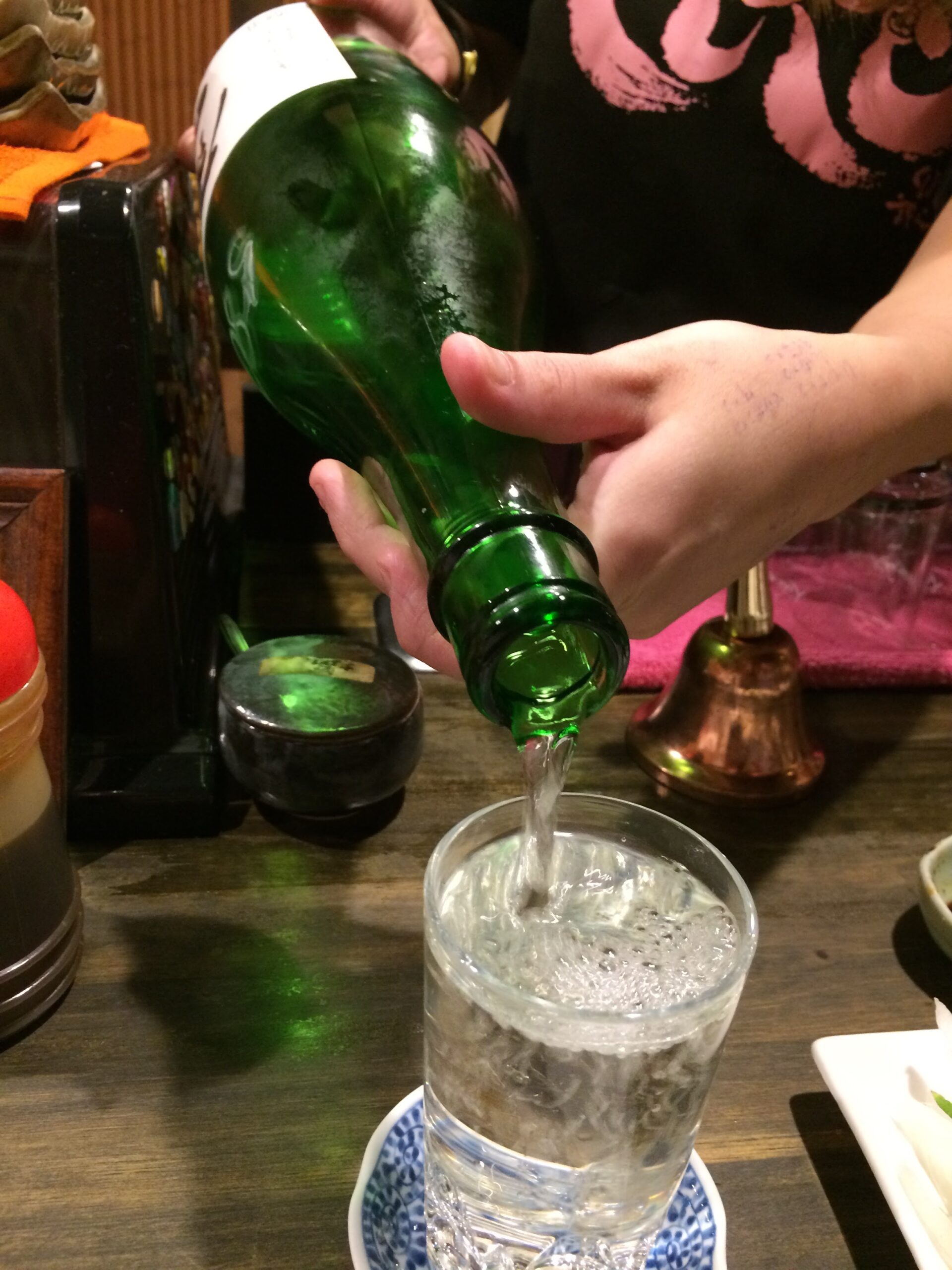
Of all the unique subcultures you will encounter when figuring out how to drink in Japan, nothing is quite as thrilling, historic, or deeply local as entering a Kakuuchi.
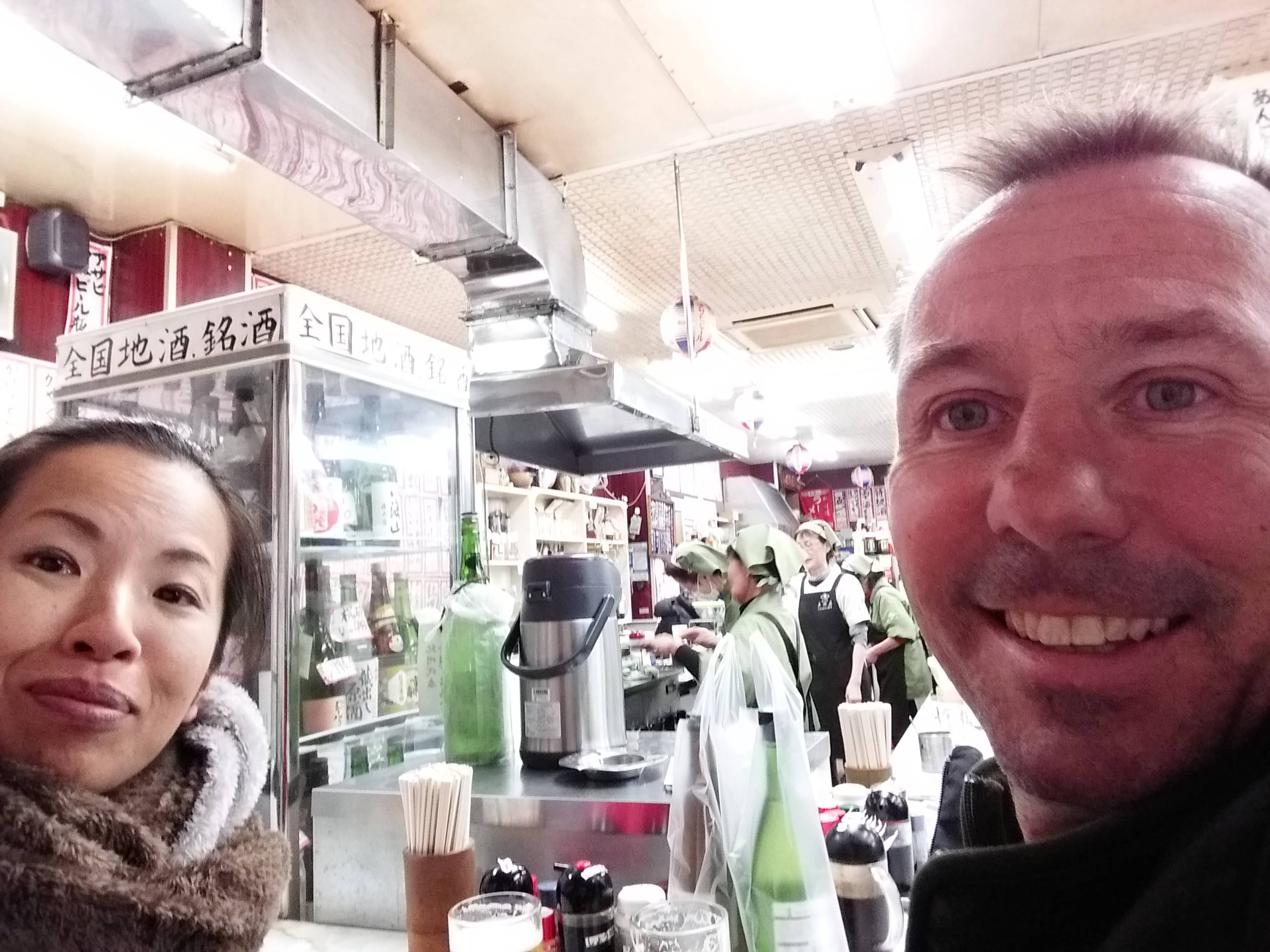
To the uninitiated, walking into what looks like a quiet, neighborhood bottle shop and seeing locals happily sipping cheap sake in Tokyo right next to the retail shelves can be confusing. When my wife, Mai, first introduced me to this concept, I thought we were breaking the law! But we weren’t. We were experiencing Kakuuchi—Japan’s original, no-frills, undercover drinking scene.
If you are looking for an authentic and budget-friendly way to sample premium Japanese alcohol, here is everything you need to know about Japanese liquor store drinking.
- 1. What is Kakuuchi? The Unique History and Etiquette of the “Square”
- 2. How Kakuuchi Differs from Standard Izakayas and Tachinomi
- 3. The Two Faces of Kakuuchi: Why Day-Drinking (and Morning Drinking!) is the Default
- 4. Where to Find Kakuuchi in Tokyo Today
- 5. The Unwritten “Kakuuchi Rules” to Remember
- 6. Ready to Find Your First Kakuuchi?
1. What is Kakuuchi? The Unique History and Etiquette of the “Square”
To understand what is Kakuuchi, we have to look at the unique history of Japan’s industrial boom during the Meiji and Showa eras.
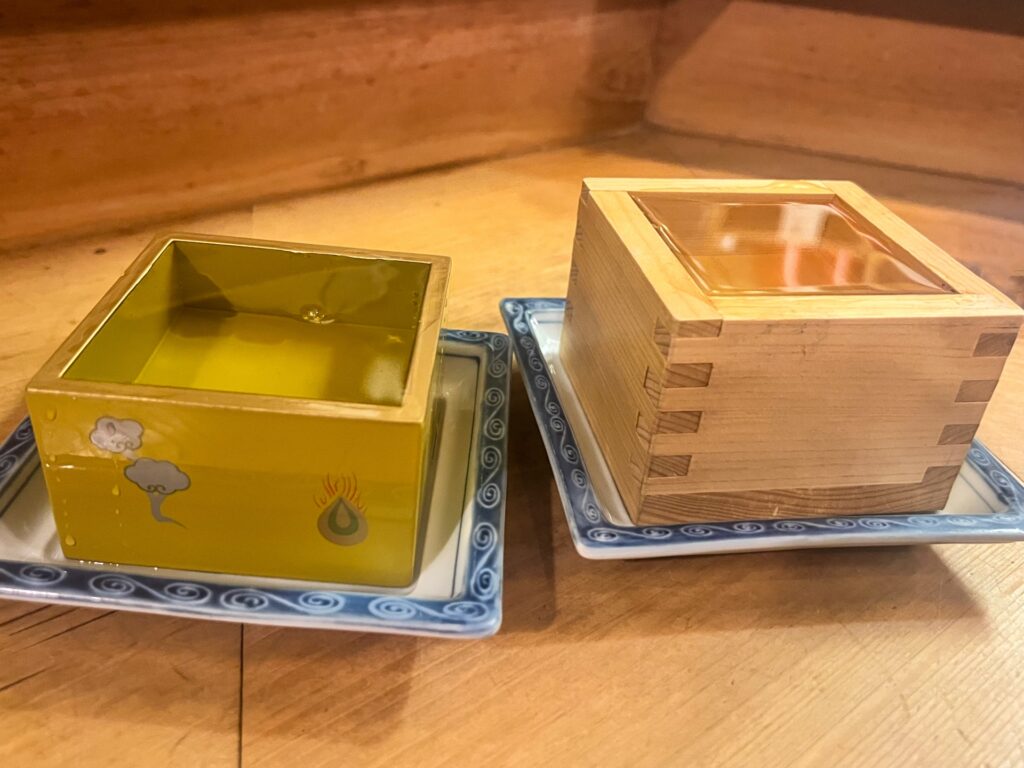
The word Kakuuchi (角打ち) roughly translates to “hitting the corner,” referring to the historic practice of buying a square wooden cup (masu) of sake from a merchant and drinking it directly from the kaku (corner) of the wooden box right there in the shop.
But why did liquor stores start allowing this? It all comes down to the working class. In heavy industrial and port cities (like Kitakyushu, where Kakuuchi flourished), factories operated on strict 24-hour shift rotations. When a group of blue-collar laborers finished a grueling night shift at 6:00 AM or 8:00 AM, they wanted a quick, affordable drink to wind down before heading home to sleep.
Traditional Izakayas were closed at sunrise, so these workers turned to the only places that were open: neighbourhood retail liquor stores. The shopkeepers opened up a tiny corner of their counter, and a legendary drinking culture was born.
2. How Kakuuchi Differs from Standard Izakayas and Tachinomi
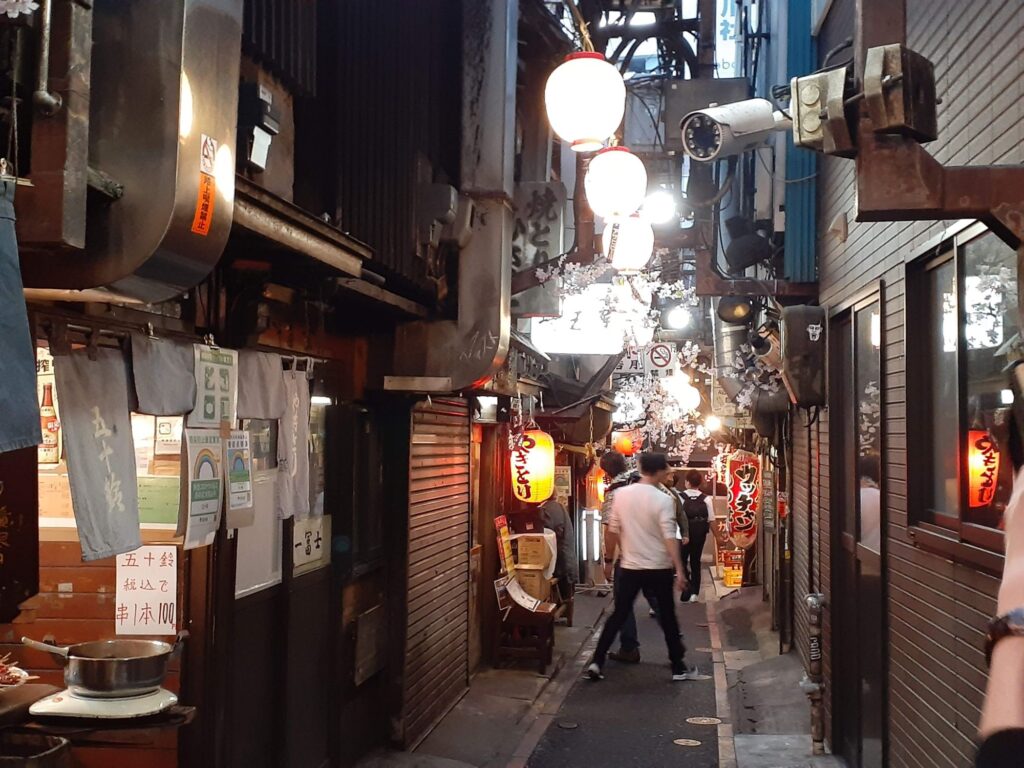
It is easy to confuse a Kakuuchi with a standard Izakaya (Japanese pub) or a Tachinomi (standing bar), but the differences are massive, especially on your wallet:
- Near-Wholesale Prices: Because you are buying directly from a retail merchant, you are paying retail prices plus a tiny surcharge (often just a few dozen yen) to drink it on-site. It is hands-down the cheapest way to experience high-quality sake, beer, and Japanese whisky.
- The Food Style: Do not expect a chef in the back preparing fresh sashimi. Traditional Kakuuchi food consists of Kanzume (canned food like tinned mackerel or yakitori), Kawakimono (dried snacks like squid or seasoned nuts), and pre-packaged snacks.
- The Vibe: At an Izakaya, you are paying for hospitality and seating. At a Kakuuchi, you are paying for raw authenticity. You are drinking alongside regular locals, surrounded by boxes of inventory and crates of beer.
Related Articles:
➡ What is Tachinomi? Why Japan’s Standing Bars Are the Ultimate Travel Trend (and Why It’s Not Bad Manners)
➡ The Practical Beginner’s Guide to Tachinomi & Kakuuchi: How to Sip, Order, and Blend In Like a Local
➡ A Beginner’s Guide to Sake in Japan: What to Drink, How to Choose & Where to Go
3. The Two Faces of Kakuuchi: Why Day-Drinking (and Morning Drinking!) is the Default
Because of this 24-hour worker history, day-drinking (Hirunomi) is actually the default setting for a traditional Kakuuchi. They aren’t trying to be trendy; they are simply keeping their original retail store hours. However, in recent years, this culture has evolved into something even more exciting for food lovers.
From Morning Drinking to Modern Sake Tastings
Today, you will find that many modern and traditional Kakuuchi have upgraded their game to cater to a new generation of alcohol enthusiasts:
- Morning Drinking (Asanomi): Believe it or not, some historic spots near fish markets or major transit hubs still open as early as 7:00 AM or 8:00 AM. If you are a traveller dealing with jet lag or just want to start your culinary adventure early, catching a morning tipple alongside locals is a surreal and memorable experience.
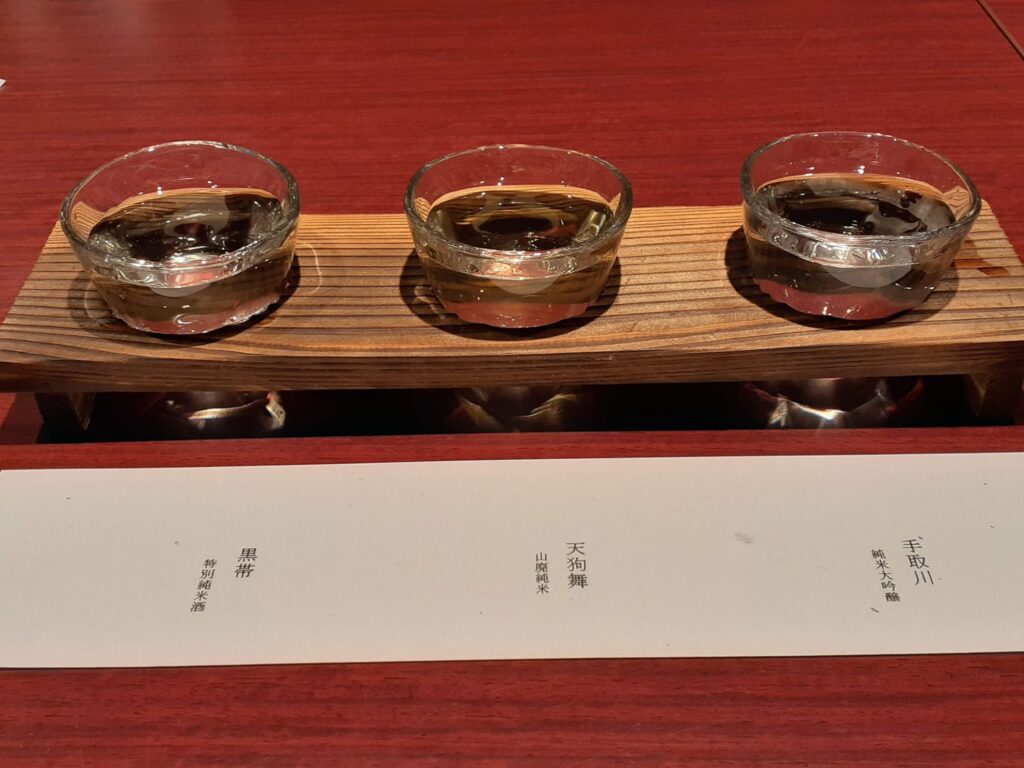
- Sake Tasting Sets (Kikizake): To make premium rice wine accessible to everyone, many evolved Kakuuchi now offer beautifully curated Sake Tasting Flights (Kikizake Set). For just a few hundred yen, you can choose three different regional sakes (such as dry, sweet, or seasonal unpasteurised varieties) to compare their flavour profiles. It is the ultimate, low-pressure way to learn about sake without buying a whole bottle.
4. Where to Find Kakuuchi in Tokyo Today
You might wonder: Does this culture still exist in a modern mega-city like Tokyo? Absolutely. While many traditional family-owned shops have vanished, Tokyo still holds brilliant pockets of authentic and evolved Kakuuchi if you know which districts to target:
- Shitamachi (The Historic East Side): Areas like Asakusa, Ueno, and Kiyosumi-Shirakawa are famous for keeping the old Tokyo working-class vibe alive. You will find multi-generational liquor shops here where regulars have been drinking at the counter for forty years.
- Business & Transit Hubs: Head to Shimbashi (the salaryman capital) or Shinagawa. Hidden in the basement floors of old station buildings or down narrow side streets, historic bottle shops still serve thousands of office workers looking for a quick, cheap drink before catching their commuter trains home.
- The Modern Craft Wave: Trendy neighbourhoods like Shibuya and Akihabara have reinvented the concept. Here, you will find chic, boutique bottle shops that function as retail stores by day but open up sleek standing tasting counters at night, specializing in rare regional sake flights and Japanese craft beer.
5. The Unwritten “Kakuuchi Rules” to Remember
Because you are drinking in a retail space, the etiquette is slightly stricter and more specific than a standard bar. To blend in seamlessly, follow these core rules:
- Do Not Touch the Retail Shelves: Unless there is a specific fridge marked “For Drinking Here,” always ask the shopkeeper behind the counter to pour your drink or hand you a bottle. Do not just grab a premium bottle off the retail display shelf and pop the top!
- The Cash-on-Delivery Custom: Just like we mentioned in our practical guide, most Kakuuchi operate on cash-on-delivery. Keep your loose coins and 1,000-yen notes ready on the counter.
- Share the Counter Space: Kakuuchi spaces are tiny. If a regular approaches the counter, tuck your elbows in and yield a bit of space. A friendly smile and a nod go a long way.
- Don’t Overstay Your Welcome: Kakuuchi is designed for a quick, efficient pitstop. Drink one or two glasses, eat a tin of sardines, and move on. Lingering for three hours to treat it like a private lounge is considered poor manners.
6. Ready to Find Your First Kakuuchi?
If you want to experience the absolute pinnacle of cheap sake in Tokyo or find a hidden neighborhood gem in Osaka, Kakuuchi is a must-try. It might feel intimidating to slide past the plastic curtains of a local liquor store for the first time, but once you take that first sip, you will be participating in a century-old Japanese tradition.
Stay tuned for our next article, where Mai and I will be breaking down our absolute favorite, hand-picked Tachinomi and Kakuuchi spots across Tokyo and Osaka!
Related Articles:
➡ What is Tachinomi? Why Japan’s Standing Bars Are the Ultimate Travel Trend (and Why It’s Not Bad Manners)
➡ The Practical Beginner’s Guide to Tachinomi & Kakuuchi: How to Sip, Order, and Blend In Like a Local
➡ Back to Japan Food & Drink Guide
Comment