If you are currently packing your bags for your first adventure to Japan, there is likely one quiet anxiety hovering at the back of your mind: “Will I be able to survive if I don’t speak a word of Japanese?”
You look at the beautiful, intricate Kanji characters on travel brochures and wonder if you will get hopelessly lost at a train station, or end up accidentally ordering something completely unexpected at a local restaurant.
As a British expat married to a Japanese native, living in Canada, I have navigated this landscape multiple times. I can tell you with absolute certainty that you do not need to be fluent in Japanese to have an incredible, smooth, and unforgettable holiday.
Here is my honest, real-world breakdown of exactly how much English is spoken in Japan, where it works, and how to bridge the gap like a seasoned pro.
The On-the-Ground Reality: Cities vs. Countryside
To set your mind at ease immediately, the level of English you encounter depends heavily on where you are travelling:
In Major Cities (Tokyo, Kyoto, Osaka)
In the major tourist hubs, the infrastructure is heavily geared toward international travellers.
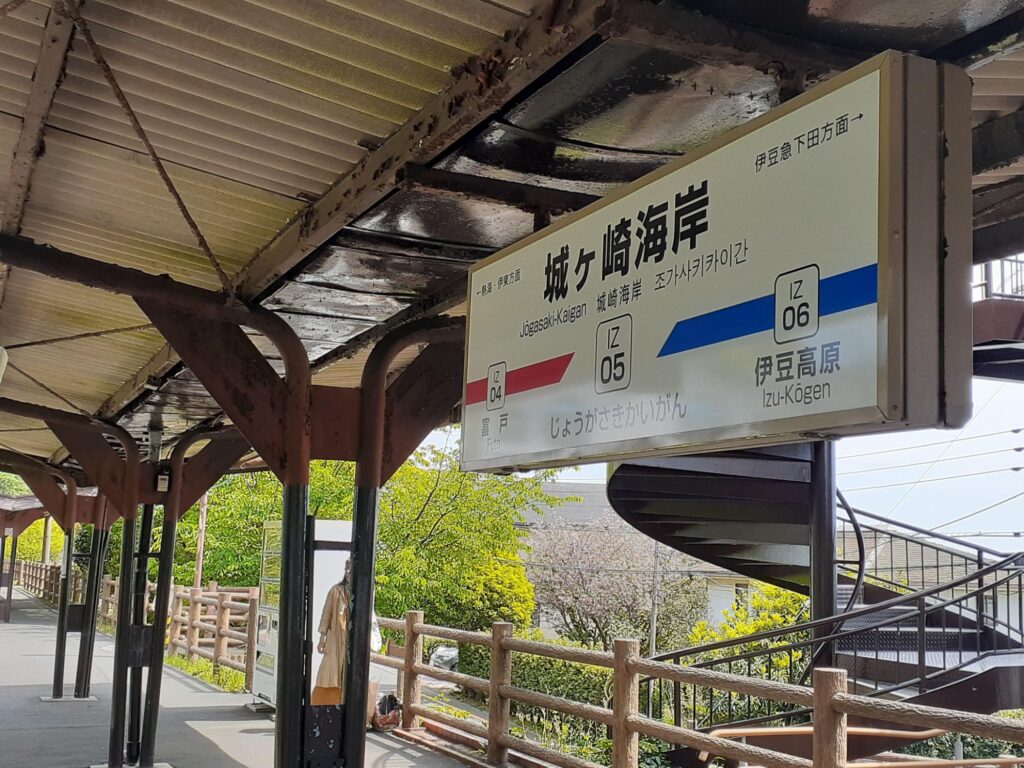
- Public Transport: Every major train station, subway line, and airport has clear, English signage. Train announcements are made in both Japanese and English. You will not get lost.
- Hotels and Major Shops: Staff at international hotels, major department stores, and flagship boutiques speak functional English.
- Menus: Almost every restaurant in tourist-heavy districts offers an English menu (often with photos).
Heading into the Countryside
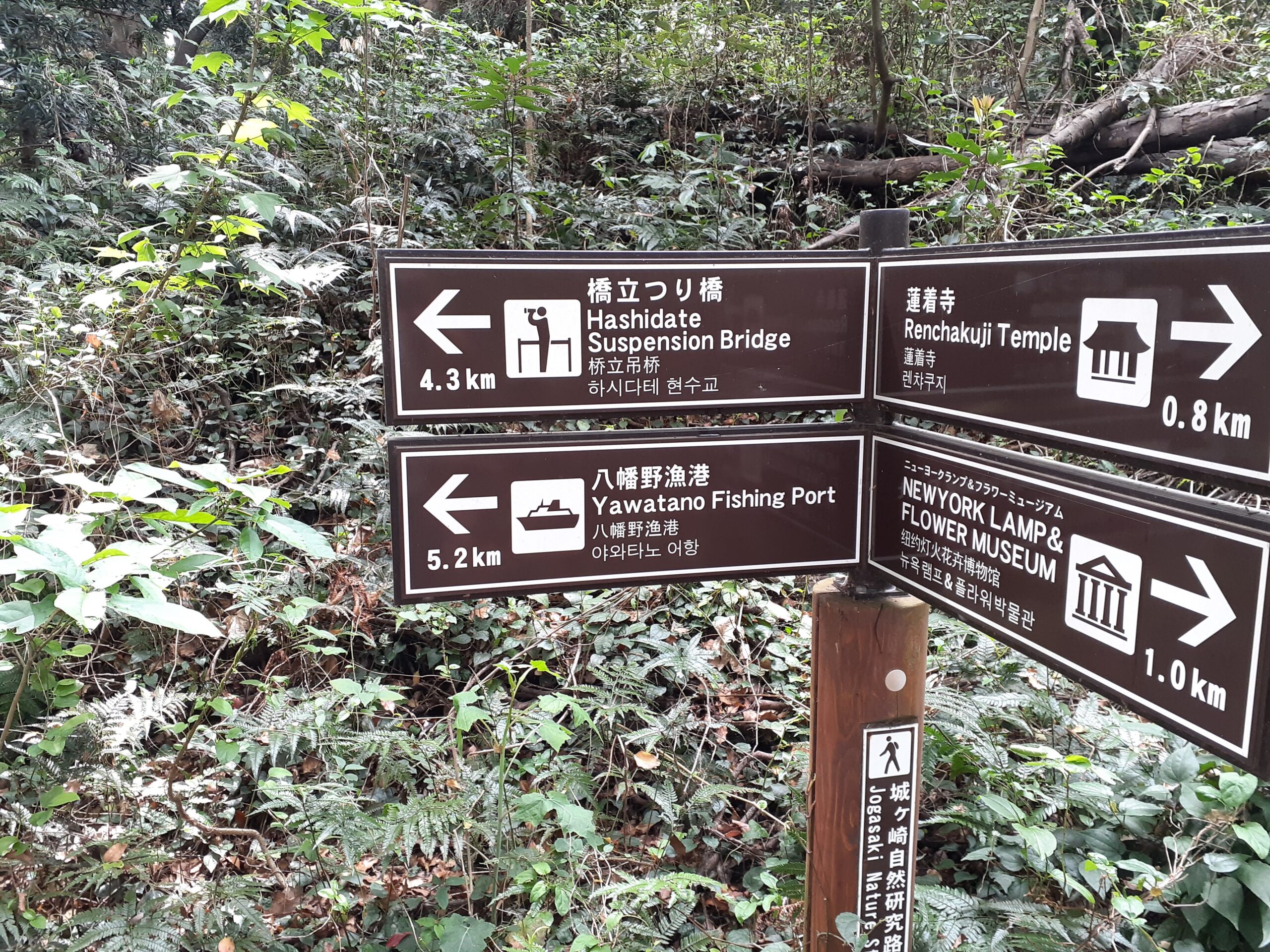
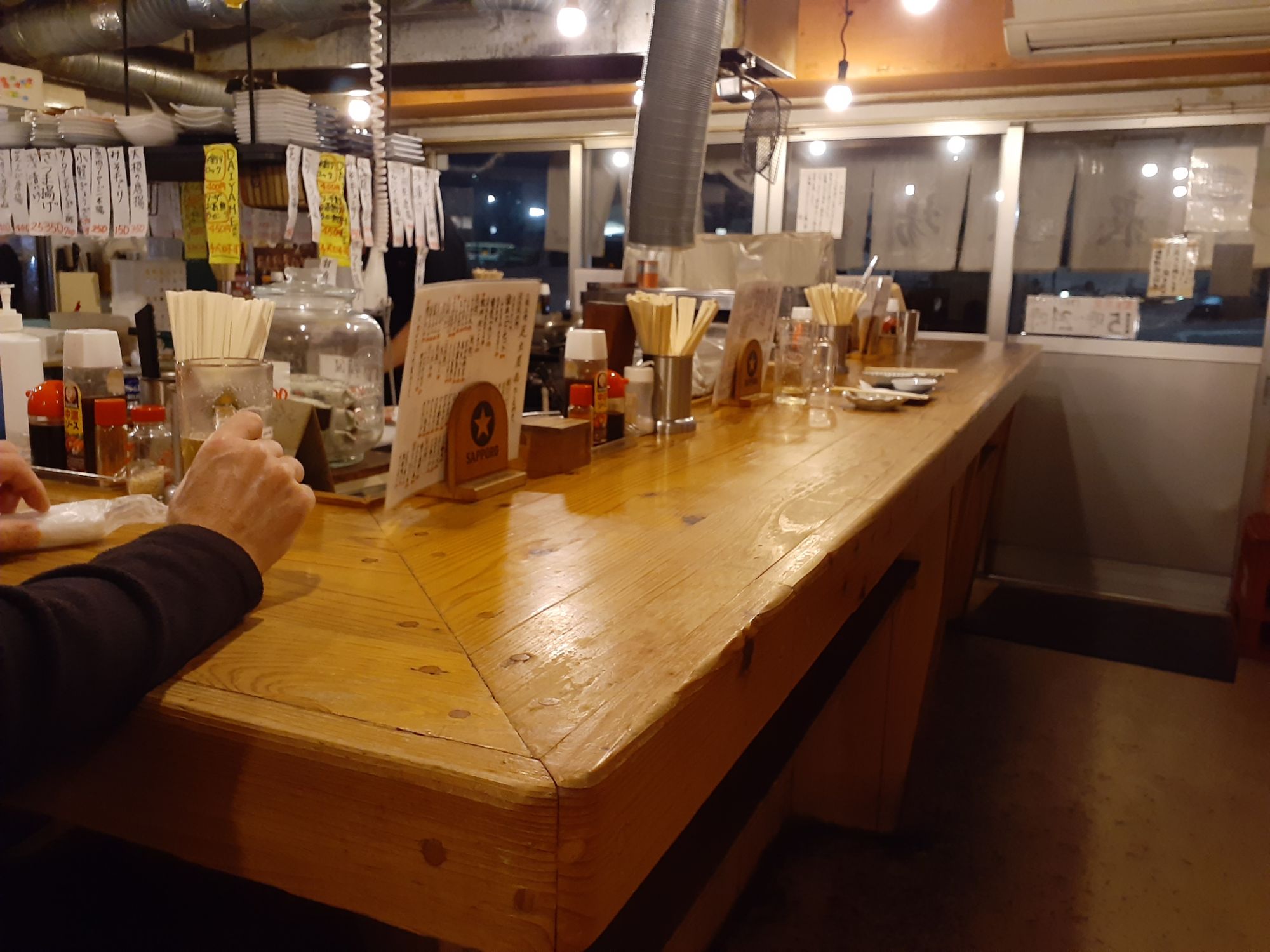
The moment you leave the bullet train lines and venture into the stunning rural areas, ancient mountain villages, or local seaside towns, English proficiency drops significantly. Local bus drivers, elderly shopkeepers, and family-run Izakaya (Japanese pubs) will likely only speak Japanese.
But do not let that discourage you! Japanese hospitality (Omotenashi) is so deeply ingrained that locals will go entirely out of their way to help you, even if you don’t share the same language.
The Ultimate Trick When Asking for Directions: Always Smile!
If you ever find yourself lost or needing to ask a local for help on the street, there is one golden rule that works better than any translation app: Always approach people with a warm, genuine smile.
In Japan, there is a beautiful, deeply cherished traditional proverb: 「笑う門には福来る」(Warau kado ni wa fuku kitaru), which translates to: “Good fortune comes to a smiling gate.” It means that happiness and blessings naturally gravitate toward those who smile. Japanese people intrinsically understand the profound power of a smile, and it is woven tightly into the fabric of their daily social harmony.
As mentioned earlier, every Japanese student studies English at school for years, so they actually understand written English remarkably well. However, because their culture places a massive emphasis on politeness and avoiding mistakes, many locals feel incredibly self-conscious and shy about their spoken English. If you approach someone looking stressed, they might instinctively panic, worried they won’t be able to help you perfectly.
A simple smile is your survival starting tool. It instantly breaks the ice, melts away the other person’s defences, and lowers their anxiety. It signals that you are friendly, patient, and polite. The moment they see your smile, their desire to be helpful takes over, and they will gladly use gestures, broken English, or their own smartphones to guide you exactly where you need to go.
The Tech Tools That Shatter the Language Barrier
While smiles go a long way, modern technology has officially made the language barrier a thing of the past. Make sure you have these essential tools ready on your phone before you land:
Google Translate (with the Offline Pack): Download the Japanese language pack so you can use it without data. The “Camera Translate” feature is pure magic. If you are staring at a cash-only ramen ticket machine or a bottle of sauce at a convenience store, just hold your camera up to the Japanese text, and it will instantly translate it into English on your screen.
Google Lens (Your Secret Menu Reader)
If you walk into an authentic local eatery and they hand you a menu written completely in Japanese, do not panic. Open the Google Lens app (or the camera feature inside the Google app) and point it at the text.
Google Lens will instantly overlay the English translation right on top of the physical menu on your screen. It is an absolute lifesaver for identifying ingredients, translating spice levels, or reading Japanese vending machines and platform signs on the go.
One Vital Connectivity Note: Unlike regular text translation apps where you can download offline language packs, Google Lens requires an active internet connection to analyse and translate images. Before you sit down at that local restaurant, make sure your pocket Wi-Fi is turned on or your Japanese eSIM is connected to cellular data, otherwise the camera won’t be able to read the menu!
Travel Tip: Tools like Google Lens are lifesavers for reading menus and train signs, but they will not function without mobile data. Read our guide on How do I Get Internet Data in Japan? (eSIM vs Pocket Wi-Fi) to choose the best connectivity option before you arrive.
Google Maps
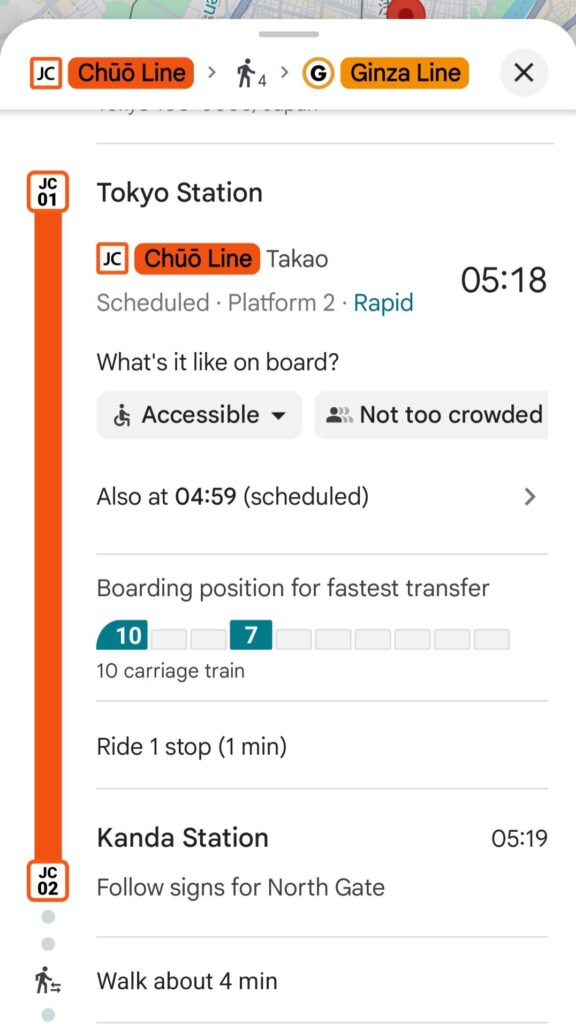
The navigation system for Japan’s transit network is flawlessly accurate on Google Maps. It doesn’t just tell you which train to take; it tells you the exact platform number, which train carriage is closest to your exit, and precisely how many minutes the journey will take. It’s insane!
Conclusion: Embrace the Adventure
The language barrier in Japan isn’t a wall designed to keep you out; it is simply part of the beautiful adventure of exploring a unique culture. With a bit of patience, clear communication, a smartphone equipped with data for Google Lens, and a big, friendly smile, you will find that Japan is one of the easiest, safest, and most welcoming countries to travel through in the entire world.
Don’t worry about being perfect. Laugh through the small misunderstandings, enjoy the hand gestures, and embrace the brilliant journey of discovering Japan first-hand!
Want to learn the essential Japanese words for your trip? Check out our dedicated guide:
➡ 5 Magic Japanese Phrases to Show Respect and Get Help Smoothly
Head back to our master checklist to tackle your next big travel question:
➡ First Trip to Japan? 12 Questions that We are Frequently Asked
Comment