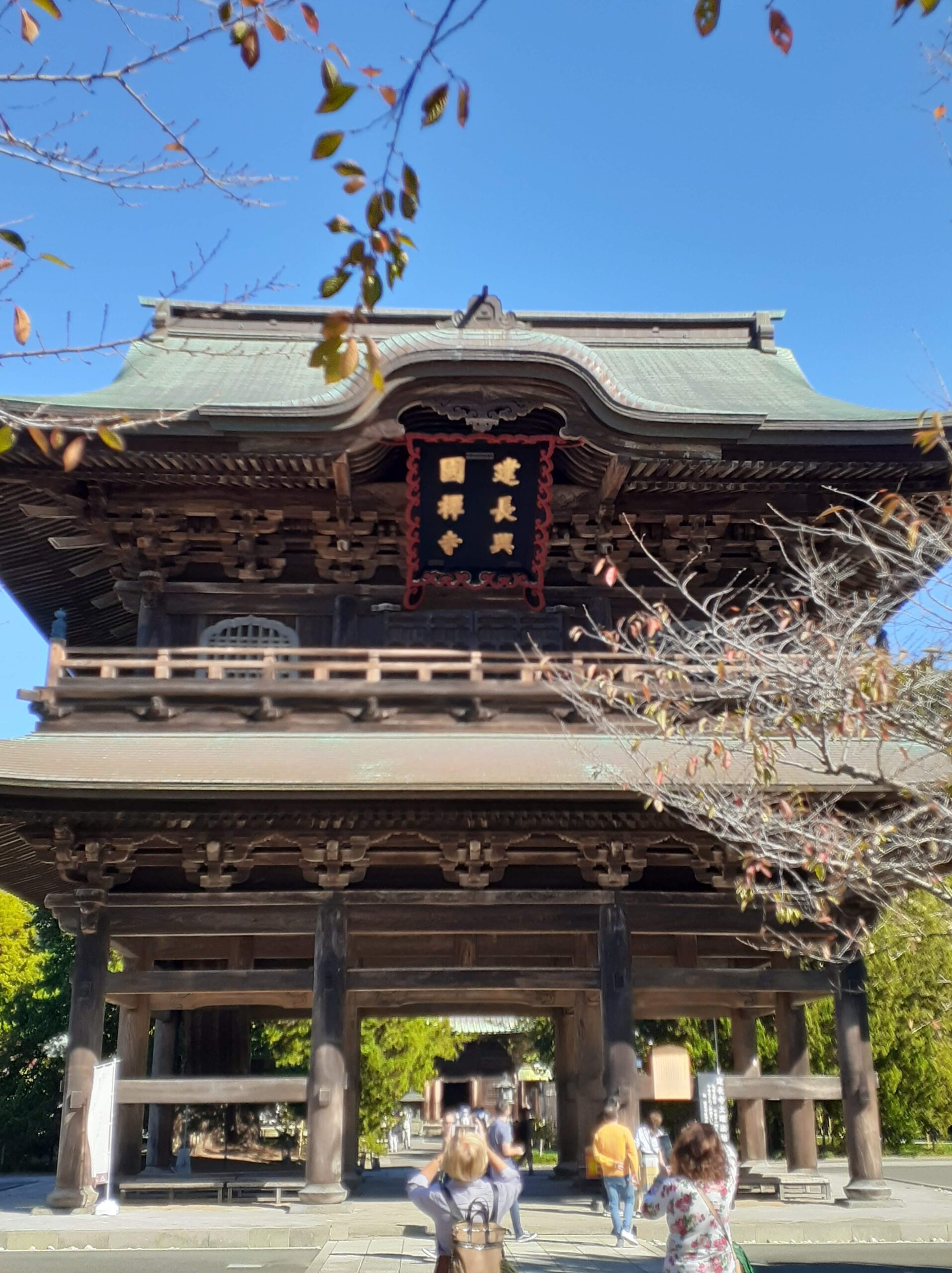
Looking to explore beyond the glittering skyline of the capital? You don’t need to travel far to discover a completely different side of Japan. Just a short train ride away from the metropolis lies a world of ancient shrines, historic samurai towns, and scenic walking trails. To help you plan your perfect journey, we have curated the best day trips from Tokyo, hand-picked and categorised by travel pace. Whether you are looking for an easy morning excursion or a destination that is better experienced as an overnight getaway, here are our top nine regional recommendations for an unforgettable slow travel experience.
- Category 1: Genuine Day Trips (Within 1.5 Hours Each Way)
- 1. Jindaiji Temple & Jindai Botanical Gardens: Tokyo’s Hidden Springwater Oasis
- 2. Kawagoe: The ‘Little Edo’ Frozen in Time
- 3. Yokohama: Maritime History, Sweeping Waterfronts, and Chinatown
- 4. Odawara: The Coastal Castle Town of Samurai and Artisans
- 5. Mount Jinba: The Untamed, Cable-Car-Free Trekker’s Paradise
- Category 2: Better as an Overnight Stay (Over 2 Hours Each Way)
- Conclusion: Choosing Your Perfect Pace Beyond Tokyo
Category 1: Genuine Day Trips (Within 1.5 Hours Each Way)
These hand-picked destinations are perfect for a spontaneous, unhurried escape. You can sleep in, enjoy a leisurely morning coffee, and still have a full day of exploration before returning to Tokyo in time for dinner.
1. Jindaiji Temple & Jindai Botanical Gardens: Tokyo’s Hidden Springwater Oasis
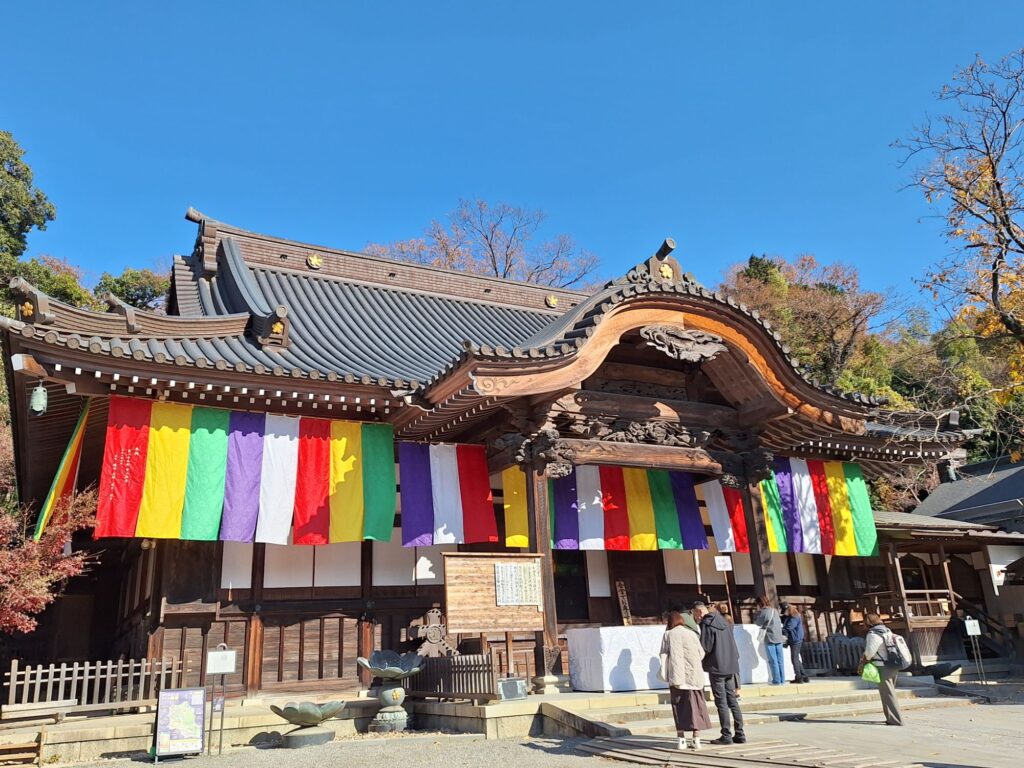
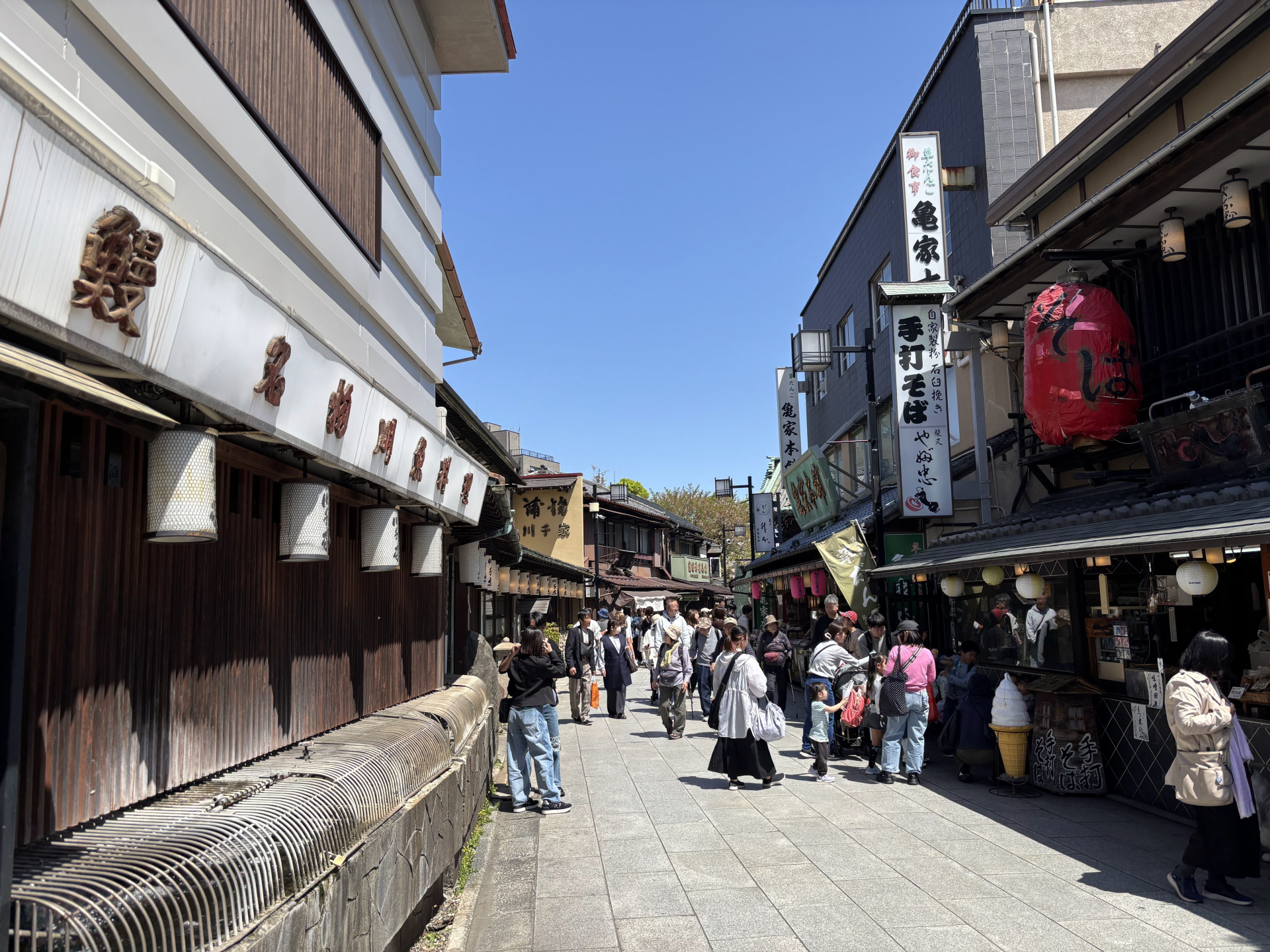
You do not even need to cross the prefecture border to escape the urban sprawl. Tucked away in Chofu, Western Tokyo, Jindaiji offers a profound sense of rural nostalgia. The area is blessed with abundant natural spring water, which flows through pristine stone canals surrounding a magnificent Buddhist temple dating back to the Nara period. The atmosphere here is wonderfully slow-paced; the approach to the temple is lined with traditional wooden tea houses serving authentic Jindaiji soba noodles, freshly ground and chilled by the local springs. Directly adjacent lies the expansive Jindai Botanical Gardens—a masterclass in horticultural preservation where you can lose yourself for hours amidst seasonal blossoms and towering forest canopies.
- Route: Take the JR Chuo Line (Rapid/Special Rapid) from Tokyo Station to Mitaka Station or Kichijoji Station (approx. 30 mins). From there, take a local bus bound for Jindaiji (approx. 20-30 mins).
- Total Travel Time: Around 50 to 60 minutes.
➡ Jindaiji Day Trip from Tokyo: Temples, Soba, and Botanical Wonders
Looking for hidden gems right inside the city? Check out our curated guide to the Best Hidden Spots in Tokyo that you can visit without a long train ride.
2. Kawagoe: The ‘Little Edo’ Frozen in Time
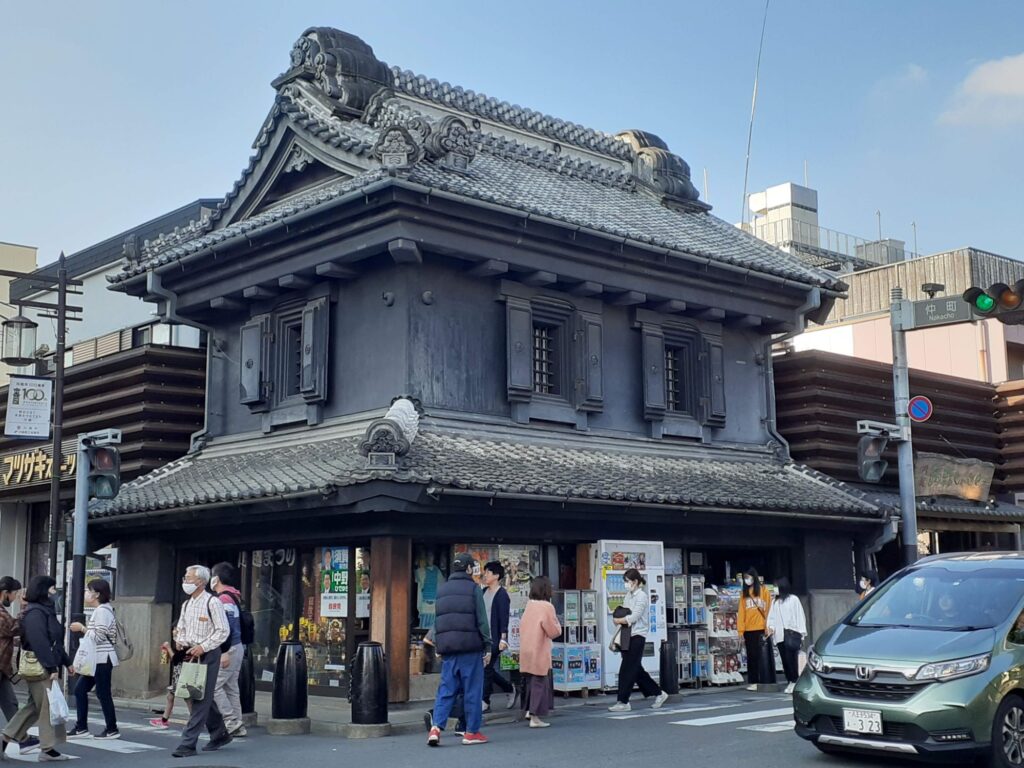
If you are eager to glimpse the architectural heritage of old Japan, Kawagoe is an absolute must-visit. Situated just a brilliant 30-minute express train ride from Ikebukuro in Saitama, this historic town serves as a living time capsule of the Edo period. The primary draw is the stunning Warehouse District (Kurazukuri), where magnificent, heavy-walled clay merchant buildings stand exactly as they did centuries ago. Take a slow stroll down Kashiya Yokocho (Penny Candy Alley) to sample traditional sweet potato treats and roasted rice crackers, before heading to the serene Kawagoe Hikawa Shrine, famous for its beautiful wooden prayer plaques and historic matchmaking rituals. It is incredibly accessible, making it the quintessential half-day cultural excursion.
- Route: Take the Tokyo Metro Marunouchi Line from Tokyo Station to Ikebukuro Station (approx. 17 mins). Transfer to the Tobu Tojo Line (Express) and get off at Kawagoe Station (approx. 30 mins).
- Total Travel Time: Around 50 to 60 minutes (including transfer).
➡ Kawagoe Day Trip from Tokyo: “Little Edo” Guide & The Sake Vending Machines
3. Yokohama: Maritime History, Sweeping Waterfronts, and Chinatown
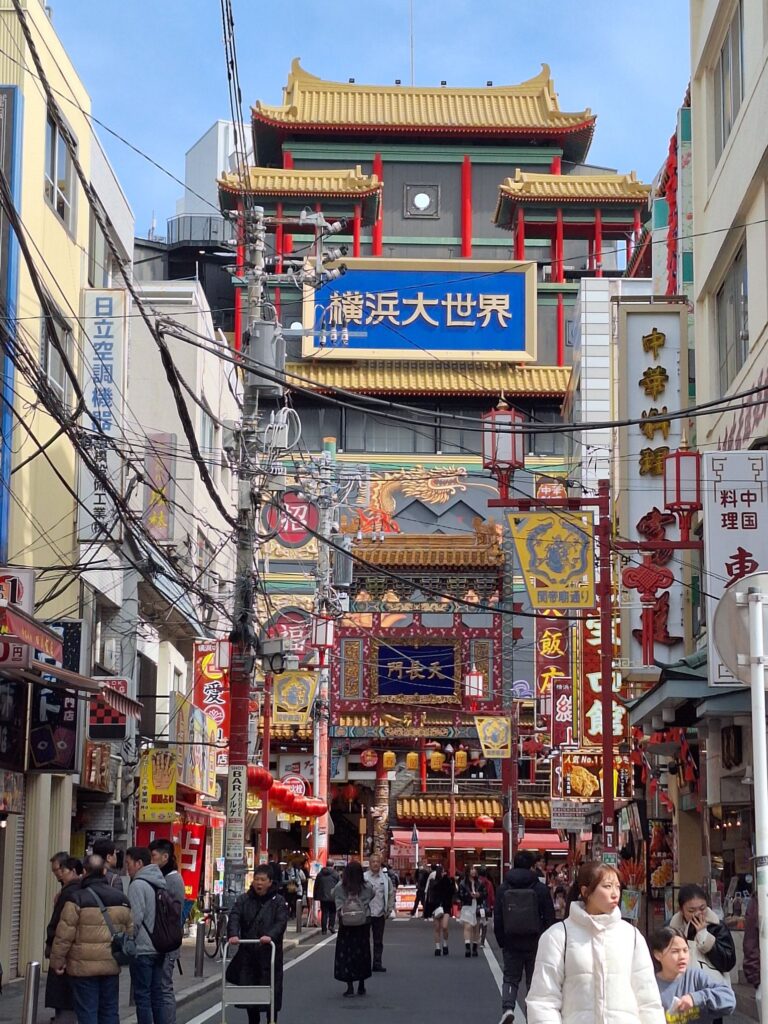
For a complete change of pace and architectural flavor, point your compass south towards Yokohama. As one of the first ports to open to foreign trade in the 19th century, this coastal city boasts a remarkably cosmopolitan, breezy atmosphere that feels entirely distinct from Tokyo. A perfect day here involves a long, refreshing walking tour starting from the historic brick pathways of the Red Brick Warehouse, wandering through the manicured lawns of Yamashita Park, and exploring the elegant Western-style diplomatic mansions preserved in the hilly Yamate district. Cap off your evening by diving into the vibrant, neon-lit labyrinth of Yokohama Chinatown—the largest in Japan—to indulge in steamed buns and regional street food.
- Route: Take the JR Tokaido Line or JR Yokosuka Line directly from Tokyo Station to Yokohama Station (approx. 25-30 mins).
- Total Travel Time: Around 30 minutes.
➡ Yokohama Day Trip from Tokyo: The Ultimate Travel Guide
4. Odawara: The Coastal Castle Town of Samurai and Artisans
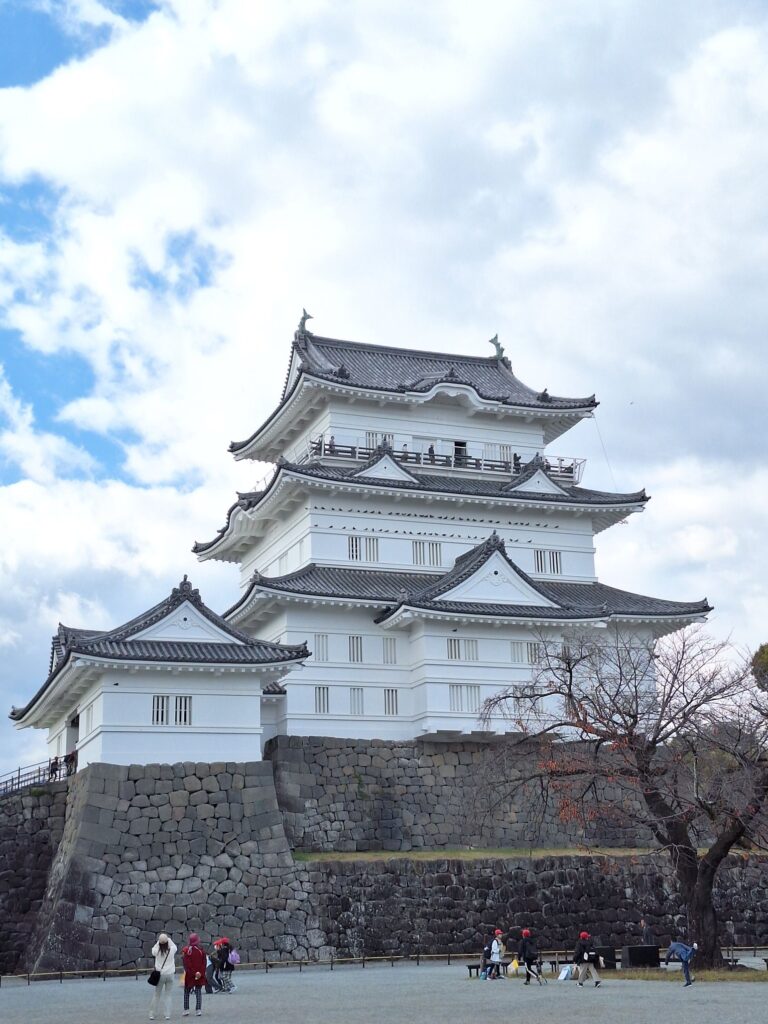
Situated right on the edge of Sagami Bay, Odawara is an incredibly time efficient and rewarding escape from the capital—taking just over 30 minutes from Tokyo Station via the Shinkansen, or a comfortable 75 minutes on the Odakyu Romancecar. Frequently bypassed by tourists rushing straight into Hakone, this historic castle town offers a wonderful, unhurried look at Japan’s feudal history. Located just a short walk from the station is Odawara Castle, a beautifully restored stronghold featuring an authentic keep, traditional samurai armour exhibits, and immersive interactive experiences. Beyond the castle grounds, the town is famous for its maritime heritage and historic Kamaboko (fish cake) street, where multi-generational family businesses still practice traditional food preservation.
- Route: Take the JR Shinkansen (Tokaido Line) directly from Tokyo Station to Odawara Station (approx. 35 mins). Alternatively, the JR Tokaido Line local train takes around 85 mins.
- Total Travel Time: Around 35 minutes via Shinkansen.
➡ Odawara Castle Stopover: A Perfect Tokaido Line Day Trip on the Way to Izu
5. Mount Jinba: The Untamed, Cable-Car-Free Trekker’s Paradise
Now, if you want a proper, rustic hiking experience completely free from tourist crowds, Mount Jinba (855m) is an absolute masterclass in slow, conscious trekking. As a bit of a confession, I have a bit of a fear of heights, so standard tourist peaks with dangling cable cars make me a tad anxious! Jinba is the perfect antidote. It is a good honest, walking trail from the bottom to the top. Your reward at the summit is a striking, larger-than-life white horse monument standing against a completely unobstructed 360-degree panorama of Mount Fuji and the Chichibu mountains.
- Route: Take the JR Chuo Line (Special Rapid) from Tokyo Station to Takao Station (approx. 60 mins). From Takao Station North Exit, take the Nishi-Tokyo Bus bound for Jinba-Kogen-Shita (approx. 40 mins).
- Total Travel Time: Around 1 hour 40 minutes via public transport.
Category 2: Better as an Overnight Stay (Over 2 Hours Each Way)
Technically, you can visit these places in a day. However, doing so requires a but of an early start and forces you to rush through world-class heritage sites. To truly appreciate their magic, we highly recommend booking a local ryokan (traditional inn) and staying overnight.
6. Kamakura: The Ancient Seaside Capital of Zen
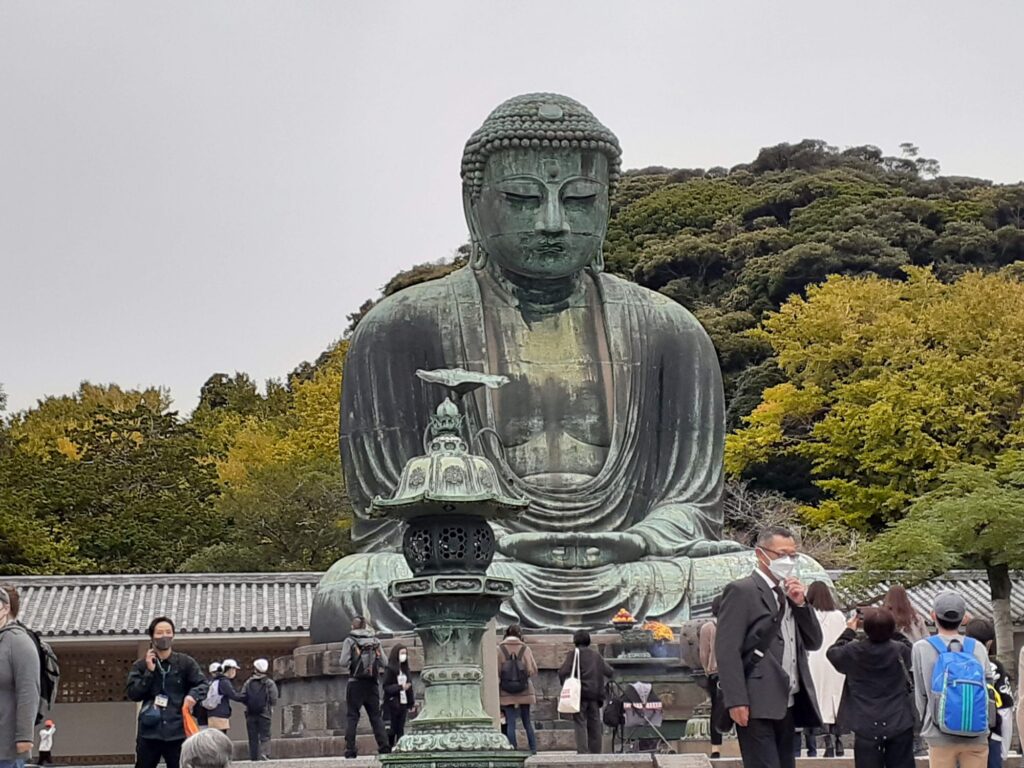
Often dubbed the ‘Kyoto of Eastern Japan,’ Kamakura was the nation’s political capital during the medieval era. Today, it is a coastal sanctuary overflowing with ancient Zen temples, bamboo groves, and independent artisan workshops.
Why we recommend an overnight stay despite the short transit:
Technically, Kamakura is incredibly close to Tokyo—under an hour away. However, treating it as a rushed day trip forces you into a frantic ‘stamp rally.’ Between 11:00 AM and 4:00 PM, the iconic Great Buddha, the famous bamboo temples, and the retro Enoden coastal tramline can become quite crowded. By staying overnight, you unlock a massive slow-travel advantage: you can experience the profound, meditative silence of the temples at 9:00 AM before the tour buses arrive, and spend your evening watching a breathtaking sunset over the Pacific Ocean from the beach without peering anxiously at your watch.
- Route: Take the JR Yokosuka Line directly from Tokyo Station to Kamakura Station (approx. 55 mins).
- Total Travel Time: Around 55 to 60 minutes (Note: expect additional time when transferring to the Enoden Line for coastal sights).
➡ Tokyo to Kamakura Guide: 5 Top Sightseeing Places & Family Overnight Itinerary
7. Nikko: The Gilded Shrines of the Tokugawa Shoguns
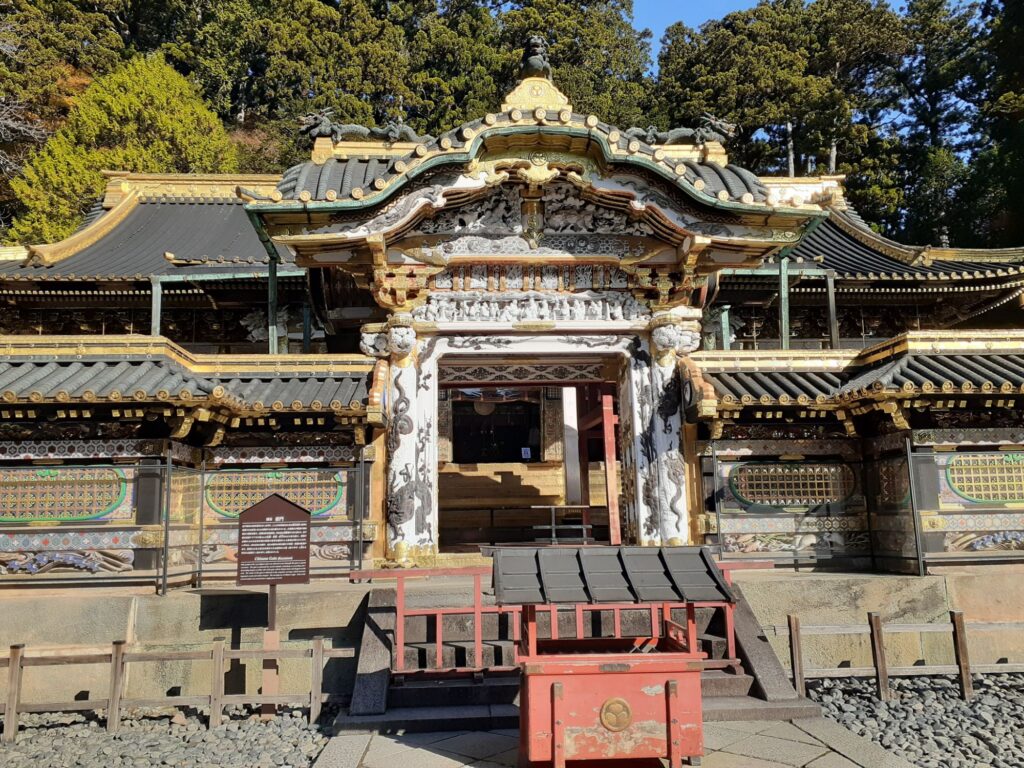
Nestled high in the mountains of Tochigi prefecture, Nikko is a breathtaking World Heritage site defined by deep alpine forests and the dazzling, gold-leaf architecture of Toshogu Shrine. While the express train from Tokyo takes just over two hours, treating Nikko as a day trip is a potential recipe for exhaustion. The transit time only gets you to the station; reaching the actual historic sites requires navigating local mountain buses. If you attempt to rush up the famous Irohazaka winding road to see the spectacular Kegon Falls or Lake Chuzenji in a day, you will spend most of your journey stuck in traffic. Save your sanity: spend your first day admiring the intricate wooden carvings of the shrines, check into a mountain onsen inn to soak in natural hot springs, and explore the high-altitude lakes and waterfalls at a civilised pace the following morning.
- Route: Take the JR Tohoku Shinkansen from Tokyo Station to Utsunomiya Station (approx. 50 mins), then transfer to the JR Nikko Line to Nikko Station (approx. 45 mins). Alternatively, take the Tobu Limited Express from Asakusa directly to Tobu-Nikko.
- Total Travel Time: Around 1 hour 45 minutes to 2 hours (excluding mountain buses to the lakes/waterfalls).
➡ How to Travel Utsunomiya to Nikko: JR Line Guide & Toshogu Shrine Honest Review
8. Nagatoro (Chichibu): Dynamic River Valleys and Geological Wonders
Located deep within the mountainous Chichibu region of Saitama, Nagatoro is a paradise for outdoor enthusiasts. The landscape here is dominated by the dramatic Iwadatami—a unique, multi-layered rock formation resembling stone tatami mats that lines the pristine Arakawa River. The signature experience here is a thrilling river descent in a traditional wooden longboat, steered expertly by local oarsmen using bamboo poles. However, reaching this natural wonder requires a rather complex, multi-stage journey involving the sleek Seibu ‘Laview’ express train followed by a local transfer on the Chichibu Railway, totalling nearly two and a half hours each way. Because the journey itself is a magnificent, scenic experience, it is far better to lean into the slow travel mindset. Spend a night in a rural Chichibu guesthouse, sample local walnut-sauce soba, and enjoy the river without watching the clock.
- Route: Take the Tokyo Metro Marunouchi Line from Tokyo Station to Ikebukuro Station (approx. 17 mins). Transfer to the Seibu Ikebukuro Line (Limited Express ‘Laview’) to Seibu-Chichibu Station (approx. 80 mins). Walk to Ohanabatake Station (5 mins) and take the Chichibu Railway to Nagatoro Station (approx. 20 mins).
- Total Travel Time: Around 2 hours 15 minutes.
9. Mount Oyama: Ancient Mountain Worship and Cultural Gastronomy
Our final recommendation is Mount Oyama, a sacred peak in Kanagawa prefecture that has attracted spiritual pilgrims since the Edo period. The lower half of the mountain is a delightful cultural experience, centred around Koma Sando—a historic, stepped approach lined with rustic shops selling beautiful wooden spinning tops, local sake, and the mountain’s legendary Oyama Tofu, crafted using incredibly pure local mountain springs. While there is a convenient cable car system that sweeps up to the lower shrine, those who prefer to keep their feet firmly on the ground (myself included!) can opt to hike the steep, ancient stone pathways. Because the climb is a genuine physical workout and the local tofu gastronomy and sake culture are so rich, it makes for a spectacular, deeply rejuvenating overnight wellness retreat.
- Route: Take the JR Tokaido Line from Tokyo Station to Yokohama Station (approx. 25 mins). Transfer to the Sotetsu Line to Ebina Station (approx. 30 mins), then take the Odakyu Odawara Line to Isehara Station (approx. 15 mins). From there, take a local bus to Oyama Cable bus stop (approx. 30 mins).
- Total Travel Time: Around 1 hour 45 minutes to 2 hours.
Want to explore Tokyo like a local? Read our companion guide: Tokyo’s Best Kept Secrets & Hidden Gems for peaceful spots tucked away within the metropolis.
Conclusion: Choosing Your Perfect Pace Beyond Tokyo
Exploring beyond the borders of Tokyo doesn’t mean you have to rush or return to your hotel exhausted. The secret to a truly rewarding journey lies in choosing a destination that matches your available time and energy. Whether you opt for a breezy, effortless afternoon in Yokohama or decide to unpack your bags for a magical overnight stay in Kamakura, embarking on a slower, more mindful journey will reward you with memories that standard tourist itineraries simply cannot offer.
Pack your walking shoes, check the train timetables, and enjoy the beautiful process of the journey itself.
Comment