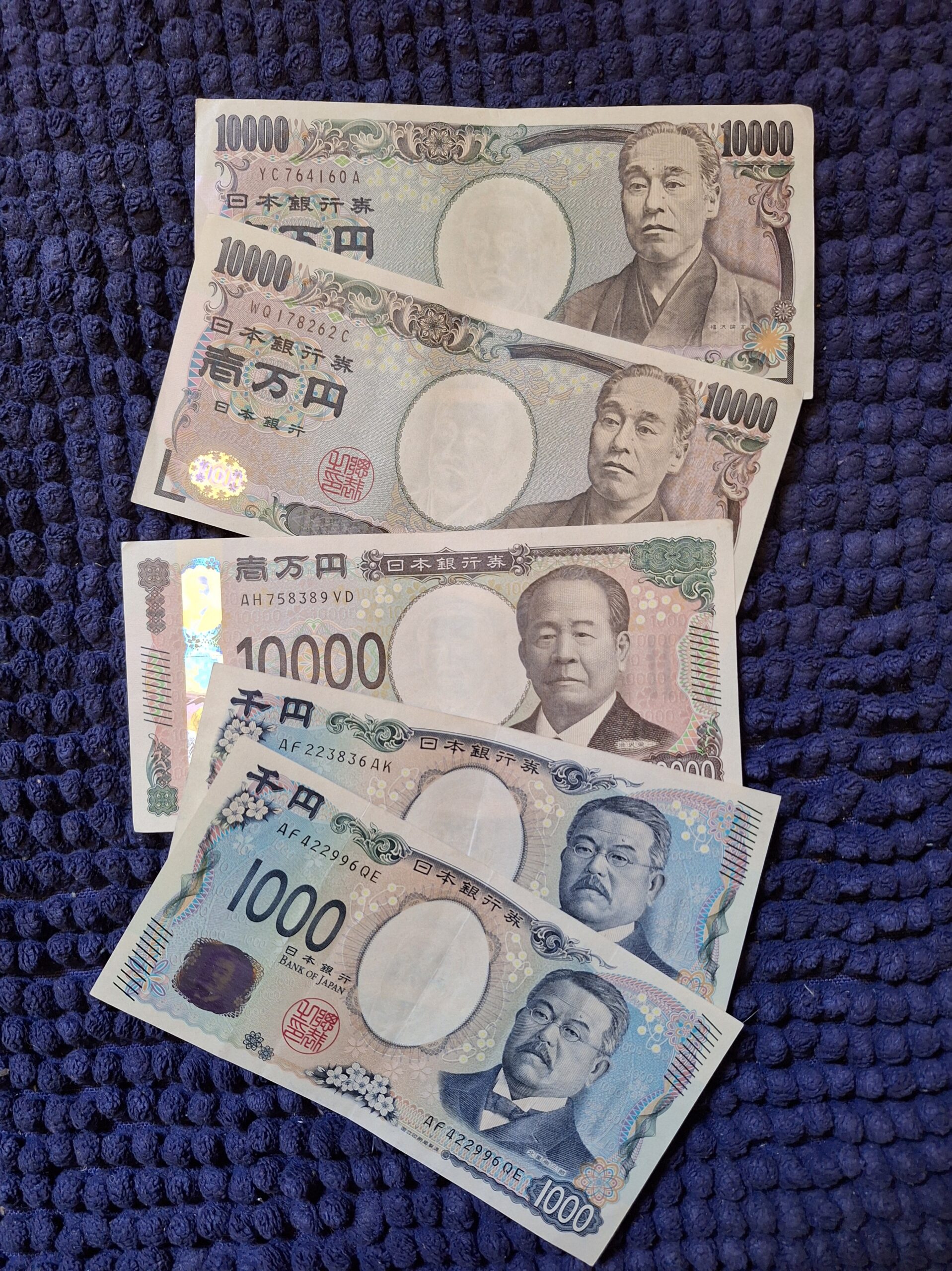
So, you’ve sorted out your itinerary, booked your flights, and figured out how to buy a digital Suica card on your phone. But as your departure date inches closer, one big, nagging question remains: How much physical cash do I actually need to carry in Japan?
You might have heard conflicting advice. Some people say Japan is still a completely cash-based society, while others claim they used their credit cards everywhere.
The truth lies somewhere in the middle. While Japan has rapidly embraced cashless payments over the last few years, you absolutely still need physical yen in your wallet. Here is our practical, no-nonsense budget guide to cash in Japan, based on our real travel experiences.
The Golden Rule: How Much Cash per Day?
If you are looking for a straightforward number to budget for, here is our benchmark recommendation:
¥5,000 to ¥10,000 (approx. $35 to $70 USD / $45 to $90 CAD / £25 to £50 GBP) per person, per day.
To be clear, this doesn’t mean you will spend this entire amount in cash every single day. Think of this cash as your “financial backup cushion.” You will still use your credit card or pre-loaded IC card (like Suica or Pasmo) for major expenses like hotel check-ins, department store shopping, and nicer dinners. This daily cash allocation is strictly reserved for places that do not accept plastic or digital payments.
First time to Japan? This article may be helpful:
➡ First Time in Japan: Everything You Need to Know Before Visiting
What Exactly Requires Cash in Japan?
Why can’t you just rely 100% on Apple Pay or Visa? Here are the most common everyday scenarios where cash is still king in Japan:
- Street Food and Traditional Markets (¥500 – ¥2,000): If you are grabbing a quick snack at Tokyo’s Tsukiji Outer Market or Kyoto’s Nishiki Market, small independent stalls almost always require coins or small bills.
- Local Ramen Shops and Ticket Vending Machines (¥1,000 – ¥1,500): Many of the best, most authentic local eateries use a ticket-machine system at the entrance. The vast majority of these machines only accept cash.
- Temples and Shrines (¥500 – ¥1,000): Entrance fees for historic temples, buying an Omamori (lucky amulet), or drawing an Omikuji (fortune paper) are traditionally handled strictly in cash.
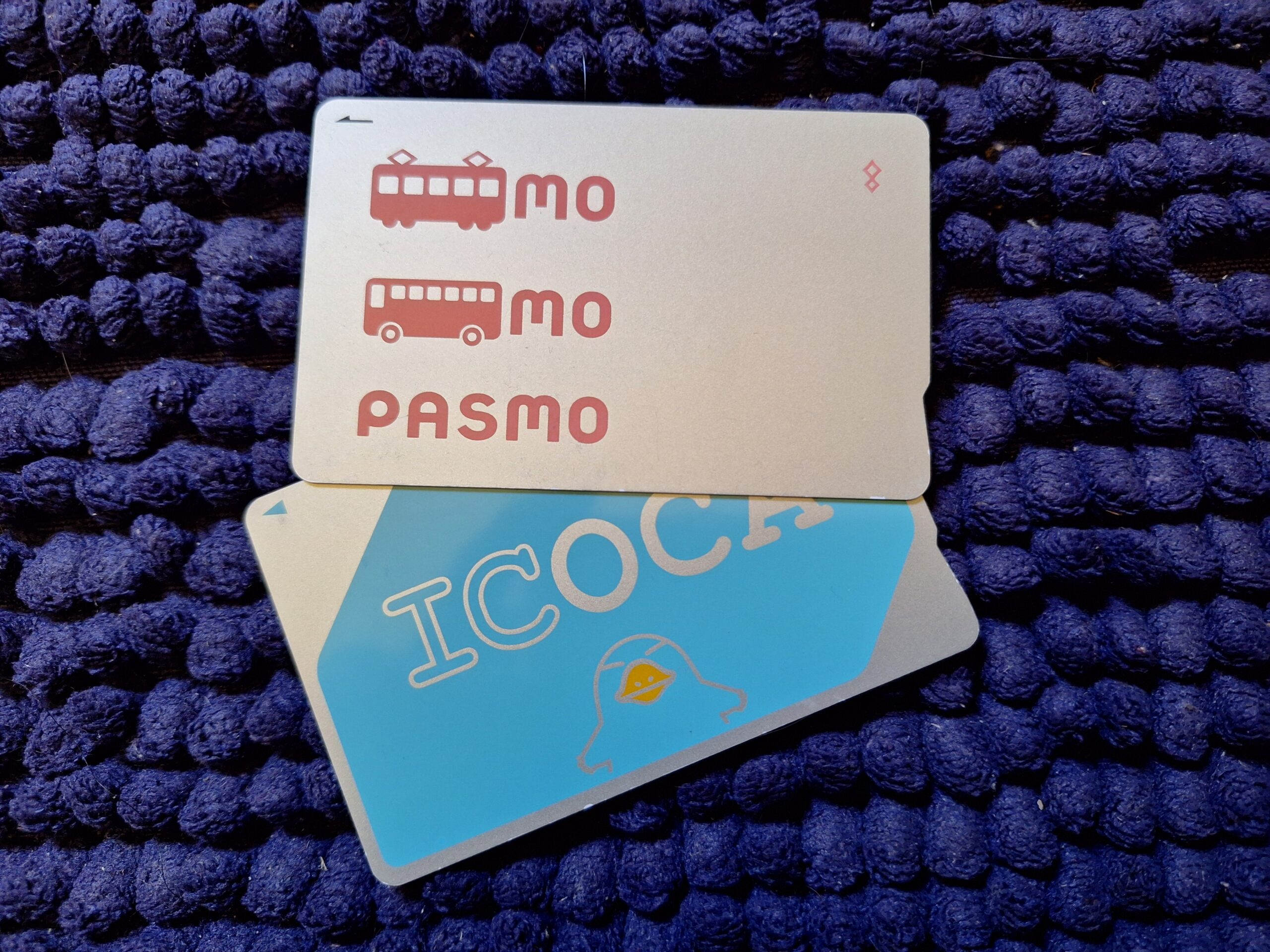
- Physical IC Card Top-ups (¥1,000 – ¥3,000): If you are using a physical, plastic Suica or Pasmo card instead of a digital one, remember this golden rule: You can only top up physical transport cards using cash at station ticket machines.
- Off-the-Beaten-Path Rural Travel: If you plan to head out into the stunning Japanese countryside, smaller local buses, old-school Kissaten (traditional coffee shops), and family-run guesthouses frequently operate on a cash-only basis.
A step-by-step guide to getting an IC card in Japan:
➡ Where and How to Buy a Suica or Pasmo Card in Japan (Without the App Error)
The Big Surprise: Japan’s Shockingly High ATM Limits
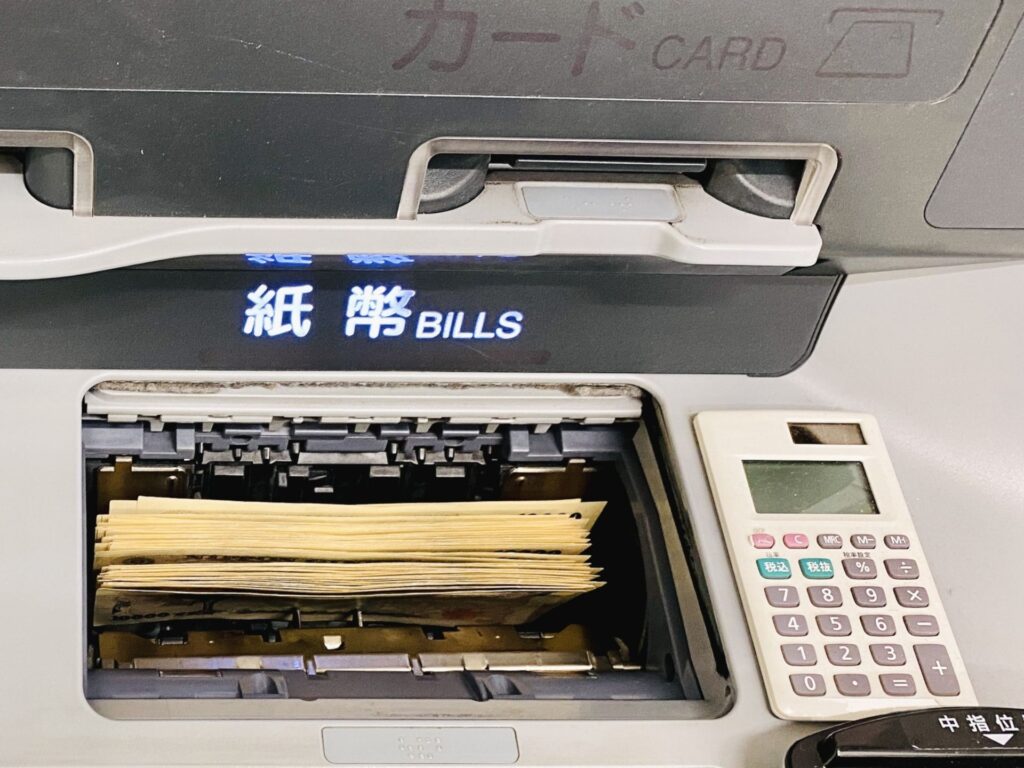
If you are travelling from the UK, Canada, or the US, you are probably used to your home banks capping your daily ATM withdrawals at a relatively low amount—often around $300 to $500—to prevent fraud.
Prepare for a highly pleasant culture shock in Japan: At Seven Bank ATMs (located inside almost every 7-Eleven store), you can withdraw up to ¥100,000 per single transaction using a foreign card!
Because Japan is an incredibly safe society with a remarkably low crime rate, carrying larger amounts of cash is perfectly normal. Local people routinely carry tens of thousands of yen in their wallets.
This high limit is fantastic for foreign travellers because it means you can withdraw a meaningful amount of currency at once, saving you from paying multiple international transaction fees.
One Crucial Catch: Check Your Home Bank First
Another question we often get is: “Is there a limit on how many times a day I can use the ATM?”
Here is the breakdown of how the limits and frequencies work on the ground:
- From the Japanese ATM side (Seven Bank): There is actually no daily frequency limit imposed by the machine itself. As long as the ATM has cash inside, it will allow you to insert your international card and make multiple withdrawals back-to-back if you need to.
- From your home bank side: While the Japanese machine is happy to let you withdraw ¥100,000 multiple times, your home bank or Wise account will almost certainly cap either the total daily amount or the number of daily overseas transactions for security reasons.
A Quick Family Confession on ATM Frustration
To give you an idea of how spoiled you are by the Japanese banking system, my wife faces the exact opposite problem when we are away from Japan. Being Japanese, she grew up completely used to this high-capacity, unrestricted ATM culture. Whenever we are back home in Canada or visiting family in the UK, she gets frustrated by the relatively low withdrawal limits.
So, learn from her frustration in reverse: the restrictions you will face in Japan won’t come from the local Japanese machines—they will come from back home.
Before you board your flight to Tokyo, make sure to follow this quick checklist:
- Log into your mobile banking app.
- Check your daily overseas cash withdrawal limit (both the maximum total amount and any transaction frequency caps).
- Temporarily raise it if necessary so you can take full advantage of Japan’s high-capacity, unlimited-run machines.
Our Top Tip for Getting Cash Hassle-Free
Never exchange large amounts of money at your home airport before you leave; the exchange rates are usually terrible. Instead, simply fly into Japan, walk into the nearest convenience store, and pull out your yen directly from an ATM using a travel-friendly card like Wise. It’s safer, faster, and gives you the fairest market rate.
Have you ever heard that there’s no tipping culture in Japan? To be precise, that isn’t entirely true. We explain this in more detail here:
➡ Do You Tip in Japan? (The Honest Truth About Tipping Culture)
Head back to our master checklist to tackle your next big travel question:
➡ First Trip to Japan? 12 Questions that We are Frequently Asked
➡ Back to Budget Travel in Japan: Smart Money-Saving Tips & Cost Guide
Comment