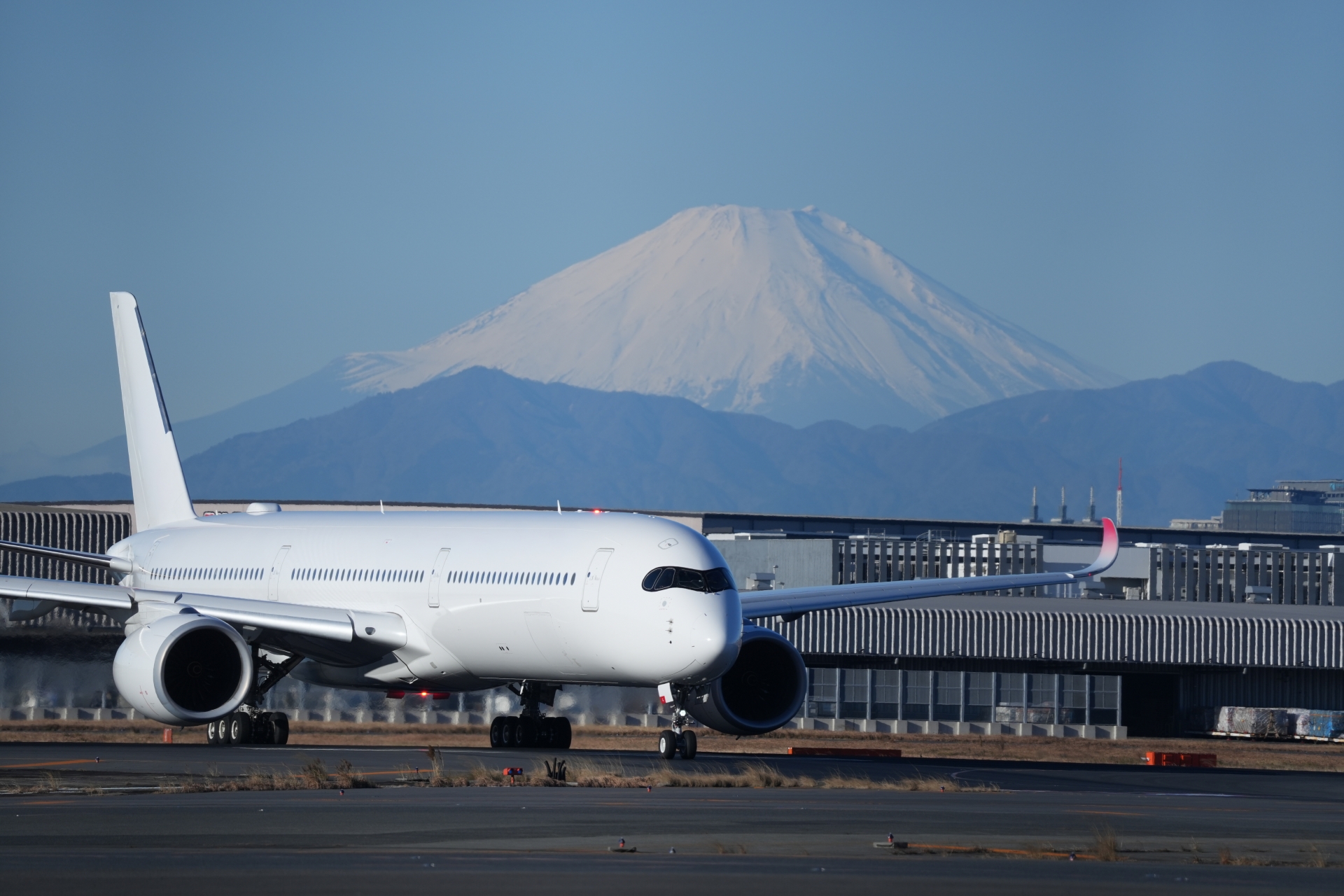
Planning your first adventure to Japan is incredibly exciting, but the moment you sit down to book your flights, reality hits. Should you fly into Tokyo or Osaka? What on earth is a multi-city open-jaw ticket, and is it worth the extra cash? And when booking a flight to Tokyo, why does the search engine give you a choice between Haneda and Narita?
Getting your flights right can save you valuable money, days of unnecessary travel, and a certain amount of transit stress. Having navigated Japan’s transit systems more times than I can count, I’ve put together this comprehensive planning guide to help you choose the smartest flight route for your itinerary. Let’s get your Japan travel planning off to a flying start!
Choosing the Best Flight Pattern for Your Itinerary
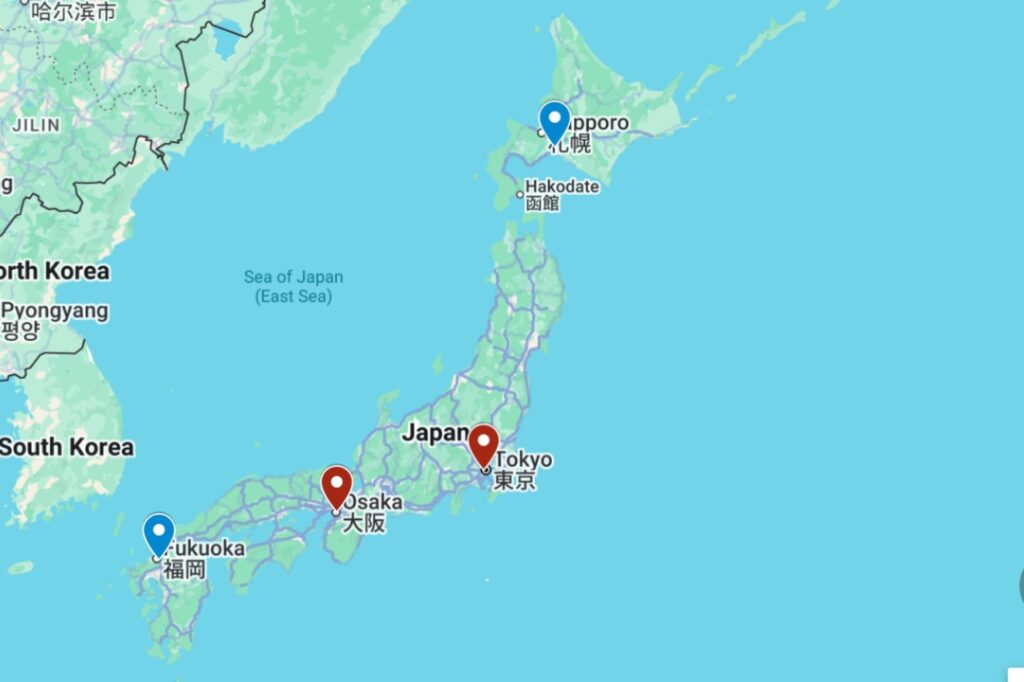
Before you hit “book” on that standard round-trip ticket, you need to consider how you want to move across the country. Japan is long, and backtracking can cost you both time and money. Here are the three flight patterns to consider.
Discover our favourite routes:
➡ 10-Day Japan Itinerary: The Ultimate Golden Route Planning Guide for First-Time Visitors
➡ 2-Week Japan Itinerary: 3 Best Routes Based on Your Flights
➡ 3-Week Japan Itinerary: 4 Immersive Themed Routes for 21 Days in Japan
1. The Open-Jaw Ticket (Multi-City): The Clever Way to Travel
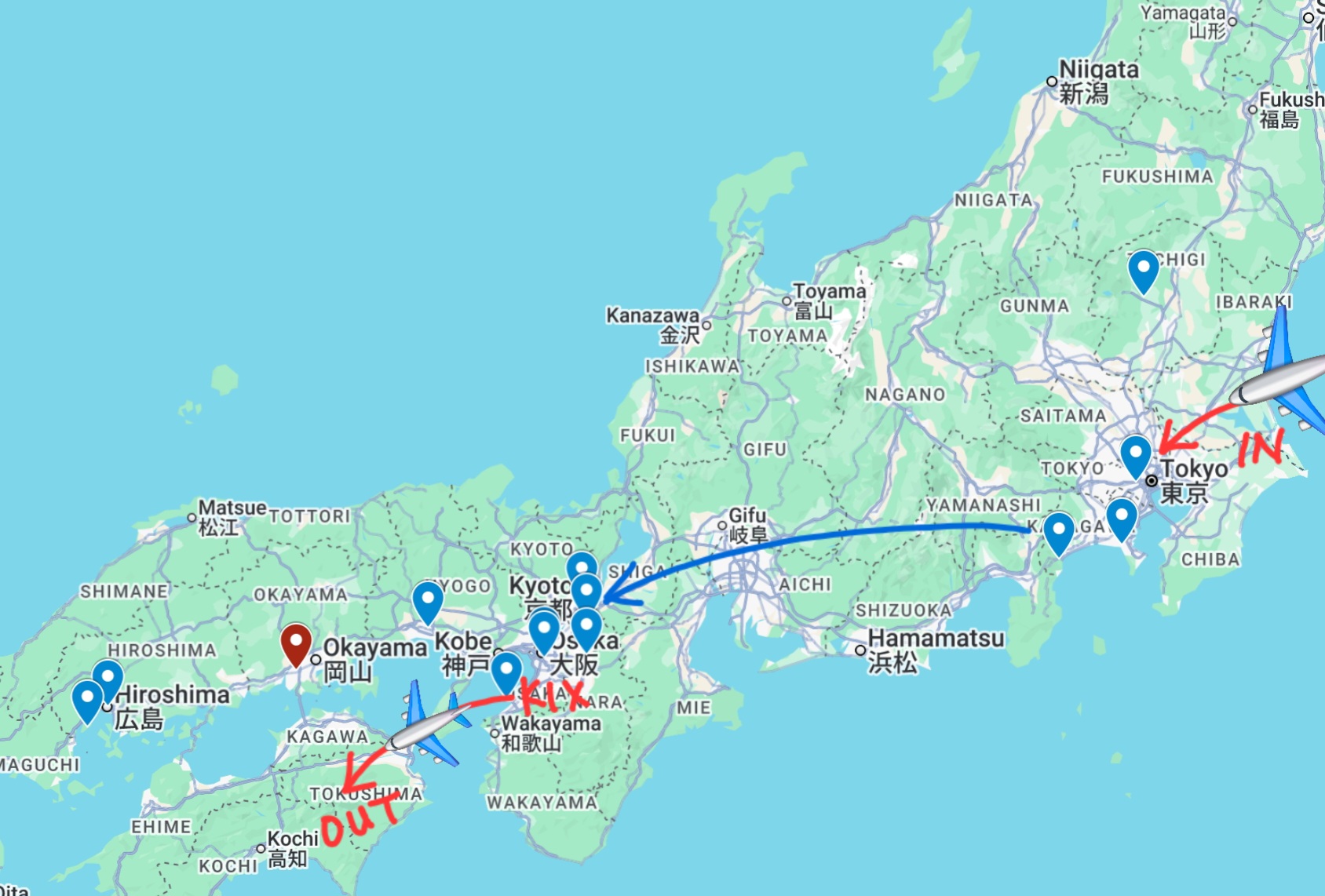
If you are planning a classic 10-day to two-week itinerary—usually starting in Tokyo and moving west towards Kyoto and Osaka—an open-jaw (or multi-city) ticket is almost always the best option. This means you fly into Tokyo (Haneda or Narita) and fly home out of Osaka (Kansai International).
- The Pros: You travel in one seamless direction. You don’t have to waste a full day riding the Shinkansen (bullet train) back to Tokyo just to catch your flight home. This saves you roughly £80 ($100 USD) in train fares and about three hours of transit time.
- The Cons: The initial flight ticket can sometimes look slightly more expensive than a standard round-trip, but when you factor in the saved train fare and extra holiday time, it usually balances out beautifully.
2. The Tokyo Round-Trip: Best for Bargain Hunters
This is the most common flight pattern, where you land in Tokyo and depart from Tokyo.
- The Pros: Because Tokyo is a massive global hub, you will find the highest frequency of international flights and, crucially, the most competitive deals and budget airline options.
- The Cons: If you want to visit Kyoto or Hiroshima, you will have to factor in a “backtracking day” at the end of your trip to get back to the capital for your flight home.
3. The Osaka Round-Trip: Direct to the Cultural Heart
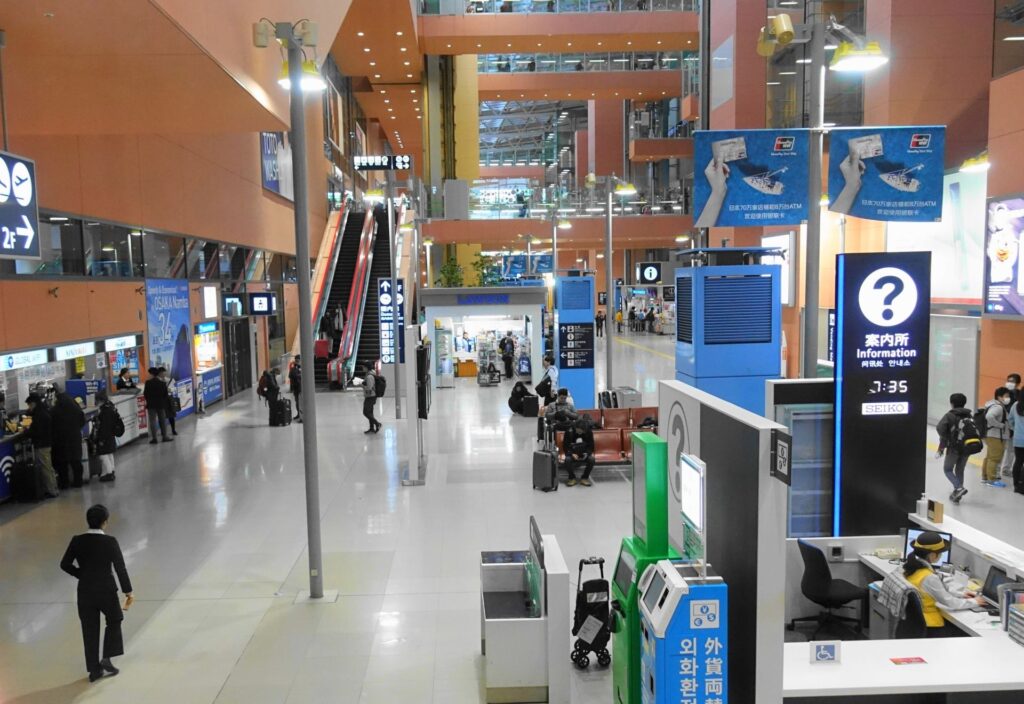
Flying in and out of Kansai International Airport (KIX) in Osaka.
- The Pros: Brilliant if you want to skip the neon intensity of Tokyo entirely and focus your holiday on ancient temples, local food, and coastal routes (Kyoto, Nara, Hiroshima, or the Seto Inland Sea).
- The Cons: If you suddenly decide you do want to see Tokyo, you will have to pay for a return bullet train ticket, which quickly eats into your budget.
Tokyo Airport Showdown: Haneda (HND) vs Narita (NRT)
If your route includes Tokyo, you will have to choose between its two international gateways. They are not created equal, and their locations surprise many first-time visitors.
| Feature | Haneda Airport (HND) | Narita Airport (NRT) |
| Location | In the city (Tokyo Bay area) | Out in Chiba Prefecture (~60km away) |
| Transit Time | 15–30 minutes to central hubs | 50–90 minutes via express trains |
| Transit Cost | Low (£3 – £8 / $5 – $10 USD) | Moderate (£8 – £20 / $10 – $25 USD) |
| Best For | Premium convenience & late arrivals | Budget airlines & international deals |
Haneda Airport (HND): The Ultimate Convenience
Haneda is located right on the edge of Tokyo Bay, practically inside the city itself.
- Why choose it: It is incredibly efficient. You can hop on the Monorail or the Keikyu line and be checking into your hotel in Shibuya, Tokyo Station, or Shinagawa within 20 to 30 minutes for the price of a coffee. It’s a lifesaver if you are landing late at night or travelling with family.
Narita Airport (NRT): The Budget Gateway
Narita is actually located in Chiba Prefecture, about 60 kilometres east of Tokyo.
- Why choose it: It hosts the vast majority of low-cost carriers (LCCs) and international budget flights. While it is far away, the transit links are excellent. You can take the Narita Express (N’EX) or the Keisei Skyliner—both are fast, comfortable, dedicated airport trains with ample luggage space and free Wi-Fi. Just don’t try to take a standard local commuter train with heavy bags during rush hour, unless you fancy a very stressful introduction to Tokyo life!
Our Insider Tip: Keep an eye out for a combination ticket. Flying into Narita on a cheaper budget airline but booking your return flight out of Haneda can give you the best of both worlds: upfront savings and a stress-free departure day.
Looking Beyond Tokyo and Osaka: Regional Gateways
If you fancy a slow travel experience, or if this isn’t your first time to Japan, look out for regional international airports. You can often book a ticket that connects via Tokyo or a regional Asian hub (like Singapore, Hong Kong, or Seoul) straight into the countryside.
- Fukuoka Airport (FUK): The gateway to Kyushu. It is one of the most convenient airports in the world—the city underground line gets you from the terminal to the central train station in exactly five minutes. Perfect for exploring hot springs, local pottery villages, and incredible street food.
- New Chitose Airport (CTS) near Sapporo: Ideal if you are heading straight to Hokkaido for winter skiing, hiking in national parks, or enjoying the cooler summer wilderness.
Leveraging Domestic Low-Cost Carriers (LCCs)
Don’t forget that you can easily string together a brilliant multi-city holiday using Japan’s excellent domestic budget airlines like Peach or Jetstar. Flying from Tokyo up to Sapporo or down to Hiroshima often costs as little as £40 to £60 each way, which is frequently cheaper and faster than the train for long distances.
Just keep an eye on the baggage allowances for domestic LCCs, as they are much stricter than international airlines!
Discover our favourite routes:
➡ 10-Day Japan Itinerary: The Ultimate Golden Route Planning Guide for First-Time Visitors
➡ 2-Week Japan Itinerary: 3 Best Routes Based on Your Flights
➡ 3-Week Japan Itinerary: 4 Immersive Themed Routes for 21 Days in Japan
Final Thoughts: The Verdict for First-Time Travellers
If you are currently looking at flight options and trying to sketch out your route, here is my golden rule for your first trip: Prioritise an open-jaw ticket (Tokyo In, Osaka Out) flying into Haneda if your budget allows. The sheer amount of energy and time you save by not backtracking will make your first Japanese adventure feel smooth, relaxed, and utterly magical.
Once your flights are locked in, you can start building the fun stuff—your daily itinerary. Head over to our next post where we break down the ultimate 10-day, 2-week, and 3-week Japan itineraries for every travel style!
Head back to our master checklist to tackle your next big travel question:
➡ First Trip to Japan? 12 Questions that We are Frequently Asked
➡ Back to Budget Travel in Japan: Smart Money-Saving Tips & Cost Guide
Comment