Are you looking to experience the full, electric spectrum of Tokyo in just a single day? Tokyo is a metropolis of staggering contrasts, where 7th-century spiritual heritage seamlessly blends with 21st-century neon subcultures and vibrant local nightlife. While it is easy to get caught in the predictable tourist loops, the best way to uncover the true soul of the city is to lace up your walking shoes and dive straight into the daily rhythms of the people who live and work here.
In this 1-Day Tokyo Slow Travel Itinerary, we take you along on our action-packed Friday navigating the city’s finest local spots. We share our honest take on beating the intense daytime crowds at the historic Senso-ji Temple in Asakusa, enjoying an authentic Korean barbecue lunch with family in the bustling enclave of Shin-Okubo, and wrapping up the night like a true local. Join us as we slide onto the packed counters of traditional standing bars (Tachinomi) under the train tracks of Shinbashi—Tokyo’s famous “Salaryman’s Paradise”—alongside local friends and post-work crowds.
- Tokyo Itinerary at a Glance: Our Action-Packed Friday
- Senso-ji Temple in Asakusa: Ancient Heritage vs. The Modern Crowds
- A Slice of Seoul in Tokyo: Shin-Okubo Korean Town
- Diving into Shinbashi: A Friday Night in the “Salaryman’s Paradise”
- The Magic of Tachinomi: Ending the Day at a Traditional Standing Bar
Tokyo Itinerary at a Glance: Our Action-Packed Friday
- Morning: Asakusa – Navigating the historic but crowded Senso-ji Temple and Nakamise-dori.
- Lunch: Shin-Okubo – A sensory escape into Tokyo’s vibrant Korean Town for some authentic flavors.
- Afternoon: City Walk – Stretching our legs with a long stroll through the ever-changing Tokyo streetscape.
- Evening: Shinbashi – Meeting up with a friend (Mika) to dive into the “Salaryman’s Paradise.”
- Late Night: Tachinomi – Ending the day like a local at a traditional standing bar under the train tracks.
Senso-ji Temple in Asakusa: Ancient Heritage vs. The Modern Crowds
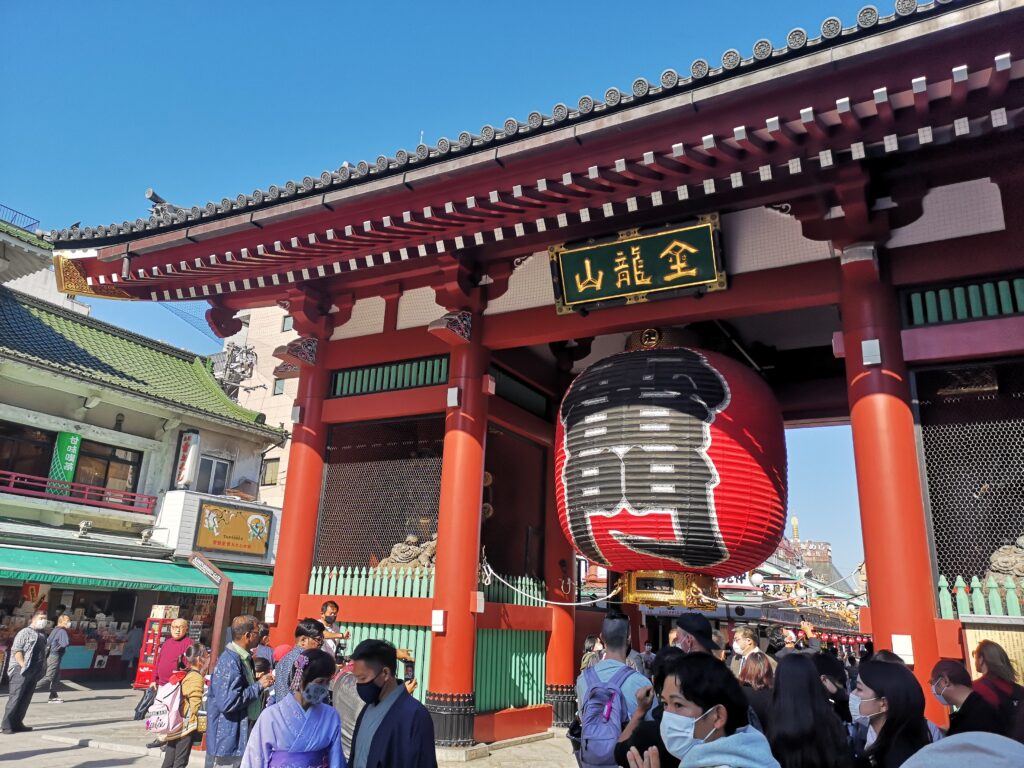
Senso-ji is the oldest and most iconic Buddhist temple in Tokyo, dedicated to Kannon, the Goddess of Mercy. Its history dates back to the 7th century, and the massive red Kaminarimon Gate with its giant lantern is arguably the most recognized symbol of the city.
However, there is a catch. Because it is at the top of every “Must-Visit” list, the temple grounds are often completely overwhelmed by travelers. The Nakamise-dori—the historic approach leading to the temple—is a sea of people, selfie sticks, and long queues for snacks.
For us, the sheer volume of the crowd made it difficult to feel the spiritual side of the site. While the architecture and the vibrant red colors are stunning, the experience can feel more like a busy theme park than a place of worship.
Our Advice: If you want to witness the grandeur of Senso-ji without the stress, try to visit late at night or very early in the morning. The lanterns stay lit until 11:00 PM, offering a much more peaceful, minimalist atmosphere for photography and reflection.
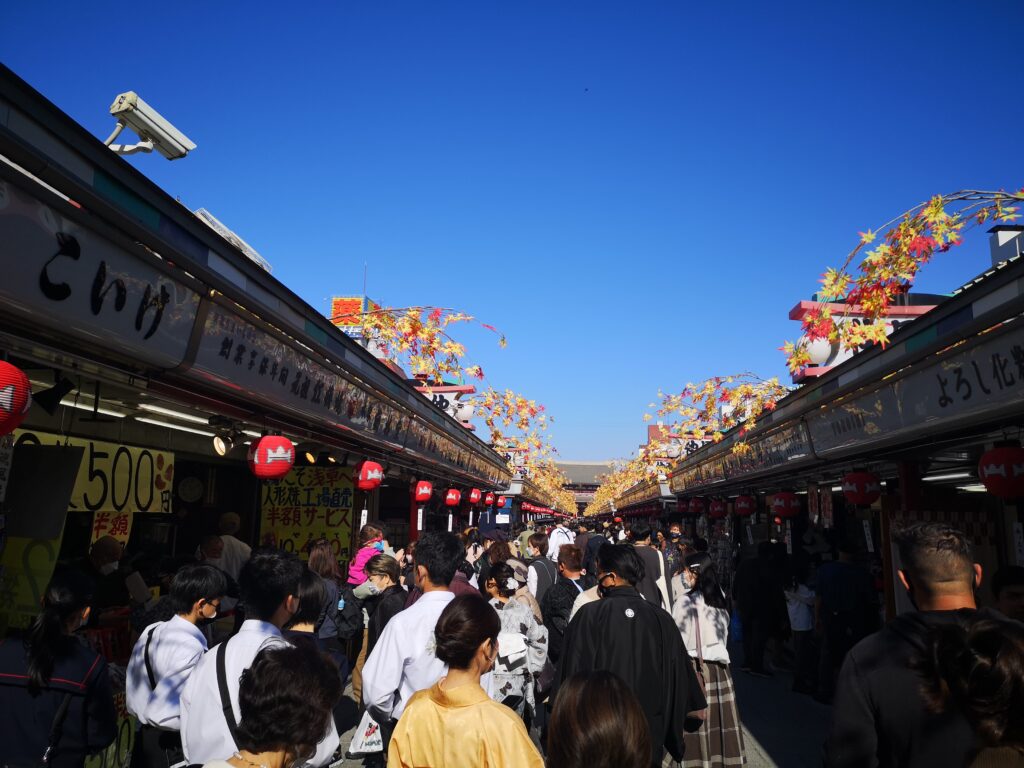
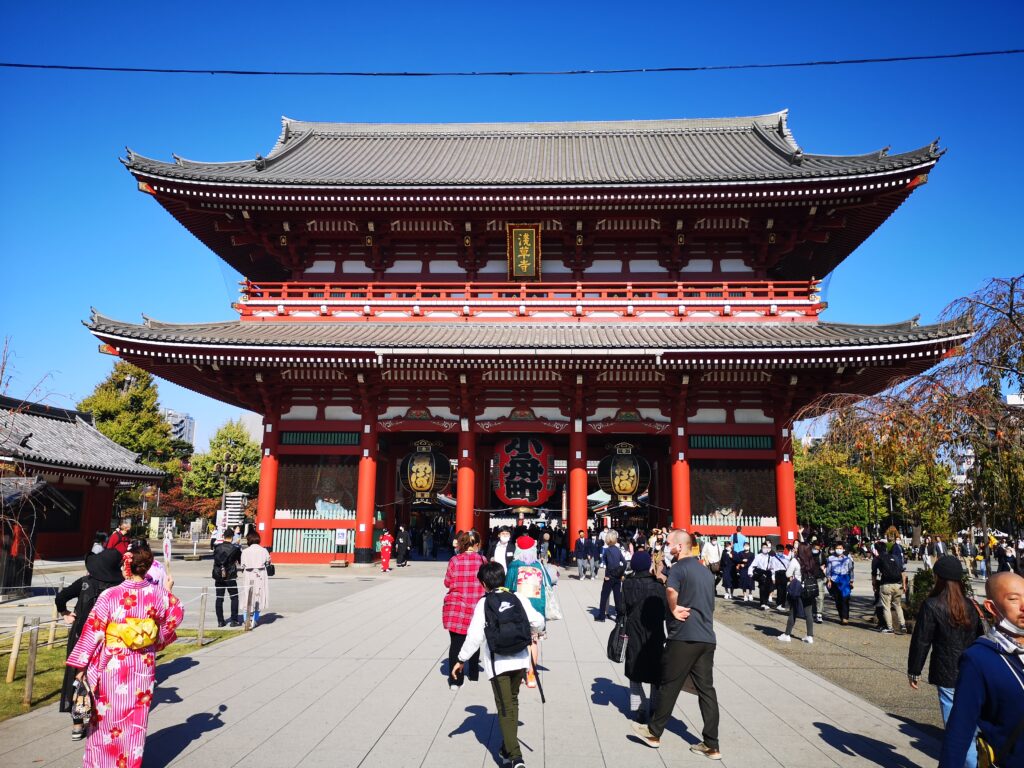
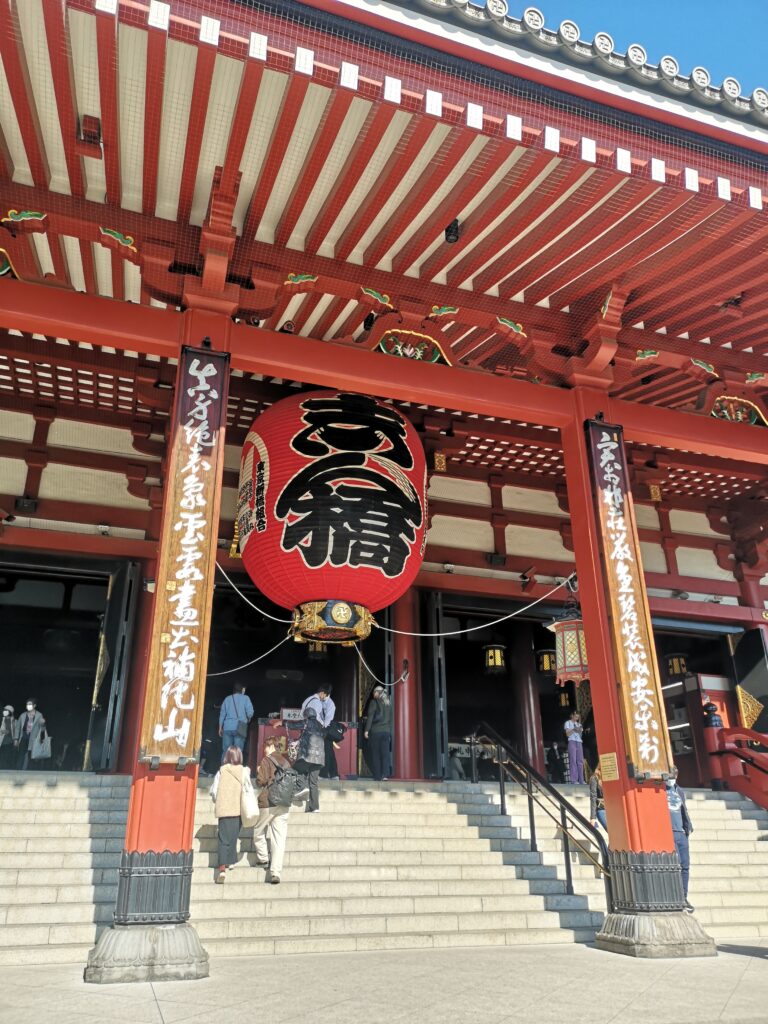
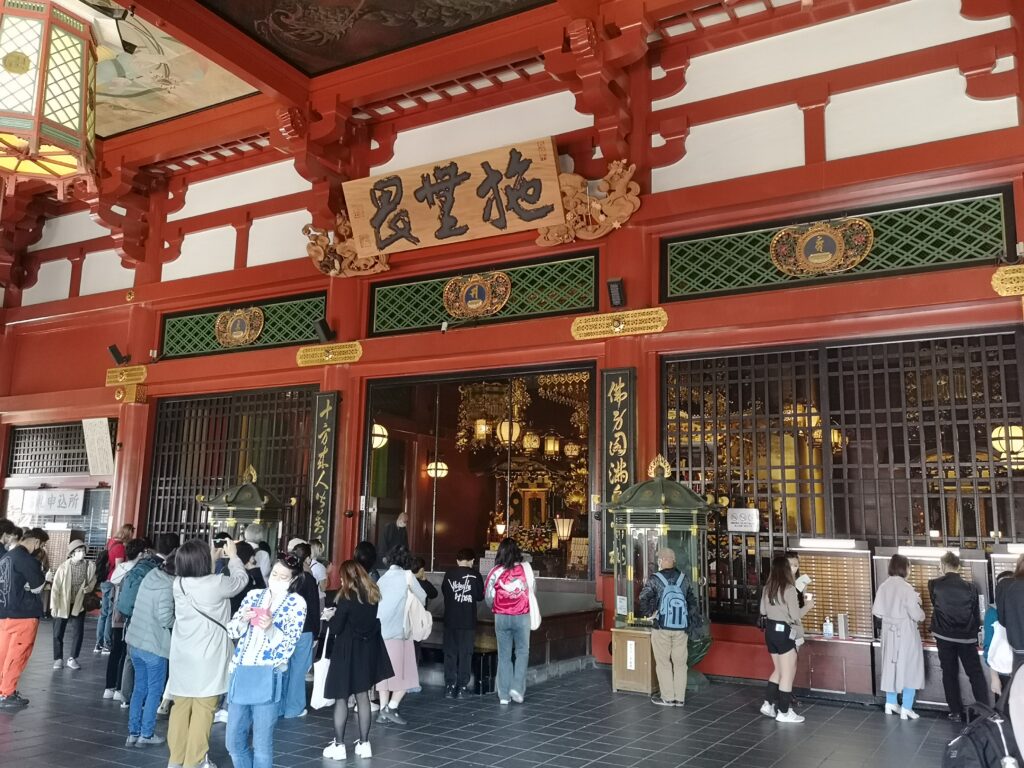
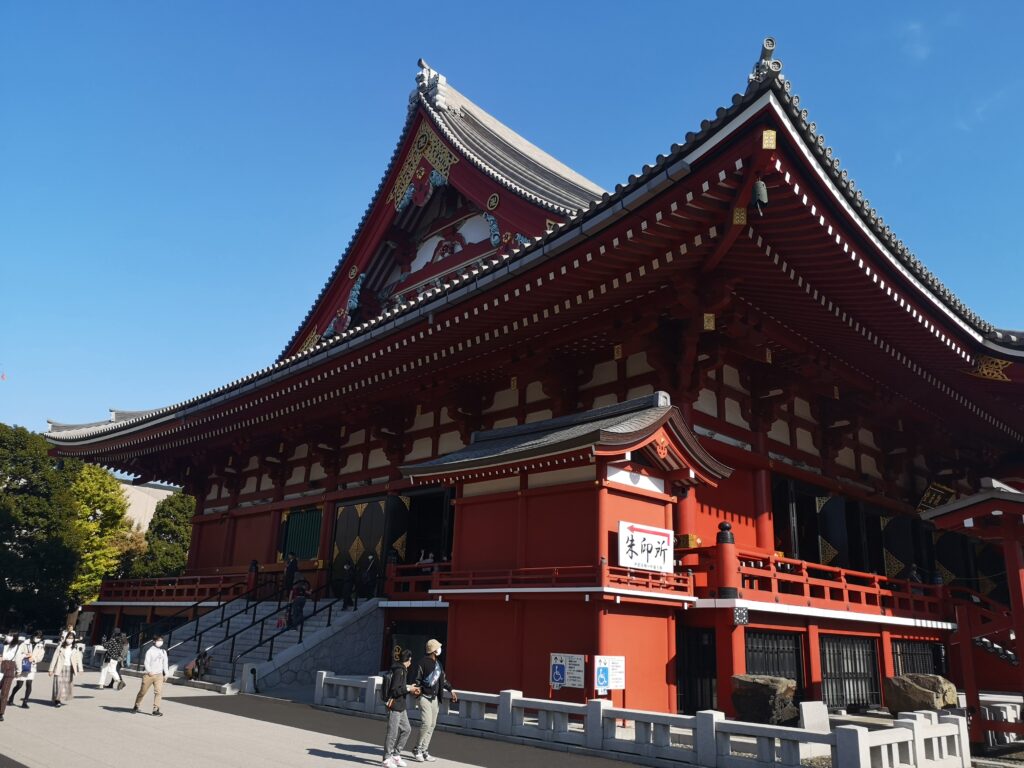
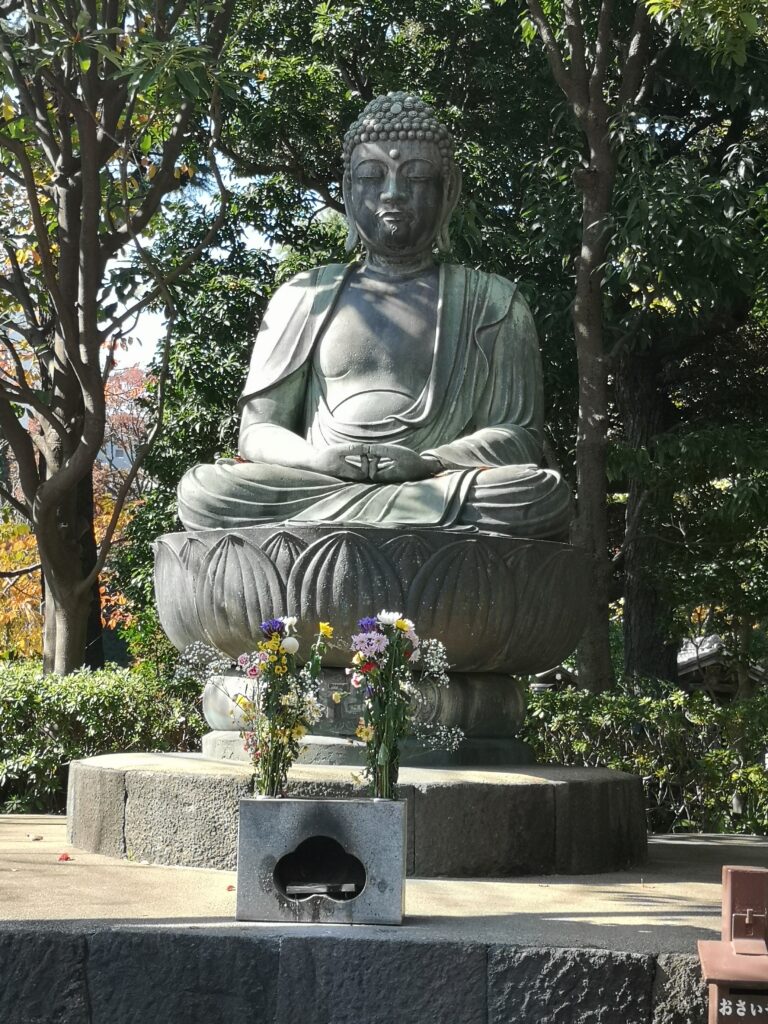
There are several things to see in the temple complex. It’s definitely worth a visit despite the crowds!
We then took a subway to Shinokubo for Korea Town.
A Slice of Seoul in Tokyo: Shin-Okubo Korean Town
After the historical intensity of Asakusa, we headed to Shin-Okubo, Tokyo’s vibrant Korean Town. Located just one stop away from Shinjuku on the Yamanote Line, this neighbourhood feels like you’ve stepped across the sea into Myeong-dong.
The area is a sensory overload of K-pop hits blasting from storefronts, the savory aroma of street food, and endless shops filled with the latest Korean skincare. While it’s incredibly popular with younger crowds and can get quite busy, it offers a refreshing, cosmopolitan energy that is entirely different from “traditional” Japan.
Why We Visited:
- The Food Scene: This is the place to go for authentic Korean cuisine. From trendy street snacks like cheese-filled “hatteogu” (corn dogs) to sit-down feasts of Samgyeopsal (pork belly) and Chikin (Korean fried chicken), the options are endless.
- The Contrast: For us, moving from the 7th-century spiritualism of Senso-ji to the 21st-century neon pop of Shin-Okubo was a fascinating way to see how diverse Tokyo’s identity really is.
- A “Real” Lunch: While Asakusa felt like a tourist stage, Shin-Okubo felt like a living, breathing neighborhood where people actually come to eat and hang out.
Tip for the Minimalist: If the main street feels like a bit “too much,” duck into the narrow side alleys. You’ll find quieter, more authentic grocery stores and smaller eateries where you can enjoy a peaceful bowl of Sundubu-jjigae (spicy soft tofu stew) away from the K-pop screens.
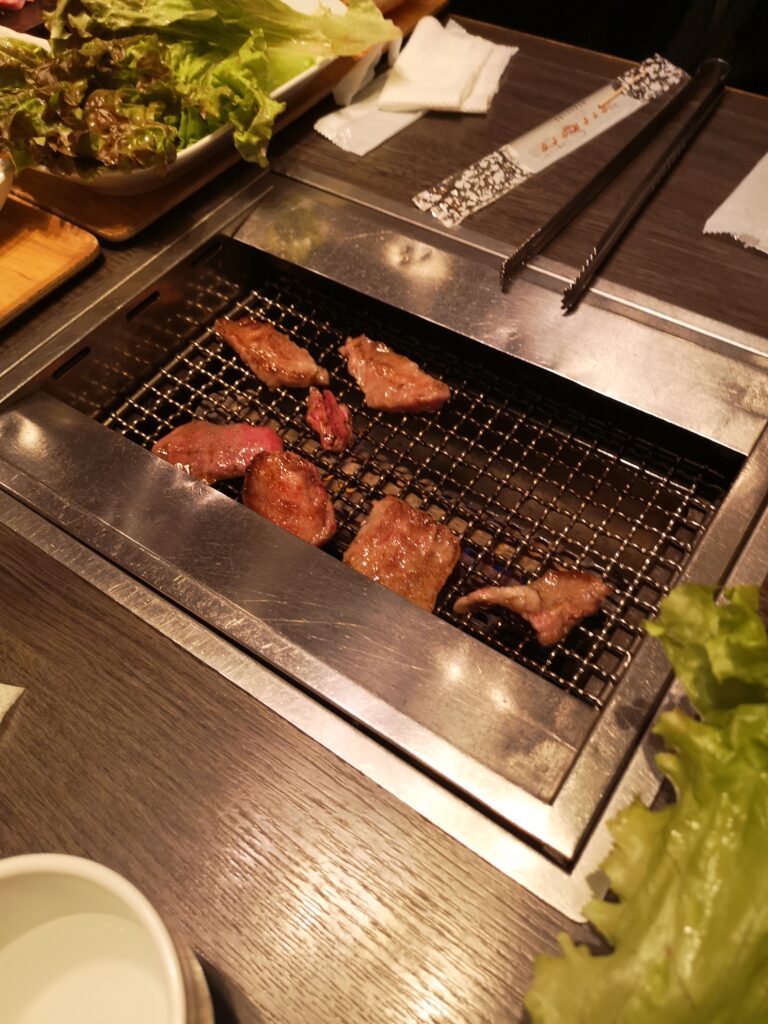
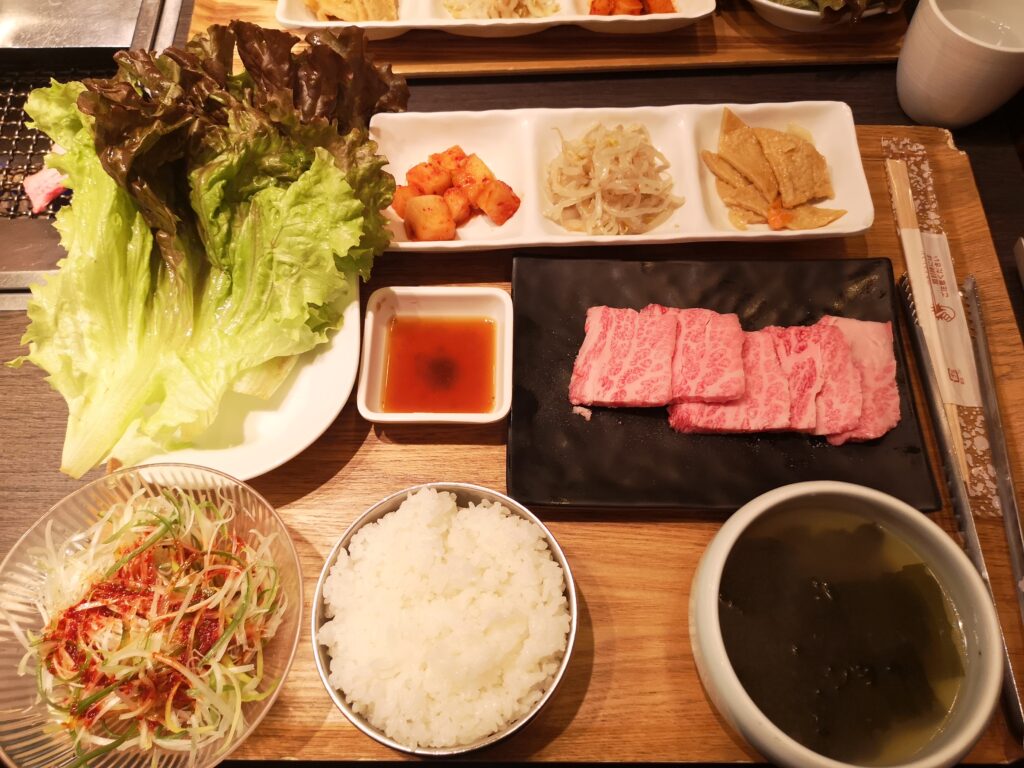
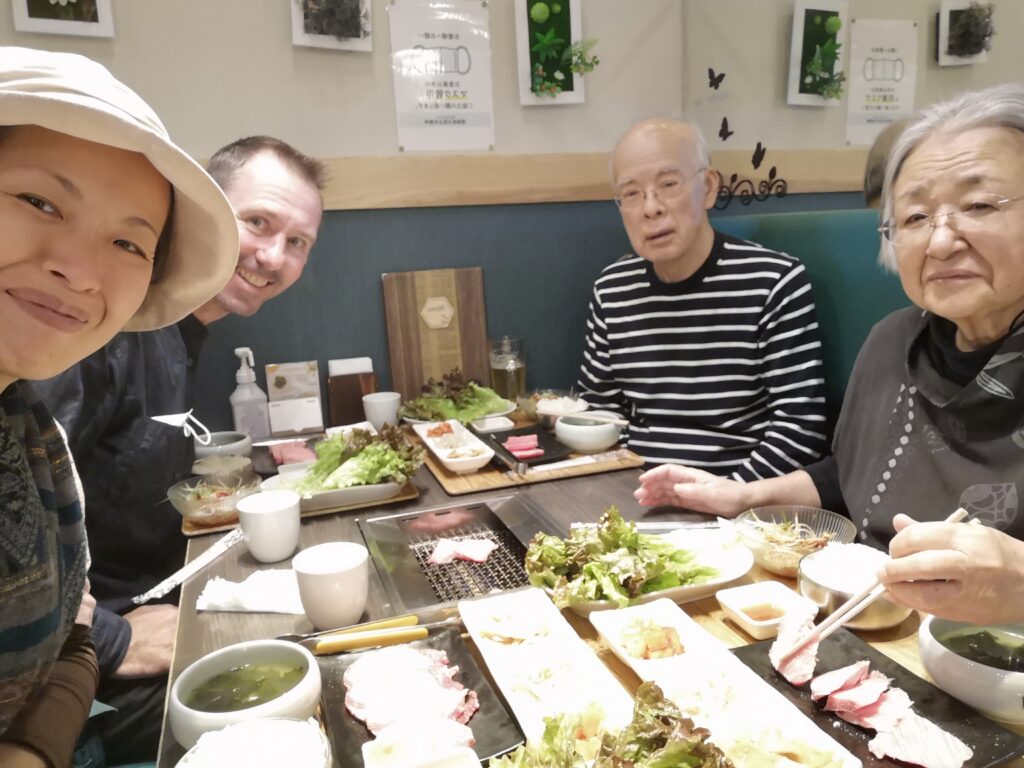
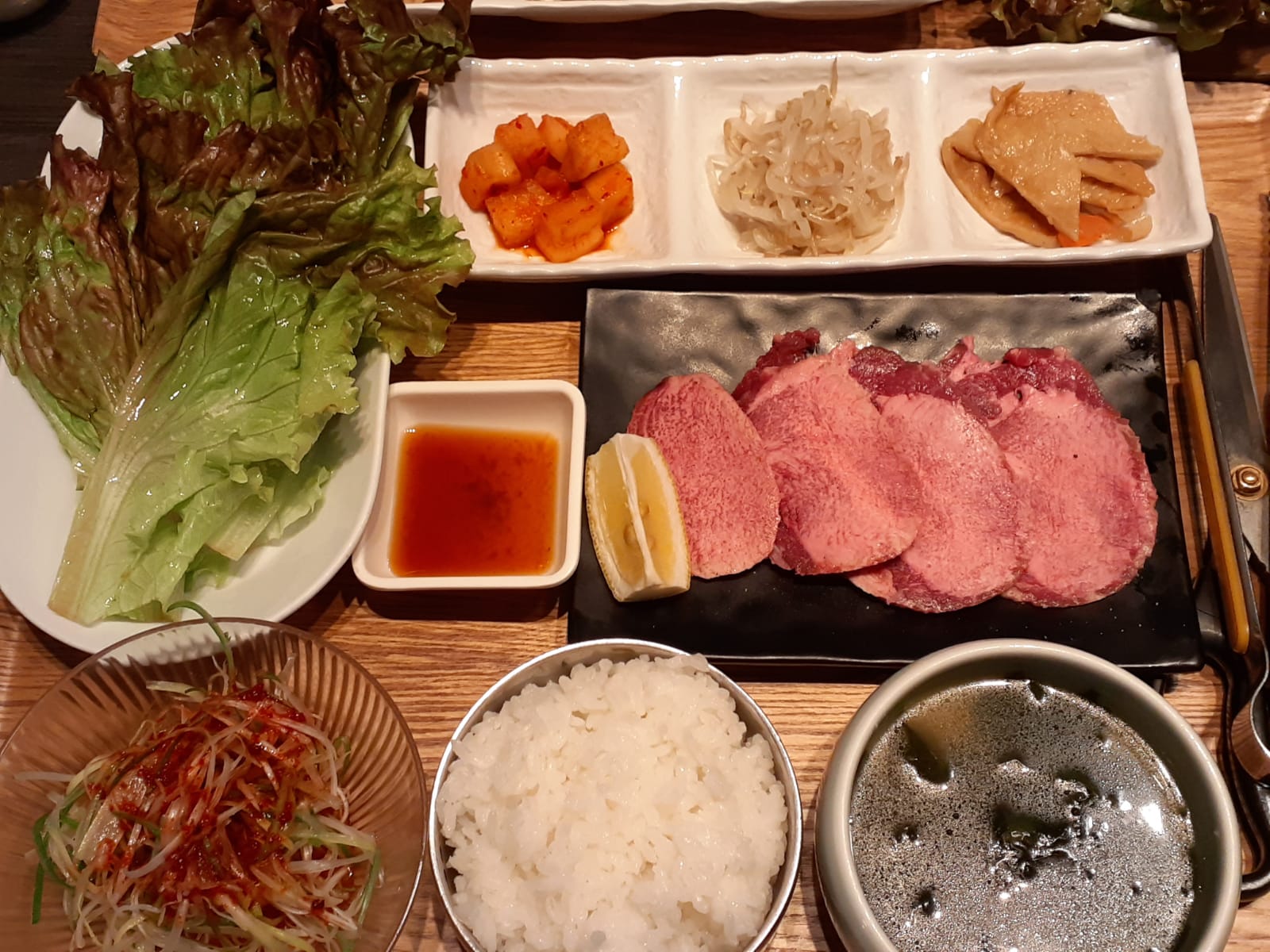
There are loads of Korean restaurants and shops next to Shinokubo Subway station. We had wagu beef barbecue which we cooked ourselves at the table. This is a Korean classic and I enjoyed cooking at the table.
Mai and I then walked a few kilometres across to Shinbashi. It’s always good to walk around to see what’s going on. I really don’t feel the need to visit every tourist site, but enjoy just wandering around.
Diving into Shinbashi: A Friday Night in the “Salaryman’s Paradise”
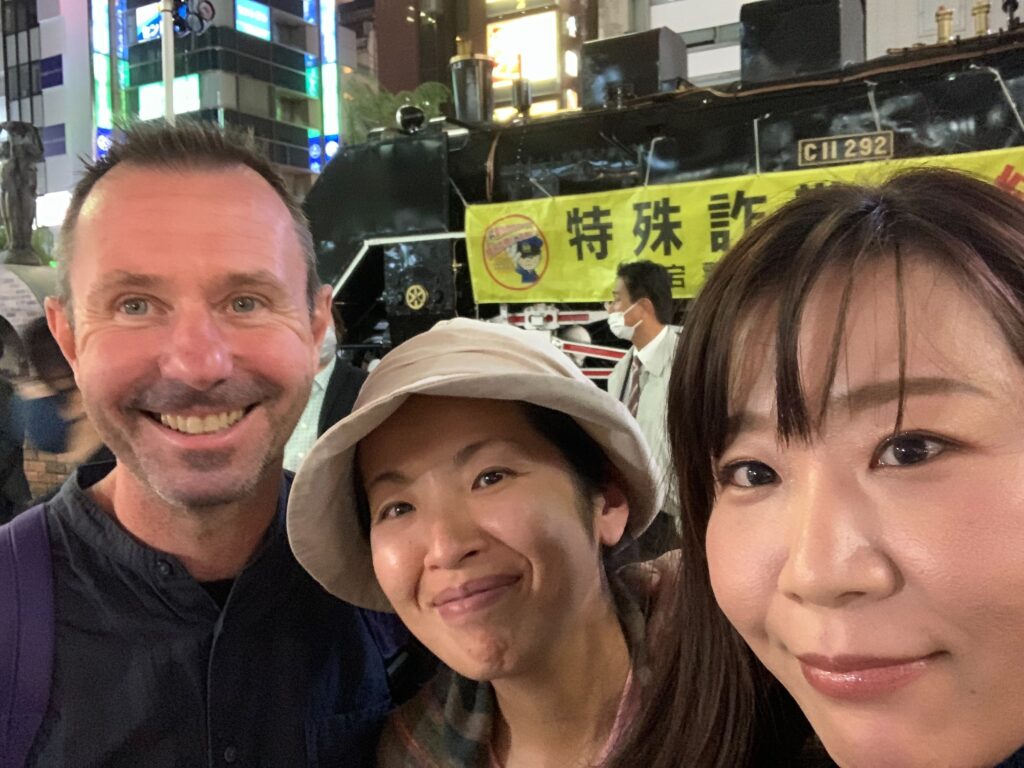
As the sun set, we made our way to Shinbashi, a district famously known as the “Salaryman’s Paradise.” We were meeting up with Mika, a friend of Mai’s, for a night out. She was the one who suggested Shinbashi, telling us that if we wanted to see the true soul of Tokyo’s work culture, this was the place to be.
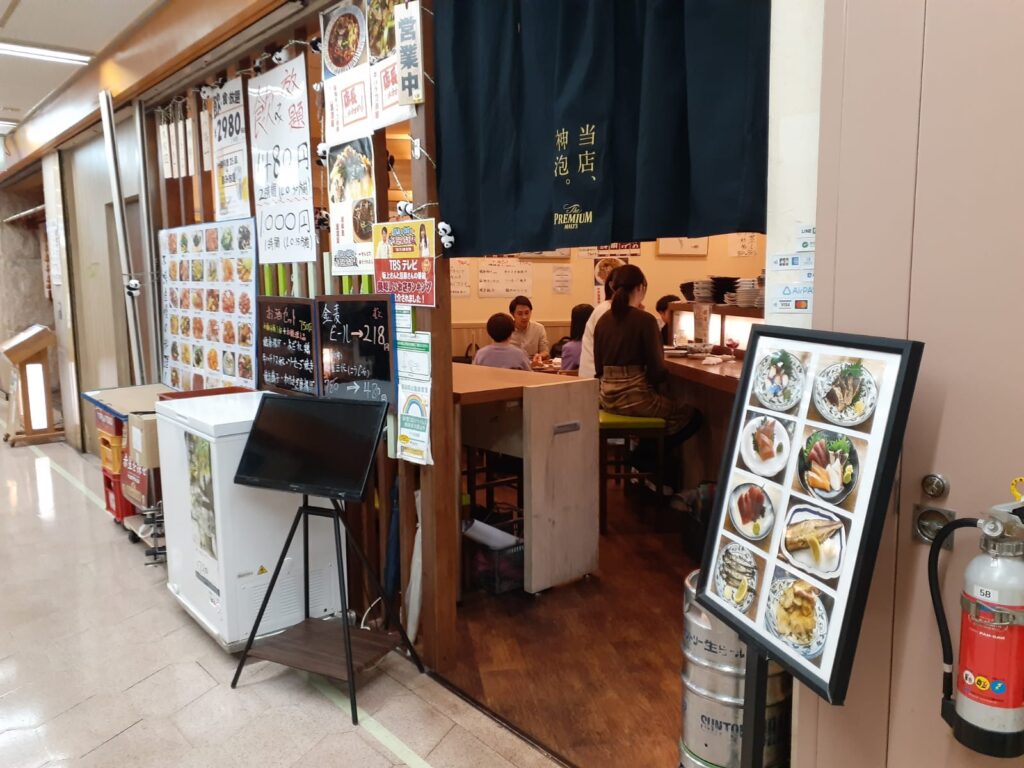
And she wasn’t wrong. Since it was a Friday night, the energy was electric. Things kick off straight from work here; the moment the clock strikes five, the offices empty out and the streets fill up instantly. We found ourselves surrounded by thousands of people—not just salarymen in suits, but groups of friends and coworkers all out to enjoy their Friday night.
The Magic of Tachinomi: Ending the Day at a Traditional Standing Bar
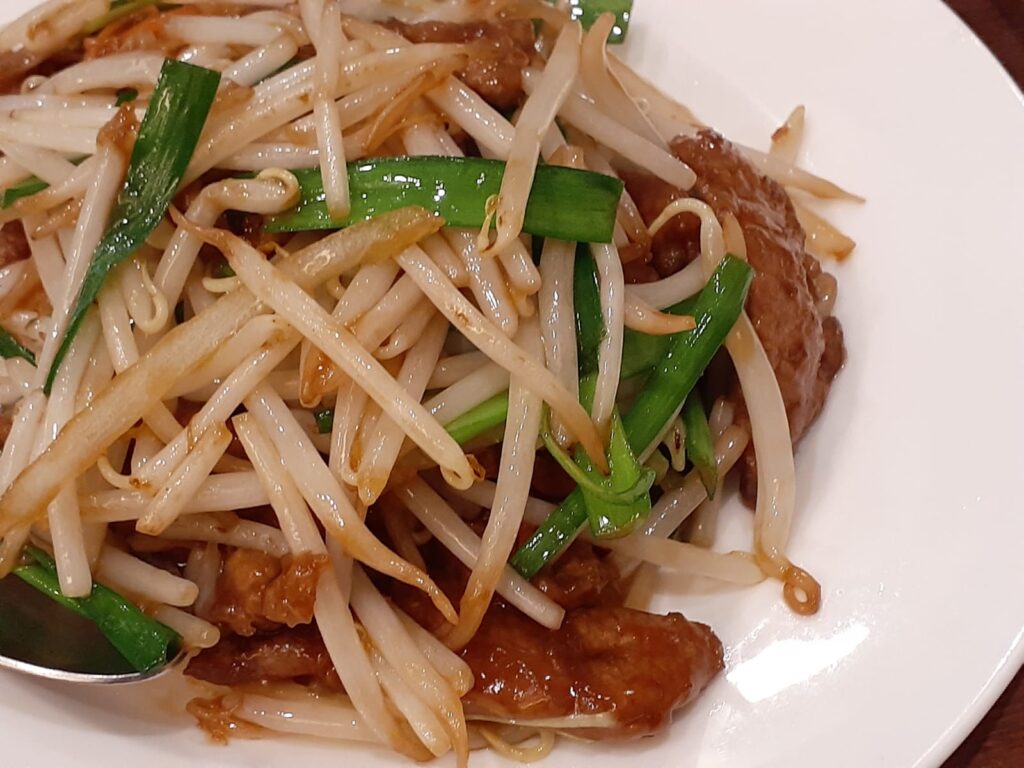
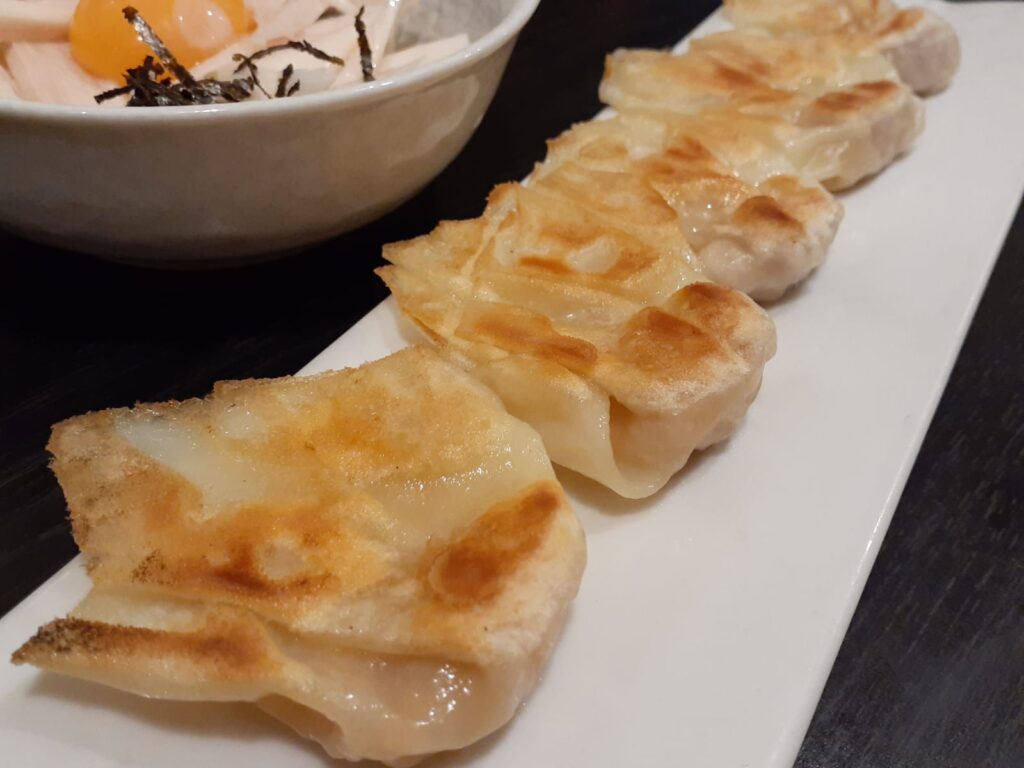
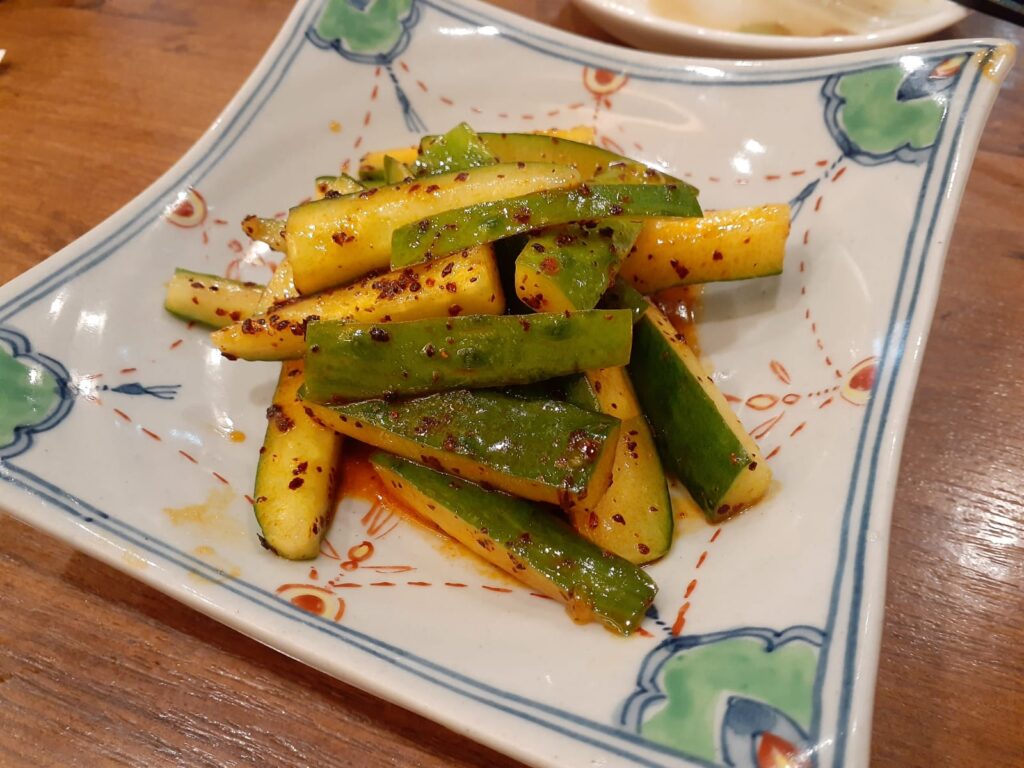
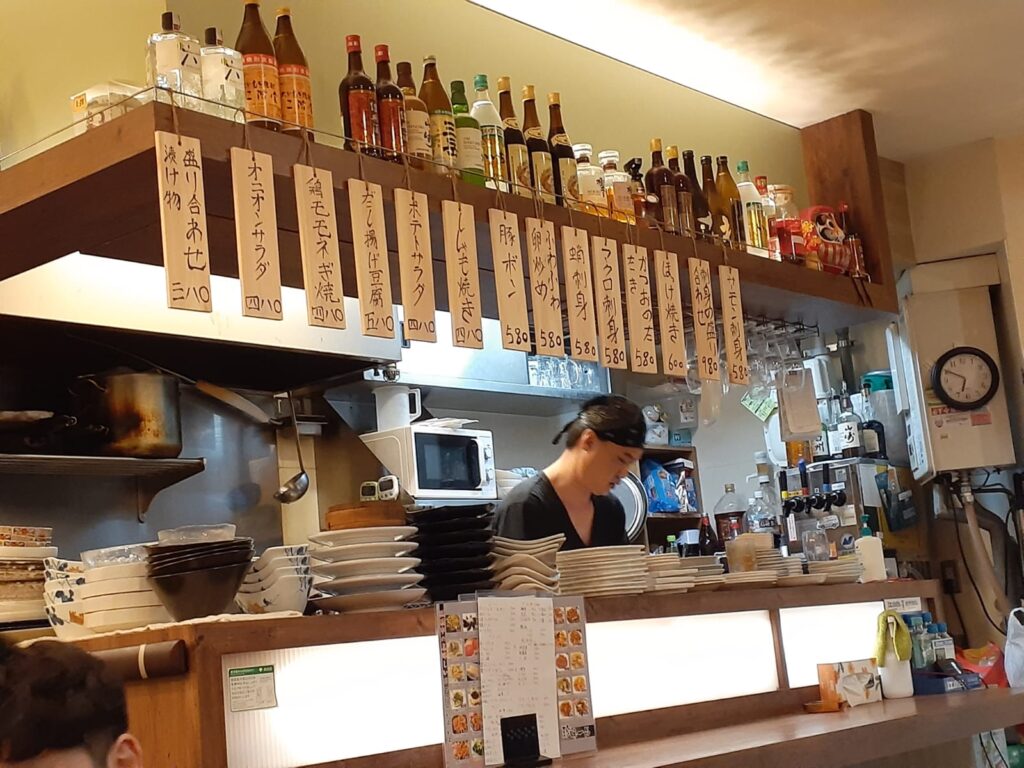
Following Mika’s lead, we dove into the narrow alleys to find a Tachinomi—a traditional standing bar. These small, no-frills establishments are the backbone of Shinbashi’s nightlife.
What made the evening special for us:
- The “Salaryman’s Paradise”: Seeing the sea of suits transform into a boisterous, laughing crowd was fascinating. It felt like we were witnessing the unfiltered heartbeat of the city—a world away from the quiet temples we visited earlier.
- People Watching: It was a truly enjoyable evening of eating, drinking, and simply observing. From the rhythmic rumble of the trains overhead to the animated conversations at the counters, it was a sensory experience that felt “real” in a way tourist spots never do.
- The Minimalist Vibe: There’s a certain beauty in the simplicity of a standing bar. Often no chairs, no reservations—just good company, affordable skewers of yakitori, and a cold drink.
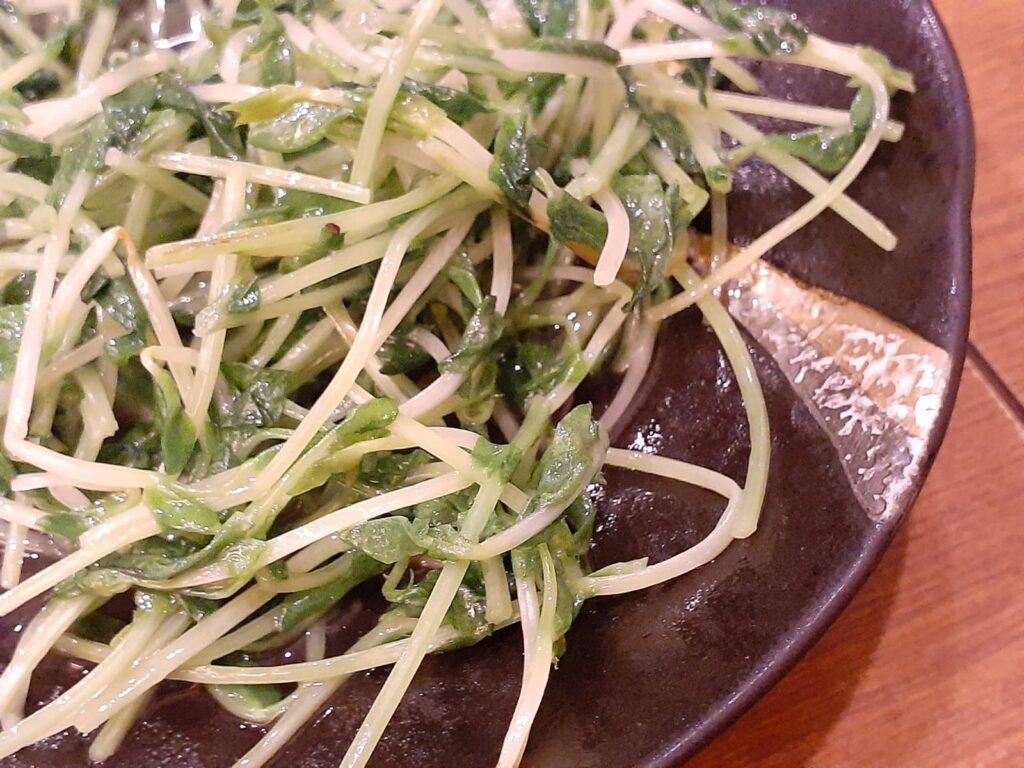
After a long day of exploring, the communal energy of Shinbashi was infectious. Even though we had been on our feet since Asakusa, standing at the bar with Mika and the local crowds didn’t feel like a chore; it felt like a celebration. For us, this was the perfect “real world” finale to our Friday in Tokyo—a reminder that the city’s greatest attractions aren’t just its monuments, but its people.
➡ Back to Kanto Area & Around Tokyo Guide
Comment