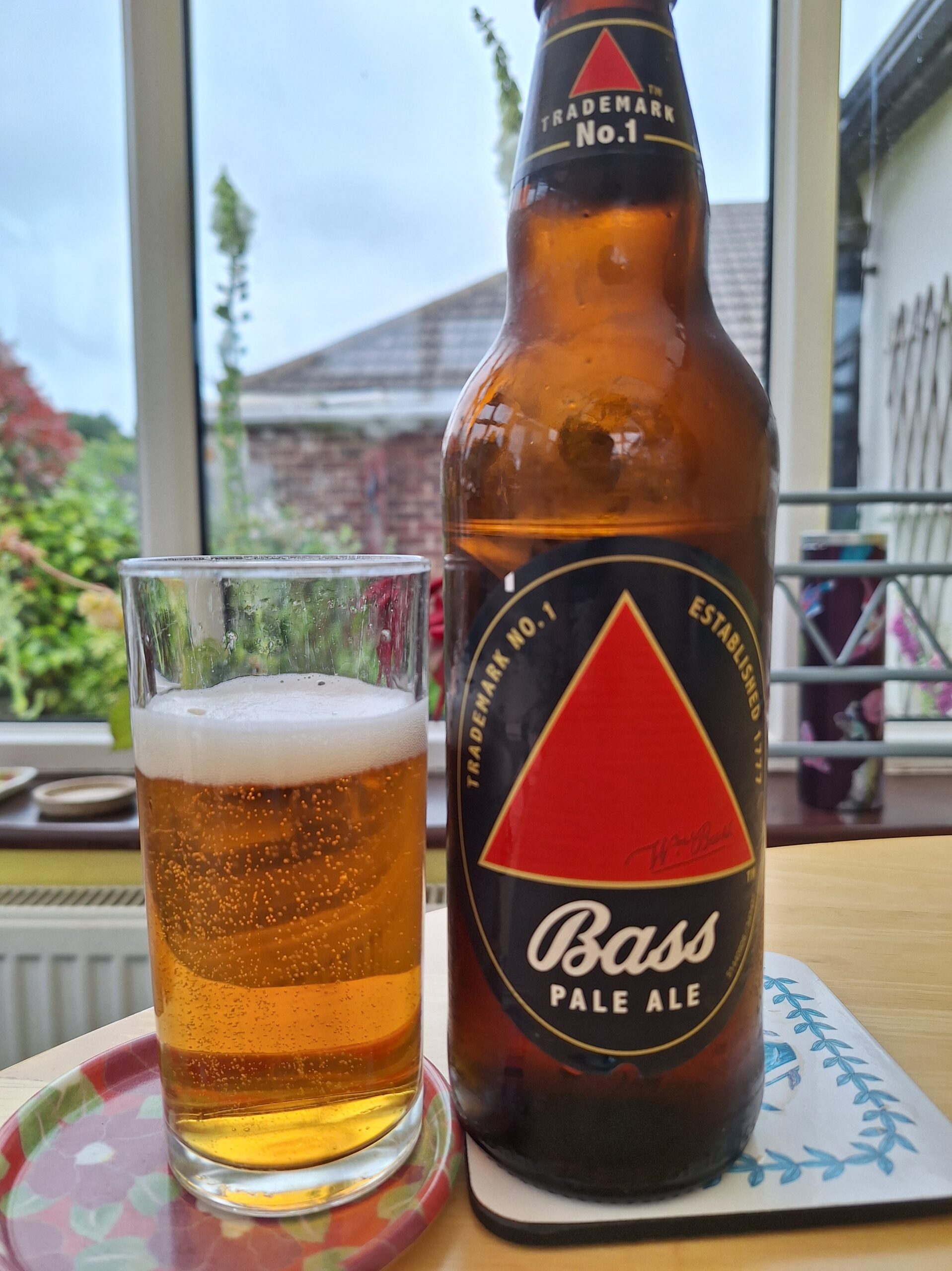
There is nothing better for me than British ale. Writing this from England, I felt it was the perfect moment to revisit an absolute titan of British beer history and one which my local pub used to serve when I was growing up : Bass Pale Ale.
As someone who holds a deep affection for traditional brewing, looking at that iconic bottle brings a sense of pride. Whether you are a seasoned craft beer enthusiast or simply curious about classic English ales, here is a local’s take on a legendary brew.
🇯🇵 この記事を日本語で読む: バスペールエール徹底レビュー|本場のパブ文化が育んだ伝統エールの歴史と味わい
The Pour and Appearance
Pouring it into the glass, the first thing you notice is its gorgeous, clear copper colour. It settles with a tight, foamy white head that holds just long enough to let the aromas release. Looking at that rich amber hue immediately transports me back to my local pub when I was growing up in England.
Aroma and Flavour Profile
On the nose, Bass is beautifully understated. You won’t find the aggressive, tropical fruit notes of a modern American IPA here. Instead, it offers a wonderfully balanced bouquet of earthy hops, nutty malt, and a faint hint of dried fruit.
The first sip is pure nostalgia. It hits the palate with a rich, biscuit-like malt sweetness, which is quickly balanced by a distinct, clean bitterness from the traditional English hops. It is medium-bodied with a smooth, slightly crisp mouthfeel. The balance is exquisite—neither too heavy nor too sharp, making it an incredibly sessionable beer.
The Iconic History
Of course, you cannot talk about Bass without mentioning the bottle itself. The famous Red Triangle on the label isn’t just a logo; it was the UK’s very first registered trademark back in 1876. There is a profound sense of pride in drinking a beer that has survived centuries, crossed oceans, and even featured in classic impressionist artwork.
The Verdict
In a world currently dominated by hazy IPAs and experimental craft brews, Bass Pale Ale stands tall as a masterclass in balance and tradition. It doesn’t need gimmicks. It relies on centuries of brewing perfection.
If you want to experience a genuine taste of British brewing history, pick up a bottle, let it come up to a proper serving temperature (not too ice-cold!), and enjoy a true classic.
Cheers!
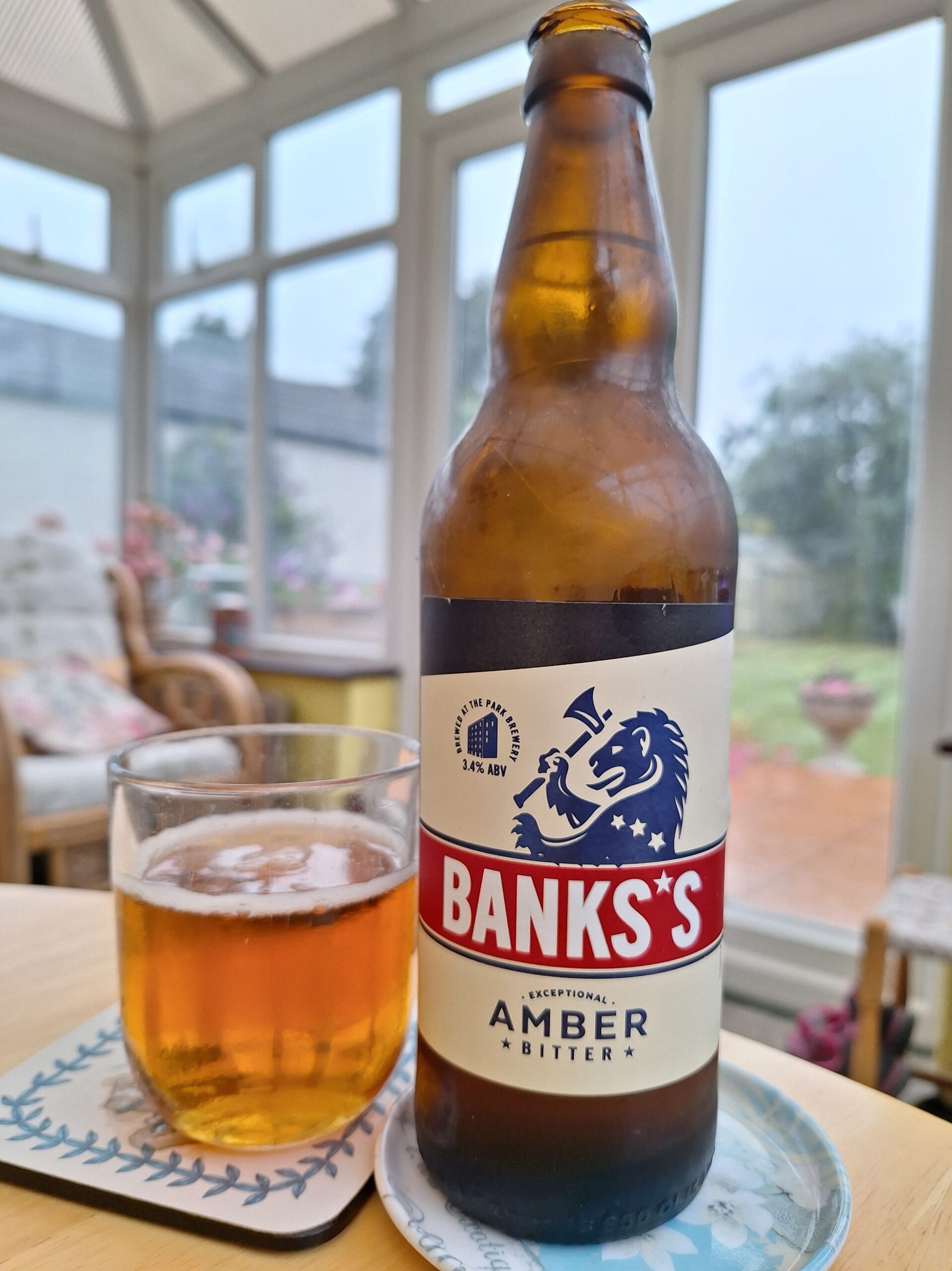
Would you like to try some more English beer? Here are our recommendations:
➡ Best British Supermarket Beers: 5 Award-Winning UK Ales to Try During Your Stay
Comment