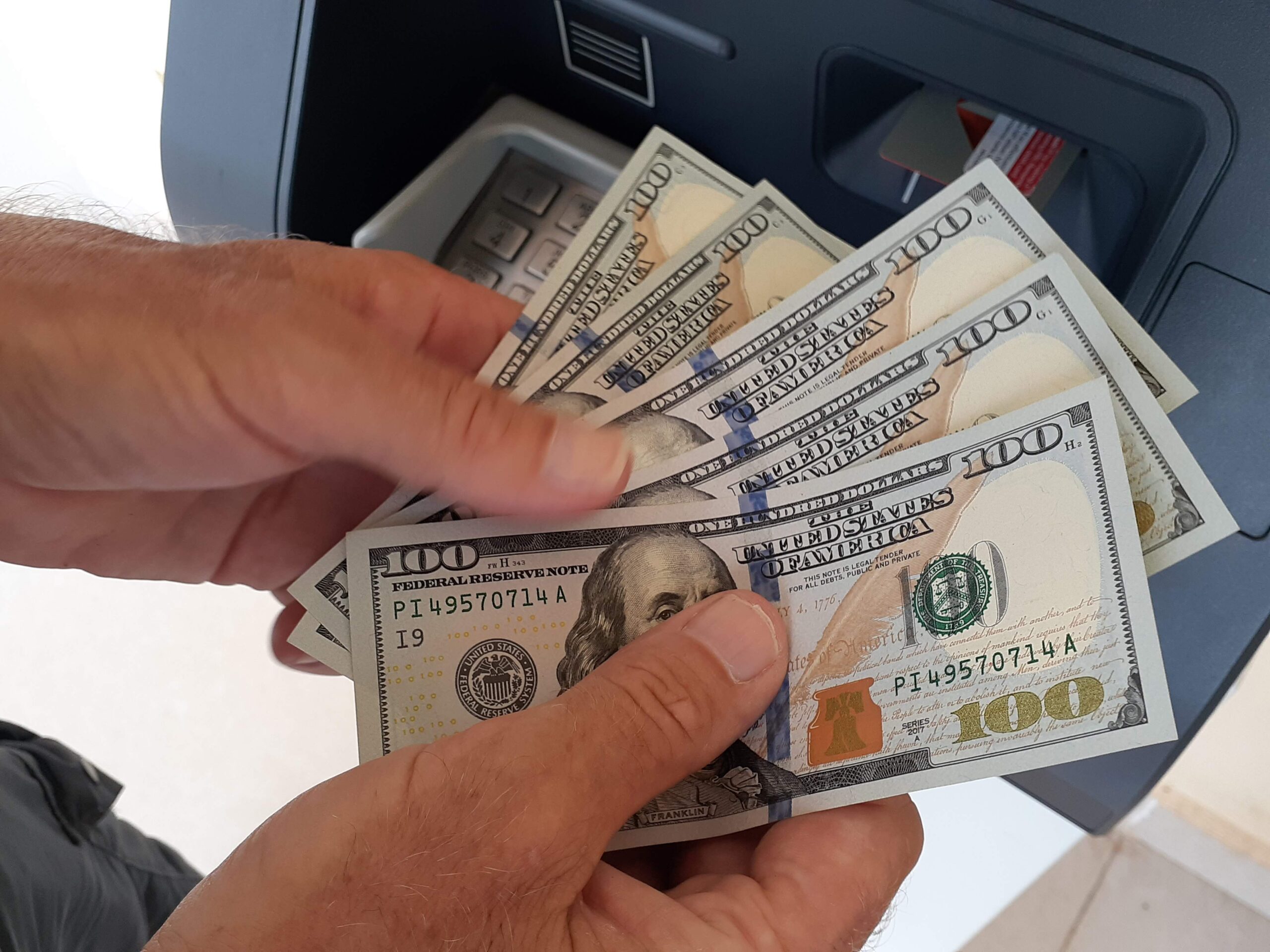
“How can you afford to stop working and travel for six months?”
People ask us this all the time. To many, the idea of leaving the Canadian winter for half a year in Southeast Asia sounds like an expensive dream—something only rich people do.
But the truth is, it’s not about having a lot of money. It’s about how you choose to spend it.
After our one-year trip in 2022, we learned a big lesson: long-term travel isn’t just a long holiday; it’s a different way of living. When you look at the high cost of heating, driving a car, and buying groceries during a cold winter at home, staying in Southeast Asia can actually be a very smart choice.
In this post, we’ll show you how we manage our budget. We’ll explain how we save money on the small, everyday things so we can spend it on the experiences we truly love—like snorkeling in clear blue water or exploring local cultures. For us, escaping the cold isn’t a luxury; it’s just a better way to live.
🇯🇵 この記事を日本語で読む: 6ヶ月の海外旅行、実は「贅沢」じゃない?ミリオネアじゃない私たちが「生活の場所」をシフトする理由
The Blueprint: Lessons from our 2022 Sabbatical
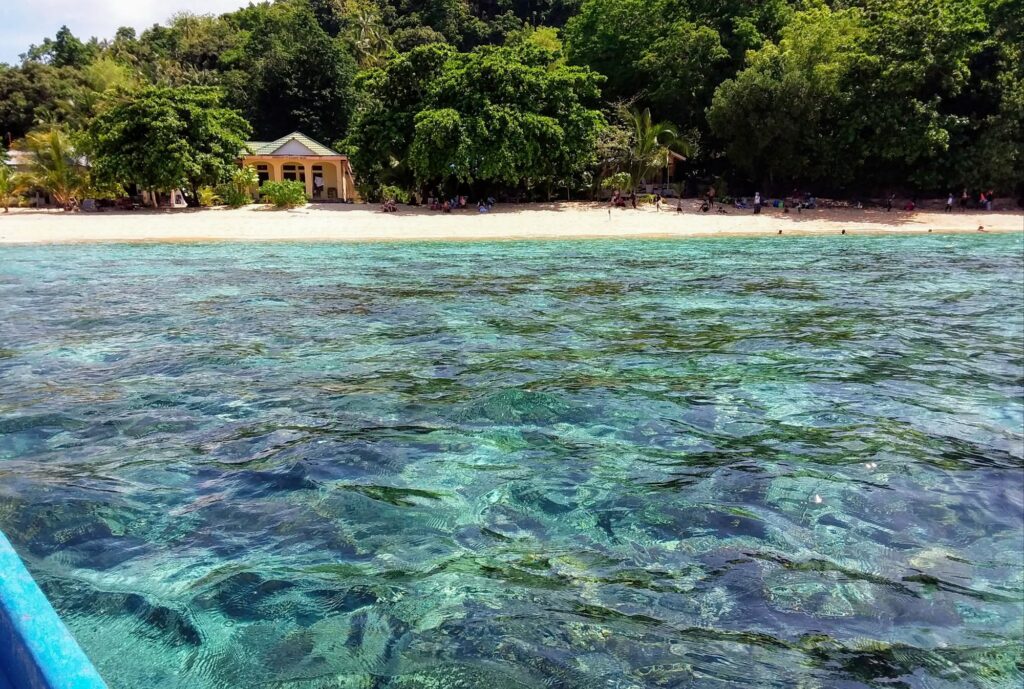
Our one-year sabbatical in 2022 was a life-changing experience. It wasn’t just a break from work; it was the moment we truly realised that living comfortably in Southeast Asia for a long time is not as expensive as people think. It gave us the proof we needed to plan our next big journey.
Proof from the Road
During that year, we tracked our spending closely. We saw first-hand that by stepping out of the “Western bubble” and living more like locals, our money went much further. It confirmed that even with a busy itinerary, the cost of living in Southeast Asia can be significantly lower than staying at home in Canada during the winter.
Active Travellers, Smart Spenders
We aren’t the type of travellers who stay in a villa for months. We are active; we love to move, explore new islands, and change our base frequently. However, being active doesn’t mean being wasteful.
- Smart Transport: We always look for the most efficient and budget-friendly ways to get around, whether it’s local ferries, buses, or trains.
- The Art of Negotiation: Where it’s common to negotiate—like for boat hires or local tours—we aren’t afraid to talk prices. It’s all about getting a fair deal.
The “High-Low” Travel Style
Our 2022 trip helped us master a “High-Low” style of travel. We save where we can on the basics so that when we find something incredible—like a rare snorkelling spot or a unique local experience—we have the funds ready to go. This balance of being “active yet economical” is exactly what makes our six-month trips possible.
Fixed Expenditure: Establishing the Baseline
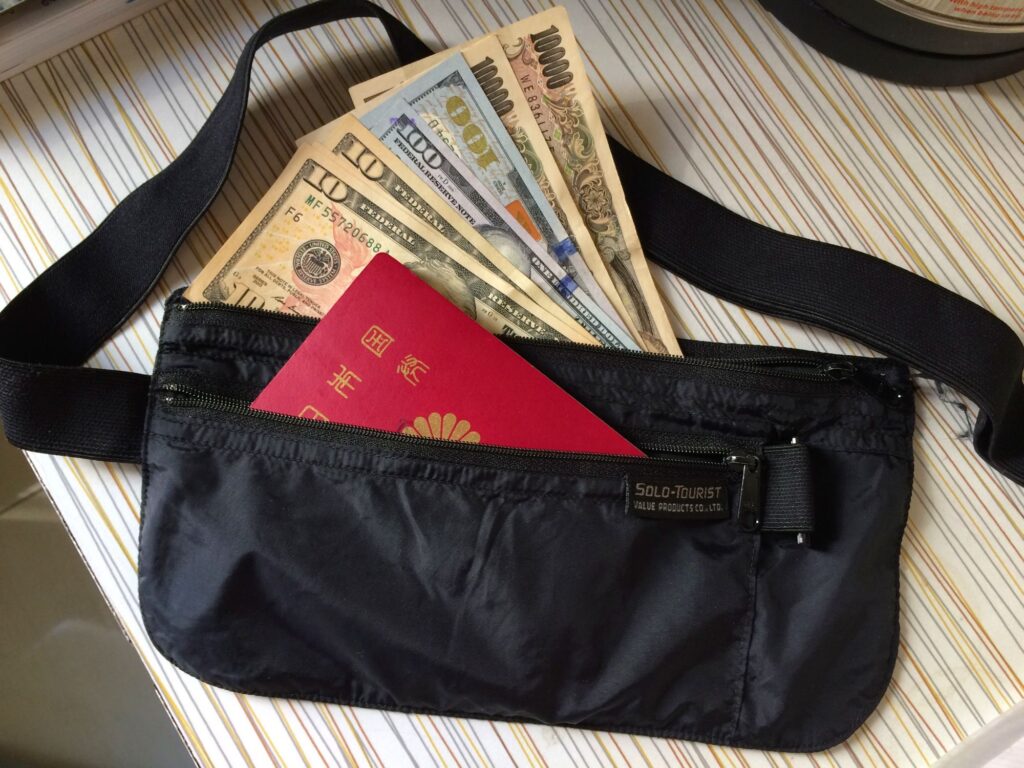
When we talk about a six-month trip, the “total cost” can feel really substantial. To make it manageable, we start by separating our Fixed Expenditure. These are the costs that are set in stone—the ones we pay upfront or know exactly when they are due. By locking these in, we create a solid foundation for the rest of our journey.
Pre-Departure Infrastructure: The Essential List
Before we even step onto the plane, we account for the one-time costs required to get us moving and keep us safe. These are our “start-up” expenses for the trip:
- Insurance: Comprehensive emergency medical travel insurance is our biggest non-negotiable. It’s an investment in peace of mind for the full six months.
- Visas: Fees for entry and long-term stays in countries like Indonesia or Cambodia.
- Storage & Tech: To capture high-quality footage without relying on slow cloud uploads, we buy high-capacity, high-bitrate SD cards. We also include any necessary gadget upgrades or repairs here.
- Gear Maintenance: We check and, if necessary, replace our snorkelling gear. Having our own well-fitted equipment saves us from rental fees and ensures a better experience on the reefs.
Strategic Movement
Even as active travellers who move frequently, we can still treat some transport as a fixed cost.
- Long-haul Logistics: We book our main flights and major urban transfers in advance to catch the best prices.
- The Active Base: While we don’t stay in one spot for months, we look for “weekly” or “multi-night” discounts even when we move. By planning our route and booking these key stays ahead of time, we lock in a lower average nightly rate, which keeps our “baseline” cost predictable.
The Home Front
A vital part of our travel budget is actually what happens back in Canada. We have to account for the fixed costs of keeping our home ready for our return. However, as we will discuss in the next section, what we pay to “keep the lights on” at home is often offset by what we save on the massive winter heating bills we won’t have to pay.
The Great Offset: Travel Costs vs. Domestic Savings
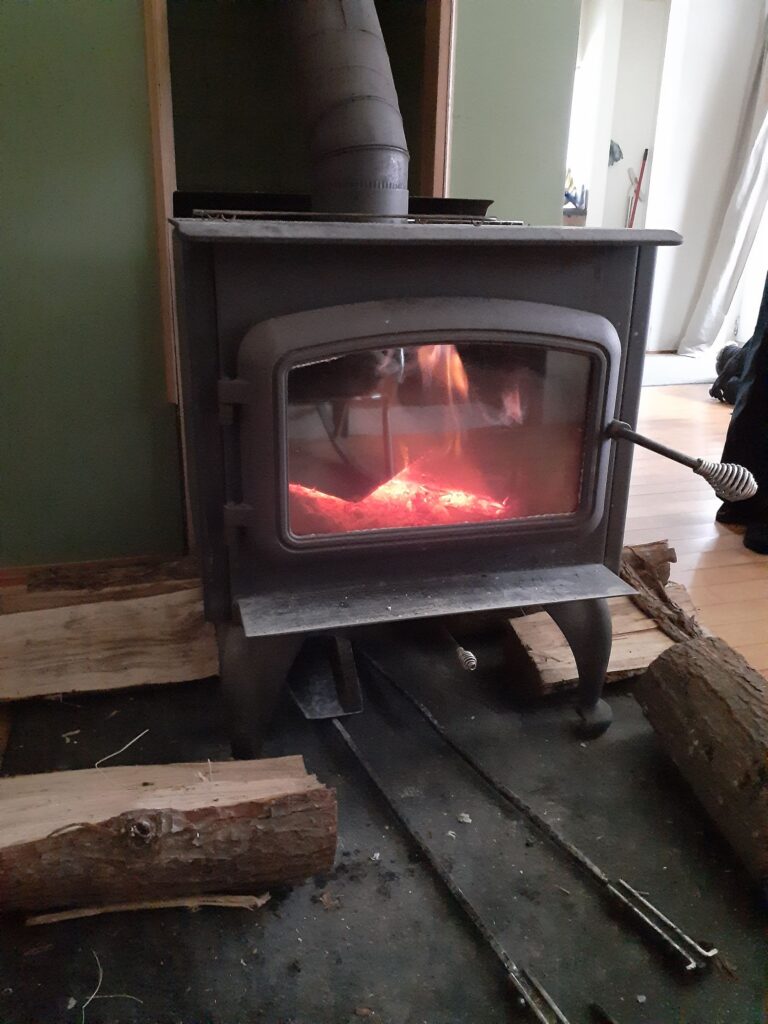
One of the biggest hurdles to long-term travel is the mindset that it is a “luxury” we cannot afford. However, when you look at the numbers, the reality is quite different. For those of us living in northern climates, the cost of staying home in the winter is incredibly high. By moving our base to Southeast Asia, we don’t just spend money; we stop spending it on the things we don’t need.
Escaping the “Winter Tax”
In Canada, winter comes with a heavy price tag that we like to call the “Winter Tax.”
- Heating and Utilities: The cost of heating a home in a Quebec winter is significant. By closing up the house (or keeping it at a minimum safe temperature), we eliminate those massive monthly heating and fuel bills.
- Maintenance and Transport: Winter petrol consumption, winter tyre swaps, and general property upkeep in the snow all vanish the moment we land in the tropics. When you add these up over six months, the savings go a long way toward paying for our accommodation in Asia.
The Grocery Swap: Quality Without the Premium
You might ask, “But how can you afford to eat out every day?” The answer is simple: the “Grocery Swap.”
- Cost Comparison: In Canada, the price of fresh produce in winter is sky-high. In Southeast Asia, vibrant local markets offer fresh, healthy food at a fraction of the price.
- Eating Locally: We don’t spend our time in expensive “tourist trap” restaurants. By eating where the locals eat and choosing fresh, seasonal ingredients, our daily food budget is often lower than what we would spend on a weekly shop at a Western supermarket.
Balancing the Books
The logic is straightforward: you have to pay for food, housing, and transport no matter where you are in the world. By choosing a location where the cost of these essentials is lower, we “offset” the price of our flights and insurance. For us, spending the winter in a T-shirt on a tropical island isn’t a splurge—it’s a smarter and enjoyable way to manage our annual cost of living.
Variable Expenditure: Investing in Joy
Once the fixed costs are handled, we turn our attention to Variable Expenditure. This is the flexible part of our budget—the money we spend day-to-day. For us, managing this isn’t about being “cheap”; it’s about being tactical. We keep our daily “maintenance” costs lean so that we have the freedom to invest heavily in the things that truly bring us joy.
Mastering the Daily Budget
To keep our baseline low without sacrificing our lifestyle, we focus on three simple areas:
- Local Logistics: Instead of expensive private taxis, we use local transport or ride-sharing apps like Grab. It’s efficient, affordable, and gives us a better feel for the local rhythm.
- The “Grocery & Market” Balance: While we love exploring local street food, we also enjoy the simplicity of a market-fresh meal. Living “simply” on ordinary days is what builds our “Adventure Fund.”
- Smart Life-Admin: Small costs like laundry can add up. We do our own washing avoiding the premium prices often found in major hotels. We also always buy local SIM cards which saves us lots of money.
The “Green Light” Moments
The reason we save on the mundane daily costs is so we never have to say “no” to a world-class experience. We call these our Green Light moments.
- High-Value Experiences: Whether it’s chartering a private boat to reach a pristine, untouched reef or joining a unique local cultural workshop, these are the reasons we travel.
- Quality Over Quantity: We would rather eat simply for a week if it means we can afford one spectacular, once-in-a-lifetime excursion. For us, this isn’t a “splurge”—it is the intended purpose of our budget.
The “Experience Fund” vs. The “Winter Tax”
Remember the “Winter Tax” we saved by leaving Canada? That money doesn’t just sit in a bank account. We move it directly into our Experience Fund. By reallocating what we would have spent on heating fuel and snow tyres, we fund our passion for marine life and photography. This shift in spending is what turns a standard trip into a truly rich, six-month odyssey.
The “Beer & Banquet” Logic: Our Daily Motivation
We don’t use complicated spreadsheets, but we do have a very clear way of thinking about money. For us, every dollar saved at home or on the road has a direct “travel value.” This simple mental switch makes it easy to stay on track without feeling like we are missing out.
The Power of Comparison
When we are about to spend money, we often translate the cost into “travel experiences.”
- The 80-Dollar Rule: In Montreal, a simple dinner for two can easily cost $80 CAD. But we know that same $80 can feed both of us for an entire week in Bangkok. When you think about it that way, choosing a simple home-cooked meal today feels like buying seven days of delicious Thai food later.
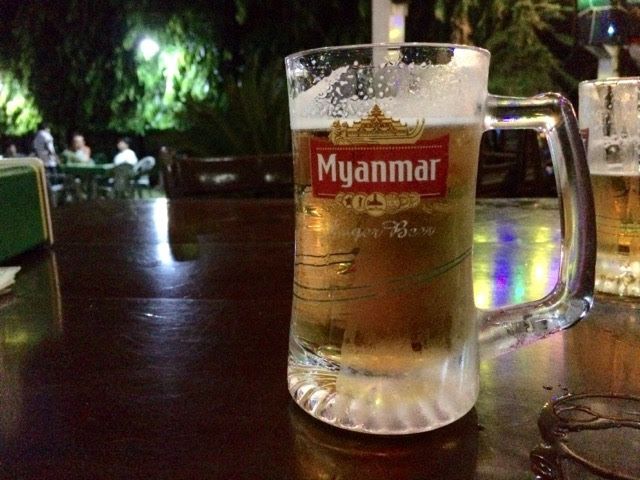
- The “One-Dollar” Draught: We think small, too. If we can save just one dollar on a daily purchase, that’s a fresh draught beer on a street corner in Vietnam or Cambodia. It turns a boring saving into a future “Cheers!”
Every Cent is a Future Adventure
This isn’t about being stingy; it’s about making sure our money goes where it brings the most joy.
- Daily Awareness: By being mindful of the small costs—choosing a local market over a premium supermarket, or walking instead of taking a short taxi—we are constantly adding to our “Experience Fund.”
- Living with Purpose: Because we’ve seen the world through our 2022 sabbatical, we know exactly what that saved dollar can buy. It’s much easier to skip a luxury at home when you can see the reefs of Indonesia or the temples of Angkor Wat waiting for you on the other side of that saving.
Our “Silent” Management Style
This is how we manage our budget without the stress of numbers. We don’t need to count every cent because we’ve already made the most important decision: we value experiences over “things.” As long as we keep this “travel math” in our heads, our budget manages itself, giving us the freedom to enjoy our journey to the fullest.
[Related Stories]
➡ Smart Flight Booking Strategy: How We Secured Our 2026 World Adventure (Despite Global Price Hikes)
➡ The “Set Menu” Secret: Why It Was Cheaper to Fly to Indonesia Than Just Japan
➡ Flexible Travel Planning: Our 6-Month Itinerary Through Japan, Indonesia, East Timor & Beyond
Conclusion: A Shift in Life, Not a Luxury
At the end of the day, we want to clear up one thing: we are not millionaires or billionaires. We are simply people who have learned that long-term travel isn’t an expensive luxury—it’s a conscious decision to shift where and how we live.
Living with the Local Rhythm
Our secret isn’t a secret at all. We don’t try to live a “Western lifestyle” in a tropical setting. Instead, we aim to align our spending with the reality of the local people. By eating where they eat, travelling how they travel, and respecting the local cost of living, the world becomes an affordable and welcoming home.
The Language of Connection
This is also why we invest so much time in learning languages. Whether it’s Indonesian, Tetum, or Turkish, we don’t just learn words to “get by”—we learn them to connect.
When you speak the local language, you aren’t just another tourist; you are a guest. It is our ultimate “budgeting tool” because it builds trust and helps us find fair, local prices. But even more importantly, it is one of our best security measures.
Being able to understand what is happening around you and communicate clearly with locals makes you much less of a target for scams. It allows you to ask for help, navigate tricky situations, and show that you are an experienced traveller who respects and understands the environment. For us, a few words of the local language are worth more than any padlock or safety deposit box.
Your Journey is Waiting
If you are sitting in the cold right now, wondering if you can afford to leave, remember our “Beer & Banquet” logic. It doesn’t take a fortune to see the world; it takes a bit of planning, a shift in perspective, and the courage to live simply.
We aren’t just spending money on a trip; we are investing in a life filled with stories, textiles, and underwater wonders. We’ve found our way to turn the “Winter Tax” into a life of freedom, and we hope this guide helps you find your way, too.
Next stop: The reefs of Southeast Asia. We’ll see you there.
Comment