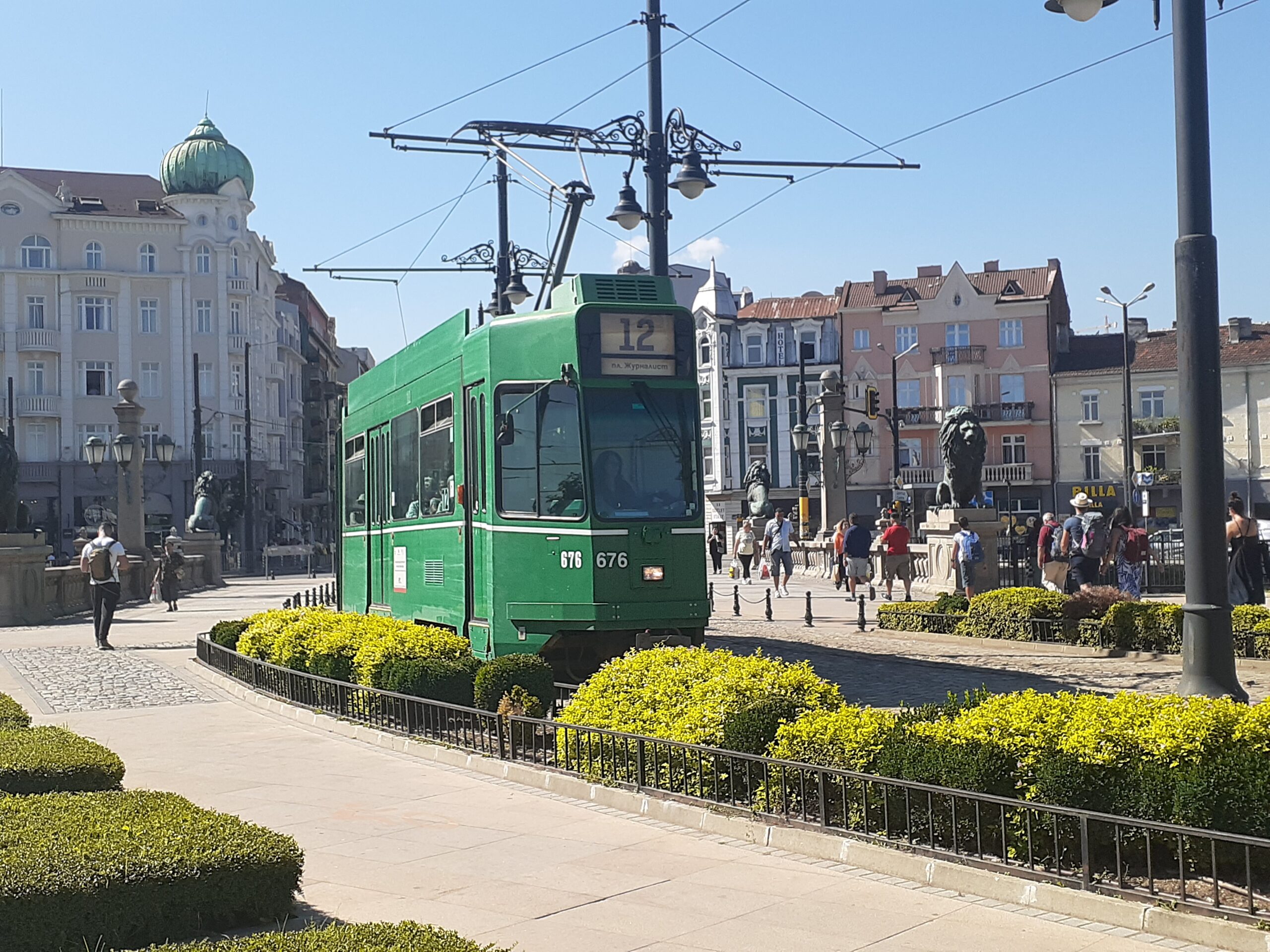
While many travellers skip straight to the beach resorts or mountain towns, Bulgaria’s capital, Sofia, deserves a spot on every Balkan itinerary. Having just arrived from the historic hills of Plovdiv, we spent one night exploring Sofia and were immediately struck by how effortlessly the city blends its ancient, Ottoman, and modern histories.
Dating back to 7000 BC, Sofia is one of Europe’s oldest settlements. Today, 1st-to-6th-century Roman ruins sit right inside metro stations, while Orthodox churches, a functioning mosque, and a grand synagogue stand just steps from one another—a beautiful testament to the city’s long-standing religious tolerance.
Here is our independent, boots-on-the-ground guide to the 17 sights and attractions we encountered while walking around Sofia, along with accommodation tips.
🇯🇵 この記事を日本語で読む: ソフィア観光完全ガイド!1泊2日で巡る見どころ17選、写真撮影の注意点からおすすめの宿まで
- About Sofia
- 1. St. Alexander Nevsky Cathedral
- 2. St. Sofia Church (Hagia Sophia)
- 3. National Opera and Ballet Sofia
- 4. Church of St. Nicholas the Miracle-Maker (Russian Church)
- 5. The Palace – National Art Gallery
- 6. National Bulgarian Archeological Museum
- 7. City Garden
- 8. Ivan Vazov National Theatre
- 9. Church of Sveti Sedmochislenitsi
- 10. Sofia City Court
- 11. St. Nedelya Church
- 12. St. George Rotunda Church
- 13. National Assembly of the Republic of Bulgaria
- 14. Saint Petka Church
- 15. Serdica Ancient Complex
- 16. Banya Bashi Mosque
- 17. Sofia Synagogue
- Where to Stay in Sofia: A Digital Nomad Gem
- Heading to Your Next Destination?
About Sofia
Sofia is the capital and largest city of Bulgaria. It is located in the western part of the country, in the middle of the Balkan Peninsula, between the Black Sea and the Adriatic Sea, and close to the Aegean Sea.
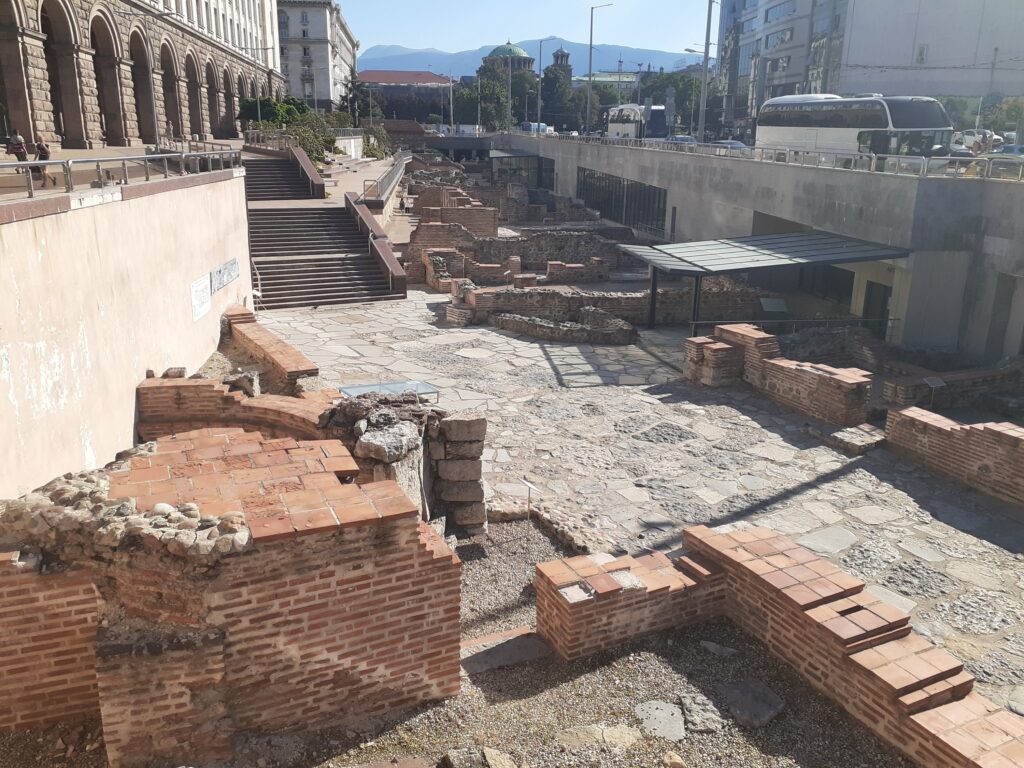
Sofia has a long history and human settlement can be traced back to 7000 BC. Ancient monuments are scattered throughout Sofia city and are on display everywhere, including in the metro and underpasses. With a population of approximately 1.24 million (2017), it is the 14th largest city in the European Union.
1. St. Alexander Nevsky Cathedral
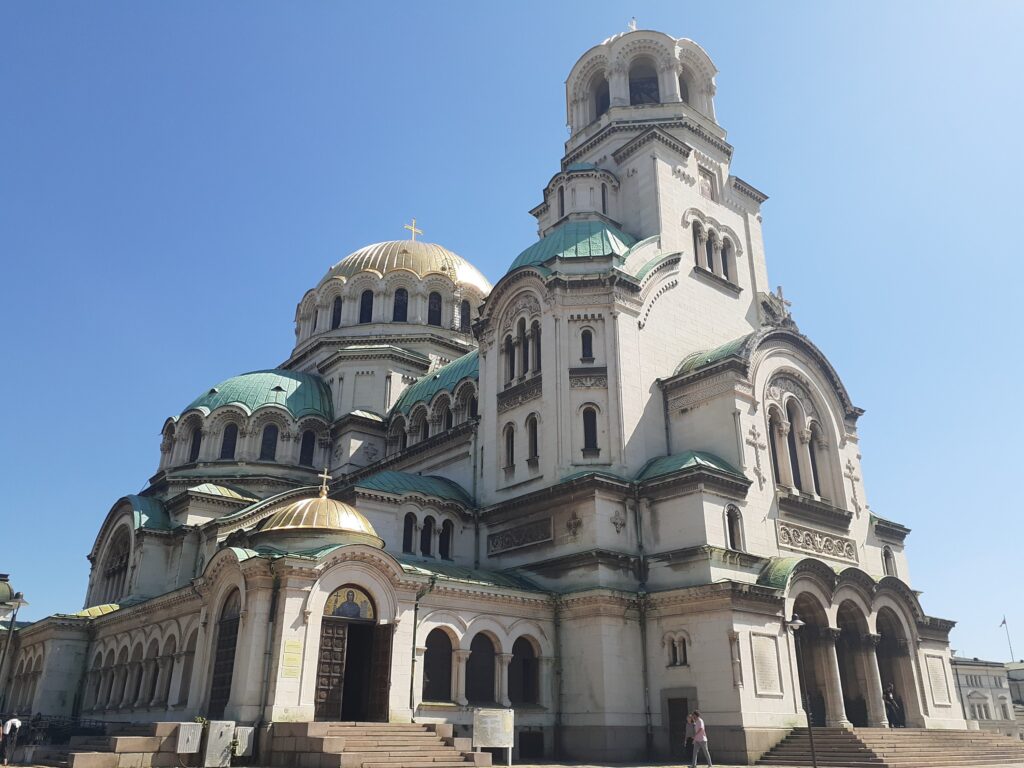
This breathtaking Bulgarian Orthodox cathedral is the undeniable symbol of Sofia. Built in a grand Neo-Byzantine style to honor the Russian soldiers who died in the Russo-Turkish War (completed in 1912), it spans over 3,170 square meters and can hold 5,000 worshippers.
Traveller Tip: While stunning from afar, standing right beneath its massive gold domes is genuinely overwhelming. Note that photography inside costs 10 BGN (~$5.50 USD)—and yes, they will charge you even if you are just using a smartphone! Be sure to walk past at night when the entire structure is beautifully illuminated.
2. St. Sofia Church (Hagia Sophia)
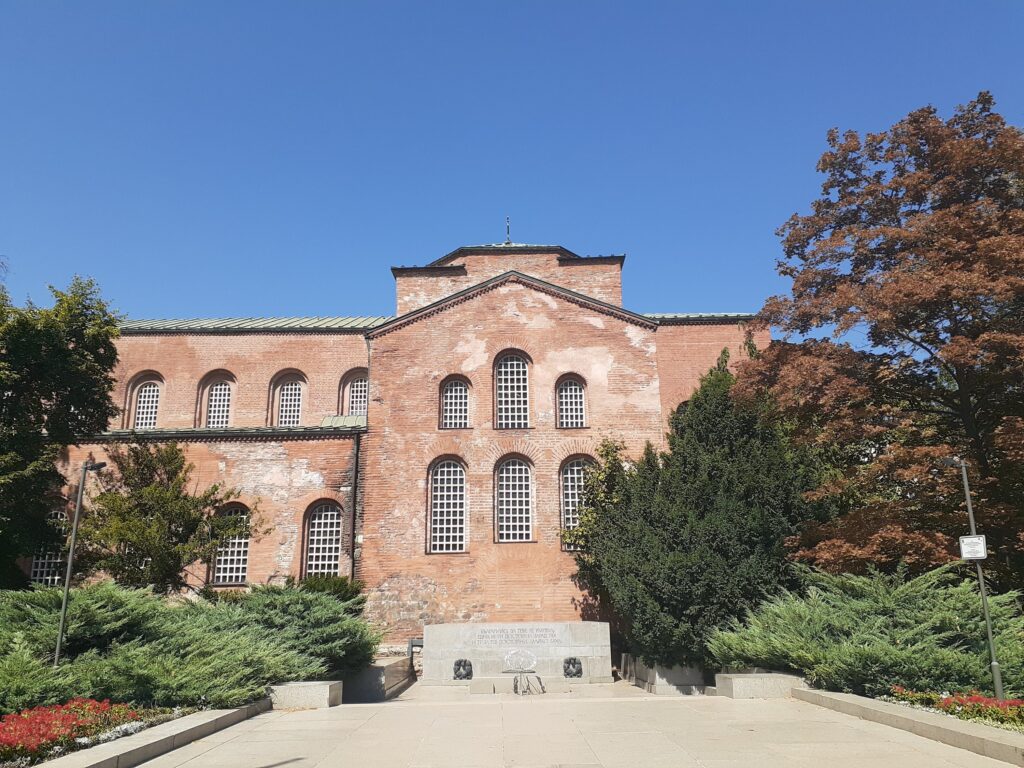
Built in the 4th century, this humble red-brick structure is the oldest church in the capital. In fact, the city itself was renamed “Sofia” in the 14th century after this very church! It has survived earthquakes and was even converted into an Ottoman mosque in the 16th century.

The Vibe: The interior is unpretentious, spacious, and deeply peaceful. Beneath the floor lies an ancient cemetery with excavated tombs that you can tour.
3. National Opera and Ballet Sofia
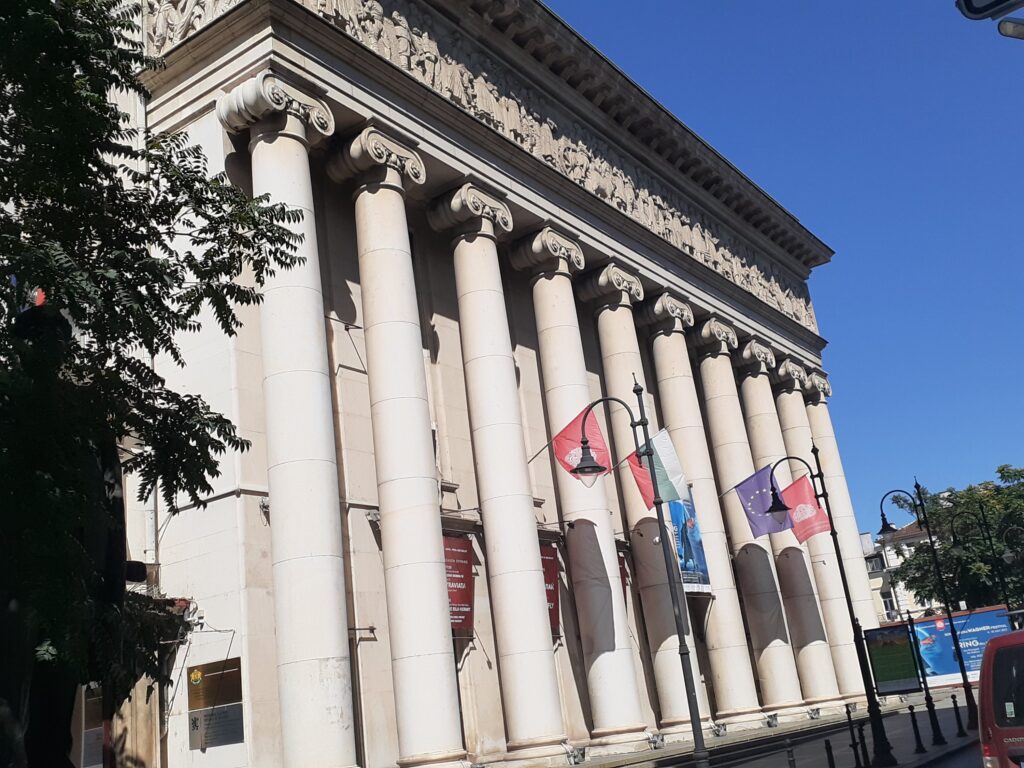
Designed in 1921, this is Bulgaria’s premier cultural institution for opera and ballet performance. Located in a central area of the city with crowded buildings and narrow roads around it, it is an architecturally beautiful structure but can be somewhat difficult to photograph from a good angle.
4. Church of St. Nicholas the Miracle-Maker (Russian Church)
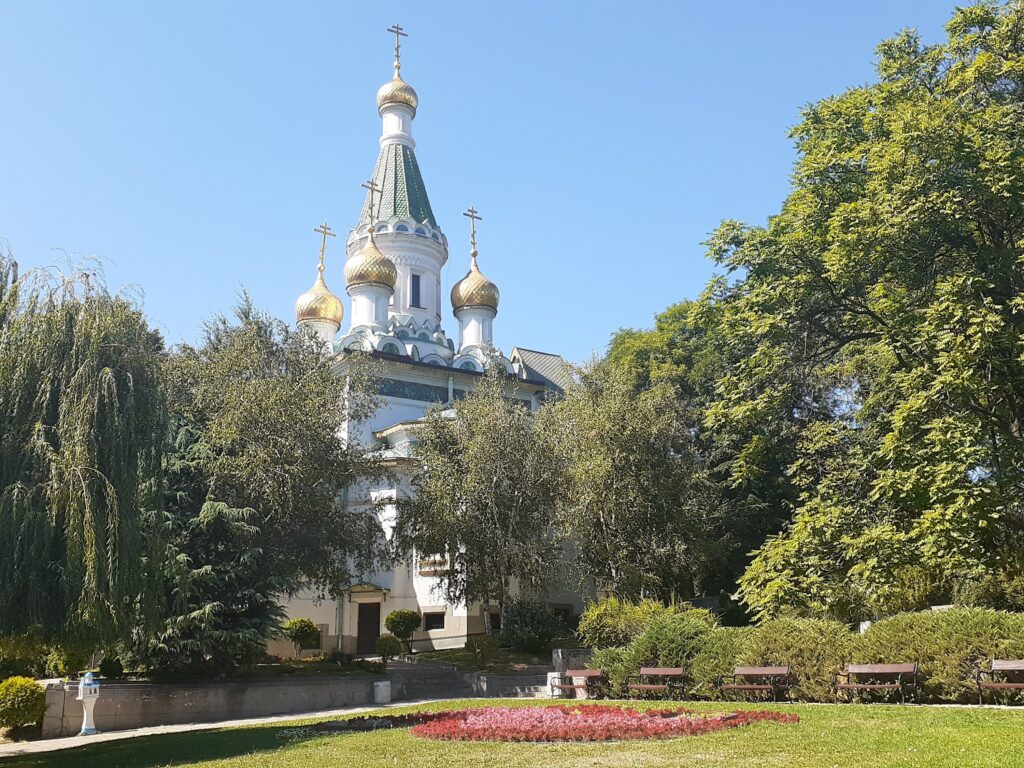
With its distinct golden onion domes and vibrant tiled roof, this fairytale-like Russian Orthodox church adds a splash of color to central Sofia. Completed in 1914, it was built on the site of the former Saray Mosque, which was destroyed after the end of Ottoman rule.
5. The Palace – National Art Gallery

This grand palace was built in 1882 to serve as the Royal Palace. After the abolition of the Bulgarian monarchy following World War II, it was converted into the National Art Gallery. Today, it preserves and houses an impressive collection of over 50,000 pieces of Bulgarian art.
6. National Bulgarian Archeological Museum
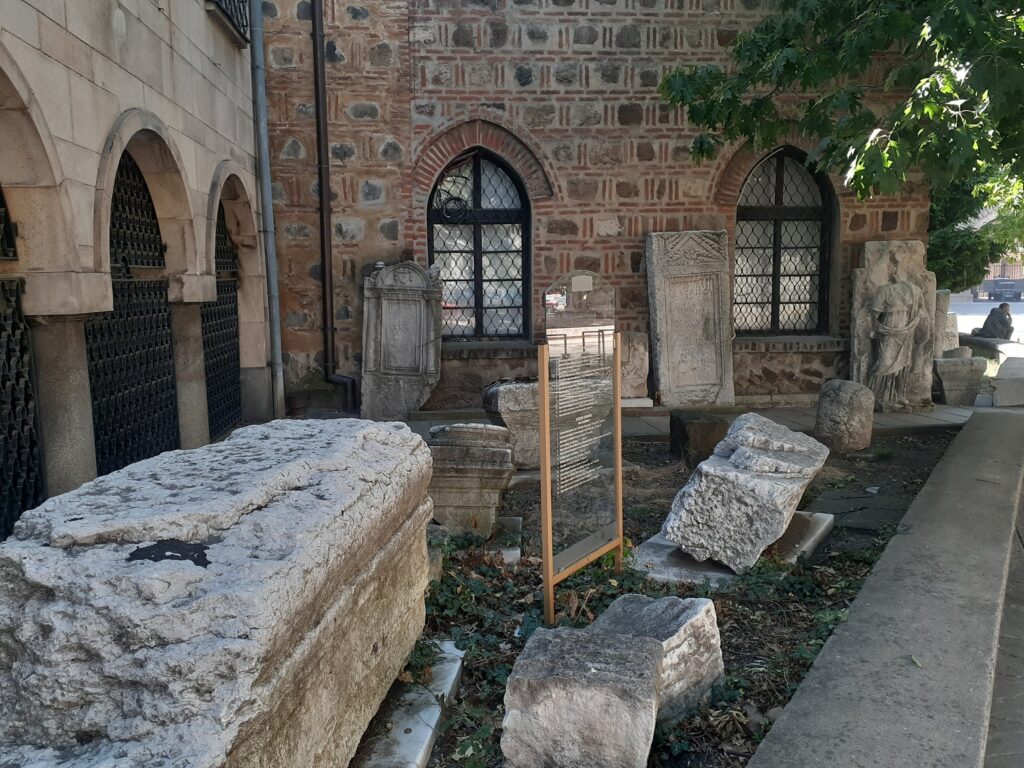
Completed in 1494, this is the largest and oldest surviving building of a former Ottoman mosque in the city. It opened its doors as a museum in 1905 and features five distinct exhibition halls—Central Hall, Prehistory, Medieval, Treasures, and Special Exhibitions—displaying fascinating archaeological material.
7. City Garden
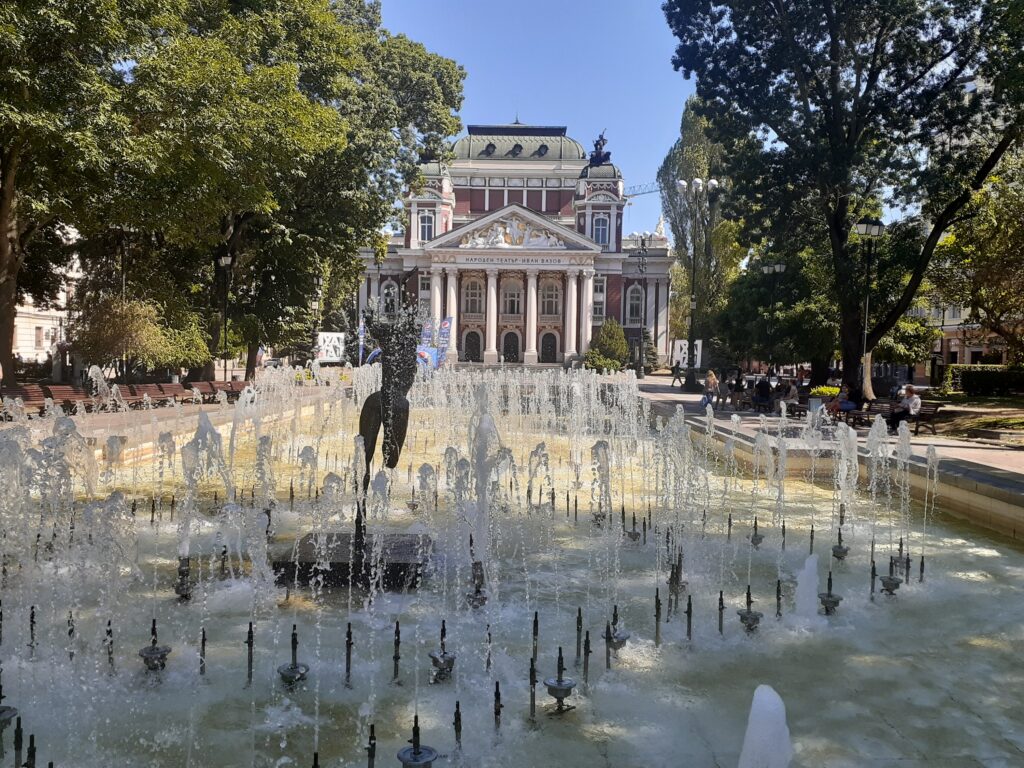
The City Garden (Градска градина) is the oldest public garden in Sofia and serves as a vibrant social hub where locals gather to play chess and relax. It was laid out at the end of the Ottoman period and has been reorganized many times since.
8. Ivan Vazov National Theatre
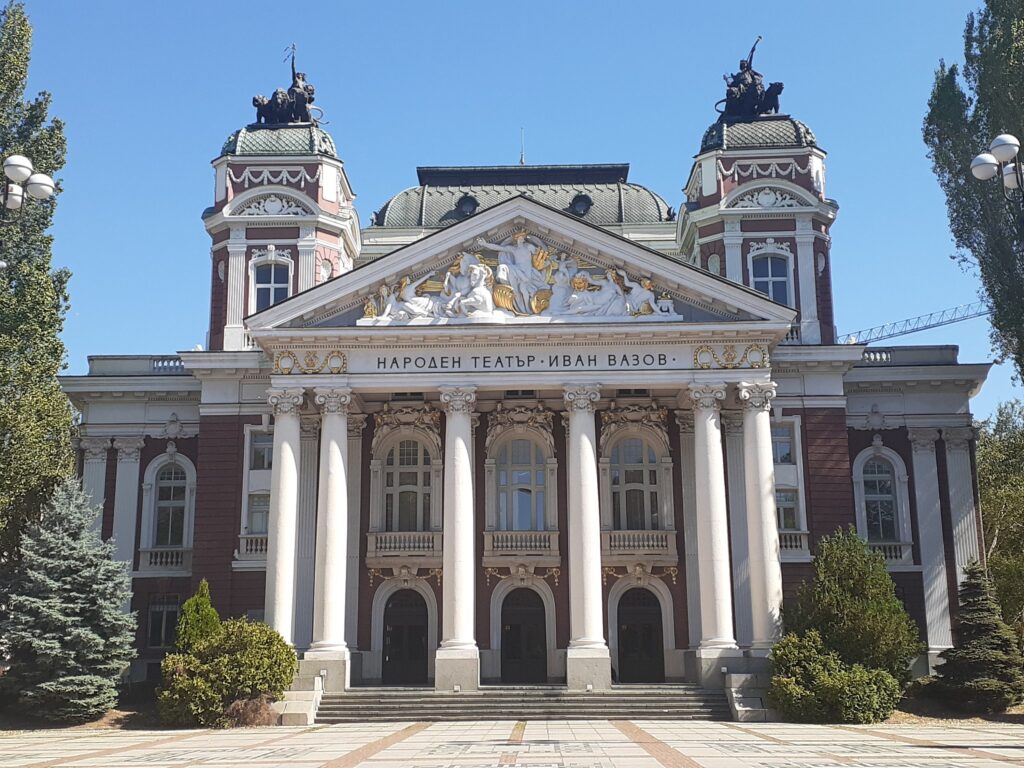
The oldest theatre in the country and one of the most important landmarks of the capital, its magnificent main entrance faces directly toward the City Garden. Besides the main auditorium with 750 seats, it features smaller chamber stages.
9. Church of Sveti Sedmochislenitsi
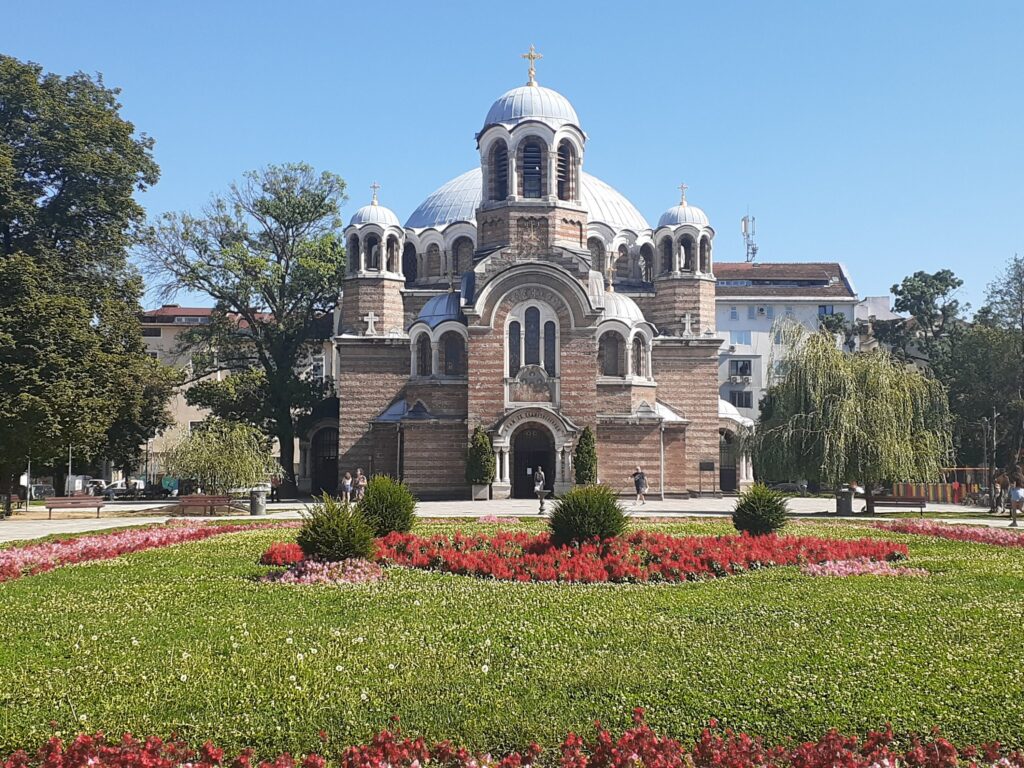
This striking Bulgarian Orthodox church was originally built in 1547 as an Ottoman mosque, commonly known as the Black Mosque. It was heavily renovated and converted into a church in the early 20th century, though the large central dome was preserved from its mosque period. The forecourt is beautifully maintained and photogenic.
10. Sofia City Court
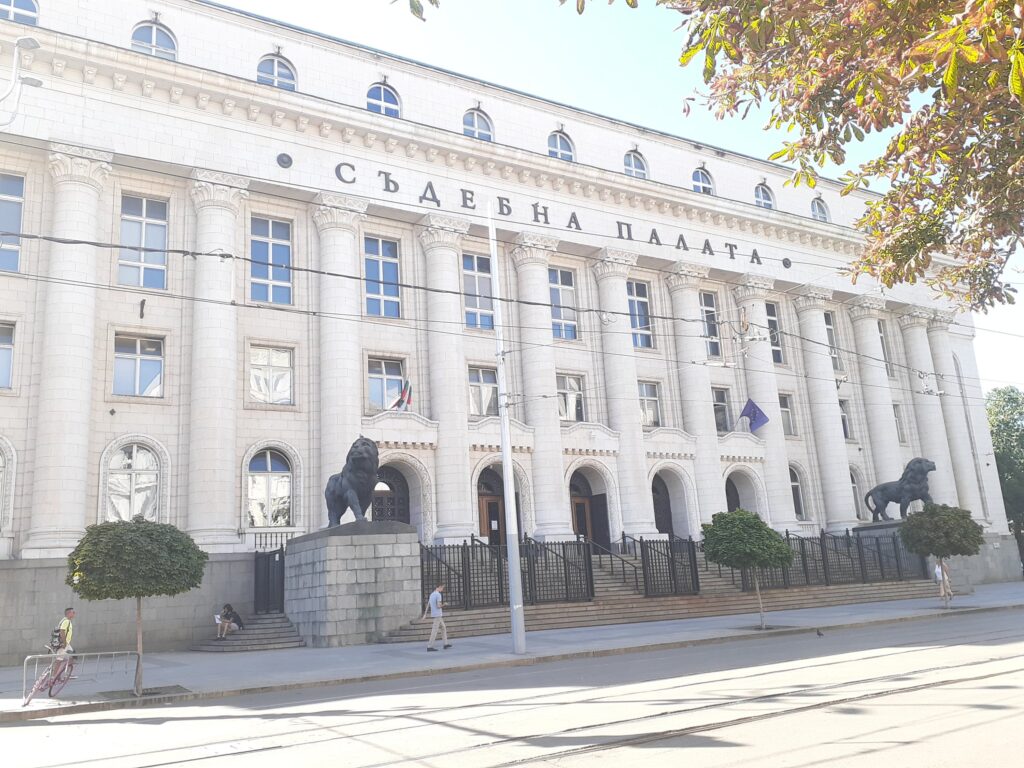
Completed in 1940, this massive four-story building features a striking facade with five large gates and 12 monumental columns. The exterior is decorated in an eclectic mix of Roman and Byzantine styles, and the interior contains 24 statutory courtrooms, a library, and a banking hall.
11. St. Nedelya Church
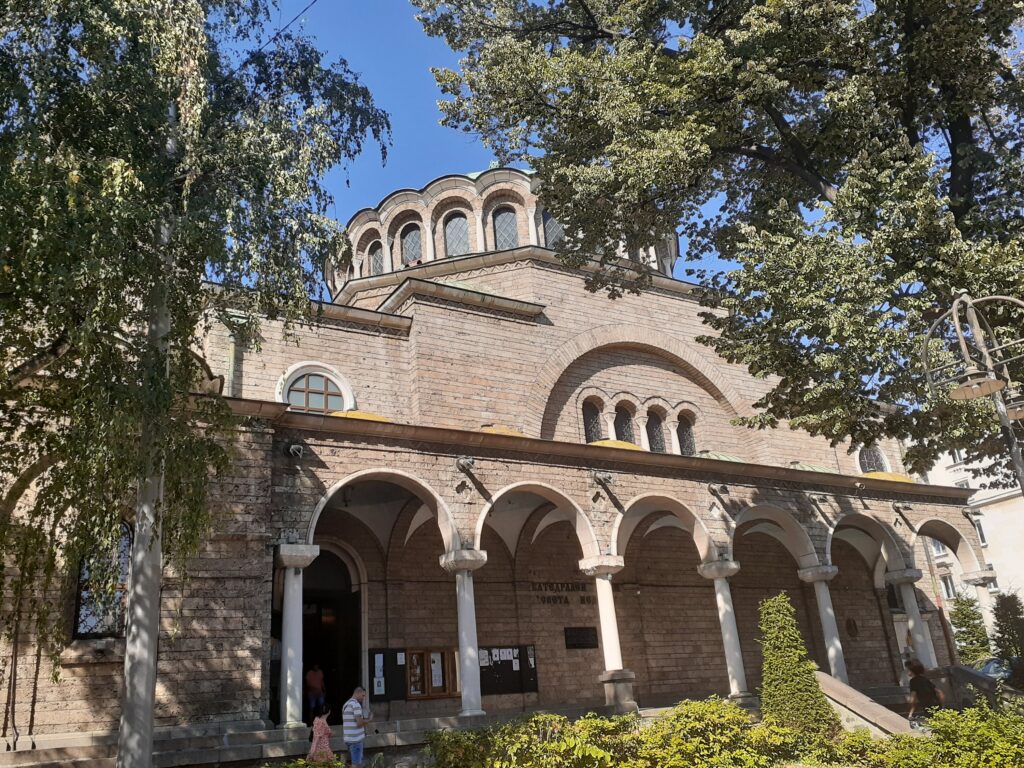
The early history of this Eastern Orthodox cathedral is a bit obscure, but it is thought to have been built originally of wood in the 10th century. Major stone renovations began in the mid-19th century and wrapped up in 1863. The architecture features an extensive use of arches and a central dome embedded with small glass windows.
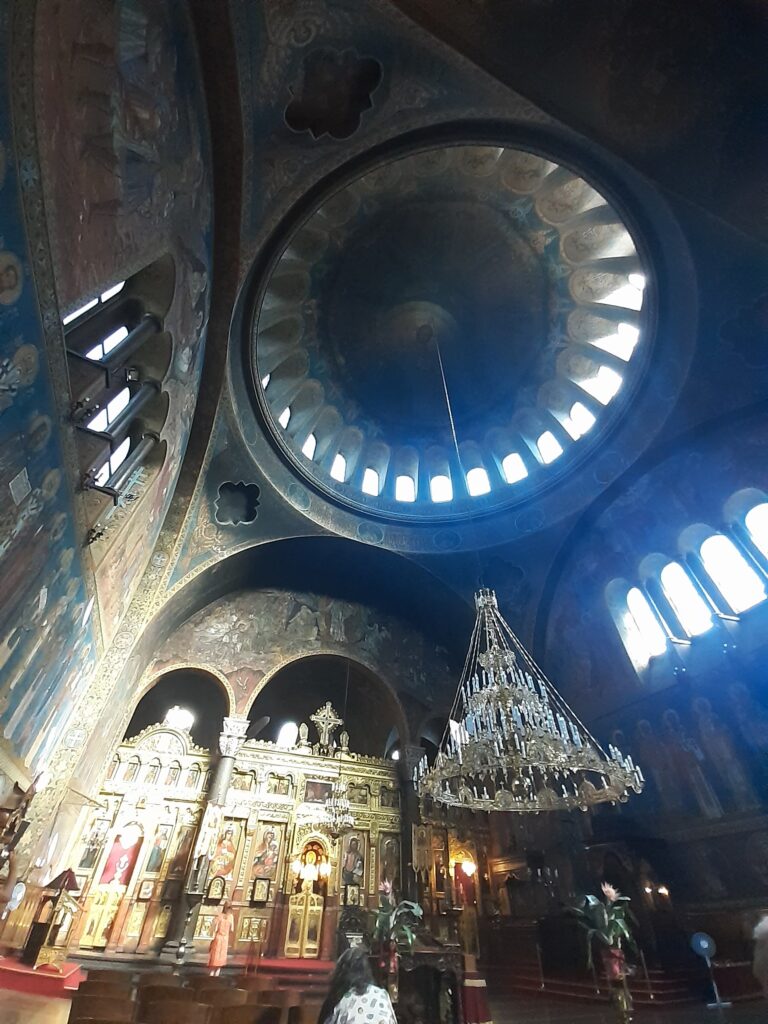
The Interior: The vibrant, elaborate mural and fresco decorations inside the church were completed relatively recently, in the 1970s.
12. St. George Rotunda Church
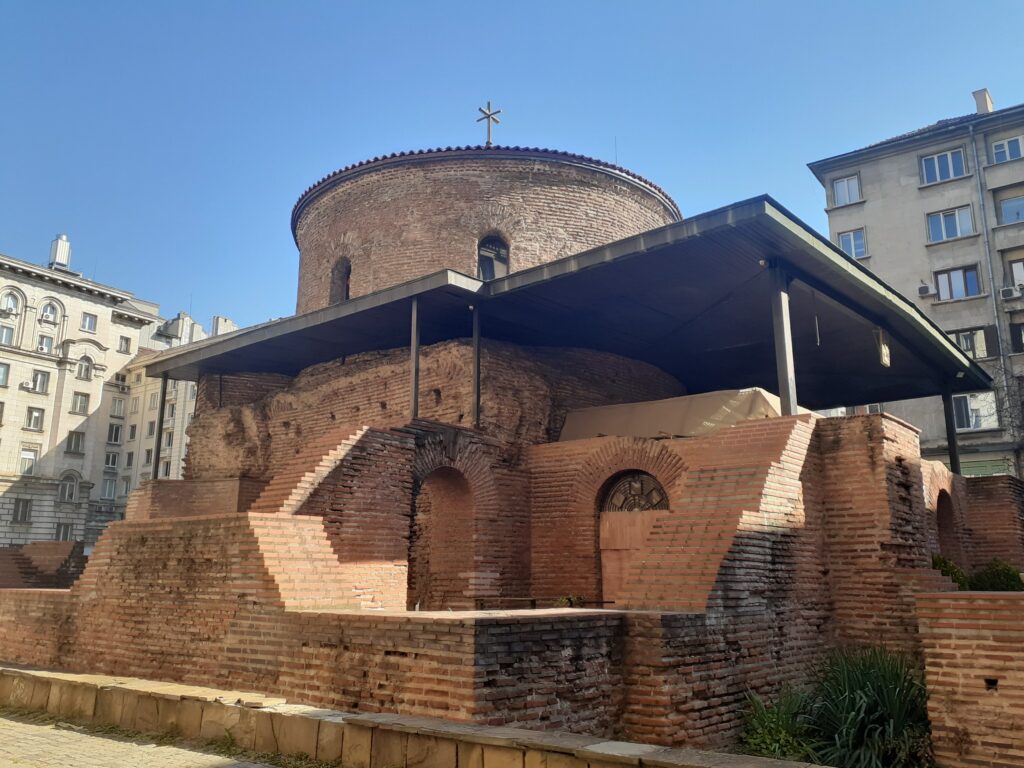
Tucked away in a hidden courtyard surrounded by modern government buildings and a luxury hotel sits the St. George Rotunda. This cylindrical red-brick building was originally constructed as Roman baths in the early 4th century before becoming a church. It is widely recognized as the oldest surviving building in Sofia.
13. National Assembly of the Republic of Bulgaria
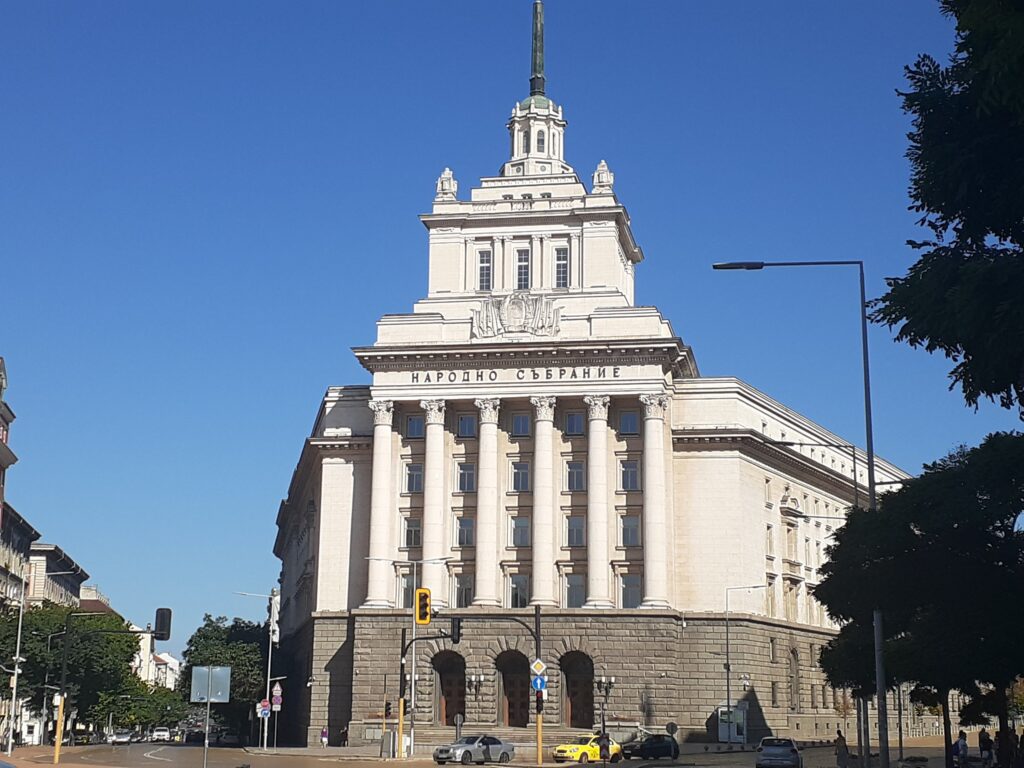
This is the unicameral parliamentary and legislative body of the Republic of Bulgaria. The beautiful, clean white building stands out from a great distance and is listed as an official cultural monument due to its immense historical importance.
14. Saint Petka Church
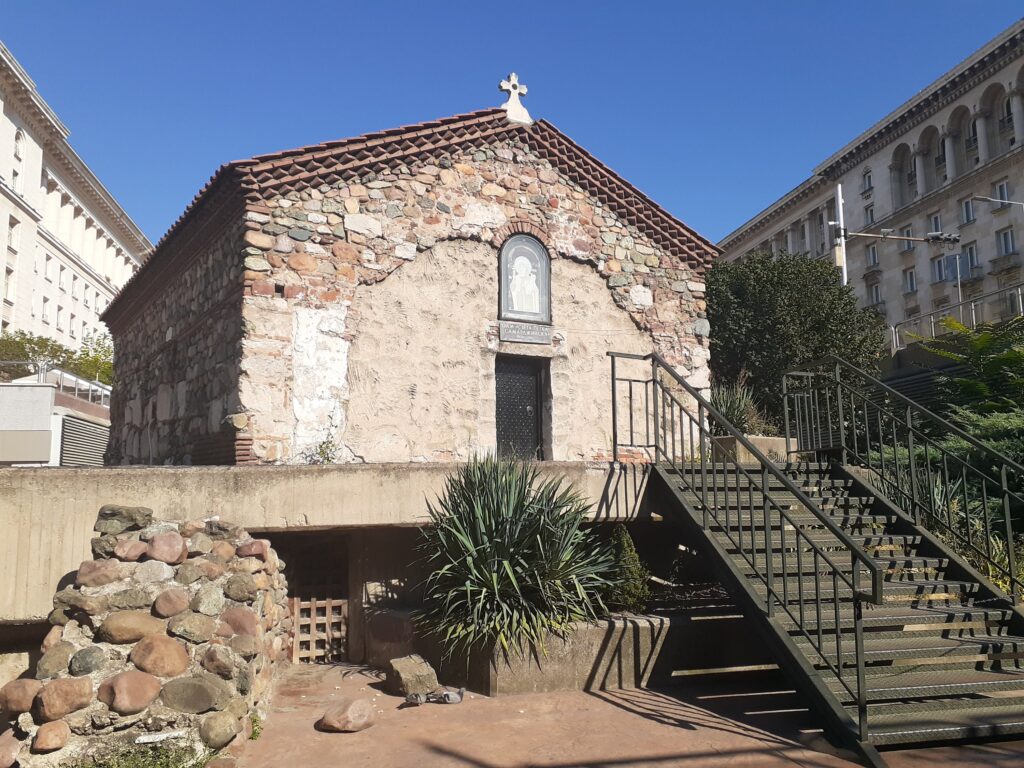
This tiny medieval Bulgarian Orthodox church was built in honor of the 11th-century Bulgarian saint Saint Petka. It stands on dug-out ground surrounded by the ancient site of Serdica, and its walls are uniquely constructed of thick stone and brick. We were told there is a beautiful floor mosaic inside, but unfortunately, it was locked when we visited.
15. Serdica Ancient Complex
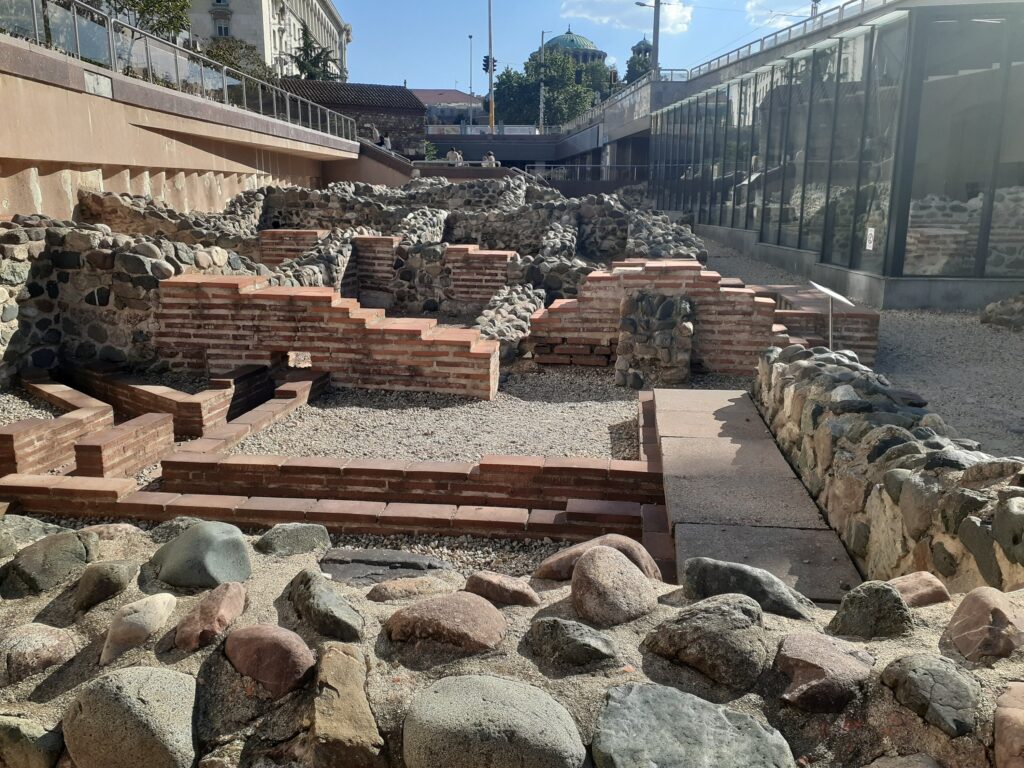
When Sofia expanded its metro system, workers accidentally uncovered the ancient Roman city of Serdica. Today, these 1st-to-6th-century streets, walls, mineral springs, and sewage systems are beautifully preserved under a massive protective glass roof in the underpasses.
Summer Warning: The underground complex acts like a greenhouse under the summer sun and gets incredibly hot during midday. We highly recommend visiting in the cooler morning or late evening hours.
16. Banya Bashi Mosque
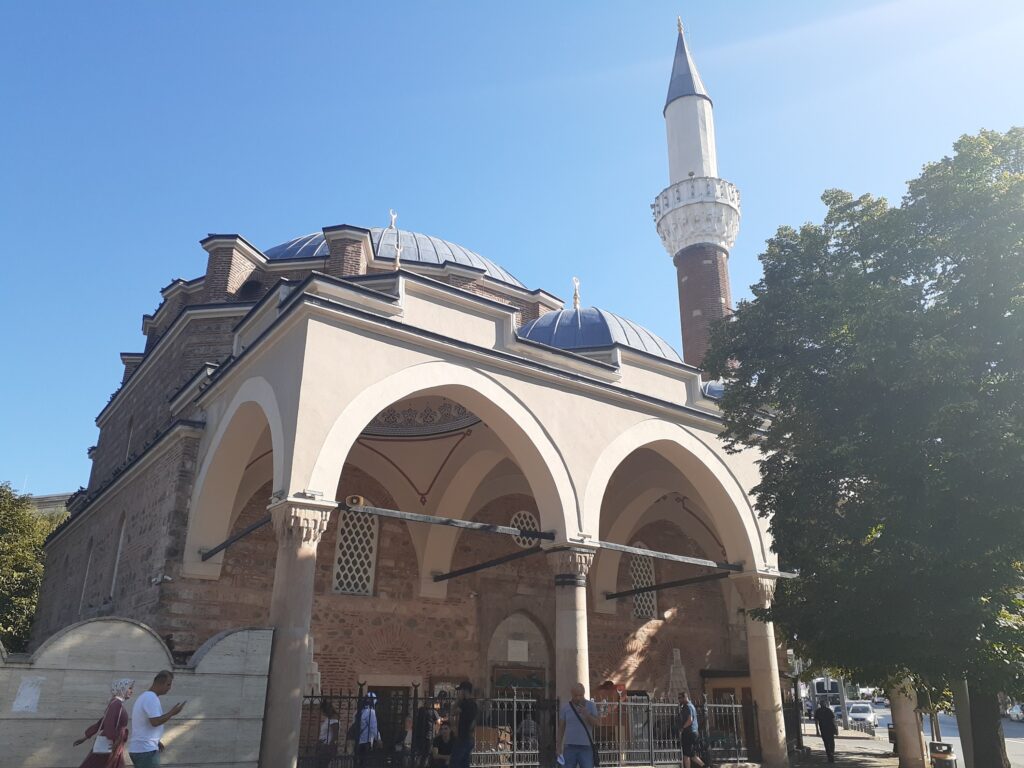
Built in 1566 during the Ottoman Empire, this is the only mosque in Sofia that still functions today. “Banya” means bathhouse in Turkish, as the mosque was uniquely constructed on top of a natural hot spring. The area is lined with churches, a mosque, and a synagogue, giving an impression of Sofia’s deep religious tolerance.
17. Sofia Synagogue
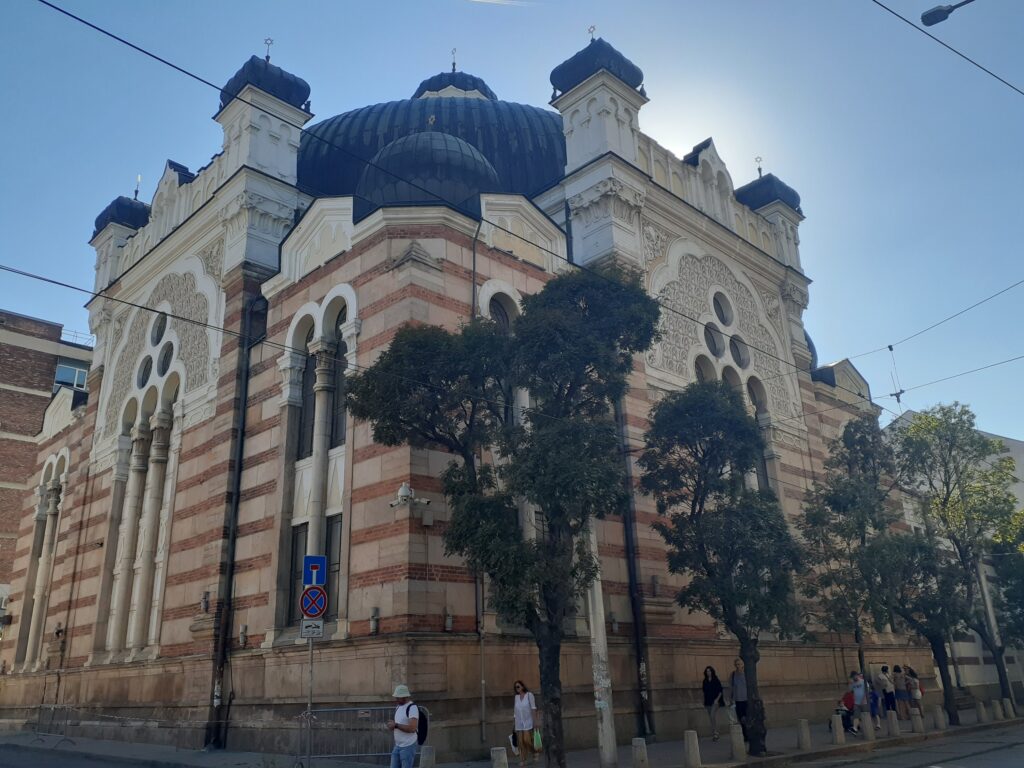
Opened in 1909, the Sofia Synagogue is the third-largest synagogue in Europe, with a maximum capacity of 1,300 people. It houses the largest brass chandelier in the country.
Photo Tip: The Synagogue faces west; taking photos in the afternoon results in heavy backlighting. Visit in the morning for the best lighting.
Where to Stay in Sofia: A Digital Nomad Gem
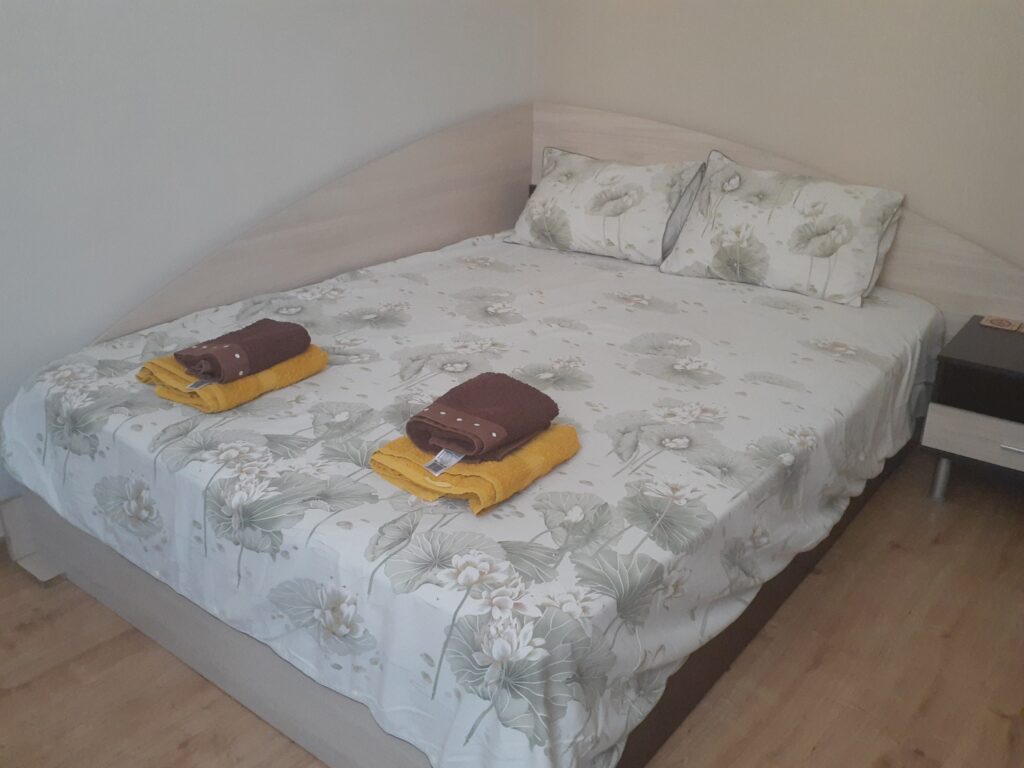
During our short stay, we booked the Budapest Digital Nomad Friendly Top Centre Apt.
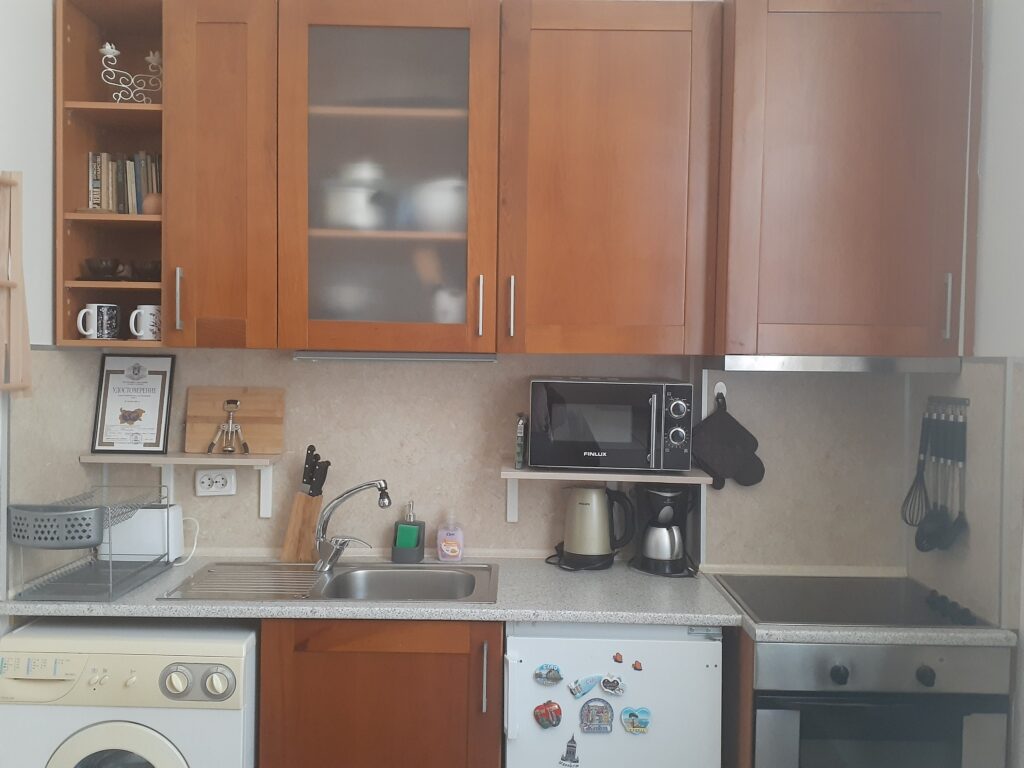
- The Setup: This is a private studio apartment rather than a traditional hotel, so there is no sign outside—everything is handled via online self-check-in.
- Why We Loved It: It features a fully equipped kitchen with cooking utensils and basic seasonings, making it incredibly easy to whip up your own meals right away.
- The Catch: Because it’s clean, central, and reasonably priced, it is highly popular among remote workers. We tried to extend our stay, but it was completely booked out! Book this one well in advance.
Heading to Your Next Destination?
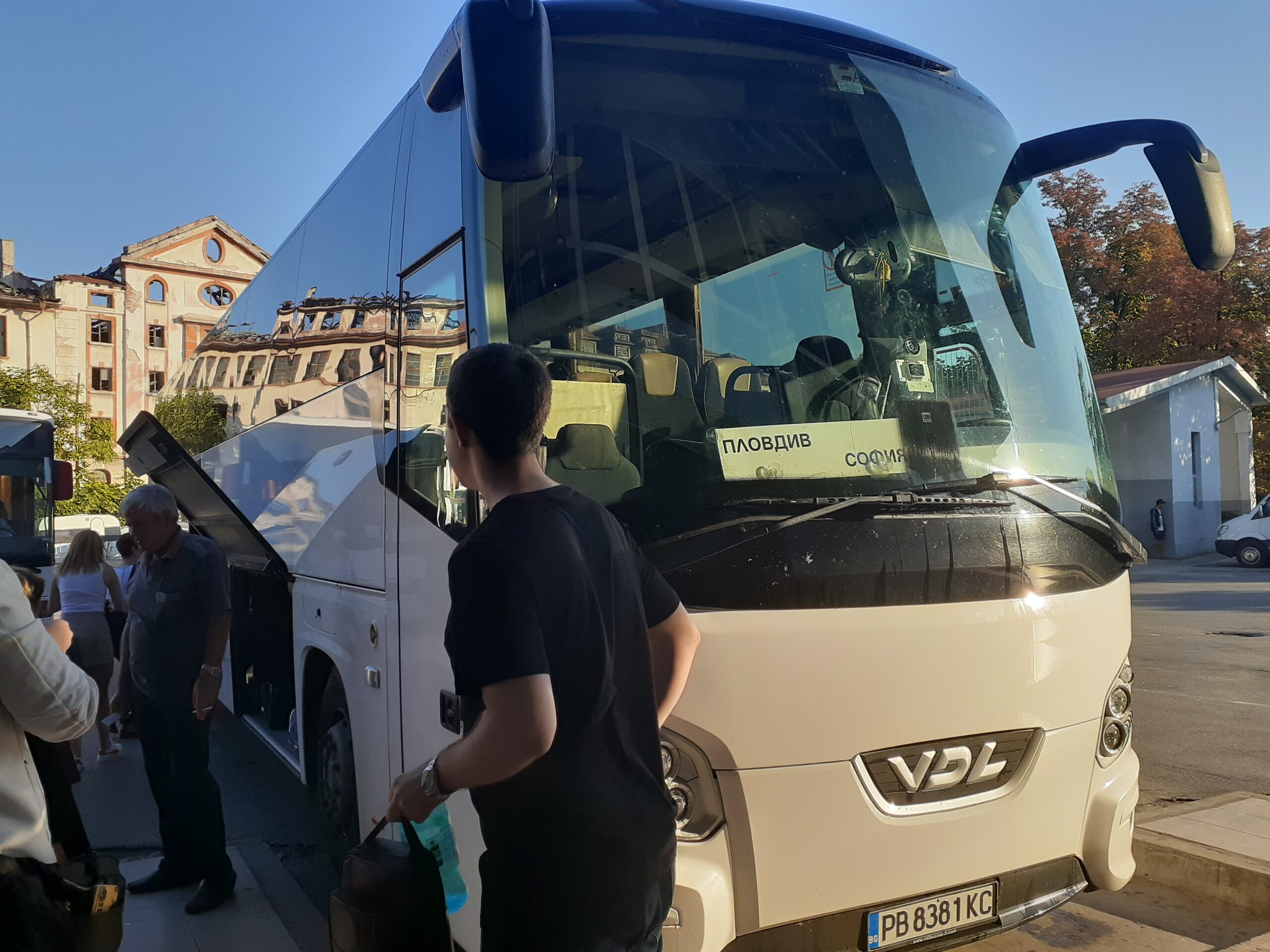
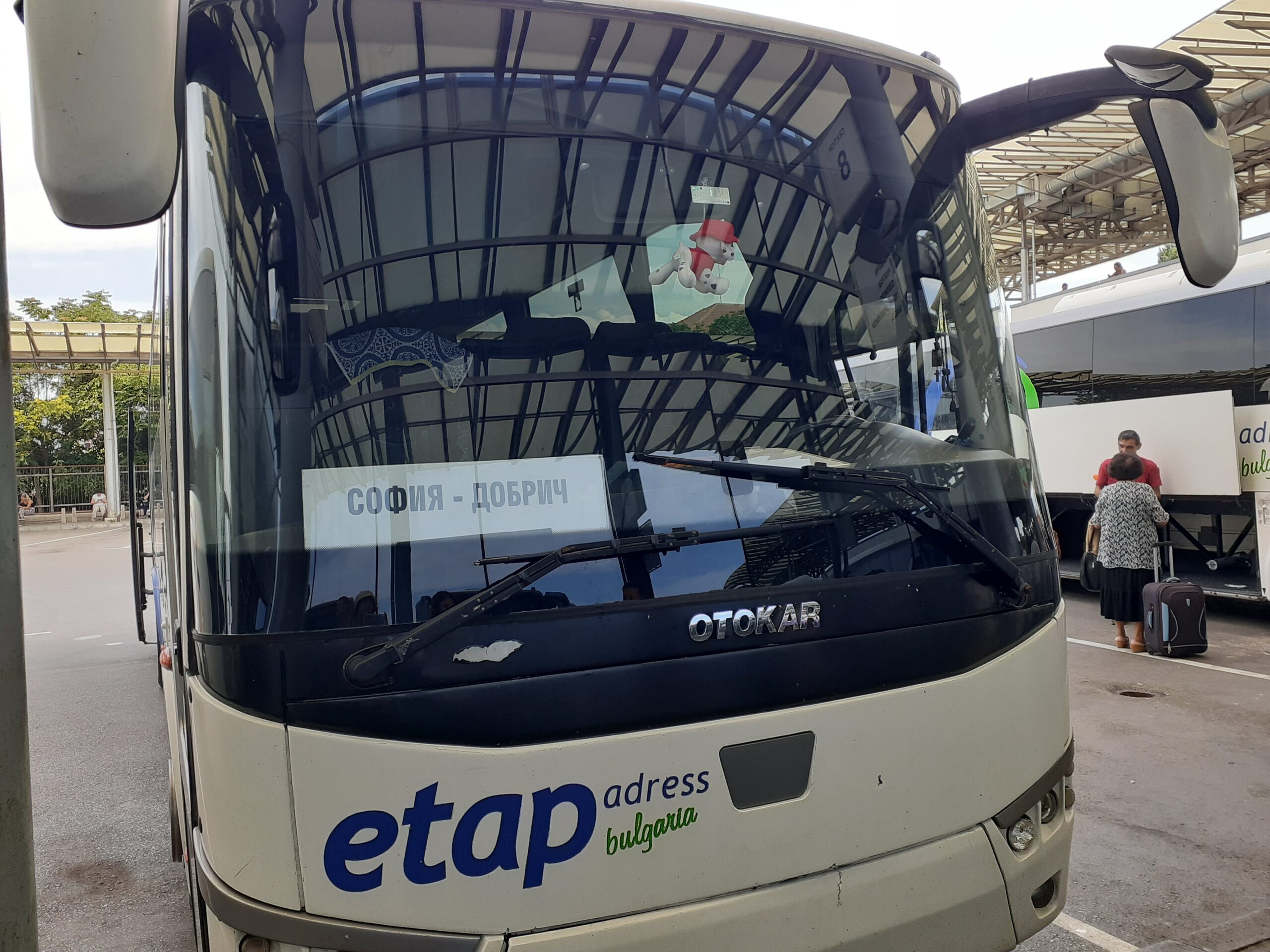
After a whirlwind 24 hours diving into the architectural wonders of Sofia, it was time to pack our bags and head toward the dramatic medieval valleys of north-central Bulgaria.
Find out why the bus beats the train, how to avoid sell-outs at the terminal, and how to navigate the local transport system in our next post:
➡ Next Post: Sofia to Veliko Tarnovo by Bus: A Complete Guide to Tickets, Schedules, and Luggage
Comment