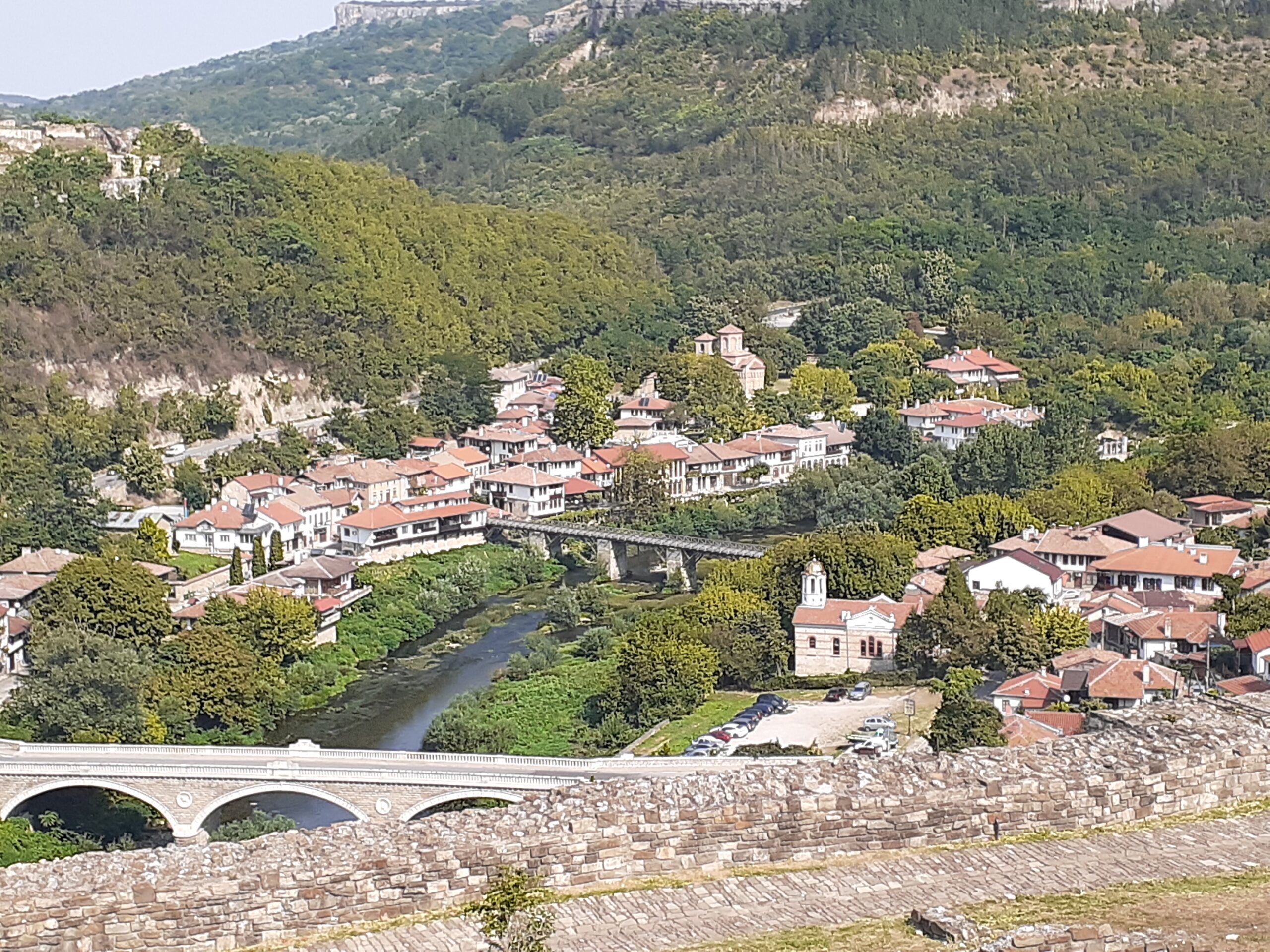
Perched dramatically across steep hills and divided by the winding Yantra River, Veliko Tarnovo is one of Bulgaria’s oldest and most captivating towns. With roots dating back to the 3rd millennium B.C., this mountain gem reached its golden age between the 12th and 14th centuries when it served as the glorious capital of the Second Bulgarian Empire.
Today, it is a paradise for backpackers and history lovers. We spent two nights here exploring its cobblestone winding streets, massive fortifications, and local food scene. Based on our daily walks, here is our comprehensive, independent guide to the ultimate highlights of Veliko Tarnovo, complete with honest budget tips and logistical advice.
🇯🇵 この記事を日本語で読む: 【ブルガリア】ヴェリコ・タルノヴォ観光完全ガイド!中世の古都の見どころ・おすすめ2日間モデルコース・格安グルメと宿のリアルレビュー
Veliko Tarnovo Fast Facts for Backpackers
- Population: ~70,000 (The capital of the Veliko Tarnovo Region).
- Recommended Stay: 2 nights is the perfect amount of time to see the main fortresses, hike the valleys, and enjoy the old town vibe without rushing.
- Navigation Tip: Download Maps.me before arriving. The town’s steep stairs and hidden alleyways are much more accurately mapped there than on Google Maps.
About Veliko Tarnovo
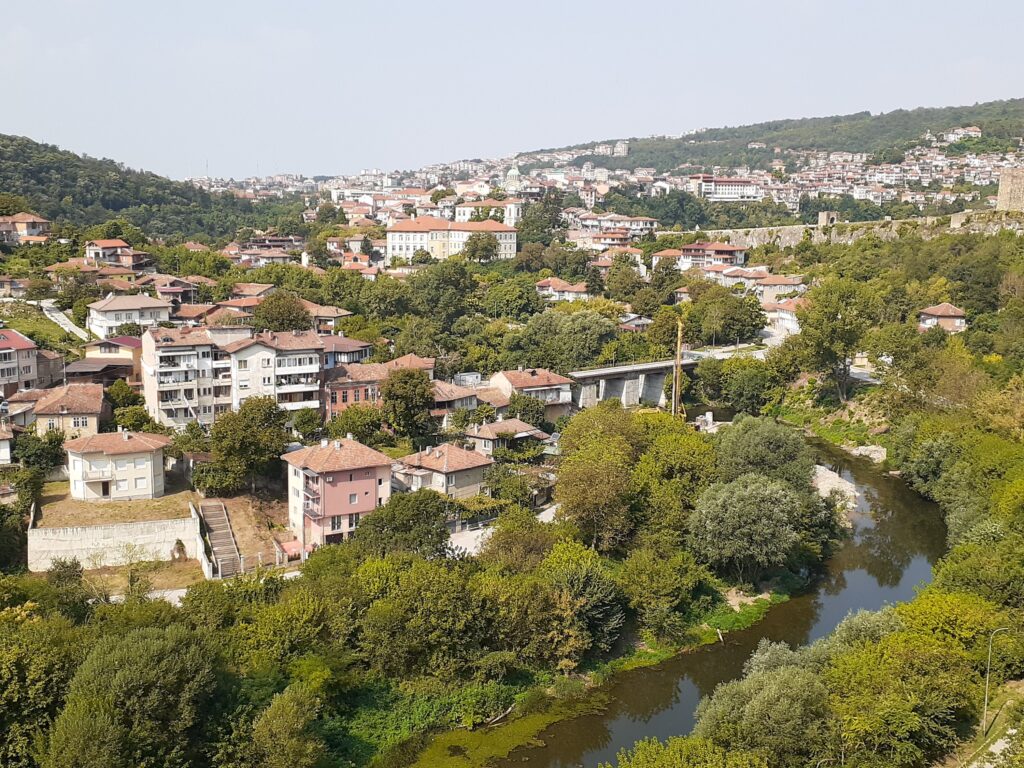
Veliko Tarnovo is a town in north-eastern Bulgaria and the capital of the Veliko Tarnovo Region. The city stretches along the Yantra River and has a population of approximately 70,000 (2021).
Veliko Tarnovo is one of the oldest towns in Bulgaria, with traces of human settlement dating back to the 3rd millennium B.C. In the 12th-14th centuries it was the capital of the Bulgarian Empire. Its historical monuments are an important tourist resource.
The Must-Visit Fortresses of Veliko Tarnovo
Tsarevets Fortress (The Crown Jewel)

- Admission: 10 Lev (~$5.50 USD) per person.
- Toilets: Available inside for a 1 Lev fee.
- Photography Tip: The fortress has three entrances, but tourists enter via the main West Gate. Visit in the afternoon for the best lighting conditions to photograph the gate and bridge.
The fortress is situated on Tsarevets Hill, 206 m above sea level. There are traces of human settlement in this area since the 2nd millennium BC. The construction of the fortress began in the 12th century and it played an important role as a bulwark of the Second Bulgarian Empire until it was completely conquered by the Ottomans in 1393.
The fortress has three entrances – north, south and west – with the main gate facing west. Tourists also enter from here. Therefore, the best time to take photos from the main gate is in the afternoon.
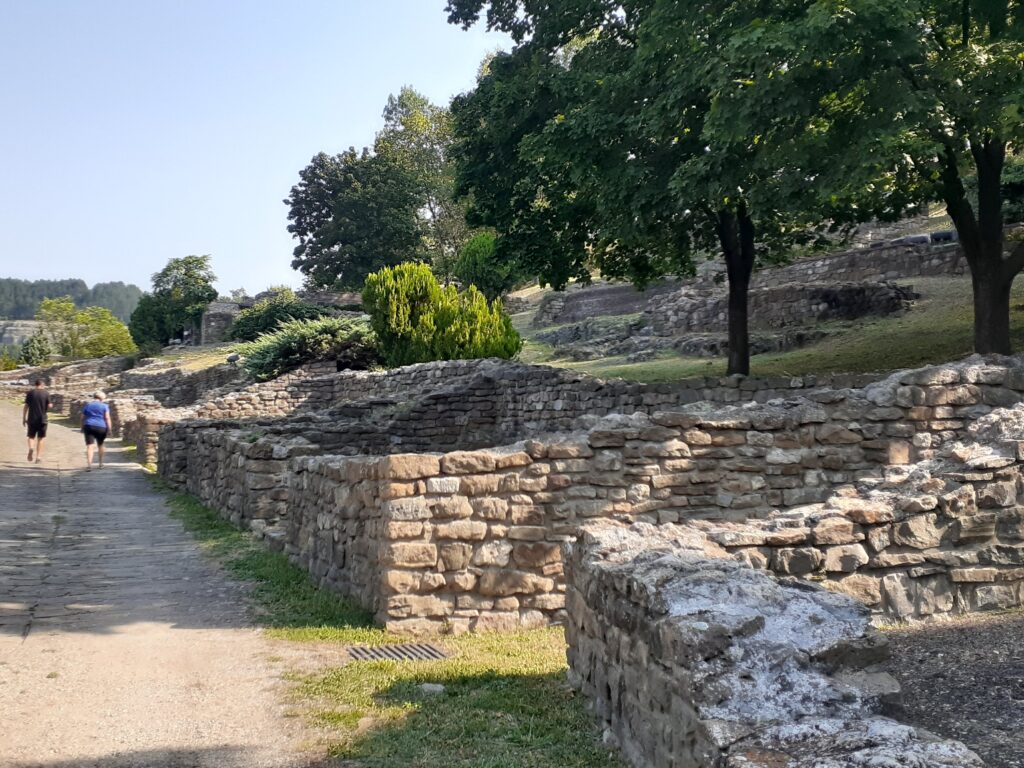
Within the fortress walls there is a complex containing several buildings, including a royal palace, an execution site, a church and battle towers, the foundations of which can be seen today.
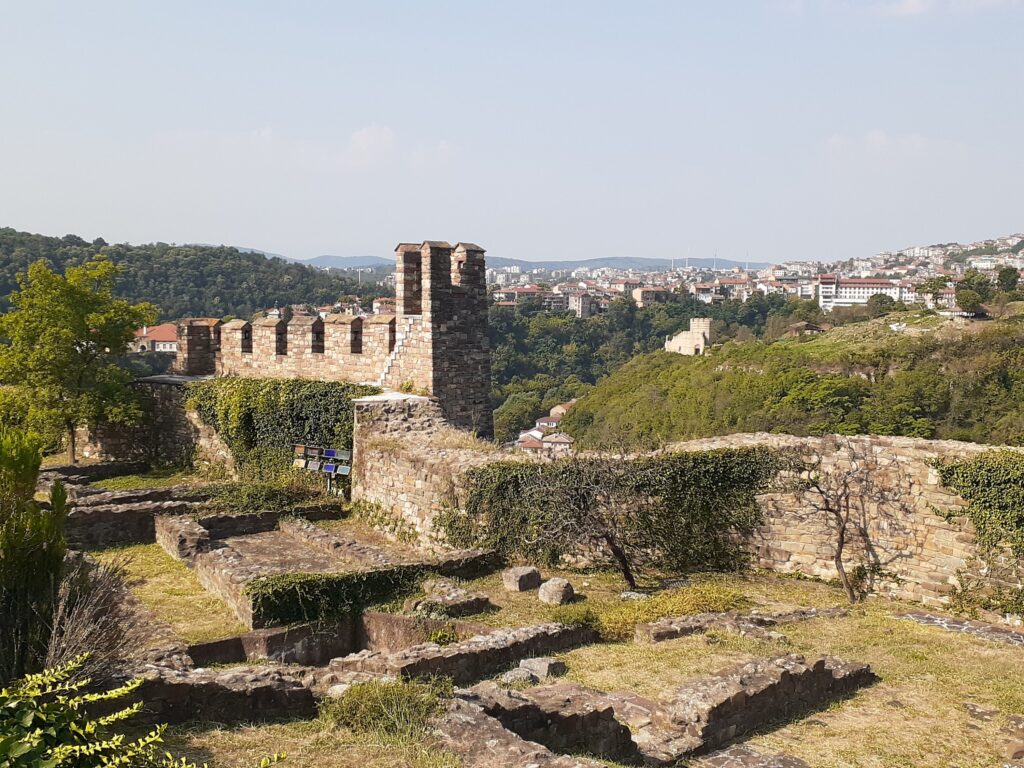
The Tsarevets fortress was burnt down by the Ottomans, but restoration began in 1930. It is now a well maintained tourist attraction and easy to walk around. An audio commentary in Bulgarian and English is automatically played as you approach the main buildings, although more explanatory notes in English would be appreciated. Entrance to Tsarevets Fortress costs 10 Lev per person. Toilets inside are chargeable and cost 1 lev per person.
Ascension Cathedral of the Lord (Ascension Cathedral)
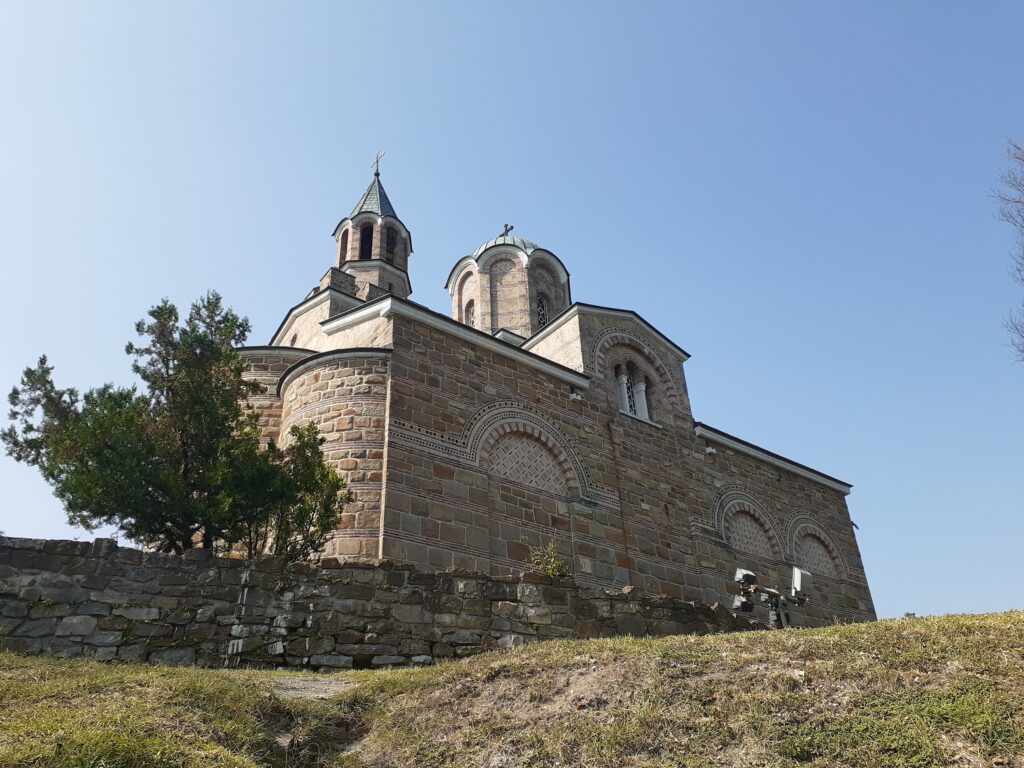
Located at the absolute highest point of Tsarevets Hill, this cathedral was rebuilt in 1985. Do not expect traditional golden icons here—the interior is famous for its striking, modern, and somewhat haunting contemporary murals depicting Bulgarian history.
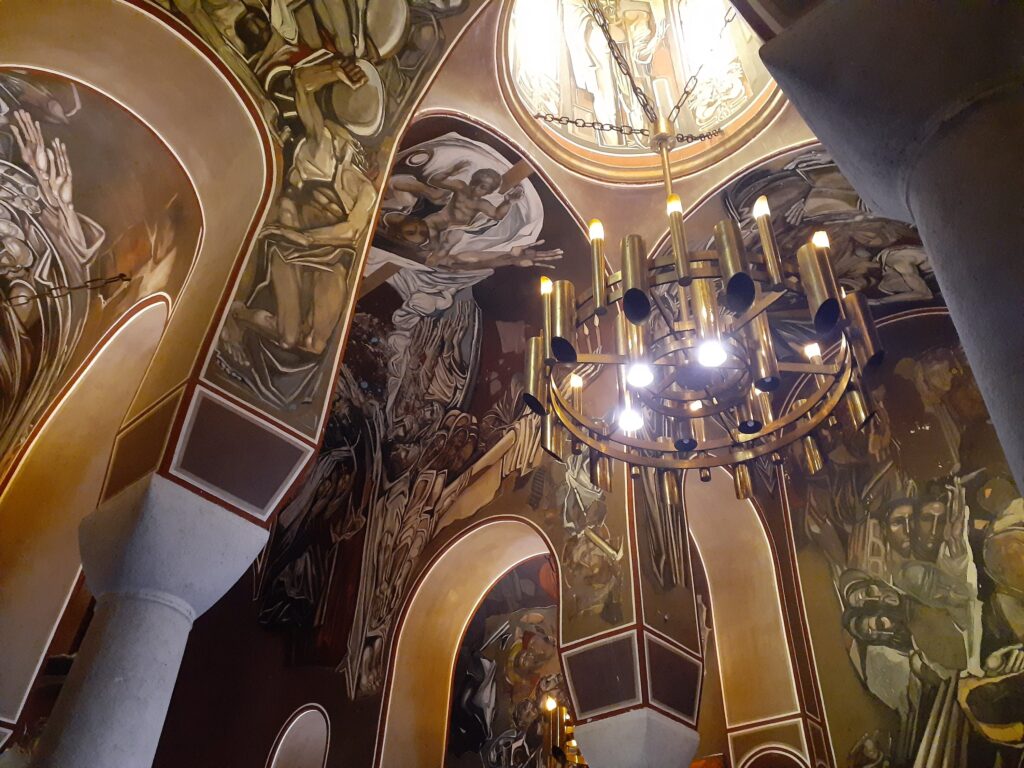
There also appears to be a lift to the viewing platform at the rear of the church, but it was closed when we visited. There is an additional charge for this service.
Baldwin’s Tower
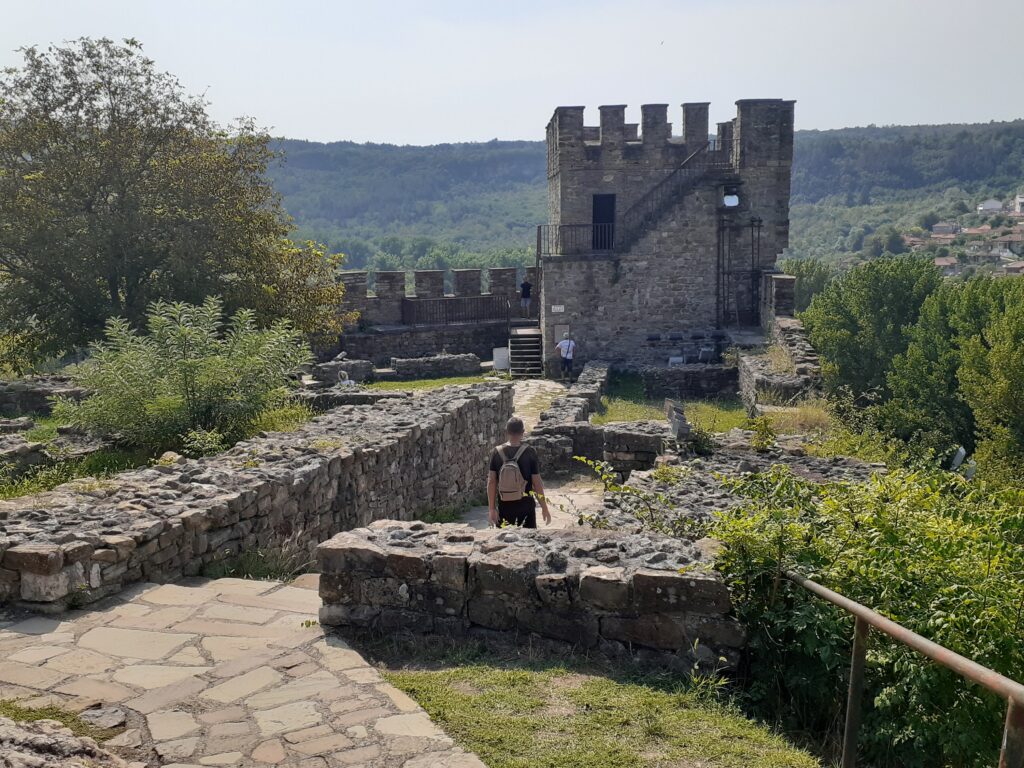
Rebuilt in 1930 as a modern architectural interpretation of a medieval defensive tower, you can climb the stone steps to the top of Baldwin’s Tower for the most commanding views of the sprawling fortress walls and the valley below.
Trapezitsa Fortress
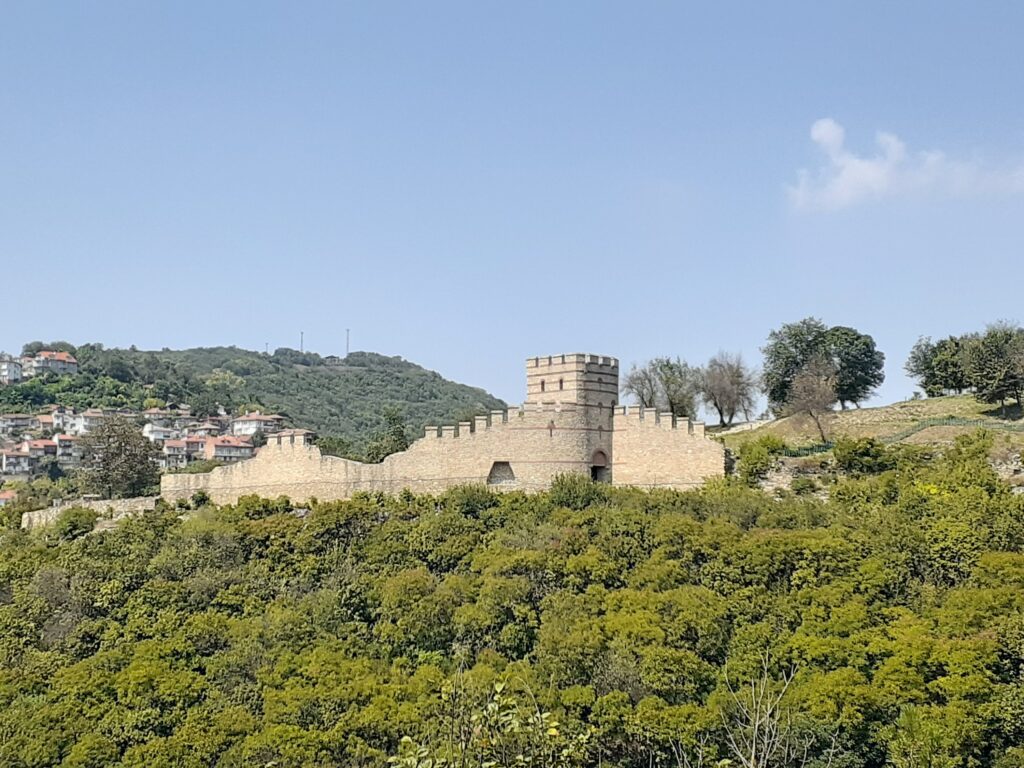
Situated on the hill directly opposite Tsarevets, Trapezitsa Fortress was the second most important stronghold during the empire’s golden age. Archeologists have found traces here dating all the way back to the 4th millennium B.C. (the Golden Age) and the Bronze Age. It offers a much quieter, less crowded alternative to Tsarevets.
Historic Churches & Old Town Landmarks
Holy Forty Martyrs Church
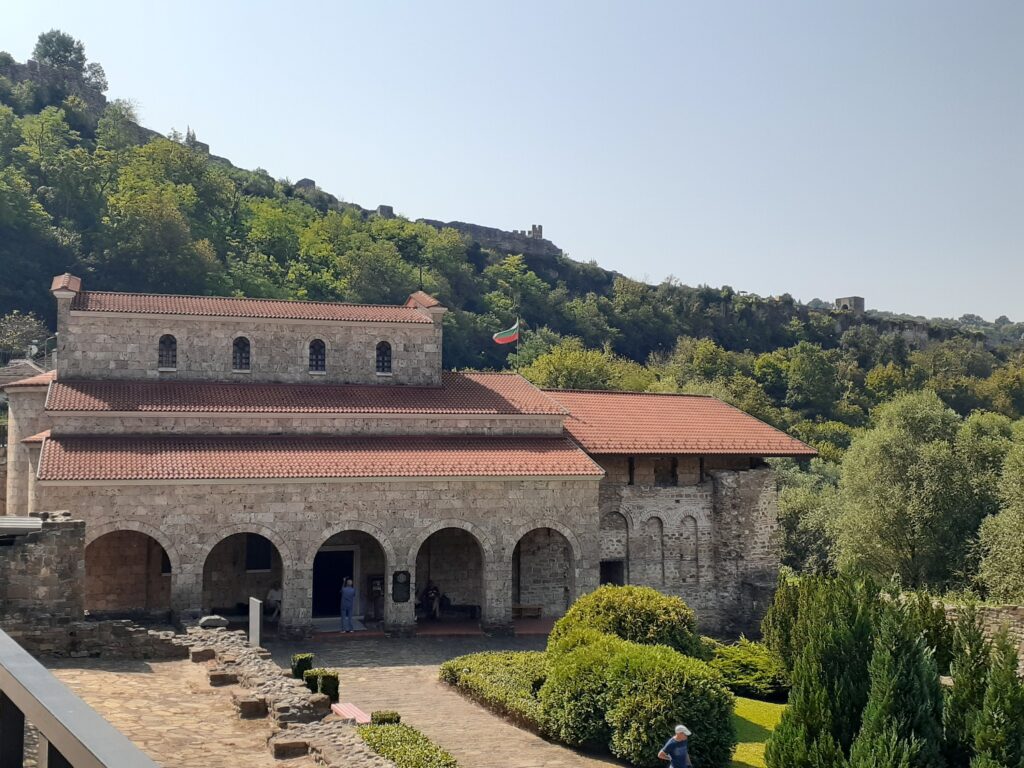
Located downhill near the main entrance to Tsarevets, the Holy Forty Martyrs Church is an Eastern Orthodox structure built in 1230 (Admission: 6 Lev).
Saint George church

Just nearby sits the tiny Saint George Church. Its simple exterior is covered in crawling grapevines, but ancient frescoes are preserved inside.

Normally, you can only enter Saint George with an official guide. We happened to walk up just as another traveler was entering with a guide, and we were luckily invited inside!
Bishop’s Bridge
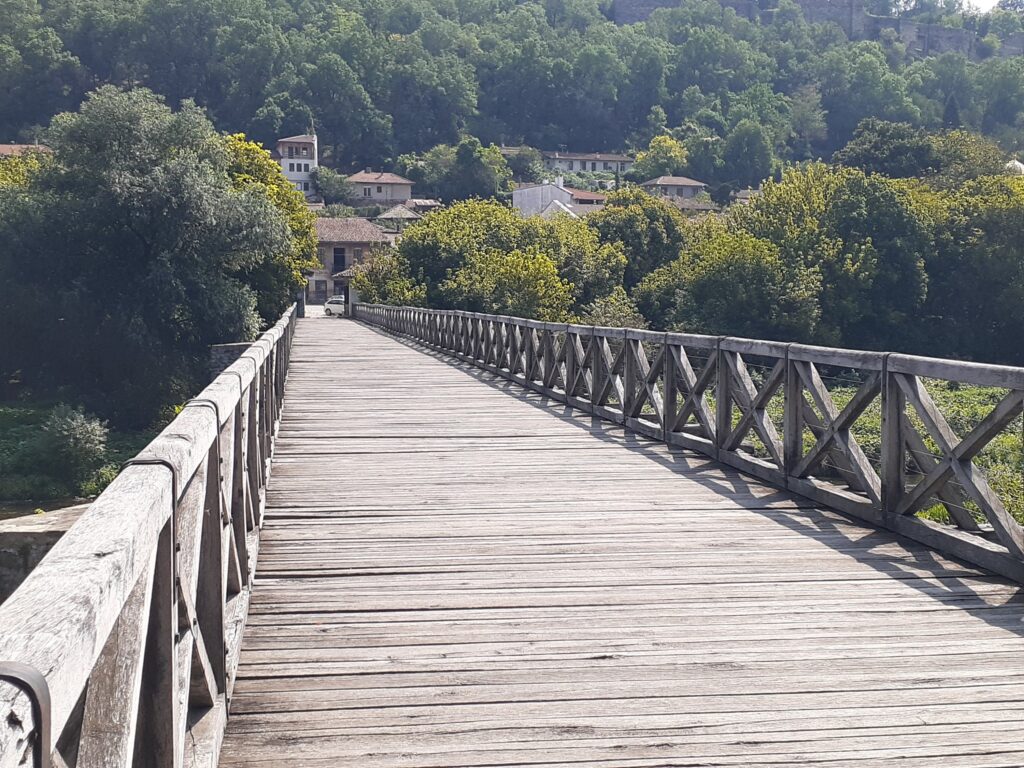
Completed in 1774, the Bishop’s Bridge looks like an old wooden bridge from afar, but it actually sits on sturdy stone foundations. It historically connected the two great fortresses and was once the sole road leading to the village of Arbanasi.
Church of Saint Demetrius of Salonica
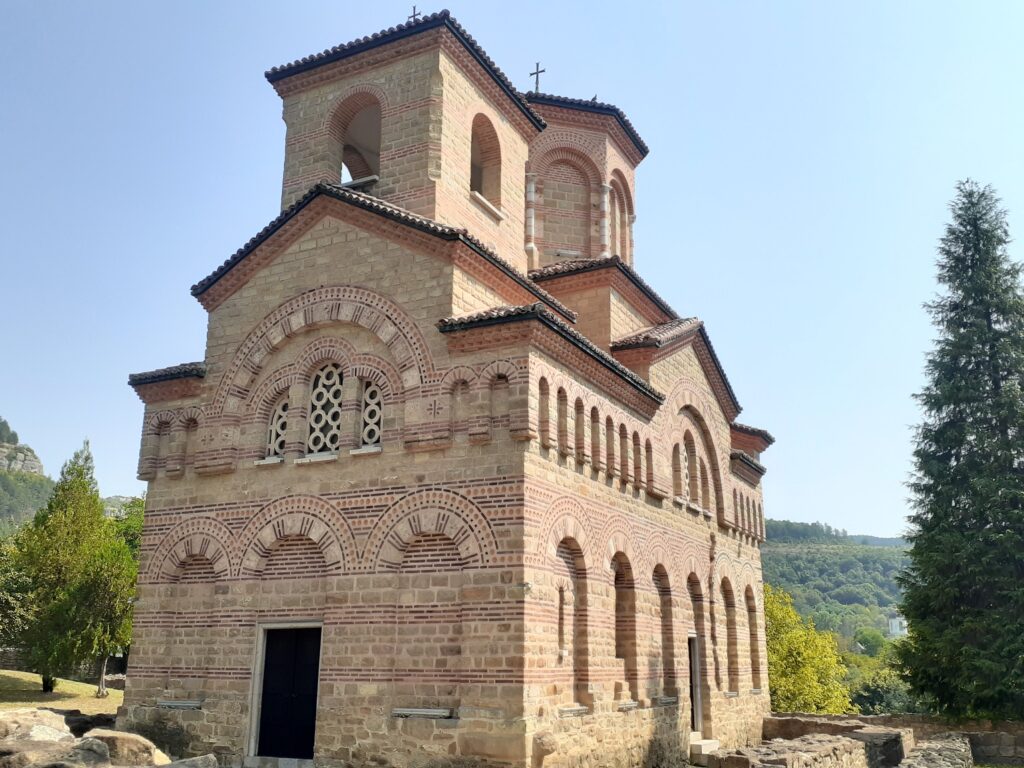
Right across the bridge sits the Church of Saint Demetrius of Salonica, featuring a beautiful alternating stone-and-brick pattern. Like Saint George, you can only view the interior with an official guide, so we snapped photos from the exterior.
Monument of Mother Bulgaria

In the modern center near the City Council sits the Monument of Mother Bulgaria, which is built to commemorate the Bulgarian victims of the Russo-Turkish War, the Serbian-Bulgarian War, the Balkan Wars and the First World War.
There is a small garden around the Monument of Mother Bulgaria. It is also located near the City Council and has become a symbolic statue of the city.
Nativity of Mary Cathedral Church

Nativity of Mary Cathedral Church is one of the oldest cathedrals in the city. It was built in 1844 on the site of an old church that originally stood here. It is characterised by its unique curved and decorated arches.
Hiking to the Village of Arbanasi
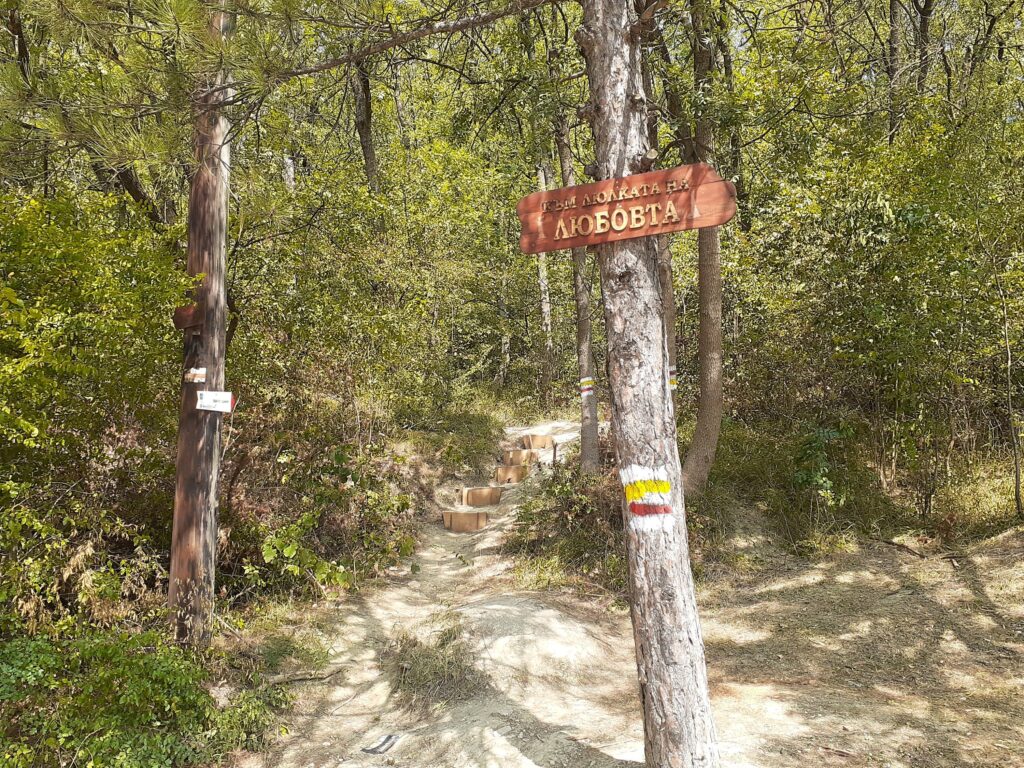
If you have a bit of extra energy, Arbanasi is a historic, architecture-rich village located northeast of town. There is a scenic hiking route leading from the northern edge of Veliko Tarnovo directly up to the village, making it a great day trip option. We attempted one of these trails, but be warned: it gets quite steep and rugged. We ended up giving up halfway through and heading back to town. If you want to tackle it, use Maps.me to track the paths accurately.
Where to Stay & Eat: Budget Traveler Reviews
Accommodation: Family Hotel Varusha
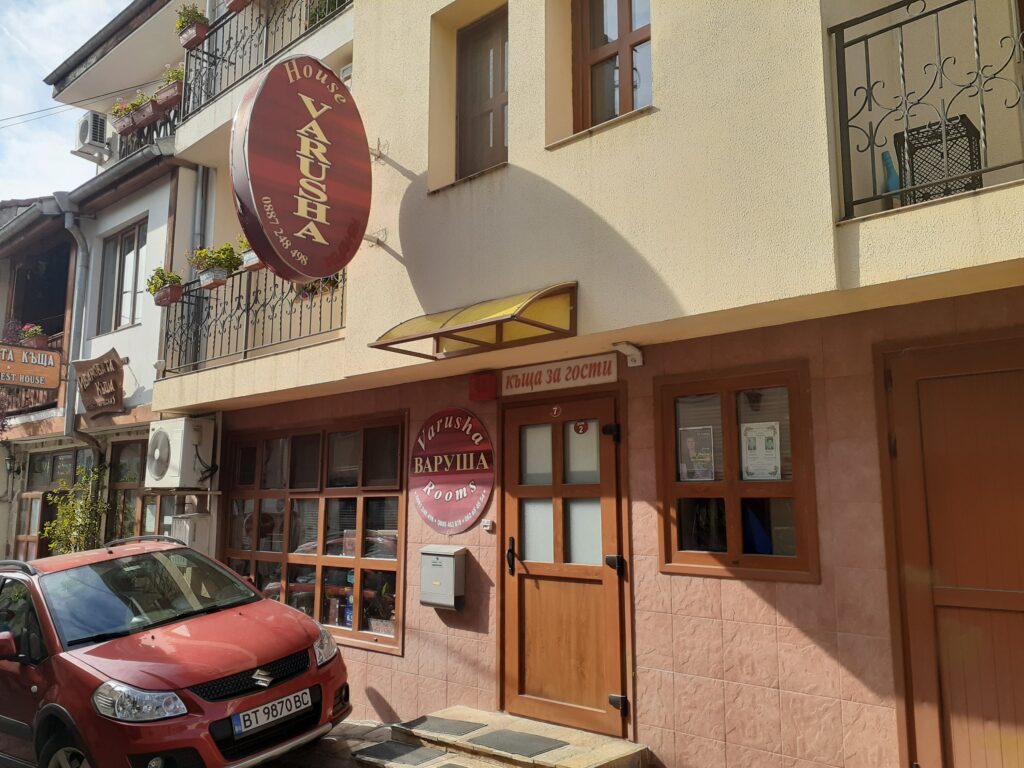
In Veliko Tarnovo, we stayed at the Family Hotel Varusha. It is a homely, family-run guesthouse.

WiFi is supposed to be available, but the router on the second floor where we happened to be staying was broken and the internet connection was shaky, and the water supply stopped while I was taking a shower. Apart from that, it was a lovely place to stay.
Budget Eats: Mehana Tihiyat kut
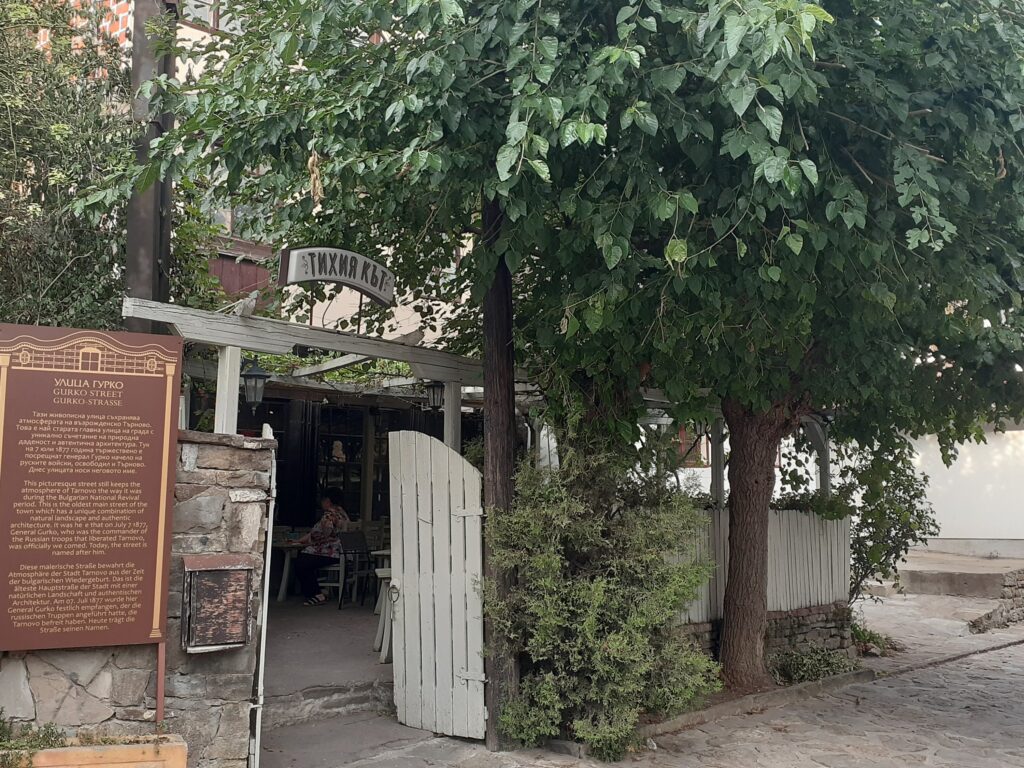
In Veliko Tarnovo, we had dinner at Mehana Tihiyat kut. The food was simple, but reasonably priced for the city’s tourist area.
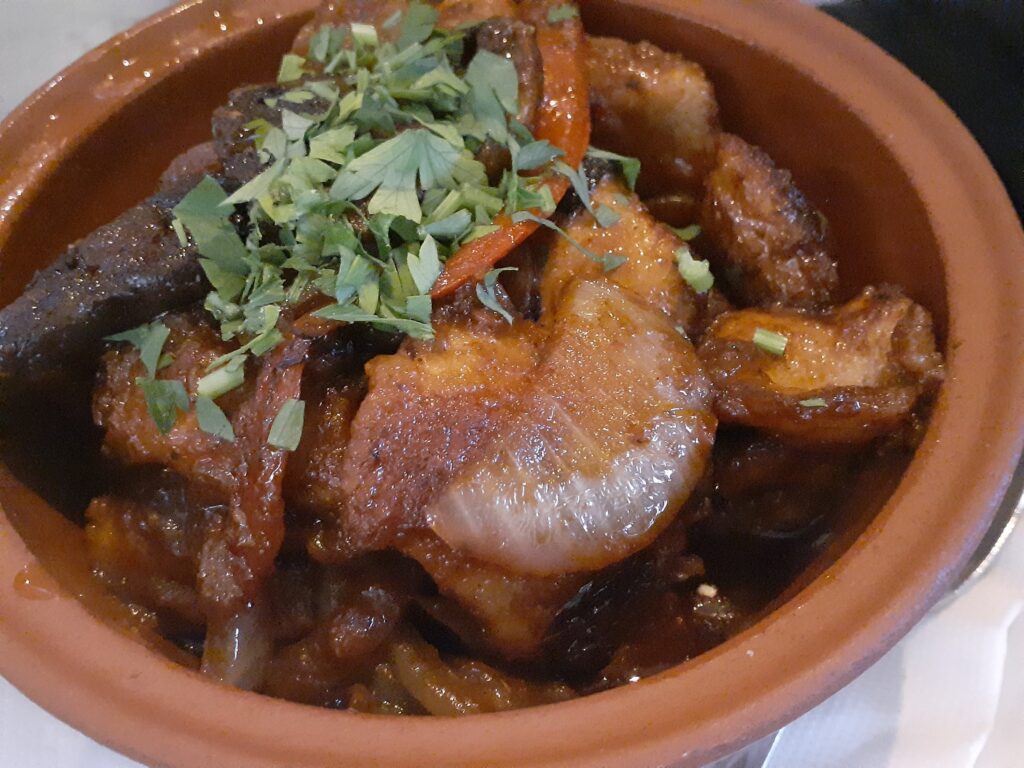
Draft beer 500 ml for less than 4 lev was cold. The staff spoke good English.
Where to Go Next?
Once you’ve conquered the hills of Veliko Tarnovo, the next logical step on the classic Balkan route is heading north into Romania. Did you know you can do this entire international journey seamlessly by rail?
To help you ensure a smooth journey, we’ve wrapped up all our real-world experiences—including how to find that hidden “Platform 5-3” at Gorna Oryahovica station and how to buy cheap tickets at the secret office in the old town—in our comprehensive transport guide below!
➡ Next Post: Veliko Tarnovo to Bucharest: Border Crossing by Train Guide

Comment