You have almost certainly seen the iconic imagery: misty wooden temples, shimmering neon alleyways, and majestic views of Mount Fuji framed by cherry blossoms. Japan has shot to the top of virtually every traveller’s wish list over the past few years—and quite rightly so.
However, if you are currently planning your very first trip, you have likely also heard about the mounting pressure of overtourism at headline destinations. Watching a sea of selfie sticks at Kyoto’s Fushimi Inari Shrine or shuffling shoulder-to-shoulder through Tokyo’s Senso-ji Temple is rarely the serene cultural immersion most people dream of.
If your ideal journey involves quiet moments, meaningful local encounters, and discovering places that feel truly alive rather than staged for mass tourism, do not despair. The authentic Japan you are searching for has not disappeared—it is simply resting peacefully just a few miles beyond the main tourist trail.
Here is our guide on how to dodge the crowds and experience a richer, deeper, and far more authentic side of Japan on your first visit.
- 1. Redefining “Authentic”: Look Beyond the Sightseeing Checklist
- 2. Master the “One-Station Away” Rule
- 3. Swap the Saturated Hotspots for Worthy Alternatives
- 4. Embrace Local Trains and Regional Journeys
- 5. How to Connect with Locals (Even Without Fluent Japanese)
- Final Thoughts: Crafting Your Own Authentic Journey
1. Redefining “Authentic”: Look Beyond the Sightseeing Checklist
When preparing for a first trip to Japan, it is easy to treat travel like a high-speed ticking exercise: Tokyo, Hakone, Kyoto, Osaka. Whilst these locations boast world-class historical sites, an authentic experience is not tied solely to famous landmarks.
Real Japanese culture thrives in everyday life:
- The quiet rhythm of a neighbourhood residential district in the early morning.
- A modest, family-run shokudo (diner) serving steaming bowls of regional noodles to local workers.
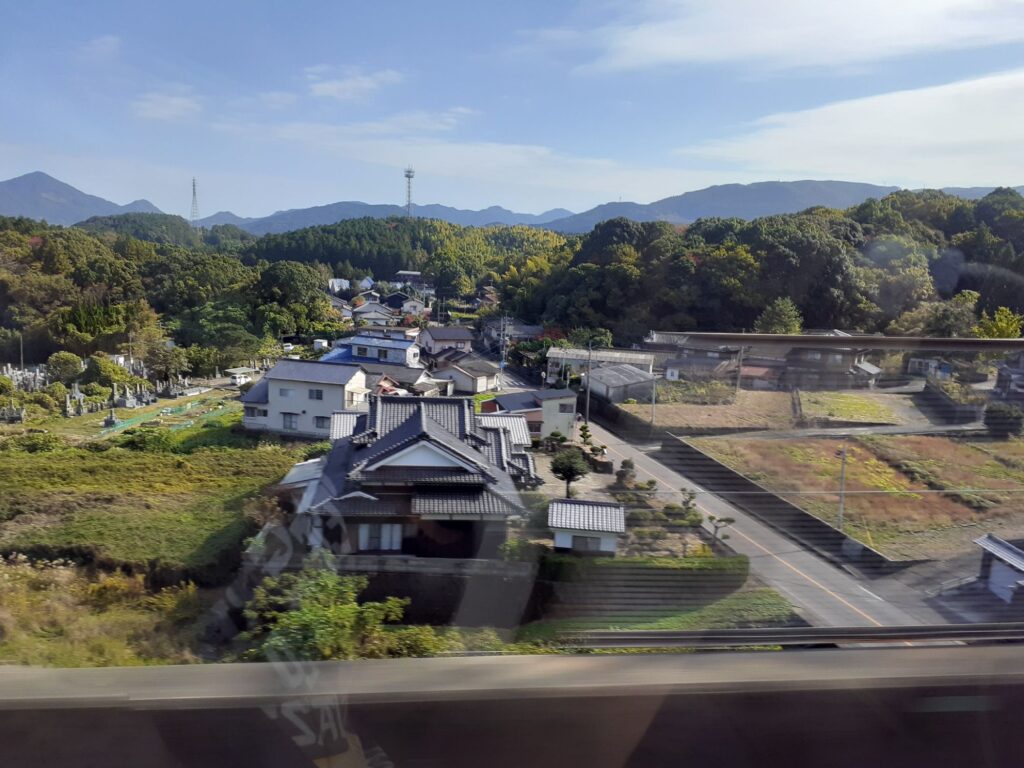
- The gentle chimes of a unattended rural train station nestled amongst forested hills.
Authenticity in Japan is found when you slow down and observe how people actually live, rather than simply visiting places built to process high volumes of holidaymakers.
2. Master the “One-Station Away” Rule
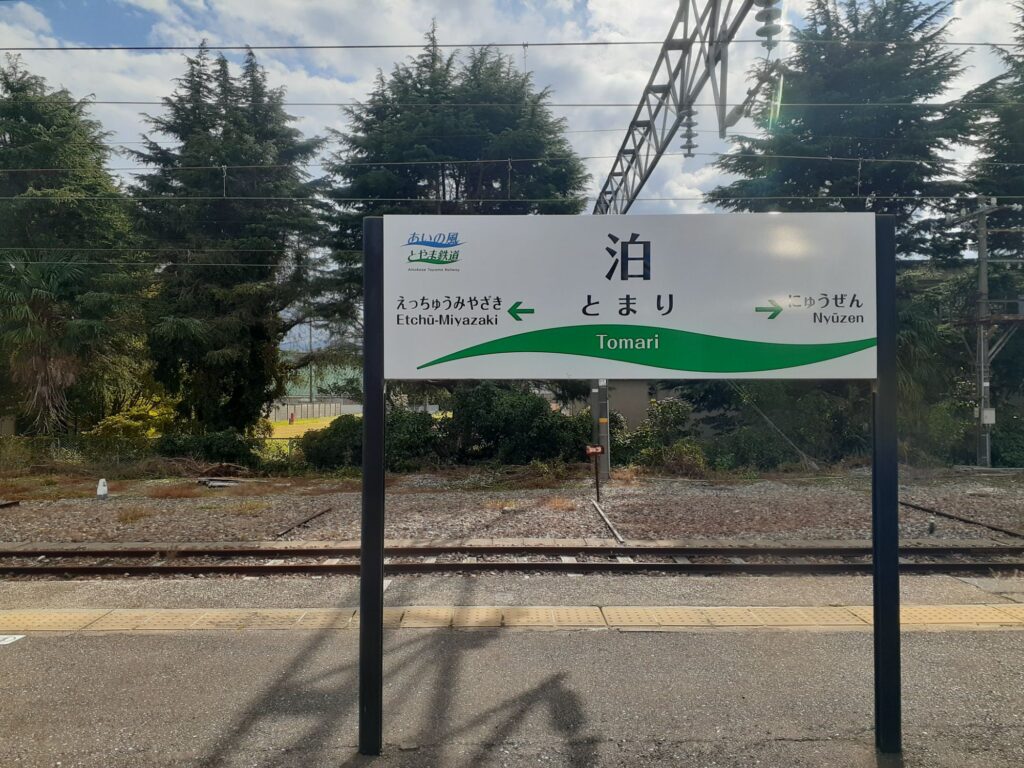
You do not need to journey into the absolute wilderness to find peace. One of the simplest travel hacks for avoiding crowds in Japan is what we call the One-Station Away Rule.
Major transit hubs and famous tourist quarters concentrate visitors into incredibly dense pockets. However, Japanese urban planning and public transport mean that stepping just one or two stops away on a local train line completely transforms the atmosphere.
- Instead of staying right by Kyoto Station or Gion: Book accommodation a couple of stops away on the local line towards Lake Biwa (such as Otsu in Shiga Prefecture). You get access to tranquil lakeside walks, ancient temples with virtually no queues, and a authentic sense of community—all whilst remaining just 10 to 15 minutes from central Kyoto.
- Instead of crowding into central Shinjuku: Explore calmer, character-rich residential neighbourhoods like Yanaka, West Ogikubo, or Kagurazaka, where independent craft shops, historic wooden housing, and cosy bakeries line the streets.
3. Swap the Saturated Hotspots for Worthy Alternatives
If you want to experience classic Japanese scenery without fighting for standing room, consider swapping the most over-promoted destinations for regional gems that offer identical magic with a fraction of the footfall.
Swap Hakone for the Tranquillity of Shima Onsen
Hakone is famous for its hot springs, but its proximity to Tokyo means it is frequently packed with tour buses. Instead, head north into the mountains of Gunma Prefecture to Shima Onsen. This historic hot-spring town boasts traditional wooden ryokan (inns), crystal-clear turquoise river waters, and atmospheric baths that feel miles away from modern commercialism.
Swap the Kyoto Crowds for the Waterways of Omihachiman
If Kyoto’s historic districts feel overwhelming, cross over into neighbouring Shiga Prefecture to visit Omihachiman. This elegant former merchant town features preserved canal ways lined with traditional reed beds and Edo-period storehouses. You can take a peaceful hand-punted boat tour along the waterways without hearing a single megaphoned tour guide.
Swap Lake Kawaguchiko for Fujinomiya
Viewing Mount Fuji from Lake Kawaguchiko often involves navigating heavy traffic and busy promenades. For a more grounded experience, travel to Fujinomiya on the southwestern slopes of the mountain. Here you can admire Mount Fuji rising above pristine spring-fed ponds at Fujisan Hongu Sengen Taisha shrine, sample famous local street food (Fujinomiya Yakisoba), and enjoy a genuinely relaxed local town vibe.
4. Embrace Local Trains and Regional Journeys
While the high-speed Shinkansen (bullet train) is an engineering marvel that every traveller should experience at least once, high-speed rail tends to whizz you directly from one crowded metropolis to the next.
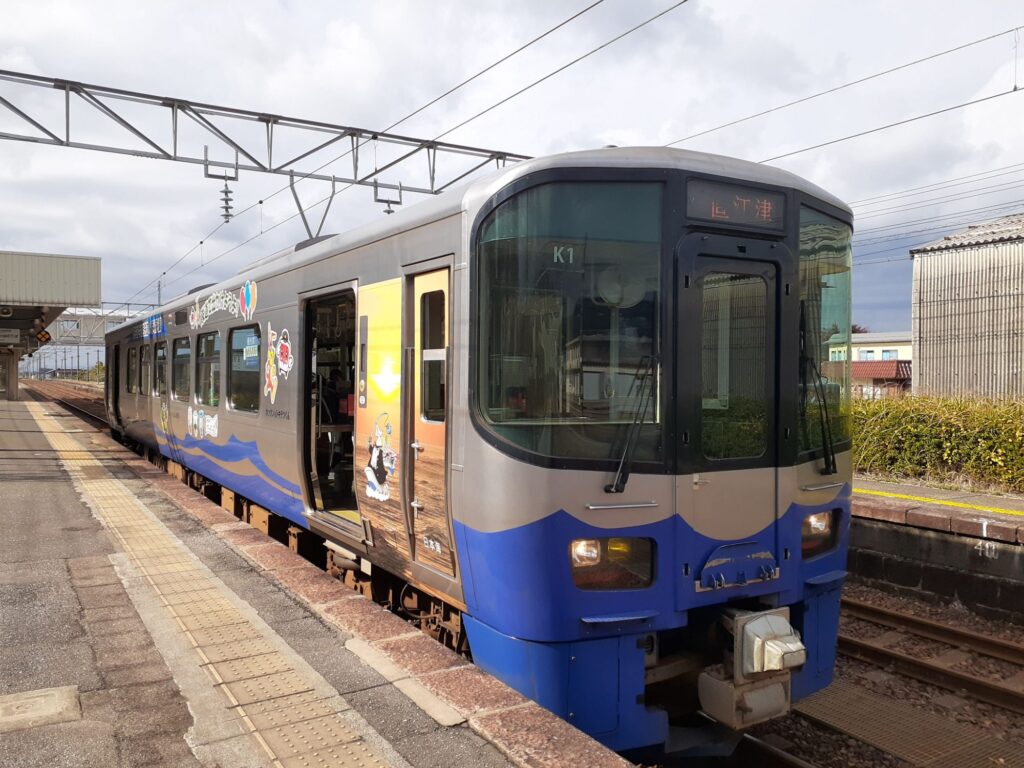
To discover hidden gems in Japan, build time into your itinerary for slow travel on local railway lines. Single-carriage diesel trains winding through coastal cliffs, rural valleys, and mountain passes offer front-row seats to the country’s stunning natural landscapes.
Taking a local train allows you to jump off whenever an interesting town or mountain backdrop catches your eye, giving you complete freedom to explore at your own pace.
5. How to Connect with Locals (Even Without Fluent Japanese)
Many first-time visitors worry that stepping off the well-trodden tourist route will lead to insurmountable language barriers. In reality, Japanese hospitality (Omotenashi) shines brightest in places that see fewer international tourists.
Here are three easy ways to foster warm, genuine local connections:
- Pull up a stool at a local Izakaya: These informal Japanese pubs are the beating heart of evening social life. Sit at the counter rather than a private table. Even with a basic vocabulary of “Arigato” (Thank you) and “Oishii” (Delicious), combined with translation apps, you will often find locals and friendly owners eager to share recommendations.
- Visit a Michi-no-Eki (Roadside Station): Found along regional travel routes, these community hubs sell farm-fresh local produce, regional crafts, and unique snacks you won’t find in big city supermarkets. It is one of the best places to sample authentic regional food culture.
- Respect local etiquette: A small bow, a polite greeting (Konnichiwa), and taking off your shoes where required will instantly mark you as a considerate guest, opening doors to wonderful, spontaneous interactions.
Final Thoughts: Crafting Your Own Authentic Journey
Finding an authentic Japan does not require you to completely strike famous cities off your list. It simply requires a slight shift in perspective.
By waking up early for a morning stroll, taking a chance on a local train, and choosing small regional towns over tourist traps, you will discover a side of Japan that is quiet, welcoming, and deeply memorable. Step slightly off the beaten track—your best travel stories are waiting there.


Comment