Looking to explore the best sightseeing spots in Aizuwakamatsu entirely on foot from the station?
Aizuwakamatsu, one of Fukushima Prefecture’s most iconic historic castle towns, packs its impressive samurai heritage, tragic feudal history, retro streetscapes, and historic sake breweries into a remarkably compact area. If you prefer to avoid waiting for buses and enjoy exploring on foot—especially if you love a good 10–20 km day walk—Aizuwakamatsu is a fantastic destination to discover at your own pace.
In this guide, we cover the town’s unique appeal, eight must-see attractions within walking distance of JR Aizuwakamatsu Station, how to get here from Tokyo, and why we chose Aizuwakamatsu as a key stop on our upcoming journey through North-East Japan.
🇯🇵 この記事を日本語で読む:【会津若松】駅から徒歩圏内で行けるおすすめ観光スポット8選!東京からのアクセスも解説
【Travel Plan Note】 We are planning a 13-day backpacking trip across North-East Japan in September 2026, and this post serves as our initial research and itinerary guide. Once we return from our trip, we will update this article with plenty of our own photos, walking impressions, and local insights. Stay tuned!
- What makes Aizuwakamatsu special? A Castle Town Steeped in History
- Top 8 Attractions Walking Distance from JR Aizuwakamatsu Station
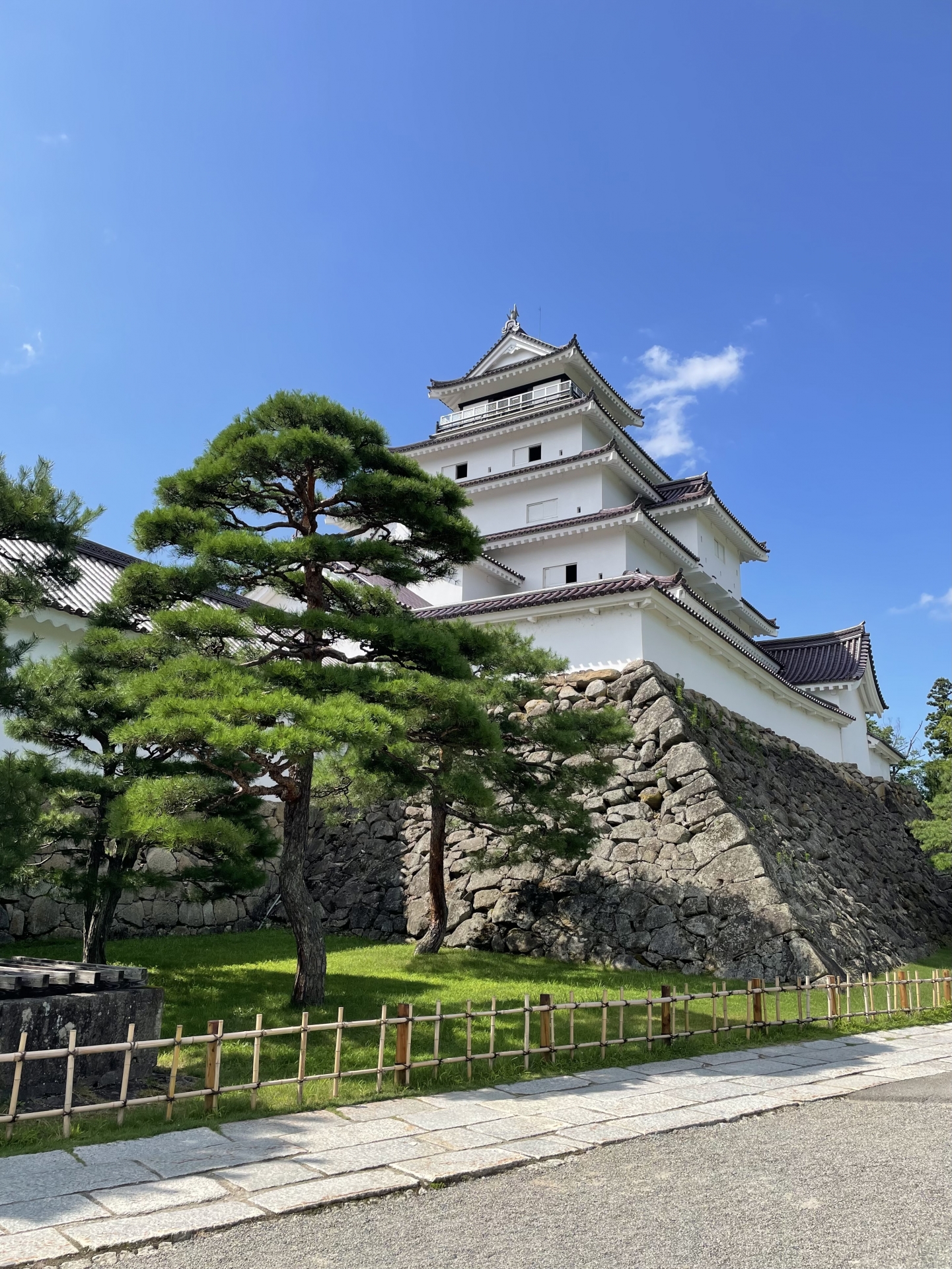
- 1. Tsuruga Castle (Wakamatsu Castle) | The Red-Tiled Symbol of Aizu
- 2. Mount Iimori (Iimoriyama) & The Byakkotai Graves | A Tale of Loyalty and Tragedy
- 3. Aizu Sazaedo | A Double-Helix Wooden Architectural Marvel
- 4. Oyakuen Garden | A Medicinal Herb Garden & Feudal Villa
- 5. Nanukamachi Street | Retro Storehouses and Craft Shops
- 6. Noguchi Hideyo Seishun Street | In the Footsteps of a Scientific Pioneer
- 7. Suehiro Sake Brewery (Kaeigura) | Tasting History at a Famous Brewery
- 8. Amida-ji Temple | Resting Place of a Legendary Shinsengumi Leader
- How to Get to Aizuwakamatsu from Tokyo
- Why We Chose Aizuwakamatsu for Our 13-Day Journey
- Summary: Explore Aizuwakamatsu on Foot
What makes Aizuwakamatsu special? A Castle Town Steeped in History
Located in the inland Aizu Basin of western Fukushima, Aizuwakamatsu is a celebrated castle town that flourished under the Aizu Domain during the Edo period.
To truly appreciate Aizuwakamatsu, it helps to understand its place in Japanese history—specifically its role in the Boshin War (1868–1869).
A Quick Guide to the Boshin War
The Boshin War was a civil conflict fought between the forces of the ruling Tokugawa Shogunate and those seeking to restore political power to the Emperor (the Meiji Restoration). The Aizu Domain remained fiercely loyal to the Shogunate. This culminated in the Battle of Aizu, a brutal month-long siege where local samurai and citizens made a tragic last stand to defend their homeland. Today, Aizuwakamatsu is deeply proud of this heritage, and reminders of samurai honour and sacrifice are preserved throughout the town.
Beyond its military history, Aizuwakamatsu is famous for Taisho-era (1912–1926) Western architecture, traditional merchant storehouses (kura), hand-painted candles, Aizu lacquerware, and local specialities like sauce katsu-don (pork cutlet with rich sauce over rice) and hand-cut buckwheat noodles (soba).
Top 8 Attractions Walking Distance from JR Aizuwakamatsu Station
If you enjoy exploring on foot without relying on bus timetables, all of these key sights can be linked together into a rewarding 10–15 km walking circuit starting from JR Aizuwakamatsu Station.
1. Tsuruga Castle (Wakamatsu Castle) | The Red-Tiled Symbol of Aizu
- Walking from JR Aizuwakamatsu Station: ~30–35 mins (2.5 km)
- Suggested Time: 1–1.5 hours
The undisputed headline attraction of the town. Tsuruga Castle earned its reputation as an impregnable fortress after enduring a month of heavy artillery bombardment during the Boshin War.
Rebuilt to match its 19th-century appearance, it is the only castle in Japan featuring authentic red-roof tiles (akagawara). The interior houses a fascinating museum detailing local samurai history, and the top level offers sweeping panoramic views of the Aizu Basin and surrounding mountains. Within the castle grounds, you can also visit Rinkaku, a historic tea room associated with the son of legendary tea master Sen no Rikyu.
- Spot Info
- Address: 1-1 Otemachi, Aizuwakamatsu, Fukushima
- Highlights: Red-tiled keep, historical museum, Rinkaku Tea Room, stone wall masonry
2. Mount Iimori (Iimoriyama) & The Byakkotai Graves | A Tale of Loyalty and Tragedy
- Walking from JR Aizuwakamatsu Station: ~25 mins (2.0 km)
- Suggested Time: 40 mins–1 hour
Alongside Tsuruga Castle, Mount Iimori is essential for understanding Aizu’s history. It is the site where 19 teenage samurai from the Byakkotai (White Tiger Force) committed ritual suicide (seppuku) during the Boshin War after seeing their castle enveloped in smoke from afar, mistakenly believing all was lost.
Climbing the steps to the hilltop leads to the graves of the 19 young soldiers. Looking out towards the town from this quiet vantage point offers a poignant connection to the past.
- Spot Info
- Address: Yahatabentenka, Ikkimachi, Aizuwakamatsu, Fukushima
- Highlights: Graves of the 19 Byakkotai soldiers, Tonokuchi-sekki Cave canal, Byakkotai Memorial Museum
3. Aizu Sazaedo | A Double-Helix Wooden Architectural Marvel
- Walking from JR Aizuwakamatsu Station: ~25 mins (Located on Mount Iimori)
- Suggested Time: 20–30 mins
Nestled on the slope of Mount Iimori, Aizu Sazaedo is a 16-metre-tall, hexagonal wooden pagoda built in 1796 (designated an Important Cultural Property).
Its crowning glory is its double-helix slope structure, which ensures that visitors walking up never cross paths with those walking down. It is an extraordinary piece of 18th-century woodwork and a delightful architectural curiosity to explore inside.
- Spot Info
- Address: 1404 Yahatabentenka, Ikkimachi, Aizuwakamatsu, Fukushima
- Highlights: Unique double-helix wooden ramp, original Edo-period craftsmanship
4. Oyakuen Garden | A Medicinal Herb Garden & Feudal Villa
- Walking from JR Aizuwakamatsu Station: ~30 mins (Easy to combine between Mount Iimori & Tsuruga Castle)
- Suggested Time: 40 mins–1 hour
Oyakuen is a classical Japanese landscape garden originally developed as a villa for the lords of the Aizu Domain. Its name (Oyakuen translates to “Medicinal Herb Garden”) comes from the domain’s initiative to cultivate medicinal plants to protect the local population from disease.
At its centre lies a serene pond surrounded by manicured trees, walking paths, and quiet tea houses where you can rest your feet and enjoy a bowl of matcha green tea or traditional herbal tea.
- Spot Info
- Address: 8-1 Hanaharumachi, Aizuwakamatsu, Fukushima
- Highlights: Strolling landscape garden, historic tea pavilion, medicinal plant beds
5. Nanukamachi Street | Retro Storehouses and Craft Shops
- Walking from JR Aizuwakamatsu Station: ~15 mins (Right outside JR Nanukamachi Station)
- Suggested Time: 40 mins–1.5 hours
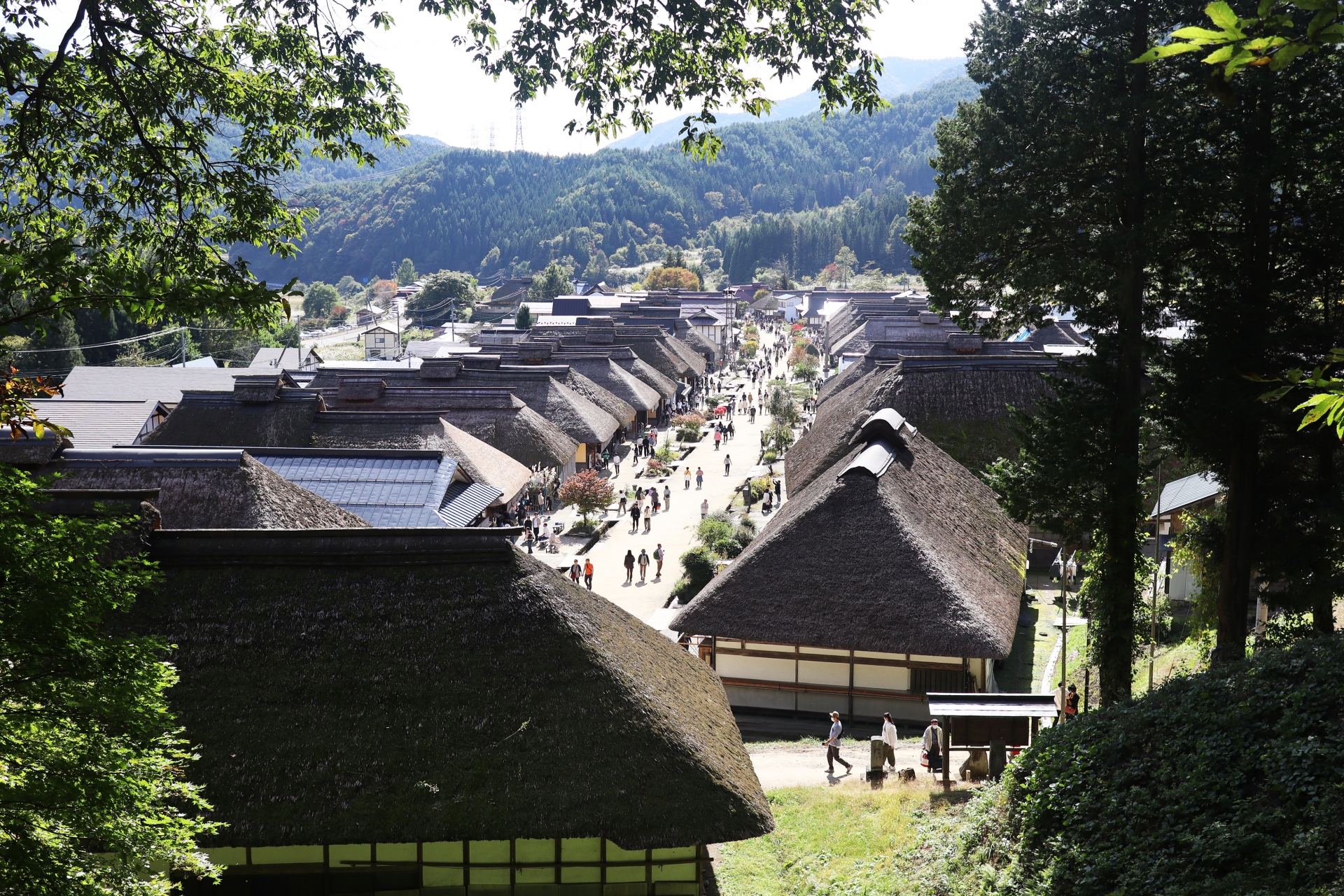
Historically a vital trade artery into the castle town, Nanukamachi Street is lined with Taisho-era buildings, traditional merchant storehouses (kura), and vintage storefronts.
Today, it is a delightful area for a stroll, filled with traditional lacquerware boutiques, Japanese confectionery shops, hand-painted candle workshops, and characterful café conversions. Exploring the small side alleys off the main strip reveals quiet glimpses of everyday local life.
- Spot Info
- Address: Nanukamachi, Aizuwakamatsu, Fukushima
- Highlights: Taisho-Roman architecture, kura cafes, Aizu lacquerware & hand-painted candles
6. Noguchi Hideyo Seishun Street | In the Footsteps of a Scientific Pioneer
- Walking from JR Aizuwakamatsu Station: ~15 mins
- Suggested Time: 30 mins–1 hour
Named after Dr Hideyo Noguchi—the world-renowned bacteriologist featured on the 1,000-yen note—this cobblestone street is where he spent his formative youth and underwent surgery on his hand that inspired his medical career.
The former Kaiyo Hospital where he studied has been preserved as the Noguchi Hideyo Seishun-kan, featuring a charming vintage coffee shop (Aizu Ichibankan) on the ground floor. It is an ideal spot to stop for a freshly brewed coffee amidst historic Western-style architecture.
- Spot Info
- Address: Nakamachi / Omachi, Aizuwakamatsu, Fukushima
- Highlights: Noguchi Hideyo Seishun-kan (Aizu Ichibankan cafe), stone-paved streetscape
Who was Hideyo Noguchi?
Dr Hideyo Noguchi (1876–1928) was a world-renowned Japanese bacteriologist famous for his research into yellow fever and syphilis. Born into poverty in Fukushima, he overcame a severe burn injury to his left hand as a child to become a prominent scientist, working extensively at the Rockefeller Institute in New York. His portrait featured on the Japanese 1,000-yen banknote from 2004 to 2024.
7. Suehiro Sake Brewery (Kaeigura) | Tasting History at a Famous Brewery
- Walking from JR Aizuwakamatsu Station: ~20 mins (Just off Nanukamachi Street)
- Suggested Time: 40 mins–1 hour
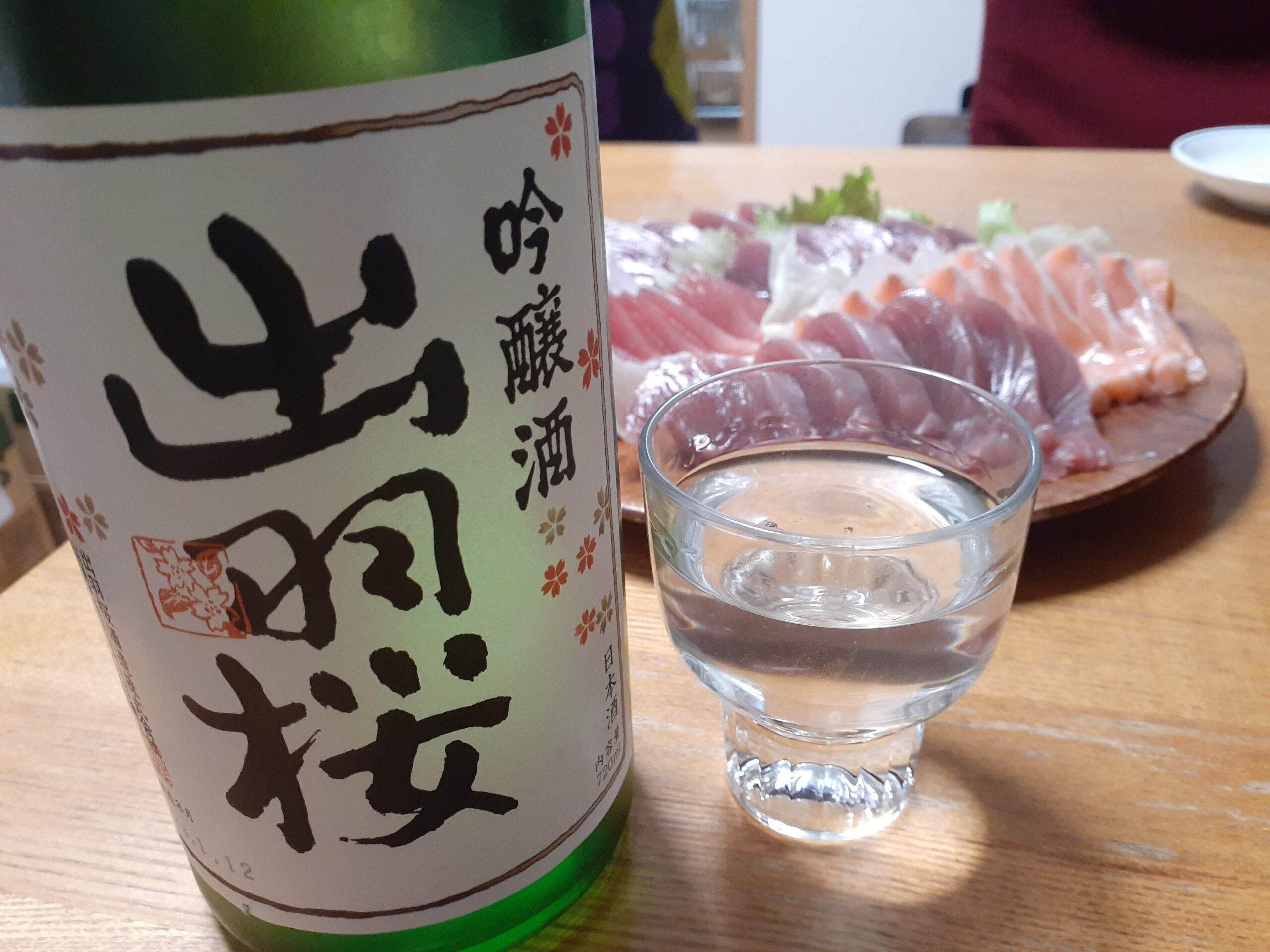
Fukushima is world-famous among sake enthusiasts, and Suehiro Sake Brewery (founded in 1848) is one of the region’s premier historic producers.
They offer free guided walks through their atmospheric wooden brewery buildings, explaining the traditional brewing process. Afterwards, you can enjoy a tasting flight of local sakes or relax at their on-site café, which serves specialty coffee brewed with pure mountain water used in their sake production.
- Spot Info
- Address: 12-38 Nisshinmachi, Aizuwakamatsu, Fukushima
- Highlights: Free brewery tours, sake tastings & shop, “Kissa An” brewery café
8. Amida-ji Temple | Resting Place of a Legendary Shinsengumi Leader
- Walking from JR Aizuwakamatsu Station: ~15 mins (Near the western end of Nanukamachi Street)
- Suggested Time: 20–30 mins
Located close to Nanukamachi, Amida-ji is a quiet Buddhist temple holding great significance for Japanese history enthusiasts.
It is the burial place of Saito Hajime (Fujita Goro), the legendary captain of the Shinsengumi’s third unit who survived the upheaval of the Boshin War and spent his later years in Tokyo. The temple grounds also house the Gosankai, a unique three-storey wooden structure relocated here from the original interior grounds of Tsuruga Castle.
- Spot Info
- Address: 4-15 Nanukamachi, Aizuwakamatsu, Fukushima
- Highlights: Grave of Saito Hajime, relocated Gosankai tower from Tsuruga Castle
How to Get to Aizuwakamatsu from Tokyo
Here are the primary ways to travel from Tokyo to Aizuwakamatsu, whether you prefer speed or a scenic local rail journey.
1. Shinkansen + Local Train (Fastest Route)
- Route: Tokyo Station ➔ (Tohoku Shinkansen / ~1 hr 20 mins) ➔ Koriyama Station ➔ (JR Ban-etsu West Line / ~1 hr 5 mins) ➔ Aizuwakamatsu Station
- Travel Time: ~2.5 to 3 hours
- Details: The most frequent and comfortable option. The scenic ride on the Ban-etsu West Line offers lovely views of Mount Bandai as you approach Aizu.
2. Highway Express Bus (Budget Option)
- Route: Busta Shinjuku or Tokyo Station ➔ (Express Bus) ➔ Aizuwakamatsu Station
- Travel Time: ~4 hours 15 mins to 4.5 hours
- Details: Direct travel without any transfers. A cost-effective alternative if you prefer to save money for regional travel.
3. 【Our Route】Local Train Hopping via Shirakawa & Overnight in Koriyama
- Route: Tokyo / Ueno Station ➔ (JR Tohoku Main Line) ➔ Shirakawa Station (Stopover) ➔ Koriyama Station (Overnight Stay) ➔ (JR Ban-etsu West Line) ➔ Aizuwakamatsu Station
- Details: Skipping the Shinkansen to take slow local trains through regional towns.
- Shirakawa Stopover: Stopping off at Shirakawa to explore Komine Castle (one of Japan’s Top 100 Castles) and sample famous local Shirakawa ramen.
- Koriyama Overnight: Staying near Koriyama Station overnight allows an early start on the Ban-etsu West Line the next morning, giving us a full day to explore Aizuwakamatsu on foot.
➡ Koriyama Travel Guide (No Car Required): Walking Spots, Food & Itinerary from Tokyo
➡ Shirakawa Travel Guide: A Day Trip Itinerary for History, Ramen & Sake in Fukushima
Why We Chose Aizuwakamatsu for Our 13-Day Journey
When spending nearly two weeks travelling through North-East Japan, balancing natural scenery with deep cultural history makes for an enriched journey. Aizuwakamatsu was a natural choice for us because it offers an authentic look into samurai philosophy, dramatic 19th-century history, and regional craftsmanship.
- Living History: Walking through streets where the Boshin War unfolded provides a tangible connection to Japan’s transition from the feudal era to the modern age.
- Sake & Craftsmanship: Experiencing regional culinary traditions, historic sake breweries, and local hand-painted lacquerware adds incredible depth to a slow-travel itinerary.
For anyone exploring Fukushima and the wider region, Aizuwakamatsu is an unmissable destination to experience on foot.
➡ 2-Week Tohoku Itinerary in September: A Slow-Paced Backpacking Guide
Summary: Explore Aizuwakamatsu on Foot
Aizuwakamatsu’s major sights—Tsuruga Castle, Mount Iimori, Sazaedo, Nanukamachi, and historic sake cellars—are situated at just the right distance from one another to create an enjoyable self-guided walking day out.
For keen walkers, bypassing local buses altogether allows you to wander down quiet backstreets, discover neighborhood bakeries, and absorb the town’s atmosphere at your own pace.
Follow Along: Check back in autumn 2026 after our journey through Fukushima, when we will update this guide with our full walking route notes, high-resolution photos, and firsthand recommendations!
Comment