September is hands down the absolute sweet spot to explore the Tohoku region—the wild, untamed northern part of Japan’s main island. While the famous tourist traps of Tokyo and Kyoto are still sweltering in thick summer humidity and packed to the brim with holiday crowds, Tohoku in early September offers a completely different experience. For global travellers, this region is a revelation; it is a place where you can step off the bullet train grid, bypass the frantic modern rush, and immerse yourself in an authentic, slow-paced side of Japan.
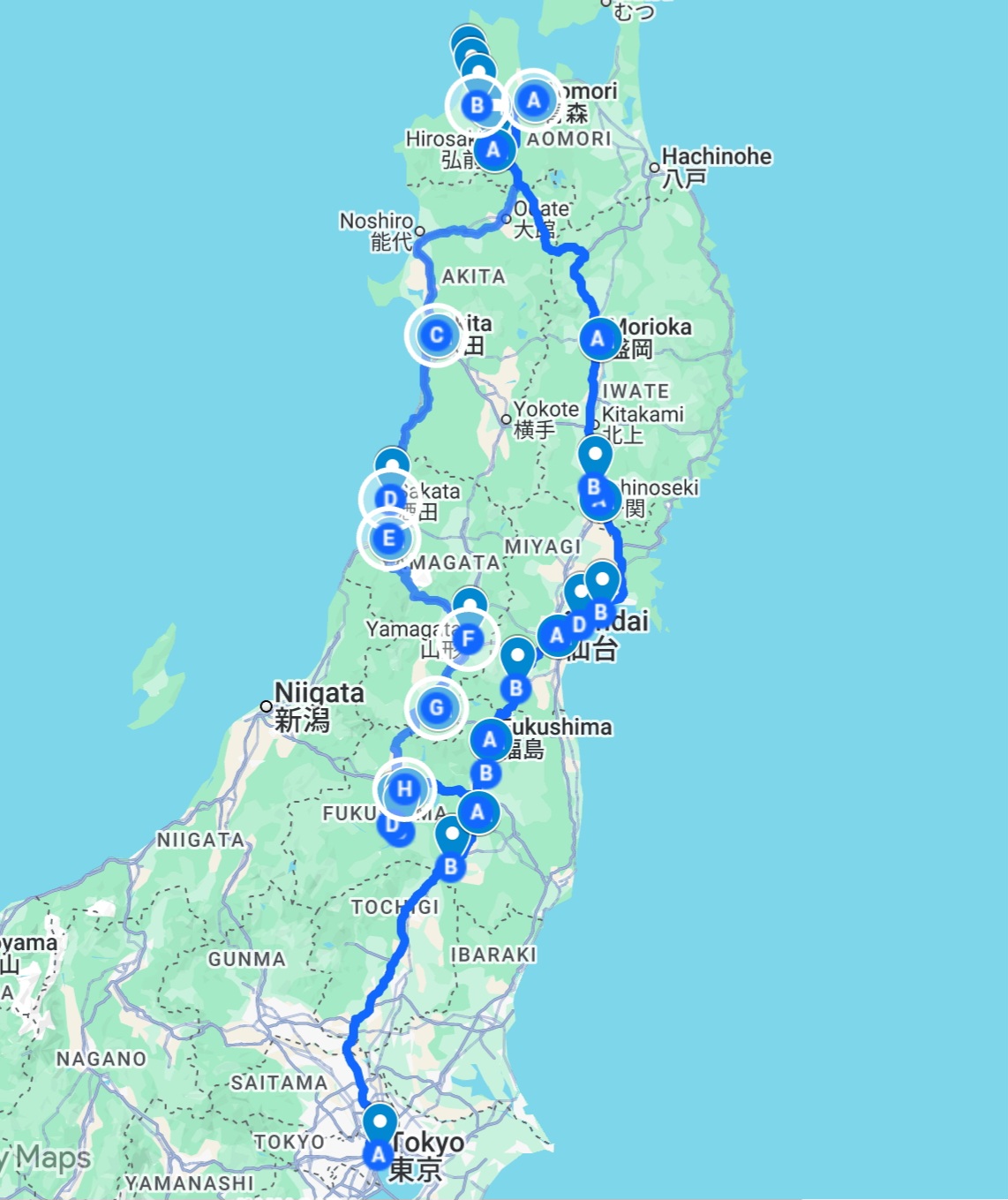
My wife and I are currently mapping out a 13-night, 14-day backpacking loop starting from Tokyo, relying entirely on local trains and regional buses. Our focus is simple: historic streetscapes, stunning original castles, dramatic natural landscapes, and a deep dive into Tohoku’s world-class local sake and traditional breweries.
Travelling with just light backpacks allows us to remain incredibly flexible. Here is why we chose this specific time of year, followed by the exact route we are planning for our upcoming adventure.
🇯🇵 この記事を日本語で読む: 東北旅行2週間モデルコース!9月上旬に在来線とバスで巡る夫婦バックパック東北一周プラン
- Why September is the Ultimate Time to Explore Tohoku
- Part 1: Days 1–5 | From Tokyo to Fukushima & Miyagi: Castle Towns, Thatched Villages, and Heritage Breweries
- Day 1: Tokyo ➔ (Local Trains) ➔ Shirakawa ➔ Koriyama
- Day 2: Koriyama ➔ Aizu-Wakamatsu ➔ Ouchi-juku ➔ Aizu-Wakamatsu (or Yunokami Onsen)
- Day 3: Aizu-Wakamatsu ➔ Nihonmatsu (Sightseeing) ➔ Fukushima City
- Day 4: Fukushima ➔ Shiroishi (Sightseeing) ➔ Sendai (Lunch & Drop Bags) ➔ Shiogama (Brewery Stroll) ➔ Sendai (Stay)
- Day 5: Sendai (Sightseeing) ➔ Oku-Matsushima (Scenic Trek) ➔ Ichinoseki (Stay)
- Part 2: Days 6–10 | From Iwate to the Northern Tip of Aomori: World Heritage Sites and Wild Nature
- Part 3: Days 11–14 | The Coastline Loop via Yamagata and Fukushima: Trading Towns, Historic Storehouses, and the Journey Home
- Two Essential Survival Tips for a Backpacking Trip in Tohoku
- Sharing Our Real-Life Journey on the Blog!
Why September is the Ultimate Time to Explore Tohoku
- Escape the Sweltering Summer Heat
- While major destinations like Tokyo are still suffering from intense humidity in early September, the northern air in Tohoku cools down remarkably quickly. You will welcome the crisp, refreshing autumn breezes, which make walking around historic towns with a backpack a genuine pleasure rather than a sweaty chore.
- Bypass the Frantic Holiday Crowds
- September sits in a brilliant “sweet spot” on the travel calendar. It falls right after Japan’s chaotic peak summer holiday season (the mid-August Obon rush) and just before the autumn foliage crowds arrive in October. This means you can experience pristine countryside trails, quiet local trains, and historic sites completely stress-free.
- The Season of Stunning Golden Rice Fields
- Tohoku is the undisputed rice basket of Japan. In early September, the endless patches of paddy fields stretching across the valleys turn a breathtaking, shimmering golden hue just before the autumn harvest. Gazing at this quintessential Japanese landscape rolling past your local train window is an absolute highlight of the journey.
- A Paradise for Food & Sake Lovers
- Autumn is when Tohoku’s incredible culinary scene truly comes alive with seasonal delicacies. Most importantly, it is an exceptional season for sake. This is the time of year when Akiagari and Hiyaoroshi—exclusive, limited-edition autumn sakes that have been matured over the summer months to peak smoothness—start appearing in local izakayas and traditional breweries. Having a glass of these velvety seasonal brews after a day of exploring is the ultimate reward.
➡ How to Book Tohoku Hotels for Half Price: Early Bird Discounts & Regional Coupons via Japanican
➡ Hidden Sake Paradises: Best Station Bars and Kakuuchi Spots in Tohoku
Part 1: Days 1–5 | From Tokyo to Fukushima & Miyagi: Castle Towns, Thatched Villages, and Heritage Breweries
Day 1: Tokyo ➔ (Local Trains) ➔ Shirakawa ➔ Koriyama
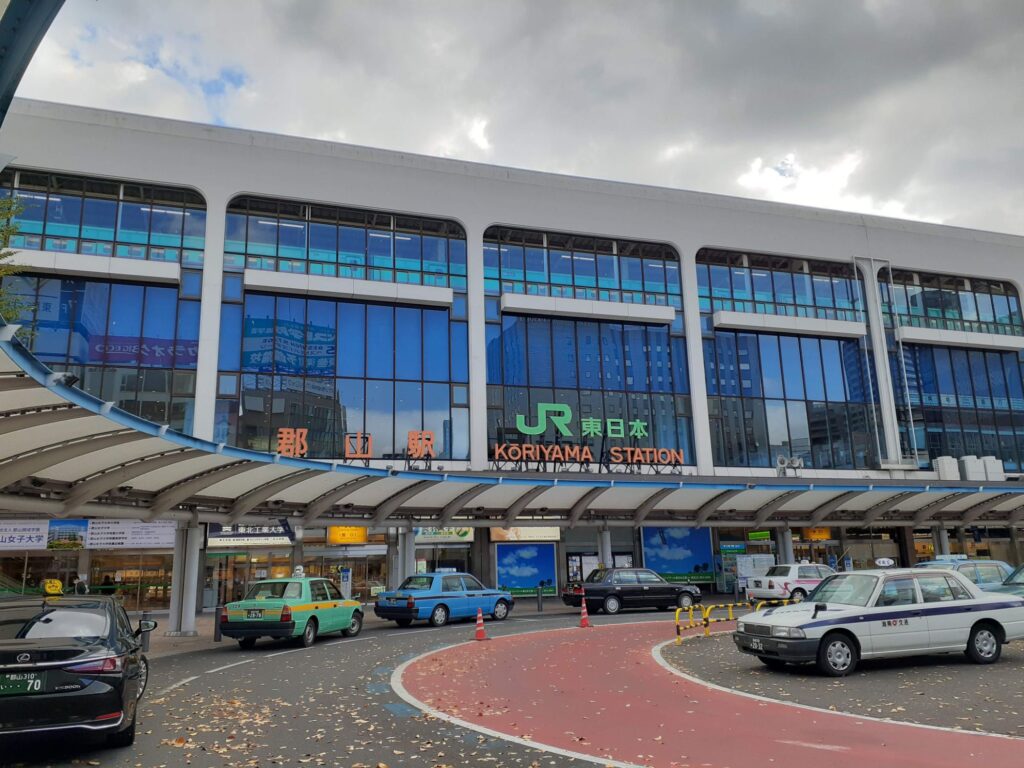
- Destination Profile (Koriyama):
- Prefecture: Fukushima Prefecture
- Population: Approx. 320,000
- Geography: Situated in a massive flat basin right in the geographical centre of Fukushima, serving as Tohoku’s primary transport crossroads.
- Key Characteristics: Fukushima’s bustling economic powerhouse. The station area is a highly competitive hub for budget business hotels and features a fantastic nightlife district overflowing with regional sake and local pub food.
- The Journey & Plan B Reality: Take local JR commuter lines north from Tokyo to your first stop, the historic gateway town of Shirakawa, to explore the impressive stone ramparts and timber keep of Komine Castle. Now, here is a crucial backpacking life-hack: older travel guides might mention a scenic shortcut bus running from here straight over the mountains to Ouchi-juku, but that service has since been discontinued. To keep our journey smooth using only local trains, the ultimate move is to travel an extra 40 minutes north to sleep in Koriyama on Night 1.
- Tonight’s Local Sake: Koriyama is an absolute wonderland for sake lovers. Because it’s the transit heart of the prefecture, the izakayas here stock labels from all 40+ Fukushima breweries. Head to Morish inside the station building or a lively local tavern to sample the seasonal Hiyaoroshi (smooth, mellow autumn-matured sake).
- Stay: A highly cost-effective, budget-friendly business hotel right outside Koriyama Station.
➡ Shirakawa 1 Day Itinerary for History, Ramen & Sake in Fukushima
➡ Koriyama Travel Guide (No Car Required): Walking Spots, Food & Itinerary from Tokyo
Day 2: Koriyama ➔ Aizu-Wakamatsu ➔ Ouchi-juku ➔ Aizu-Wakamatsu (or Yunokami Onsen)
- Destination Profile (Aizu-Wakamatsu):
- Prefecture: Fukushima Prefecture
- Population: Approx. 115,000
- Geography: Situated in a dramatic mountain basin in inland Fukushima, flanked by Mount Bandai and Lake Inawashiro.
- Key Characteristics: The ultimate samurai stronghold filled with rich feudal history, tragic warrior tales, traditional crafts like lacquerware, and world-class sake breweries.
- The Journey & Backpack Strategy: Catch an early morning train from Koriyama on the JR Banetsu West Line straight into the samurai town of Aizu-Wakamatsu, drop off the backpacks at the station lockers or hotel right away to travel light. From there, take the scenic Aizu Railway and connect to the local bus, arriving at the hidden mountain village of Ouchi-juku in about an hour.
- Time on Site (Approx. 2.5 Hours): You need about two to two-and-a-half hours here. Spend an hour wandering through the stunning Edo-period thatched-roof post town.
- Afternoon Bonus Activity: Arriving back at Aizu-Wakamatsu Station by 3:00 or 4:00 PM gives you the perfect window to head over to Tsuruga Castle (Wakamatsu Castle).
- Tonight’s Local Sake: Aizu is one of the most celebrated sake regions in Japan. Head into a cosy, retro izakaya in town to pair regional masterclasses like “Aizu Chujo”, “Sharaku”, or the elusive “Hiroki” with local specialities like premium horse-meat sashimi or savory sauce-katsu-don.
- Stay: A budget business hotel near Aizu-Wakamatsu Station.
➡ Aizuwakamatsu 1 Day Itinerary: Top 8 Attractions from JR Station & Access from Tokyo
➡ Ouchijuku Half-Day Itinerary from Aizu-Wakamatsu: Top Highlights and Travel Guide
Day 3: Aizu-Wakamatsu ➔ Nihonmatsu (Sightseeing) ➔ Fukushima City
- Destination Profile (Nihonmatsu City):
- Prefecture: Fukushima Prefecture
- Population: Approx. 50,000
- Geography: Located in north-central Fukushima, a scenic castle town flanked by Mount Adatara to the west and the Abukuma Highlands to the east.
- Key Characteristics: A historic samurai town centered around Nihonmatsu Castle. It is one of Japan’s premier sake-brewing regions, home to globally renowned heritage breweries like “Daishichi” and “Okunomatsu.”
- The Journey: Take a morning train from Aizu-Wakamatsu to Nihonmatsu via Koriyama (1 hour 15 mins). Store bags in station lockers. In the evening, take a 15-minute train ride north on the JR Tohoku Line to Fukushima Station.
- Sightseeing (Time on Site: 3–4 Hours):
- Nihonmatsu Castle: Hike through the historic stone ramparts and castle grounds to the scenic viewpoint (1.5 hours).
- Brewery Tour: Visit world-class historic breweries like “Daishichi” or “Okunomatsu” for a pre-booked guided tour and tasting (1 hour).
- Stay Options & Travel Tip: Budget travellers like us will find staying at a budget business hotel near Fukushima Station a smart choice for a comfortable, private shower. However, if you love the Japanese hot spring experience, another fantastic option is to stay in Dake Onsen—a mountain resort just a 25-minute bus ride from Nihonmatsu Station—where you can enjoy a relaxing soak in a private rental bath.
- Tonight’s Sake & Food: Head into an izakaya near Fukushima Station to pair top-tier sakes like “Hiroki” or “Sharaku”.
- Stay: A budget business hotel right outside Fukushima Station.
➡ Nihonmatsu 1 Day Itinerary: Sake Brewery & Castle
➡ Fukushima 1 Day Itinerary: Easy Walking Route from Fukushima Station
Day 4: Fukushima ➔ Shiroishi (Sightseeing) ➔ Sendai (Lunch & Drop Bags) ➔ Shiogama (Brewery Stroll) ➔ Sendai (Stay)
- Destination Profile (Sendai City):
- Prefecture: Miyagi Prefecture
- Population: Approx. 1.09 million
- Geography: The largest metropolis in Tohoku, blessed with vast plains, bordered by the Pacific Ocean to the east and the Ou Mountains to the west.
- Key Characteristics: Known as the “City of Trees,” founded by the samurai lord Date Masamune. It blends a bustling modern city with lush greenery, famous for Gyutan (beef tongue) and world-class premium sake.
- The Journey & Smart Logistics: Catch a morning train from Fukushima to Shiroishi (30 mins). Drop your bags in the station lockers to explore Shiroishi Castle hands-free for about 1.5 hours. Afterwards, hop back on the train to arrive at Sendai Station right around lunchtime (50 mins).
- The Perfect Afternoon Strategy: Upon arriving in Sendai, head straight to your hotel near the station to drop off your backpacks. Once completely hands-free, grab a quick lunch around the station, then take a 30-minute ride on the JR Senseki Line to Hon-Shiogama Station.
- Shiogama Brewery Stroll (Afternoon: 2–3 Hours):
- Historic Motomachi Streets: Walk through the atmospheric temple town right outside the station. You can feel the rich history of heritage sake producers like “Abekan.”
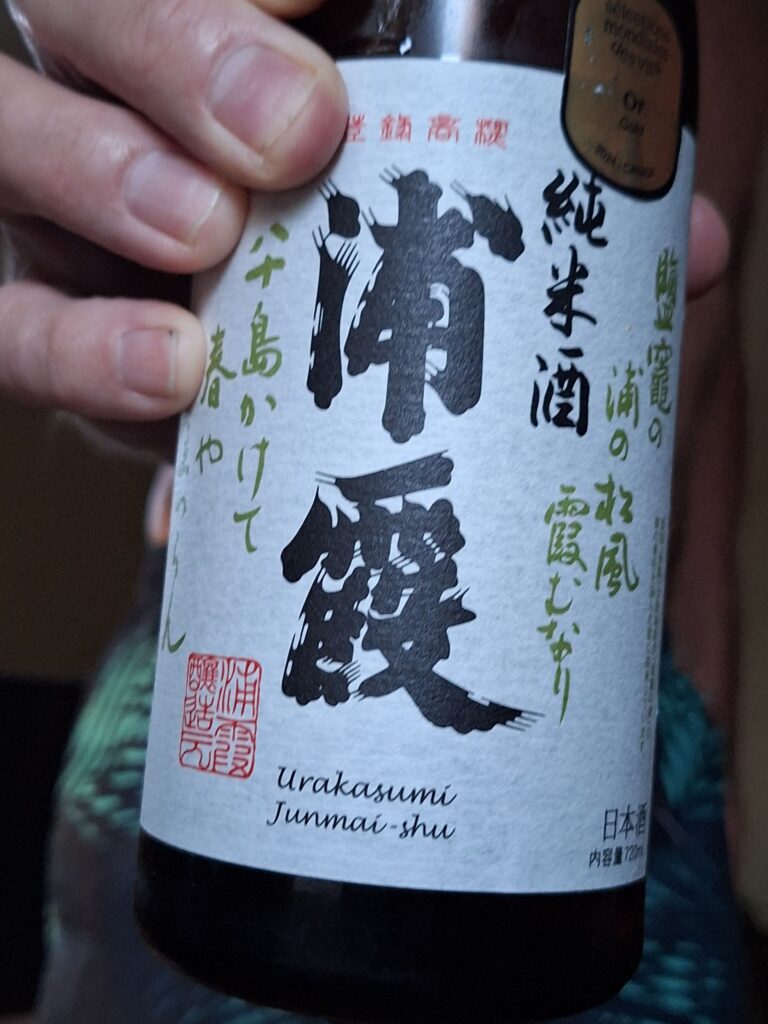
- Urakasumi Sake Gallery: Stop by this legendary brewery’s stylish showroom. Purchase a small original ochoco (sake cup) to enjoy casual tastings of exclusive, seasonal sakes from their coin-operated dispenser. It is also a great place to pick up local traditional sea salt (Moshio) as a souvenir.
- Tonight’s Sake & Food: Take the train back to Sendai in the evening. Head out to an izakaya near the station to pair top-tier Miyagi sakes like “Hakurakusei” or “Katsuyama” with local charcoal-grilled Gyutan and fresh Sanriku seafood.
- Stay Options & Travel Tip: The area around Sendai Station is highly competitive for budget business hotels, offering excellent value.
➡ Shiroishi Itinerary: A Half-Day Stopover from Fukushima to Sendai
➡ Sendai 1 Day Itinerary: Best Things to Do Without a Car
➡ Shiogama 1 Day Itinerary: Best Things to Do, Sake Tasting & Access from Sendai
Day 5: Sendai (Sightseeing) ➔ Oku-Matsushima (Scenic Trek) ➔ Ichinoseki (Stay)
- Destination Profile (Ichinoseki City):
- Prefecture: Iwate Prefecture
- Population: Approx. 110,000
- Geography: Located at the southernmost tip of Iwate, situated in a lush basin formed by the Kitakami River, surrounded by stunning gorges like Genbikei and Geibikei.
- Key Characteristics: The gateway to the World Heritage site of Hiraizumi. It boasts a unique traditional “Mochi (rice cake) food culture” and holds a hidden reputation for top-tier sake crafted by the master brewers of the Southern (Nanbu) Guild.
- The Journey & Smart Logistics: Explore Sendai in the morning, then hop on the JR Senseki Line at around 11:00 AM to head to Nobiru Station (40 mins). To save precious time, skip the sparse local buses and use a taxi to get around Oku-Matsushima. Catch a late afternoon train to arrive at Ichinoseki Station by 4:30 PM.
- Sendai Sightseeing (Morning: 2.5 Hours):
- Sendai Castle Ruins: Head up early to catch the stunning panoramic view of the “City of Trees” alongside the iconic statue of the samurai lord Date Masamune.
- Oku-Matsushima Sightseeing (Time on Site: 2.5 Hours):
- Taxi Transfer from Nobiru Station: Straight to Miyato Island (approx. ¥1,700 one way).
- Mount Otakamori (The Magnificent View): A rewarding 20-minute light trek to the peak reveals a jaw-dropping, 360-degree dramatic panorama of Oku-Matsushima’s untouched pine islands.
- Tonight’s Sake & Food: Head to “Sekinoichi,” a heritage brewery in Ichinoseki. Inside their beautifully converted old sake storehouse restaurant, enjoy local specialties paired with their refined Nanbu-style junmai.
- Stay Options & Travel Tip: The area right in front of Ichinoseki Station offers reliable, budget-friendly business hotels (like Toyoko INN).
➡ Matsushima Half-Day Itinerary: A Walking and Public Transit Guide Without a Car
➡ Ichinoseki 1 Day Itinerary: Best Things to Do in One Day by foot and public transport
Part 2: Days 6–10 | From Iwate to the Northern Tip of Aomori: World Heritage Sites and Wild Nature
Day 6: Ichinoseki ➔ Hiraizumi (World Heritage Sightseeing) ➔ Morioka (Stay)
- Destination Profile (Hiraizumi Town):
- Prefecture: Iwate Prefecture
- Population: Approx. 7,000
- Geography: Located in southern Iwate, a peaceful basin featuring idyllic rural landscapes embraced by the Kitakami River and its tributary, the Koromo River.
- Key Characteristics: A World Heritage town built in the late Heian period by the Northern Fujiwara clan to represent the Buddhist Pure Land (paradise) on earth. Treasures of Heian-period culture, including Chuson-ji and Motsu-ji, are scattered across a compact area, making it perfect for exploration on foot.
- The Journey & Smart Logistics: Catch a morning train from Ichinoseki to Hiraizumi via the JR Tohoku Main Line (9 mins). Drop the backpacks in the station lockers to start exploring hands-free. After spending a solid 4 to 5 hours walking through the World Heritage sites, take a late afternoon local train straight to Morioka Station (1 hour 25 mins) and check into the hotel.
- Hiraizumi World Heritage Walking (Time on Site: 4.5 Hours):
- Motsu-ji Temple: Start right from Hiraizumi Station. Take a peaceful walk around the vast ritual pond of the Pure Land Garden, which still perfectly preserves its serene Heian-period layout.
- Chuson-ji Temple: Hike up the Tsukimizaka slope, a magnificent avenue lined with towering ancient cedar trees. The highlight is the Konjikido (Golden Hall), where you can experience its jaw-dropping golden brilliance and deep history up close.
- Hiraizumi Local Lunch: Stop by a restaurant near the approach or station to sample Iwate specialties like “Wanko Soba” (served ready-to-eat in a set of small bowls) or a traditional “Mochi-zen” assortment.
- Tonight’s Sake & Food: Arrive at Morioka Station in the evening and head out into the vibrant local izakaya lanes. Morioka is highly praised by culinary travellers for its elite pub culture. Pair top-tier Iwate sakes crafted by the master Nanbu brewers, such as “AKABU” or “Nanbu Bijin,” with fresh Sanriku seafood.
- Stay Options & Travel Tip: The area surrounding Morioka Station is highly competitive for quality business hotels, offering superb value.
➡ Hiraizumi 1 Day Itinerary: Visiting Japan’s UNESCO World Heritage Town by Public Transport and Walking
➡ Morioka 1 Day Itinerary: Best Things to Do in One Day on Foot
Day 7: Morioka (Morning Sightseeing) ➔ Hirosaki (Stay)
- City Profile (Hirosaki City):
- Prefecture: Aomori Prefecture
- Population: Approx. 160,000
- Geography: Located in a valley in the southern part of the Tsugaru Plains, dominated to the west by the majestic Mt. Iwaki, the ultimate symbol of Tsugaru.
- City Characteristics: A historic castle town featuring the original structural keep of Hirosaki Castle from the Edo period. It is a refined cultural city where retro Western-style architectures and nostalgic churches from the Meiji era beautifully blend with the townscape. As Japan’s top apple producer, it charms visitors with incredible local apple pies and craft ciders.
- Travel & Smart Strategy: Spend the morning exploring Morioka on foot, then board the “Yodel Go” highway bus departing from Morioka Station West Exit at 14:50. This direct, transfer-free route arrives in Hirosaki at 17:05. Upon arrival, check into a business hotel near the station and drop off your bags.
- Morioka Historical Walking (Duration: ~3.5 hours):
- Morioka Castle Ruins Park & Nakatsu River: Stroll through the park to see the majestic historic stone walls, then walk along the pristine clear waters of the Nakatsu River.
- Iwate Bank Red Brick Building: Admire the elegant facade of this historic Western-style building designed by Kingo Tatsuno, soaking in Morioka’s refined streetscapes.
- Fukuda Pan Main Shop (Gap Time Hack): Take a 15-minute walk to “Fukuda Pan Nagatacho Main Shop,” the legendary soul food of Morioka. Experience the unique local culture of having custom fillings spread onto massive, fluffy koppe-pan rolls right in front of you, and grab a snack for the bus ride.
- Morioka Local Lunch: Savor “Morioka Reimen” (famous chewy cold noodles) or customizable “Morioka Jajamen” around the station area or downtown avenues.
- Tonight’s Sake & Local Izakaya Delights: Arrive in Hirosaki in the late afternoon. Dive into the deep, atmospheric izakaya alleys of Hirosaki. Sip on legendary regional sakes like “Denshu” or the locally revered “Houhai,” perfectly paired with authentic Tsugaru comfort food: “Hotate no Miso Kaiyaki” (scallops cooked with miso on a giant shell), “Iga-menchi” (deep-fried squid minced cutlets), and ultra-fresh local sashimi.
- Accommodation Option: Budget-friendly business hotels around Hirosaki Station or the Bus Terminal.
➡ Hirosaki 1 Day Itinerary: Castle and Taisho-Era Western Architecture on Foot
Day 8: Hirosaki (Morning Sightseeing) ➔ Aomori (Stay)
- City Profile (Aomori City):
- Prefecture: Aomori Prefecture
- Population: Approx. 260,000
- Geography: Located at the northernmost tip of mainland Honshu, a vibrant port city facing calm Mutsu Bay.
- City Characteristics: The prefectural capital of Aomori. A sacred ground of Jomon culture featuring the World Heritage “Sannai-Maruyama Site,” and famous for the energetic summer “Aomori Nebuta Festival.” Its modern waterfront blends rich maritime history with premium seafood and craft apple cider.
- Travel & Smart Strategy: In the morning, store backpacks in a locker at Hirosaki Station to go completely weightless. After exploring, catch a local train on the JR Ou Main Line (~45 mins) to Aomori Station. Check into a hotel near the station to drop off bags and smoothly head out for the afternoon.
- Hirosaki Historical & Retro Western Architecture Walking (Duration: ~3.5 hours):
- Hirosaki Park (Castle Ruins): Serene walk around massive moats and the original Edo-period castle keep.
- Otemon Retro Building Tour: Capture the nostalgic elegance of the “Former Hirosaki City Library.”
- Fujita Memorial Garden (Apple Pie Break): Stroll the landscape garden and enjoy legendary local apple pie at the vintage tea room.
- Aomori Local Lunch: Fresh local seafood rice bowls or French-style savory apple galettes at the A-FACTORY waterfront.
- Aomori Jomon Heritage & Waterfront Exploration (Duration: ~5 hours):
- Sannai-Maruyama Site (World Heritage): catch the bus from Aomori Station to Japan’s largest preserved Jomon settlement. Hike around reconstructed ancient structures.
- Nebuta House Warasse: Experience the jaw-dropping display of authentic, giant Nebuta floats and their electrifying atmosphere.
- A-FACTORY: Walk along the scenic seaside promenade and explore the trendy market with an on-site apple cider brewery.
- Tonight’s Sake & Local Izakaya Delights: Dive into the lively alleys near Aomori Station. Sip on universally acclaimed premium sake “Denshu,” paired with world-class local sashimi and “Hotate no Miso Kaiyaki” (scallops cooked with miso on a giant shell).
- Accommodation Option: Budget-friendly business hotels around Aomori Station.
We will also be posting real-time updates from our travels on Instagram, so please feel free to follow us there as well!
➡ Aomori 1 Day Itinerary: Best Route for First-Time Visitors Around Aomori Station
Day 9: Aomori ➔ Gono Line ➔ Tsugaru City ➔ Goshogawara City (Stay)
- Regional Profile (Tsugaru City / Goshogawara City):
- Prefecture: Aomori Prefecture
- Population: Approx. 30,000 (Tsugaru) / 50,000 (Goshogawara)
- Geography: The vast Tsugaru Plains extending northwest of Mt. Iwaki, bordered by the rugged Sea of Japan coast. A land steeped in ancient Jomon history and authentic northern lifestyle.
- Characteristics: Far off the beaten tourist path, this area retains the raw, genuine atmosphere of Northern Japan. From quirky station buildings shaped like prehistoric clay figurines to mystical shrine paths and world-heritage archaeological sites, this region is a treasure trove for explorers. Goshogawara serves as the logistical hub and the home of Tsugaru-jamisen folk music.
- Travel & Smart Strategy: Depart Aomori early via the Ou Main Line to Hirosaki, then switch to the scenic JR Gono Line. Upon arriving at Goshogawara Station, store the luggage in coin lockers and use Goshogawara as your base to access Tsugaru City’s hidden gems by local bus.
- Tsugaru Mystical Walking & Exploration (Duration: ~4.5 hours):
- The Giant Shako-chan of Kizukuri Station: A striking encounter on the Gono Line. The station building is modeled after a massive “Shakoki-dogu” (goggle-eyed clay figurine), serving as a powerful bridge between modern rail travel and ancient history.
- Deep Tsugaru Tactical Choice:
- Option A (The Shrine): Take the local bus to “Takayama Inari Shrine.” Enjoy a scenic 1.5 km hike from the bus stop through a surreal, winding path of thousands of torii gates, creating a serene and mystical landscape.
- Option B (The Heritage): Head to the “Kamegaoka Stone Age Archaeological Site,” a UNESCO World Heritage site where the famous clay figurine was unearthed, offering a profound connection to the Jomon roots of Northern Japan.
- Tsugaru Local Gourmet: Taste local favorites such as “Fried Taiyaki” or authentic Tsugaru-style ramen in Goshogawara. At night, Unwind in a rustic izakaya near Goshogawara Station, savoring fresh seafood from the Sea of Japan, paired with refined local sake like “Hohai.”
- Accommodation Option: Budget-friendly business hotels near Goshogawara Station.
Day 10: Goshogawara ➔ Gono Line ➔ Akita City (Stay)
- Regional Profile (Akita City):
- Prefecture: Akita Prefecture
- Population: Approx. 300,000
- Geography: The heart of the vast Akita Plains, nestled between the Ou Mountains and the Sea of Japan.
- Characteristics: The capital of Akita prefecture. Famous for the energetic Kanto Festival, it offers a compact, walkable city center filled with refined izakayas and deep historical charm.
- Travel & Route: Depart Goshogawara Station on the JR Gono Line, heading south along the rugged coastline to Akita Station (approx. 5 hours). The dramatic sea views and the transition of landscapes from Tsugaru to Akita make this journey the perfect climax to your trip.
- Exploration (Duration: ~3–4 hours):
- Senshu Park (Kubota Castle Ruins): Within walking distance of Akita Station. Enjoy a stroll through the park grounds where the former castle once stood, offering panoramic views of the city from the hilltop.
- Akita Folk Performing Arts Center (Neburi Nagashi-kan): Experience the awe-inspiring scale of the massive “Kanto” lanterns used in the city’s famous festival.
- Akita City Market: Dive into the lively local atmosphere, checking out the fresh seafood and seasonal produce that define the local culinary scene.
- Accommodation Option & Lifehack: To minimize travel fatigue, book a budget-friendly business hotel near Akita Station. The area is very convenient for your next day’s travel plans and city exploration.
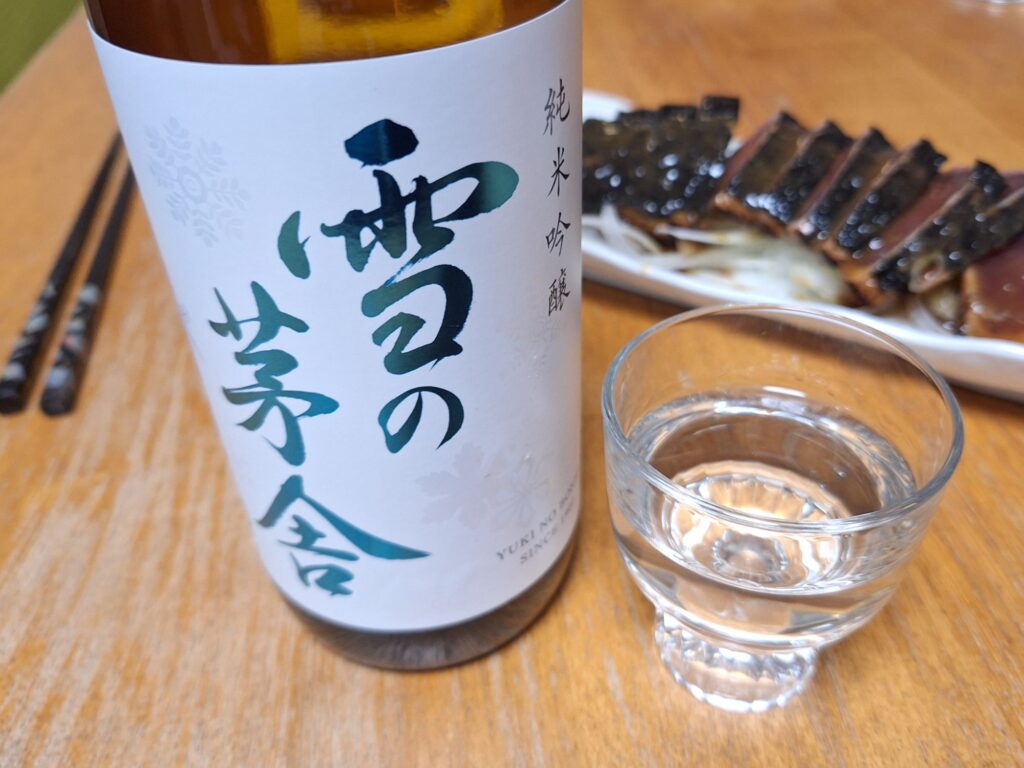
- Tonight’s Sake & Local Gourmet: Head to an izakaya near the station or in the Kawabata area. Savor regional staples like “Kiritanpo-nabe” (hot pot) and “Hinai-jidori” chicken, paired with top-tier local sake like “Aramasa” or “Yuki no Bosha.”
- Accommodation: Budget-friendly business hotel near Akita Station.
➡ Akita 1 Day Itinerary: Best Route for First-Time Visitors Around Akita Station
Part 3: Days 11–14 | The Coastline Loop via Yamagata and Fukushima: Trading Towns, Historic Storehouses, and the Journey Home
Day 11: Akita ➔ Sakata (Stopover) ➔ Tsuruoka (Stay)
- Regional Profile (Tsuruoka City):
- Prefecture: Yamagata Prefecture
- Population: Approx. 120,000
- Geography: Nestled in the heart of the Shonai Plains, under the majestic gaze of the Dewa Sanzan mountains.
- Characteristics: A historic castle town rich in tradition and culture. It is a gourmet destination blessed with the treasures of both land and sea, and a “holy land” for sake lovers, home to numerous renowned breweries in the Ooyama district.
- Travel & Route: Take the JR Limited Express on the Uetsu Main Line from Akita Station to Sakata Station (approx. 1 hour 45 minutes). Store luggage at the station and explore the city. In the late afternoon, take the local JR train to Tsuruoka Station (approx. 35 minutes).
- Sakata Stopover Exploration (Duration: ~3–4 hours):
- Sankyo Soko Rice Stores: The symbol of the port city. Enjoy the scenic zelkova tree-lined path and historic warehouses, browsing local shops and cafes.
- Sakata Seafood Market: Indulge in a fresh seafood bowl lunch and soak up the lively atmosphere of the port.
- Honma Museum of Art & Former Residence: Step back into history by visiting the residence of a wealthy merchant family who thrived on Kitamaebune trade.
- Tsuruoka Afternoon Exploration (Duration: ~3 hours):
- Chido Museum & Former Chidokan School: Walk through historic buildings that showcase the legacy of the Shonai Domain and the castle town’s sophisticated past.
- Ooyama Sake Brewery District (Optional): If time permits, visit local breweries to taste the legendary sake that Tsuruoka is famous for.
- Accommodation Option & Lifehack: Budget-friendly business hotels near Tsuruoka Station are ideal bases. Many offer large public baths, perfect for soaking away the fatigue after a day of exploration.
- Tonight’s Sake & Local Gourmet: Visit an izakaya in Tsuruoka to enjoy premium local sake like “Eiko Fuji” or “Ooyama.” Pair them with seasonal Shonai vegetables and local seafood for a deep, authentic taste of the region.
- Accommodation: Business hotel near Tsuruoka Station.
➡ Sakata 1 Day Itinerary: Best Route for First-Time Visitors Around Sakata Station
➡ Tsuruoka, Yamagata 1 Day Itinerary: Best Things to Do in One Day
Day 12: Tsuruoka ➔ Yamagata City (Exploration) ➔ Yonezawa (Stay)
- Regional Profile (Yonezawa City):
- Prefecture: Yamagata Prefecture
- Population: Approx. 70,000
- Geography: A historic city in the southern Yonezawa Basin.
- Characteristics: A castle town famous for Lord Uesugi Yozan, legendary “Yonezawa Beef,” and traditional sake breweries.
- Travel & Route:
- Morning: Highway bus or JR from Tsuruoka to Yamagata Station (approx. 2–2.5 hours).
- Afternoon: Explore Yamagata City, then take the JR Ou Main Line to Yonezawa (approx. 40 minutes).
- Yamagata Exploration (Duration: ~3–4 hours):
- Yamadera Temple: Climb 1,015 stone steps for breathtaking views (round trip approx. 2 hours).
- Bunshokan & Kajo Park: Stroll through historic architecture and castle ruins (approx. 1.5 hours).
- Yonezawa Exploration (Duration: ~2–3 hours):
- Matsugasaki Park & Uesugi Shrine: Visit the heart of the castle town (approx. 1 hour).
- Toko Sake Brewery: Tour and taste at this historic brewery (approx. 45 minutes).
- Accommodation Option & Lifehack: Business hotels near Yonezawa Station are perfect. Use a rental bicycle to move efficiently around the city.
- Tonight’s Sake & Local Gourmet: Indulge in premium “Yonezawa Beef” steak or sukiyaki at a local izakaya, paired with local sake.
- Accommodation: Business hotel near Yonezawa Station.
➡ Yamagata 1 Day Itinerary: Best Route for First-Time Visitors Around Yamagata Staion
➡ Yonezawa 1 Day Itinerary: Best Route for First-Time Visitors Around Yonezawa Station
Day 13: Yonezawa ➔ Kitakata (Exploration) ➔ Aizu-Wakamatsu (Stay)
- Regional Profile (Kitakata City):
- Prefecture: Fukushima Prefecture
- Population: Approx. 40,000
- Geography: Located in the northern Aizu Basin, offering stunning views of the Iide Mountains.
- Characteristics: Famous for its 4,000 historic “Kura” (storehouses) and its legendary ramen culture. A town where tradition meets flavor, with thriving soy sauce and miso breweries.
- Travel & Route:
- Morning: JR Yonesaka Line from Yonezawa to Kitakata (approx. 1–1.5 hours).
- Afternoon: Explore Kitakata, then take the JR Ban’etsu West Line to Aizu-Wakamatsu (approx. 25 minutes).
- Kitakata Exploration (Duration: ~3–4 hours):
- Kura Street Stroll: Rent a bicycle to efficiently visit the historic storehouses scattered throughout the city.
- Kitakata Ramen: A must-try local lunch. Plan ahead to handle potential queues at popular spots.
- Brewery Tours: Visit traditional soy sauce and miso breweries to discover the roots of local food culture.
- Tonight’s Sake & Local Gourmet: Aizu-Wakamatsu is a treasure trove for sake lovers. Enjoy local premium brews paired with regional delicacies in a lively izakaya.
- Accommodation: Business hotel near Aizu-Wakamatsu Station.
➡ Kitakata, Fukushima 1 Day Itinerary: Best Route for First-Time Visitors Around Kitakata Station
Day 14: Aizu-Wakamatsu ➔ Tokyo (Return by Highway Bus)
On the final day, I’ve decided to switch from local trains to a comfortable highway bus for the journey back to Tokyo.
- Route: Board the highway bus from Aizu-Wakamatsu Station and travel via the Tohoku Expressway to “Busta Shinjuku.”
- The Appeal of Bus Travel:
- Comfort and Ease: By going direct to Shinjuku without transfers, we can give our tired legs and body a well-deserved rest after all the exploring.
- Changing Scenery: Watching the landscape shift from the mountains of Fukushima to the plains of northern Kanto, and finally to the cityscape of Tokyo, is a unique pleasure of bus travel.
- Travel Time: About 4.5 to 5 hours. It’s the perfect time to catch up on some reading or scroll through photos from the trip.
- Upon Arrival: Once at Busta Shinjuku, the journey concludes. As we step back into the hustle and bustle of the city, we’ll savour the memories of Aizu over a final celebratory meal.
Two Essential Survival Tips for a Backpacking Trip in Tohoku
- Always Check Google Maps Five Minutes Before You Leave
- Unlike the major metropolitan areas, Tohoku’s regional trains and mountain buses run far less frequently—sometimes with gaps of an hour or more between services. Checking Google Maps right before you step out of your hotel lobby is an absolute lifesaver. It syncs brilliantly with Tohoku’s transit operators to give you live platform numbers, connecting times, and real-time delay updates so you never get caught out.
- Keep an Eye on Non-JR Rail Connections
- When travelling between Morioka and Aomori, the tracks belong to regional companies (the Iwate Ginga Railway and the Aoimori Railway) rather than JR. If you are using any specific JR train passes, these lines may require a small separate ticket fee. The routes are incredibly scenic and well worth the local fare, but it is best to factor this into your transport budget beforehand.
Sharing Our Real-Life Journey on the Blog!
We hope you enjoyed our tentative plan for our upcoming trip to Japan in early September 2026. Please keep in mind that this is just a draft, and things might change as we go! Regardless of how the final itinerary turns out, we’ll be sharing the full story of our adventure right here on the blog, so please make sure to come back and read about it.
➡ Follow Mai and Chris Travel on Instagram
➡ Back to Tohoku Travel Guide
Comment