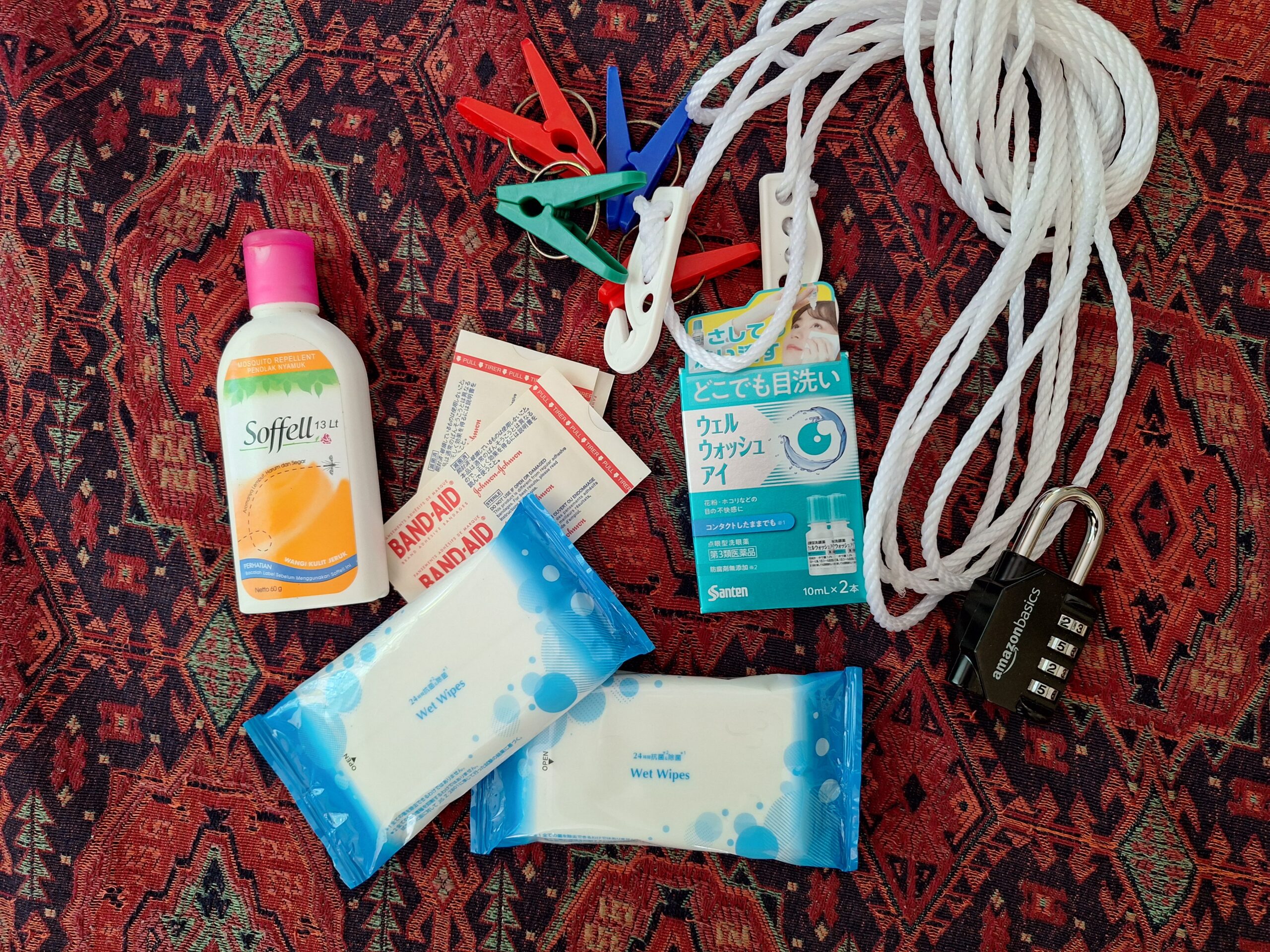
Raja Ampat is a magnificent marine region, but staying at remote island homestays (such as on Kri Island) is a truly rustic experience.
The most important rule to remember is that it is impossible to buy daily necessities once you leave the main hub. These islands have no convenience stores or pharmacies. Fresh water and electricity are limited, humidity is very high, and top notch medical facilities are hours away.
If you forget something vital, you cannot simply go out and buy it. Based on our four trips to this region, here is a helpful packing list of essential gear and medical supplies to keep you safe, healthy, and comfortable.
🇯🇵 この記事を日本語で読む:【経験者が語る】ラジャアンパット旅行の持ち物リスト!現地で物資調達できない離島を生き抜く必須グッズ
- 1. Hygiene & Insect Protection: Staying Safe from the Elements
- 2. Medical & Health Care: Injury Prevention and Self-Medication
- 3. Island Homestay Life: Adapting to Limited Infrastructure
- 4. Transit & Boat Preparation: Protecting Your Body and Gear
- 5. Financial Management
- Conclusion: Preparation Ensures a Seamless Adventure
1. Hygiene & Insect Protection: Staying Safe from the Elements
① Locally Purchased Strong Insect Repellent (Malaria Prevention)
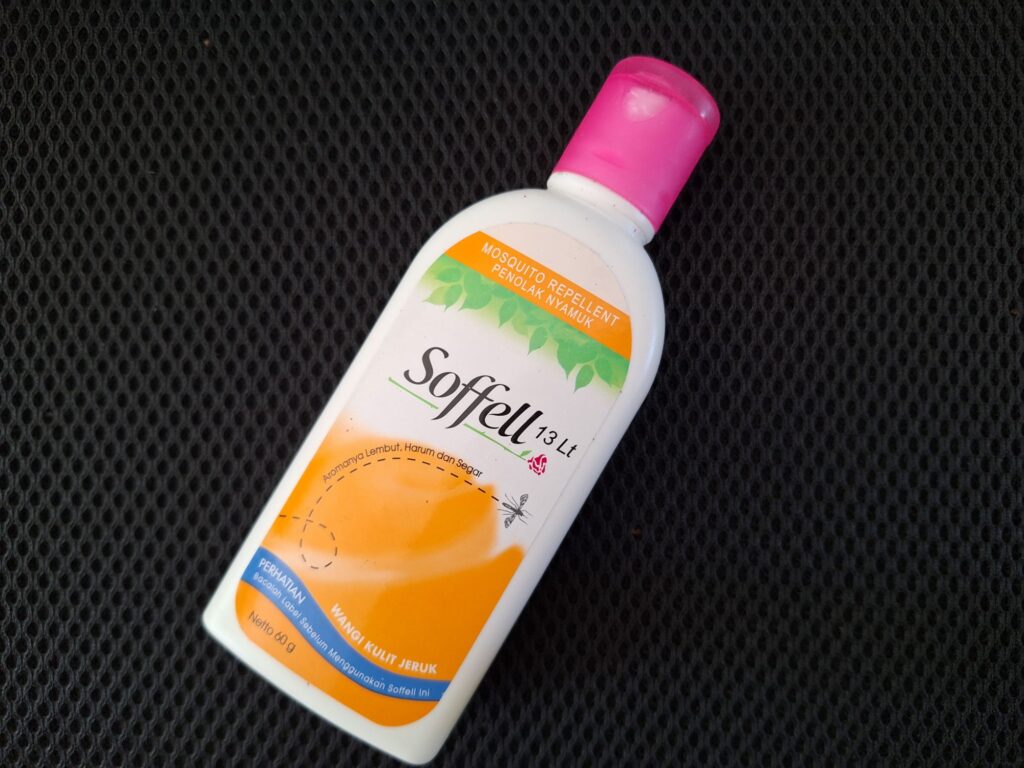
Raja Ampat’s untouched nature means the mosquitoes are highly resilient. Please note that gentle insect repellents sold in Japan or Europe are not strong enough normally for local mosquitoes. Because there is a risk of malaria, you should stop at a supermarket or pharmacy in Jakarta or Sorong to buy a strong local repellent (brands like “Soffell” are highly recommended) before heading to the islands.
② Wet Wipes (Alcohol-Free / Anti-Bacterial)
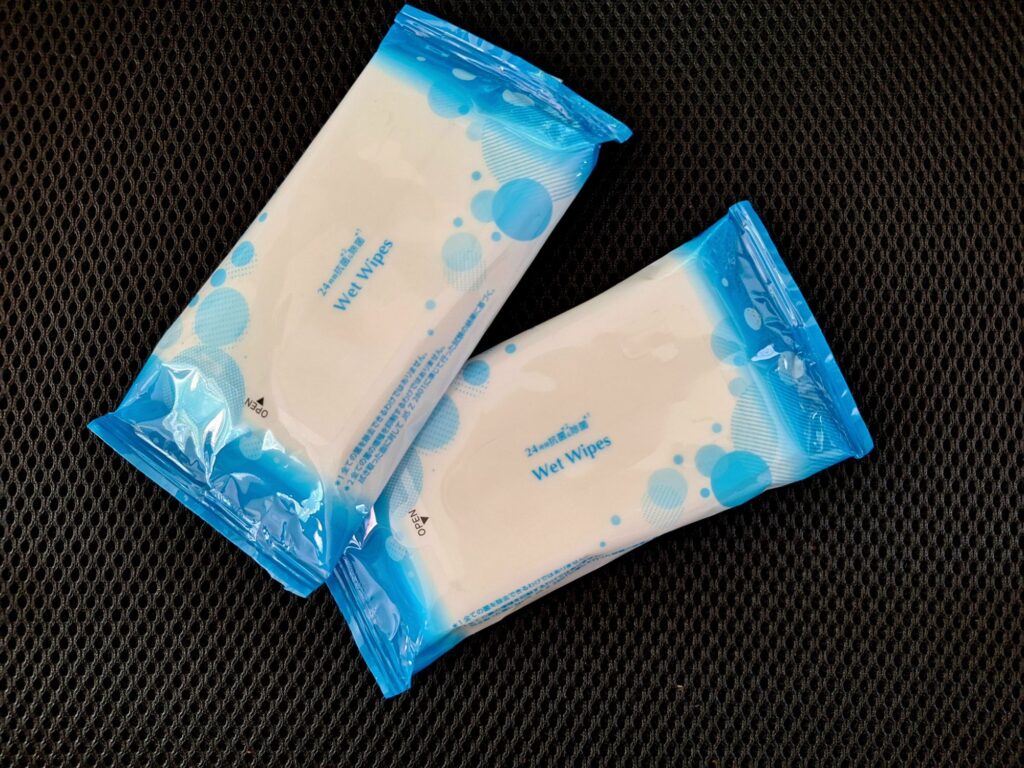
Fresh water is a precious commodity at remote homestays. You want to avoid wasting it just to rinse your hands or wipe away minor dirt. Bringing a supply of wet wipes allows you to keep your hands clean without consuming local water. They are incredibly useful before meals or right after stepping off a boat. Take used rubbish back with you though because there is no effective waste disposal service!
③ Toilet Paper
While most homestays do provide this, they occasionally run out of stock. In Raja Ampat, everything must be shipped in from the mainland, so it is always safest to carry a backup roll of your own or just use the bum gun, if provided.
2. Medical & Health Care: Injury Prevention and Self-Medication
④ Plasters (Band-Aids) & Waterproof Bandages
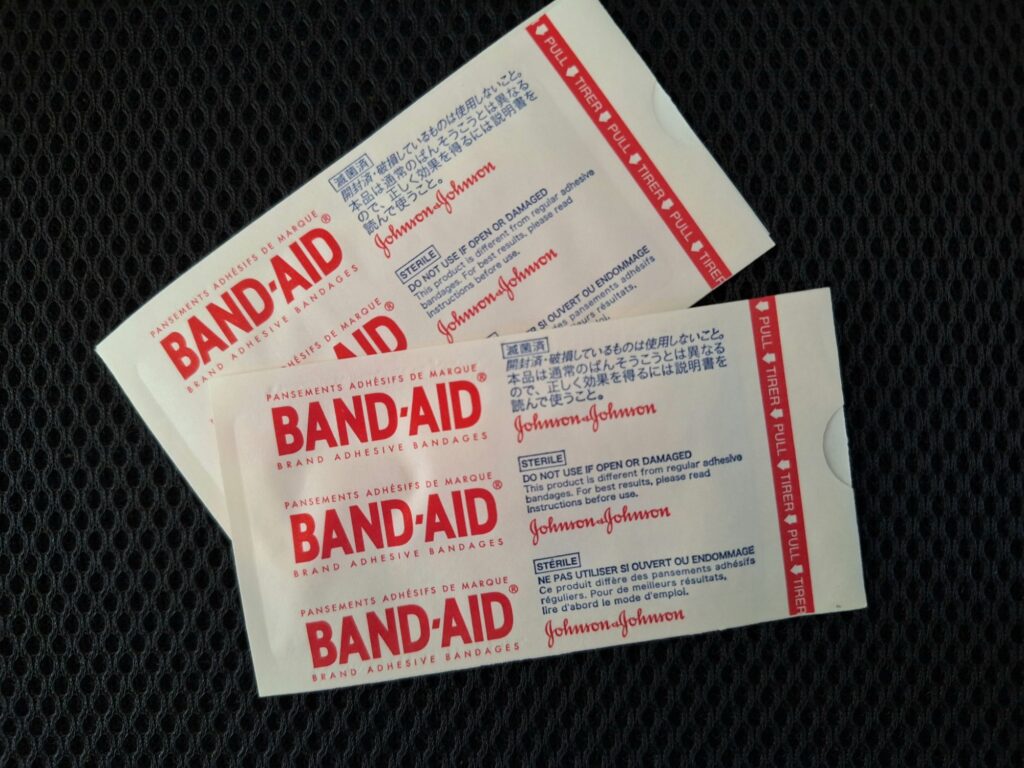
Due to the extreme humidity in Raja Ampat, even minor cuts and scratches take a remarkably long time to heal. Small wounds can easily become infected if neglected. While preventing scratches is your best line of defence, carrying plenty of plasters (especially waterproof ones) is absolutely essential.
⑤ Antiseptic Liquid / Treatment
If you get a scrape from coral or equipment, you need to disinfect it immediately. Make sure to pack a reliable, strong antiseptic liquid. In a remote environment, small injuries require immediate attention.
⑥ Swimmers’ Ear Prevention (Earplugs / Drying Drops)
When you are diving or snorkelling multiple times a day, the risk of ear infections (such as otitis externa) increases significantly. Leaving trapped water in your ears can easily cause inflammation.
You can buy commercial ear drops at a pharmacy, or you can easily make your own home remedy: mix rubbing alcohol and white vinegar in a 1:1 ratio (just remember to bring a small dropper bottle to apply it).
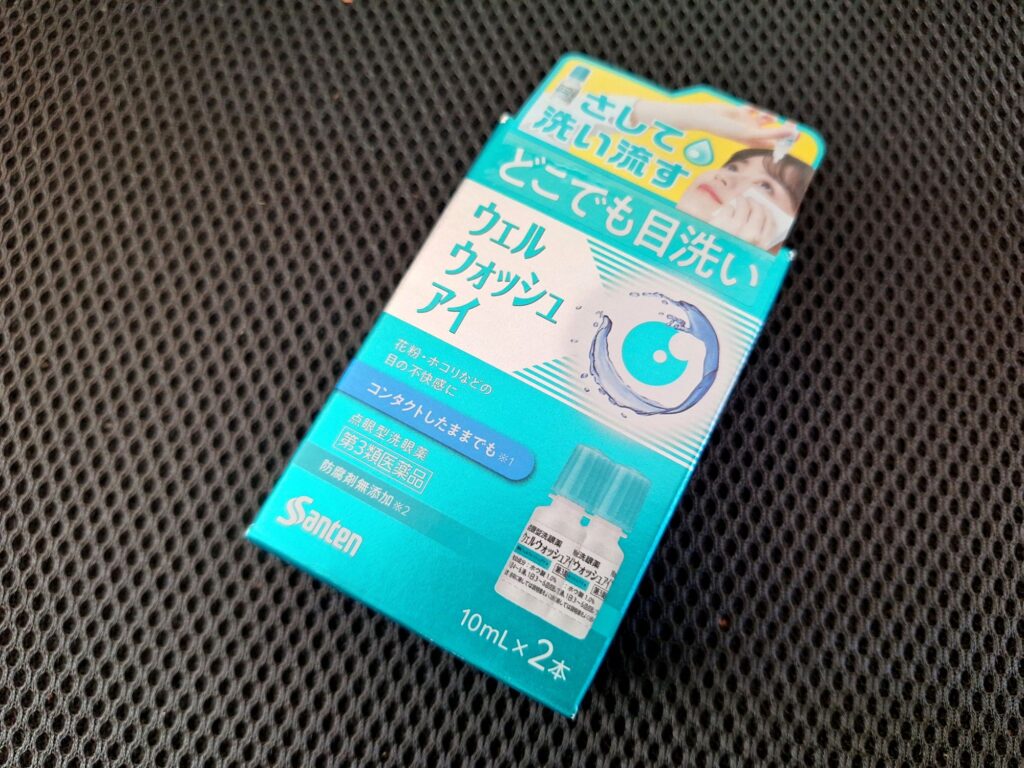
⑦ Vitamins & Sports Drink Powder (Oral Rehydration)
If you fall ill, you cannot visit a doctor immediately. Pack vitamins to maintain your daily immunity, and bring powdered sports drinks. These are vital for rehydration in case of sudden dehydration or a fever.
3. Island Homestay Life: Adapting to Limited Infrastructure
⑧ Airtight Plastic Containers (Tupperware)
If you want to keep snacks or small food items in your room, ants and small animals (such as mice) will detect them almost instantly. Always store your food inside airtight plastic containers that completely block out smells and physical pests.
➈ Shampoo, Toothpaste & Laundry Detergent
Homestays do not provide the standard amenities you expect in a typical hotel. You must bring your own toiletries, along with a small bottle of laundry detergent to wash your clothes during your stay.
⑩ Clothesline & Clothes Pegs
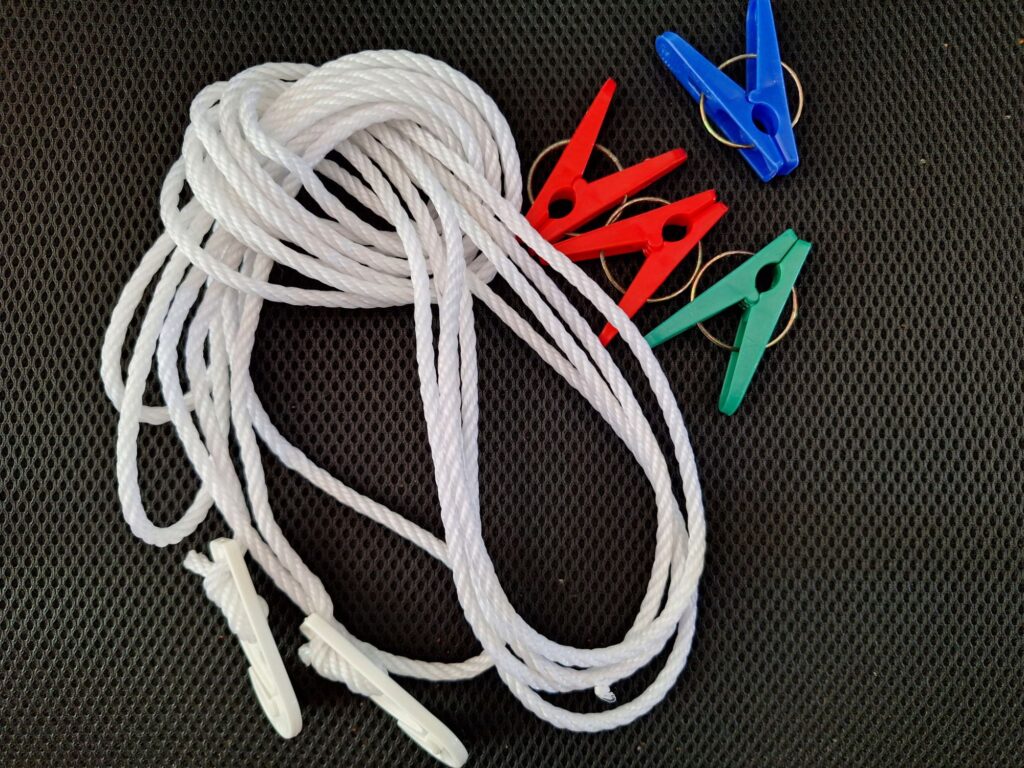
The high humidity means wet clothes and swimwear dry incredibly slowly. Having a travel clothesline and a good handful of pegs allows you to hang your gear in well-ventilated areas. We also highly recommend bringing a couple of thin, quick-drying micro-fibre towels instead of heavy cotton ones.
⑪ Large Capacity Power Bank
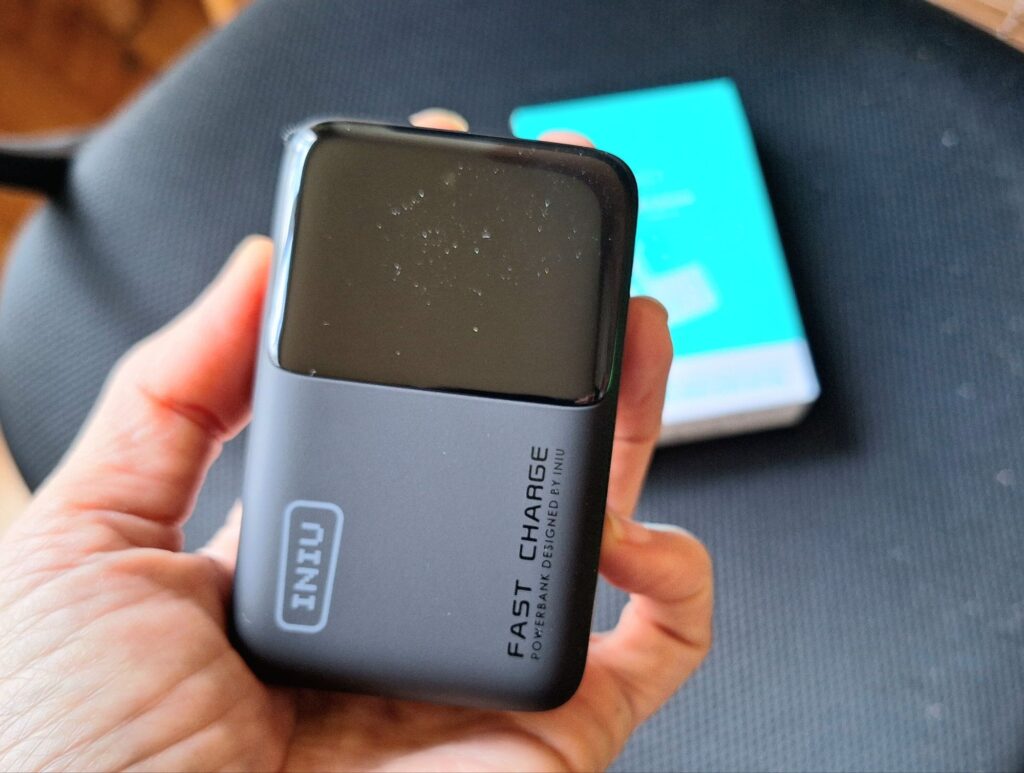
Most homestays only run their electricity generators during the evening (typically from 18:00 to midnight). To ensure your phone, camera batteries, and tablet can charge fully, a large power bank is useful to store power overnight and use it during the day.
4. Transit & Boat Preparation: Protecting Your Body and Gear
⑫ Water Bottle (Reusable My-Bottle)
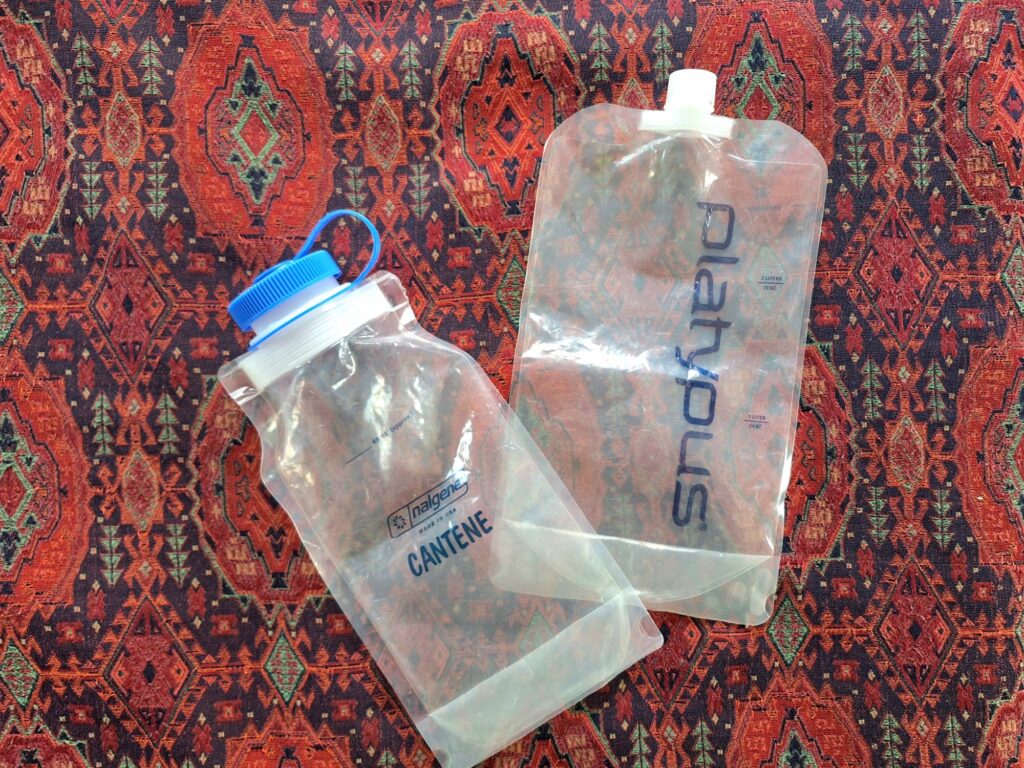
Staying hydrated is critical during island excursions and long boat trips to prevent heatstroke. Bring a sturdy, reusable water bottle so you can fill it up from the large drinking water dispensers provided in the homestay communal areas.
➡ Nalgene vs. Platypus: Lessons from My Travel Mishaps and the Ultimate Winner
⑬ Dry Bag & Zip-Lock Bags
The local boat ride from Waisai to Kri Island can involve heavy sea spray and sudden tropical downpours. To keep your camera, smartphone, and passport completely dry, place them inside zip-lock bags first, and then seal them inside a rugged waterproof dry bag. This double-layer method is the safest approach.
⑭ Rash Guard, Leggings & Snorkelling Gear
While you can often rent masks and fins at your homestay, bringing your own familiar gear ensures a much more comfortable time. A long-sleeved rash guard and swim leggings are very useful to prevent sunburn while floating in the water.
⑮ Sun Protection Measures
The tropical sun here is intense. Sunscreen alone is rarely enough; you should protect yourself physically by wearing thin, long-sleeved shirts and a wide-brimmed hat. Long-sleeved clothing also serves as excellent protection against evening mosquitoes.
5. Financial Management
⑯ Wise Card & Sufficient Cash (Indonesian Rupiah)
While a growing number of island homestays now accept payments via Wise, local network outages are common. The best strategy is to carry a combination of a Wise card and a substantial amount of physical cash (IDR).
How to get to Raja Ampat? It just takes a bit time…(not too bad)
➡ Jakarta to Raja Ampat (Kri Island) via Sorong: Flights, Ferries, and Local Tips
Conclusion: Preparation Ensures a Seamless Adventure
Living on a remote island in Raja Ampat can be challenging and unpredictable. However, if you pack intelligently and bring everything you need with you, you can avoid unnecessary stress and fully enjoy the most beautiful marine environment in the world.
Use this list as your final pre-trip checklist, and enjoy your adventure to the fullest. Safe travels!

Comment