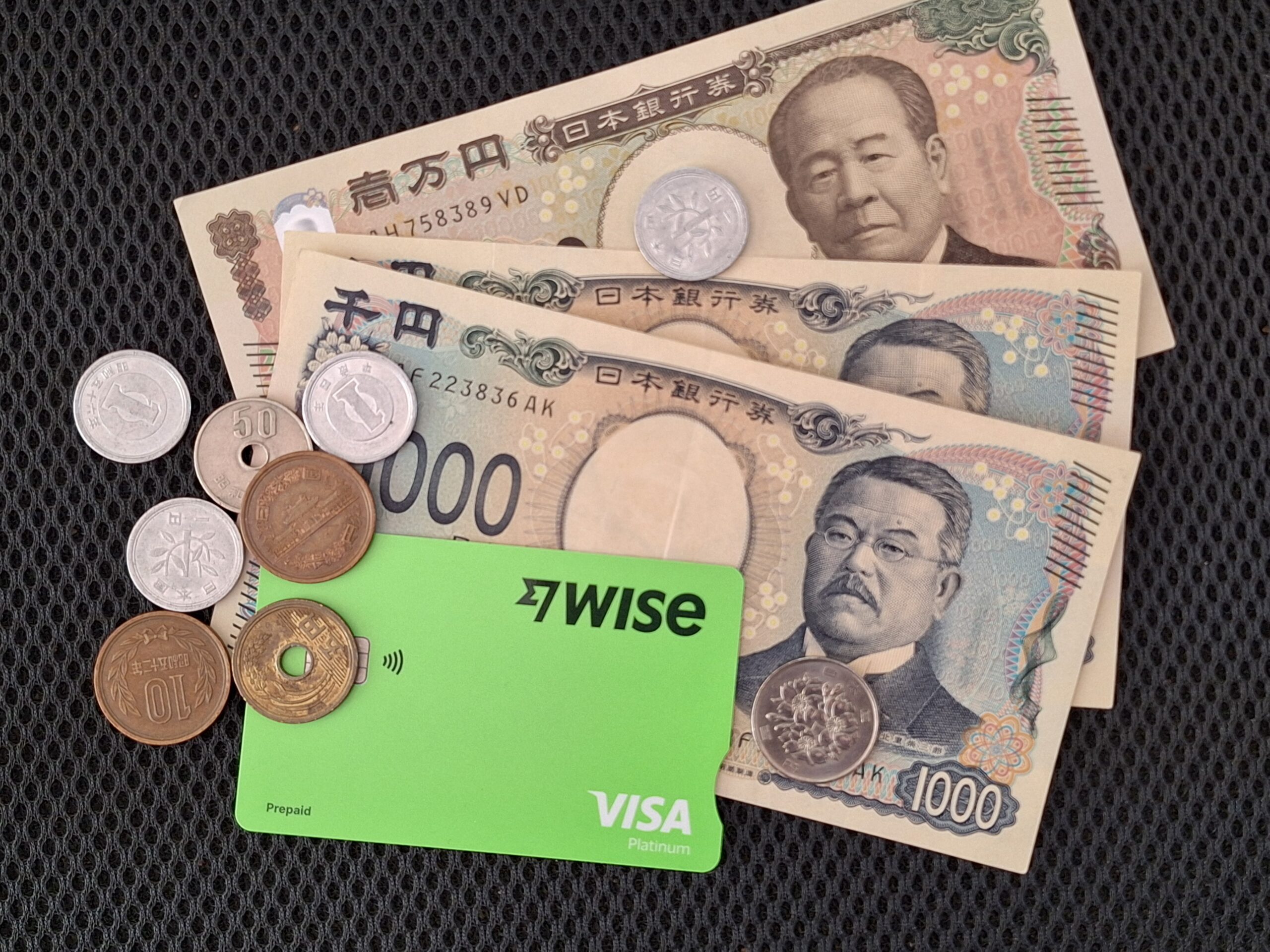
If you are currently planning your first adventure to Japan, this is probably the exact question you are typing into Google. You have likely heard conflicting advice: older online forums claiming Japan is a strictly cash-only society where your plastic is useless, balanced against recent TikToks telling you that you can survive entirely on Apple Pay.
So, what is the actual reality on the ground?
As a British-Japanese couple living in Canada who travel back to Japan frequently, we have experienced the evolution of Japan’s payment system first-hand. The short answer is: yes, you can use your credit card, but you absolutely cannot rely on it 100%.
To help you avoid any awkward moments at the till, here is our practical, honest breakdown of how to balance credit cards, digital IC cards, and hard cash during your journey.
Credit Cards: Widely Accepted, But with Exceptions
Let’s clear up the biggest myth first: yes, you can absolutely use your foreign credit cards in Japan.
If you are spending your time in major cities like Tokyo, Kyoto, or Osaka, you can use Visa and Mastercard for the vast majority of your daily expenses. Hotels, major department stores, convenience stores (konbini), and mid-to-high-end restaurants will gladly swipe your card or accept contactless payments.
However, there are a few important caveats to keep in mind:
- The Small Business Exception: Traditional family-run restaurants (izakaya or local ramen shops), traditional guesthouses (ryokan) in the countryside, and local market stalls still operate entirely on cash.
- Foreign Card Hiccups: Occasionally, international credit cards can be finicky when purchasing train tickets online or at certain automated ticket machines. It is always wise to have a backup card from a different provider (and always notify your home bank of your travel plans beforehand!).
First time to Japan? This article may be helpful:
➡ First Time in Japan: Everything You Need to Know Before Visiting
IC Cards: Your Best Friend for Transit and Daily Essentials
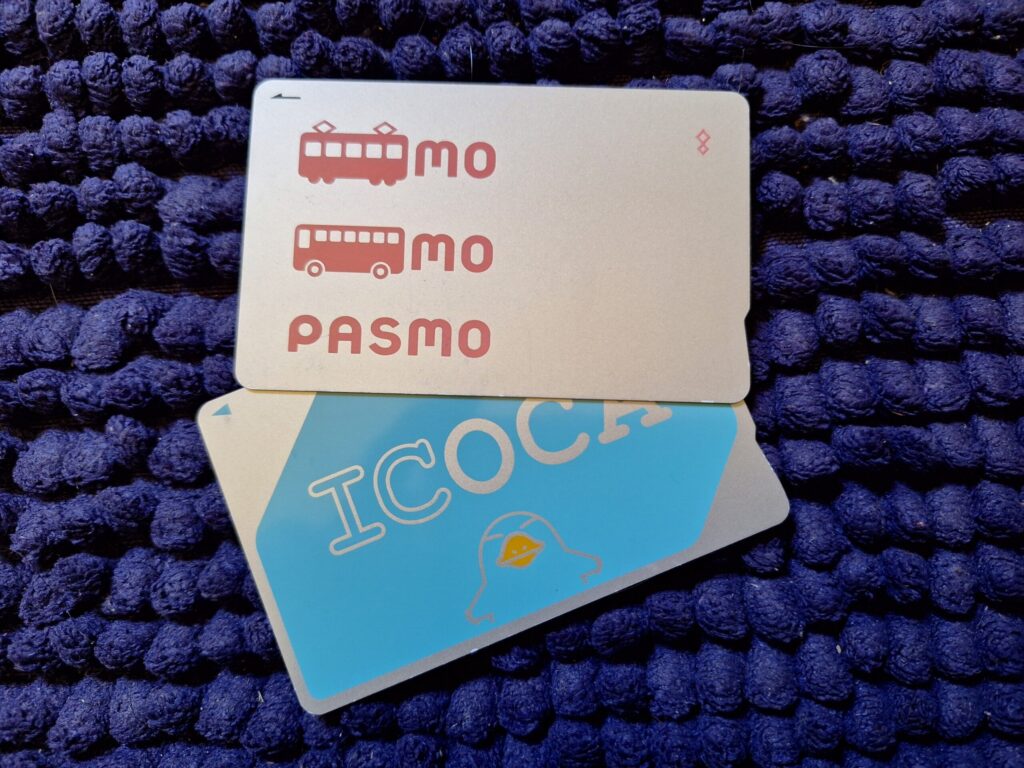
If you want to travel like a local, getting an IC Card is the single best thing you can do the moment you land.
IC cards are rechargeable, contactless smart cards primarily used for public transport, but they have evolved into a massive digital wallet system across the country. The most common ones are Suica and Pasmo (in the Tokyo region) and ICOCA (in the Kyoto/Osaka region). The brilliant thing is that they are interoperable—a Suica bought in Tokyo works perfectly on the buses and subways in Kyoto.
Why you need one:
- Seamless Transit: Instead of calculating ticket prices and queuing at machines every time you want to catch a local train or subway, you simply tap your card at the ticket gates.
- Micro-Payments: You can use your IC card to pay at convenience stores, vending machines, coin lockers, and even many casual dining spots. It cuts down on the amount of loose change jingling in your pockets.
The “Region Not Supported” Error (And the Android Pitfall)
Many of our friends in Canada and the UK have run into a frustrating roadblock when trying to find the official Suica or Pasmo apps in their local Google Play or Apple App Store, often seeing an error saying the app isn’t available in their region.
Here is the exact reality of how to bypass this based on your phone:
- For iPhone Users: You actually do not need the official app at all. iPhones are globally standardised, so you can circumvent the region lock completely. Simply open your built-in Apple Wallet app, tap the “+” sign in the top right corner, select “Transit Card,” search for “Suica” or “Pasmo,” and load money instantly using Apple Pay.
- For Android Users: This is the big pitfall. Due to hardware differences (specifically the FeliCa chip requirement), foreign-bought Android phones physically cannot support digital Japanese IC cards, no matter how much you tinker with your settings. If you are an Android user, save yourself the headache and simply buy a physical, plastic “Welcome Suica” or “Pasmo Passport” at the airport when you land.
A step-by-step guide to getting an IC card in Japan:
➡ Where and How to Buy a Suica or Pasmo Card in Japan (Without the App Error)
Crucial Insider Tip: Watch the Wise “Jet Lag” ATM Trap!
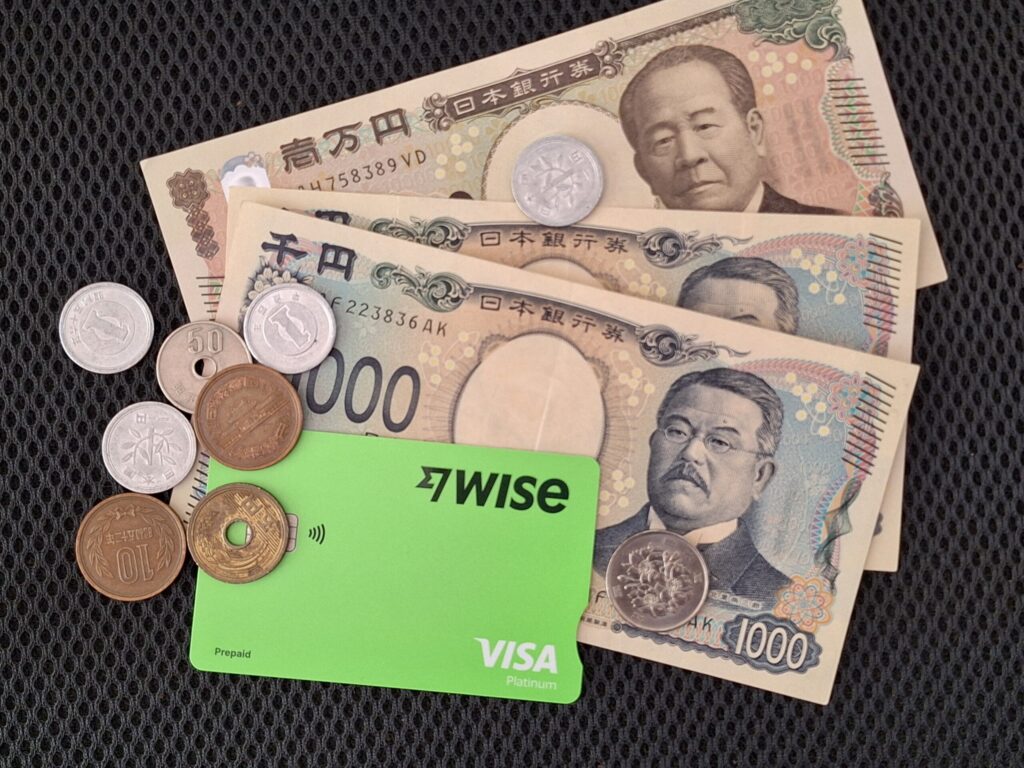
Wise offers a brilliant feature where you get two free ATM withdrawals a month up to a certain designated amount. However, Wise frequently updates these limits depending on where your card was issued (for instance, limits for Canadian users have changed significantly recently). Because of this, we highly recommend checking the official Wise website for your specific home country to verify your current monthly allowance before you travel.
Regardless of your limit, here is a massive trap that my wife and I learned the hard way: the monthly limit resets according to the timezone of your home country, NOT Japan time!
With Canada and the UK being 8 to 13 hours behind Japan, it is very easy to make a costly mistake. If you think, “Oh, it’s the 1st of the month in Tokyo, I can withdraw more cash under my new monthly allowance,” Wise’s servers back home might still register it as the 31st of the previous month. If you pull money out too early, you will be hit with an unexpected fee because you technically exceeded your limit for that month.
To be safe, always wait until at least the afternoon of the 2nd of the month in Japan before making your next “new month” withdrawal!
Also, when using the ATM, if the screen asks whether you want to settle the transaction in your home currency or local currency, always choose JPY to avoid high markup fees.
Cash is Still King: When and Why You Still Need Yen
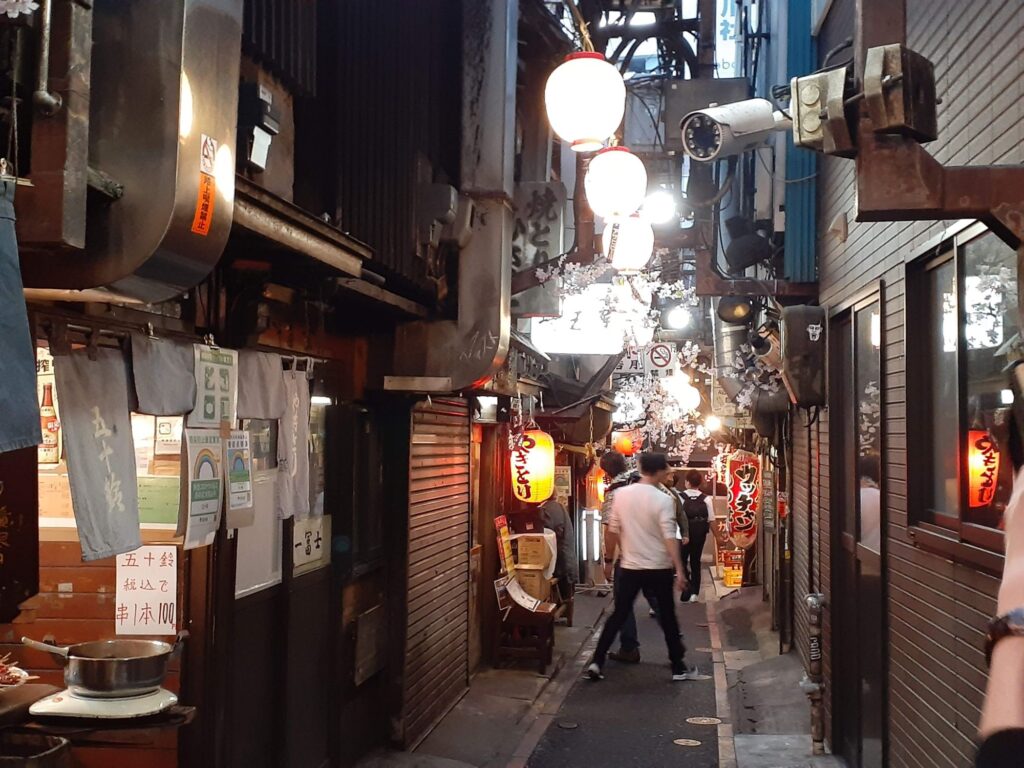
Despite the rise of digital payments, Japan remains a society that deeply respects physical money. Cash is clean, secure, and universally trusted. You should never wander around Japan with a completely empty wallet.
Here are the specific situations where physical Japanese Yen (¥) is your only option:
- Shrines and Temples: Buying entry tickets, purchasing traditional protective charms (omamori), or throwing a coin into the offering box.
- Ramen Ticket Machines: Many of the best, most authentic local ramen shops require you to buy a ticket from a vending machine at the entrance before you sit down. Most of these machines only accept cash (usually coins and ¥1,000 or ¥2,000 notes).
- Local Buses and Taxis: While taxis in major cities accept cards, smaller regional buses and countryside taxis are strictly cash-only.
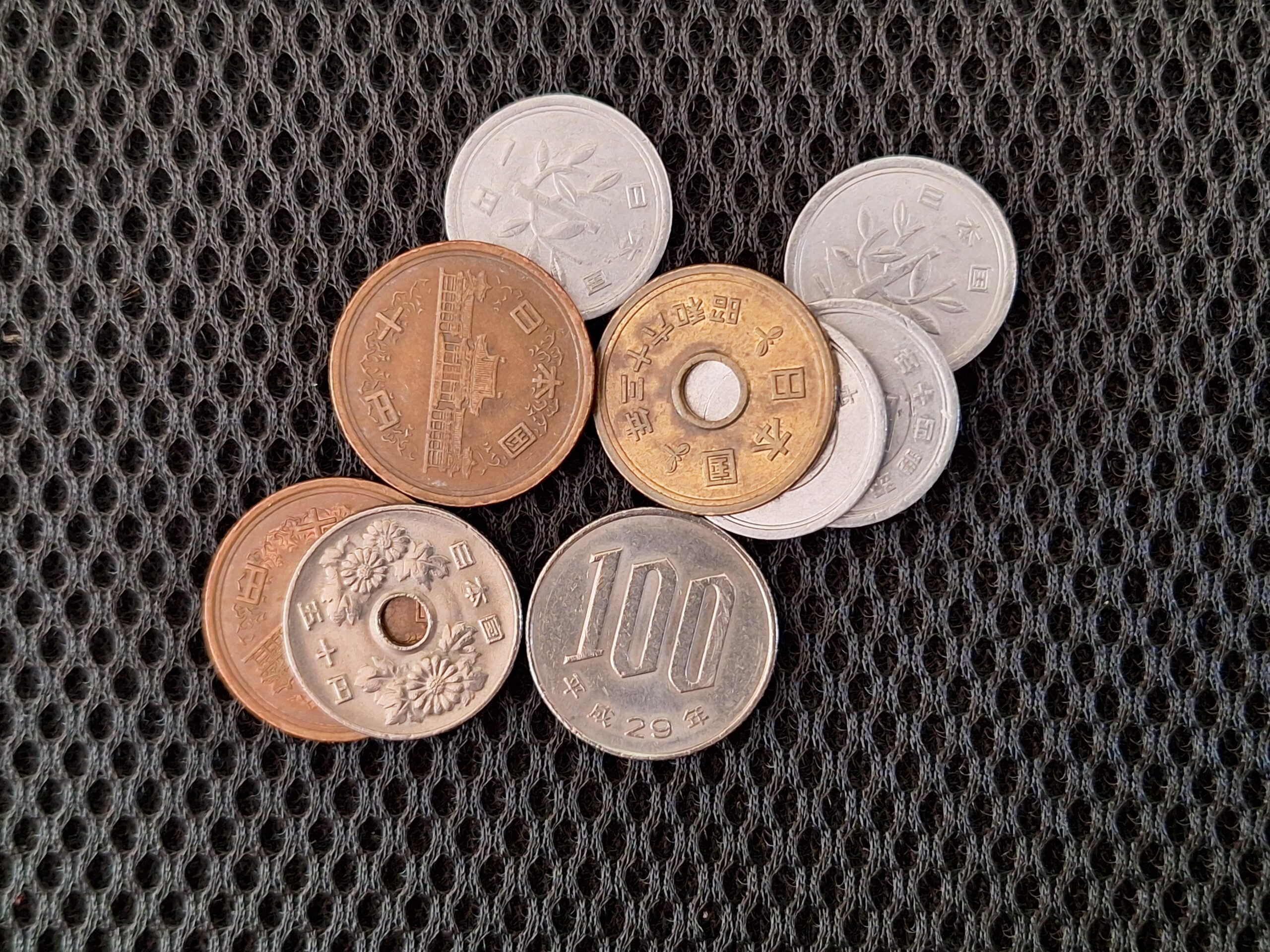
- Coin Lockers: If you want to store your daypack at a train station to go exploring, older coin lockers only take ¥100 coins.
So, how much cash should you actually carry around with you?
➡ How Much Cash Do I Need in Japan? (A Practical Guide)
How to get cash efficiently:
Don’t bother exchanging massive amounts of currency at your home airport—the rates are rarely in your favour. Instead, simply use your foreign debit card to withdraw Yen at ATMs once you arrive in Japan.
The best and most reliable places to withdraw cash are the 7-Bank ATMs located inside every 7-Eleven convenience store. They are open 24/7, have full English menus, and accept almost all international bank cards with very reasonable transaction fees.
➡ Back to Budget Travel in Japan: Smart Money-Saving Tips & Cost Guide
Summary: The Perfect Travel Strategy
To make your trip completely stress-free, we recommend using a balanced hybrid approach:
- Use Credit Cards for big expenses like hotels, shinkansen (bullet train) tickets, and major shopping dinners.
- Load up a Digital IC Card on your smartphone for local subways, buses, vending machines, and quick convenience store snacks.
- Keep roughly ¥5,000 to ¥10,000 in physical cash per person in your wallet at all times for regional travel, street food, and traditional sites.
By combining these three methods, you will navigate Japan’s financial landscape seamlessly, leaving you with more time to focus on the incredible sights and food!
Have you ever heard that there’s no tipping culture in Japan? To be precise, that isn’t entirely true. We explain this in more detail here:
➡ Do You Tip in Japan? (The Honest Truth About Tipping Culture)
Head back to our master checklist to tackle your next big travel question:
➡ First Trip to Japan? 12 Questions that We are Frequently Asked
Comment