If you are planning a journey to Japan, one of the first questions that probably crossed your mind is: “When on earth should I go?”
As someone who has explored Japan extensively, I get asked this question constantly by friends from the UK, Canada, and all over the globe. The truth is, Japan changes its face entirely from month to month. A period that is perfect for a ski enthusiast might be a nightmare for a budget holidaymaker, and our definition of a “pleasant summer” back home is worlds apart from a Tokyo August.
To help you plan your dream itinerary, I’ve broken down Japan’s yearly calendar into travel styles, mapped out every month in a handy chart, and highlighted the hidden “budget windows” you absolutely should take advantage of. Let’s dive in!
- 1. Finding Your Perfect Match: The Best Seasons by Travel Style
- 2. Smart Savings: The Best Cheap and Quiet “Off-Seasons”
- 3. Financial Spikes and Mass Crowds: The “Absolute Peak Seasons” You Must Plan Around
- 4. The 12-Month Japan Travel Calendar at a Glance
- 5. Summer Survival: Why You Should Skip the Cities in July and August
- 6. Conclusion: Crafting Your Perfect Journey to Japan
1. Finding Your Perfect Match: The Best Seasons by Travel Style
First, let’s look at the standout seasons based on what you actually want to experience. Japan is incredibly diverse, so matching your personal travel style to the right month is half the battle won.
① The Quintessential Japan: Late March to Early April (Spring)
- Best for: First-time visitors and anyone dreaming of iconic landscapes framed by pink blossoms.
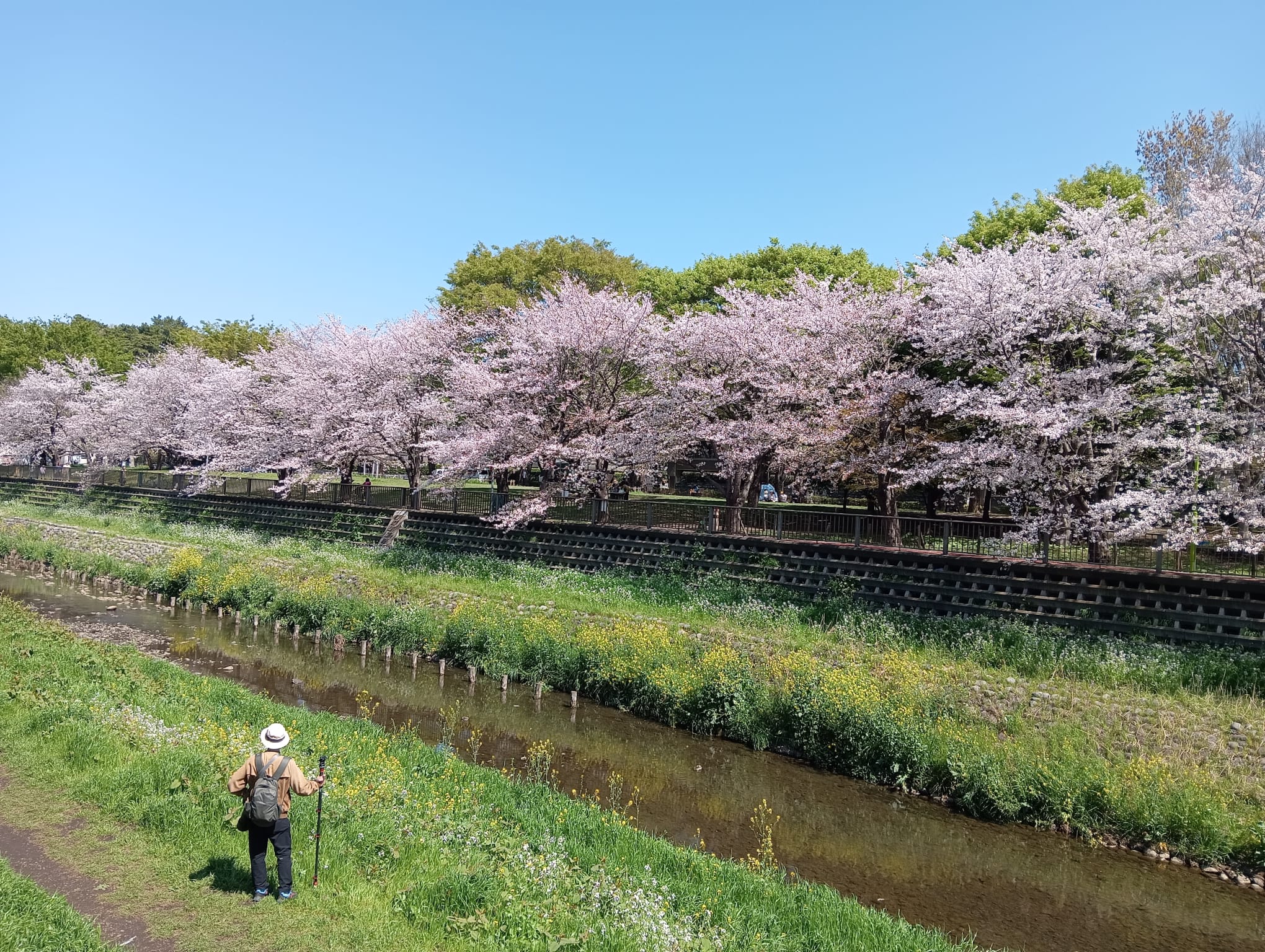
- The Experience: This is cherry blossom (sakura) season. Watching the somei-yoshino trees burst into a sea of pale pink across ancient castles and modern city parks is truly breathtaking. The weather is crisp, bright, and perfect for walking.
- The Reality Check: Because this is the most famous time to visit, it is also the most crowded and expensive. You are best off booking your flights and accommodation at least six months in advance, and you must be prepared to share the top sights with large crowds.
② Nature, Hiking, and “Slow Travel”: May or October to November (Autumn)
- Best for: Walkers, hikers, repeat visitors, and those who want to avoid peak crowds.
- The Experience:
- May (Post-Golden Week): This is the fresh greenery (shinryoku) season. The skies are brilliantly clear, the humidity hasn’t arrived yet, and it is arguably the finest walking weather of the year. It’s perfect for exploring old historic post-towns or hiking rural trails.
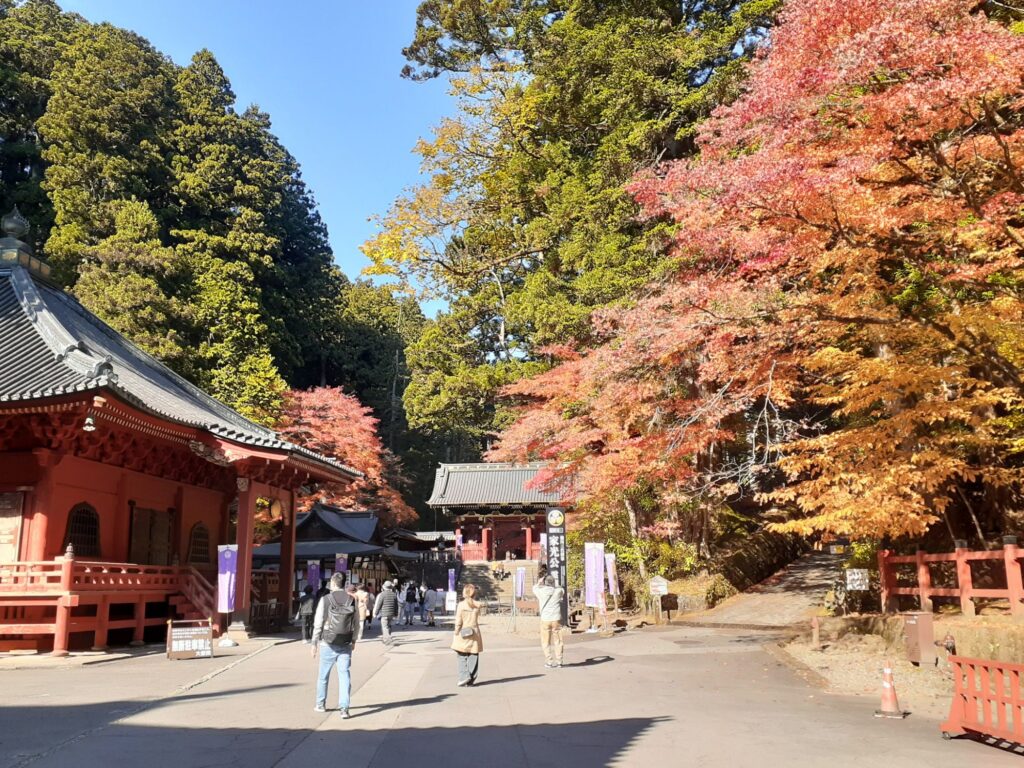
- October to November: Autumn in Japan is magnificent. Unlike the vast, dramatic autumnal forests of North America, Japan’s autumn foliage (momiji) is delicate, artistic, and beautifully framed by traditional temple architecture. The days are dry and cool—ideal for long-distance walking.
③ World-Class Powder Snow: January to February (Winter)
- Best for: Skiers, snowboarders, and winter wellness lovers.
- The Experience: For snow sports enthusiasts, winter in Japan is legendary. The Siberian winds dump incredibly dry, light powder snow (affectionately known globally as “JAPOW”) across Hokkaido and the northern Japan Alps (Nagano and Niigata). Even if you don’t ski, combining a snowy landscape with an outdoor hot spring (onsen) and a steaming bowl of local ramen is a bucket-list experience.
2. Smart Savings: The Best Cheap and Quiet “Off-Seasons”
If your priority is stretching your budget and experiencing famous historical sites without thousands of selfie sticks in your view, you need to target the “air pockets” of the travel calendar. Here are three fantastic windows where prices drop and crowds thin out.
① Mid-to-Late April: The “Miracle Fortnight” Before Golden Week
This is perhaps the best-kept secret of spring travel in Japan.
- The Appeal: Right after the international Easter holidays end and the main cherry blossom rush subsides, tourism hits a temporary lull. For about two weeks, hotel rates and flight prices dip significantly. The weather remains glorious (around 15–20°C depending wherein Japan you are), and while the main cherry blossoms have dropped, you will be treated to gorgeous fresh green leaves, wisteria, and vibrant azaleas.
- The Catch: You must keep an eye on the calendar. At the very end of April, Japan enters “Golden Week”—a string of national holidays where the entire country travels at once. Ensure your itinerary has you flying out (or tucked away in a quiet rural area) by April 27th or 28th at the latest.
② Late September: Beating the Summer Heat and Holiday Prices
September is an excellent transition month if you time it correctly.
- The Appeal: Global summer holidays are over, schools are back in session, and international airfares drop. By the final week of September, the brutal summer humidity finally begins to break, and a lovely autumn breeze rolls in. If you are a fan of nature, heading straight up north to Hokkaido in late September allows you to catch the very first autumn colours in Japan along its dramatic mountain trails.
- The Catch: The first half of September can still feel like mid-summer in places like Tokyo and Kyoto. Additionally, September is the peak of the typhoon season. It is wise to keep your transit schedule flexible and ensure you have comprehensive travel insurance.
③ Mid-January to February: Serenity and Crystal-Clear Vistas
(Note: This excludes the immediate vicinity of major ski resorts like Niseko or Hakuba.)
- The Appeal: Once the New Year festivities wind down, Japan enters its quietest period of the year. Accommodation is incredibly cheap. Because winter air is remarkably dry and clear, your chances of seeing a perfectly crisp, snow-capped Mount Fuji from Tokyo or Hakone are higher in January and February than at any other time of the year. It is a wonderful time to enjoy quiet cultural exploration in cities like Kyoto.
3. Financial Spikes and Mass Crowds: The “Absolute Peak Seasons” You Must Plan Around
The Danger Zones: New Year (Late Dec to Early Jan), Golden Week (Late Apr to Early May), and Obon (Mid-August)
If there is one thing that can completely ruin a holiday budget or result in a stressful travel experience, it is accidentally booking your trip during one of Japan’s major national holiday windows. Unlike in many Western countries where holiday leave is staggered, Japanese society tends to take time off simultaneously. During New Year, Golden Week, and Obon, millions of people travel at the exact same moment, causing train stations, airports, and tourist hotspots to experience unprecedented congestion.
If your schedule dictates that you must travel during these periods, it is a really good idea to book your hotels and long-distance transportation months in advance. Leaving accommodation choices to the last minute is a recipe for disaster, as everything from budget hostels to luxury boutique rentals sells out entirely, and remaining prices skyrocket to double or triple their usual rates.
Furthermore, international travellers need to be particularly careful with the New Year period (29th December to 3rd January). Not only is it incredibly expensive, but a vast majority of independent restaurants, local shops, museums, and historical sites close down completely for the holidays. You may find yourself paying peak prices only to find the city’s best cultural experiences locked away. If you cannot avoid these three major holiday windows, treat early hotel reservations as your absolute highest priority to secure your peace of mind.
4. The 12-Month Japan Travel Calendar at a Glance
To give you a complete bird’s-eye view, here is a breakdown of what to expect every single month, including iconic local festivals (matsuri) and cultural events.
| Month | Climate & Travel Ease | Key Highlights & Cultural Events |
| January | [Winter] Cold and crisp. Early Jan is peak holiday pricing; mid-to-late Jan is a bargain off-season. | • Hatsumode (First shrine visits of the year) • Peak ski season begins • Shirakawa-go village winter illuminations |
| February | [Winter] Peak cold. Tourism is quiet; excellent budget month for cultural sightseeing and hot springs. | • Sapporo Snow Festival (Hokkaido) • Setsubun bean-throwing festivals (Feb 3rd) • Early plum blossoms (ume) in Kyoto |
| March | [Spring Transition] Chilly start, warming up late in the month. Prices skyrocket late March. | • Omizutori fire festival (Nara) • AnimeJapan exhibition (Tokyo) • Cherry blossom season begins (Late March) |
| April | [Spring] Perfect walking weather. Early April is packed/expensive. Mid-to-late April is a quiet budget haven. | • Cherry blossoms in full bloom (Early April) • Takayama Spring Festival (Gifu, April 14–15) • Fresh green foliage and spring flowers |
| May | [Early Summer] Warm, dry, and beautiful. Avoid early May (GW); mid-to-late May is highly recommended. | • Tateyama Kurobe Alpine Route (Giant Snow Walls) • Sanja Matsuri festival (Asakusa, Tokyo) • Aoi Matsuri festival (Kyoto) |
| June | [Rainy Season] High humidity with frequent rain. Very affordable and uncrowded. | • Lush moss gardens and blooming hydrangeas • Beautiful water-filled terraced paddy fields • Sanno Matsuri festival (Tokyo) |
| July | [Summer] Hot and humid. Summer holidays push up flight costs. Peak festival and fireworks season. | • Gion Matsuri festival (Kyoto, all month) • Mt. Fuji climbing season officially opens • Sumidagawa Fireworks Festival (Tokyo, late July) |
| August | [Summer] Intense heat and humidity. Mid-August is very expensive due to local holiday travel. | • Tohoku Summer Festivals (Nebuta in Aoimori, etc.) • Awa Odori dance festival (Tokushima) • Daimonji Bonfire/Gozan no Okuribi (Kyoto, Aug 16) |
| September | [Late Summer] Hot start; typhoon risks. Mid-Sept has peak holiday days; late Sept is a fantastic budget window. | • Otsukimi (Traditional autumn moon-viewing) • Kishiwada Danjiri Festival (Osaka) • Earliest autumn leaves begin in northern Hokkaido |
| October | [Autumn] Clear skies, comfortable temperatures. Highly popular peak season for nature and cities. | • Jidai Matsuri & Kurama Fire Festival (Kyoto, Oct 22) • Modern Halloween celebrations (Shibuya, Tokyo) • Autumn foliage peaks in the Japan Alps |
| November | [Autumn] Cool days, chilly nights. Clear weather continues. Busy autumn foliage peak in cities. | • Autumn foliage night light-ups (Kyoto/Tokyo) • Shichi-Go-San festival (Children in traditional dress) • Karatsu Kunchi festival (Saga) |
| December | [Winter] Cold. Quiet and reasonably priced until Christmas. Late December spikes heavily for New Year. | • Spectacular winter light illuminations nationwide • Chichibu Night Festival (Saitama) • Joya no Kane (New Year’s Eve temple bell ringing) |
5. Summer Survival: Why You Should Skip the Cities in July and August
If your work or school calendar means you must visit during July or August, let me offer some vital survival advice.
Many overseas travellers arrive in Tokyo or Kyoto in August expecting a standard European or Canadian summer, only to be completely overwhelmed by the humidity. The concrete cities trap heat, creating a “heat island” effect that can make urban sightseeing exhausting.
If you are coming in the summer, do what the locals do: escape the urban concrete jungle and head to the mountains, the north, or the islands.
① Head North: Hokkaido and the Tohoku Festivals
- Hokkaido: Because it sits much further north, Hokkaido misses the rainy season and enjoys a much drier, cooler summer. Renting a car to see the lavender fields of Furano or hiking through its national parks is a breath of fresh air compared to the sweltering south.
- Tohoku: The northern part of Japan’s main island comes alive in early August with some of the most energetic, massive festivals in the world (like the Nebuta Matsuri in Aomori). The evening air here is often far more forgiving than in central Japan, making it an incredible cultural summer alternative.
② The Counter-Intuitive Escape: Island Getaways
It sounds backward, but heading south to islands like Okinawa or the islands of the Seto Inland Sea can actually be more comfortable than staying in Tokyo or Osaka.
While the subtropical sun is strong, islands completely lack the suffocating concrete, massive buildings, and air-conditioning exhaust of the megacities. Instead, you are treated to constant, refreshing sea breezes. Spend your days in the shade or out on the water exploring pristine coral reefs—it is a far more intelligent way to spend a Japanese August.
[Mini Trivia] Did you know Tokyo has its own tropical islands?
If you love the idea of an island escape but don’t want to fly all the way down to Okinawa, you are in luck. Administratively, the Tokyo prefecture extends far into the Pacific Ocean! There are incredible volcanic islands like the Izu Islands (such as Niijima and Kozushima) and the sub-tropical, UNESCO World Heritage-listed Ogasawara Islands that technically belong to Tokyo. They offer crystal-clear blue waters and rich marine life just a ferry or short flight away from the city. I will be dedicating an entire separate feature article to these hidden “Tokyo Islands” very soon, so stay tuned!
6. Conclusion: Crafting Your Perfect Journey to Japan
Planning a trip to Japan is all about balancing your personal interests with the natural rhythms of the country’s calendar. Whether you are dreaming of wandering through a quiet, moss-covered temple in the June rain, hiking the vibrant autumn trails of Hokkaido in late September, or braving the winter chill for the finest powder snow, there is truly no single “wrong” time to visit—provided you know what to expect.
To ensure your journey is as smooth and memorable as possible, keep these three golden rules in mind:
- Match your season to your lifestyle: If you cherish quiet walks and local heritage, prioritise the fresh greens of May or the crisp, dry days of autumn.
- Embrace the air pockets: If you want to stretch your budget and dodge the heaviest crowds, intentionally target the clever transitional windows like mid-April or late September.
- Book ahead without fail: If your holiday dates force you into the chaotic peaks of Golden Week, Obon, or New Year, do not leave anything to chance. Lock in your accommodation and main transport routes months in advance.
Japan is a country that rewards thoughtful preparation. By understanding when to jump into the local energy and when to seek a quiet escape, you will set yourself up for the adventure of a lifetime. Pack your walking shoes, keep your plans slightly flexible, and get ready to discover an extraordinary corner of the world.
Head back to our master checklist to tackle your next big travel question:
➡ First Trip to Japan? 12 Questions that We are Frequently Asked
Comment