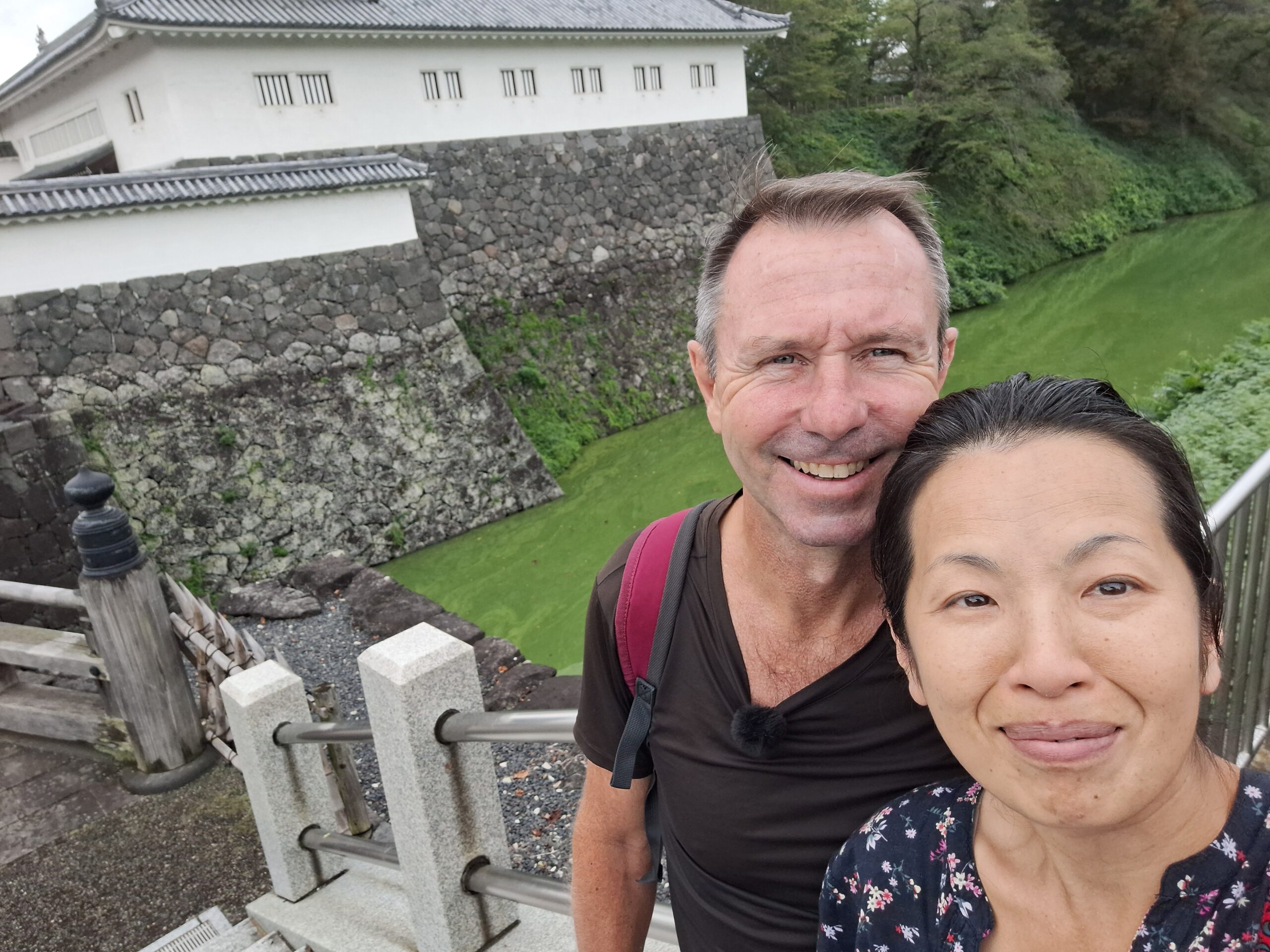
Yamagata offers incredible destinations for anyone looking for the best things to do in Yamagata without a car. There is something endlessly satisfying about exploring Japan’s regional cities entirely by train, bus, and on foot. On this leg of our 13-day trip through Tohoku, my wife and I decided to stop off in Yamagata to experience its rich history, historic architecture, and vibrant local culture before continuing our journey.
Because its main sights are remarkably compact, you don’t need a car to experience the best of it. Everything from feudal castle ruins to Taisho-era architecture can be comfortably explored using public transport and your own two feet.
🇯🇵 この記事を日本語で読む: 山形1日観光モデルコース【地図付き】車なし!公共交通機関と徒歩だけ散策ルート
Yamagata 1 Day Itinerary Map
Below is the map of the sightseeing spots included in this itinerary.
➡ 2-Week Tohoku Itinerary in September: A Slow-Paced Couple’s Backpacking Guide
What Kind of City is Yamagata?
Located in the heart of Yamagata Prefecture, Yamagata City flourished as a prosperous castle town under the Yamagata Domain during the Edo period. Beyond its preserved historical sites, the area is famed for its traditional food culture, including authentic soba noodles and local delicacies, making it a dream destination for slow travellers.
Surrounded by majestic mountains, the city seamlessly blends old-world charm with modern convenience, offering an ideal walkable urban experience for visitors exploring regional Japan by rail.
Yamagata Sightseeing Spots by Public Transport & Walking
Here are the top attractions around Yamagata City that you can easily reach from Yamagata Station using public transport and walking.
Kajo Park (Yamagata Castle Ruins)
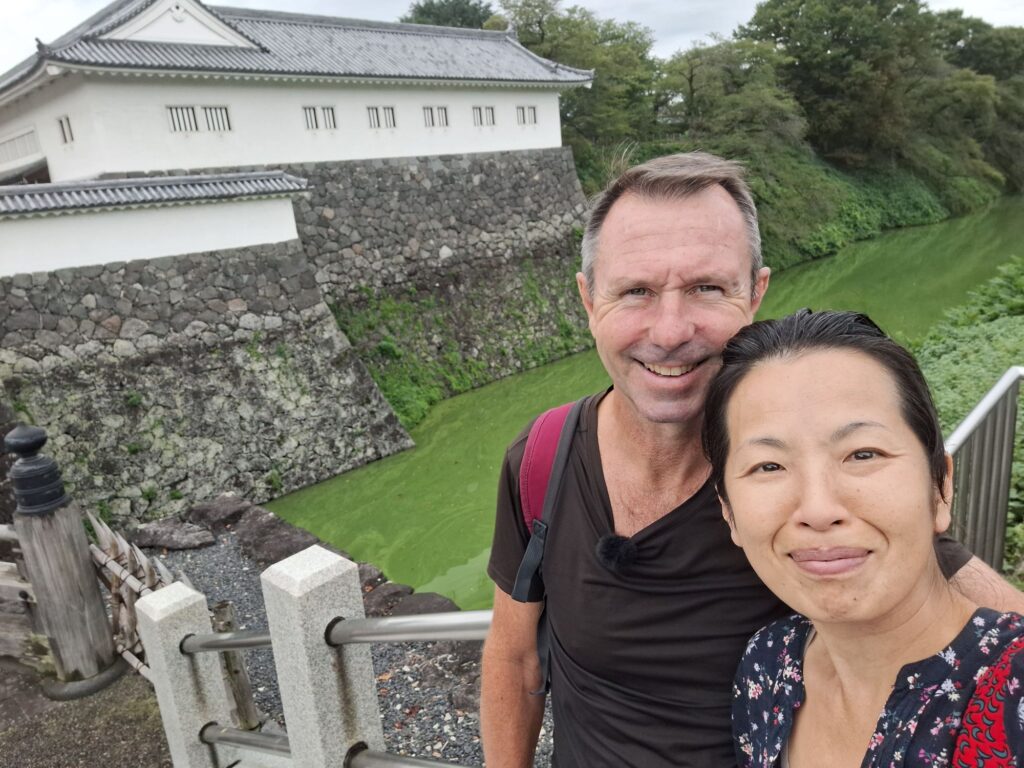
Built on the former grounds of Yamagata Castle and designated as a National Historic Site, this spacious park is framed by historic moats and stone walls. It serves as a peaceful green oasis and a brilliant starting point for exploring the city’s feudal past.
- Admission: Free (some interior exhibits may charge a small fee)
- Closed: Open daily
Yamagata City Kyodokan (Former Saiseikan Hospital)
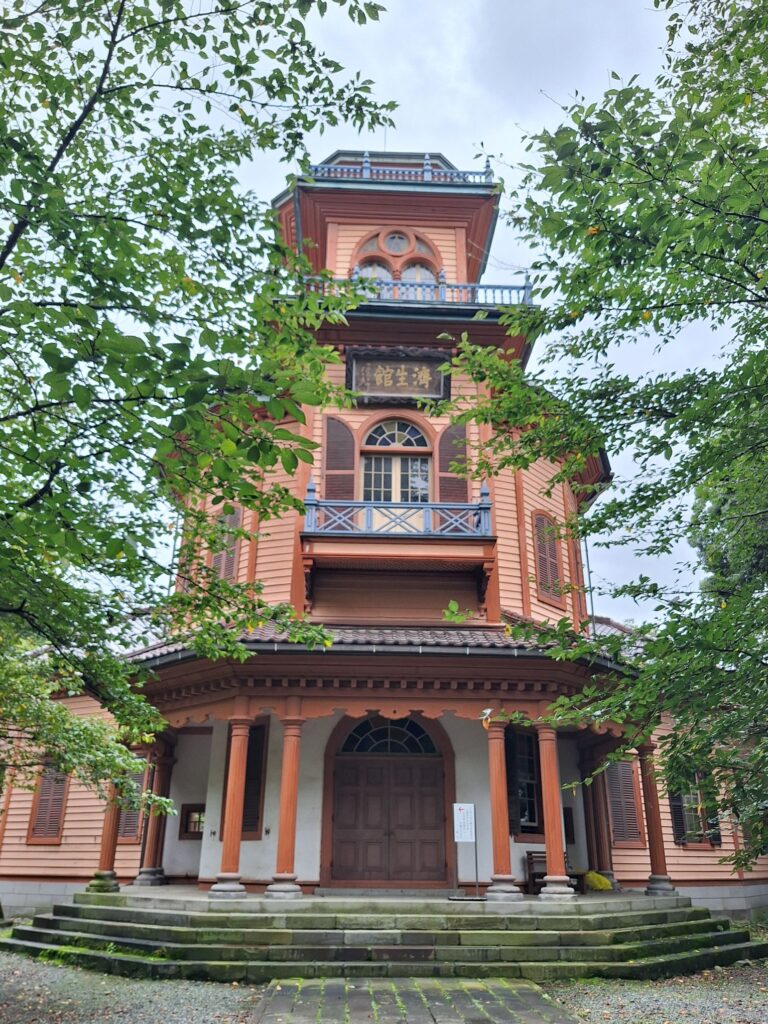
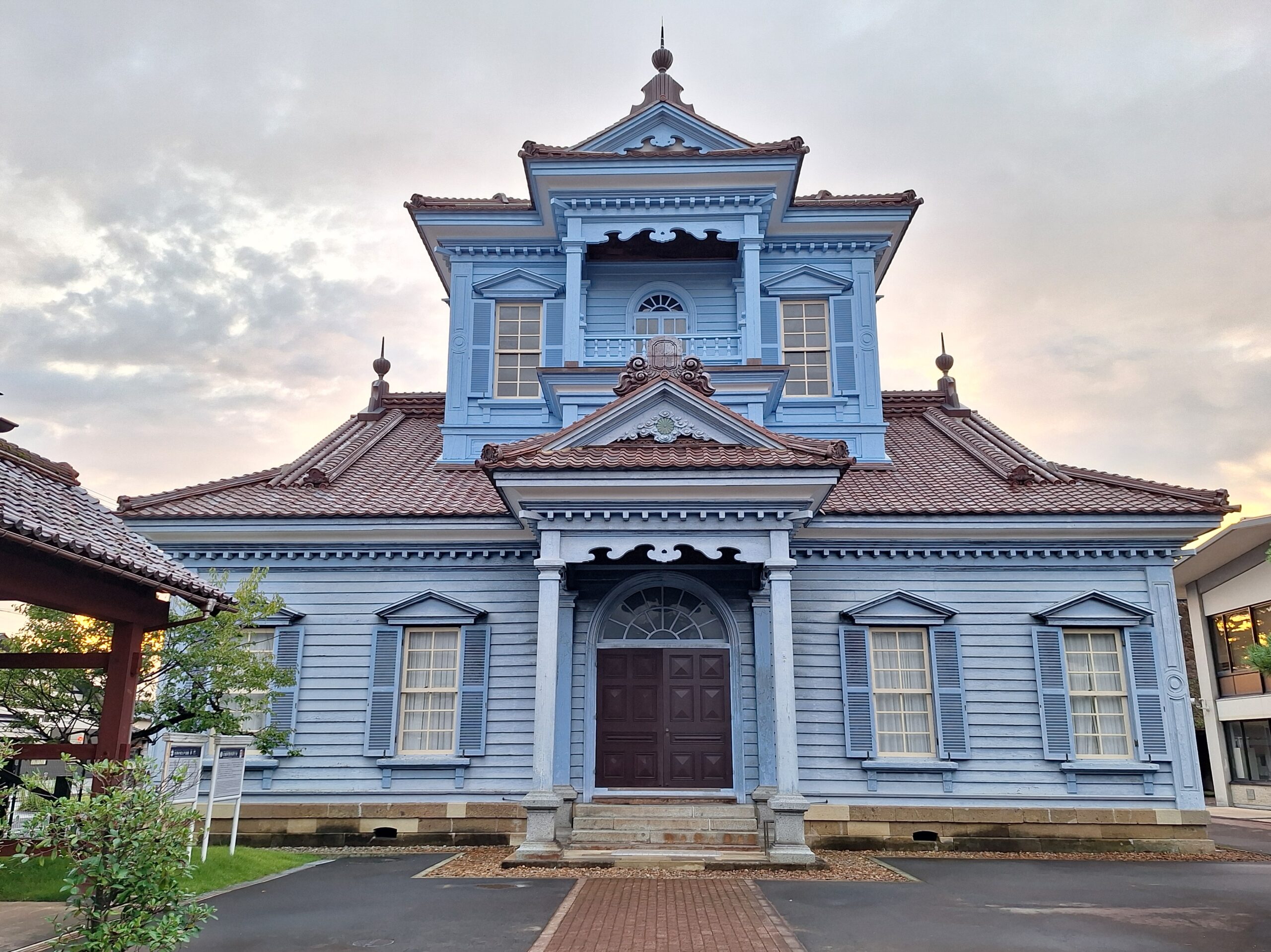
Located right inside Kajo Park, this striking western-style building was constructed in 1878 and is recognized as one of Japan’s oldest surviving hospital structures. Its unique octagonal architecture and bright white walls offer a fascinating glimpse into early Meiji-era Western architecture.
- Admission: Free
- Closed: Mondays (or the following day if a national holiday), New Year holidays
- Highlights: The stunning central octagonal atrium and historical medical exhibits.
Bunshokan (Yamagata Prefectural Museum)
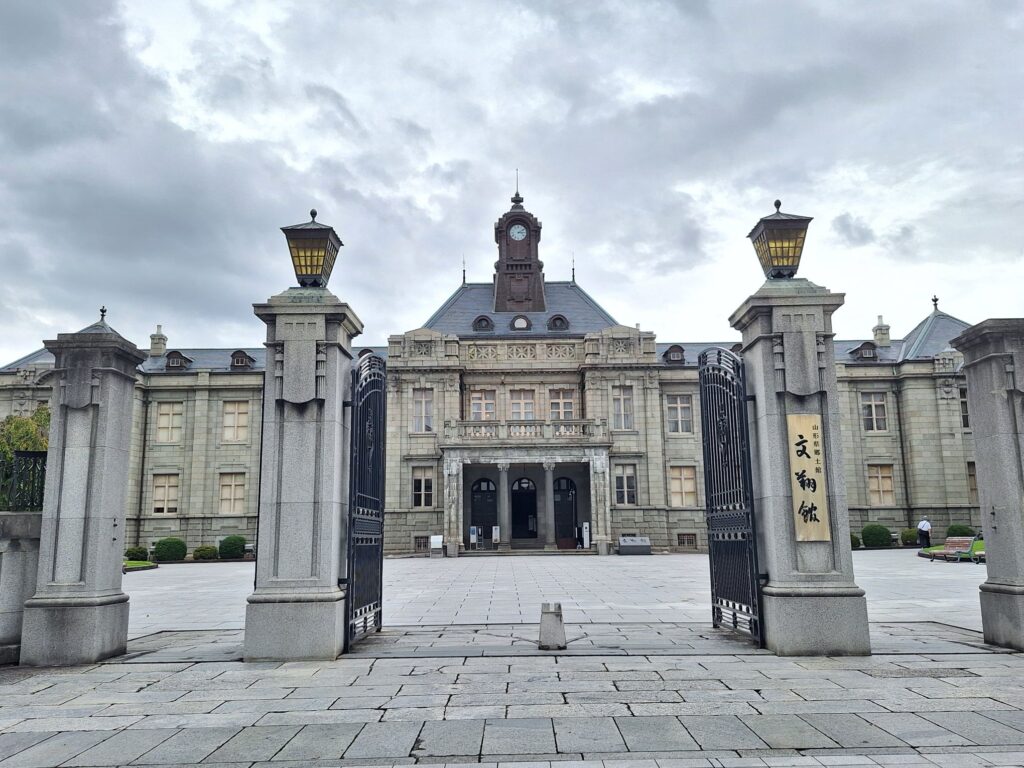
A magnificent British Renaissance-style brick building constructed in 1916, formerly serving as the prefectural office and assembly hall. Its majestic clock tower, grand red-carpeted staircases, and intricate plasterwork can all be explored for free, offering a true step back into the Taisho Roman era.
- Admission: Free
- Closed: 1st, 3rd, and 5th Mondays (or the following Tuesday if a holiday), New Year period
- Highlights: Impeccably preserved classical architecture and historical exhibition rooms.
Yamagata Museum of Art
A premier cultural hub showcasing an impressive collection of local artworks alongside the renowned Hasegawa Collection, featuring masterpieces by celebrated European artists such as Monet, Renoir, and Degas.
- Admission: Varies by special exhibition (General admission approx. 1,000 to 1,500 JPY)
- Closed: Mondays (or the following day if a national holiday), exhibition change periods, New Year holidays
- Highlights: World-class Western paintings and a tranquil gallery environment.
Yamagata Gokoku Shrine
A serene and solemn shrine set within a lush, verdant precinct. The spacious grounds offer a peaceful escape, making it a wonderful spot for a quiet stroll and a moment of reflection away from the city center.
- Admission: Free for grounds wandering
- Closed: Open daily
- Highlights: Tranquil, tree-lined grounds providing a deeply peaceful atmosphere.
Nanakamichi Street (Nanakamichi Area)
Historically flourishing as the main thoroughfare of the castle town, this atmospheric street still features a charming mix of retro architecture, historic storefronts, and local shops. Walking through this area on your way to the Bunshokan offers a delightful glimpse into the city’s nostalgic past.
- Admission: Free to stroll
- Closed: Varies by individual shop
- Highlights: Retro-modern streetscapes and a vibrant local community atmosphere ideal for a leisurely walk.
Yamadera (Bozan Risshaku-ji)
Perched dramatically on steep mountain cliffs, this legendary temple features the iconic Go-daido hall overlooking breathtaking valley views after a climb of 1,015 stone steps. Because accessing Yamadera requires a short train ride and a rewarding hike, we recommend setting aside ample time to visit it towards the end of your itinerary.
- Admission: Temple entrance fee 300 JPY (Adults)
- Closed: Open daily (Year-round)
- Highlights: Spectacular mountain panoramas and historic cliffside shrines.
How to Get to Yamagata
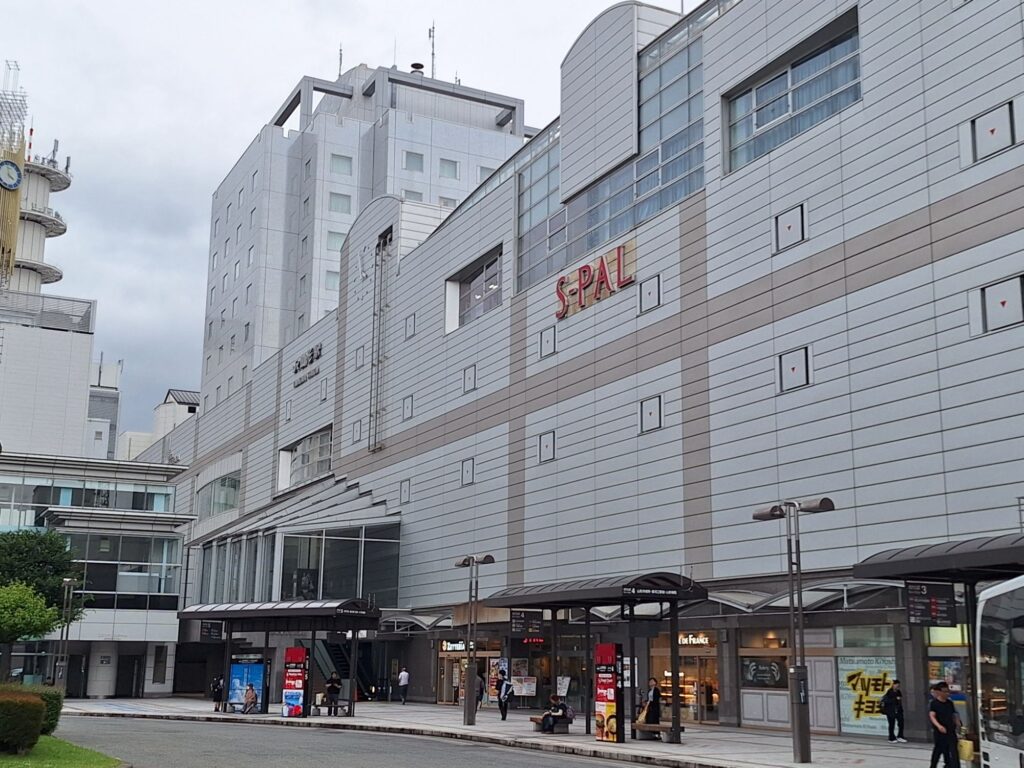
Whether you are travelling straight from Tokyo or journeying through the region like we are, here are the main ways to reach Yamagata:
- By Shinkansen (Bullet Train) from Tokyo: Take the Yamagata Shinkansen Tsubasa directly from Tokyo Station to Yamagata Station in roughly 2.5 to 3 hours without any transfers.
- By Highway Bus from Tokyo: Direct daytime and overnight highway buses run comfortably from Tokyo Station or Shinjuku straight to Yamagata City.
- Our Route (By Local Train from Tsuruoka): On our trip, we will make our way down from our stay in Tsuruoka, hopping on regional local trains to travel inland and experience the scenic countryside before arriving in Yamagata.
[Related Articles]
➡ 2-Week Tohoku Itinerary in September: A Slow-Paced Couple’s Backpacking Guide
➡ Tsuruoka, Yamagata 1 Day Itinerary: Best Things to Do in One Day
Why We Chose to Stop in Yamagata
The main reason we decided to include Yamagata in the itinerary for our trip to the Tohoku region and make a stop there was because we were interested in ‘strolling through historic classical architecture’ and ‘hiking up the stone steps at Yamadera, with its breathtaking views’. Yamadera, in particular, is a place related to Matsuo Bashō. As it takes a little time to get there, it will depend on how much time we can have whilst we’re there, but we’d like to visit if possible.
During our journey, we plan to step off the train after leaving Tsuruoka, spend a full day exploring Yamagata’s walkable city sights, and then catch a late afternoon local train onward to Yonezawa, where we will stay for the night. Experiencing these regional towns entirely by public transport allows us to slow down and truly absorb the atmosphere of rural Japan.
Conclusion
This guide covered the best Yamagata sightseeing spots accessible by public transport and walking, ranging from classical Meiji and Taisho architecture to the awe-inspiring heights of Yamadera. We are looking forwards walking around to discover the charms that can only be found when exploring on foot.
➡ Back to Tohoku Travel Guide
Comment