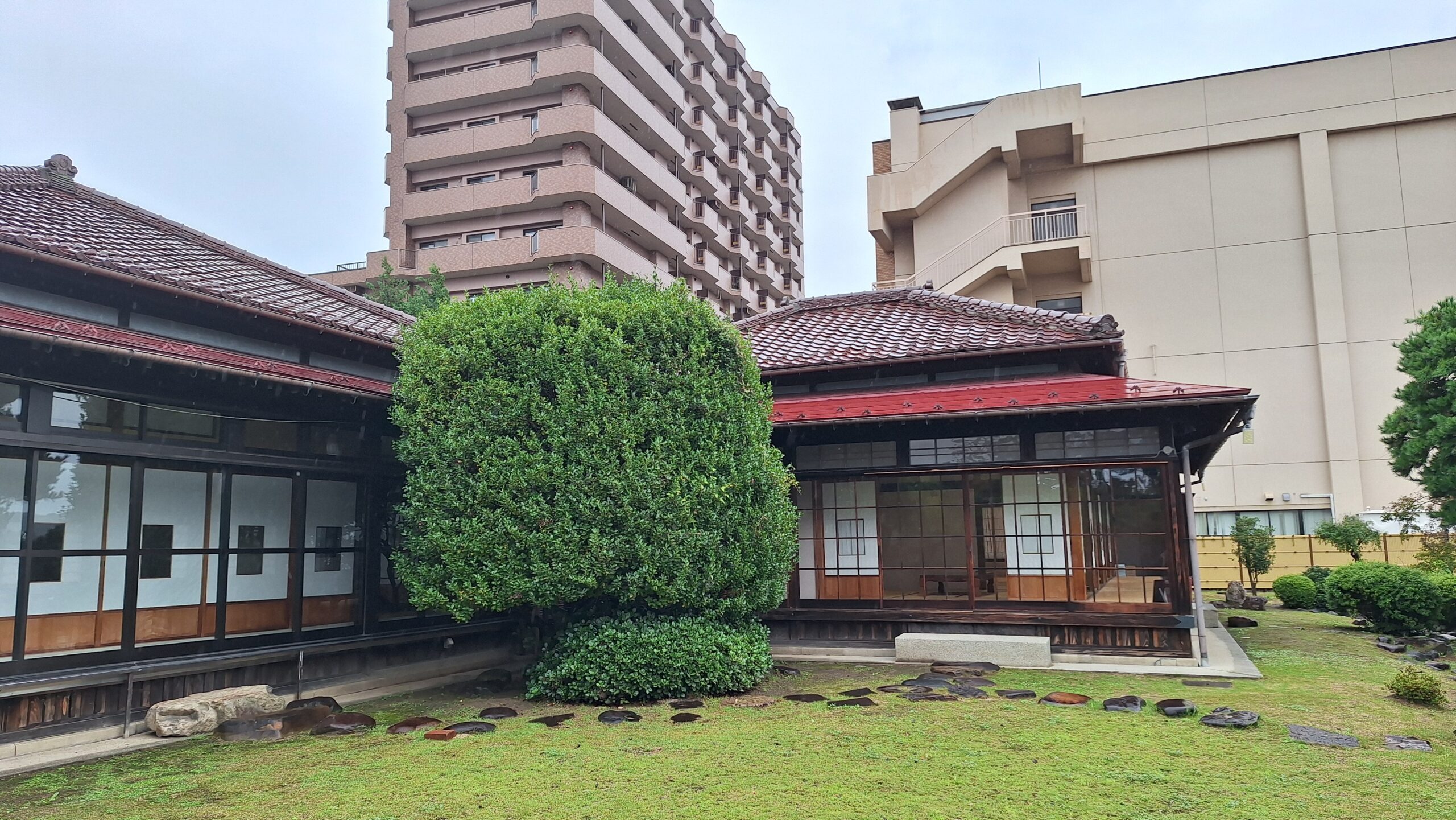
If you are looking for Fukushima station sightseeing options using public transport and a walking route, this guide is for you! Ahead of our upcoming travels, I am sharing our plans to explore the area alongside my wife, Mai, as part of our wider itinerary touring the Tōhoku region. We plan to stay near Fukushima Station, and since we will have some free time, we thought it would be an excellent opportunity to check out sights easily accessible from the station on foot and by public transport—including highlights like the Fukushima Prefectural Museum of Art, Iizaka Onsen, Okura-tei, and the Kosei Koga Memorial Hall. I have carefully selected the best spots covering a wonderful mix of history, art, retro townscapes, and soothing hot springs that can all be enjoyed without a car.
🇯🇵 この記事を日本語で読む:福島駅周辺 1日観光モデルコース【地図付き】徒歩と公共交通機関で行けるおすすめスポット7選
- Fukushima Station Area 1 Day Itinerary Map
- What is Fukushima City Like?
- 7 Sightseeing Spots Accessible on Foot and by Public Transport from Fukushima Station
- 1. Fukushima City Okura-tei (Historic Japanese Residence & Garden)
- 2. Fukushima Inari Shrine (Historic Shrine Linked to Abe no Seimei)
- 3. Bunka-dōri (Nostalgic Local Street with Retro Showa Charm)
- 4. Fukushima Castle Ruins (Tracing the Footsteps of History)
- 5. Fukushima Prefectural Museum of Art (Serene Art Spaces Amidst Greenery)
- 6. Kosei Koga Memorial Hall (Celebrating a Master of Modern Japanese Music)
- 7. Iizaka Onsen: Sabakoyu Public Bath (Retro Onsen Town & Historic Hot Springs)
- Getting to Fukushima from Tokyo
- Why We Are Stopping in Fukushima on Our Tōhoku Trip
- Conclusion
Fukushima Station Area 1 Day Itinerary Map
Below is the map of the sightseeing spots included in this itinerary.
What is Fukushima City Like?
As the prefectural capital of Fukushima Prefecture, Fukushima City is a charming destination blessed with stunning natural landscapes, rich history, and a vibrant local culture of delicious fruits and regional sake. Flanked by the Abukuma River to the east and the towering peaks of the Azuma mountain range to the west, the city offers breathtaking mountain views even from the urban centre. Long valued as a bustling transport hub, it retains historic shrines, temples, and nostalgic streetscapes, while also boasting renowned hot spring retreats like Iizaka Onsen and Takayu Onsen just on the outskirts.
For this trip, we are focusing on the central area around Fukushima Station to explore the city’s charms entirely on foot and by public transport.
7 Sightseeing Spots Accessible on Foot and by Public Transport from Fukushima Station
1. Fukushima City Okura-tei (Historic Japanese Residence & Garden)
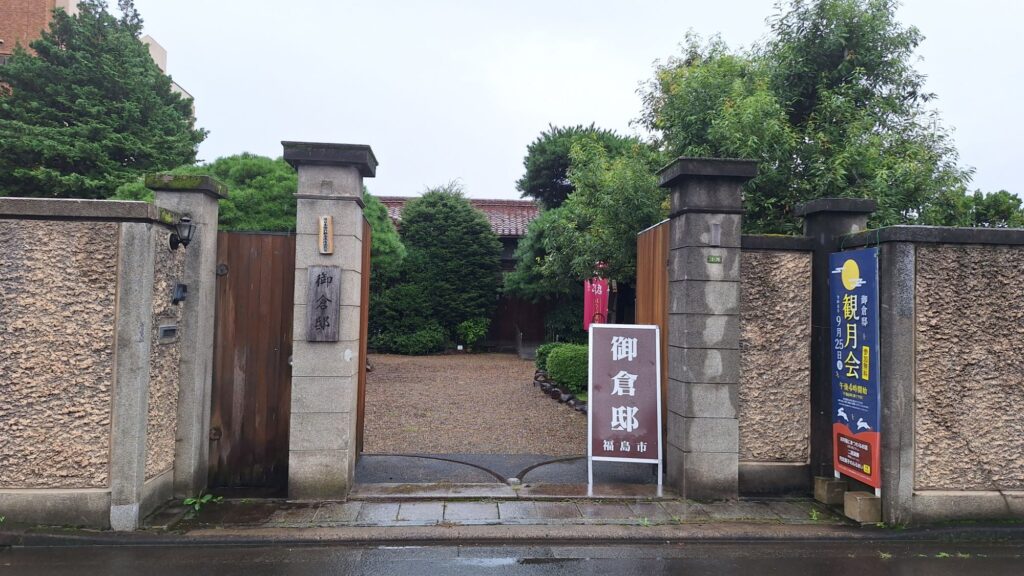
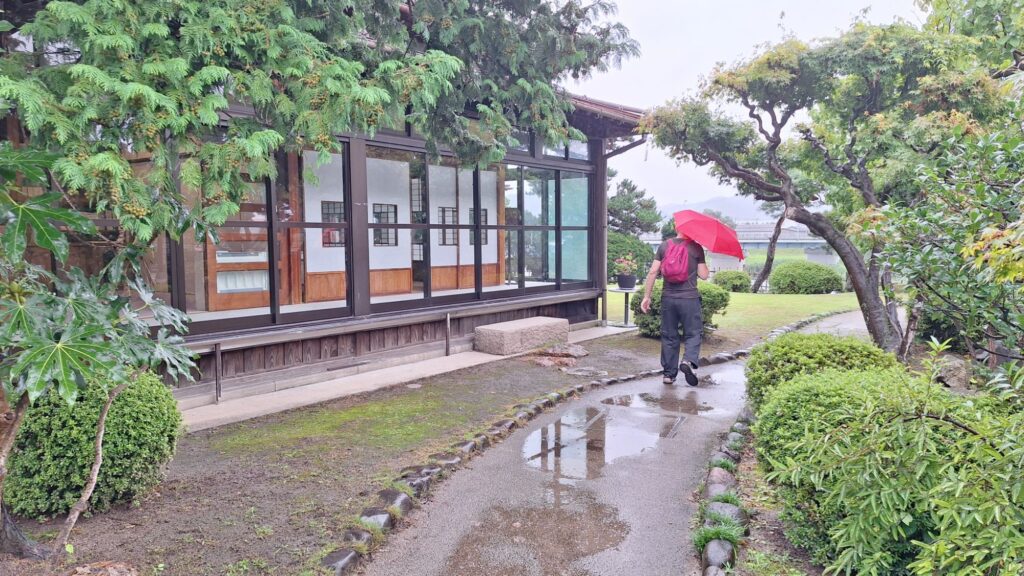
Located a pleasant walk from Fukushima Station toward the Abukuma River, this is the former official residence of the Bank of Japan’s Fukushima Branch Manager, built in the early Showa period (1927). Visitors can quietly admire traditional Japanese architectural aesthetics and meticulously maintained gardens.
- Access: About a 15-minute walk (approx. 1.2 km) from JR Fukushima Station.
- Highlights: Features a tranquil tea house, offering a relaxing introduction to traditional Japanese domestic architecture.
- Admission: Free.
- Opening Hours / Closures: Please note that it is closed on Tuesdays.
2. Fukushima Inari Shrine (Historic Shrine Linked to Abe no Seimei)
Dedicated as the guardian shrine of Fukushima, this historic site is said to have been founded in the mid-Heian period by the legendary onmyōji (yin-yang master) Abe no Seimei—an iconic historical figure renowned as Japan’s most famous master of onmyōdō (traditional Japanese cosmology and divination) who features prominently in Japanese folklore, literature, and pop culture. The serene grounds and striking torii gate offer a wonderful touch of traditional shrine culture.
- Access: About a 12-minute walk (just under 1 km) from JR Fukushima Station.
- Highlights: Tucked just past the central shopping arcades, it’s a wonderful spot to easily experience Japanese shrine architecture and atmosphere.
- Admission: Free (grounds open to the public).
3. Bunka-dōri (Nostalgic Local Street with Retro Showa Charm)
Flourishing as a cultural hub since the post-war reconstruction period, this atmospheric street retains a wonderfully nostalgic, retro vibe. Lined with independent shops and small eateries, it gives visitors a genuine taste of local Japanese everyday life.
- Access: About a 5-minute walk from the East Exit of JR Fukushima Station.
- Highlights: Located right near the station, perfect for those who enjoy wandering through backstreets and discovering old-school neighbourhood character.
- Admission: Free to wander.
4. Fukushima Castle Ruins (Tracing the Footsteps of History)
Once serving as the administrative seat of the Fukushima Domain from the Sengoku period through the Edo period, this site holds a rich samurai heritage. While the original structures no longer stand, you can still catch glimpses of historical earthworks and moats while strolling the surrounding area.
- Access: About a 20 to 25-minute walk from JR Fukushima Station.
- Highlights: Ideal for anyone with an interest in local Japanese history and castle town heritage.
- Admission: Free to wander.
5. Fukushima Prefectural Museum of Art (Serene Art Spaces Amidst Greenery)
Tucked away at the foot of Mount Shinobu, this museum is surrounded by lush greenery. It houses an impressive collection of fine art from Japan and abroad, alongside works tied to Fukushima Prefecture, all set within a sleek, sophisticated architectural design.
- Access: About a 25-minute walk (approx. 2 km) from JR Fukushima Station, or via local bus.
- Highlights: The quiet walking paths surrounding the building make it a lovely place to enjoy a leisurely blend of art and nature.
- Admission: General admission 280 yen (prices may vary during special exhibitions).
6. Kosei Koga Memorial Hall (Celebrating a Master of Modern Japanese Music)
Dedicated to the renowned composer Yūji Kosei—a Fukushima native whose work inspired a popular NHK morning television drama—this museum traces his musical legacy. Exhibits offer a fascinating look into the background behind his timeless melodies and Japan’s Showa-era music history.
- Access: About 15 minutes by bus from JR Fukushima Station plus a short walk.
- Highlights: Through engaging displays and audio-visual exhibits, visitors can easily learn about modern Japanese cultural history.
- Admission: General admission 300 yen / Primary and junior high school students 100 yen.
7. Iizaka Onsen: Sabakoyu Public Bath (Retro Onsen Town & Historic Hot Springs)
Easily reached by train from Fukushima Station, Iizaka Onsen is home to Sabakoyu, one of the region’s most historic public bathhouses. Built with traditional cypress and granite, this charming bathhouse offers an authentic dip into Japan’s deep-rooted hot spring culture.
- Access: About 20 minutes on the Fukushima Kotsu Iizaka Line from JR Fukushima Station, followed by a 5 to 7-minute walk from Iizaka Onsen Station.
- Highlights: Perfect to combine with a leisurely stroll through the atmospheric, old-fashioned hot spring town streets.
- Admission (Bathing Fee): Age 12 and over 400 yen / Age 1 to under 12: 200 yen.
Getting to Fukushima from Tokyo
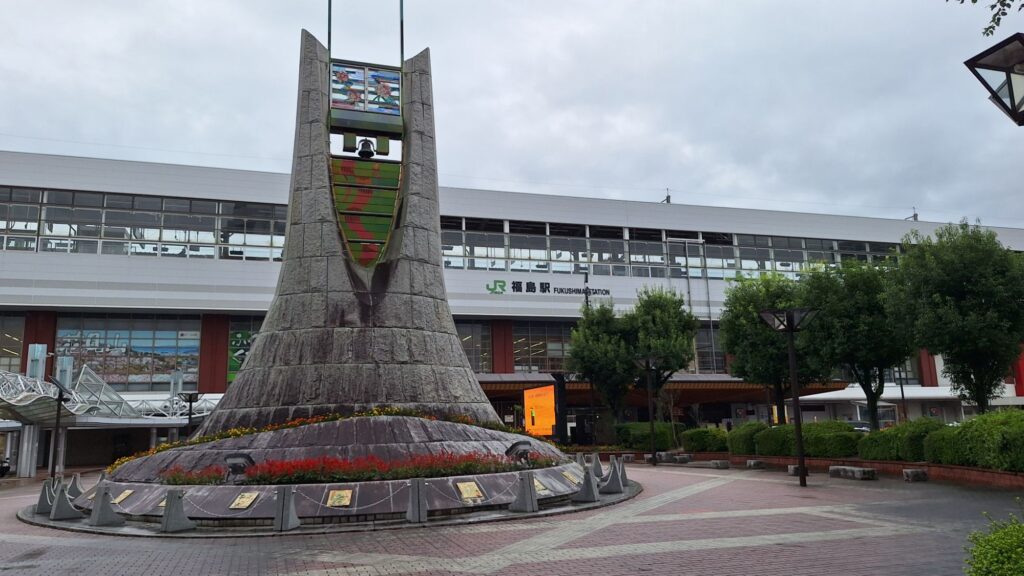
If you are heading to Fukushima City from Tokyo, here are the main travel options. Travelling without a car is remarkably smooth and straightforward:
- Tōhoku Shinkansen (JR Bullet Train): Hopping on a JR Tōhoku Shinkansen (such as the Yamabiko service) from Tokyo Station takes you straight to JR Fukushima Station in about 1 hour 30 minutes to 1 hour 40 minutes with no changes required. With frequent departures, it is by far the most reliable and efficient way to travel.
- Express Bus: Highway buses run from Tokyo Station and Shinjuku Expressway Bus Terminal straight to the East Exit of Fukushima Station. While the journey takes around 4.5 to 5 hours, it is a brilliant budget-friendly option if you fancy sitting back and enjoying the countryside views along the highway.
Why We Are Stopping in Fukushima on Our Tōhoku Trip
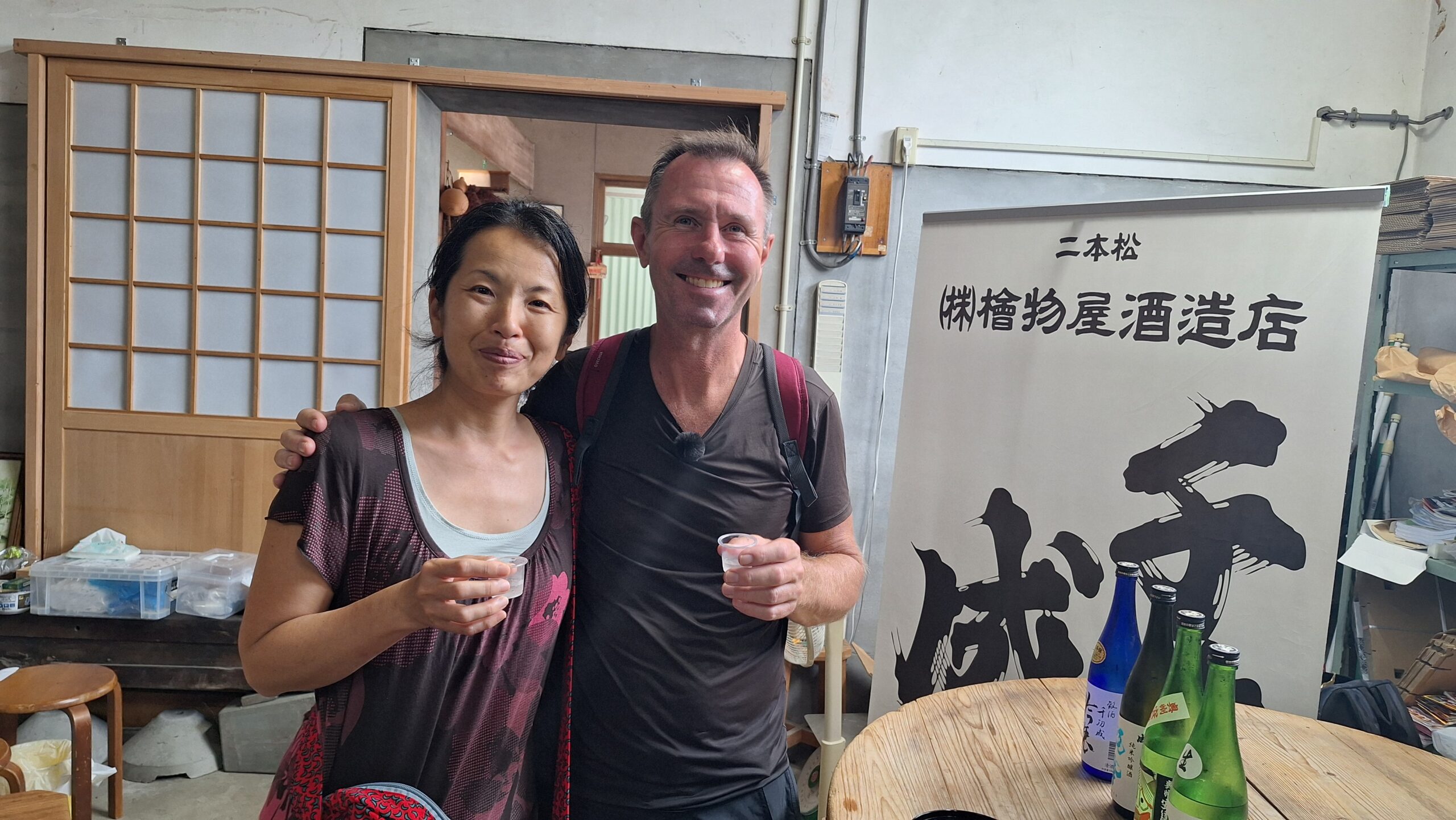
We are currently planning a 13-day extended journey across the Tōhoku region. As part of our itinerary, we plan to stay overnight in Kōriyama, catch a train the following day to disembark at Nihonmatsu for some sightseeing, and then spend the evening staying at a business hotel near Fukushima Station.
Although we have stayed in Fukushima briefly in the past, we never had the time to properly explore the city, so this will actually be our first time doing proper sightseeing here. Because of that, we are genuinely excited to take our time and soak up everything the city has to offer. In the evening, we are planning to head to a local spot where regional Fukushima sake is served at wallet-friendly prices, so we can properly savour the local brews. Wandering through historic streets followed by a glass of fantastic local sake sounds like a great day.
[Related Stories]
➡ 2-Week Tohoku Itinerary in September: A Slow-Paced Couple’s Backpacking Guide
➡ Nihonmatsu 1 Day Itinerary: Sake Brewery & Castle
Conclusion
Even just around Fukushima Station, you will find a wonderful lineup of historic shrines, retro streets, cultural museums, hot springs, and delicious local sake—all completely achievable without a car. By cleverly combining walking and public transport, you can easily enjoy a fulfilling and smooth getaway.
➡ Back to Tohoku Travel Guide
Comment