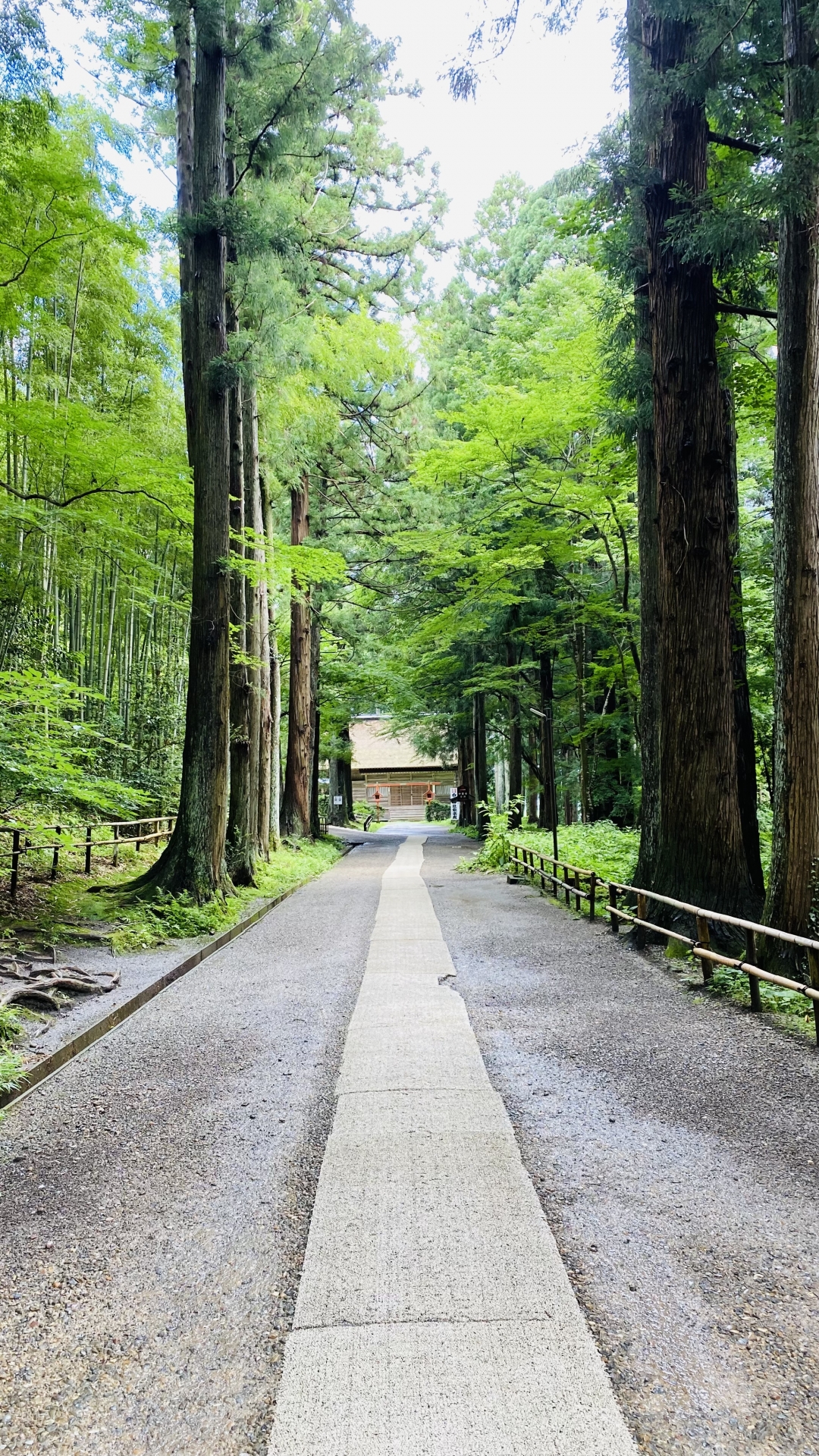
As we finalise the stops for our September journey through northern Japan, one of our most eagerly anticipated destinations on our itinerary is Hiraizumi. Designated as a UNESCO World Heritage site, this serene town once flourished as an independent cultural capital that rivalled Kyoto in its splendour. Beyond its picturesque landscapes, Hiraizumi is steeped in captivating history—from a brilliant golden legacy that inspired global exploration to the tragic, legendary tales of Japan’s most beloved samurai, Minamoto no Yoshitsune. In this article, we delve into the rise of the Ōshū Fujiwara clan, the breathtaking secrets of Chusonji’s Golden Hall, and the enduring myths surrounding Yoshitsune’s dramatic fate.
🇯🇵 この記事を日本語で読む: 【平泉旅行の前に知りたい】奥州藤原氏の栄華と、中尊寺金色堂・義経の伝説に隠された歴史の真実
The Ōshū Fujiwara Clan: Building a Peaceful Utopia in the North
Located in the southern part of Iwate Prefecture, Hiraizumi was established in the late Heian period (12th century) by the powerful Ōshū Fujiwara clan. Beginning with the founder, Fujiwara no Kiyohira (1056–1128), and spanning three generations of visionary leaders, the clan ruled the region for about a century, bringing unprecedented peace and prosperity to Japan’s northern frontier.
During an era plagued by civil wars and power struggles in the capital of Kyoto, the Ōshū Fujiwara lords leveraged the region’s rich resources—including abundant gold and northern trade routes—to build an autonomous, prosperous domain. Inspired by Buddhist teachings, they sought to create a pure land of peace—a physical utopia free from conflict. The high culture and refined ideals they cultivated still echo softly through Hiraizumi’s historic temples today.
Chusonji’s Konjikidō: The Golden Hall and Marco Polo’s “Zipangu”
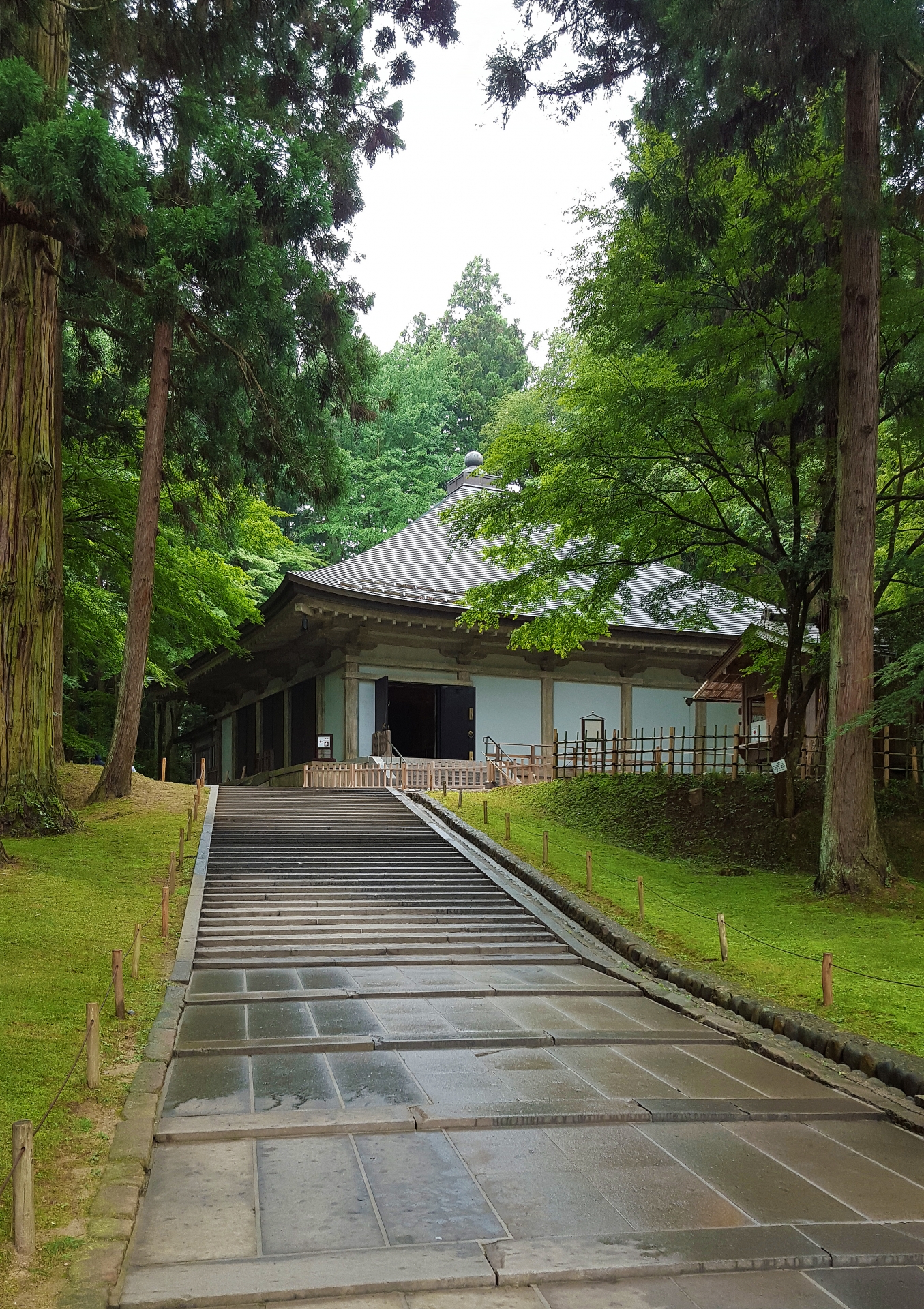
The ultimate symbol of Hiraizumi’s breathtaking wealth and artistic pinnacle is the Konjikidō (Golden Hall) housed within Chusonji Temple. Inside this sacred hall, the interior structure is completely covered in gold leaf, accented with intricate mother-of-pearl inlay (raden), ivory, and precious gems, creating a mesmerising vision of paradise on earth.
When people think of golden Japanese landmarks, many naturally picture Kyoto’s famous Kinkaku-ji (Golden Pavilion). However, it is an interesting historical fact that Kinkaku-ji did not yet exist during the era of Marco Polo—it was built roughly 200 years later during the Muromachi period.
Marco Polo (1254–1324), the famous Venetian merchant and explorer, never actually visited Japan himself. Instead, while serving in China under Kublai Khan, he heard tales from Asian traders about a remote eastern island nation with palaces roofed in pure gold. He introduced this land to Europe in ‘The Travels of Marco Polo‘ under the name “Zipangu.” Though based on hearsay, the dazzling northern gold culture pioneered by Hiraizumi’s Fujiwara clan served as the conceptual heart of this legendary description, which later captivated Western explorers like Christopher Columbus and helped ignite the Age of Discovery.
Minamoto no Yoshitsune and the Endless Legend of the North
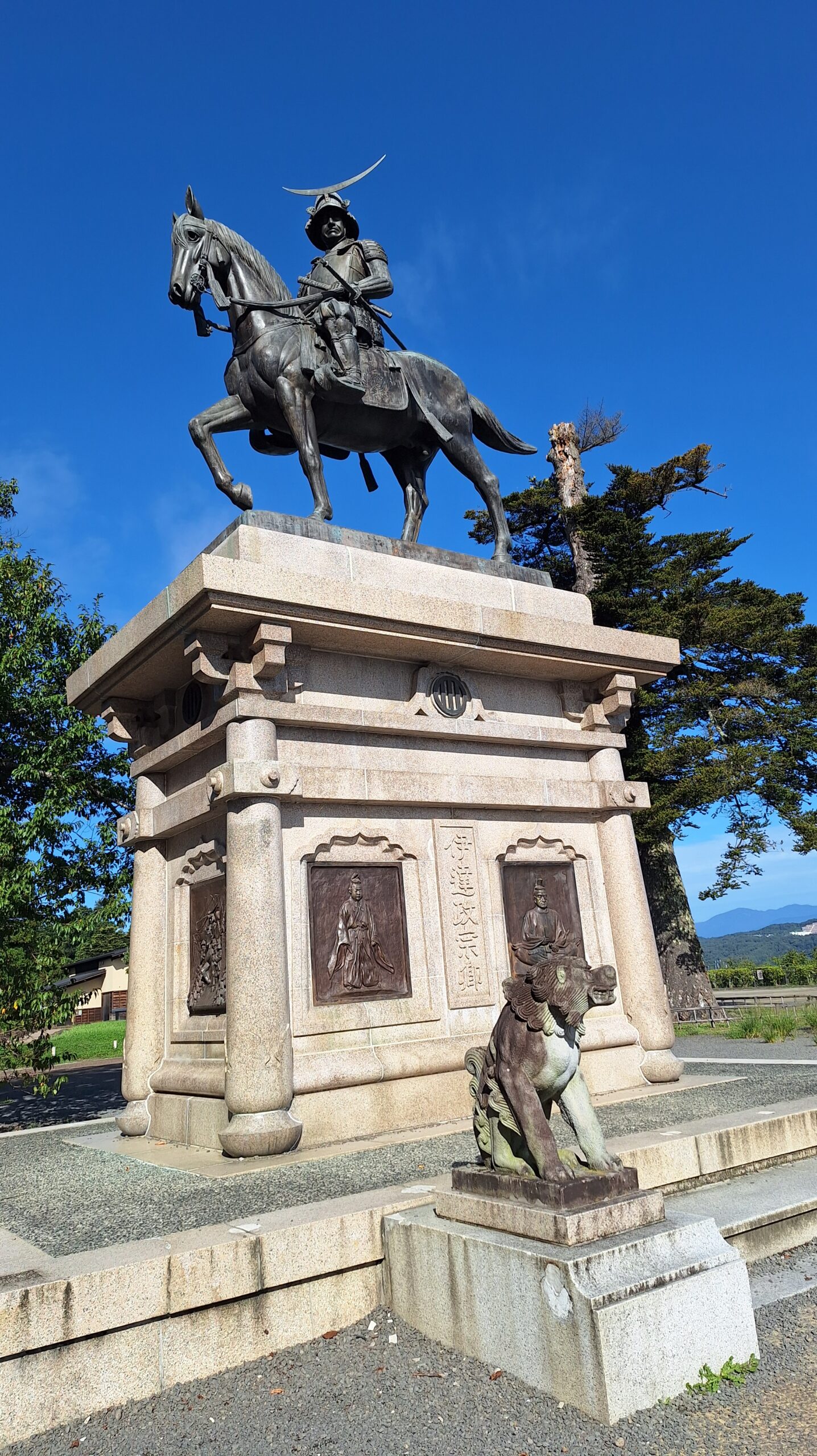
No discussion of Hiraizumi is complete without mentioning Minamoto no Yoshitsune (1159–1189), a brilliant military commander and tragic hero of Japanese history whose fame endures to this day.
After helping his older brother, Minamoto no Yoritomo (1147–1199)—who established the Kamakura shogunate as the first samurai-led government—defeat rival clans, Yoshitsune fell victim to political betrayal. Hunted by his brother’s forces, Yoshitsune fled north to Hiraizumi, where the third-generation lord, Fujiwara no Hidehira (1122–1187), generously protected him. However, after Hidehira’s death, the clan came under intense political pressure, leading to a tragic final battle at the Koromogawa residence where Yoshitsune took his own life at the young age of 30.
Because his death was shrouded in sorrow and his body was never conclusively identified, a wildly popular folklore emerged among the Japanese public: the “Northern Escape Legend.” According to this romantic myth, Yoshitsune managed to slip past his pursuers, escaped north to Hokkaido, crossed over to the Asian continent, and ultimately transformed into the legendary conqueror Genghis Khan (c. 1162–1227). While modern historical timelines and facts make this chronologically impossible, the very existence of such a grand legend speaks volumes about how deeply people wished for the survival of this brilliant commander.
Conclusion: Walking Through the Golden Romance of Hiraizumi
Hiraizumi is far more than a quiet regional town; it is a historic crossroads where a local quest for a peaceful utopia unexpectedly intersected with global history, and where the poignant footprints of samurai tragedy turned into timeless romance.
During our September travels, as we stand before the quiet, glowing beauty of the Golden Hall and gaze out over the landscapes where Yoshitsune once sought refuge, we will be connecting with a profound narrative that transcends borders and centuries.
➡ Back to Tohoku Travel Guide
Comment