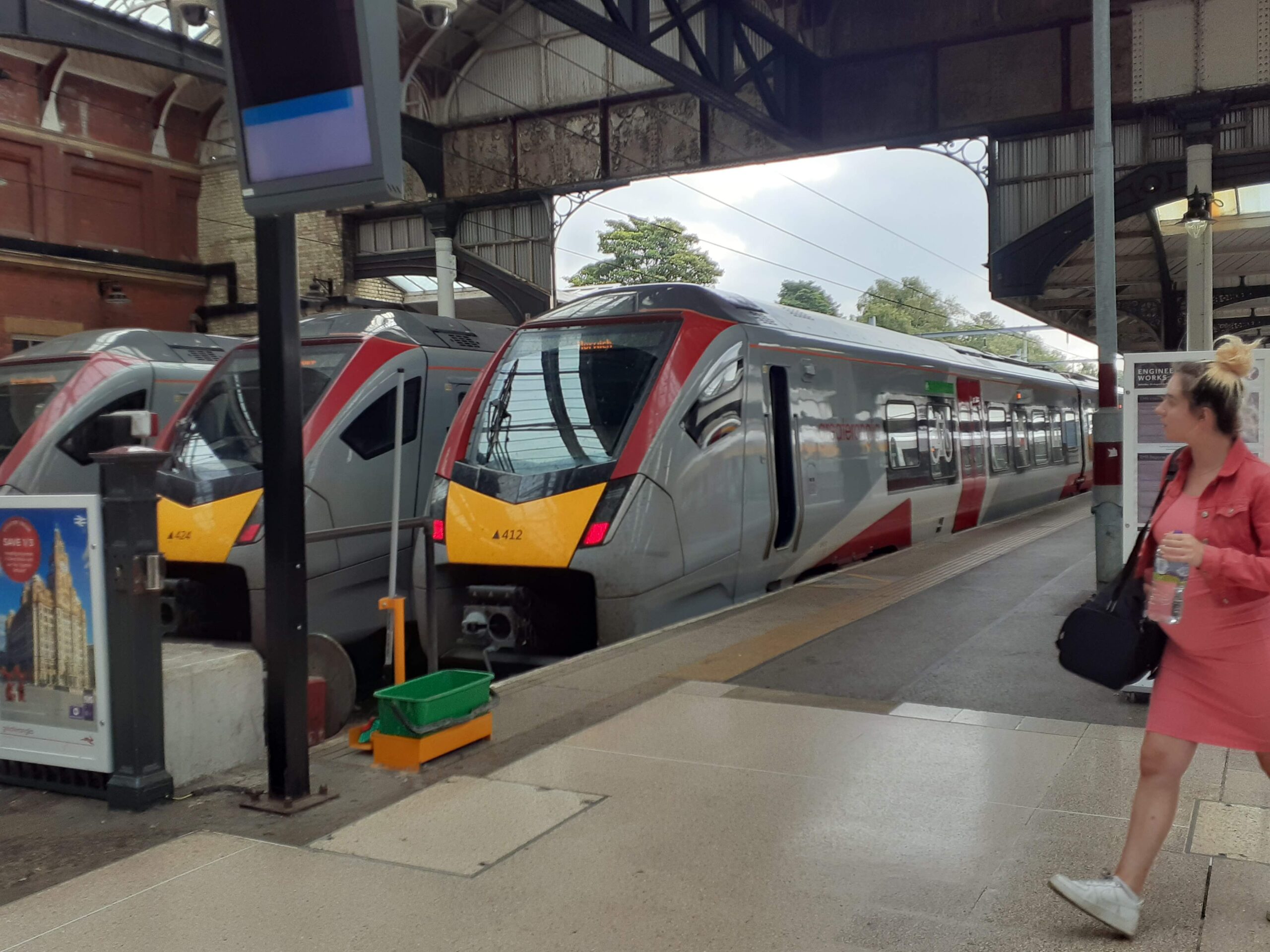
Let’s be honest: the British railway system can be a bit of a maze, and if you aren’t careful, a single ticket can cost you a small fortune. Between dozens of operators and a confusing range of fares, it’s easy to feel like you’re being overcharged.
Over the years, Mai and I have developed a foolproof routine to beat the system. We don’t just rely on one platform; we use a strategic combination of Trainline for its world-class interface and Trip.com to secure the actual “bottom-dollar” price.
In this post, I’ll walk you through my two-step process for finding the cheapest fares, how we use the Two Together Railcard to slash costs by a third, and the simple tech hacks I use to navigate stations like a local. If you want to stop overpaying and start travelling smarter, here is the routine we swear by.
🇯🇵 この記事を日本語で読む: イギリス鉄道チケットを最安値で買う方法はこれ!おすすめアプリ比較と賢い使い分け術
- The Wild West of British Railways: Why Your Choice of App Matters
- My Two-Step Strategy: Combining Trainline and Trip.com
- The “Split Ticketing” Secret: How We Slash Fares Automatically
- The Railcard Advantage: Saving 1/3 Every Single Time
- Navigating the Station Like a Local
- Summary: My Recommended Tech Stack for a Stress-Free Journey
The Wild West of British Railways: Why Your Choice of App Matters
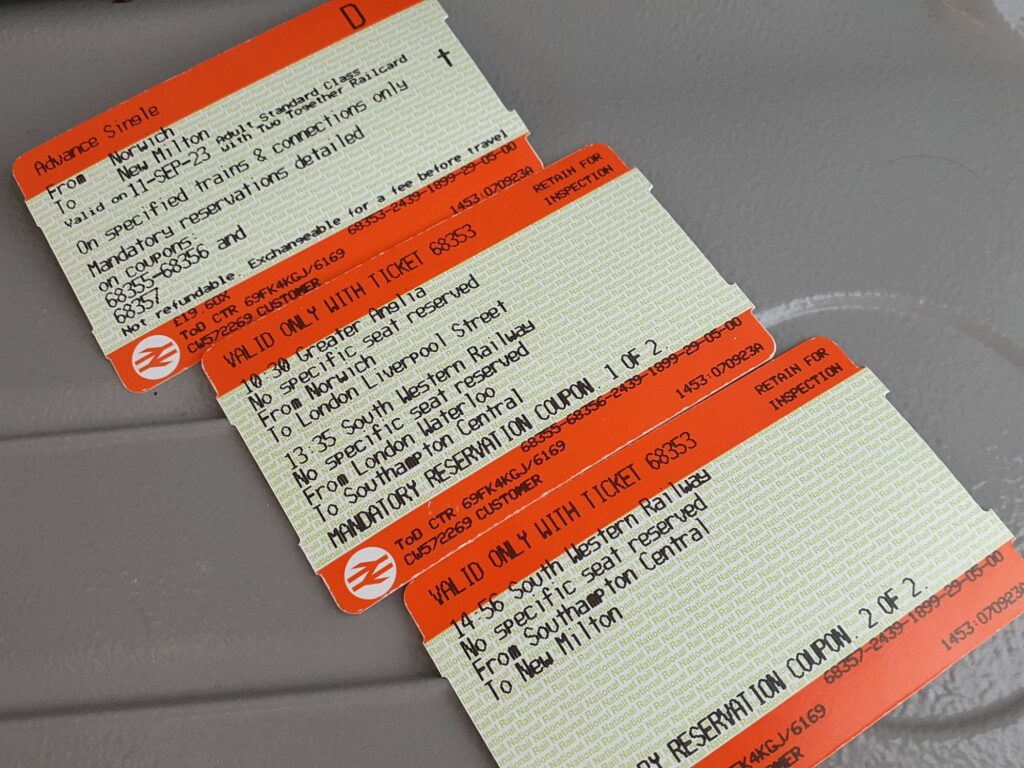
Navigating the UK rail network often feels like stepping into the Wild West. Unlike many countries where a single national operator runs the show, the British system is a fragmented collection of private companies, each managing different regions and routes. Because of this complexity, the app you choose is more than just a tool—it is the difference between a bargain and a rip-off.
Private Operators and Price Wars: Navigating a Fragmented System
With dozens of train operating companies (TOCs) like LNER, Avanti West Coast, and GWR all sharing the tracks, the pricing structures can be incredibly inconsistent. While the “base” fare for a journey is often regulated, the way apps bundle these tickets or search for discounts varies wildly. Some apps are better at finding “Advance” fares (discounted tickets released early), while others excel at identifying cheaper routes that take slightly longer. If you stick to just one source, you are essentially at the mercy of their specific algorithm.
Why “Buying at the Station” is a Rookie Mistake
If there is one piece of advice I can give, it is this: never wait until you get to the station to buy your ticket. In the UK, “Turn-up-and-go” fares are notoriously expensive. Buying a ticket from a machine or a counter minutes before departure is often the quickest way to spend a small fortune. Apps allow you to access “Advance” tickets right up until shortly before travel, and more importantly, they give you the transparency to see if shifting your journey by just 30 minutes could save you 50% on the fare.
Furthermore, physical stations rarely offer the “Split Ticketing” options that modern apps can calculate in seconds. In this system, being “organised” and having the right tech in your pocket is the only way to ensure you aren’t paying a “convenience tax” to the railway operators.
UK Train Travel Tips:
➡ How to Get 33% Off UK Train Tickets: A Guide for the Two Together Railcard, Trip.com Booking, and Easy Renewals
My Two-Step Strategy: Combining Trainline and Trip.com
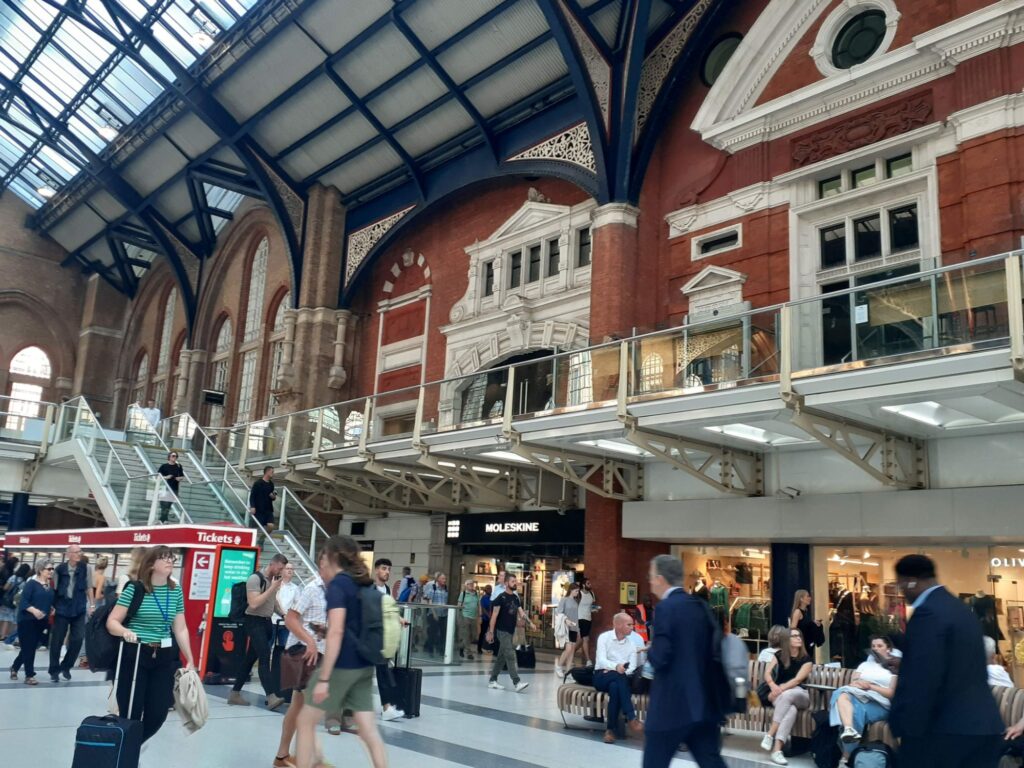
I’ve always been the type of person who doesn’t mind a bit of extra research if it means saving a few pennies. The “lightbulb moment” for this routine happened when I noticed that Trainline—while brilliant for searching—was adding a cheeky booking commission to every ticket I bought.
I decided to run a quick test: I took the exact same journey I’d found on Trainline and searched for it on Trip.com. To my surprise, not only was the commission gone, but the total price was often even lower thanks to a better discount engine. Since that day, I’ve never looked back. I use the two apps together to ensure I am always getting the absolute lowest price available.
Step 1: Using Trainline as the Ultimate Navigation Tool
I’ve tried almost every railway app out there, and Trainline still wins for sheer usability. Before we spend a penny, I open Trainline to get the lay of the land.
- World-Class Interface: It’s incredibly fast at showing every possible connection and the current status of the trains.
- The “Price Benchmarking”: I use it to see the standard fare and check which times of day are “Off-Peak.” It sets the bar for what we should be paying.
- Live Platform Updates: This is its “killer feature.” It often tells me which platform our train is arriving at before the station boards even update.
Step 2: Switching to Trip.com for the Final Purchase
Once I know exactly which train we want, I head over to Trip.com (formerly Ctrip) to actually make the booking. Here are the features of Trip.com that I like;
- Zero Booking Fees: Unlike Trainline, which usually adds a small fee to every transaction, Trip.com often waives this. Over a long trip, those saved pounds add up.
- Superior “Split Ticketing” Logic: Trip.com has an excellent algorithm for finding cheaper ticket combinations. It frequently beats the price I’ve just seen elsewhere by automatically “splitting” the journey behind the scenes.
- Global Support & Rewards: For international travellers (or even locals), having a multilingual interface and a solid reward system is a huge plus.
Every penny counts!
It only takes an extra 60 seconds to check the same journey on Trip.com, but it frequently results in a price that is 10% to 20% cheaper than the initial search. When you are travelling as a pair like Mai and I do, those savings cover the cost of a nice lunch or a few rounds of drinks at the pub!
The “Split Ticketing” Secret: How We Slash Fares Automatically
This is where the real magic happens. If you aren’t using Split Ticketing, you are essentially giving the train companies a donation they don’t deserve. It’s one of those quirks of the British system that sounds like it should be illegal, but it’s actually 100% legitimate.
What is Split Ticketing? (And Yes, It’s Completely Legal!)
In the UK, it is often cheaper to buy two or three separate tickets for different segments of a journey rather than one single ticket from start to finish—even if you stay on the exact same train.
For example, if you are travelling from London to Edinburgh, the “direct” ticket might be £100. However, if you buy one ticket from London to York, and another from York to Edinburgh, the total might only be £75. You don’t even have to change seats; as long as the train actually stops at the “split” stations, your journey is perfectly valid.
Why Trip.com Often Beats Trainline on Long-Distance Routes
While many apps now claim to offer “Split Tickets,” they aren’t all created equal. Every penny counts, and this is exactly why I switch from Trainline to Trip.com for the final booking.
- Advanced Algorithms: I’ve found that Trip.com’s search engine is incredibly aggressive at finding these splits. It often identifies combinations that other apps miss, especially on longer cross-country routes.
- Seamless Experience: The best part is that you don’t have to do the maths yourself. The app does all the heavy lifting, showing you the “split” price automatically and giving you all the separate QR codes in one place.
- No “Split Fee” Surprises: Some apps charge a percentage of the savings they find for you. In my experience, Trip.com keeps it much more straightforward, ensuring that the lion’s share of the savings stays in your pocket, not theirs.
By letting the app handle the “splitting” logic, we’ve managed to save massive amounts on trips to visit family or explore new cities. It’s the ultimate “insider” hack that turns a potentially expensive day out into a bargain.
Our Experience of “Split Ticketing”
You may think, “Do I have to get off the train and re-enter the station at each split?” The answer is a resounding no. As long as the train stops at the station on your ticket, you just stay in your seat and relax.
In fact, once the journey starts, we usually forget we even have split tickets. Mai and I used this exact method for our trip from New Milton to Bristol, and it was completely seamless. The conductor simply scans your codes, and you carry on with your conversation. It’s the same train, the same seat, but a much better price.
The Railcard Advantage: Saving 1/3 Every Single Time
If there is one thing that makes British Rail travel surprisingly affordable, it is the Railcard. In my view, it is the single best investment you can make for your trip. For a small annual fee (usually around £30), you get a 33% discount on almost all rail fares across the country. The Railcard pays for itself in just one or two long-distance journeys.
Travelling as a Duo: How Mai and I Use the Two Together Railcard
Since Mai and I almost always travel together, the Two Together Railcard is our secret weapon.
- How it works: It links two specific people (aged 16 or over). As long as we travel together, we both get a 1/3 discount on our tickets.
- Why we love it: It’s incredibly cost-effective. Instead of buying two individual cards, one card covers us both for the year. Whether we are heading to a seaside town or visiting friends in the city, the savings are instant.
Travelling with Family? Don’t Overlook the Senior Railcard (Over 60s)
If you are over 60, or if you are travelling with parents, the Senior Railcard is a must-have.
- The Benefit: It gives anyone aged 60 or over the same 1/3 discount on standard and first-class fares.
- The Freedom: Unlike the Two Together card, this is for solo travel too. It’s a brilliant way for seniors to explore the UK without the stress of high ticket prices. It makes long-distance trips to see family or visit historical sites far more accessible.
Pro Tip: Keeping Your Railcard Digital on Your Phone
Gone are the days of carrying a physical card in your wallet and worrying about losing it.
I highly recommend getting the Digital Railcard. You simply download the Railcard app, and your discount is stored right on your phone. When the conductor comes through the carriage to check your tickets, you just show them the QR code on your phone alongside your Railcard app. It’s organised, efficient, and ensures you never miss out on your discount because you left a piece of plastic at home. You can also renew the card quickly online too!
Navigating the Station Like a Local
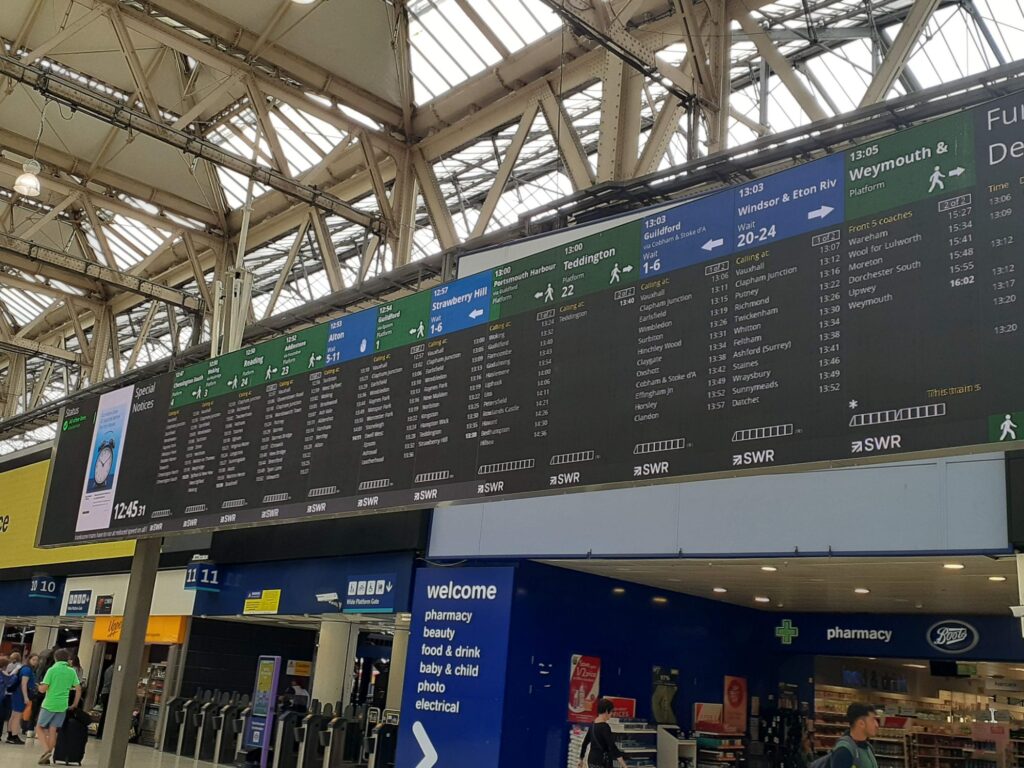
Once you’ve secured your tickets, the final challenge is the station itself. Major British terminals like London Euston or Manchester Piccadilly can be chaotic, especially during peak hours. However, if you use your apps correctly, you can stay one step ahead of the crowd.
Beating the Crowd: Finding Your Platform Before the Boards Update
In many large UK stations, the platform number isn’t announced until 10 or 15 minutes before departure. The moment the number flashes on the giant overhead screens, there is a mad dash as hundreds of people sprint towards the gates.
Here is my trick: I rarely look at the station boards. I keep a close eye on the Trainline app or the National Rail Enquiries “Live Departures” page. Often, these apps update with the platform number a few minutes before the station’s physical display does. This gives Mai and me a head start to walk calmly to the platform and find our carriage while everyone else is still staring at the ceiling in the concourse.
Dealing with Cancellations and Strikes: Real-Time Alerts
British rail travel isn’t always smooth sailing. Strikes, signal failures, or “leaves on the line” can cause sudden cancellations.
- Enable Push Notifications: Ensure your booking app (like Trip.com or Trainline) has permission to send you alerts. They will often notify you of a delay before the station announcer does.
- The “Alternative Route” Strategy: If our train is cancelled, I immediately use the app to search for the next available connection. Don’t join the massive queue at the ticket office; usually, your ticket will be valid on the next train during a disruption, and you can confirm this via the National Rail app.
Smart Gate Hacks
- Screenshots are Lifesavers: Data signals can be patchy inside old, cavernous stations or underground platforms. I always take a screenshot of our QR codes before we even arrive at the station.
- Ready for the Inspector: On the train, I make sure my phone is charged and the Digital Railcard is ready to show. Being organised means you can spend the journey enjoying the view rather than fumbling through your bags when the ticket inspector arrives.
If you find yourself at a station like King’s Cross with a bit of time to spare, don’t just stand under the boards. Use the app to check your platform, grab a coffee, and head over as soon as the “hidden” update appears. It turns a stressful scramble into a relaxed stroll.
Trouble Shooting for UK Train Service (Our Experiance):
➡ London Tube Delay? How to Reroute to Heathrow with an Advance Ticket (Real Experience)
➡ 【London Tube Strike】The Jubilee Line Saver: Our Stress-Free Route from Waterloo to Norwich
Summary: My Recommended Tech Stack for a Stress-Free Journey
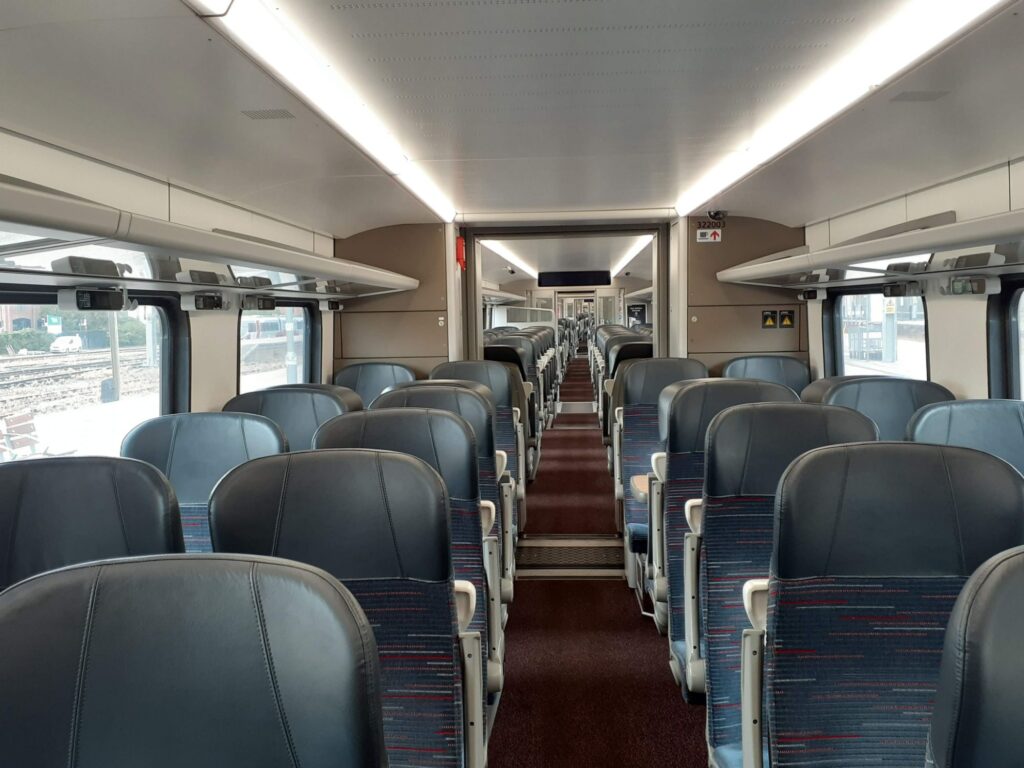
Travelling through the UK by rail doesn’t have to be a test of your patience or your wallet. By staying organised and using the right digital tools, you can turn a potentially stressful experience into a smooth, affordable adventure.
The small effort of checking two apps instead of one can save you enough for a celebratory pint or a nice dinner at your destination. Here is a quick recap of the “Chris & Mai” tech stack we recommend for your next trip:
- For Searching & Navigation: Trainline. Use it for its superior interface, live platform updates, and to get a benchmark for the day’s fares. It’s the best way to see the “big picture” of your journey.
- For Buying & Saving: Trip.com. Once you know your train, book it here. You’ll dodge the booking fees and benefit from their aggressive “Split Ticketing” algorithm, which automatically finds those hidden savings for you.
- For Consistent Discounts: The Digital Railcard. Whether it’s the Two Together or the Senior Railcard, never travel without one. Keep it on your phone so you’re always ready to prove your 1/3 discount to the inspector.
- For Peace of Mind: National Rail Enquiries. Keep this as your backup for official information regarding strikes or major network disruptions.
By combining these tools, you aren’t just buying a ticket; you’re mastering the system. Britain has some of the most beautiful railway routes in the world—from the rolling hills of the Cotswolds to the dramatic coastline of Scotland. Now that you know how to navigate the fares and the stations like a local, all that’s left is to sit back, keep your camera ready, and enjoy the ride.
Have a lovely trip!
UK Train Travel Tips:
➡ How to Get 33% Off UK Train Tickets: A Guide for the Two Together Railcard, Trip.com Booking, and Easy Renewals
For airport transfers, train booking apps, and navigating local rail networks, check out our
➡ UK Public Transport & Transit Guide

Comment