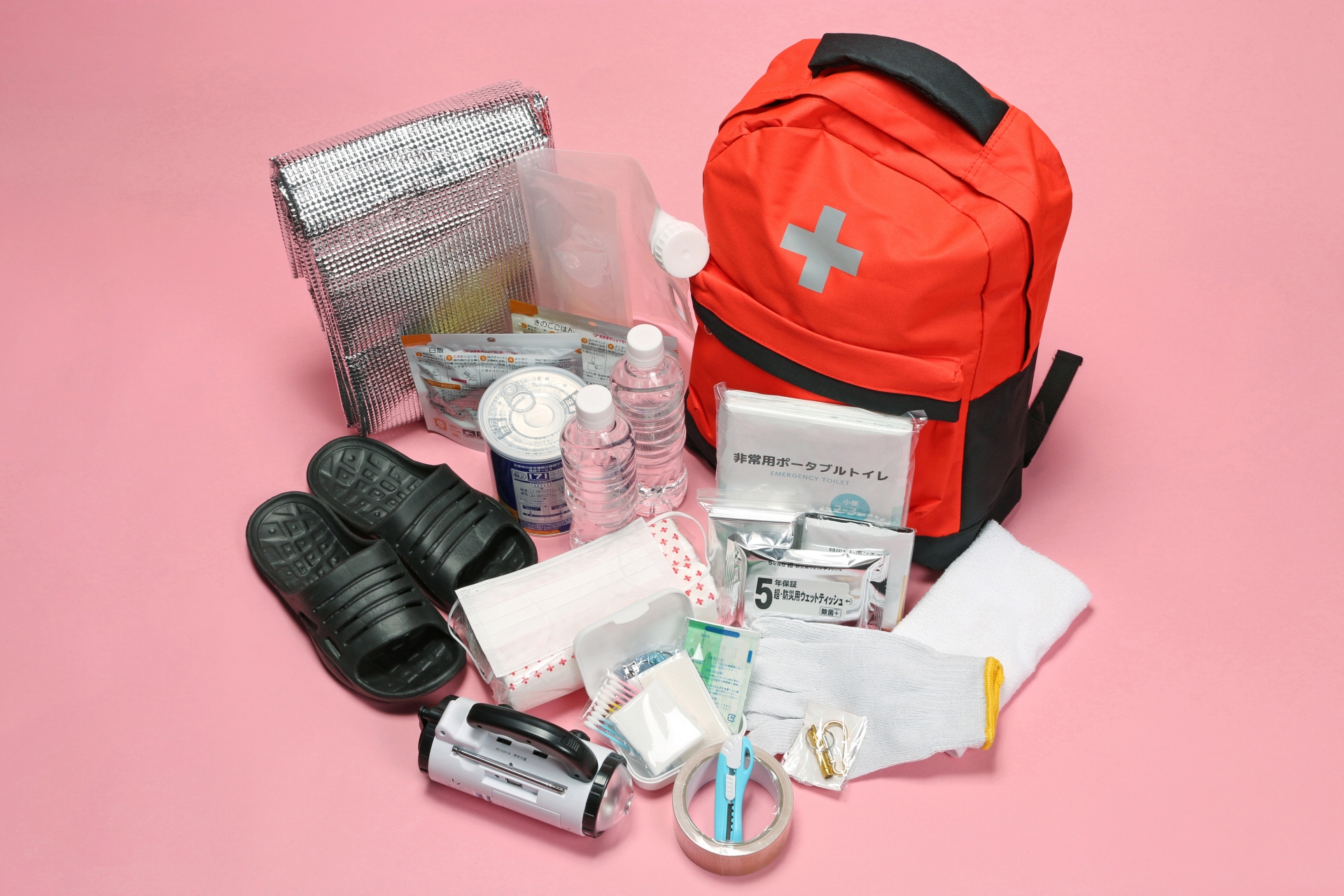
When planning a first trip to Japan, it is entirely natural to feel a flutter of apprehension regarding natural disasters. Images of earthquakes and typhoons reported in the global media can make even the most seasoned traveller feel hesitant.
However, it is important to understand that Japan is widely regarded as one of the most prepared and resilient nations on Earth when it comes to disaster management. Architectural innovation, advanced early warning systems, and a deeply ingrained culture of safety ensure that daily life runs smoothly and securely.
If you are wondering how to navigate these concerns with confidence, here is everything you need to know about safety, preparation, and peace of mind during your journey.
- 1. World-Class Engineering: Built to Withstand
- 2. Understanding the Real Risks: Why You Are in Safe Hands
- 3. Early Warning Systems: Seconds That Save Lives
- 4. Essential Digital Tools Every Traveller Should Download
- 5. Simple, Practical Safety Etiquette (What to Do in the Moment)
- 6. You Are Never Alone: The Spirit of Omotenashi in Times of Need
- Final Thoughts: Travel with Confidence
1. World-Class Engineering: Built to Withstand
One of the most reassuring aspects of visiting Japan is knowing that its infrastructure is specifically engineered to handle seismic activity.
- Strict Building Codes: Since the implementation of updated building standards in 1981, Japanese structures are designed to absorb, isolate, or counteract earthquake tremors. Modern skyscrapers and traditional buildings alike utilise advanced shock-absorbing technology.
- Bullet Train Safety: Japan’s famous Shinkansen (bullet trains) are linked directly to early-detection seismic sensors. If a significant tremor is detected miles away, the trains automatically apply emergency brakes before the major shaking even reaches the tracks.
- Resilient Utilities: Hotel buildings, public transport networks, and shopping complexes undergo rigorous regular inspections and safety drills to guarantee structural integrity.
2. Understanding the Real Risks: Why You Are in Safe Hands
When major earthquakes are reported, people often picture collapsing structures. However, in modern Japan, structural failure from shaking alone is remarkably rare due to strict building codes continuously updated since 1981.
Historically, the main hazards associated with severe seismic events are secondary—namely fires in high-density older areas, or tsunamis in immediate coastal zones. Knowing this allows you to focus on what actually matters, and Japan’s modern safety infrastructure has you fully covered on both fronts:
- Rigorous Fire Safety in Accommodation and Public Spaces: Modern hotels, department stores, and train stations are equipped with auto-shutter fire doors, flame-retardant materials, advanced sprinkler systems, and clearly marked, multilingual emergency exits. Hotel rooms feature clear evacuation maps on the door, and staff undergo regular, strict disaster drills to guide guests safely should an event occur.
- Clear, English-Friendly Coastal Signage: If you are exploring a beach or coastal town and feel a strong tremor, you will not have to guess where to go. Coastal areas across Japan feature highly visible, green-and-white Tsunami Evacuation signage accompanied by clear English text and simple pictograms pointing directly to designated high ground or emergency evacuation buildings.
In short: in modern hotels and public venues, staying put and protecting your head is almost always the safest choice during a shake. And should you ever need to move, the pathways and instructions are laid out with absolute clarity.
3. Early Warning Systems: Seconds That Save Lives
Japan operates the world’s most sophisticated Earthquake Early Warning system, managed by the Japan Meteorological Agency.
In the event of a notable earthquake, automatic alerts are dispatched instantly to every mobile phone in the affected area, broadcasting a distinctive chime alongside English screen notifications. This system provides vital seconds to step away from glass, duck under a sturdy table, or brace yourself before tremors begin.
You do not need a Japanese SIM card to receive these emergency broadcasts, as they are delivered directly via network signals to all compatible smartphones.
The Alarm That Saves Seconds (and Lives)
During your stay, your phone might suddenly emit a loud, distinctive chime. This is Japan’s Earthquake Early Warning System.
While the sudden sound can certainly give you a startle, it is actually one of the most remarkable safety technologies in the world. Powered by deep-sea sensors and AI, it calculates seismic waves in real time to give everyone in the area a precious 5 to 15-second window before tremors are felt.
Those few seconds are enough for high-speed trains to automatically brake, elevators to stop safely at the nearest floor, and for you to simply step away from glass and cover your head. If you hear it, don’t panic—it just means the system is doing its job to keep you safe.
4. Essential Digital Tools Every Traveller Should Download
To boost your confidence while exploring, having the right information in English at your fingertips is invaluable. We recommend setting up these essential free apps before boarding your flight:
- Safety Tips (Official JNTO App): Developed specifically for foreign tourists, this app sends push notifications for earthquake early warnings, tsunami alerts, and weather advisories in multiple languages. It also includes step-by-step actions to take during an emergency.
- Japan Travel by NAVITIME: An excellent navigation app that also integrates real-time transit updates and disaster alerts, helping you reroute seamlessly if public transport is temporarily paused for safety checks.
- VoiceTra: A high-accuracy speech translation app supported by the Japanese government, making it effortless to communicate with hotel staff or local authorities if you ever need assistance.
5. Simple, Practical Safety Etiquette (What to Do in the Moment)
Should you feel a minor tremor during your stay—which is often no more than a gentle sway—remaining calm is your best asset. Here are the simple guidelines locals follow:
- If you are indoors (Hotels, Department Stores, Stations): Protect your head using a bag, cushion, or jacket. Move away from glass windows or heavy displays, and duck beneath a strong desk or table if possible. Follow the instructions of staff, who are thoroughly trained in emergency protocols.
- If you are outdoors: Move into an open space away from brick walls, glass facades, or street signs, and protect your head.
- If you are near the coast: In the very rare event of a strong coastal tremor, simply follow local signage pointing towards designated high ground (Tsunami Evacuation Buildings).
6. You Are Never Alone: The Spirit of Omotenashi in Times of Need
Perhaps the most comforting element of travelling in Japan is the culture itself. In Japan, mutual assistance and community care are central values.
Hotel personnel, train conductors, convenience store staff, and everyday citizens will proactively guide visitors and share information during unexpected events. Tourist Information Centres (JNTO) across major cities also maintain dedicated multi-lingual hotlines open 24 hours a day to assist overseas guests.
Final Thoughts: Travel with Confidence
Experiencing a new destination should be filled with excitement rather than anxiety. Japan’s extraordinary commitment to safety, engineering excellence, and public preparedness means you can focus entirely on enjoying your adventure.
By downloading a safety app and keeping these basic principles in mind, you are fully equipped to explore Japan’s breathtaking landscapes, vibrant towns, and warm hospitality with complete peace of mind.

Comment