Planning a city-walking itinerary to explore Akita using only public transport and walking is a brilliant way to experience northern Japan’s rich cultural heritage. Located along the coast of the Sea of Japan, Akita serves as the historic and economic heart of the prefecture, boasting a fascinating samurai legacy, Meiji-era architecture, and vibrant local food markets. By combining high-speed shinkansen trains, local railways, and walking, you can fully enjoy the city without needing a car.
In this travel blueprint, I share our planned route for visiting Akita alongside my wife, Mai, as part of our extended 13-day backpacking journey across Tohoku together. From lush historic castle parks and historic red brick museums to stunning modern art galleries and bustling morning markets, we have put together a practical guide for experiencing the city entirely on foot.
🇯🇵 この記事を日本語で読む: 秋田駅周辺1日観光モデルコース【地図付き】
- Akita Station Area 1 Day Itinerary Map
- What is Akita?
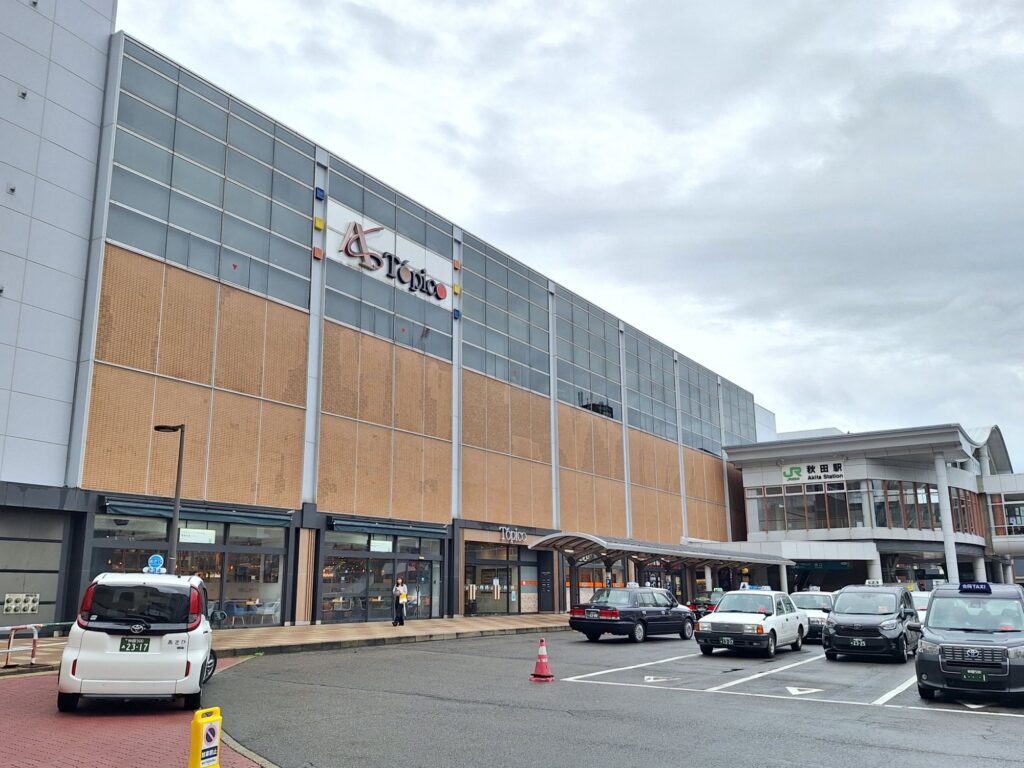
- Akita Station Attractions and Essential Visitor Information
- Senshu Park (Kubota Castle Ruins): Historic Park and Seasonal Nature
- Akita City Red Brick Folk Museum: Meiji-Era Architecture and Local History
- Akita Museum of Modern Art / Akita City Senshū Museum of Art: Architectural Masterpieces and Masterworks
- Area Nakaichi: A Vibrant Hub of Local Culture and Dining
- Akita Central Wholesale Market (Citizen’s Market): Fresh Seafood and Local Morning Atmosphere
- Akita Station Shopping & Traditional Crafts Hubs
- How to Get to Akita: From Tokyo, Hirosaki, and Beyond
- Our Itinerary: Seamless Transitions and City Exploring
- Why We Visit Akita: Castle Town Heritage and Refined Culture
- Conclusion
Akita Station Area 1 Day Itinerary Map
Below is the map of the sightseeing spots included in this itinerary.
➡ 2-Week Tohoku Itinerary in September: A Slow-Paced Couple’s Backpacking Guide
What is Akita?
As the capital city of Akita Prefecture, Akita has long flourished as the former castle town of the Satake clan during the Edo period.
While preserving its deep historical roots, the city seamlessly blends traditional culture with contemporary design. The downtown area around the station is beautifully laid out, combining modern urban conveniences with leafy historic parks, tranquil shrines, and exceptional local culinary spots. It is a compact, highly walkable destination where you can step off the train and immediately immerse yourself in the local atmosphere.
Akita Station Attractions and Essential Visitor Information
Here are the key spots to include when navigating Akita on foot and via local public transport.
Senshu Park (Kubota Castle Ruins): Historic Park and Seasonal Nature
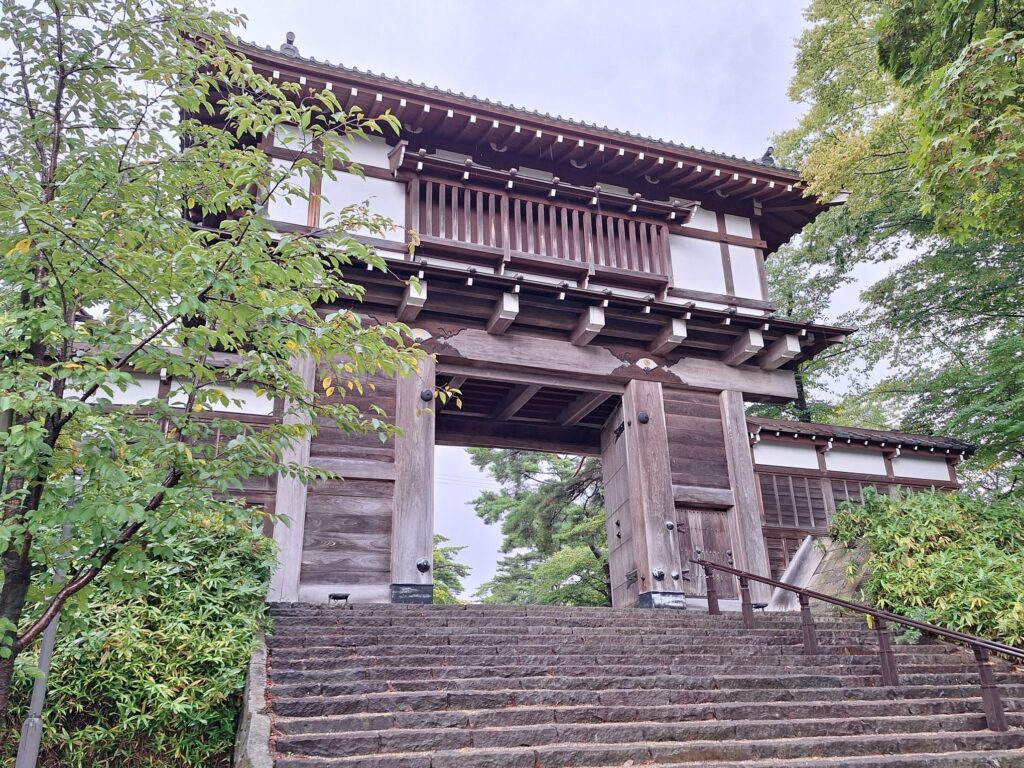
Located just a 10 to 15-minute walk from JR Akita Station, Senshu Park is built upon the former grounds of Kubota Castle, ruled by the Satake clan for over 250 years. The spacious grounds feature ancient moats, earthen ramparts, and the reconstructed Sumiyagura (corner turret), offering stunning cherry blossoms in spring, vibrant autumn foliage, and sweeping views of the city from the high ground.
- Admission Fee: Park grounds are free to enter (Sumiyagura interior: Adults 140 JPY / High school age and younger are Free)
- Closed: Park is open 24/7 (historical facilities close during winter)
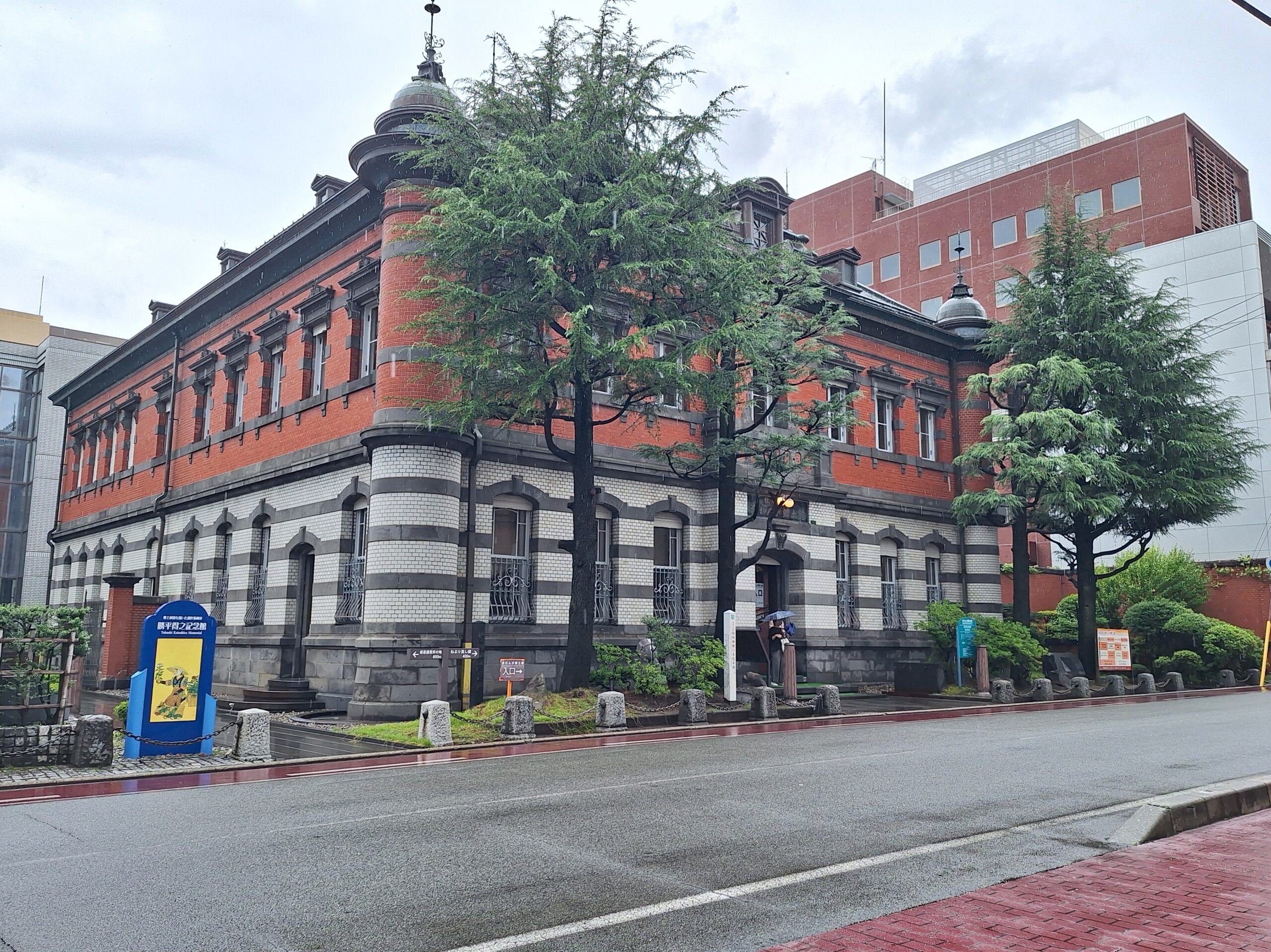
Akita City Red Brick Folk Museum: Meiji-Era Architecture and Local History
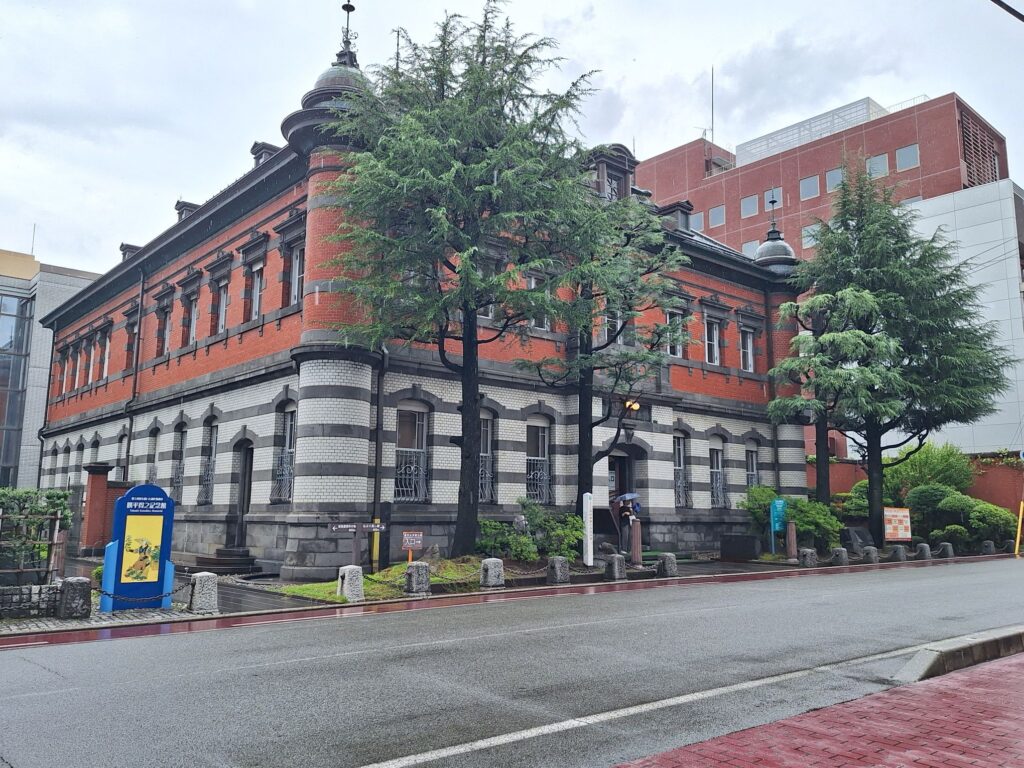
Situated a convenient 15 to 20-minute walk from JR Akita Station and Senshu Park, this striking Renaissance-style red brick building originally served as the main branch of the Akita Bank in the late Meiji period. The magnificent exterior, grand dome, and intricate interior detailing are major highlights in themselves, housing fascinating exhibits on local history, traditional crafts, and fine arts.
- Admission Fee: General admission 210 JPY / High school age and younger are Free
- Closed: Year-end holidays (please check local schedules)
Akita Museum of Modern Art / Akita City Senshū Museum of Art: Architectural Masterpieces and Masterworks
Situated within a 10-minute walk from the station, the Akita Prefectural Museum of Art features a striking, sleek design by world-renowned architect Tadao Ando, utilizing concrete, glass, and a tranquil reflecting pool. Inside, visitors can admire the magnificent giant mural Events of Akita by Foujita Tsuguharu, alongside other stunning modern collections. Right next door, the Akita City Senshu Museum offers additional fine arts housed in a stately brick building.
- Admission Fee: Varies by special exhibition (general admission typically around 1,200 JPY; student discounts available)
- Closed: Mondays (or following day if a national holiday), exhibition changeover periods
Area Nakaichi: A Vibrant Hub of Local Culture and Dining
Positioned right along the walking path between Akita Station and Senshu Park, this open-air urban plaza and complex brings together local cafes, artisan shops, and restaurants. It serves as a wonderful midpoint to rest your feet, sample local treats, and soak up the lively neighbourhood vibe.
- Admission Fee: Free to enter
- Closed: Varies by individual shop
Akita Central Wholesale Market (Citizen’s Market): Fresh Seafood and Local Morning Atmosphere
Located a short 5-minute walk from Akita Station, this bustling local market serves as the culinary kitchen for city residents. Stalls overflow with ultra-fresh seafood from the Sea of Japan, seasonal vegetables, and hearty prepared dishes. Inside, small local eateries invite visitors to enjoy a fresh seafood bowl for breakfast or lunch while mingling with friendly locals.
- Admission Fee: Free to enter (food and purchases are pay-as-you-go)
- Closed: Sundays (plus individual vendor holidays)
Akita Station Shopping & Traditional Crafts Hubs
Directly connected to Akita Station via covered concourses and underground walkways (such as Alve and Atrion), you will find an exceptional selection of regional specialties. Pick up famous local delicacies like Inaniwa Udon, Kiritanpo hot pot ingredients, and exquisite traditional crafts such as Kawatsura Lacquerware or Kabazaiku (cherry bark woodwork) as mementos of your journey.
How to Get to Akita: From Tokyo, Hirosaki, and Beyond
Getting to Akita is very straightforward, whether you are arriving directly from the capital or journeying down from the north as part of a broader Tohoku itinerary:
- From Tokyo via the Akita Shinkansen (Bullet Train):
- Catch the JR Komachi shinkansen from Tokyo Station. The direct high-speed train whisks you straight to Akita Station in roughly 3 hours and 40 minutes. It is exceptionally smooth, comfortable, and the ideal main artery for travellers coming straight from the capital.
- From Hirosaki via Limited Express (Ou Main Line):
- If you are travelling down from Hirosaki, hop on a JR limited express train (such as the Tsugaru). It provides a direct, comfortable ride taking about 2 hours and 30 minutes, making it a seamless transition between northern castle towns.
- From Hirosaki via the Scenic Gono Line (Resort Shirakami):
- For travellers who want the journey itself to be an unforgettable highlight, take the Resort Shirakami scenic sightseeing train. Winding along the breathtaking coastline of the Sea of Japan and past the edge of the Shirakami-Sanchi mountains, the journey takes roughly 5 to 5.5 hours, offering panoramic coastal views before pulling into Akita Station.
Our Itinerary: Seamless Transitions and City Exploring
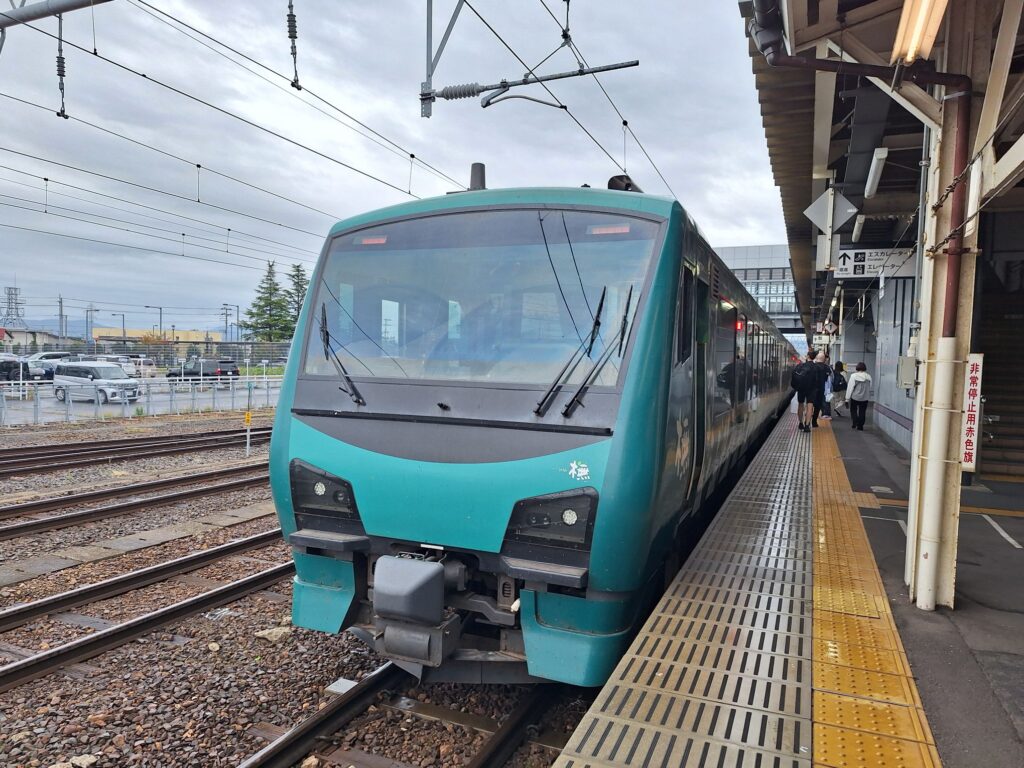
For our Tohoku journey, we took Resort Shirakami to travel down from Hirosaki via Gono Line. Unfortunately, the weather was so bad, the train service was cancelled before Akita station and we had to take a bus which JR organised for us as an alternative transport to get to Akita.
We took a video and shared on YouTube about our trip from Hirosaki to Akita.
[Related Articles]
➡ 2-Week Tohoku Itinerary in September: A Slow-Paced Couple’s Backpacking Guide
➡ Hirosaki 1 Day Itinerary: Castle and Taisho-Era Western Architecture on Foot
➡ Aomori 1 Day Itinerary: Best Route for First-Time Visitors Around Aomori Station
Why We Visit Akita: Castle Town Heritage and Refined Culture
We included Akita in our extended Tohoku itinerary because the city offers a wonderful sense of historical depth paired with remarkable modern design—from the ancient ramparts of Kubota Castle and the historic Red Brick Folk Museum to the bustling energy of the morning market and Tadao Ando’s striking architectural spaces.
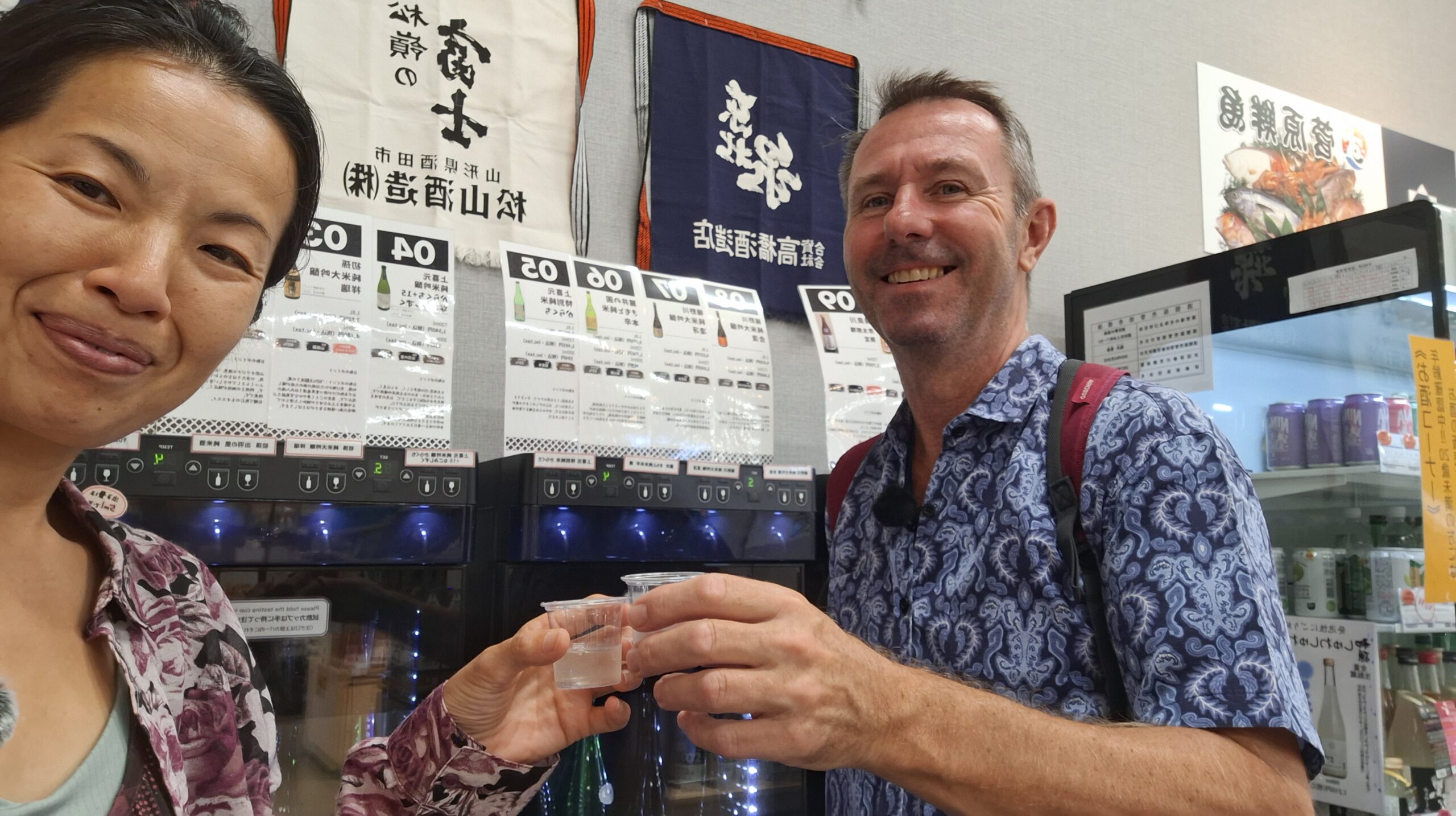
Crucially, another major reason we wanted to visit is because Akita is renowned for its exceptional sake; we are genuinely excited to try fine regional brews that are difficult to find anywhere else. Because everything is so neatly concentrated within walking distance of the station, it provides an exceptionally rewarding, car-free urban exploration experience.
Conclusion
Exploring Akita without a car is remarkably straightforward, offering a delightful mix of historic castle parks, Meiji-era heritage architecture, world-class art museums, and lively local markets. Whether you arrive via high-speed shinkansen from Tokyo or wind your way down the coast by regional train, Akita makes for an unforgettable and accessible stop in northern Japan.
Note: This article reflects the Tohoku 13-day travel itinerary I am planning with my wife, Mai. Once we have completed our visit, we will update this guide with our own original photography and firsthand personal experiences from the ground!
➡ Back to Tohoku Travel Guide
Comment