
Planning a city-walking itinerary to explore Hirosaki using only public transport and walking is a great way to experience northern Japan. Located in the western part of Aomori Prefecture, Hirosaki boasts a rich history as a castle town ruled by the Tsugaru clan, featuring the rare surviving keep of Hirosaki Castle and a compact urban landscape framed by charming Meiji and Taisho-era Western-style architecture. By combining trains, walking, and convenient local buses, you can fully enjoy the city without needing a car.
In this travel blueprint, my wife Mai and I share our planned route for visiting Hirosaki as part of our extended 13-day backpacking journey across Tohoku together. From feudal-era historical landmarks to nostalgic Western-style buildings and local culinary traditions, we have put together a practical guide for experiencing the city entirely on foot and via public transport.
🇯🇵 この記事を日本語で読む: 弘前1日観光モデルコース【地図付き】
- Hirosaki 1 Day Itinerary Map
- What is Hirosaki?
- Top Hirosaki Attractions and Essential Visitor Information
- Hirosaki Castle (Hirosaki Park): Surviving Keep and Seasonal Scenery
- Retro Western Architecture District (Near City Hall): Taisho Roman Charm
- Zenrin-gai (Zenrin Thirty-Three Temples): A Tranquil Avenue of Zen Sanctuaries
- Fujita Memorial Garden: A Expansive Taisho-Era Landscape Garden
- Saishoin Temple (Five-Story Pagoda): A Historic Architectural Masterpiece
- How to Get to Hirosaki
- Our Itinerary: Seamless Transitions and City Exploring
- Why We Chose to Visit Hirosaki: Castle History and Western-Style Romance
- Conclusion
Hirosaki 1 Day Itinerary Map
Below is the map of the sightseeing spots included in this itinerary.
➡ 2-Week Tohoku Itinerary in September: A Slow-Paced Couple’s Backpacking Guide
What is Hirosaki?
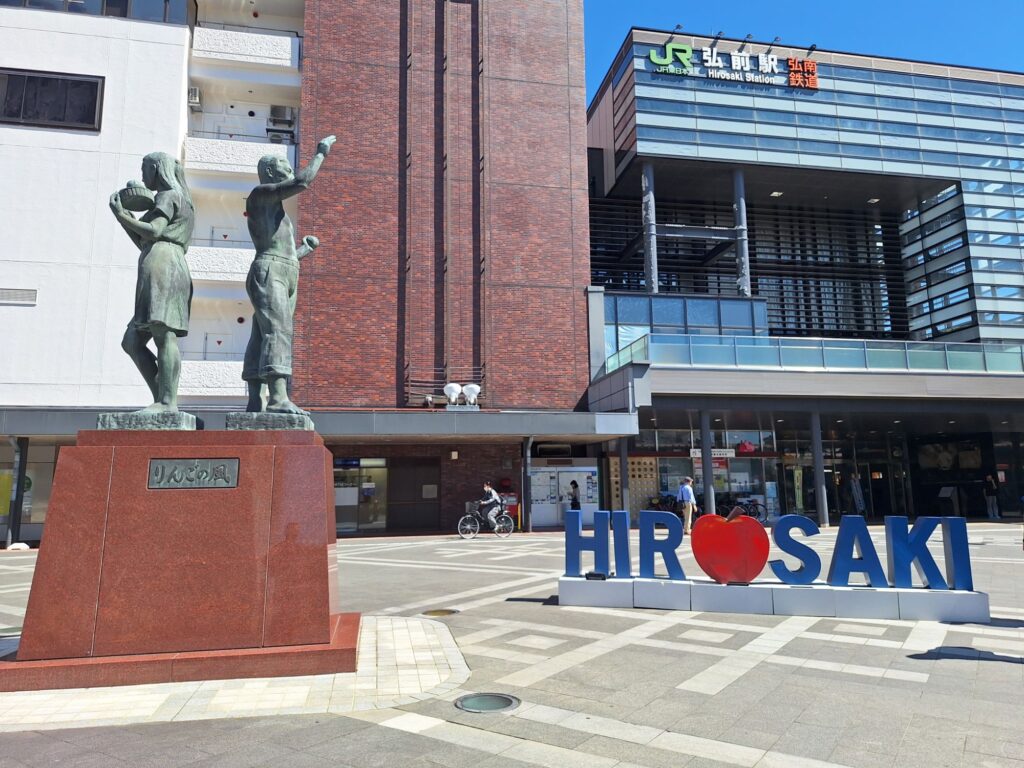
As the central hub of the western Tsugaru region in Aomori Prefecture, Hirosaki has served as the political and cultural heartland of the Tsugaru domain since the Edo period.
While preserving historical temples, shrines, and samurai residences from its feudal past, the city developed into a major centre for apple cultivation in the Meiji era. The early influx of Western culture helped shape a unique and beautiful “wa-yo-secchu” (Japanese-Western eclectic) aesthetic. Furthermore, retro Western-style architecture from the romantic Taisho era is scattered throughout the town, allowing visitors to simply stroll the streets and soak in the historic atmosphere.
Top Hirosaki Attractions and Essential Visitor Information
Here are the key spots to include when navigating Hirosaki on foot and via public transport (such as local loop buses).
Hirosaki Castle (Hirosaki Park): Surviving Keep and Seasonal Scenery
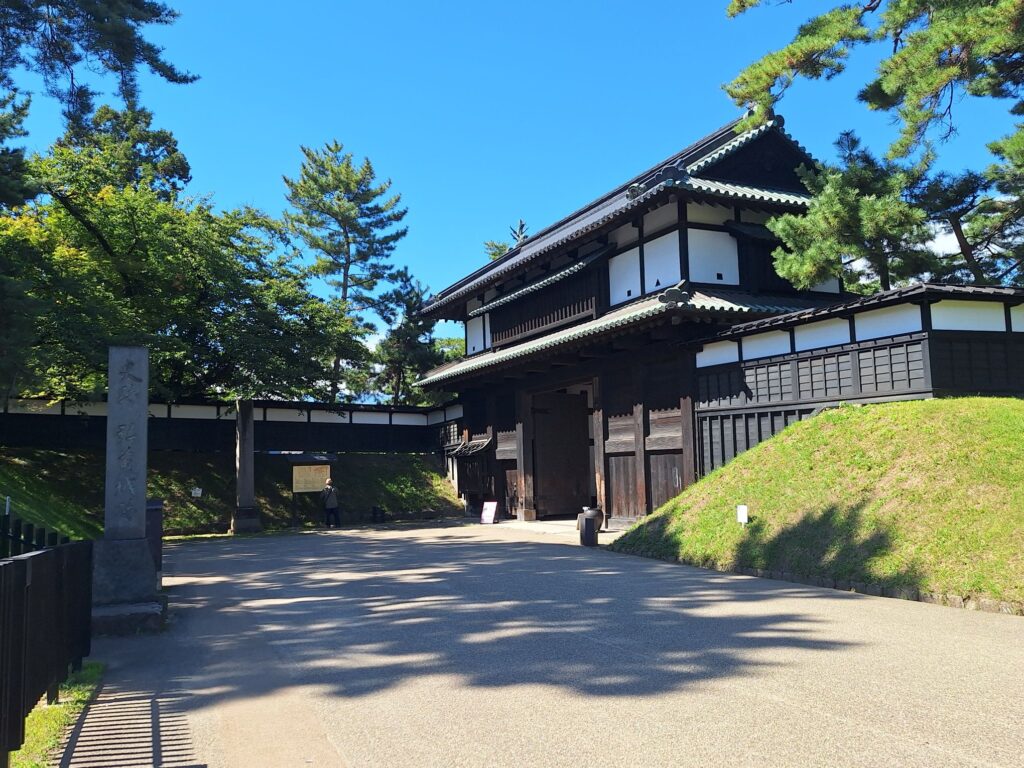
One of only 12 original, surviving castle keeps left in Japan, and the only one preserving its historic structures in the Tohoku region. Famous for its breathtaking cherry blossoms in spring, vibrant autumn foliage, and serene winter snowscapes, the park grounds feature impressive stone walls, moats, and turrets ideal for a leisurely historical stroll.
- Admission Fee (Main Keep & North Citadel): Adults 320 JPY / Elementary & Junior High Students 100 JPY
- Closed: The park grounds are open 24/7 (interior access to certain structures may close during winter)
Retro Western Architecture District (Near City Hall): Taisho Roman Charm
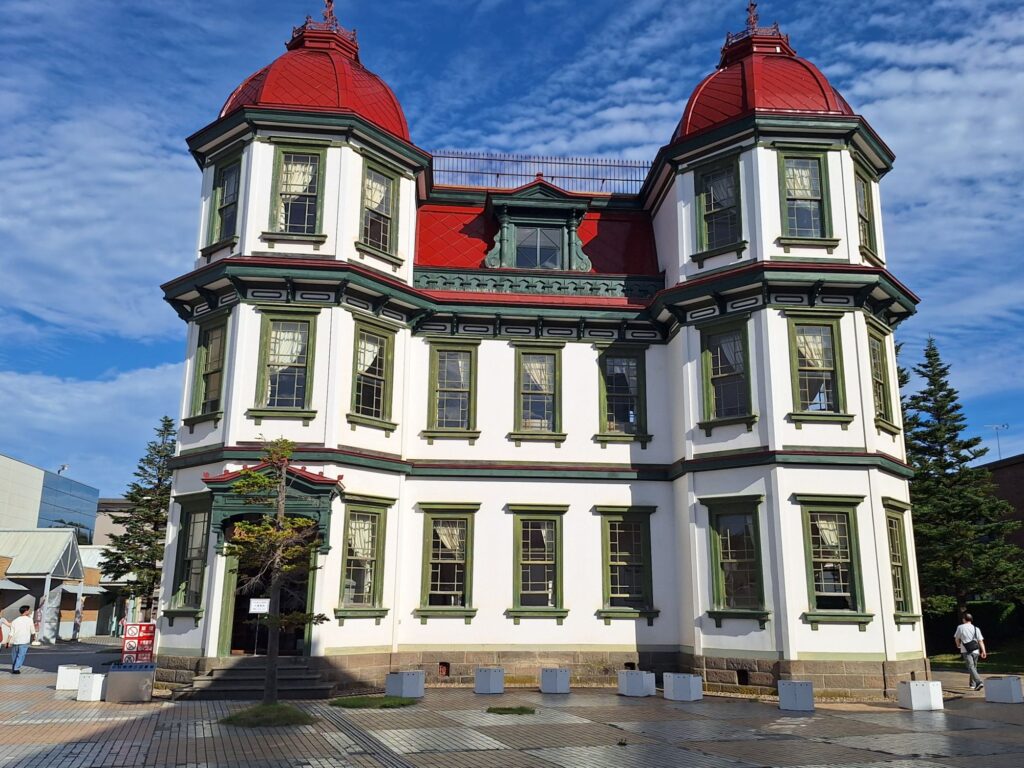
Hirosaki is home to numerous well-preserved Western-style buildings dating from the Meiji and Taisho periods. The area surrounding the former Hirosaki City Library and the former Oiwa Gijuku Foreign Teacher’s Accommodation features charming, high-karu (chic) historical structures that transport you back in time.
- Admission Fee: Exterior views are free (interior public access varies by facility)
- Closed: Varies by facility (typically Mondays)
Zenrin-gai (Zenrin Thirty-Three Temples): A Tranquil Avenue of Zen Sanctuaries
Established by the first Tsugaru domain lord, Tamenobu Tsugaru, to pray for the soul of his birth mother, this serene street gathers family temples into one peaceful enclave. Lined with towering, century-old cedar trees along a one-kilometre path, 33 Soto Zen temples stand side by side, offering an atmosphere of profound quiet and solemn beauty.
- Admission Fee: Free to explore
- Closed: Open 24/7
Fujita Memorial Garden: A Expansive Taisho-Era Landscape Garden
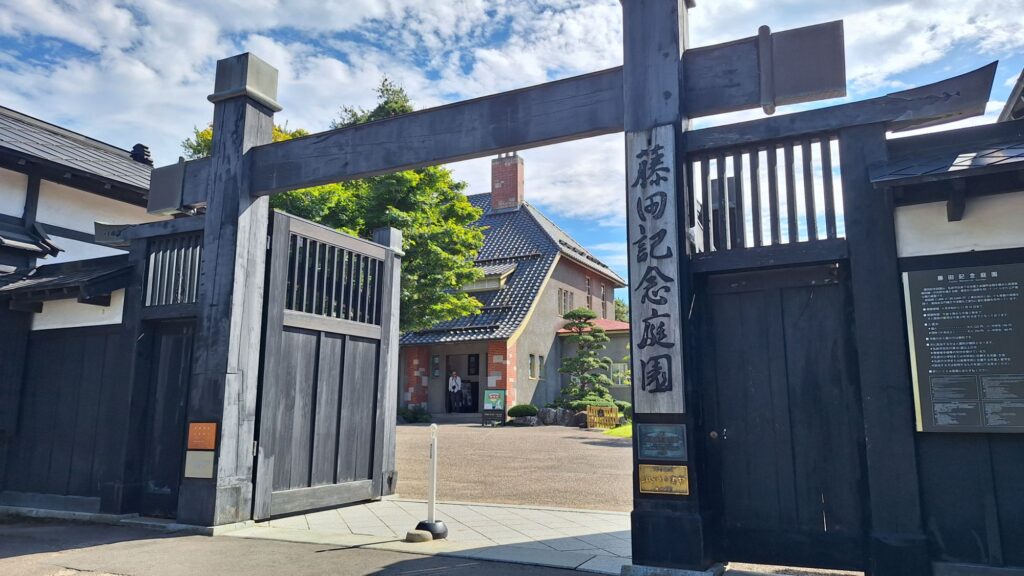
Built as a private retreat by a wealthy local businessman during the Taisho period, this expansive Japanese landscape garden beautifully contrasts an elegant mountaintop Western-style villa (featuring a historic Taisho-era tea room) with a tranquil pond garden nestled in the lower grounds. It makes a wonderful spot to rest during a day of walking.
- Admission Fee: Adults 100 JPY / Elementary & Junior High Students 50 JPY
- Closed: Year-end holidays and select dates
Saishoin Temple (Five-Story Pagoda): A Historic Architectural Masterpiece
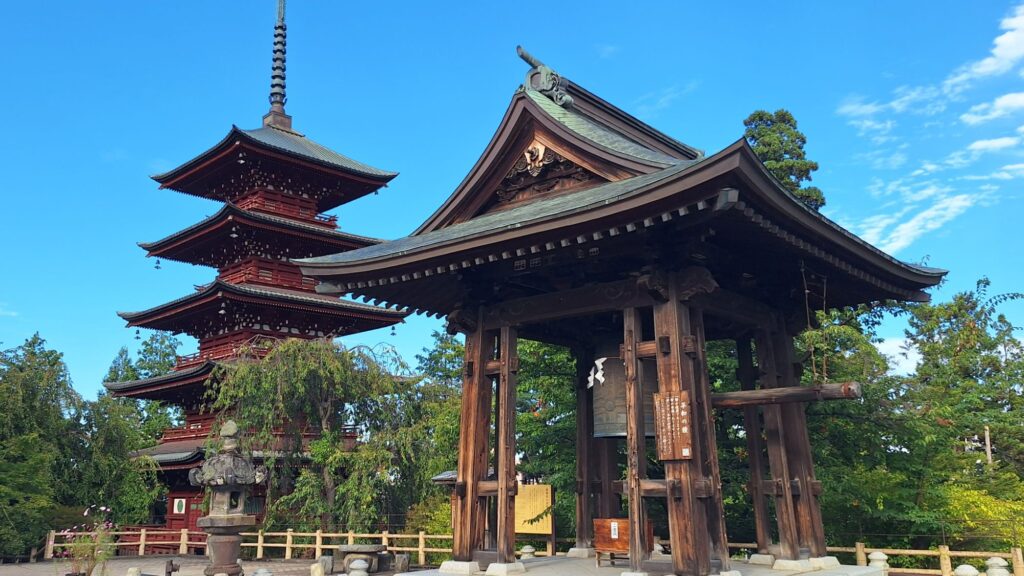
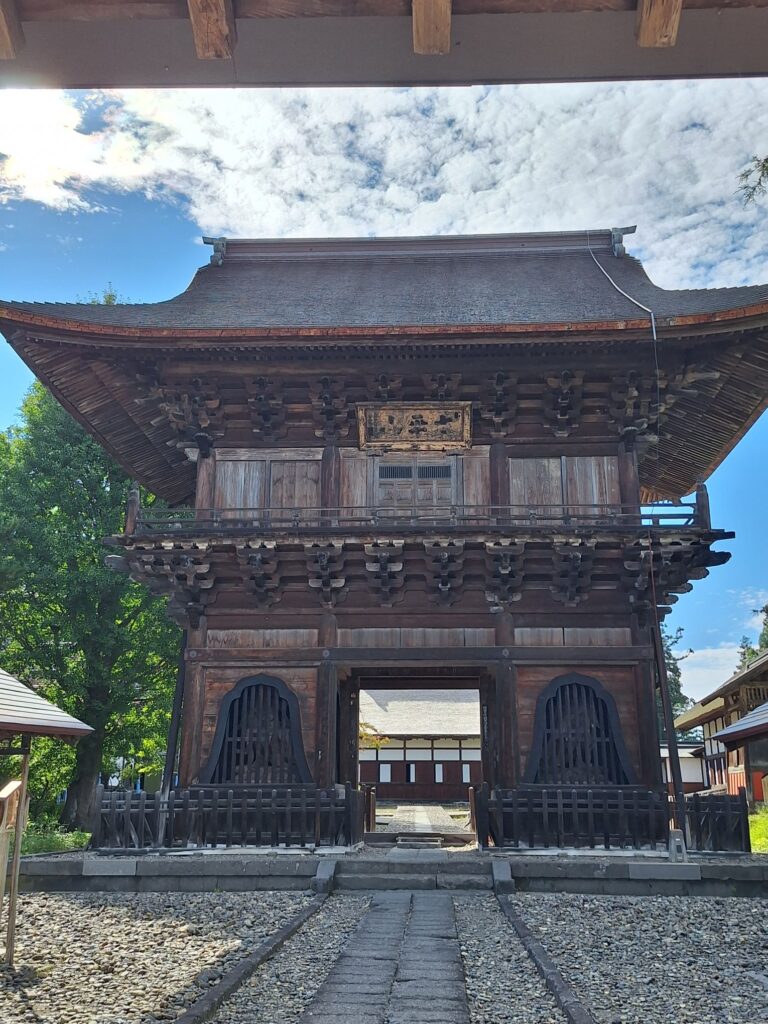
Located southwest of Hirosaki Castle near the Zenrin-gai temple district, Saishoin is a historic temple founded in 1604 by the Tsugaru domain. Its crowning glory is the Five-Story Pagoda, designated as an Important Cultural Property and widely celebrated as the oldest five-story pagoda in the Tohoku region. Originally built to console the souls of fallen soldiers, the pagoda showcases exquisite traditional woodworking and stands in peaceful harmony with its surrounding trees and grounds.
- Admission Fee: Free to explore the temple grounds
- Closed: Open 24/7
How to Get to Hirosaki

Travellers moving onward from previous stops on their Tohoku itinerary—such as Morioka—can easily access Hirosaki via railways or highway bus services:
- By Highway Bus (Yodel Express Service from Morioka): Direct highway buses (such as the “Yodel” line) operate between Morioka Station West Exit and Hirosaki Station/Hirosaki Bus Terminal, taking approximately 2 hours and 15 minutes. Offering a comfortable, direct ride without any transfers along the Tohoku Expressway, it lets you enjoy sweeping views of northern Japan’s mountainous landscapes. While daily departures are limited (around twice a day), it is a fantastic, direct option if the timetable fits your travel schedule.
- By Train from Morioka or Aomori (Local or Limited Express): Catch a limited express service (such as the “Tsugaru”) on the JR Tohoku and Ou Main Lines from Morioka Station, arriving at Hirosaki Station in roughly two to two-and-a-half hours while taking in the shifting scenery of northern Honshu.
- Via Shin-Aomori (By Shinkansen): Travellers can take the Tohoku Shinkansen to Shin-Aomori Station, then transfer to a local or rapid service on the JR Ou Main Line heading southbound toward Hirosaki, reaching the city in about 30 to 40 minutes.
[Related Articles]
➡ 2-Week Tohoku Itinerary in September: A Slow-Paced Couple’s Backpacking Guide
➡ Morioka 1 Day Itinerary: Best Things to Do in One Day on Foot
Our Itinerary: Seamless Transitions and City Exploring
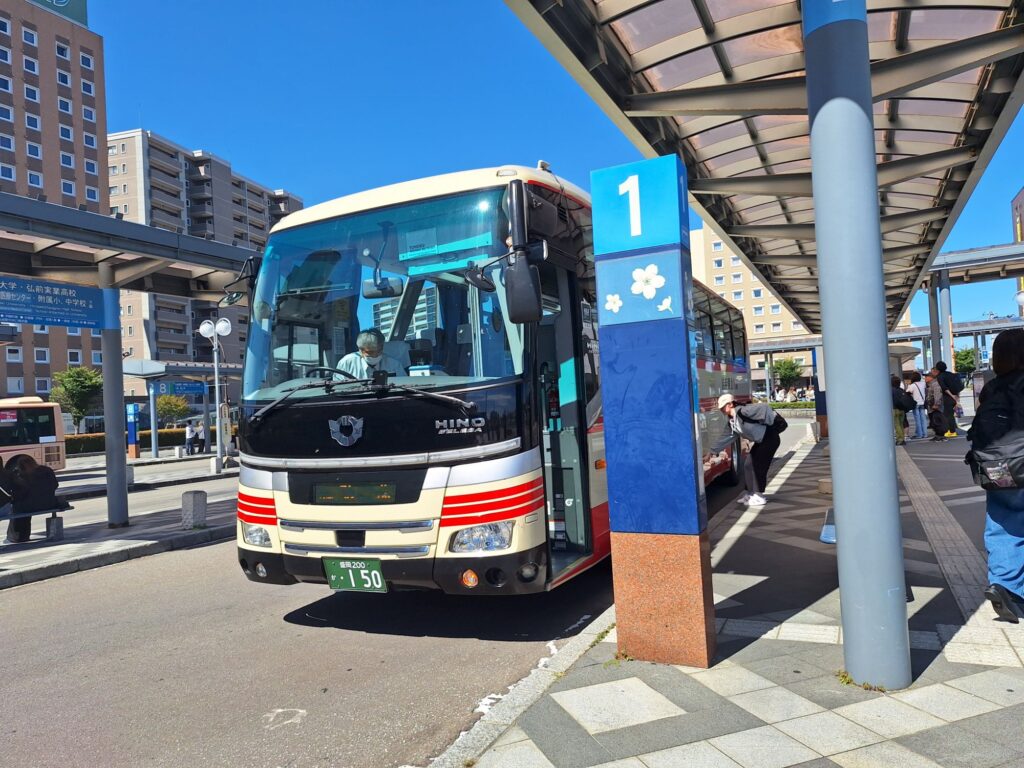
For our Tohoku journey, we planned our transition to Hirosaki by utilising either a direct highway bus or rail connections from our preceding stop, settling in for an overnight stay in the city.
Upon arriving at Hirosaki Station, our first step is checking into our hotel to drop off our bags. Once we are mobile, we set out on foot or hop onto the convenient 100-yen city loop bus (Hirosaki Shigaichi Junkan Bus) which connects the station directly to major historical sights and the park area. Whether we are exploring the ancient stone walls of the castle grounds or admiring the Taisho-era Western buildings over a quiet cup of coffee, we have designed a relaxed travel pace combining walking and local buses.
Why We Chose to Visit Hirosaki: Castle History and Western-Style Romance
Including Hirosaki in our 13-day Tohoku itinerary was an easy decision, driven by its unique combination of feudal castle heritage and romantic Meiji-Taisho architecture.
The primary reason is that Hirosaki is one of northern Japan’s most enchanting destinations, beautifully harmonising the dignified atmosphere of a feudal castle town with the stylish, cosmopolitan influences of early 20th-century Western design. Stepping off the grounds of a genuine surviving castle keep and directly into a neighborhood of elegant, retro European-style buildings offers a striking contrast that we are eager to experience firsthand on foot.
Tying these historic layers together with an appreciation for local Tsugaru culture made Hirosaki an unmissable stop on our journey.
Conclusion
Exploring Hirosaki without a car is remarkably straightforward, offering a rewarding blend of walkable history, gorgeous park scenery, and rich cultural traditions. Whether you are admiring the impressive stone fortifications of the castle, wandering down quiet cedar-lined temple avenues, or soaking in the romantic atmosphere of Taisho-era architecture, Hirosaki makes for an unforgettable stop in northern Japan.
➡ Back to Tohoku Travel Guide
Comment