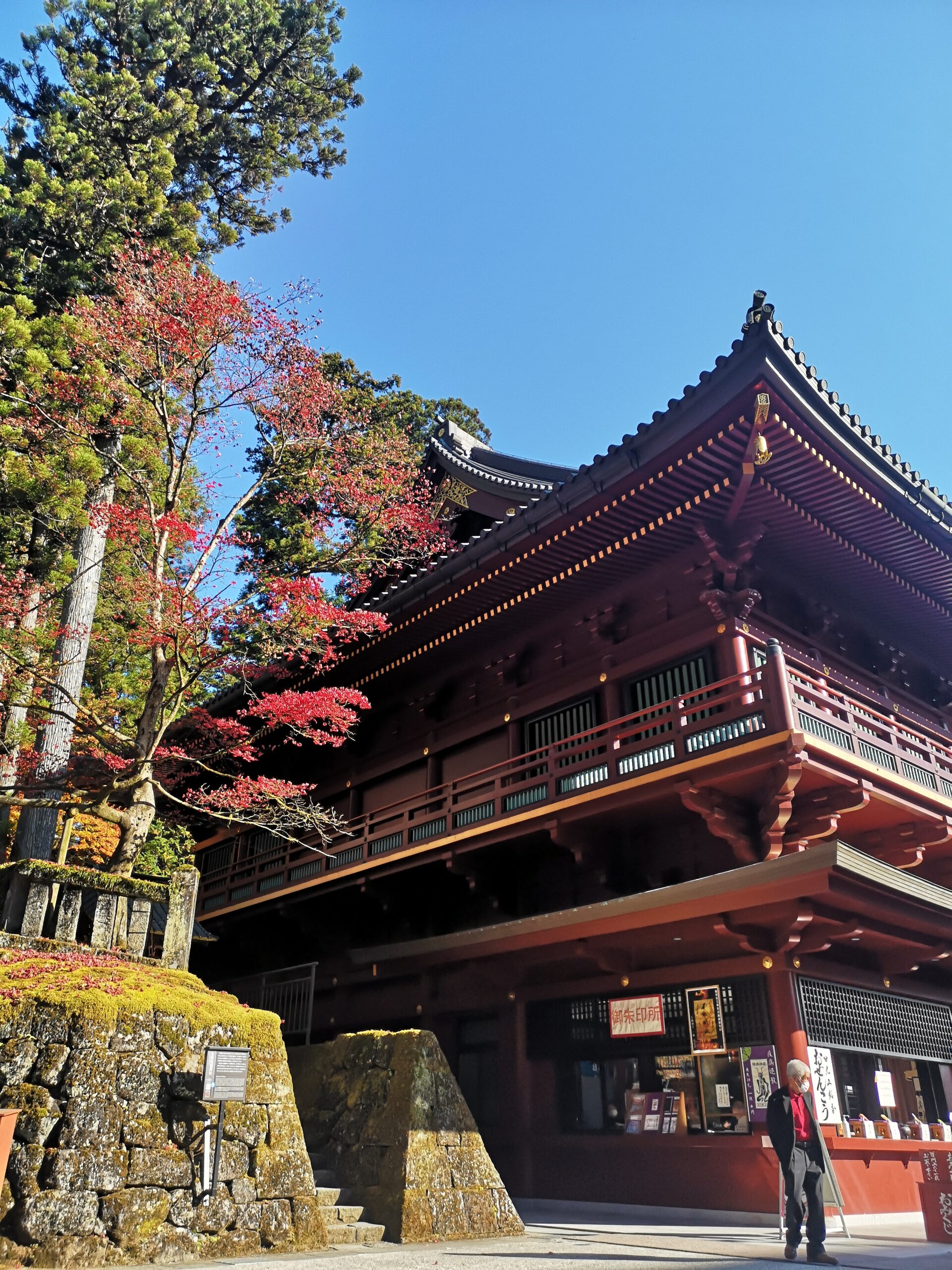
Are you planning a trip to the majestic mountains of Tochigi Prefecture to experience Nikko—one of Japan’s most historically profound and visually striking UNESCO World Heritage sites? Famous for its ancient Buddhist foundations, sacred mountain worship, and the final resting place of the legendary Shogun Tokugawa Ieyasu, Nikko is a must-visit destination. However, finding affordable accommodation in this tourist-heavy town can be a real challenge for independent travellers.
In this Utsunomiya to Nikko Budget Travel Guide, we share our strategic choice to base ourselves in nearby Utsunomiya, where hotel rates are significantly lower, and use it as a seamless launchpad for a spectacular day trip. We break down the simple 45-minute journey on the JR Nikko Line, provide crowd-beating morning itineraries, and offer our honest, alternative review of the opulent Toshogu Shrine compared to the quiet, moss-covered serenity of its neighbor, Futarasan Shrine.
Utsunomiya to Nikko Day Trip: At a Glance
- The Strategy: Stay in Utsunomiya for better, cheaper business hotels, then commute into Nikko.
- Transit: JR Nikko Line from Utsunomiya Station ➔ JR Nikko Station (approx. 45 mins / ¥770 one-way).
- Top Tip: Catch a train between 7:00 AM and 8:00 AM to beat the mid-morning tour buses and enjoy the shrines in minimalist peace.
- Why We Choose to Stay in Utsunomiya Instead of Nikko
- How to Get to Nikko from Utsunomiya by Train
- Navigating from JR Nikko Station to the World Heritage Sites
- Exploring Nikko Toshogu Shrine: A Flamboyant Departure from Tradition
- Nikko Toshogu Shrine: Key Highlights We Encountered
- Futarasan Shrine: Where Nature and Spirit Meet
Why We Choose to Stay in Utsunomiya Instead of Nikko
Nikko is one of Japan’s most iconic destinations, offering a perfect blend of profound history, spiritual heritage, and breathtaking natural beauty. Located in the mountains of Tochigi Prefecture, it has been a centre of Shinto and Buddhist mountain worship for centuries.
UNESCO World Heritage Sites: “The Shrines and Temples of Nikko”
The most famous part of Nikko is the cluster of 103 religious buildings and their surrounding forests, which were designated as a World Heritage Site in 1999.
- Nikko Toshogu Shrine: The final resting place of Tokugawa Ieyasu, the founder of the Tokugawa Shogunate. It is famous for its incredibly ornate architecture, including the Yomeimon Gate and the wood carvings of the “Three Wise Monkeys” (See no evil, speak no evil, hear no evil).
- Rinno-ji Temple & Futarasan Shrine: These older sites represent the spiritual foundation of the area, dating back over 1,200 years.
Why We Stay in Utsunomiya?
We chose to stay in Utsunomiya because accommodation in Nikko is often overpriced and fully booked. Utsunomiya offers much better value for money, and since it’s the main transit hub, it is incredibly easy to hop on the JR Nikko Line for a quick day trip.”
Key points included:
- Cost-effectiveness: Higher quality hotels for a lower price.
- Availability: More options than the tourist-heavy Nikko area.
- Convenience: Highlights Utsunomiya as a strategic “hub” for the region.
For Budget Travellers (like us):
➡ How to Save on Nikko Travel: Why We Chose Utsunomiya for Our Hotel Base and How to Get from Koriyama to Utsunomiya on Local Trains
How to Get to Nikko from Utsunomiya by Train
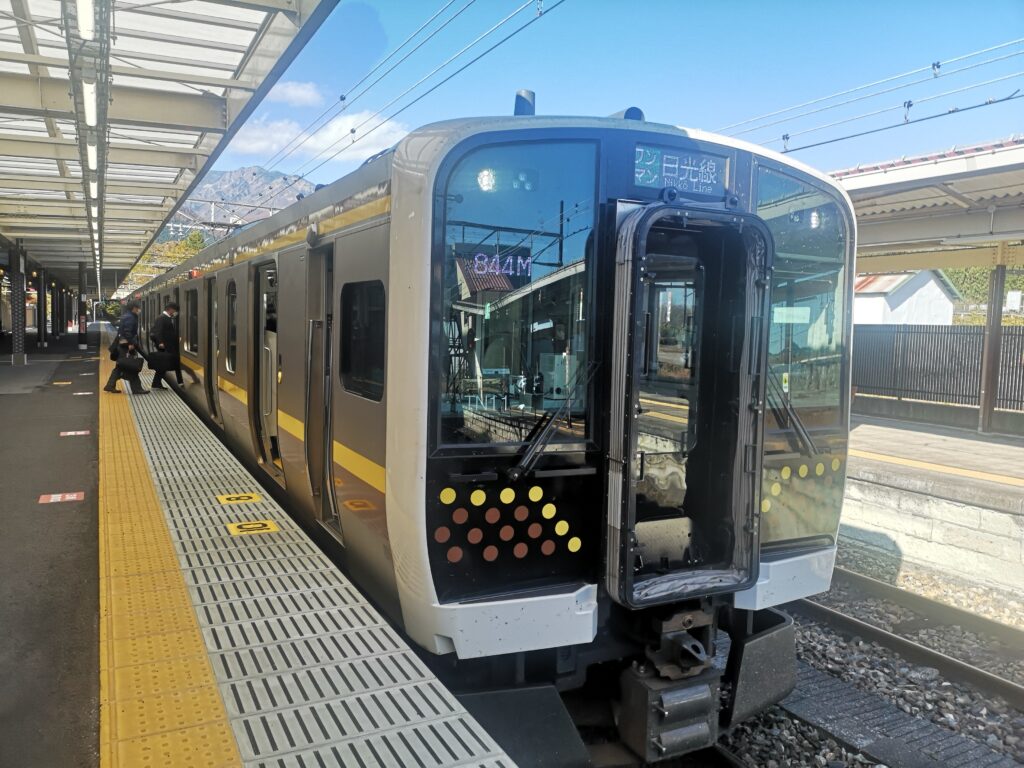
Getting to Nikko from Utsunomiya is simple and budget-friendly. Just hop on the JR Nikko Line from Utsunomiya Station. The trains will take you directly to JR Nikko Station in about 45 minutes for just ¥770.
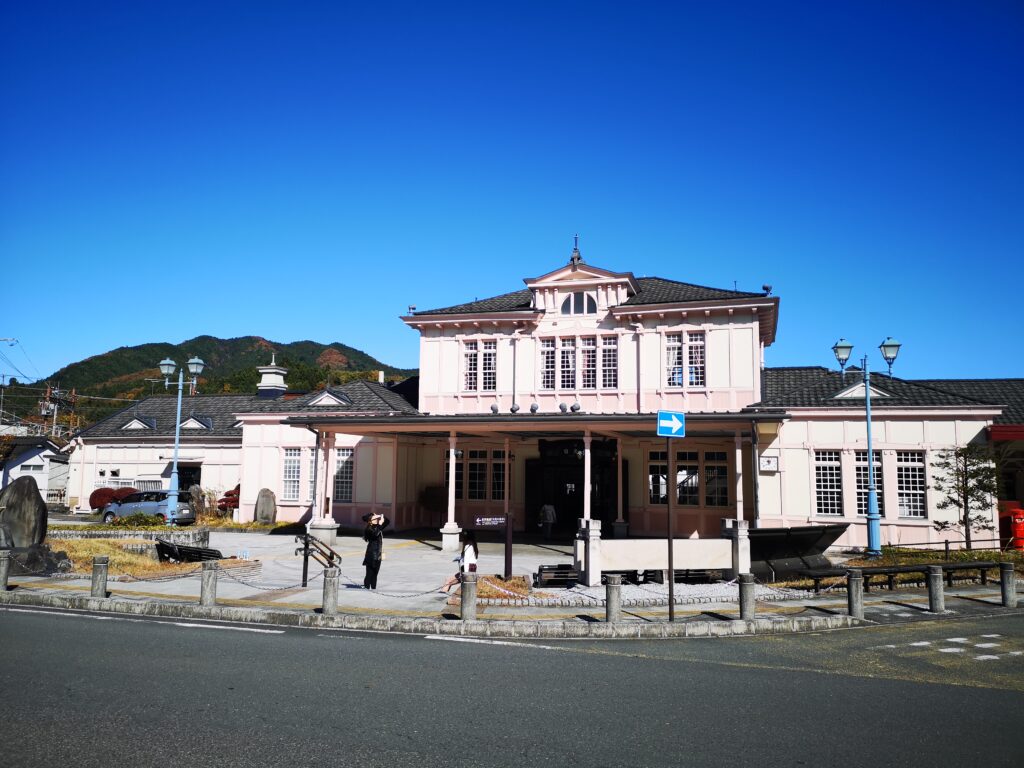
We took a local train from Utsunomiya which cost 770 yen and took less than an hour. There’s a train approximately every hour. It was super smooth and convenient!
From Tokyo you could take a Shinkansen, other trains or the bus.
Start your day early! We highly recommend leaving Utsunomiya around 7:00 or 8:00 AM. While you might encounter some local students or commuters, it’s much better than hitting the mid-morning tourist rush. By arriving early, you can enjoy the World Heritage sites like Toshogu Shrine before the large tour buses and crowds arrive, making your experience far more peaceful and minimalist.
Navigating from JR Nikko Station to the World Heritage Sites
Once you arrive at JR Nikko Station, you have two main options to reach the shrine:
1. By Bus (Recommended) The easiest way is to take the “World Heritage Sightseeing Bus” (Sekai Isan Meguri Bus) or any bus bound for Chuzenji Onsen from the bus stop right in front of the station.
- Where to get off: “Omotesando” or “Shinkyo” bus stop.
- Duration: About 10–15 minutes, depending on traffic.
- Fare: ¥280 (IC cards like Suica are accepted).
2. On Foot (For the Scenic Route) If you prefer a stroll, you can walk up the main street (Nikko Kaido / Route 119). It is a gentle uphill walk through the charming town.
- Duration: About 35–40 minutes (approx. 2.5 km).
- Highlight: You’ll pass the iconic red Shinkyo Bridge along the way.
If you’re visiting in the morning, we suggest taking the bus up to the shrine to save your energy, then walking back down to the station after your visit. This way, you can browse the local craft shops and cafes at your own pace!
Exploring Nikko Toshogu Shrine: A Flamboyant Departure from Tradition
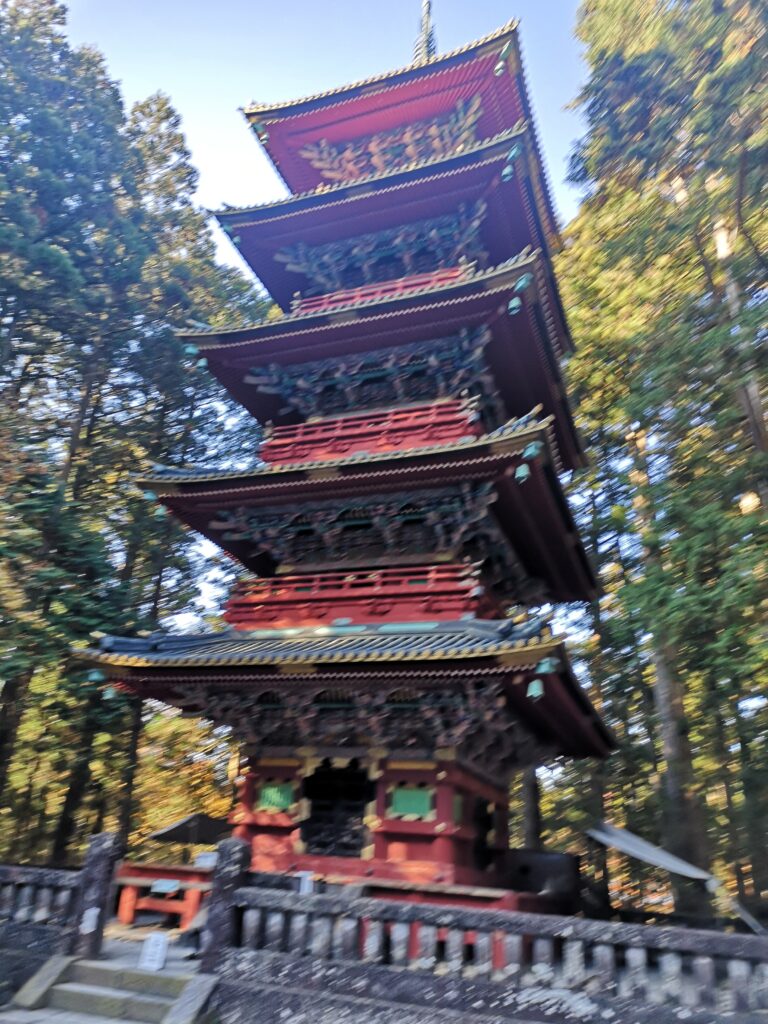
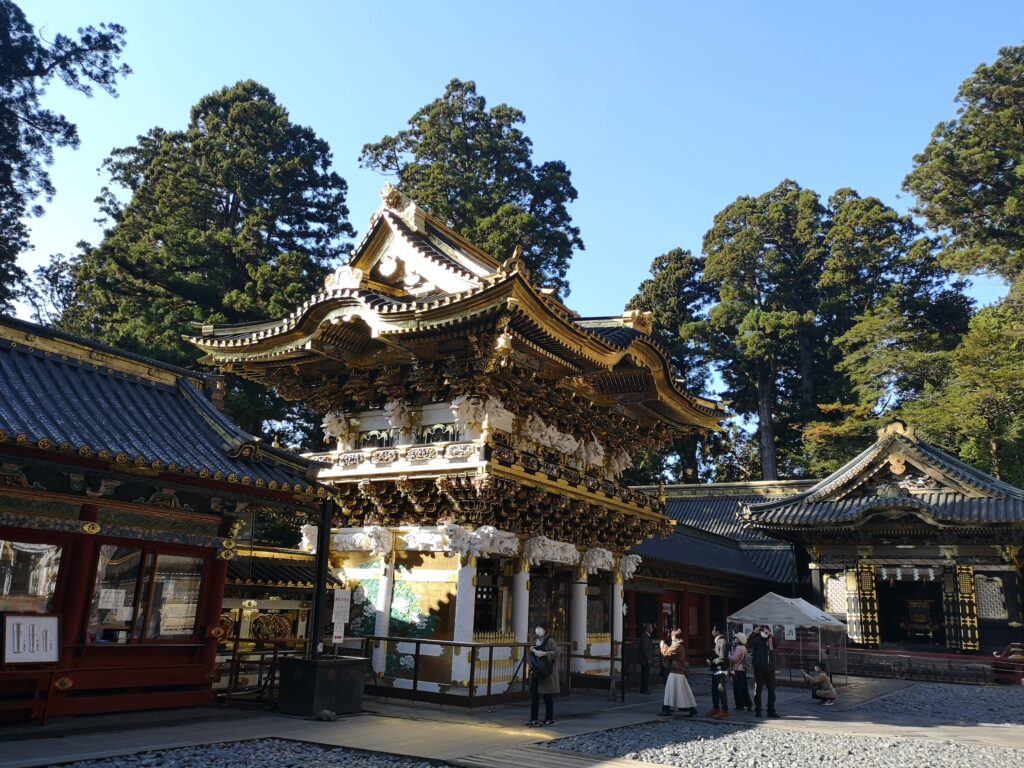
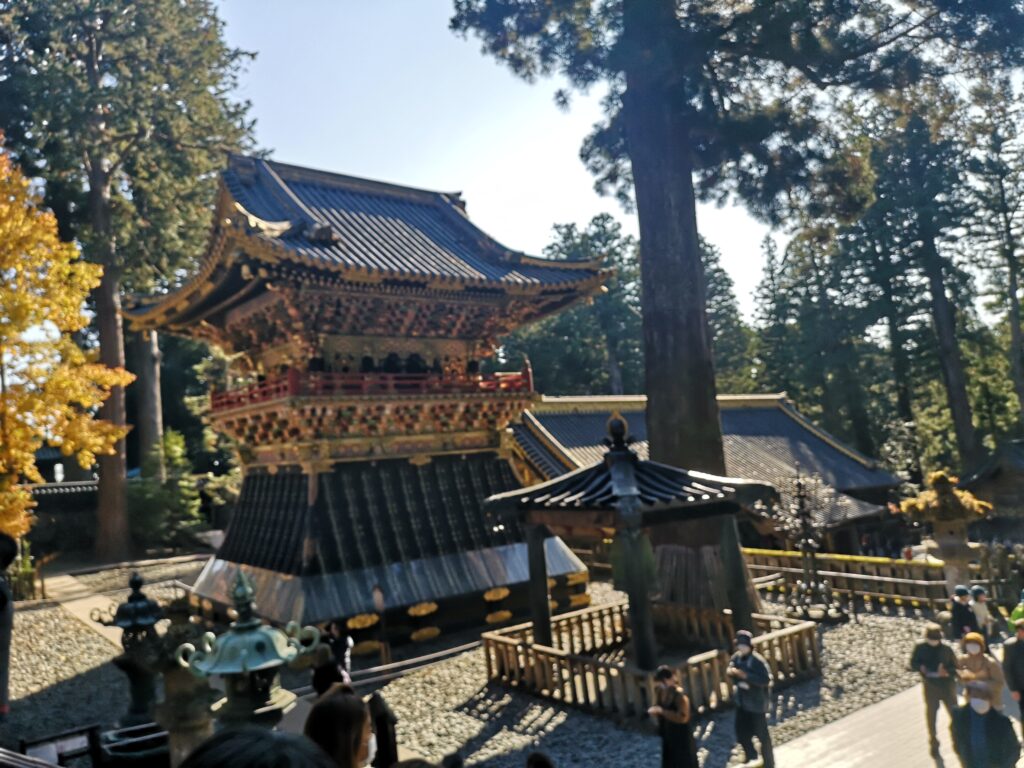
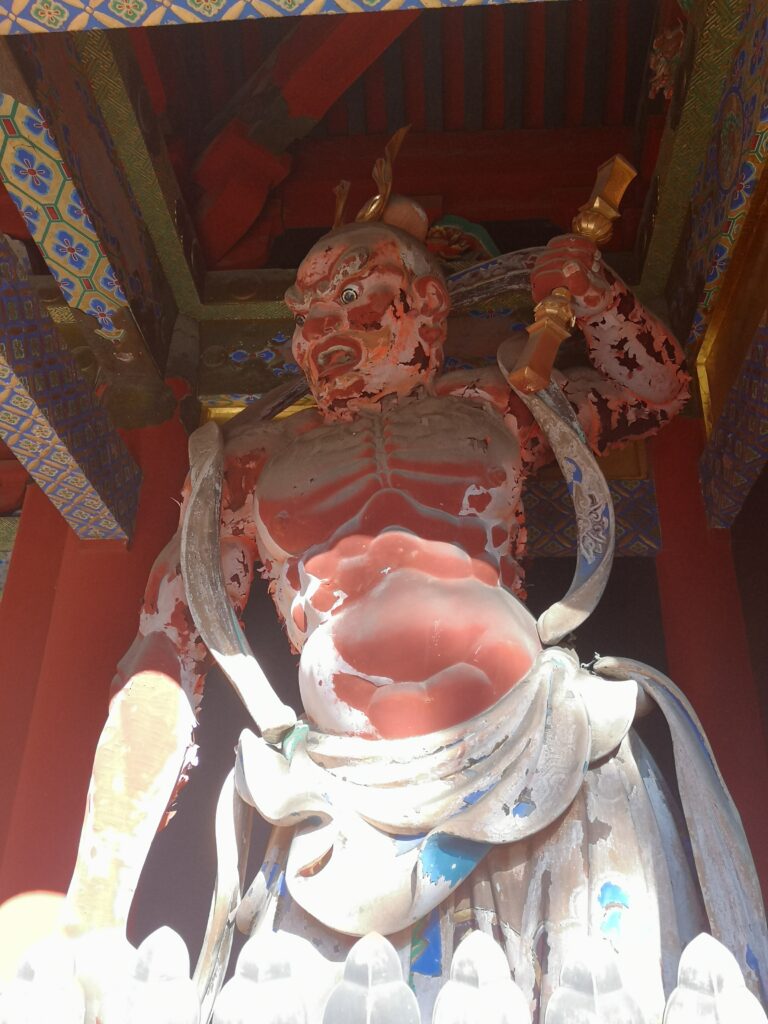
If there is one place that sparks a debate among travellers and locals alike, it is Nikko Toshogu Shrine. While many Japanese temples and shrines are celebrated for their Zen-like simplicity and muted, earthy tones, Toshogu is a breathtaking—and some might say overwhelming—explosion of color, intricate carvings, and gold leaf.
As we explored the grounds, we couldn’t help but notice how it stands out in stark contrast to the “wabi-sabi” aesthetic most people associate with Japanese spirituality. In fact, its flamboyant design is a bit of a polarizing topic in Japan. Some see it as the pinnacle of Edo-period craftsmanship, while others find it a bit “too much.”
Our Honest Take
To be perfectly honest, it’s not exactly our favorite style. Mai, in particular, tends to prefer the quiet, understated beauty of traditional Japanese architecture, so the sheer opulence of Toshogu felt a little out of place for her. However, even if it’s not to your personal taste, the historical significance and the scale of the work are impossible to ignore.
Nikko Toshogu Shrine: Key Highlights We Encountered
This Shrine is understandably a World Heritage Site and is more than 400 years old. There’s a lot to see!
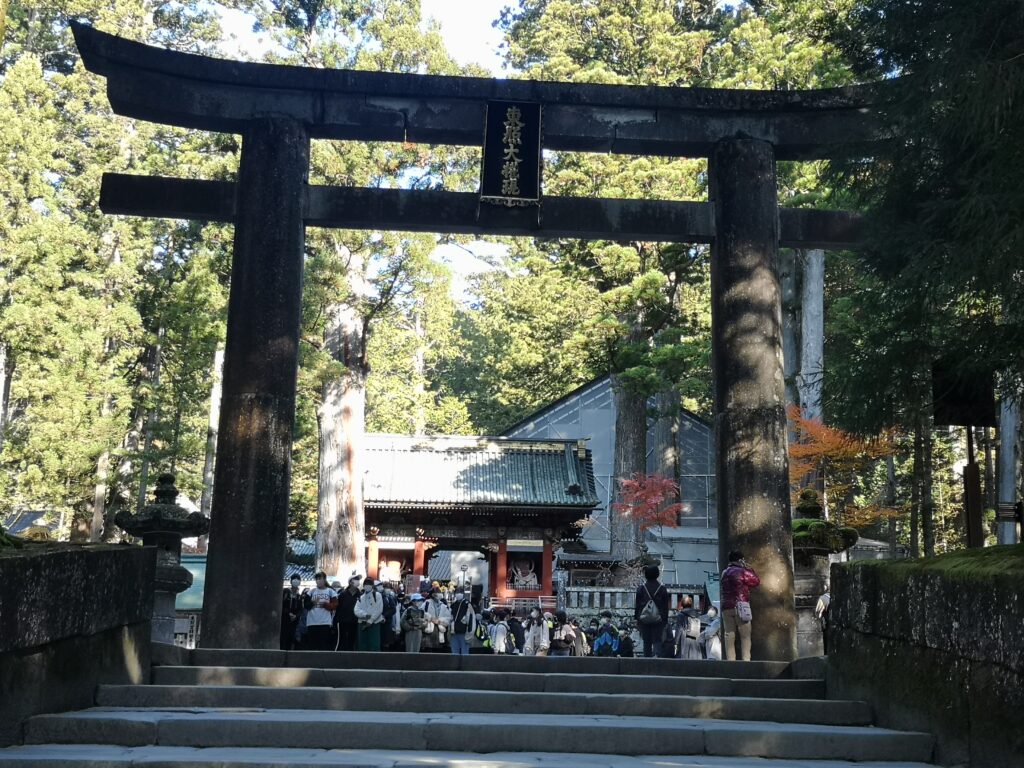
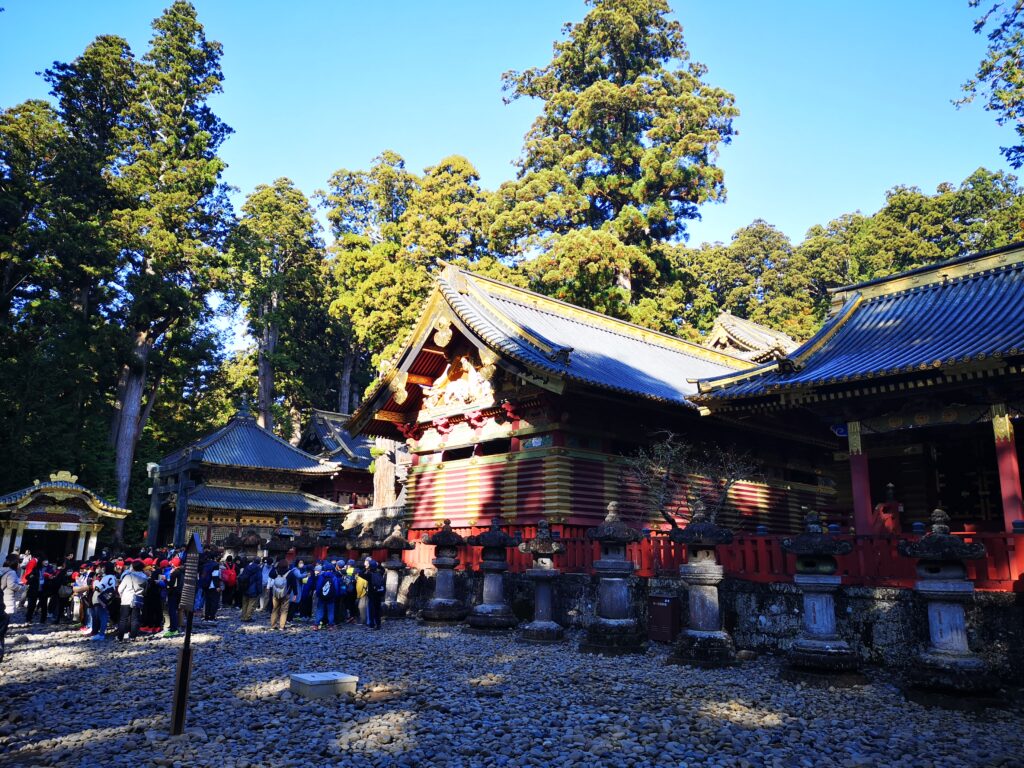
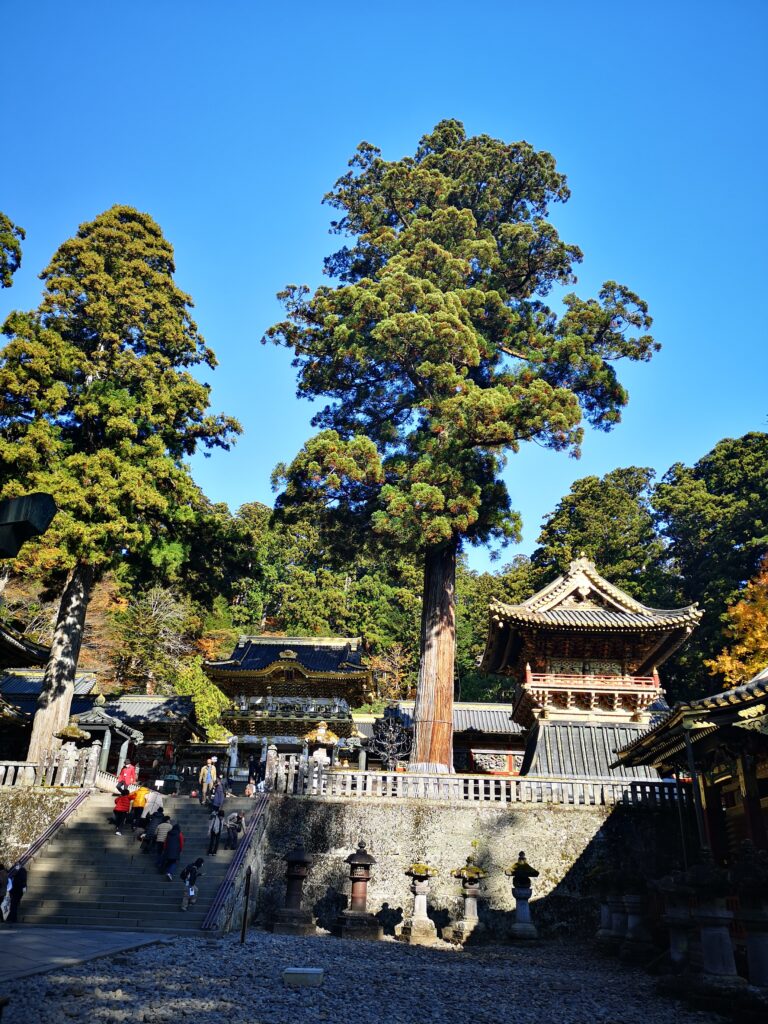
The Yomeimon Gate: Known as the “Sunset Gate” because you could stare at its 500+ detailed carvings until the sun goes down. It is a National Treasure and arguably the most ornate gate in the country.
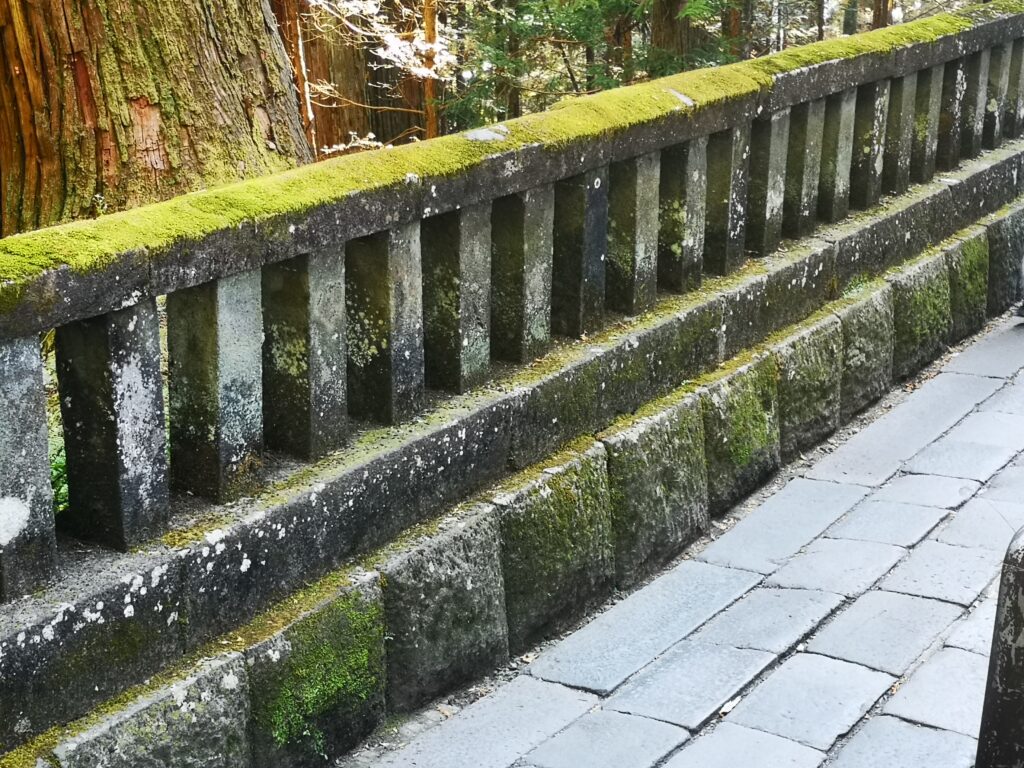
The Inner Shrine: We climbed the 200+ stone steps through a towering cedar forest to reach the tomb of Tokugawa Ieyasu. The atmosphere here feels much more solemn and spiritual—a welcome change of pace from the busy, golden buildings below.
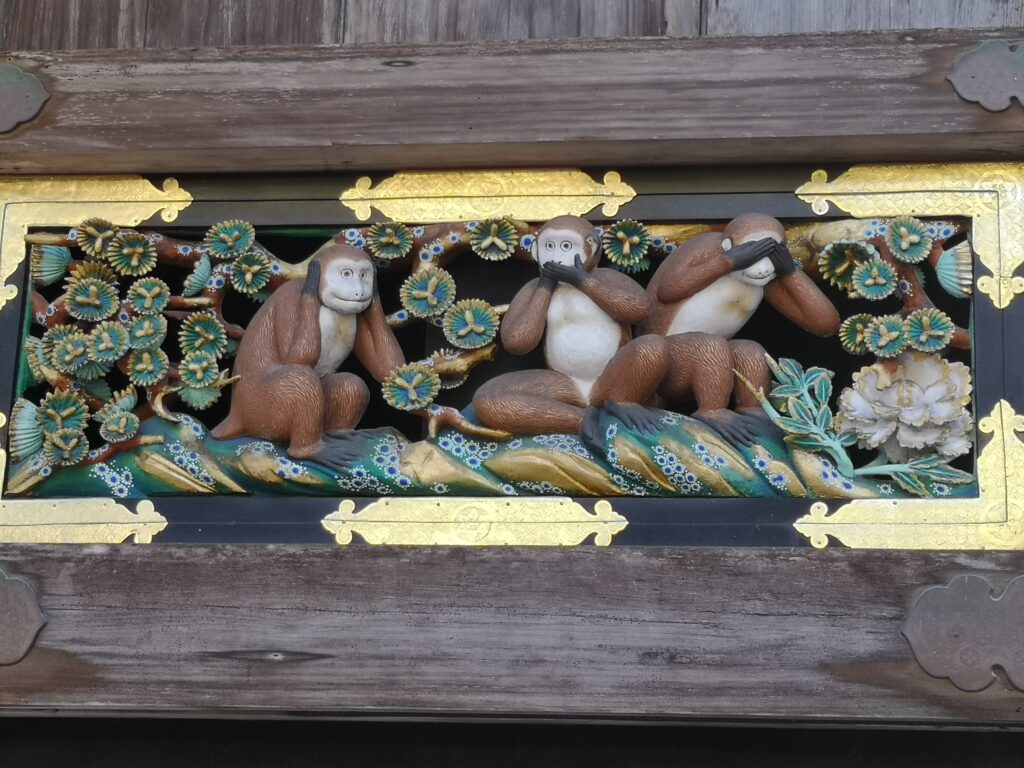
The “Three Wise Monkeys”: These are perhaps the most famous carvings in Japan. We found the “See no evil, speak no evil, hear no evil” monkeys on the Sacred Stable. They are part of a series of eight panels that represent the stages of a human life.
A Tips for the Minimalist Traveler
To truly appreciate the artistry without being overwhelmed by the crowds, we recommend arriving by 8:30 AM. Taking the early train from Utsunomiya allowed us to experience the Yomeimon Gate in relative peace before the tour groups arrived.
Nikko Toshogu may be a departure from the typical Japanese aesthetic, but it’s a masterclass in history that definitely earns its place on any itinerary—even if just to decide for yourself where you stand on its flamboyant design.
For Budget Travellers (like us):
➡ How to Save on Nikko Travel: Why We Chose Utsunomiya for Our Hotel Base and How to Get from Koriyama to Utsunomiya on Local Trains
Futarasan Shrine: Where Nature and Spirit Meet
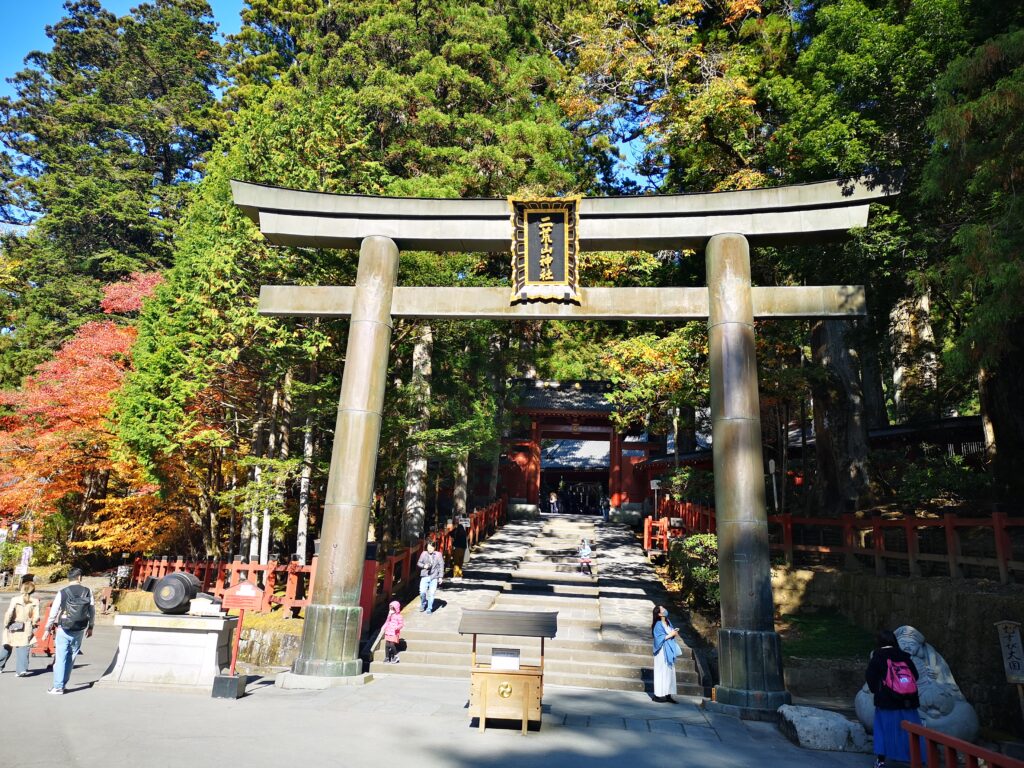
Right next to the golden opulence of Toshogu lies Futarasan Shrine. If Toshogu is a monument to a man, Futarasan is a monument to the mountains themselves. Founded over 1,200 years ago, this shrine is dedicated to the three sacred mountains of Nikko, with Mount Nantai being the most prominent.
For us, this felt much more like the “authentic” Japan we love. While it is part of the same UNESCO World Heritage site, it lacks the flashy colours of its neighbor, offering instead a serene, moss-covered atmosphere that feels deeply connected to the forest.
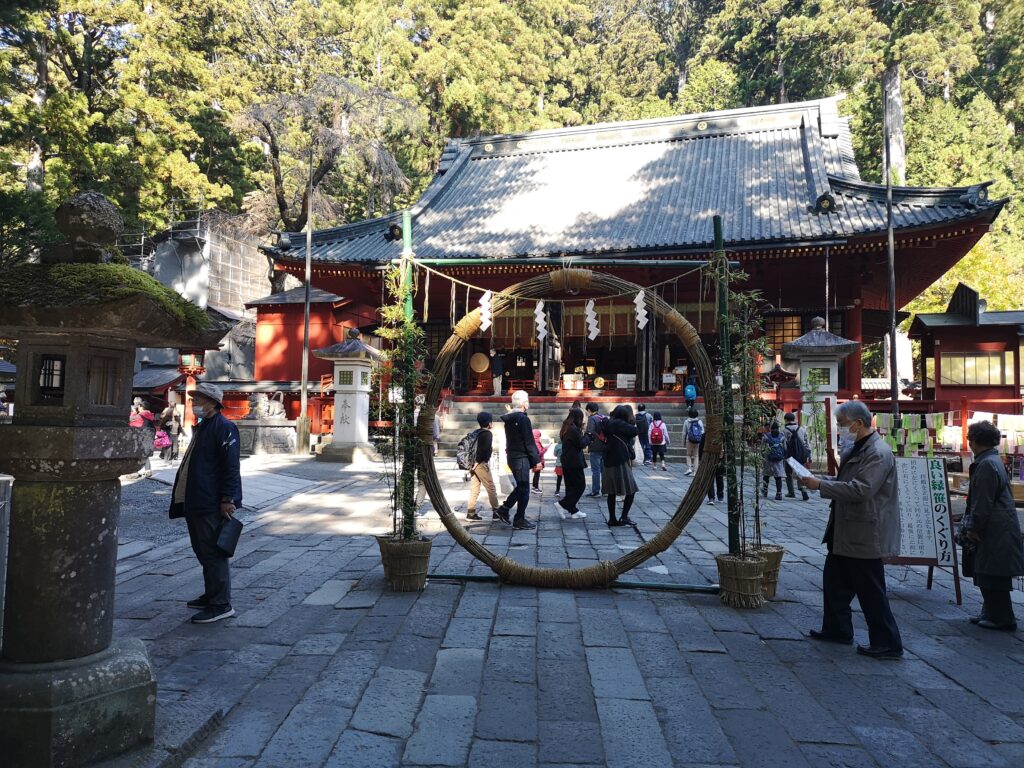
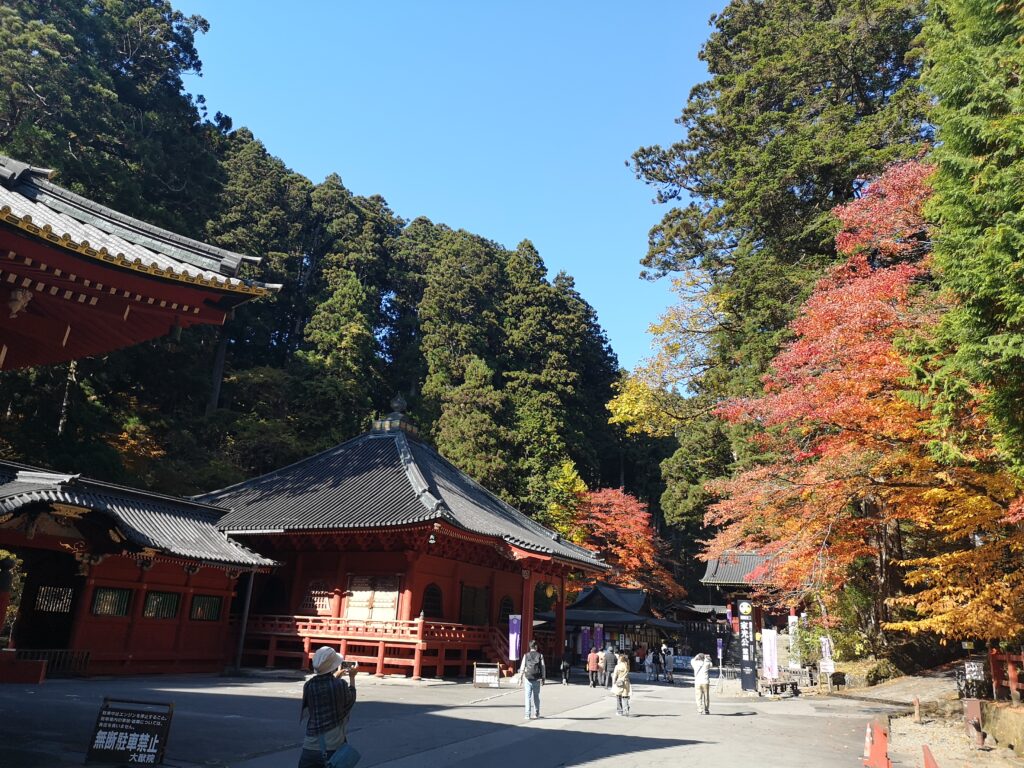
The Honden (Main Hall): Simple, elegant, and peaceful. It’s a great place to stop, breathe, and appreciate the spiritual side of Nikko away from the loudest crowds.
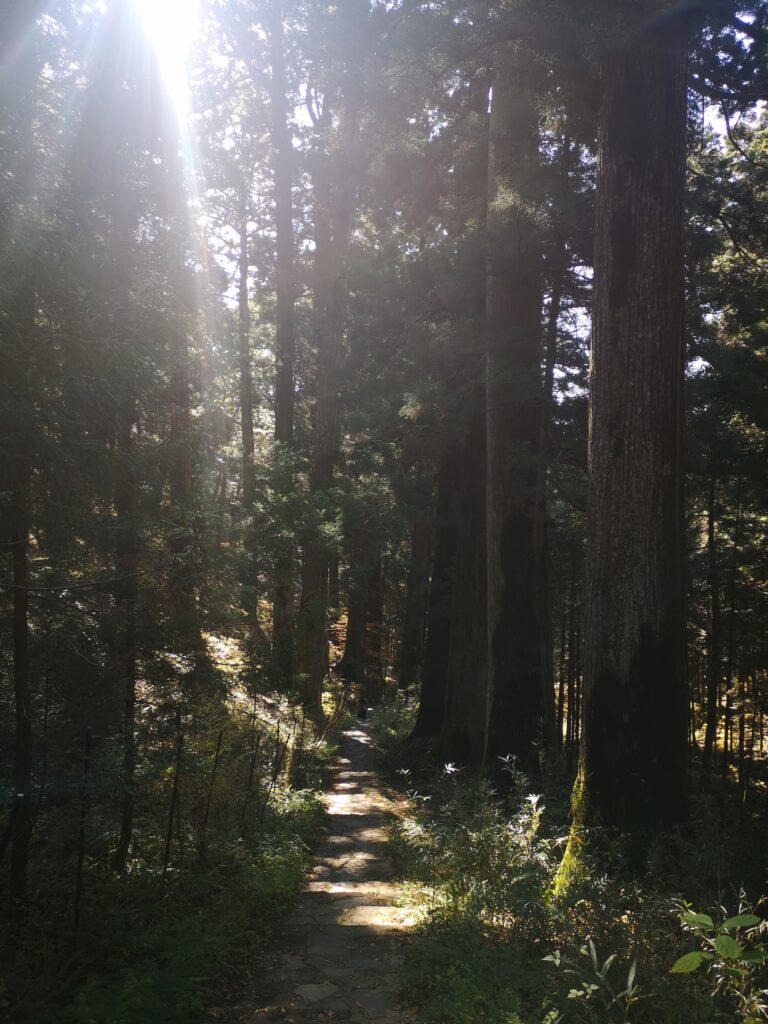
There are lots of walks through enormous cypress trees close to here.
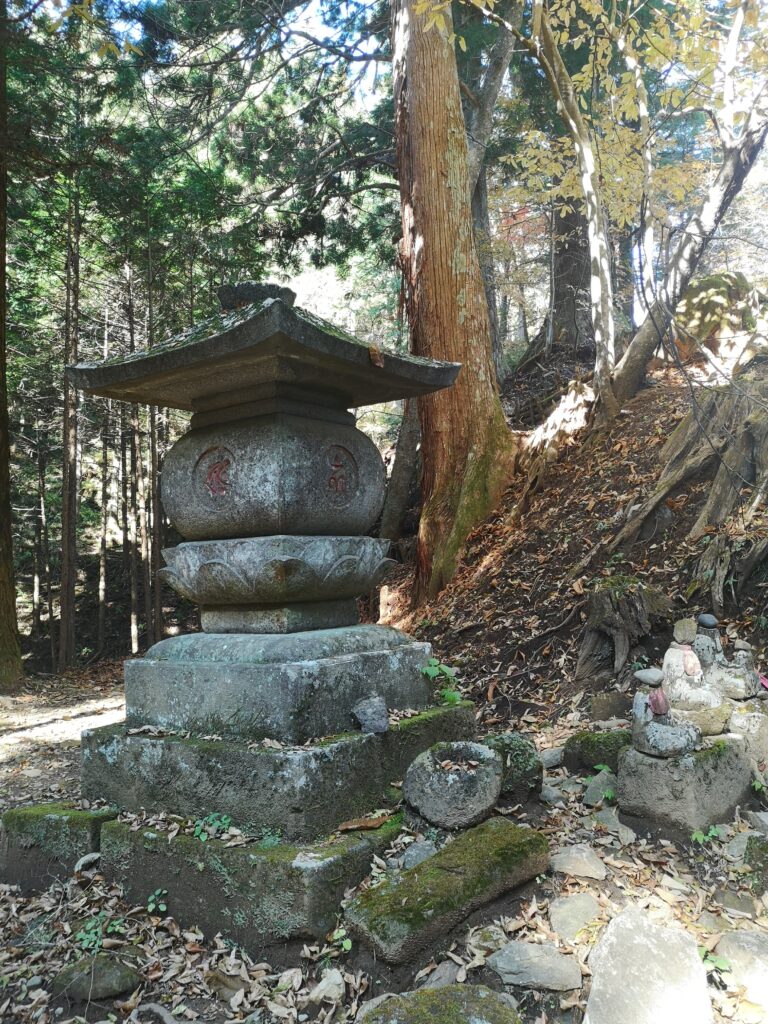
Mai felt much more at home here. The understated design and the towering cedar trees align perfectly with our preference for quiet, natural spaces. It’s the perfect place to decompress after the sensory overload of Toshogu.
The walk between Toshogu and Futarasan is connected by a beautiful, lantern-lined stone path. It’s a short, easy walk that makes for some of the best photos of the trip!
To see where to go next, head back to our comprehensive guide on the Best Day Trips from Tokyo.
➡ Back to Kanto Area & Around Tokyo Guide
➡ Back to Japan Transport & Rail Guide
Comment