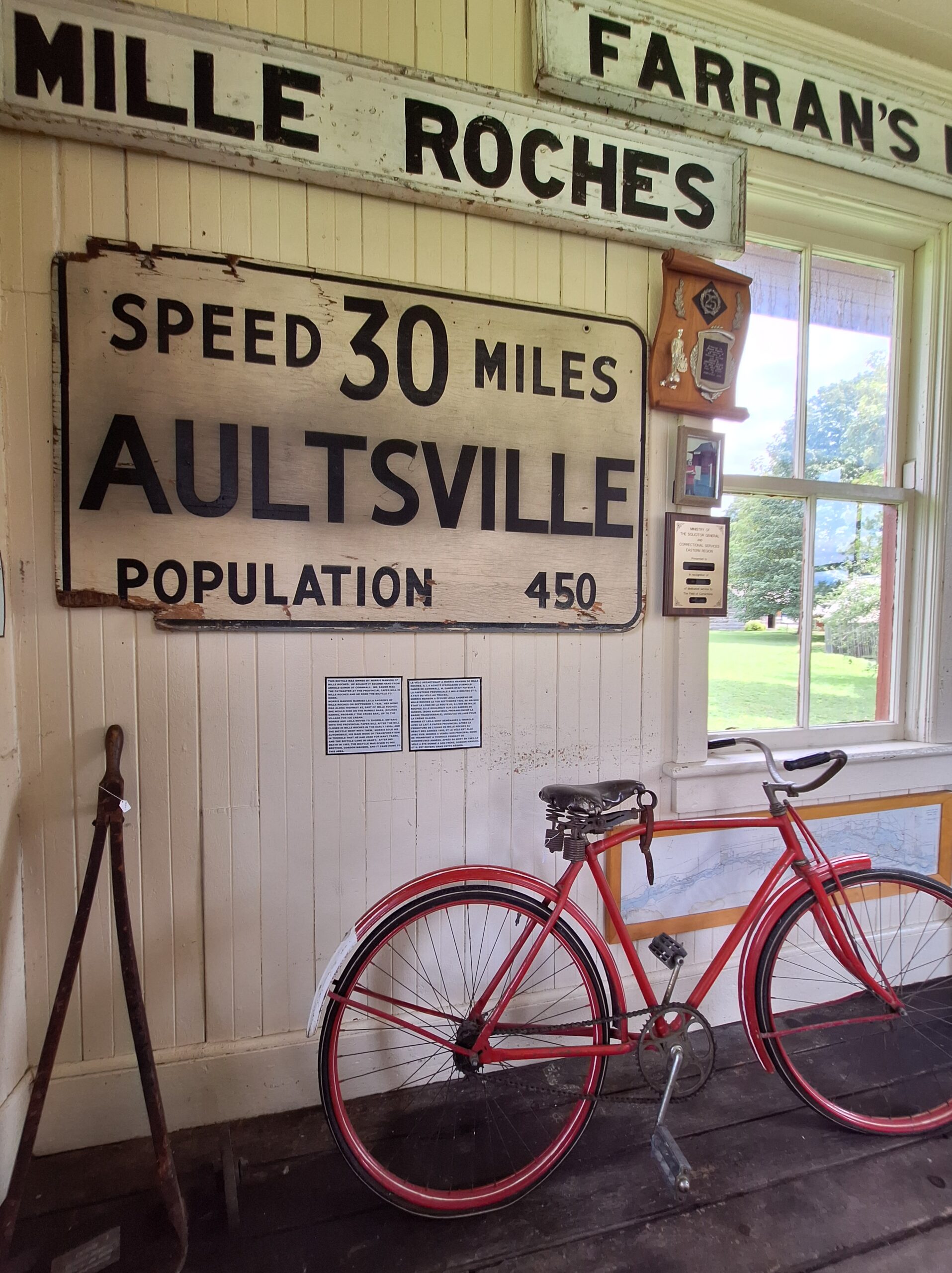
Just a 90-minute to two-hour drive from Montreal, near the city of Cornwall in Ontario, lies a quiet and beautifully preserved open-air museum. At first glance, The Lost Villages Museum looks like a tranquil park dotted with historic 19th-century buildings nestled among lush green lawns.
However, behind this peaceful setting lies a poignant history—the story of entire communities submerged beneath the waters of the St. Lawrence River. Admission to the museum grounds is free, and you are welcome to wander through this unique collection at your leisure.
If you are planning a day trip or weekend getaway from Montreal or Ottawa, here is everything you need to know about visiting the Lost Villages Museum and discovering this fascinating, sunken chapter of Canadian history.
🇯🇵 この記事を日本語で読む: セントローレンス川に沈んだ村々の記憶を訪ねて。「ロストビレッジミュージアム」完全ガイド
What Were the “Lost Villages”?
In the 1950s, the landscape along the St. Lawrence River changed forever with the construction of the St. Lawrence Seaway and a massive international hydro-electric power project. To allow large ocean-going vessels to navigate inland and to generate electricity, a huge dam was built, significantly raising the water level of the river.
On 1 July 1958, vast areas of land were flooded. Nine villages and two hamlets were completely swallowed by the water, displacing hundreds of families and forcing entire communities to relocate to newly built towns. These submerged settlements became known as “The Lost Villages.”
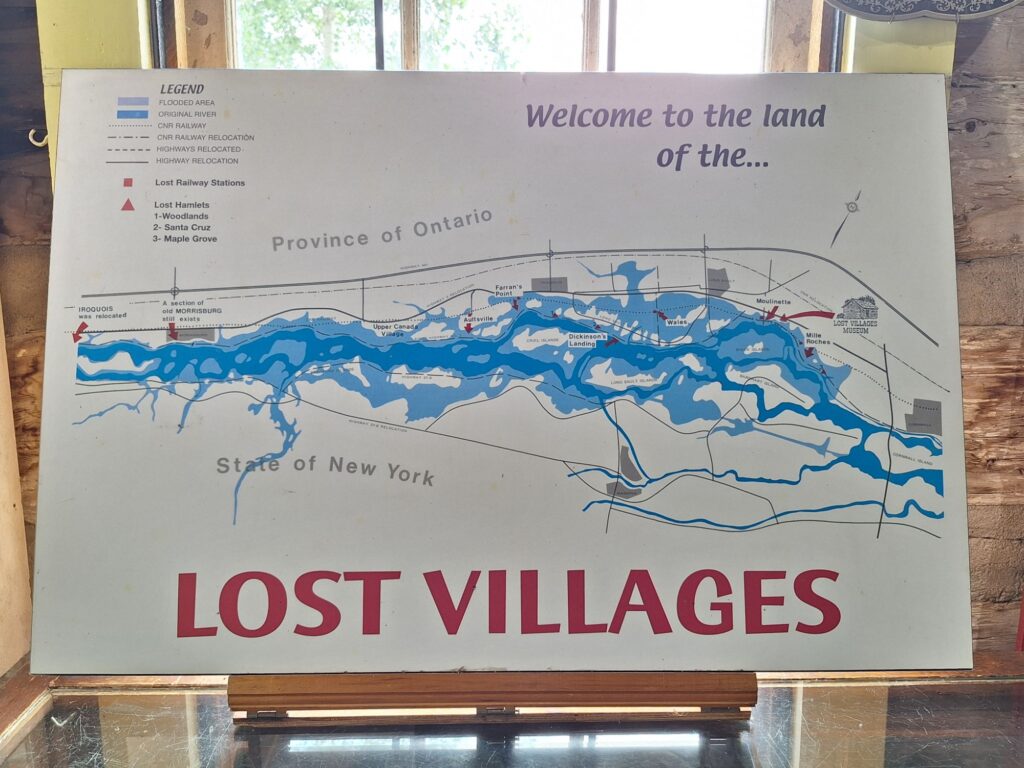
The Lost Villages Museum serves as a living memorial, created by the local historical society, to preserve the stories and salvaged structures of these communities.
Key Highlights & What to See at the Museum
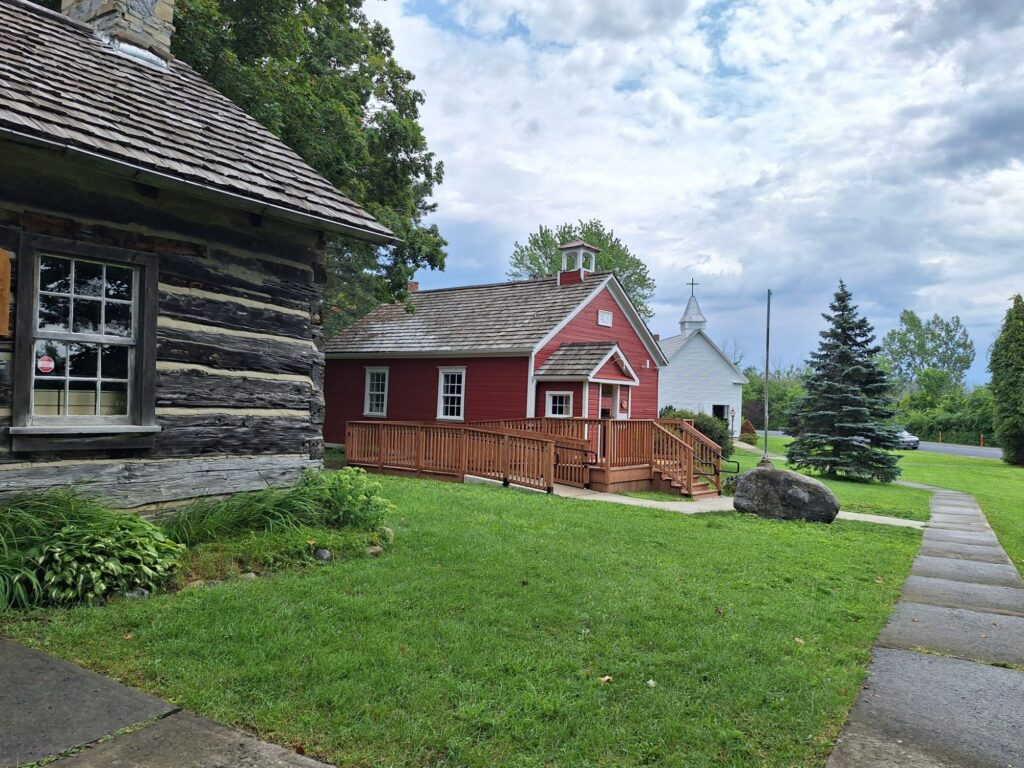
Spanning a spacious park setting, the museum relocates you straight back to late 19th and early 20th-century rural Ontario life. Here are a few standout highlights:
1. The Iconic Red Railway Station & “The Lost Line”
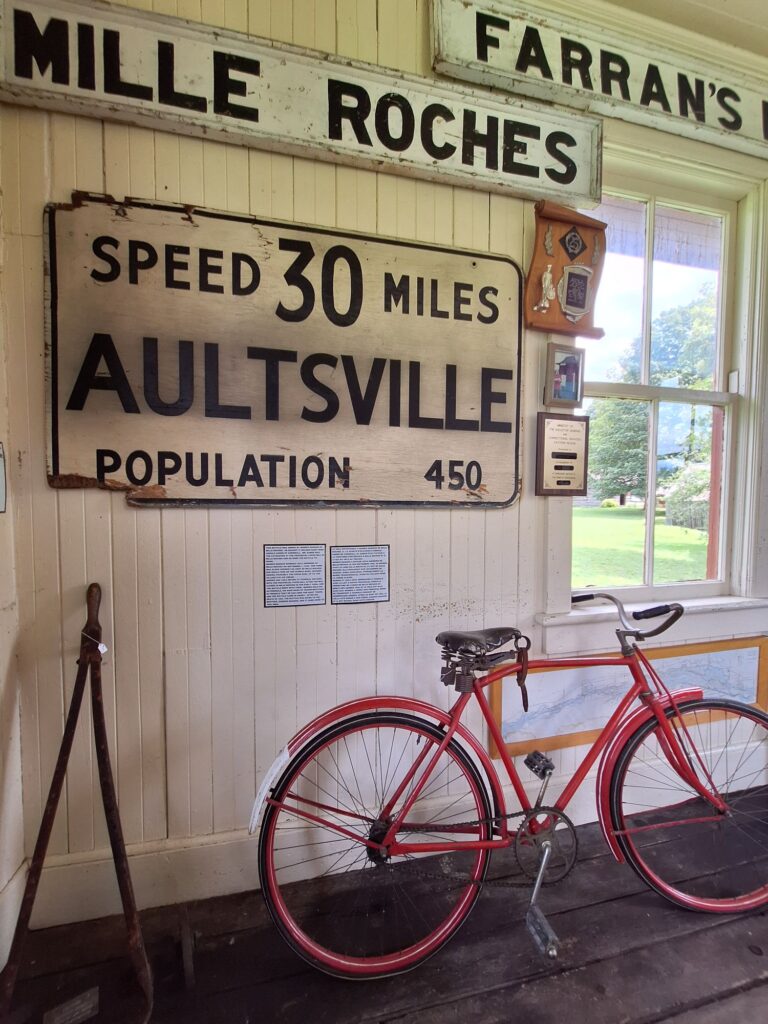
The vibrant red Grand Trunk Railway station is one of the museum’s most striking and symbolic structures.
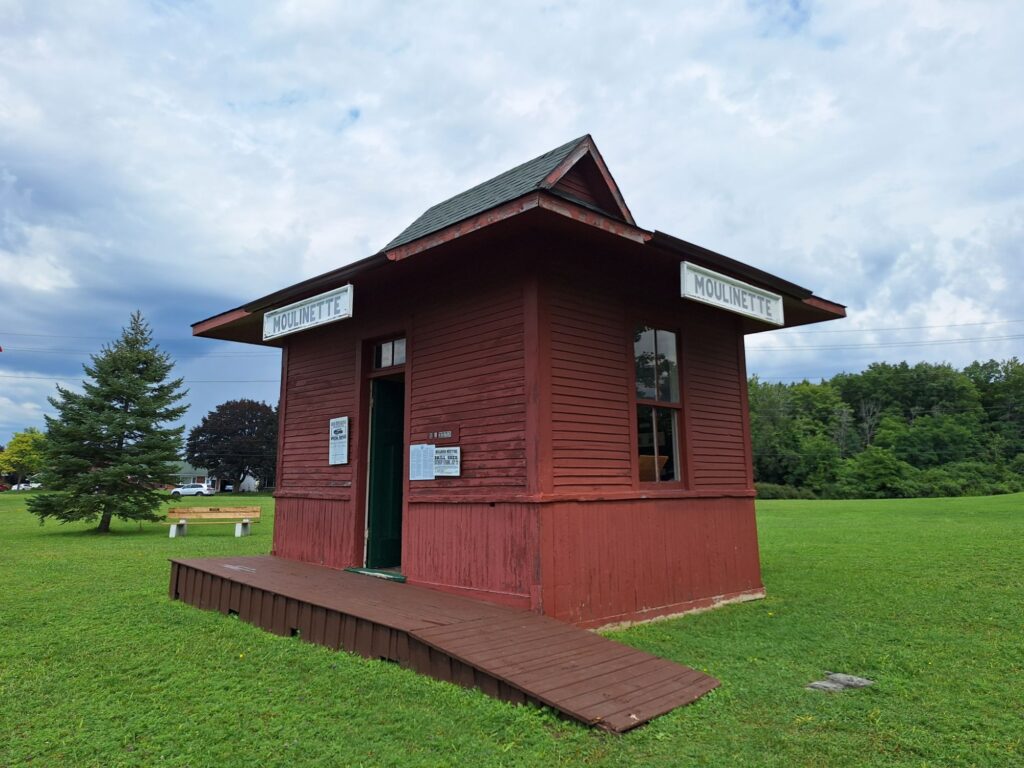
As the flooding required the railway tracks to be rerouted further inland, this line and station ceased operations. It serves as a reminder of how vital rail travel was and a symbol of the massive infrastructure shifts that brought about the communities’ end.
Inside, you can see historic signs and artifacts, including original community boundary markers.
2. The Blacksmith Shop: Craftsman Tradition
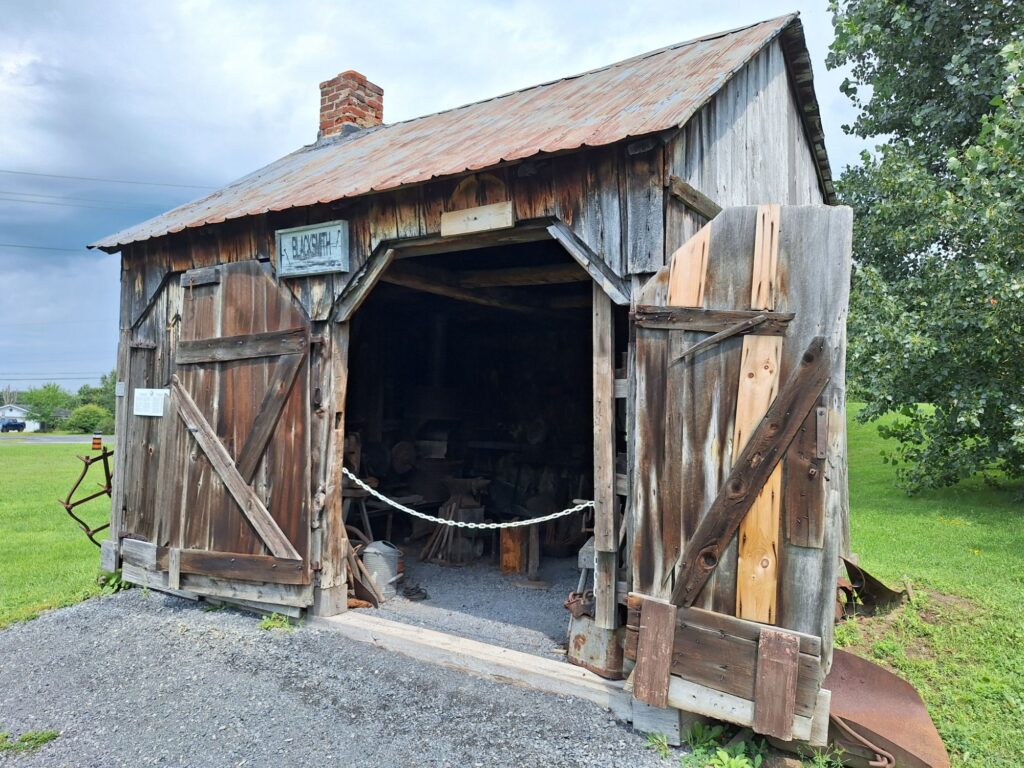
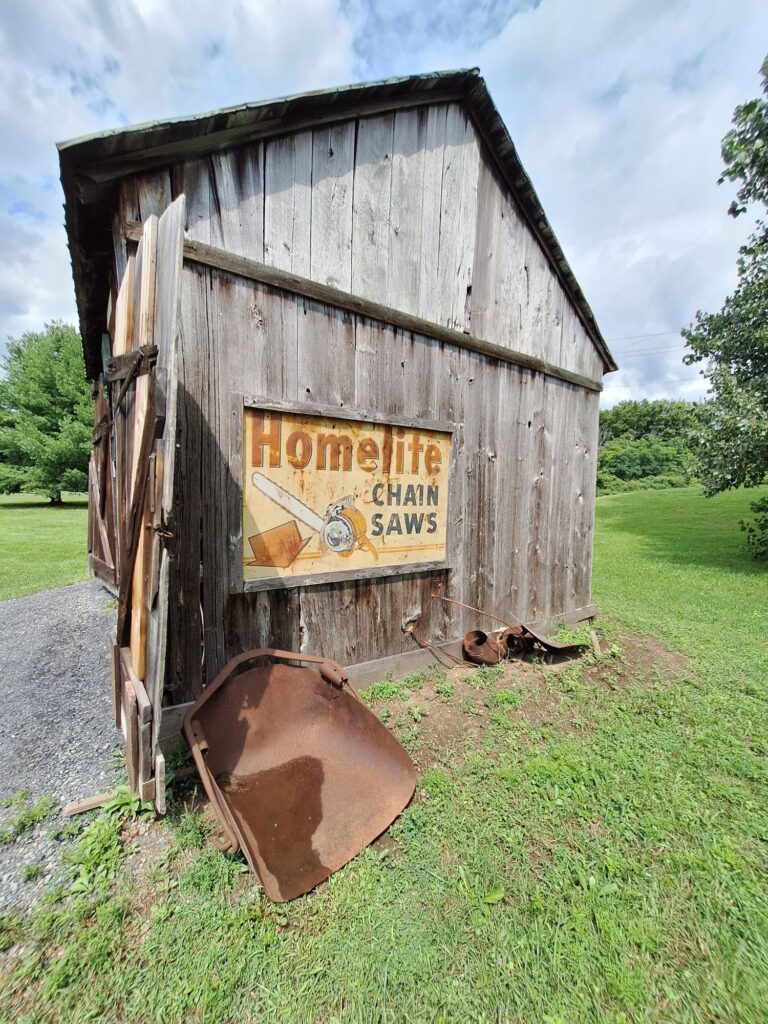
Another fascinating spot is the Ernest A. McDonald Blacksmith Shop.
Inside, the walls are hung with and surrounded by countless vintage tools used by local blacksmiths over a century ago—from horseshoeing tools to agricultural machinery repair equipment. It gives a real sense of the daily labor that kept these rural communities running.
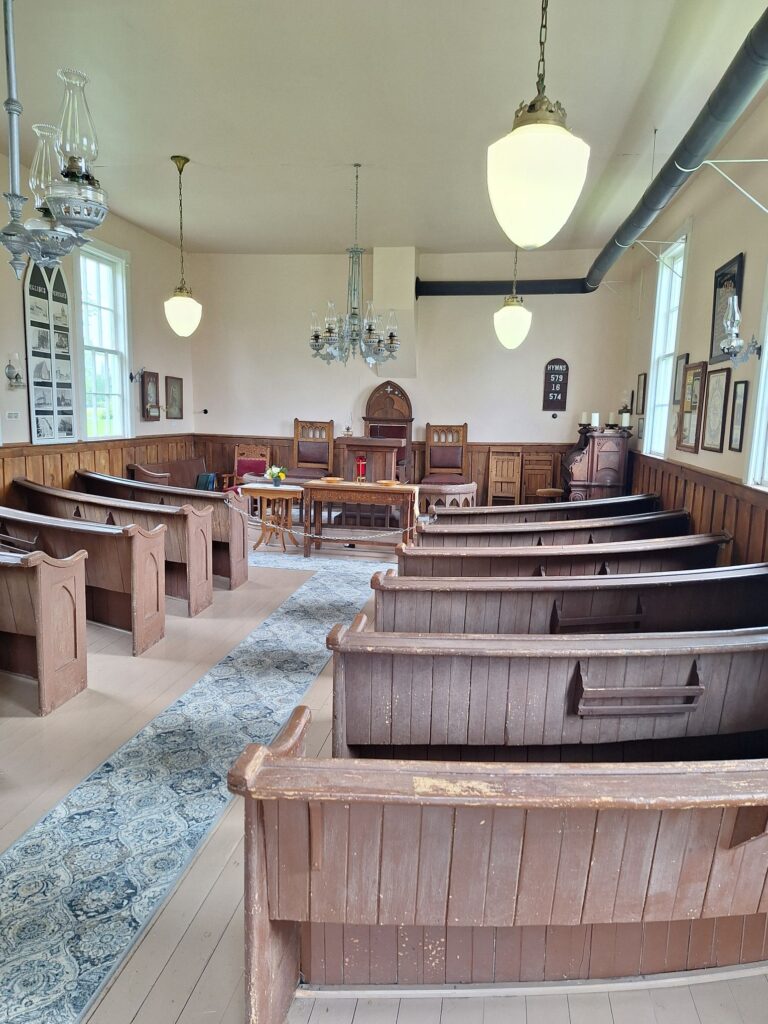
3. St. David’s Anglican Church & Its Curved Pews
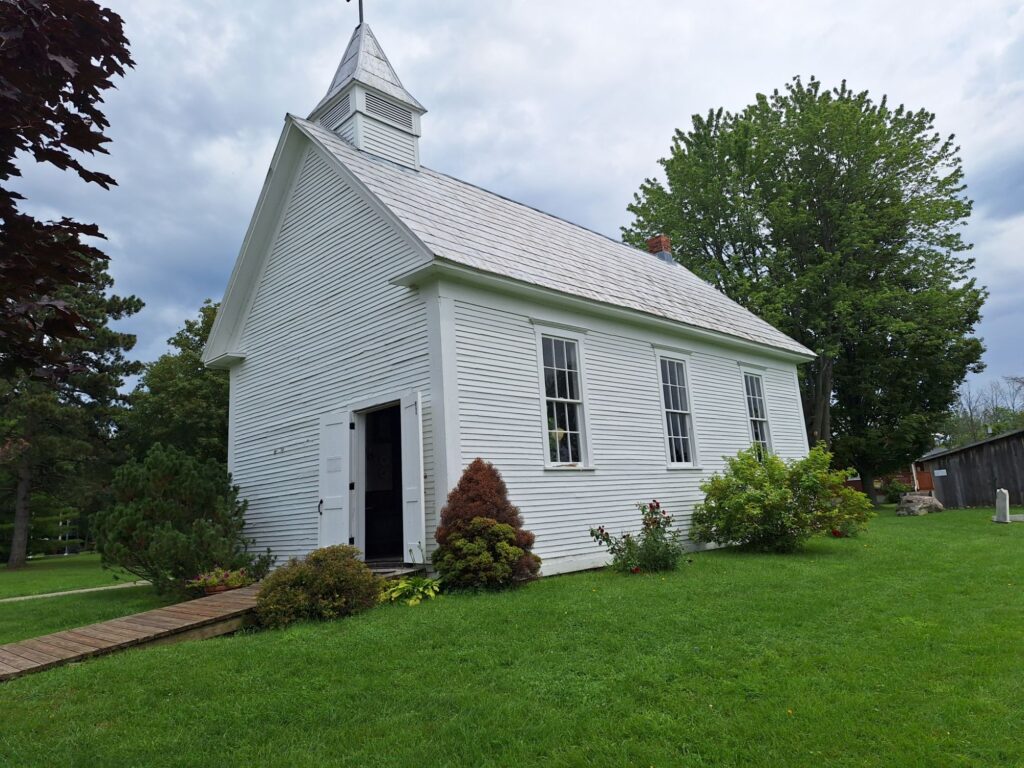
Stepping inside St. David’s Anglican Church is highly recommended. Unlike standard churches with straight rows, the wooden pews inside curve gently towards the central aisle. This unique architectural detail creates a uniquely warm, welcoming atmosphere.
4. The Agricultural Barn: Tools of Daily Life
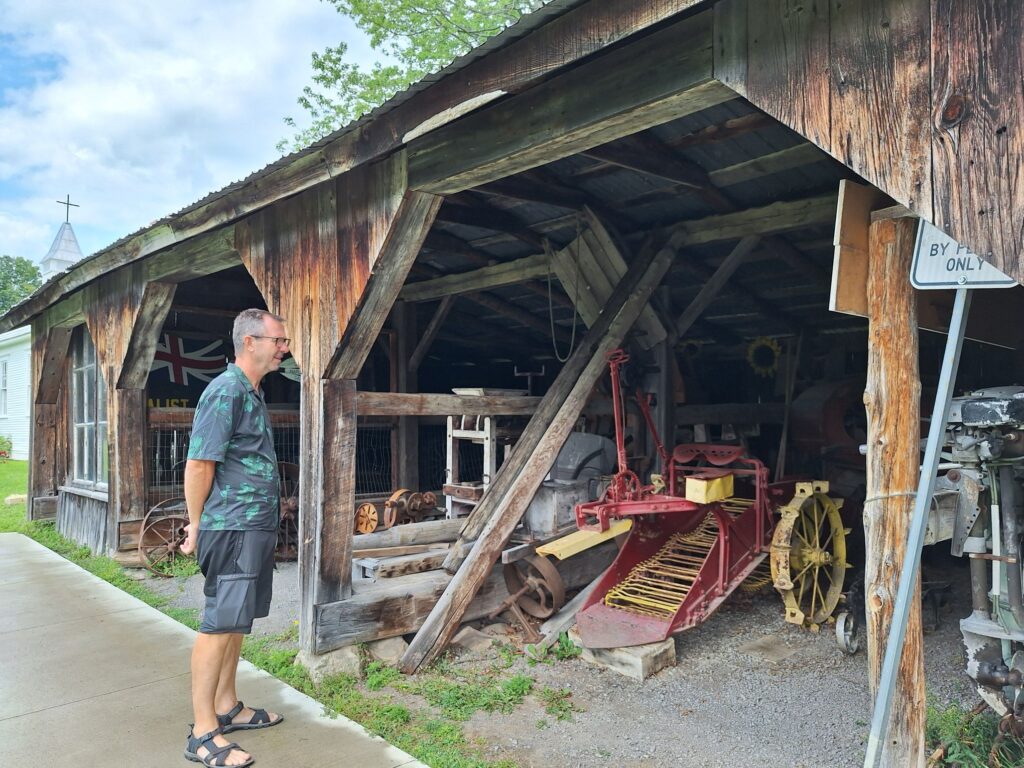
A massive, weathered timber barn houses an extensive collection of vintage farm equipment.
As you wander down the central aisle, you are surrounded by horse-drawn plows, scythes, rakes, yokes, and wagons, all painstakingly arranged. These are the tools that shaped the land and sustained the lost communities for generations, offering a tangible connection to their agricultural heritage.
5. The General Store & Modern Gift Shop
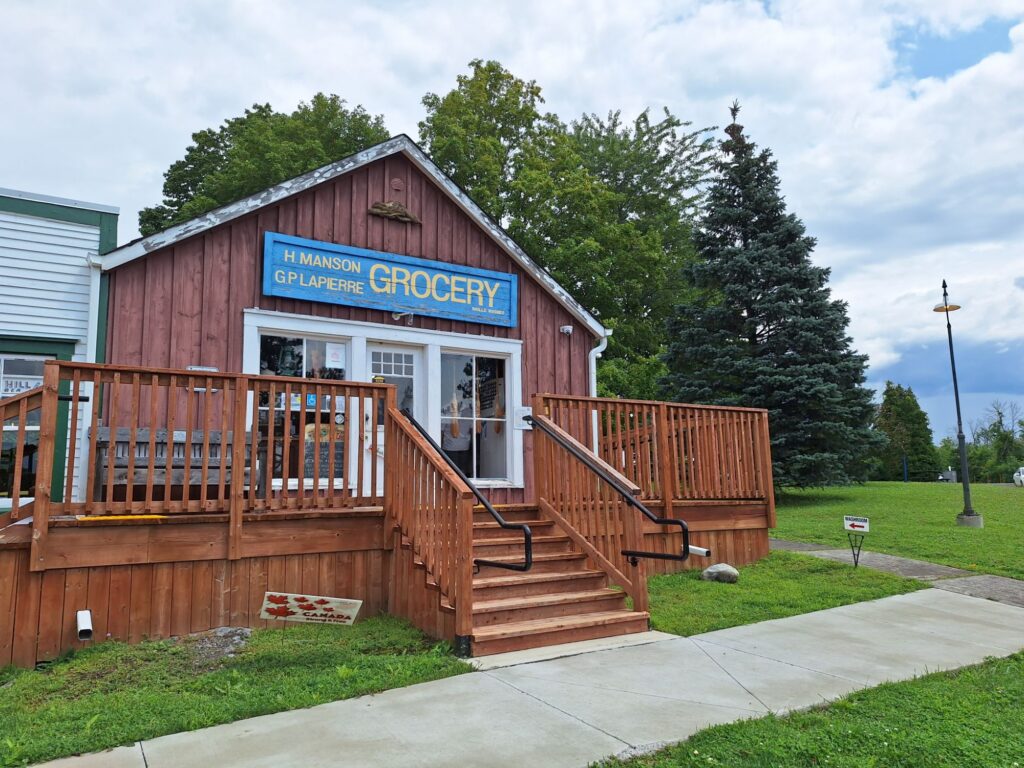
The museum grounds include a charming former General Store, which has been transformed into a welcoming gift shop.
While the building itself retains its historic character, the interior now features local crafts, books on the region’s history, souvenirs, and gifts. It is a great place to browse and find a unique keepsake.
6. The Schoolhouse: A Glimpse of Rural Education
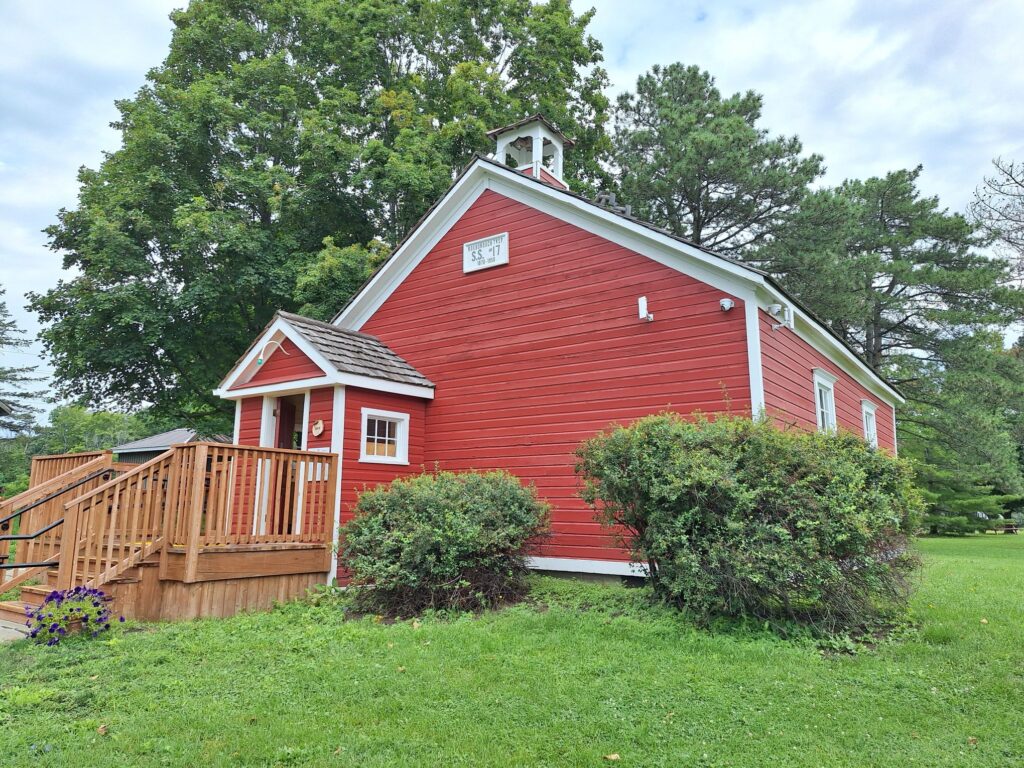
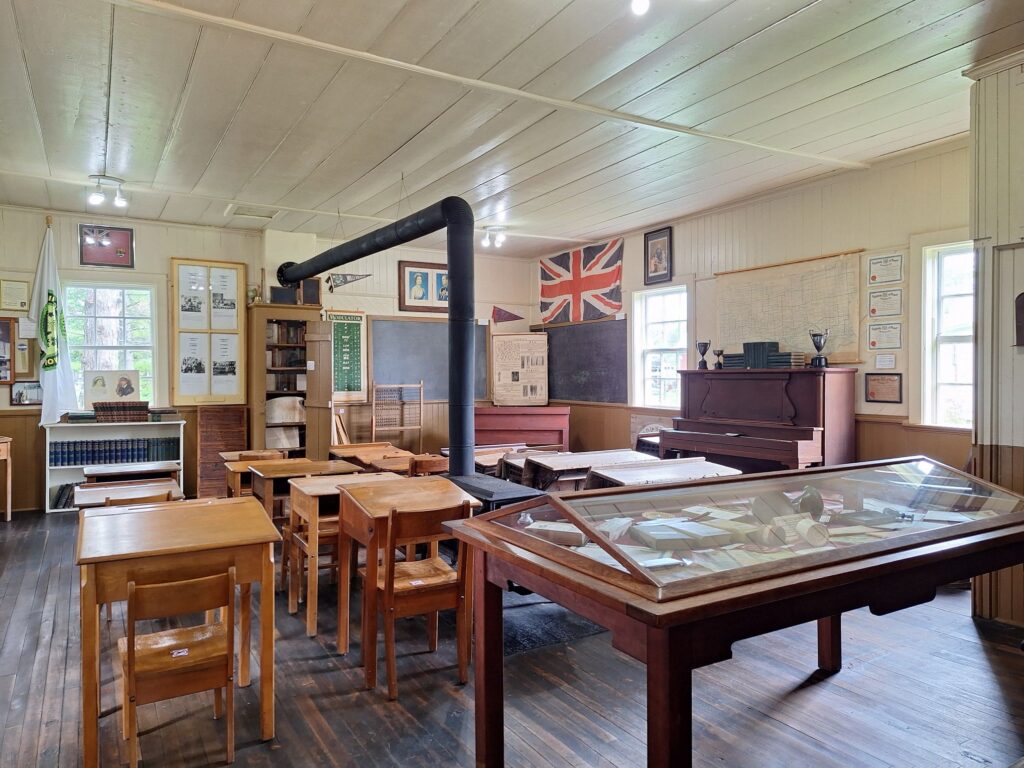
Walking into the old red schoolhouse feels like stepping back into a 19th-century classroom.
Rows of wooden desks, slate blackboards, and a large iron stove paint a vivid picture of rural school life. It is wonderfully preserved and very photogenic.
Practical Visitor Information & Amenities
If you are planning a visit, here are a few practical tips:
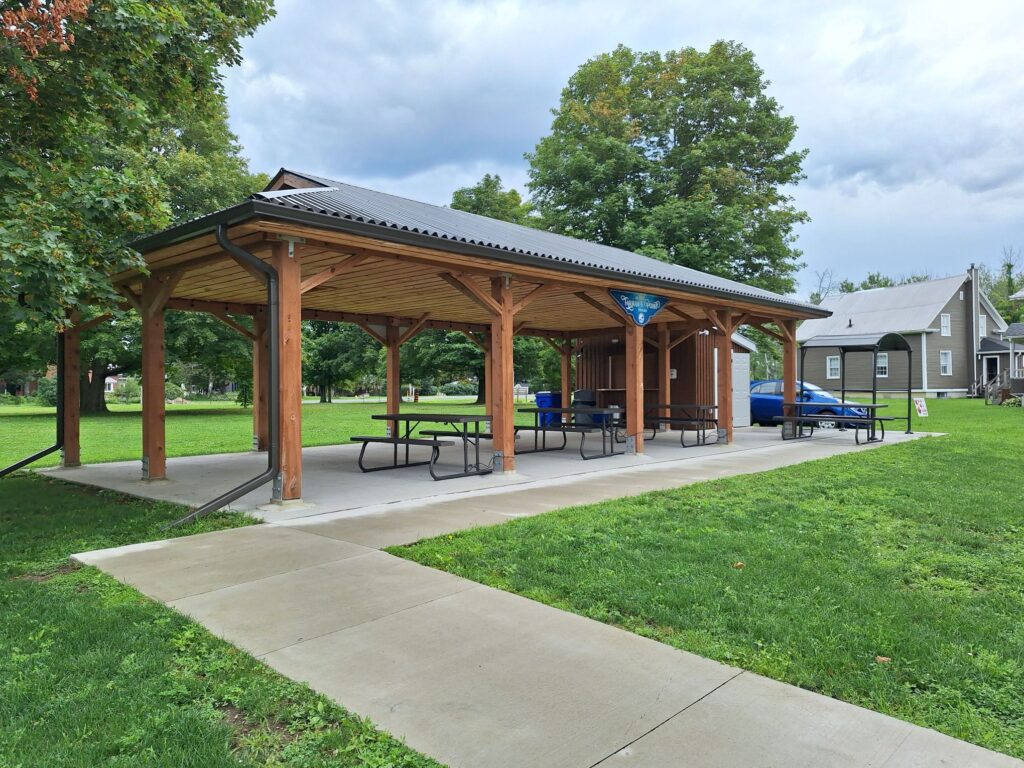
- Picnic Areas: There are several outdoor picnic tables as well as a large covered pavilion where you can relax and enjoy lunch in the shade.
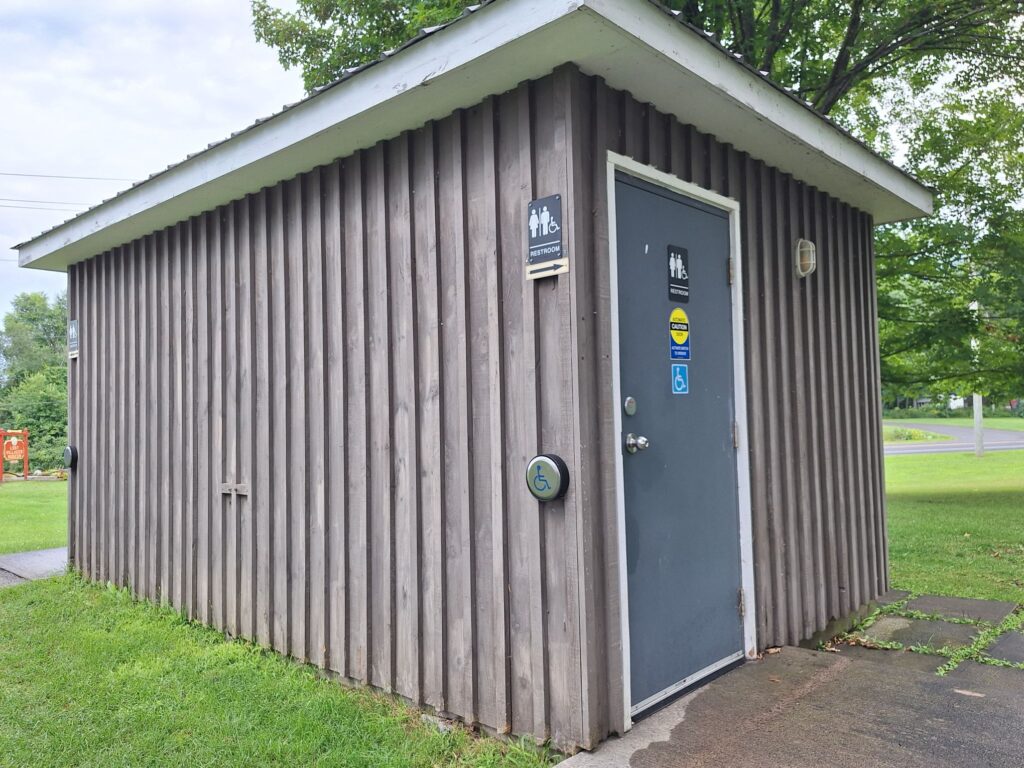
- Facilities: Clean public toilets, including wheelchair-accessible restrooms, are available on-site.
- Suggested Duration: Plan to spend around 1.5 hours to comfortably explore all the buildings and read the informative plaques.
[Related Stories]
➡ Century Motel Review: Comfort & Convenience for a Road Trip to Cornwall, Ontario
➡ Top Things to Do in Cornwall, Ontario: A Scenic Drive & Local History from Montreal
Final Thoughts: A Must-Visit Near Cornwall, Ontario
Although it is sad that the village will be submerged by the dam, which continues to support our daily lives to this day, I thought it was impressive to see the community’s commitment to preserving the story for future generations.
The Lost Villages Museum is far more than an enjoyable outdoor walk; it is a deeply meaningful tribute to lost homes and local heritage. If you are taking a road trip along the St. Lawrence River, travelling between Montreal and Kingston, or exploring the Cornwall area, this hidden gem is well worth a visit.
Comment